
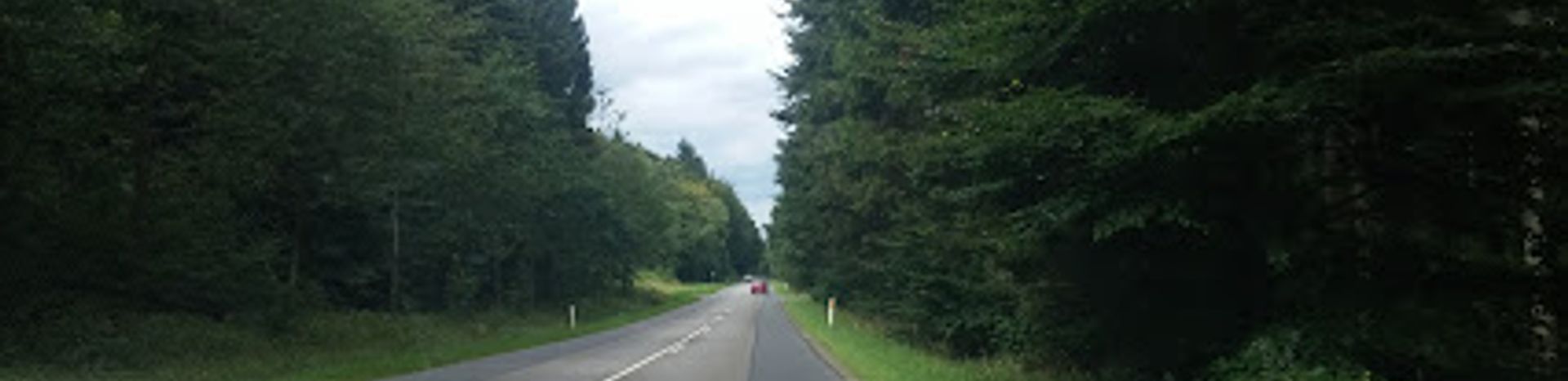
Jensen Frode (Kulbrænder)
Discover one of Denmark’s last traditional charcoal burners in Skørping, where forest heritage, slow craft and smoke-darkened timber tell stories of another age.
At Jensen Frode (Kulbrænder) on Kirkevej in Skørping, you step into the world of one of Denmark’s last traditional charcoal burners. In this modest rural workshop on the edge of Rold Skov, time-honoured techniques turn stacked timber into charcoal in low, smoking mounds. It is a niche, atmospheric stop for travellers curious about old crafts, local stories and the link between the surrounding forest and the people who have worked it for generations.
A brief summary to Jensen Frode (Kulbrænder)
- Kirkevej 7, Skørping, 9520, DK
- +4598391354
- Duration: 0.5 to 1.5 hours
- Free
-
 Outdoor
- Mobile reception: 4 out of 5
Local tips
- Combine a brief visit with a walk in nearby Rold Skov or Rebild Bakker to better appreciate the forest that supplies the charcoal craft.
- Wear clothes you do not mind getting a little dusty or smoky, especially if a charcoal burn is underway.
- Bring a camera; the contrast between dark charcoal, pale wood and surrounding greenery makes for striking close-up shots.

For the on-the-go comforts that matter to you
- Seating Areas
Getting There
-
Train and short walk from Aalborg
Take a regional train from Aalborg to Skørping Station; services typically run at least once an hour and the journey takes about 30–40 minutes. A standard adult single ticket usually costs around 60–90 DKK depending on time and fare type. From Skørping Station, allow 10–20 minutes on foot along level pavements through town; the route is straightforward but not signposted specifically for the attraction. Trains are accessible for wheelchairs and strollers, though some older platforms may have small gaps.
-
Car from Aalborg or Rebild area
Driving from central Aalborg to Skørping typically takes 30–40 minutes via the main highway network, depending on traffic. From the Rebild and Rold Skov area, the drive is usually 10–20 minutes along local roads. There is on-street parking in the residential streets near Kirkevej; it is generally free but may be limited at busy times. No special vehicle is required, and roads are paved and suitable year-round, though winter conditions can occasionally slow travel.
-
Regional bus within Himmerland
Several regional buses connect smaller Himmerland towns and villages with Skørping, often routing via Støvring or Rebild. Typical journey times range from 25–45 minutes depending on starting point and connections, with adult fares commonly in the 30–60 DKK range. Services can be less frequent in the evenings and on weekends, so checking the timetable in advance is important. Most buses have low-floor access, but space for wheelchairs and prams can be limited at peak times.
Jensen Frode (Kulbrænder) location weather suitability
-
 Clear Skies
-
 Mild Temperatures
-
 Cold Weather
Discover more about Jensen Frode (Kulbrænder)
A living link to Denmark’s charcoal-burning past
Hidden in the quiet streets of Skørping, Jensen Frode (Kulbrænder) preserves a craft that once fuelled ironworks, blacksmiths and households across rural Denmark. Here, charcoal is still produced the old-fashioned way, from carefully selected wood stacked into rounded mounds and slowly carbonised. The surroundings feel more like a working yard than a polished attraction, and that is precisely the charm: this is an authentic glimpse into a vanishing way of life. The name “kulbrænder” literally means charcoal burner, and for decades Frode has been associated with Rold Skov as one of the country’s last professional charcoal makers. The atmosphere is gently smoky when work is underway, with the scent of resin and wood hanging in the air. It is a small, highly specialised world, but one that helps explain how people have long depended on the great forest just beyond town.Craft, tools and the rhythm of the kiln
The heart of the site is the charcoal-burning setup itself: neatly piled logs, blackened earth and the simple tools needed to tend the fires. Instead of industrial chimneys and machinery, you see spades, rakes, shovels and hand tools, along with the tell-tale round scars on the ground where kilns have stood. When a burn is active, the mound must be watched, vent holes adjusted and the fire nursed so the wood chars rather than burns to ash. Each stage has its own rhythm: felling and cutting the wood, stacking it tightly, covering it with turf and soil, then controlling the smouldering process over several days. It is slow, patient work. Even when no burn is in progress, the traces remain in the blackened soil and the neatly stored woodpiles, giving a sense of a craft that measures time in days and weeks instead of minutes.Forest, landscape and a working countryside
Although the address is in town, the spirit of Jensen Frode (Kulbrænder) belongs to Rold Skov and the gently rolling landscape around Skørping. Charcoal burning depends on nearby woodland, and the surrounding beech and mixed forest has supported the trade for generations. Visiting here highlights how closely the local economy was once tied to the forest, from timber and firewood to tar, charcoal and grazing. The setting has a distinctly rural feel: gravel surfaces, sheds, stacked logs and views toward fields and trees rather than dense city streets. Birds call from nearby gardens and hedges, and on still days you can hear the distant rustle of leaves. It is a place where industrial history, forest ecology and small-town life intersect on a very human scale.A niche stop for curious travellers
This is not a large museum or full-day destination, but rather a focused stop for those interested in traditional crafts, photography and local culture. The strong textures of charred wood, weathered tools and timber stacks make engaging subjects for the camera, especially under soft overcast light. It pairs naturally with walks in Rold Skov or a broader exploration of Rebild’s hills and springs. Expect a low-key, informal experience: there are no elaborate exhibits, and visits are typically short. The appeal lies in seeing a genuine working environment and understanding the care required to keep such a specialised craft alive. For travellers willing to seek out smaller, characterful places beyond headline sights, Jensen Frode (Kulbrænder) offers a memorable, grounded encounter with Denmark’s rural heritage.Stories, demonstrations and seasonal character
When demonstrations or talks are arranged, the site comes alive with anecdotes about past burns that went well – and the occasional one that did not. Charcoal burning is always at the mercy of weather, moisture and wind, and each kiln tells its own story. On cooler days, a faint warmth radiates from the mound, contrasting with the crisp air, and a thin plume of smoke marks the slow transformation taking place inside. The character of a visit changes with the seasons. In late spring and summer, greenery from nearby gardens and the forest provides a vivid backdrop to the dark kilns, while autumn brings a mix of golden leaves and damp earth, perfectly suited to the smoky craft on show. Even without formal activity, standing here and imagining the long nights spent tending the fires adds depth to any journey through Skørping and the surrounding countryside.Iconic landmarks you can’t miss

Mariager Fjord
21.1 km
Denmark's longest fjord winds through pristine Jutland landscapes, offering unspoilt nature, charming villages, and exceptional outdoor adventures.
Aalborgtårnet
21.3 km
A classic 1930s steel tower lifted above a wooded hill, Aalborgtårnet combines a thrilling outdoor elevator ride with 360° views and a cosy sky-high bistro.
Hotel BramslevGaard
21.4 km
Experience tranquility and history at Hotel BramslevGaard, nestled in the scenic Bramslev Bakker by Mariager Fjord, offering gourmet dining, spa retreats, and easy access to Northern Jutland's natural wonders.
Restaurant BramslevGaard
21.4 km
Experience Danish history and gastronomy at BramslevGaard, a charming manor house nestled in the scenic Bramslev Bakker near Hobro, offering stunning views and French-inspired cuisine.
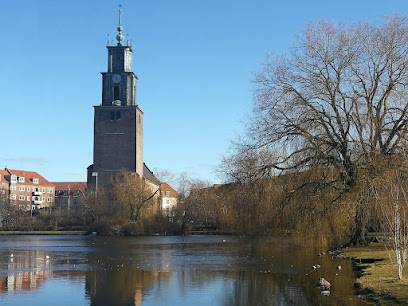
Østre Anlæg
21.8 km
Explore Malmö’s celebrated hub for technology, science, and maritime heritage—offering hands-on discoveries and a genuine submarine, just steps from Malmöhus Castle.
Aalborgmanden
21.9 km
Discover Sweden’s maritime and technology heritage at Malmö’s interactive museum, featuring locomotives, submarines, and hands-on science in a striking industrial setting.
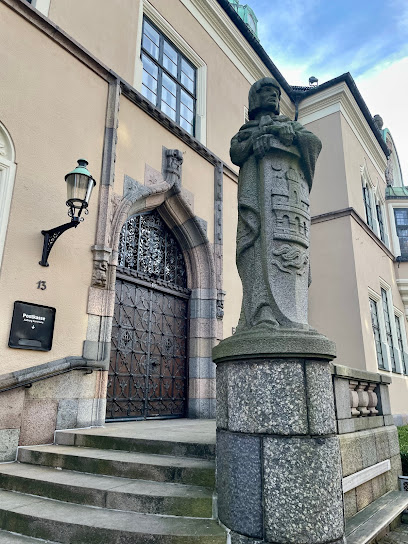
Gråbrødrekloster Museum
22.0 km
A bustling Nørrebro hotspot famous for independent boutiques, artisan makers, and acclaimed culinary experiences—Copenhagen’s Bohemian street at its best.
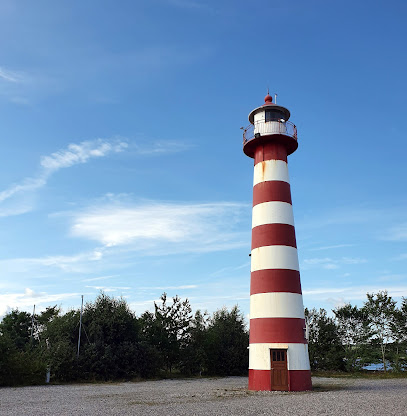
Kongsdal Fyrtårn
22.0 km
A retired North Sea lighthouse reborn as the red‑and‑white landmark of tranquil Kongsdal Marina on the scenic shores of Mariager Fjord.
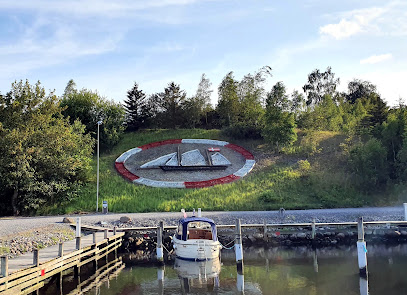
Kongsdal Havn
22.0 km
Modern marina sheltered in Mariager Fjord, where contemporary facilities meet Denmark's maritime heritage.
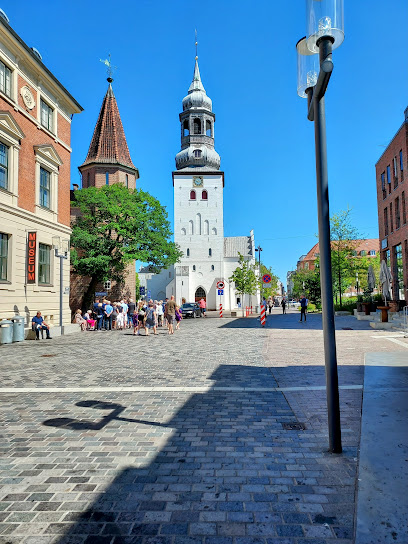
Aalborg Historical Museum
22.1 km
Jægersborggade in Nørrebro is Copenhagen’s trendsetting street, famed for its artisan shops, innovative cafés, organic bakeries, and unique local atmosphere.
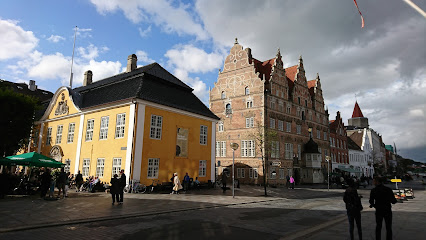
Old City Hall
22.1 km
Aalborg’s tiny Baroque town hall on Gammeltorv, where a vivid yellow façade, royal motto and intimate interiors tell the story of centuries of civic life.
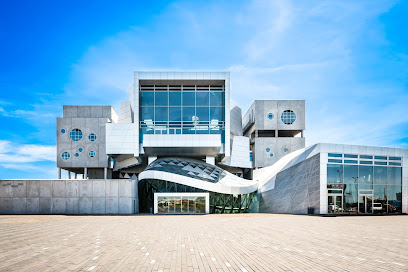
House of Music
22.1 km
A soaring fjord-side concert hall where cutting-edge architecture amplifies world-class music.
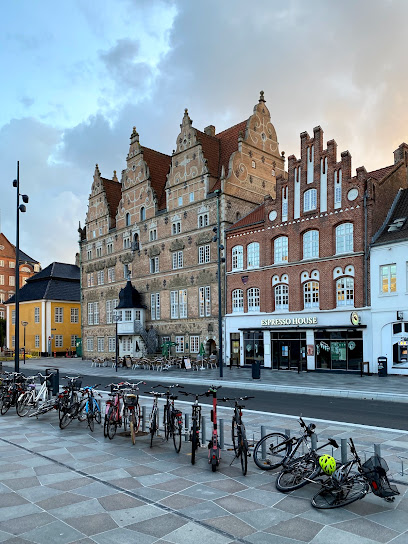
Jens Bangs Stonehouse
22.1 km
Aalborg’s most flamboyant Renaissance mansion, where a 17th‑century merchant’s ambition still lives on in carved stone, gargoyles and a centuries‑old pharmacy.
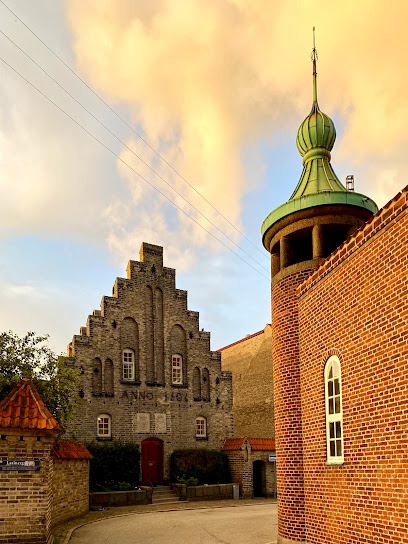
Aalborg Kloster
22.1 km
A medieval House of the Holy Ghost turned living social institution, Aalborg Kloster offers tranquil courtyards, Gothic brickwork and centuries of quiet urban history.
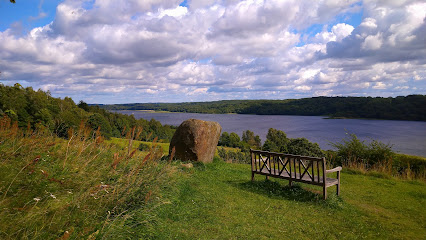
Bramslev Bakker
22.2 km
Discover Bramslev Bakker: Hike scenic trails, explore historic landscapes, and enjoy breathtaking views of Mariager Fjord in this protected natural haven near Hobro.
Unmissable attractions to see

Stenstuen
0.3 km
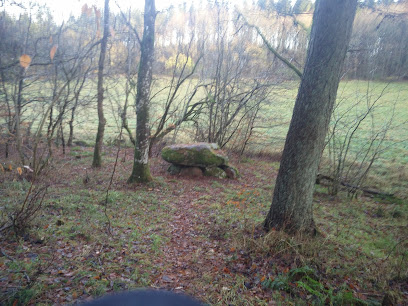
A low-key forest shelter in Rold Skov where simple wooden roofs, campfire evenings and birdsong offer an easy, authentic overnight in Denmark’s great outdoors.
Rold Skov Klub
1.4 km
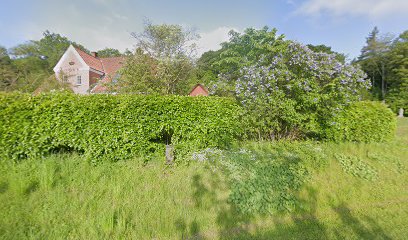
Forest-edge fairways, rolling Jutland hills and a friendly clubhouse atmosphere make Rold Skov Golf Club a scenic base for a full day of golf near Skørping.
Rold Skov Orienteringsklub
1.7 km
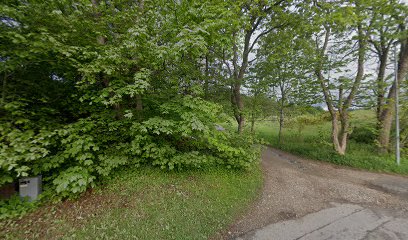
Community-driven orienteering at the edge of Denmark’s Rold Forest, where detailed maps, quiet trails and local passion turn navigation into adventure.
Kløverstien I Skørping
1.8 km
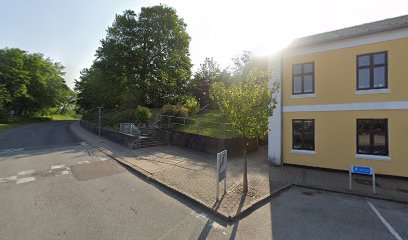
Four colour‑coded trails fanning out from Kulturstationen, linking Skørping’s streets, forest edges and village landscapes into easy, everyday nature adventures.
Røverknolden
1.9 km
Artistic forest playground where imagination meets adventure in Denmark's largest woodland.
Lille Blåkilde
2.0 km
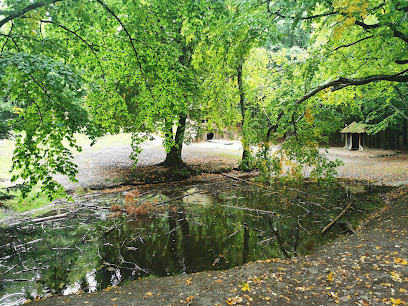
A crystal-clear fracture spring discharging 90 liters per second, home to rare alpine species and 6,000 years of human history.
Comwell Rebild Bakker
2.7 km
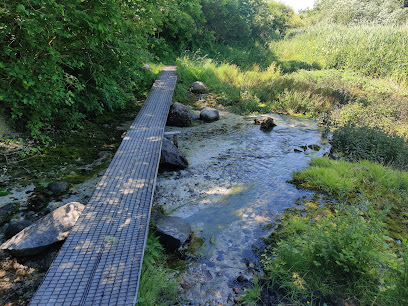
Luxury resort immersed in Denmark's most visited national park, blending Nordic wellness with historic landscape.
Danhostel Rebild
2.8 km
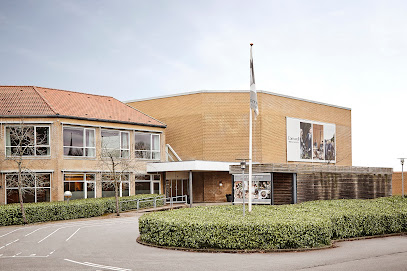
Welcoming hostel near Denmark's scenic Rebild Bakker hills with modern rooms, friendly staff, and included breakfast.
Kvalitetssti Rebild
2.9 km
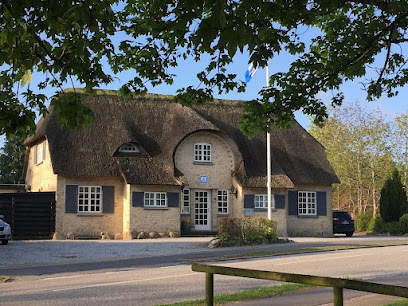
A certified premium hiking loop through Rebild Bakker’s purple heaths, deep springs and ancient forest, showcasing some of Denmark’s most dramatic lowland terrain.
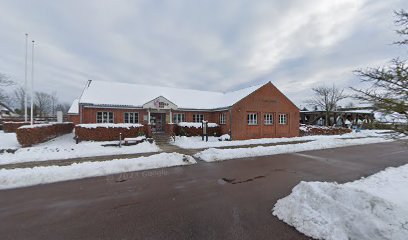
Rebild Bakker Information
2.9 km
Compact visitor hub with restrooms and trail information at the edge of Rebild Bakker, linking Skørping’s everyday life to Denmark’s heather-clad national park.
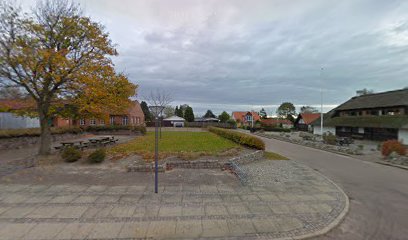
VINGES VANDRING
2.9 km
Experience Denmark’s most iconic heathland vistas and heritage on the well-marked Kvalitetssti Rebild hiking trail in the legendary Rebild National Park.
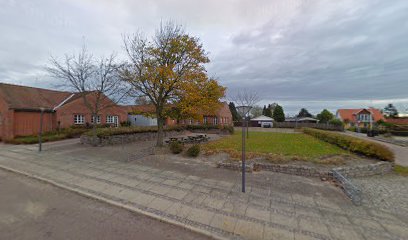
RebildPorten
2.9 km
Contemporary welcome center and terrace at the gateway to Rebild Hills and Rold Forest, where maps, stories and local insight prepare you for the landscape ahead.
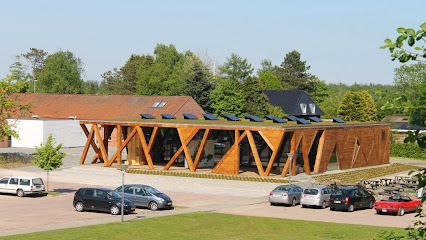
Museum Rebild
2.9 km
Where Danish emigration stories meet transatlantic friendship in historic northern Jutland hills.
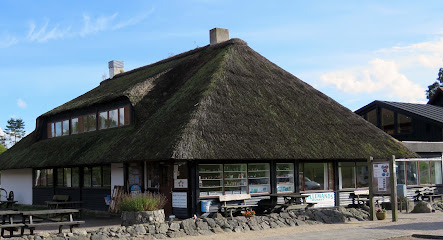
Rebild National Park
3.0 km
Denmark's historic heathland where glacial hills meet Danish-American heritage and Europe's finest certified hiking trails.
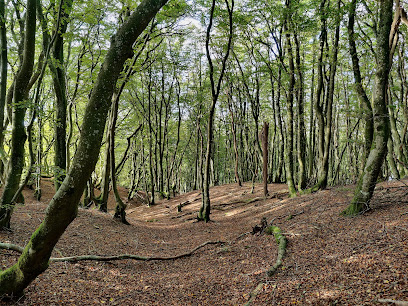
Kimbrerstenen i Rebild Bakker
3.1 km
A carved Cimbrian bull in the heather-clad hills of Rebild Bakker, Kimbrerstenen links quiet North Jutland scenery with the far-reaching journeys of an ancient tribe.
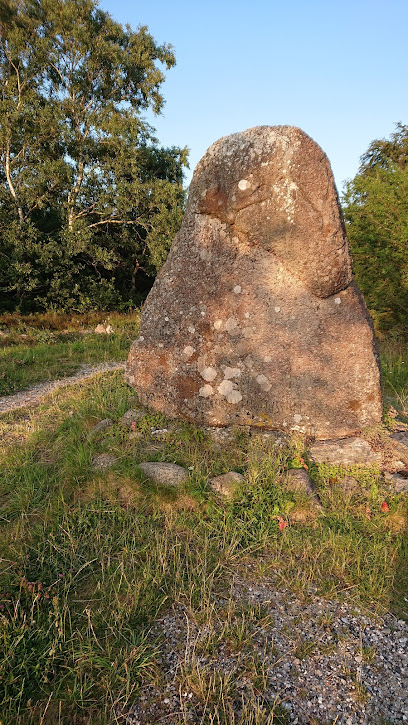
Essential places to dine

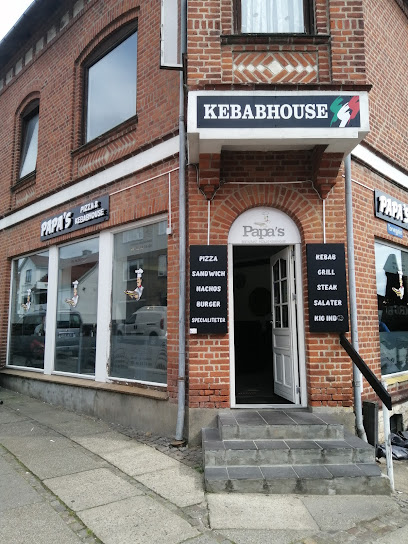
Papas Pizza Og Kebab House V/Serdar Keskin
2.0 km
Casual neighborhood pizzeria and kebab house in central Skørping, serving generous Danish-style pizzas, kebabs and grill favorites at moderate prices all week.
Røverstuen
2.8 km
Woodland restaurant at Rebild’s edge, where Danish comfort cooking, rustic interiors and forest legends combine into a relaxed, story-rich meal stop in Skørping.
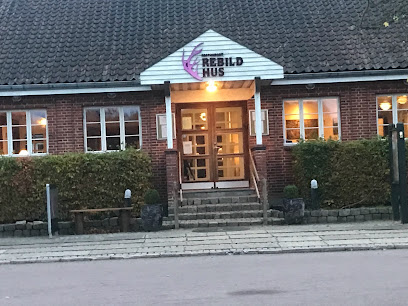
Rebildhus
2.9 km
Hearty Danish lunch and countryside charm on the edge of Rebild Bakker’s rolling hills, a relaxed restaurant base for walks, family outings and day trips.
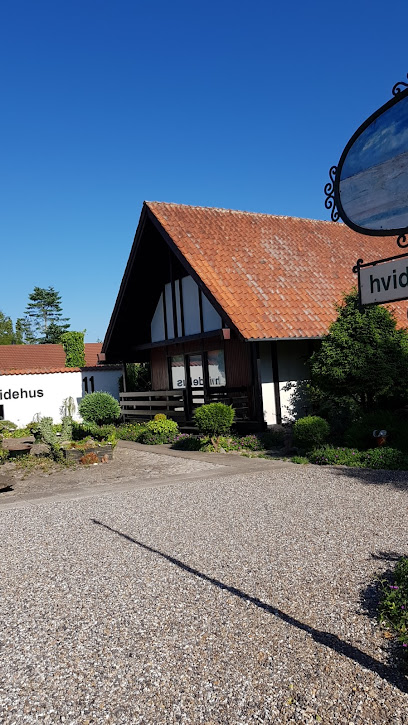
Bb Rold
2.9 km
A homely little café and B&B-style retreat in a quiet Skørping street, offering simple comforts and easy access to the forests and hills of Rold Skov.
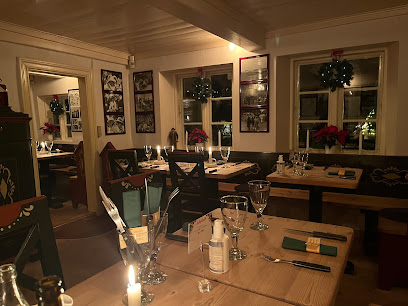
Top Karens Hus
3.0 km
Historic countryside traktørsted at the gateway to Rebild Bakker, serving traditional Danish food, coffee and cake in intimate low‑ceilinged rooms and garden.
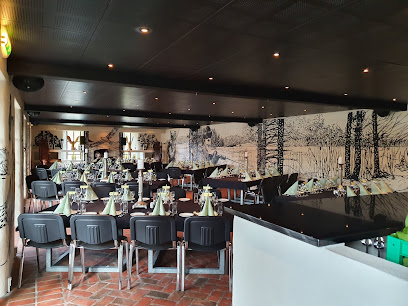
Westernhuset
3.0 km
Skørping's premier venue for group celebrations and traditional Danish dining
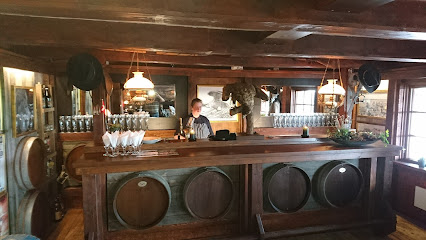
Restaurant Hul19
3.3 km
Laid-back Scandinavian clubhouse dining with sweeping views over Rold Skov Golfklub’s closing hole and the forested landscape beyond in Skørping.
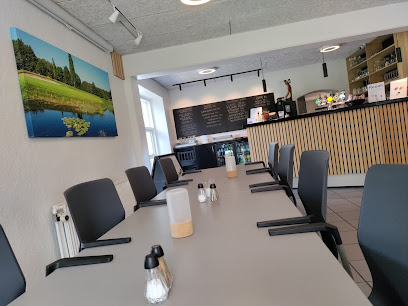
Ice Sushi
4.8 km
Straightforward sushi takeaway on Hobrovej in Støvring, serving practical sharing boxes and casual eat-in options for easy weeknight dinners and road-trip stops.
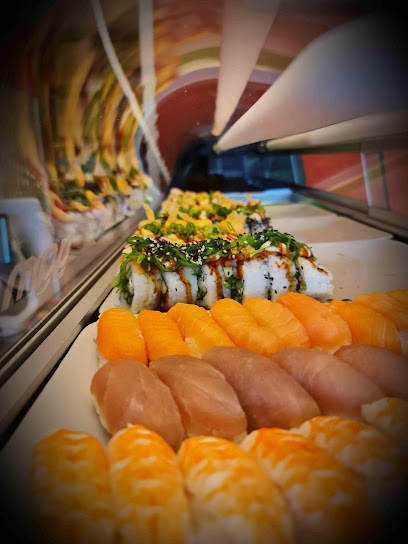
Bella Italia Støvring
5.0 km
Cozy pizza and steakhouse on Støvring’s main street, serving generous Italian-inspired comfort food and easygoing Danish hospitality for locals and road‑trippers alike.
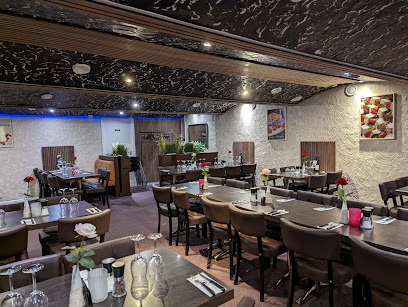
MesterBageren Støvring
5.1 km
Lively neighborhood bakery-café in central Støvring, serving classic Danish breads, pastries and celebration cakes from early morning until late afternoon.
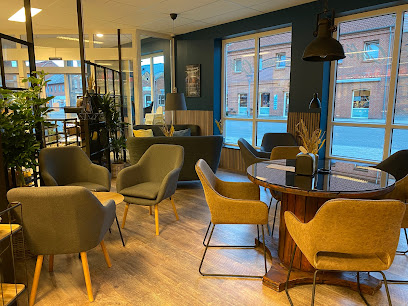
Mosskovpavillonen
5.4 km
Historic forest pavilion serving French-Danish cuisine beside a pristine lake in North Jutland's natural heart.
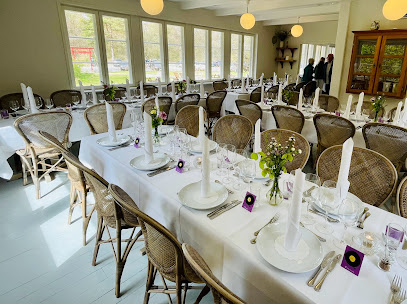
MADUMSØHUS ISBAR
7.1 km
Homely countryside ice cream stop by Madum Lake, where classic Danish soft ice meets quiet Jutland landscapes and relaxed summer-evening vibes.
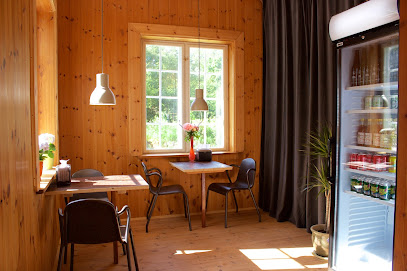
Terndrup Kro
11.8 km
Traditional Danish inn and restaurant in the heart of Terndrup, serving hearty local dishes with simple rooms and welcoming village atmosphere near Rold Skov.
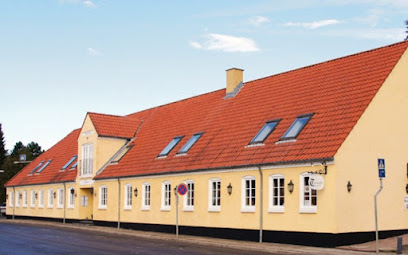
Burger King
13.3 km
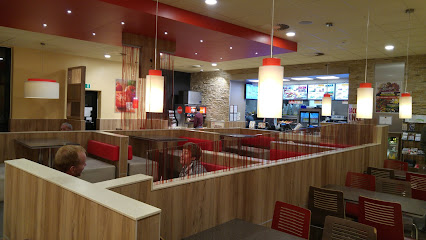
Flame-grilled burgers and quick meals in rural Jutland's convenient fast-food hub.
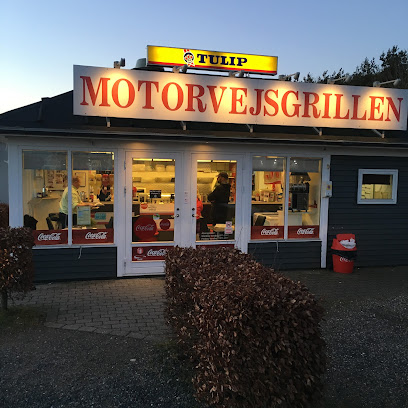
Motorvejsgrillen
13.4 km
Old-school Danish roadside grill off the Nørager motorway, serving hearty burgers, fries and classic fast food to drivers, locals and truckers all week.
Markets, malls and hidden boutiques

KaLo Design
0.8 km
Discover handcrafted Danish furniture blending tradition and modern design at KaLo Design in Skørping.

Kirkens Korshær Genbrug
1.8 km
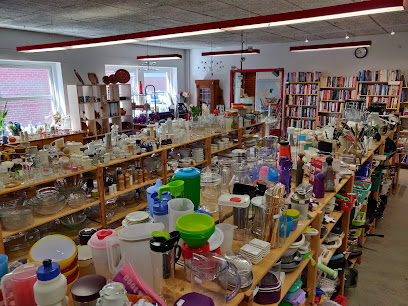
Small-town Danish thrift shop where every second-hand bargain helps fund social work and offers a glimpse into everyday community life in Skørping.
Meny
1.9 km
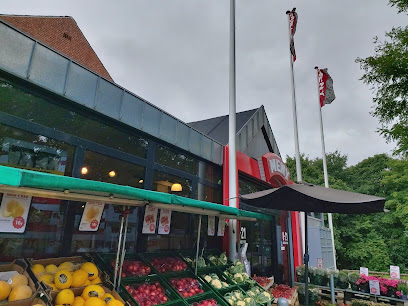
Modern Danish supermarket in Skørping Centret with fresh counters, local specialties and a strong wine selection – a practical one‑stop shop for travelers.
Lenas Blomster
1.9 km
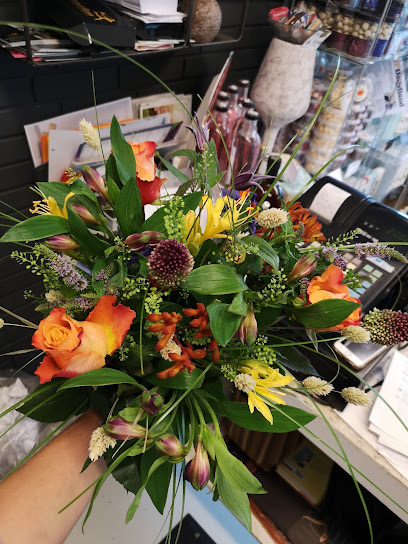
Friendly neighbourhood florist and gift boutique in the heart of Skørping, blending seasonal blooms, curated presents and local small-town charm.
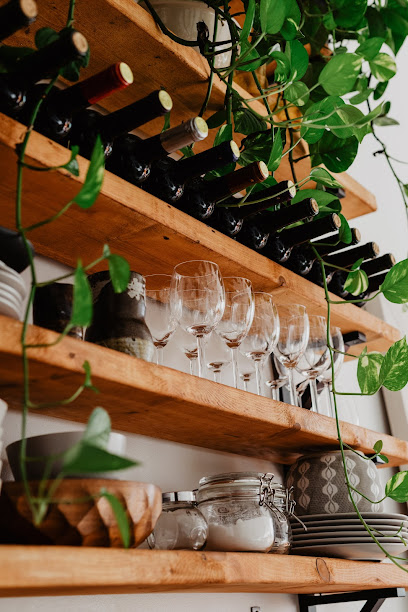
Holy Moses Wineshop
1.9 km
Characterful neighbourhood wine shop in Skørping, pouring American bottles, local vintages and sustainable delights from morning to evening every day.
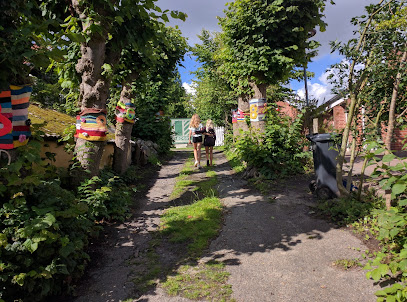
Bogby 9520
2.0 km
Volunteer‑run book town in Skørping, where thousands of second‑hand volumes and a cosy, local atmosphere turn browsing into a slow‑travel highlight.
FKN Genbrug / DCA Op Shop
2.0 km
Cozy volunteer-run charity thrift shop in central Skørping, where slow treasure-hunting, reuse and global solidarity all meet on one compact shop floor.
Folkekirkens Nødhjælp Genbrug
2.0 km
Small-town Danish charity shop where second-hand fashion, homeware and local community spirit come together to support global humanitarian work.
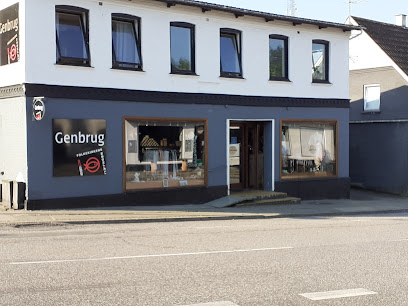
Maggies Gemakker
2.0 km
A cosy Skørping fashion boutique offering timeless, mix-and-match women’s clothing and personal styling advice focused on longevity rather than fast trends.
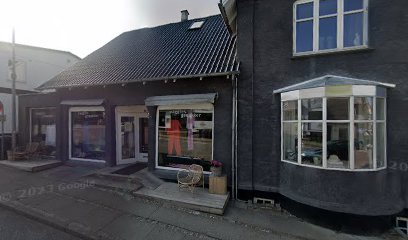
Garndamen
2.0 km
Intimate yarn shop in the heart of Skørping, brimming with colourful fibres, patterns and friendly expertise for knitters and crocheters of every level.
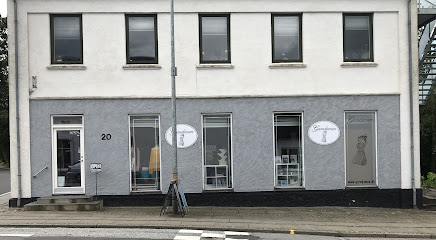
REMA 1000
2.1 km
No‑frills Danish discount supermarket in Skørping, ideal for stocking up on groceries, snacks and everyday essentials before exploring Rebild Bakker and Rold Skov.
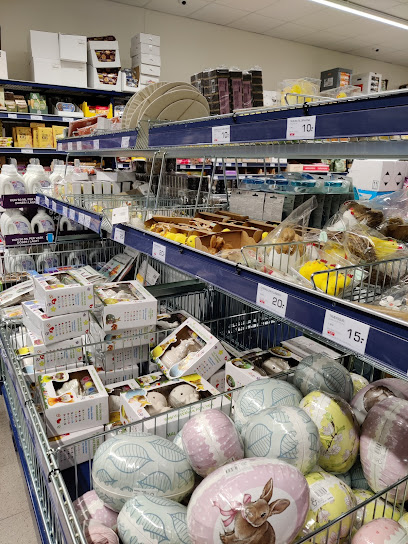
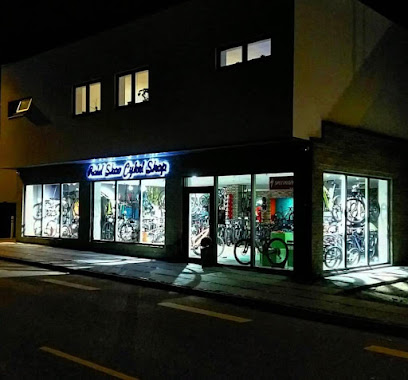
Rold Forest Bike Shop
2.2 km
Denmark's premier mountain bike hub in the heart of Rold Forest's 50-kilometer trail network.
Louise Nørgaard
2.2 km
A cosy holistic beauty clinic and natural lifestyle boutique in small-town Skørping, blending personalised treatments, clean products and a calm, slow-paced atmosphere.
MilesAbove
2.3 km
Premium footwear destination in Skørping, offering quality shoes and expert service daily.

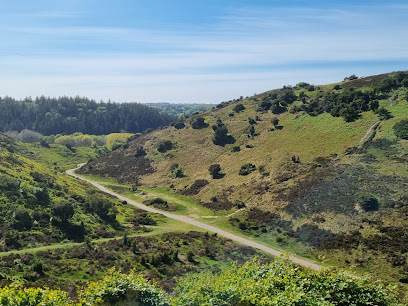
Rebild Bakker (Rebildvej / Rebild)
2.7 km
Heather-clad hills, glacial gorges, and cross-Atlantic heritage unite in Rebild Bakker, Denmark’s iconic national park and cultural meeting ground.
Essential bars & hidden hideouts

Skørping Bodega
2.0 km
Down-to-earth local bodega in central Skørping, serving cold beers, simple drinks and small-town atmosphere from midday until late on weekends.
Happy Friday
4.0 km
Cozy Støvring cocktail bar with crafted drinks, warm lighting and a Friday-night feeling any day of the week.
City Bar Støvring
5.0 km
Unpretentious local bar in Støvring’s City Centret, offering simple drinks, friendly chat and a down-to-earth glimpse of everyday Danish small-town life.
Støvring Mc
5.2 km
Laid‑back neighborhood bar in small‑town Støvring, with a subtle motorbike vibe, simple drinks and a down‑to‑earth atmosphere on Viborgvej.
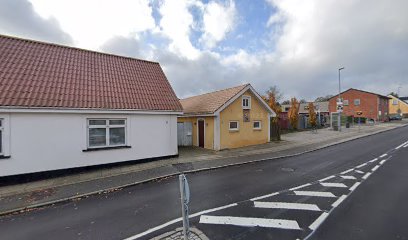
Carsten fenger
8.0 km
A low-key rural bar near Skørping where locals gather, travelers are welcomed, and simple drinks fuel long conversations in a relaxed countryside setting.
Loke's Ølstue
10.6 km
Suldrup’s no-frills bodega bar, where cold beer, local stories and small-town Danish pub culture come together in a cozy, lived-in corner on Aarestrupvej.
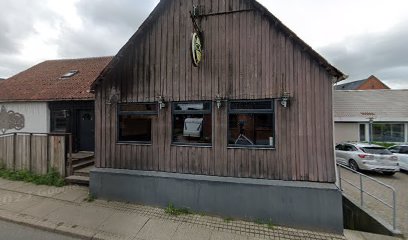
Rottehullet / Bodega
11.3 km
Laid‑back Danish bodega in quiet Arden, where cold beer, worn wood and easy conversation create a timeless neighborhood hangout.
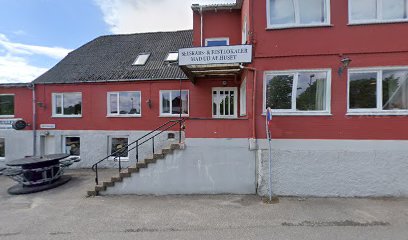
Center Pubben ApS
11.9 km
Cozy neighborhood pub in Terndrup Center, pouring cold beer, simple drinks and warm small-town atmosphere in a no-nonsense Danish bar setting.
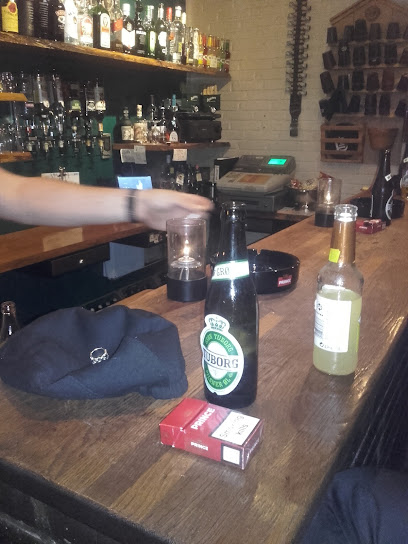
Skotten
15.9 km
Aalborg's casual neighborhood bar for relaxed socializing and unwinding with friends
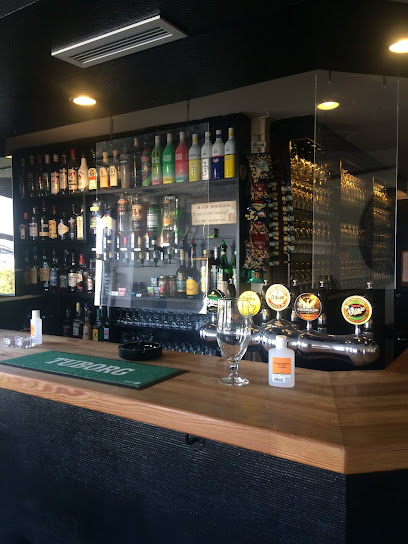
Jazzclub Satchmo Aalborg
19.7 km
Volunteer-run jazz club bringing live swing, New Orleans sounds and bluesy nights to atmospheric venues around Aalborg since 1989.
Club 85@Nibe Festival
20.2 km
Small-town bar turned festival hotspot, Club 85 is where Nibe’s intimate music nights spill over into easygoing drinks, local charm and late-night singalongs.
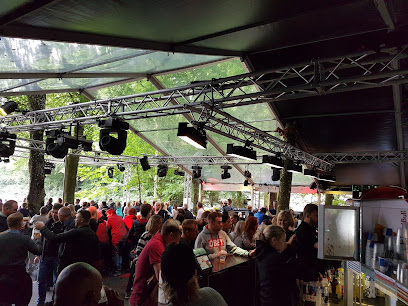
Den Graa Kok Vinkælderen
20.7 km
Refined wine bar and cellar in North Jutland offering curated selections and elegant dining.
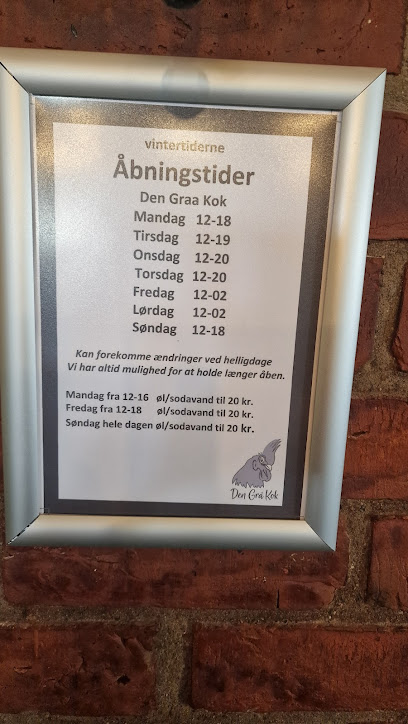
Jernkroen
20.8 km
Cozy harbor-side kro-bar in the heart of Nibe, where inexpensive drinks, a friendly courtyard and true small-town atmosphere invite you to linger.
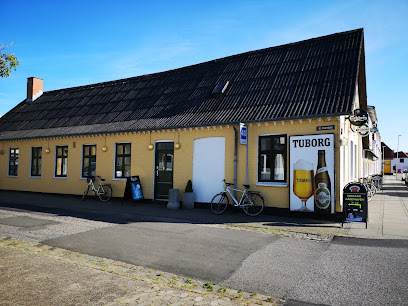
Kælderen
20.9 km
Intimate basement bar at the heart of Hadsund's town square, open for evening gatherings Thursday through Sunday.
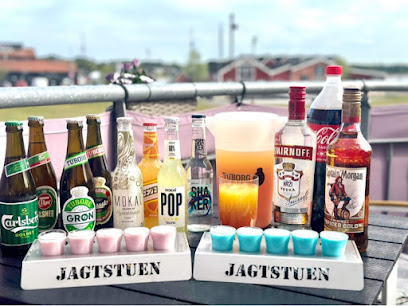
Jagtstuen
20.9 km
Traditional Danish bodega-style bar in central Hadsund, known for its cozy atmosphere and pioneering dementia-friendly approach to everyday social life.
Nightclubs & after hour spots

Night Cirque
22.0 km
Compact, high-energy nightclub in central Aalborg, where pulsing beats, bold lighting and a stylish crowd keep the dance floor alive late into the night.
Mjølner
22.2 km
Small-town Nibe’s late-night heartbeat, where a compact dance floor, loud party tunes and local crowds turn a quiet fjord town into a lively night out.
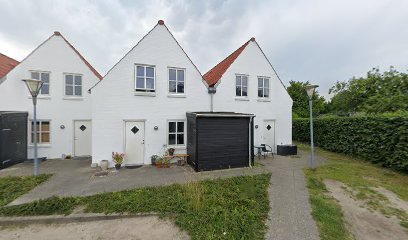
LouLou Aalborg
22.2 km
Polished cocktails and high-energy club vibes collide at this compact, late-night hotspot on Aalborg’s legendary Jomfru Ane Gade.
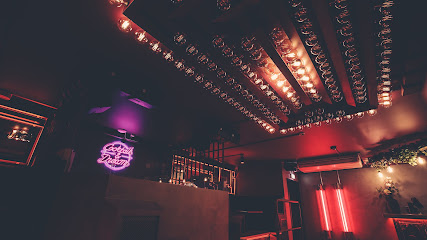
Club Stygge
22.2 km
Compact, late-night Aalborg nightclub with loud party hits, simple cocktails and a tightly packed dance floor on bustling Vesterå.
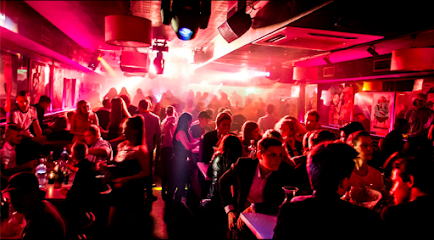
ESCAPE CLUB & Shisha Lounge
22.3 km
Intimate nightclub and shisha lounge in the heart of Aalborg’s Jomfru Ane Gade, mixing DJ-driven dancing, drinks and hookah corners late into the night.
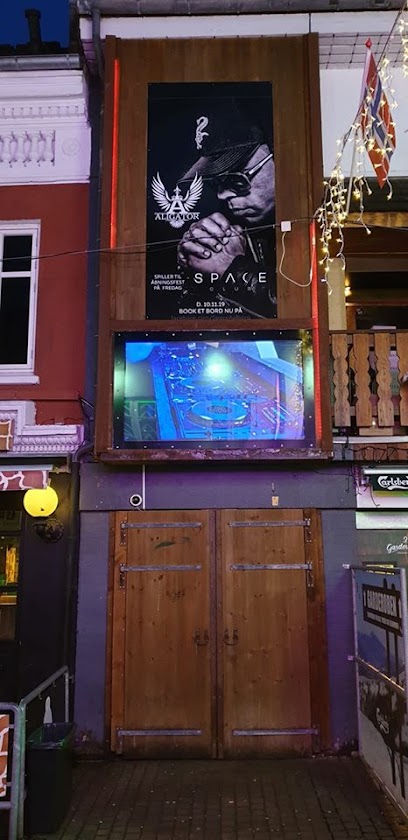
Club Wolf
22.3 km
Compact, late-night nightclub on Aalborg’s Jomfru Ane Gade, blending chart hits, strong weekend energy and a tightly packed dance floor in the city’s bar street hub.
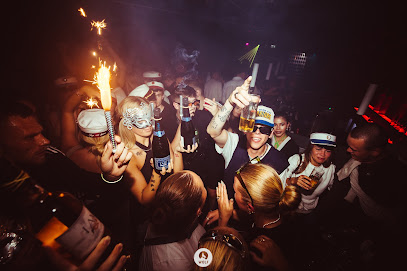
C Night Club
22.3 km
Craft cocktails meet dance floor energy on Aalborg's premier nightlife street.
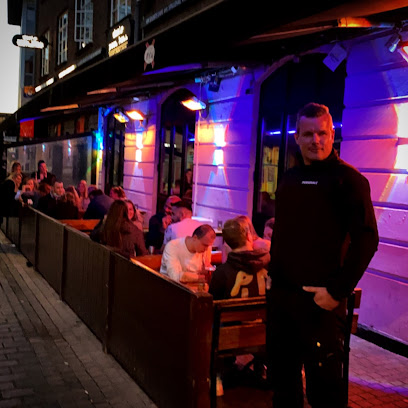
CLUB MOONLIGHT Aalborgs dansested for voksne
22.3 km
Adult‑only dance bar in central Aalborg, mixing 80s, 90s, 00s and current hits with cocktails and late‑night energy in an intimate courtyard setting.
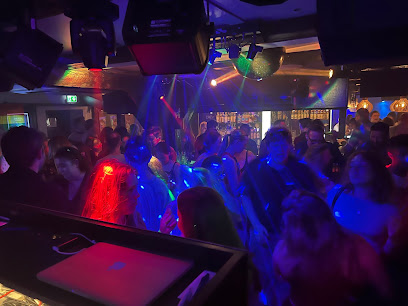
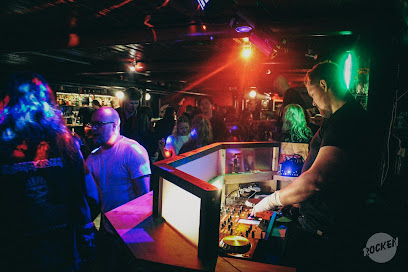
Rocken
22.3 km
Aalborg's premier basement rock and metal nightclub, hosting live bands and DJ sets Friday through Sunday.
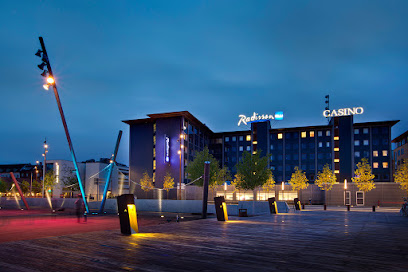
Casino Aalborg
22.4 km
Compact, adult-only casino in the heart of Aalborg, pairing classic table games and slots with a relaxed Nordic nightlife atmosphere inside a city-center hotel.
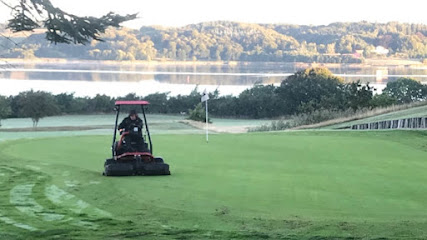
Mariager Fjord Golf
22.9 km
Mariager Fjord Golf blends a challenging 18-hole course with spectacular fjord views, laid-back Danish charm, and a welcoming clubhouse overlooking North Jutland’s scenic waters.
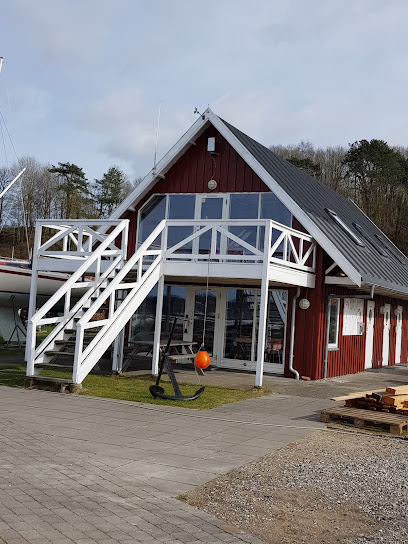
Mariager Sejlklub
22.9 km
Experience the laid-back maritime charm of Mariager Sejlklub, where local sailing culture meets tranquil fjord views on Denmark’s scenic Mariager Fjord.
Buddy Holly
24.1 km
Late-night disco hub in central Hobro, where locals and visitors pack the dance floor to chart hits, lights and drinks until the early hours.

Jazz Hobro
24.3 km
Experience the soulful melodies of live jazz in the heart of Hobro at Jazz Hobro.
Randers Rave
42.0 km
Compact, bass-heavy nightclub in Randers NØ, where an unassuming façade hides a late-night dance floor fueled by rave-inspired lights, DJs and high energy.
For the vibe & atmosphere seeker
- Scenic
- Unique
- Casual
For the design and aesthetic lover
- Rustic Designs
For the social media creator & influencer
- Photo Spots
- Architectural Shots
For the eco-conscious traveler
- Low Impact
- Locally Managed
For the kind of experience you’re after
- Cultural Heritage
- Photowalk
- Roadtrip Stop
- Day Trip
For how adventurous you want the journey to be
- Easy Access
Location Audience
- Family Friendly
- Senior Friendly
- Child Friendly
- Teen Friendly
- Solo Friendly
- Couple Friendly
- Solo Female Friendly


