Samsø Rederi Travel Guide
Free Guide: The green-hearted ferry link between Samsø and Jutland, turning a one-hour crossing into the relaxed first chapter of your island escape.


A brief summary of Samsø Rederi
The green-hearted ferry link between Samsø and Jutland, turning a one-hour crossing into the relaxed first chapter of your island escape.
Samsø Rederi is the lifeline ferry operator linking the island of Samsø with mainland Jutland, sailing to and from Sælvig Harbour in the middle of the island’s west coast. From here, the car ferry Prinsesse Isabella connects Hou near Odder and Samsø in about an hour, while a seasonal fast ferry links Aarhus and Sælvig for foot passengers and cyclists. With modern, comfortable vessels, onboard cafés and strong green credentials, Samsø Rederi turns a practical sea crossing into a relaxed introduction to Denmark’s famous “energy island”.
On-site amenities
 Restrooms
 Drink options
 Drinking water
 Food options
 Seating areas
 Sheltered areas
 Trash bins
 Information boards
 Visitor centre
- Address
- Sælvig 64, 8305 Samsø
- Phone
- Website
Getting there
Car from Hou (Jutland) with vehicle boarding
Foot passenger from Aarhus by fast ferry
Public transport combination via Odder and Hou
Discover more about Samsø Rederi
Gateway to Denmark’s Energy Island
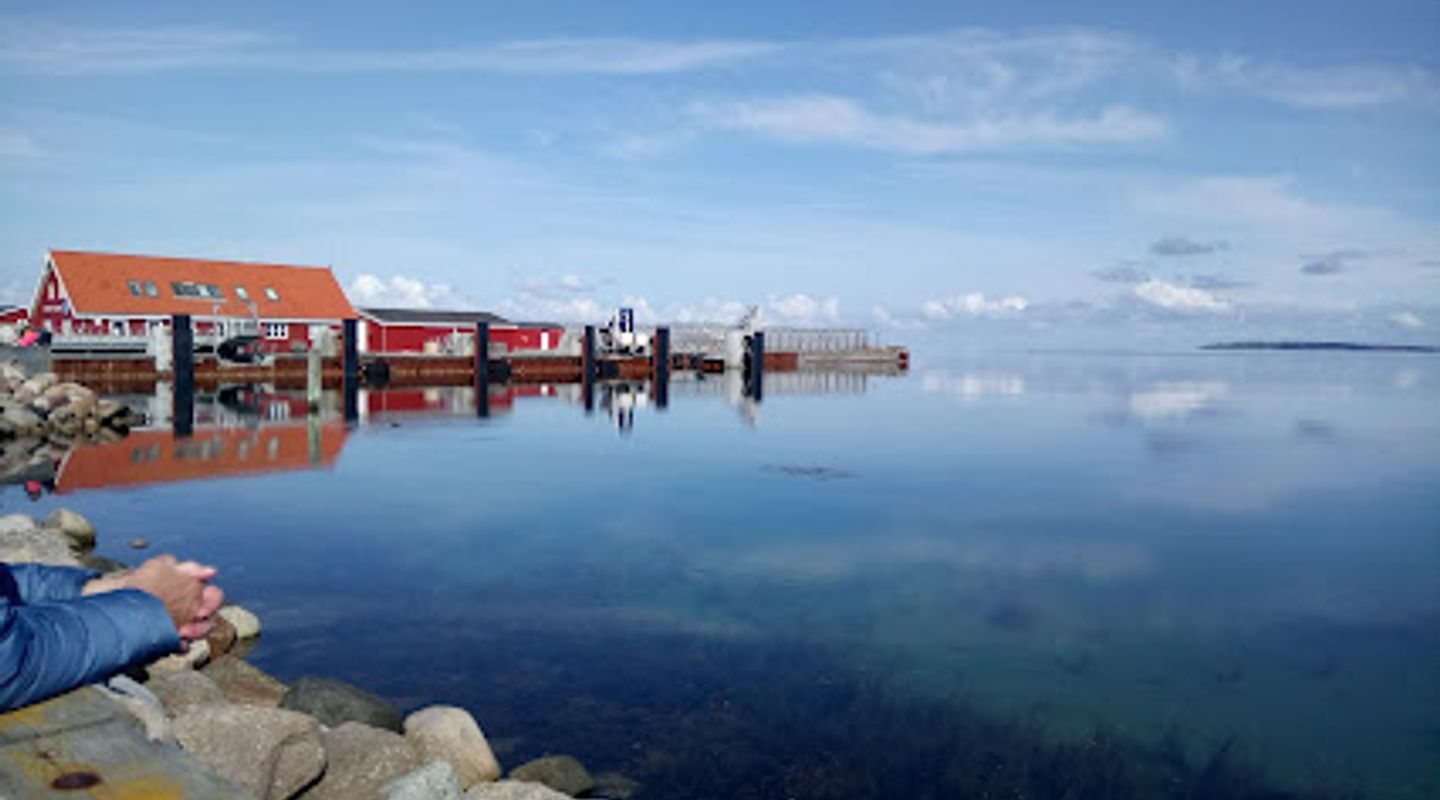
Samsø Rederi is far more than a transport company; it is the maritime gateway to Samsø, Denmark’s pioneering “energy island”. Operating out of Sælvig Harbour on the island’s west coast, the company runs the essential ferry routes that tie Samsø to Jutland. As you arrive or depart via Sælvig, the low coastline, gentle fields and wind turbines in the distance tell you immediately that this crossing is part of a wider story about sustainable living and island life.From the quay at Sælvig 64 you watch vehicles roll on and off the ferry, cyclists tighten helmet straps and foot passengers gather with bags and picnic baskets. The scene blends everyday necessity with holiday anticipation: locals commuting, delivery trucks supplying the island and visitors about to begin a slow-paced coastal escape.
Prinsesse Isabella – A Green Car Ferry Workhorse
The backbone of Samsø Rederi’s operation is Prinsesse Isabella, the large car ferry on the Hou–Sælvig route. Purpose-built to serve Samsø, she can carry around 160 cars and up to 600 passengers, making it easy to bring your own wheels and explore small villages, farm shops and beaches at your own pace. The crossing takes about 60 minutes, enough time to settle in without feeling restless.Inside, wide lounges, panoramic windows and cushioned seating turn the short voyage into a mini sea journey. Many travellers head straight for the café counter where ferry classics like hot dishes, snacks and the almost obligatory crispy “ferry fries” are served alongside cold and hot drinks. Free Wi‑Fi lets you catch up on messages, plan your route across the island or simply read as the Kattegat passes by outside.
Aarhus–Sælvig by Fast Ferry
Complementing the car ferry is Samsø Rederi’s fast passenger ferry between central Aarhus and Sælvig. The sleek vessel, often used by day‑trippers and cyclists, covers the distance in roughly an hour and carries several hundred passengers plus a generous number of bicycles. It departs from the waterfront in Aarhus, close to the city’s light rail and cultural district, and glides straight out across the bay towards the low silhouette of Samsø.On board, the design leans towards modern, bright interiors, with large windows framing port cranes, open sea and, finally, the approach to Samsø’s gentle shoreline. Comfortable airline-style seating, room for luggage and a small selection of refreshments make it easy to treat the trip as a moving lounge rather than simple transport.
Sustainability and Local Ownership at Sea
Samsø Rederi is municipally owned, closely tied to the island community it serves. This link becomes clear in its commitment to cleaner technology. Prinsesse Isabella was one of Denmark’s first domestic ferries capable of running on liquefied natural gas, with the longer‑term aim of switching to locally produced biogas generated from agricultural by-products. The idea is simple but ambitious: turn the island’s fields and farms into energy that powers the very ship bringing visitors to them.The company’s green ambitions mirror Samsø’s broader energy journey, where wind turbines, biomass plants and solar panels have gradually transformed the island’s footprint. Sailing with Samsø Rederi, you are not just crossing water; you are participating in an ongoing experiment in how remote communities can remain connected while reducing emissions.
Life On Board and Practical Comforts
Daily life on the ferries balances practicality with low-key comfort. Families settle at tables with colouring books, cyclists cluster near deck doors ready to roll ashore, and locals greet crew members by name. Dogs are welcome in dedicated areas with water bowls, and accessible facilities are designed so travellers with limited mobility can move between decks and lounges with relative ease.Even on blustery days, sheltered indoor spaces and broad windows keep you close to the changing light and waves without facing the full force of the wind. On calm summer crossings you may choose to step outside, feel the sea breeze and watch Samsø recede or draw nearer, already spotting windmills, church spires and narrow strips of sandy beach below low cliffs.
Sælvig Harbour as a Starting Point
Arriving at Sælvig, you disembark directly into the heart of the island. The harbour itself is compact, with the ferry berth flanked by parking areas, bus connections and simple port facilities. From here, Samsø unfolds as a long, slender island ideal for cycling, scenic drives and coastal walks. The crossing becomes the first chapter of your island stay: an hour to slow down, reset your pace and get ready for smaller roads, open skies and the subtle rhythms of life in Denmark’s middle of the sea.
Evendo Review Centre
 Google
Guest reviews
Best time to go
Quietest: Jan, Feb & Nov · before 6am or from 9pm
Busy times are Evendo estimates for a typical year, to help you plan. Actual crowds vary with events, school holidays and the weather.
Explore Samsø Rederi on the map
A handpicked selection of must-see spots near Samsø Rederi, mapped for you.
Get your free copy of our complete guide to Samsø Rederi, delivered straight to you.
Everything on this page, from opening hours and how to get there to Eve’s tips and the best time to go, in one PDF you can read offline, print or share.
Already have an account? Sign in
Your Samsø Rederi guide is ready.
We'll send it to · Not you? Sign out

Getting your guide ready…
We are putting together a fresh copy of the Samsø Rederi guide. This can take up to a minute.
This can take a few moments. If your browser asks, choose Allow so the download can start. You'll find the guide in your Downloads folder.
Nothing happened? Download it again
Sorry, the guide is taking longer than usual. Please try again in a minute, or get it by email instead.
Other nearby places you may find interesting
The closest places of the same kind, if this one is not quite what you had in mind.
-
Tidselkorridoren A winding botanical art corridor celebrating Samsø's wildflowers and native plants.
-
Vesborg Fyr Historic lighthouse on Samsø’s southwestern tip, blending medieval ramparts, sweeping sea views and classic Danish coastal atmosphere in one compact headland.
-
Falkecenter Samsø ApS High‑speed falcons, soaring eagles and silent owls in a one‑hour open‑air show that brings the ancient art of falconry to life on the island of Samsø.
-
Ballebjerg Samsø’s highest hill, crowned by a 1920 watchtower and wrapped in wide Kattegat horizons, offering simple, far-reaching views over fields, sea and islands.
-
Samsø Labyrinten Lose yourself in the world’s largest labyrinth, where quiz questions guide you through 5.5 km of leafy paths, hidden goals, play areas and tranquil island nature.
Swipe for more places
More to explore near Samsø Rederi

 Best experiences near Samsø Rederi
 Best hotels near Samsø Rederi
 Best landmarks near Samsø Rederi
 Best attractions near Samsø Rederi
 Best shops near Samsø Rederi
 Best restaurants near Samsø Rederi
 Best bars near Samsø Rederi
Do you manage this location?
Take control to get all the benefits, like improved information, better appearance, and stronger visibility across AI-powered discovery.
Explore more
Explore more of Samsø
Samsø: Explore Denmark's eco-friendly island, rich in natural beauty, culinary delights, and cultural heritage.
Explore Samsø
Explore more of Denmark
Discover Denmark: A perfect blend of history, modern design, and the cozy concept of hygge. Explore vibrant cities, serene landscapes, and world-class cuisine.
Explore Denmark