The Kanhave Canal Travel Guide
Free Guide: A 1,300-year-old Viking shortcut carved across an island to control Denmark's seas.


A brief summary of The Kanhave Canal
A 1,300-year-old Viking shortcut carved across an island to control Denmark's seas.
Kanhavekanalen is a 500-meter Viking-era canal that cuts across the narrowest point of Samsø island in Denmark, connecting Stavns Fjord to the west. Built in 726 AD, this remarkable feat of early medieval engineering served as a military shortcut for shallow-draft Viking ships, allowing rapid fleet movements and control of vital sea routes between Jylland and Sjælland. Today, the canal remains visible as a distinctive depression in the landscape, with interpretive markers explaining its historical significance.
On-site amenities
 Information boards
 Seating areas
 Picnic areas
Opening hours
- Every dayOpen 24 hours
Opening hours as listed on the venue’s Google Business Profile. Hours can change for services and special events, so check with the venue before you go.
- Address
- Kanhave, 8305 Samsø
Getting there
Ferry and Car
Bicycle Tour
Guided Tour
Discover more about The Kanhave Canal
A Strategic Waterway from the Viking Age
Kanhavekanalen stands as one of Denmark's most impressive Viking-era engineering projects. Built in 726 AD, this 500-meter canal was deliberately cut across the narrowest section of Samsø island, connecting Stavns Fjord in the east to Mårup Vig in the west. The canal measures approximately 11 meters wide and originally reached depths of around 1.25 meters, though water levels have since dropped due to land elevation and silting. This ambitious undertaking required substantial labor and coordination, yet it remains largely undocumented in written historical sources, making its precise purpose a matter of archaeological interpretation.
Engineering Marvel of the Early Medieval Period
The construction of Kanhavekanalen demonstrates sophisticated understanding of hydraulic engineering and structural stability. The canal's sides were reinforced with wooden bulwarks consisting of 2 to 4 horizontal planks, each measuring between 2.5 and 4 meters in length, predominantly fashioned from oak. These planks were secured with long wooden pegs and heavy, pointed stakes driven into the underlying ground. Dendrochronological analysis of the preserved timber has precisely dated the construction to 726 AD, with some samples indicating a range of 724–729. The revetment system was retained by thick diagonal oak piles, a testament to the builders' understanding of load distribution and soil mechanics. Archaeological excavations conducted in 1960, 1977, 1979, and 1995 have progressively revealed the canal's sophisticated design and construction methods.
Military Harbor and Fleet Control
The Kanhave Canal functioned as a military installation designed to organize and marshal the Danish fleet during the Viking Age. Stavns Fjord, with its natural harbor characteristics and protected waters, provided an ideal gathering point for Viking warships. The canal served multiple strategic purposes: it acted as a shortcut for vessels traveling between the Kattegat and the Bay of Aarhus, eliminating the need to sail around the island's perimeter. Ships could be hauled or dragged across wooden poles at the western terminus, saving considerable time compared to conventional sailing routes. A fleet positioned in Stavns Fjord, with observation points at Hjortholm or Vorbjerg, could effectively control north-south maritime traffic along the Jyske coast and monitor passages between Jylland and the eastern regions of Sjælland and Skåne. The canal was specifically designed to accommodate shallow-draft vessels of the snekke class, lightweight warships ideal for rapid deployment and coastal operations.
Logistics and Fleet Operations
The scale of operations at Kanhavekanalen suggests that marshalling a complete fleet required approximately 2 to 3 weeks, necessitating extensive logistical infrastructure. The surrounding beaches and flatlands had to accommodate support systems for potentially several hundred ships, including facilities for sail drying, crew quarters, food storage, and supplies. Archaeological evidence indicates that ships were berthed side by side, enabling rapid launching when needed. The canal's design allowed for efficient ship maintenance and repair, with traces of such activities discovered during excavations. However, no evidence of commercial trade has been found at the site, confirming its exclusively military character.
Historical Context and Decline
The construction of Kanhavekanalen coincided with significant events in Danish Viking history. According to historical sources, King Angantyr ruled Samsø during this period, and the year 728 AD—just two years after the canal's completion—witnessed a major battle on the island in which Angantyr and his eleven brothers reportedly fell. The canal may have played a defensive role in protecting the emerging Viking settlement at Aros (modern Aarhus) located on the nearby mainland. The canal remained in active use throughout the 700s but subsequently fell into disrepair and gradually silted up due to natural land elevation and sediment accumulation. By the medieval period, the waterway had become impassable, though its distinctive depression in the landscape has persisted for over 1,300 years, serving as a tangible reminder of Viking engineering prowess.
Archaeological Significance and Modern Interpretation
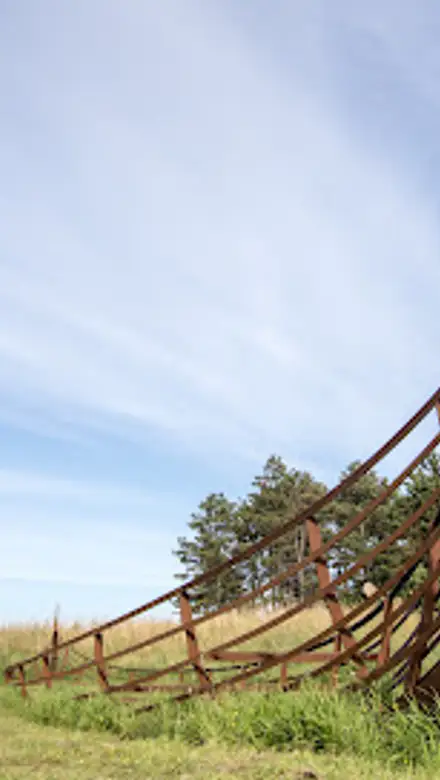
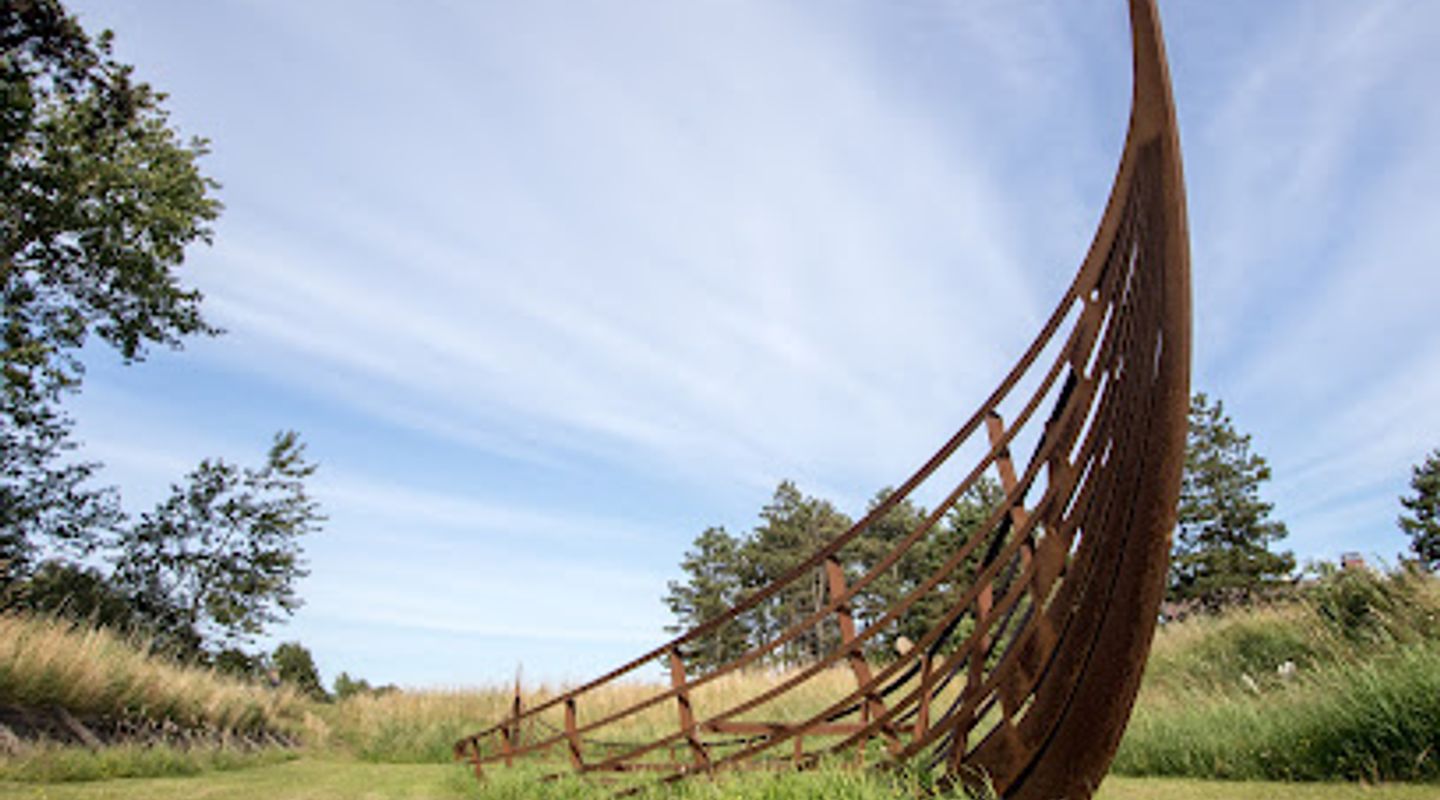
Kanhavekanalen represents an unparalleled example of large-scale construction from the late Germanic Iron Age and early Viking period. Its discovery and systematic study have provided invaluable insights into Viking military organization, maritime technology, and engineering capabilities. The site features interpretive markers and informational panels explaining the canal's historical background and construction methods. A Viking ship model is displayed at the location to illustrate the snekke-class vessels that once navigated these waters. The canal's landscape remains largely unchanged, allowing visitors to appreciate the original engineering and imagine the bustling naval operations that once occurred here.
Evendo Review Centre
 Google
Guest reviews
Best time to go
Quietest: Jan, Feb & Nov · before 6am or at 9pm
Busy times are Evendo estimates for a typical year, to help you plan. Actual crowds vary with events, school holidays and the weather.
Explore The Kanhave Canal on the map
A handpicked selection of must-see spots near The Kanhave Canal, mapped for you.
Get your free copy of our complete guide to The Kanhave Canal, delivered straight to you.
Everything on this page, from opening hours and how to get there to Eve’s tips and the best time to go, in one PDF you can read offline, print or share.
Already have an account? Sign in
Your The Kanhave Canal guide is ready.
We'll send it to · Not you? Sign out

Getting your guide ready…
We are putting together a fresh copy of the The Kanhave Canal guide. This can take up to a minute.
This can take a few moments. If your browser asks, choose Allow so the download can start. You'll find the guide in your Downloads folder.
Nothing happened? Download it again
Sorry, the guide is taking longer than usual. Please try again in a minute, or get it by email instead.
Other nearby places you may find interesting
The closest places of the same kind, if this one is not quite what you had in mind.
-
-
-
-
-


Swipe for more places
More to explore near The Kanhave Canal

 Best experiences near The Kanhave Canal
 Best hotels near The Kanhave Canal
 Best landmarks near The Kanhave Canal
 Best attractions near The Kanhave Canal
 Best shops near The Kanhave Canal
 Best restaurants near The Kanhave Canal
 Best bars near The Kanhave Canal
Do you manage this location?
Take control to get all the benefits, like improved information, better appearance, and stronger visibility across AI-powered discovery.
Explore more
Explore more of Samsø
Samsø: Explore Denmark's eco-friendly island, rich in natural beauty, culinary delights, and cultural heritage.
Explore Samsø
Explore more of Denmark
Discover Denmark: A perfect blend of history, modern design, and the cozy concept of hygge. Explore vibrant cities, serene landscapes, and world-class cuisine.
Explore Denmark