

Ilsemade Helligkilde Travel Guide
Free Guide: A Bronze Age sacred spring where fresh water flows from an ancient hollow oak, connecting modern visitors to 3,000 years of spiritual tradition.


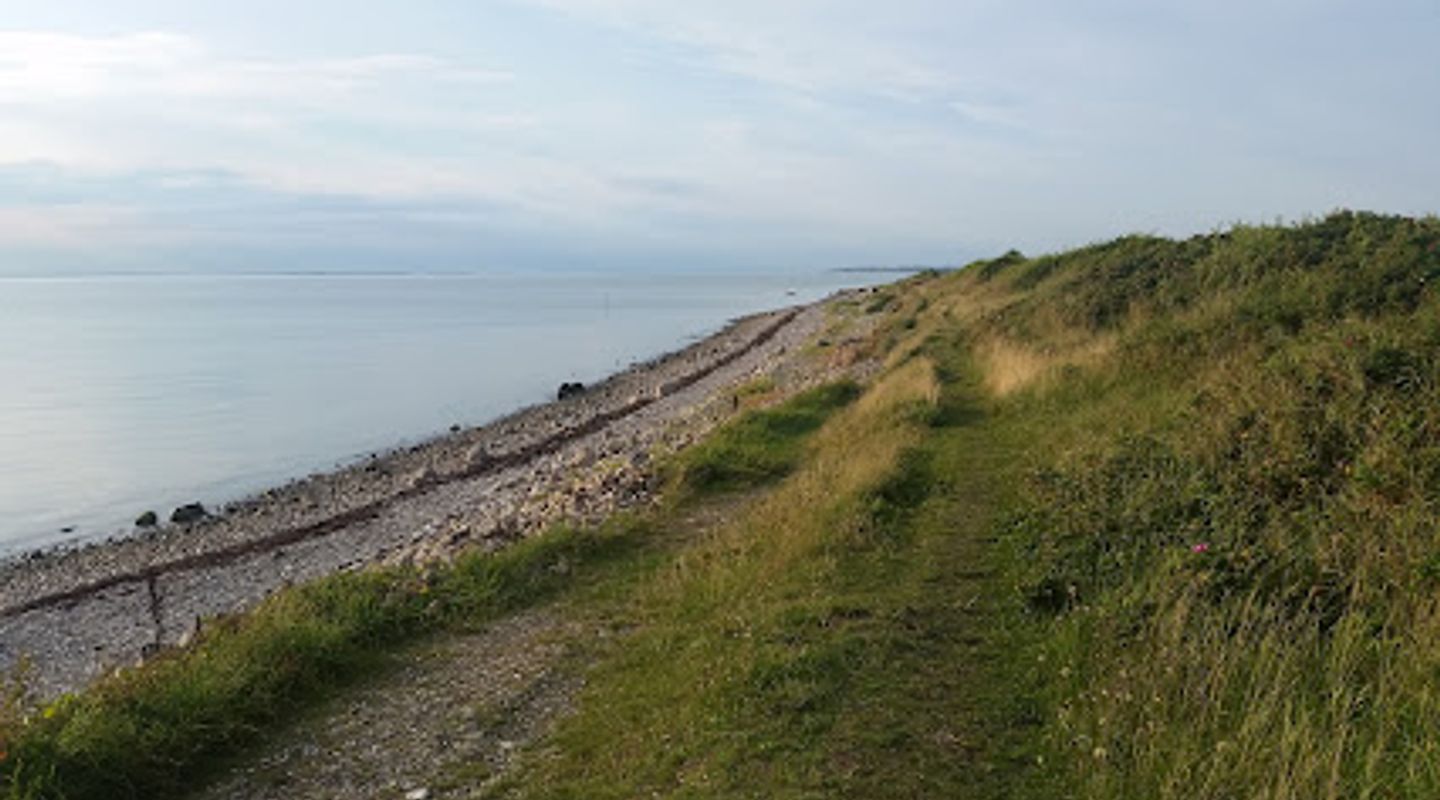
A brief summary of Ilsemade Helligkilde
A Bronze Age sacred spring where fresh water flows from an ancient hollow oak, connecting modern visitors to 3,000 years of spiritual tradition.
Ilsemade Helligkilde is a Bronze Age holy spring located on the western beach of Samsø island in Denmark. Fresh water flows from a hollow oak trunk believed to date back thousands of years, emerging just eight meters from the shoreline at Vesterløkken. This sacred site blends natural wonder with prehistoric heritage, offering visitors a rare glimpse into Denmark's ancient spiritual traditions and the island's deep connection to water and renewal.
- Address
- 8305 Samsø Municipality
- Website
Getting there
Ferry from Kalundborg
Ferry from Hou
Bicycle from Samsø Town
Car rental from Samsø Town
Discover more about Ilsemade Helligkilde
A Spring Born from Prehistory
Ilsemade Helligkilde stands as one of Denmark's most evocative connections to the Bronze Age. Fresh water springs from a hollow oak trunk estimated to date back over 3,000 years, making this not merely a natural feature but a living monument to ancient human settlement and belief. The spring emerges at Vesterløkken on Samsø's western shore, positioned just eight meters from the beach where the boundary between land and sea becomes fluid and permeable. The hollow oak itself has become a vessel of continuity—water that flowed through it in prehistoric times continues to flow today, creating an unbroken thread across millennia.
The Spiritual Significance of Water
Sacred springs held profound meaning in Bronze Age Scandinavian culture. These natural sources of fresh water were not merely practical resources but spiritual gateways, places where the earth itself seemed to offer blessing and renewal. Ilsemade Helligkilde embodies this ancient reverence. The name itself—"Ilse Made's Holy Spring"—preserves a memory of individual identity across the centuries, suggesting that this place was known, named, and cherished by specific people whose names have echoed through time. For Bronze Age communities on Samsø, such springs represented abundance, health, and connection to forces beyond human control. The act of visiting, drinking, or making offerings at such sites was an expression of gratitude and spiritual alignment.
Landscape and Setting
The spring's location on Samsø's western beach creates a unique sensory experience. Visitors approach through the island's characteristic landscape—rolling terrain, open horizons, and the constant presence of maritime influence. The proximity to the shore means that salt spray mingles with the fresh water environment, and the rhythm of tides shapes the experience of visiting. The hollow oak, weathered by centuries of exposure to wind and weather, stands as a sculptural presence—a tree that has become architecture, a natural form transformed by time into something between organism and artifact. The beach setting provides both isolation and openness; the spring is accessible yet feels removed from the bustle of modern life.
Samsø's Prehistoric Heritage
Ilsemade Helligkilde exists within a broader context of Bronze Age activity on Samsø. The island was a significant settlement during this period, with evidence of human habitation, agriculture, and maritime activity scattered across its landscape. Bronze Age mounds, ancient fortifications, and archaeological remains testify to a thriving community that understood the island's strategic and resource-rich character. The Kanhave Canal, constructed by Vikings in 726 CE, would later demonstrate Samsø's continued importance as a control point for maritime traffic. Yet the spring predates even this Viking achievement, reaching back to an era when Samsø's inhabitants developed deep relationships with their environment and marked sacred places with reverence and care.
Visiting the Spring Today
Today, Ilsemade Helligkilde invites contemplation and connection. The site requires no formal infrastructure—no entrance fees, no visitor centers, no crowds. Instead, it offers an encounter with authenticity: a Bronze Age spring still flowing, a hollow oak still standing, a beach still meeting the sea as it has for thousands of years. Visitors who make the journey to Vesterløkken experience not a reconstructed or interpreted site but the actual place itself, complete with its weathering, its simplicity, and its profound historical depth. The spring remains free and open, accessible to anyone willing to seek it out, making it a democratic encounter with prehistory.
Evendo Review Centre
 Google
Guest reviews
Best time to go
Quietest: Jan, Feb & Dec · before 7am or at 8pm
Busy times are Evendo estimates for a typical year, to help you plan. Actual crowds vary with events, school holidays and the weather.
Explore Ilsemade Helligkilde on the map
A handpicked selection of must-see spots near Ilsemade Helligkilde, mapped for you.
Get your free copy of our complete guide to Ilsemade Helligkilde, delivered straight to you.
Everything on this page, from opening hours and how to get there to Eve’s tips and the best time to go, in one PDF you can read offline, print or share.
Already have an account? Sign in
Your Ilsemade Helligkilde guide is ready.
We'll send it to · Not you? Sign out

Getting your guide ready…
We are putting together a fresh copy of the Ilsemade Helligkilde guide. This can take up to a minute.
This can take a few moments. If your browser asks, choose Allow so the download can start. You'll find the guide in your Downloads folder.
Nothing happened? Download it again
Sorry, the guide is taking longer than usual. Please try again in a minute, or get it by email instead.
Other nearby places you may find interesting
The closest places of the same kind, if this one is not quite what you had in mind.
-
-
-
-
-


Swipe for more places
More to explore near Ilsemade Helligkilde

 Best experiences near Ilsemade Helligkilde
 Best hotels near Ilsemade Helligkilde
 Best landmarks near Ilsemade Helligkilde
 Best attractions near Ilsemade Helligkilde
 Best shops near Ilsemade Helligkilde
 Best restaurants near Ilsemade Helligkilde
 Best bars near Ilsemade Helligkilde
Do you manage this location?
Take control to get all the benefits, like improved information, better appearance, and stronger visibility across AI-powered discovery.
Explore more
Explore more of Samsø
Samsø: Explore Denmark's eco-friendly island, rich in natural beauty, culinary delights, and cultural heritage.
Explore Samsø
Explore more of Denmark
Discover Denmark: A perfect blend of history, modern design, and the cozy concept of hygge. Explore vibrant cities, serene landscapes, and world-class cuisine.
Explore Denmark
