Jutland Travel Guide
Free Guide: Wind-shaped coasts, heather hills, old trading towns and modern cities meet across Denmark’s broad Jutland peninsula between the North Sea and the Baltic.


A brief summary of Jutland
Wind-shaped coasts, heather hills, old trading towns and modern cities meet across Denmark’s broad Jutland peninsula between the North Sea and the Baltic.
Stretching between the North Sea and the Baltic, Jutland forms continental Denmark: a broad peninsula of wind-shaped dunes, heather moors, fjords and fertile eastern hills. From the maritime cities of Aarhus, Aalborg and Esbjerg to wild national parks, Viking history and North Sea beaches, this varied region offers coastal escapes, cultural hubs and quiet rural backroads in one sweeping landscape.
On-site amenities
 Restrooms
 Drink options
 Drinking water
 Food options
 Seating areas
 Sheltered areas
 Picnic areas
 Trash bins
 Information boards
 Visitor centre
- Address
- Jutland
Getting there
Train and regional bus from Copenhagen
Domestic flight to Billund or Aalborg plus bus
Long-distance coach from German cities
Driving across the peninsula
Discover more about Jutland
A peninsula between two seas
Jutland is the broad peninsula that forms the mainland of Denmark, pushing north into the sea between the North Sea on one side and the Kattegat and Baltic on the other. It accounts for the majority of the country’s land area, yet feels more open and spacious than the islands to the east. The coastline shifts from long sandy strands and dune-backed North Sea beaches to quieter fjords and sheltered inlets where fishing villages and small ports cluster.Away from the water, the terrain is mostly low and gently rolling, with slightly higher ridges through the centre and hillier country in the east. Inland you find a patchwork of fields, heath, lakes and small forests, with occasional peat bogs hinting at much older landscapes. The sky feels wide here, and weather fronts drift in quickly from the west, constantly changing the light.
Distinct regions from north to south
Although it is one continuous peninsula, Jutland is best understood as a string of quite different regions. The far north is shaped by wind and sand, with huge migrating dunes, buried churches and wide beaches where two seas visibly collide at the tip. Central Jutland is divided between a more fertile, forested east and a more windswept, rural west known for its heaths and big horizons.Further south, the landscape becomes a mix of flat reclaimed coastal land, broad estuaries and graceful fjords cutting inland. Here you also find major attractions such as theme parks, wildlife parks and some of Denmark’s oldest towns, where medieval streets and churches reflect centuries of trade, seafaring and royal power.
Cities, culture and everyday life
Several of Denmark’s key cities are strung along the eastern side of Jutland, each with its own character. Aarhus blends one of the country’s oldest urban histories with a youthful atmosphere and strong arts scene. Aalborg combines industrial heritage with waterfront renewal, while Esbjerg looks west towards the North Sea and offshore energy.Between these urban centres, market towns, small ports and villages give the region a lived-in feel. Agricultural life is never far away, and many visitors combine coastal stays with short forays into the countryside to visit manor houses, open-air museums or small local breweries and farm shops that showcase regional produce.
Nature, coasts and outdoor escape
For many travellers, Jutland’s biggest appeal lies in its nature. Long stretches of beach invite walking year-round, from bracing winter storms to calm summer evenings. In several places, nature reserves protect dune systems, wetlands and birdlife along the North Sea coast and around the Wadden Sea. Inland lakes and gentle hills create viewpoints and easy walking routes, with forests offering shaded paths on hot days.Cycling is an excellent way to experience the peninsula’s variety at a slower pace. Quiet backroads link villages and farms, while signposted national and regional routes follow older paths across the landscape, including historic north–south trails that once carried cattle and traders.
Layers of history in the landscape
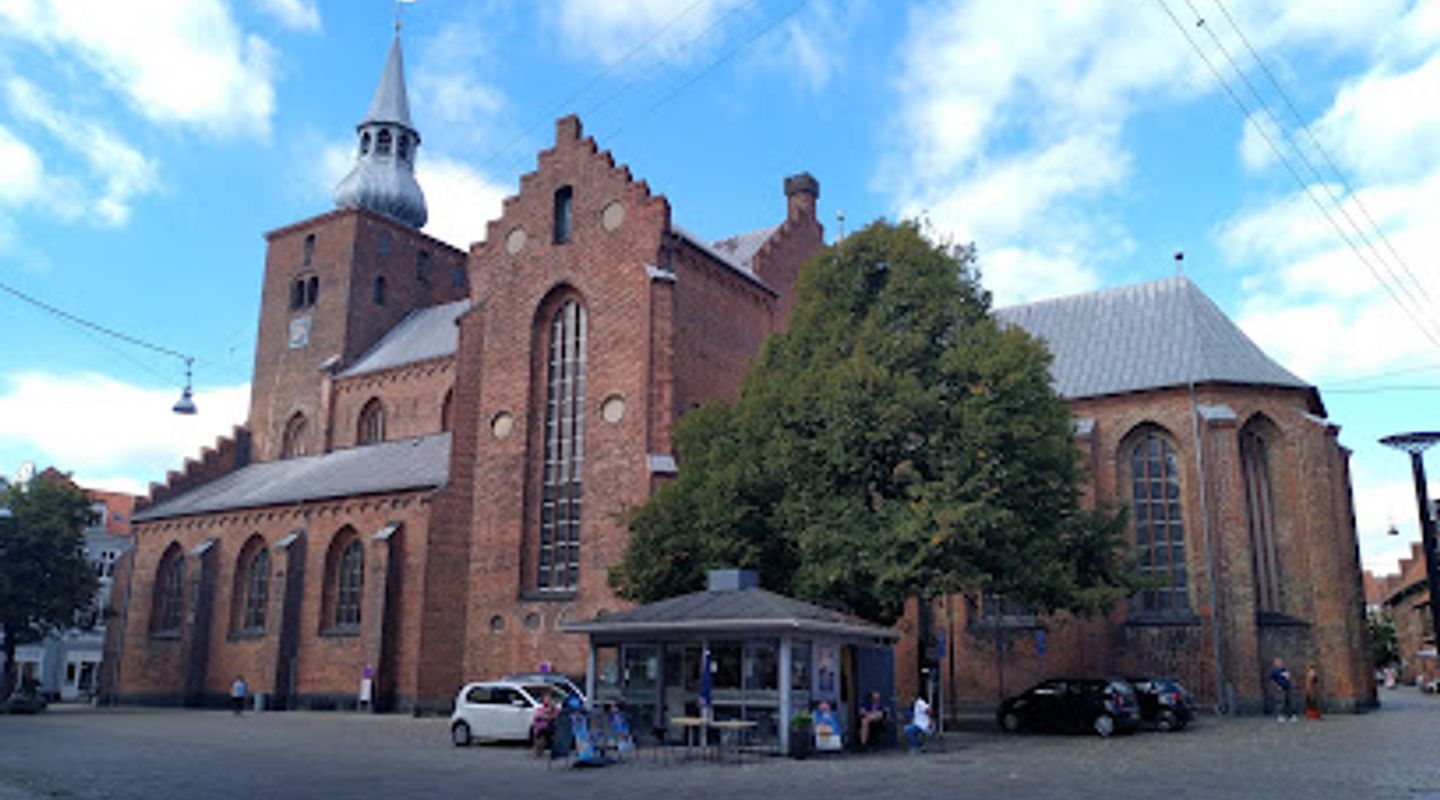
Jutland’s position between seas and states has shaped its history. Ancient burial mounds and runestones dot fields and hilltops, while Viking-age sites and museums explore the maritime power that once sailed from these shores. Medieval churches and town centres tell a later story of Christianisation, trade and regional power.In more recent centuries, the southern parts of the peninsula have shifted between Danish and German rule, leaving a borderland of mixed heritage and bilingual place names. Along the west coast, reminders of 20th-century fortifications still stand among the dunes, slowly being reclaimed by sand and sea.
Experiencing Jutland as a traveller
Travelling across Jutland, you notice how quickly the scenery changes, yet how manageable the distances remain. It works well as both a standalone destination and a gateway to the rest of Denmark and neighbouring Germany. Some visitors base themselves in one coastal town or city and explore nearby regions on day trips, while others treat the peninsula as a gentle road trip of beaches, small towns and occasional city breaks.The overall rhythm is relaxed rather than hurried. Even in busier resort strips and city centres, you are never far from open countryside or an uncrowded stretch of shore where the wind, waves and big skies are the main companions.
Evendo Review Centre
 Google
Guest reviews
Best time to go
Quietest: Jan, Feb & Nov · before 7am
Busy times are Evendo estimates for a typical year, to help you plan. Actual crowds vary with events, school holidays and the weather.
Explore Jutland on the map
A handpicked selection of must-see spots near Jutland, mapped for you.
Get your free copy of our complete guide to Jutland, delivered straight to you.
Everything on this page, from opening hours and how to get there to Eve’s tips and the best time to go, in one PDF you can read offline, print or share.
Already have an account? Sign in
Your Jutland guide is ready.
We'll send it to · Not you? Sign out

Getting your guide ready…
We are putting together a fresh copy of the Jutland guide. This can take up to a minute.
This can take a few moments. If your browser asks, choose Allow so the download can start. You'll find the guide in your Downloads folder.
Nothing happened? Download it again
Sorry, the guide is taking longer than usual. Please try again in a minute, or get it by email instead.
Other nearby places you may find interesting
The closest places of the same kind, if this one is not quite what you had in mind.
-
-
-
-
-


Swipe for more places
More to explore near Jutland

 Best experiences near Jutland
 Best hotels near Jutland
 Best landmarks near Jutland
 Best attractions near Jutland
 Best shops near Jutland
 Best restaurants near Jutland
 Best bars near Jutland
Do you manage this location?
Take control to get all the benefits, like improved information, better appearance, and stronger visibility across AI-powered discovery.
Explore more

Explore more of Southern Jutland
Explore Southern Jutland: A blend of scenic nature, rich history, and delightful cuisine in Denmark's picturesque region.
Explore Southern Jutland
Explore more of Denmark
Discover Denmark: A perfect blend of history, modern design, and the cozy concept of hygge. Explore vibrant cities, serene landscapes, and world-class cuisine.
Explore Denmark