The Soul of Denmark: Exploring Southern Jutland's Peninsula
Southern Jutland offers a unique blend of Viking heritage, vast natural reserves, and borderland charm—perfect for travelers seeking Denmark's authentic heart.
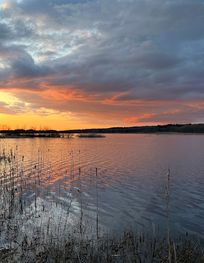
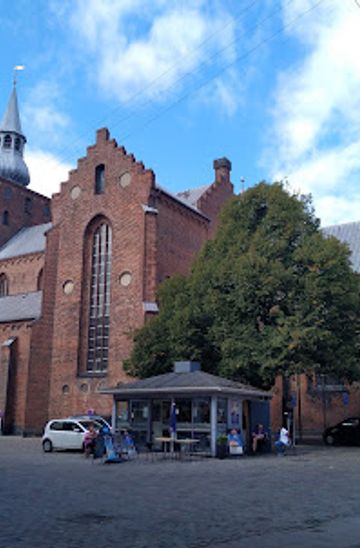
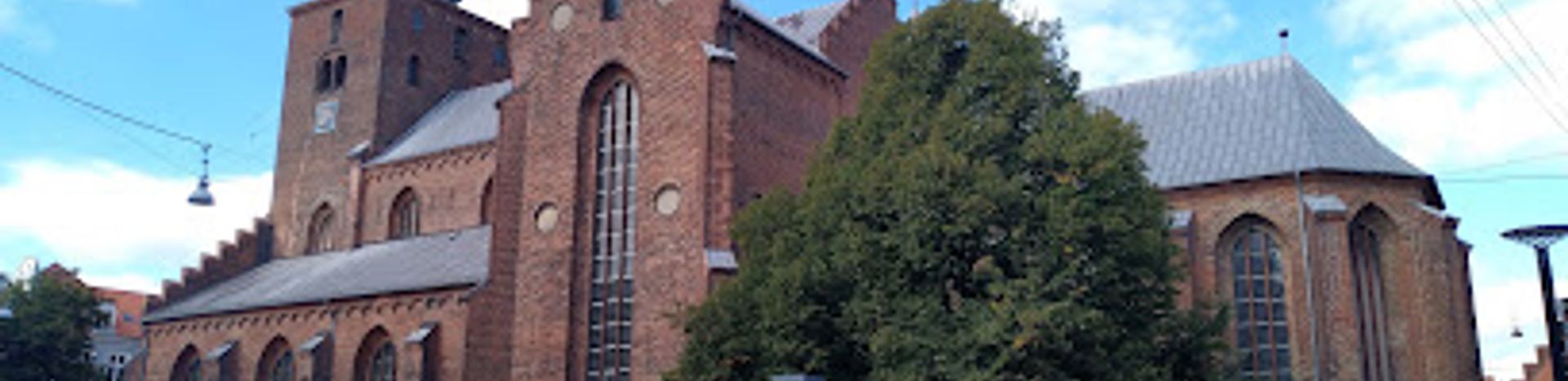
Southern Jutland's sprawling peninsula is the historic heartland of Denmark. Here, undulating farmlands, tidal marshes, and wind-swept beaches blend with vibrant towns and ancient castles. Rooted in centuries of border history and cultural fusion, it offers authentic Danish experiences – from Viking settlements and medieval churches to scenic National Parks and North Sea dunes.
A brief summary to Jutland
- DK
Local tips
- Bring waterproof shoes—many attractions, especially around the Wadden Sea, feature marsh or tidal ground.
- Cycling is popular; bike paths are well marked and often lead to scenic, off-the-beaten-track villages.
- Sample local specialties like sønderjysk kaffebord (traditional cake table) and smoked fish.
- Historic sites like Dybbøl Mill or Gram Castle often have free museums, but guided tours can require advance booking.
- The weather is changeable year-round—layered clothing is recommended even in summer.

Do you manage this location?
Take control to get all the benefits, like improved information, better appearance, and stronger visibility across AI-powered discovery. Learn more
Activate your presenceOther nearby places you may find interesting
Getting There
-
Car
Reaching Southern Jutland’s central region is easiest by car, as the area is defined by sprawling countryside and distances between towns can be substantial. Approaching from the Danish-German border, major highways lead north, crossing open farmland and passing through the historic town of Haderslev and the lively hub of Aabenraa. Parking is convenient and generally affordable (typically 10–15 DKK/hour in towns, often free in rural spots), but can be limited in smaller village centers, especially during local festivals.
-
Public Transport
Intercity trains from major Danish cities connect to central hubs like Kolding or Esbjerg, from which regional trains or buses fan out to Southern Jutland’s towns. Journeys often end at compact train stations near city centers. A standard train ticket from central Denmark regions is 140–240 DKK, while local buses for final connections average 25–35 DKK per ride. Schedule flexibility is greater on weekdays; evening and weekend service may be reduced.
-
Bicycle
For those seeking a slower, scenic approach, dedicated cycle routes cross heather-covered moors, rivers, and through charming hamlets, often signed and well-kept. Distances between central points can be significant, but local bike rentals are widely available from 100–150 DKK/day in most towns. Surfaces are largely flat; some wind exposure is expected, especially near the coast.