

Assistens Cemetery Travel Guide
Free Guide: Copenhagen’s most storied graveyard and Nørrebro’s green heart, where famous Danes, leafy paths and everyday city life share the same tranquil space.


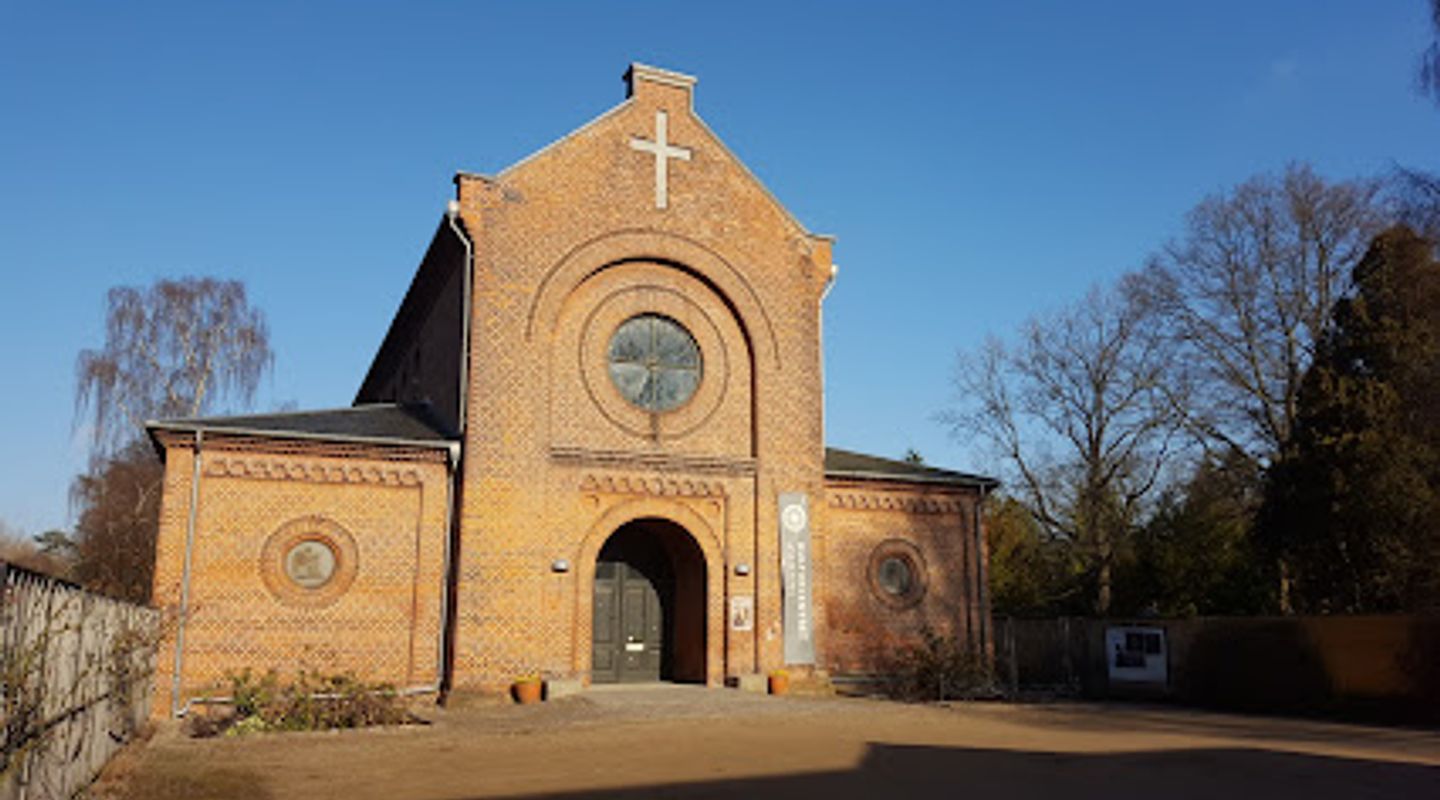
A brief summary of Assistens Cemetery
Copenhagen’s most storied graveyard and Nørrebro’s green heart, where famous Danes, leafy paths and everyday city life share the same tranquil space.
Assistens Cemetery in Copenhagen’s Nørrebro district is a rare blend of historic burial ground and everyday city park. Founded in 1760 to relieve overcrowded churchyards, it is now the leafy resting place of Hans Christian Andersen, Søren Kierkegaard, Niels Bohr and other notable Danes. Long avenues of mature trees, wildflower meadows and quiet corners invite reflection, while locals stroll, read, picnic and cycle through its network of paths, illustrating a uniquely Danish, life‑affirming approach to death.
On-site amenities
 Restrooms
 Seating areas
 Trash bins
 Information boards
 Sheltered areas
Opening hours
- Every day7 am–10 pm
Opening hours as listed on the venue’s Google Business Profile. Hours can change for services and special events, so check with the venue before you go.
- Address
- Kapelvej 2, 2200 København N
- Phone
- Website
Getting there
Metro
Bus
Bicycle
On Foot
Discover more about Assistens Cemetery
Where History and Everyday Life Meet
Assistens Cemetery stretches like a green ribbon through the heart of Nørrebro, one of Copenhagen’s liveliest neighborhoods. Laid out in the mid‑18th century, it was created to “assist” the city’s overcrowded burial grounds after plague and rapid population growth made inner‑city churchyards untenable. Over time, as the city grew around it, this once‑peripheral graveyard became a central urban sanctuary, woven into the rhythm of local life.Walking in, you step under a canopy of tall trees that soften the sounds of the surrounding streets. Rows of older graves lean at gentle angles, moss‑clad and half‑claimed by ivy, while newer plots are carefully tended with fresh flowers and small personal mementos. The overall impression is of a place that is very much still in use, yet comfortable with its own long past.
Famous Names Beneath the Trees
Assistens is renowned as the final resting place of some of Denmark’s most influential figures. Literary pilgrims seek out the modest gravestone of Hans Christian Andersen, whose fairy tales helped shape Denmark’s cultural identity. Nearby lies philosopher Søren Kierkegaard, a founding voice of existentialism whose questions about faith, doubt and responsibility still echo in university seminar rooms around the world.The cemetery also holds the graves of Nobel Prize‑winning physicist Niels Bohr and physicist H. C. Ørsted, alongside artists, musicians and writers from many eras. Different sections reflect religious and social diversity, with dedicated areas for various Christian denominations and minority communities. Wandering between them becomes an informal lesson in Danish history, written not in textbooks but in stone, dates and quiet epitaphs.
A Green Oasis in Busy Nørrebro
Despite its solemn purpose, Assistens functions simultaneously as Nørrebro’s main green space. Broad paths double as informal walking and cycling routes, while lawns and more secluded clearings offer space to sit with a book, share a picnic or simply enjoy the filtered light through the leaves. The planting is generous: mature plane and lime trees, flowering shrubs and seasonal wildflowers that make the cemetery feel almost woodland‑like in places.Birdsong carries easily here, and in warmer months you may notice the hum of insects around blooming borders and older hedges. The site’s size means you can always find a quieter corner, even when the main paths are busy. It is this coexistence of recreation and remembrance that gives Assistens its distinctive atmosphere: calm but not austere, reflective yet undeniably alive.
Stories, Art and Subtle Surprises
Look closely and Assistens reveals layers of unexpected detail. Carved angels and willow motifs on 19th‑century stones sit alongside starkly modern memorials in polished granite. In one corner, a former stable has been converted into a small cultural space dedicated to local artist Herman Stilling, underlining how creativity and memory are intertwined here. Elsewhere, a playful “time traveller” plaque in a wall hints at the cemetery’s occasional role as a canvas for contemporary artistic interventions.The layout encourages slow exploration rather than a fixed route. Some paths form shady tunnels, others open suddenly onto sunlit lawns or dense clusters of monuments. Names on the stones reflect waves of migration into Nørrebro, while dates trace Denmark’s own turning points: wars, epidemics, social reforms. Even a brief visit can feel like leafing through an open‑air archive of the city’s changing population.
Experiencing a Danish View of Life and Death
Spending time in Assistens offers insight into local attitudes toward mortality and public space. Rather than separating the living and the dead, the cemetery invites gentle, everyday contact between them. Parents push prams past gravestones, students revise for exams on benches, and older residents follow familiar routes through the trees. The expectation is one of quiet respect rather than strict silence.For visitors, this can be both thought‑provoking and unexpectedly comforting. The cemetery becomes a place to contemplate big questions without leaving the city behind, to balance sightseeing with stillness, and to see how memory is integrated into daily urban life. Whether you come to find a specific grave or simply to walk, Assistens leaves a lingering impression of a culture that treats death not as a distant abstraction, but as a natural companion to the living city just beyond its walls.
Evendo Review Centre
 Google
Guest reviews
Best time to go
Quietest: Jan, Feb & Mar · before 7am or at 10pm
Busy times are Evendo estimates for a typical year, to help you plan. Actual crowds vary with events, school holidays and the weather.
Explore Assistens Cemetery on the map
A handpicked selection of must-see spots near Assistens Cemetery, mapped for you.
Get your free copy of our complete guide to Assistens Cemetery, delivered straight to you.
Everything on this page, from opening hours and how to get there to Eve’s tips and the best time to go, in one PDF you can read offline, print or share.
Already have an account? Sign in
Your Assistens Cemetery guide is ready.
We'll send it to · Not you? Sign out

Getting your guide ready…
We are putting together a fresh copy of the Assistens Cemetery guide. This can take up to a minute.
This can take a few moments. If your browser asks, choose Allow so the download can start. You'll find the guide in your Downloads folder.
Nothing happened? Download it again
Sorry, the guide is taking longer than usual. Please try again in a minute, or get it by email instead.
Unlock the best of Assistens Cemetery
Skip-the-line tickets, guided tours with entry, and walking tours of the area, booked in a few clicks.
 Tour with entry
Self-Guided Tour In Copenhagen with 100 Captivating Audio Stories
from $3.19 Tour with entry
Self-guided discovery walk in Copenhagen’s Nørrebro neighborhood
from $30.16 Tour with entry
Nørrebro Neighborhood Tour
from $42.72 Tour with entry
Copenhagen 3 Hour Bike Tour: The World's Most Livable City
from $60.42


Other nearby places you may find interesting
The closest places of the same kind, if this one is not quite what you had in mind.
-
-
-
-
-


Swipe for more places
More to explore near Assistens Cemetery

 Best experiences near Assistens Cemetery
 Best hotels near Assistens Cemetery
 Best landmarks near Assistens Cemetery
 Best attractions near Assistens Cemetery
 Best shops near Assistens Cemetery
 Best restaurants near Assistens Cemetery
 Best bars near Assistens Cemetery
Do you manage this location?
Take control to get all the benefits, like improved information, better appearance, and stronger visibility across AI-powered discovery.
Explore more
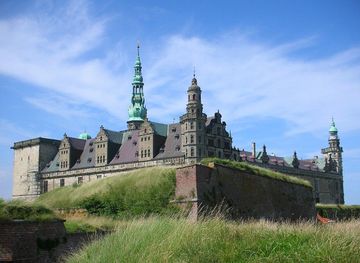
Explore more of Zealand
Discover the charm of Zealand, Denmark's largest island, blending vibrant city life in Copenhagen with serene coastal beauty and rich cultural heritage.
Explore Zealand
Explore more of Denmark
Discover Denmark: A perfect blend of history, modern design, and the cozy concept of hygge. Explore vibrant cities, serene landscapes, and world-class cuisine.
Explore Denmark
