Mols Bjerge National Park, Zealand Travel Guide
Rolling Ice Age hills, Bronze Age mounds and varied Danish nature meet in this free, year-round national park on the Djursland peninsula.
Spreading across 180 square kilometres of rolling hills, heaths, forests and coastline on the Djursland peninsula, Mols Bjerge National Park is one of Denmark’s most varied landscapes. Glacial ridges rise to 137 metres, Bronze Age burial mounds crown the slopes, and quiet trails thread moors, meadows and beech woods alive with birds, deer and rare insects. With free, year‑round access, well-marked hiking and cycling routes, family-friendly beaches and informative visitor centres, it is an easy, rewarding escape into Danish nature and cultural history.
A brief summary to Mols Bjerge National Park
- Molsvej 29, Rønde, 8410, DK
- Click to display
- Click to display
- Duration: 2 to 8 hours
- Free
-
 Outdoor
- Mobile reception: 4 out of 5

Know before you go
Hi, I'm Eve. Here are a few practical things to know before exploring Mols Bjerge National Park.
- Pick up a detailed hiking map or use the national park app from a visitor centre to choose routes that match your time, fitness and interest in views, history or coast.
- Wear sturdy footwear and layered clothing; even modest hills and open heaths can feel exposed in wind, and paths may be muddy after rain.
- Bring water and snacks, especially on longer routes, as services and shops are clustered in nearby towns rather than within the hills.
- Respect grazing animals and wildlife by keeping a safe distance, closing gates behind you and following any local access and countryside rules.
- Plan at least one early morning or late-afternoon walk for softer light and a better chance of seeing deer and birdlife at the edges of forest and meadow.
Do you manage this location?
Take control to get all the benefits, like improved information, better appearance, and stronger visibility across AI-powered discovery. Learn more about listing your business on Evendo
Activate your presenceOther nearby places you may find interesting
The closest places of the same kind, if this one is not quite what you had in mind.

Explore Mols Bjerge National Park on the Map
A handpicked selection of must-see spots near Mols Bjerge National Park, mapped for you.
Getting There
-
Car from Aarhus
From Aarhus city centre, driving to the main part of Mols Bjerge near Rønde typically takes 30–40 minutes, depending on traffic. The route follows major regional roads and is straightforward for drivers accustomed to Danish conditions. Parking areas are available at key trailheads and visitor centres, though some smaller lots can fill on sunny weekends. Fuel stations are in and around Aarhus and Rønde; there are no road tolls on this stretch.
-
Regional bus from Aarhus
Regular regional buses connect Aarhus with towns such as Rønde and Ebeltoft on the Djursland peninsula, with journey times usually between 45 and 70 minutes. From these hubs, local bus routes or a short taxi ride bring you closer to specific entrances and visitor centres within the national park. Typical single fares on regional buses are in the range of 40–80 DKK, depending on distance and ticket type. Services run throughout the day but are less frequent in evenings and on weekends, so checking timetables in advance is essential.
-
Cycling from nearby towns
From nearby towns such as Rønde or Ebeltoft, reaching the park by bicycle usually takes 20–45 minutes, using a mix of dedicated cycle paths and quieter country roads. The terrain can be noticeably hilly compared with much of Denmark, so expect short but sometimes steep climbs and bring appropriate gears. This option suits reasonably fit riders and is best undertaken in daylight and in fair weather, as strong winds and rain quickly make the ride more demanding.
For the on-the-go comforts that matter to you
-
 Restrooms
-
 Drink Options
-
 Drinking Water
-
 Food Options
-
 Seating Areas
-
 Sheltered Areas
-
 Picnic Areas
-
 Trash Bins
-
 Information Boards
-
 Visitor Center
Discover more about Mols Bjerge National Park
Ice Age Hills and Shifting Danish Light
Mols Bjerge National Park stretches over much of southern Djursland in East Jutland, a glacially carved landscape where rounded hills fall away to blue bays and shallow coves. Over the last Ice Age, advancing and retreating ice sheets pushed and folded the land into steep ridges, kettle holes and deep valleys, leaving a terrain unlike most of low-lying Denmark. Today the Mols Hills rise to 137 metres, their slopes catching the changing North Sea light and offering far-reaching views over Kalø Bay, the Kattegat and patchwork fields.Spread across 180 square kilometres, the park forms a mosaic of dry grassland, heath, ancient woodland, wetlands and coastal habitats. Chalky soils favour flowering plants and herbs, while pockets of damp ground shelter bogs and small lakes. This diversity underpins an exceptional richness of species, making Mols Bjerge a key conservation landscape in the country.Wildlife in Sunlit Grasslands and Quiet Forests
Walk a little way off the main roads and you move into quiet worlds of birdsong, insect hum and wind in the grass. Open heaths and grazed pastures support butterflies, grasshoppers and rare insects that depend on warm, sun‑baked slopes. Skylarks rise singing above the hills, buzzards circle on thermals, and in the evening you may hear nightjars churring over the moorland.Red and roe deer are frequently seen at forest edges and in meadows at dawn or dusk, while hares dart across the open fields. Around lakes and coastal shallows, waders and gulls feed along the waterline, and bird towers such as the one at Stubbe Sø offer sheltered vantage points for watching life on the reedbeds. Grazing cattle, sheep and horses are an integral part of the scene, used deliberately to keep grasslands open and prevent the landscape from turning to dense forest.Traces of Millennia in the Landscape
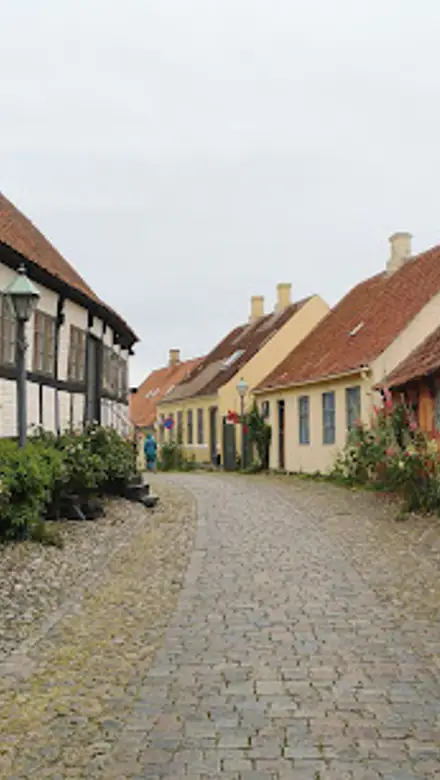
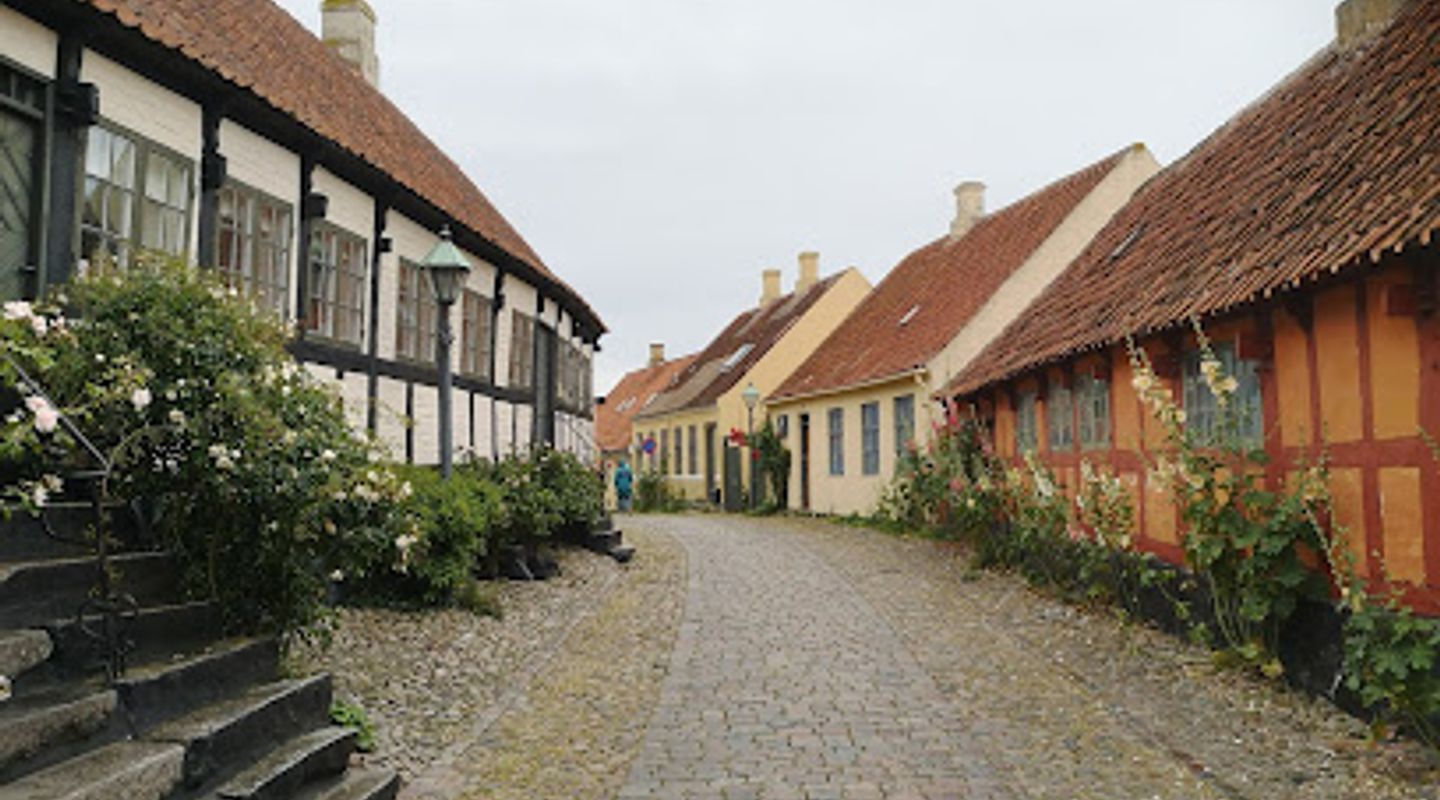
Humans have lived in Mols Bjerge for thousands of years, and history is written into the contours of the park. Bronze Age burial mounds dot the hilltops, many still untouched by excavation, their rounded forms silhouetted against the sky. From their summits you can look out over multiple bays and headlands, much as people did three thousand years ago.Later centuries added manor landscapes, mills and farmsteads. The broader national park area includes the iconic Kalø Castle ruin on its stone causeway, a reminder of medieval power and coastal defence. Old farm buildings such as Øvre and Nedre Strandkær now house research and visitor functions, blending everyday rural history with modern nature management. The town of Ebeltoft and surrounding villages, with cobbled lanes and half‑timbered houses, form a cultural counterpoint to the wild hills and shores.Trails, Viewpoints and Quiet Corners
For visitors, the park is threaded with marked hiking and cycling routes that let you choose anything from a short stroll to a multi‑day trek. The 80‑kilometre Mols Bjerge Trail is the flagship route, certified as a leading quality trail and divided into stages that connect hills, coasts, forests and historical sites. Elsewhere, shorter circular paths climb to viewpoints, loop through beech woods or cross heathland dotted with juniper and heather.Several visitor centres, including those at Øvre Strandkær and Karlsladen, provide exhibitions on geology, flora, fauna and cultural history, as well as maps and seasonal activity ideas. Families find picnic spots, child‑friendly beaches, and simple indoor areas for shelter on wet days. Cyclists can follow quiet lanes and signposted routes, while more adventurous riders seek out mountain biking tracks near Ebeltoft.Living Laboratory of Danish Nature
Mols Bjerge is more than a scenic backdrop; it functions as an open-air laboratory for understanding Danish ecosystems and land use. Conservation projects focus on maintaining open grasslands, restoring wetlands and supporting species that depend on disturbance and grazing. Parts of the park are used for research and guide training, and guided walks and educational programmes introduce visitors to everything from glacial geology to night-time bat life.Throughout, there is an emphasis on gentle enjoyment: wandering on foot or by bike, noticing orchids in a sunlit slope, watching kites hover overhead, or sitting by a bay as the tide laps the shore. With free entry and year‑round access, the park invites repeat visits in different seasons, from spring flowers and summer heather to crisp winter views over frost‑bright hills.More to explore near Mols Bjerge National Park













Your all‑in‑one travel companion app
Explore expert travel guides, compare and book tours, experiences, hotels, and more—all from the palm of your hand. Download now for seamless trip planning wherever your wanderlust takes you.


Explore More of Zealand
Looking beyond Mols Bjerge National Park? Discover Zealand for broader travel guides, local hot-spots, and regional highlights.
Explore Zealand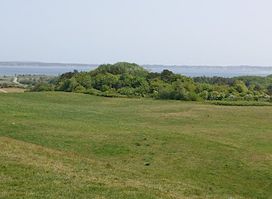
An ice age-sculpted hiking trail of low “mountains”, heather hills and big skies winding 80+ km through Denmark’s Mols Bjerge National Park near Ebeltoft.
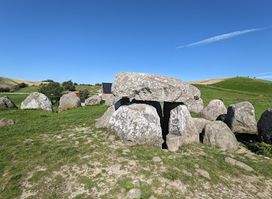
Denmark's Ice Age masterpiece: rolling glacial hills, ancient forests, and 80 kilometers of certified hiking through millennia of natural and cultural heritage.