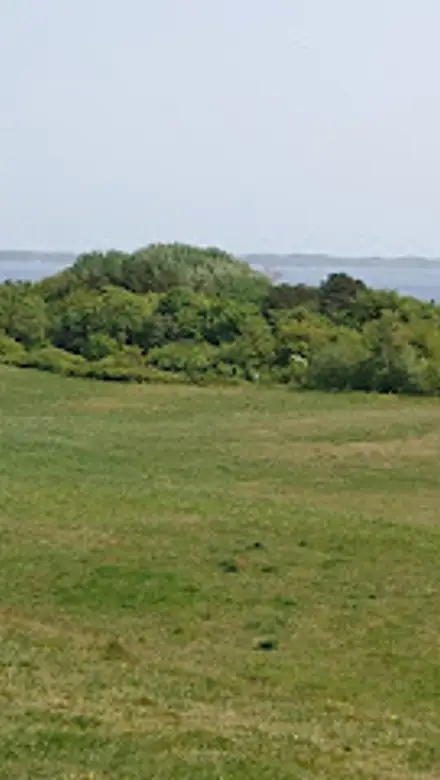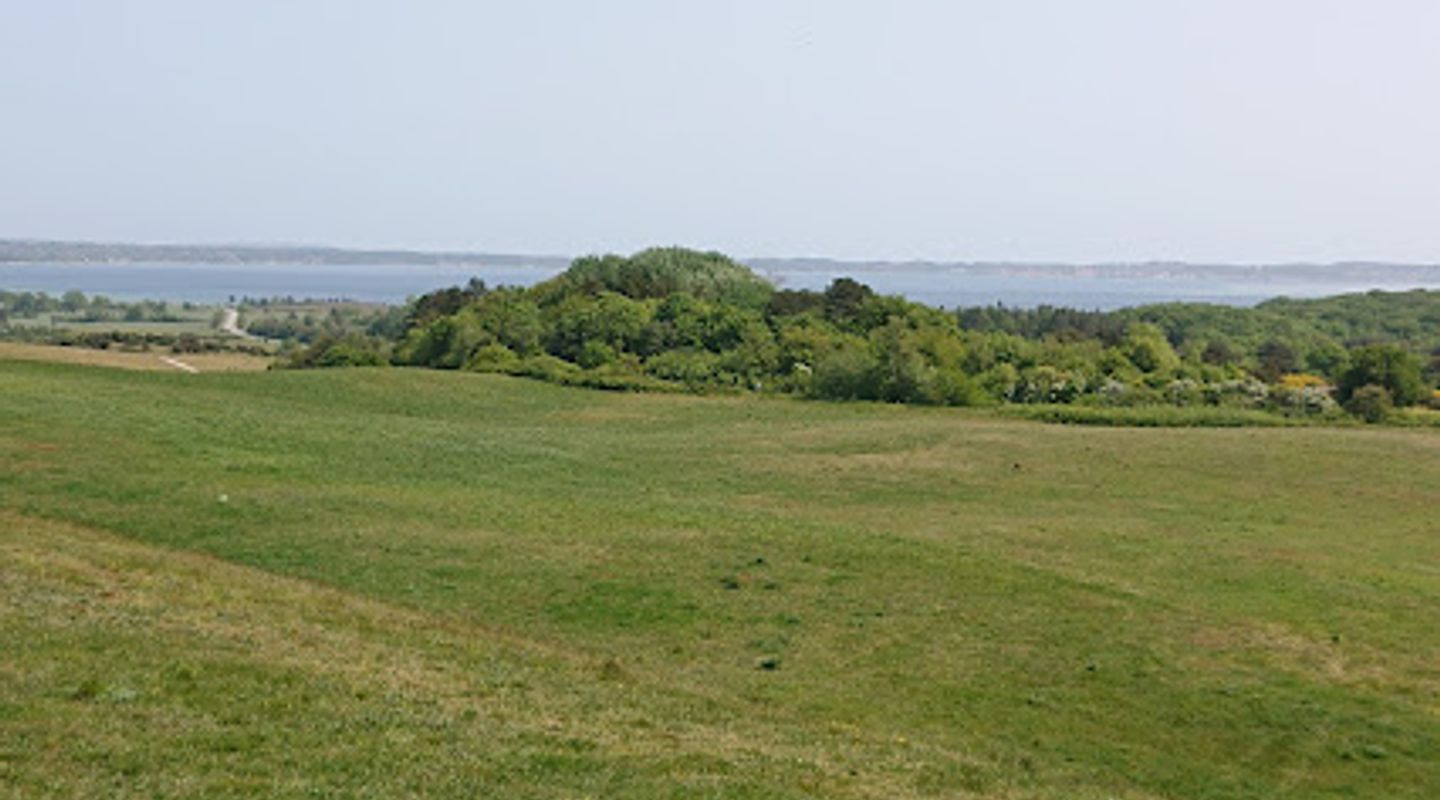
Mols Bjerge stien, Mols Bjerge National Park Travel Guide
An ice age-sculpted hiking trail of low “mountains”, heather hills and big skies winding 80+ km through Denmark’s Mols Bjerge National Park near Ebeltoft.
Mols Bjerge-stien is a certified long-distance hiking trail winding 80+ km through Denmark’s Mols Bjerge National Park near Ebeltoft. Crossing ice age hills, deep kettle holes, heather slopes and tranquil beech forests, the route is split into four day stages linking Kalø, Femmøller and Ebeltoft. Waymarked paths, viewpoints, heritage sites and simple picnic spots create a classic Scandinavian nature experience that balances rewarding walking with peaceful, big-sky landscapes.
A brief summary to Mols Bjerge stien
- Ebeltoft, DK
- Duration: 2.5 to 20 hours
- Free
-
 Outdoor
- Mobile reception: 3 out of 5

Know before you go
Hi, I'm Eve. Here are a few practical things to know before exploring Mols Bjerge stien.
- Break the route into stages of 15–20 km and start early in the day to enjoy cooler temperatures and quieter paths on the hillier sections.
- Wear waterproof hiking shoes; some valley and marsh areas can become muddy or flooded after heavy rain, especially near lakes and wetlands.
- Carry water and snacks, as facilities are spaced out; use designated picnic tables and shelters to minimise impact on the fragile heathland.
- In grazing areas, keep dogs on a short lead, close gates carefully and give horses, cattle and sheep plenty of space when passing.
- Bring a windproof layer even in summer; exposed hilltops can feel much cooler than sheltered forests and kettle holes.
Do you manage this location?
Take control to get all the benefits, like improved information, better appearance, and stronger visibility across AI-powered discovery. Learn more about listing your business on Evendo
Activate your presenceOther nearby places you may find interesting
The closest places of the same kind, if this one is not quite what you had in mind.
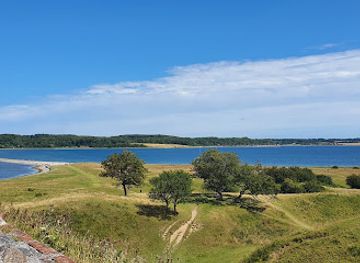
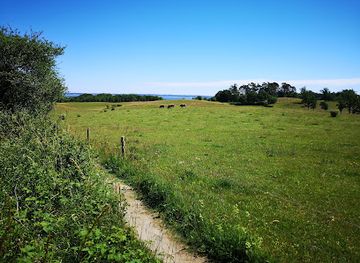

Explore Mols Bjerge stien on the Map
A handpicked selection of must-see spots near Mols Bjerge stien, mapped for you.
Getting There
-
Car from Aarhus
From Aarhus, driving to trailheads around Mols Bjerge-stien typically takes 45–60 minutes, depending on whether you start near Kalø, Femmøller or Ebeltoft. Expect mainly good regional roads and signed access to the national park with several public parking areas at ruins, viewpoints and visitor centres. Parking is usually free, but some coastal spots near Ebeltoft can be busy on sunny summer weekends, so arrive early for the most convenient spaces.
-
Bus from Aarhus to Ebeltoft
Regional buses run between Aarhus and Ebeltoft with journey times of about 1–1.5 hours. Tickets generally cost in the range of 60–120 DKK one way, depending on operator and discounts. Services are more frequent on weekdays and during daytime, with reduced evening and weekend schedules. From Ebeltoft, local bus stops near the town edge give access to the coastal and Gåsehage sections of the trail; always check current timetables before planning an early or late hike.
-
Bus from Aarhus to Kalø / Femmøller area
For the Kalø or mountain stages, buses from Aarhus towards Rønde and the Mols area take roughly 50–70 minutes. A single adult ticket is typically around 50–90 DKK depending on route and fare zones. Not all services stop directly at each trailhead, so you may need a short walk from the nearest stop along rural roads. Services can be less frequent outside peak hours and on weekends, so plan your return connection in advance.
-
Cycling from Ebeltoft
If you are based in Ebeltoft, cycling to nearby access points along Mols Bjerge-stien is a practical option in good weather. Reaching coastal segments or the start of inland loops often takes 20–40 minutes by bike along a mix of town streets and quieter rural roads. There is no charge to use the paths, and bikes can be locked at informal spots near car parks or trailheads. Be prepared for rolling terrain and occasional traffic on shared roads, and use lights and reflective gear when visibility is low.
For the on-the-go comforts that matter to you
-
 Restrooms
-
 Seating Areas
-
 Sheltered Areas
-
 Picnic Areas
-
 Trash Bins
-
 Information Boards
-
 Visitor Center
-
 Drinking Water
Discover more about Mols Bjerge stien
Ice Age Hills Shaping a Danish Mountain Landscape
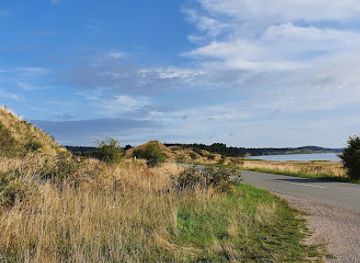
Mols Bjerge-stien threads through one of Denmark’s most distinctive ice age landscapes, where low “mountains” rise sharply between Kalø Vig and the bays around Ebeltoft. Over the last glaciation, vast tongues of ice carved and folded the terrain into steep ridges, kettle holes and tunnel valleys; walking the trail you continually climb and descend these undulating forms. The heights here only reach 137 metres, but the contrast between open hilltops and deep, sheltered hollows gives the walking a surprisingly rugged feel.From many high points the land falls away in sweeping views over Djursland’s patchwork of fields, coastline and forest. In clear weather, distant inlets and islands punctuate the horizon, and the light shifts constantly across the rolling terrain, giving the hills an almost cinematic quality.Four Characterful Stages Across 80 Kilometres
The full Mols Bjerge-stien runs for roughly 80 kilometres, sensibly divided into four day stages of about 20 kilometres each. The Kalø stage links the coast and the atmospheric ruins of Kalø Castle with inland pastures and shady woodland. The so‑called mountain stage concentrates the most dramatic hills, offering extended climbs, narrow ravines and sweeping ridge walks before looping back towards Femmøller.Further east, the Ebeltoft stage softens the tone, leading past Djursland’s largest lake, Stubbe Sø, along a disused railway and into the cobbled streets and half‑timbered charm of Ebeltoft. Beyond town, the Gåsehage section traces the shoreline through beach meadows and light coastal woodland, with frequent glimpses of seabirds and the open bay.Wildlife, Heather Slopes and Quiet Forests
The national park protects a mosaic of habitats, and the trail gives you a cross‑section of them at walking pace. On the dry, sun‑exposed slopes, swathes of heather and grassland host butterflies and insects; in summer the purple bloom spreads across whole hillsides. In the hollows you step into cool beech woods and old oak scrub, where gnarled trunks and filtered light create a more intimate atmosphere.Birdlife is a constant companion. Around lakes and wetlands, patient walkers can spot ducks, grebes and herons, while skylarks rise singing from open fields and swallows skim low over pastures. Grazing horses, cattle and sheep help keep the vegetation open, and you may cross their fenced enclosures on well-marked paths.Traces of Human History in the Hills
Although the landscape feels remote, people have shaped these hills for thousands of years. Along and near the route stand prehistoric burial mounds, including large round dolmens, raising stone silhouettes above the grass. On prominent summits such as Agri Bavnehøj and Trehøje, the combination of ancient monuments and commanding views underlines why these spots mattered long before the national park was created.Farmsteads, old manorial lands and small villages edge the hills, and certain paths bear names that hint at stories and literary associations. Interpretation boards in select locations explain how past agriculture, forestry and grazing practices produced the open, varied scenery you walk through today.Practical Waymarking and Simple Comforts
Despite its wild feel, Mols Bjerge-stien is carefully waymarked, with coloured posts and signs at junctions to keep navigation straightforward. Benches and picnic tables appear at intervals near viewpoints, car parks and shelter sites, offering places to rest and take in the scenery. In a few locations, basic facilities such as composting toilets, covered picnic shelters and fire pits support longer days out or an overnight stop at primitive campsites.The walking is generally classed as easy to moderate, but the frequent short climbs and descents can feel demanding over a full day. Sturdy footwear is recommended, and in periods of heavy rain some low-lying stretches, especially near wetlands and marshes, can become muddy or briefly flooded.Planning Your Own Route Through the Hills
Most hikers tackle Mols Bjerge-stien stage by stage, choosing one or two day hikes rather than the full circuit. Waymarked shortcuts allow some sections to be halved, making the route accessible for less experienced walkers or families. Maps provided at trailheads and visitor centres help you link loops and out‑and‑back detours to viewpoints, dolmens or lakes.Whether you opt for a single coastal stretch near Ebeltoft or commit to several days traversing the entire trail, the experience is deliberately unhurried. Long sightlines, big skies and the interplay of wind, light and weather encourage a slower rhythm, inviting you to treat Mols Bjerge-stien as a place to wander, notice detail and spend unstructured time immersed in nature.












Your all‑in‑one travel companion app
Explore expert travel guides, compare and book tours, experiences, hotels, and more—all from the palm of your hand. Download now for seamless trip planning wherever your wanderlust takes you.


Explore More of Mols Bjerge National Park
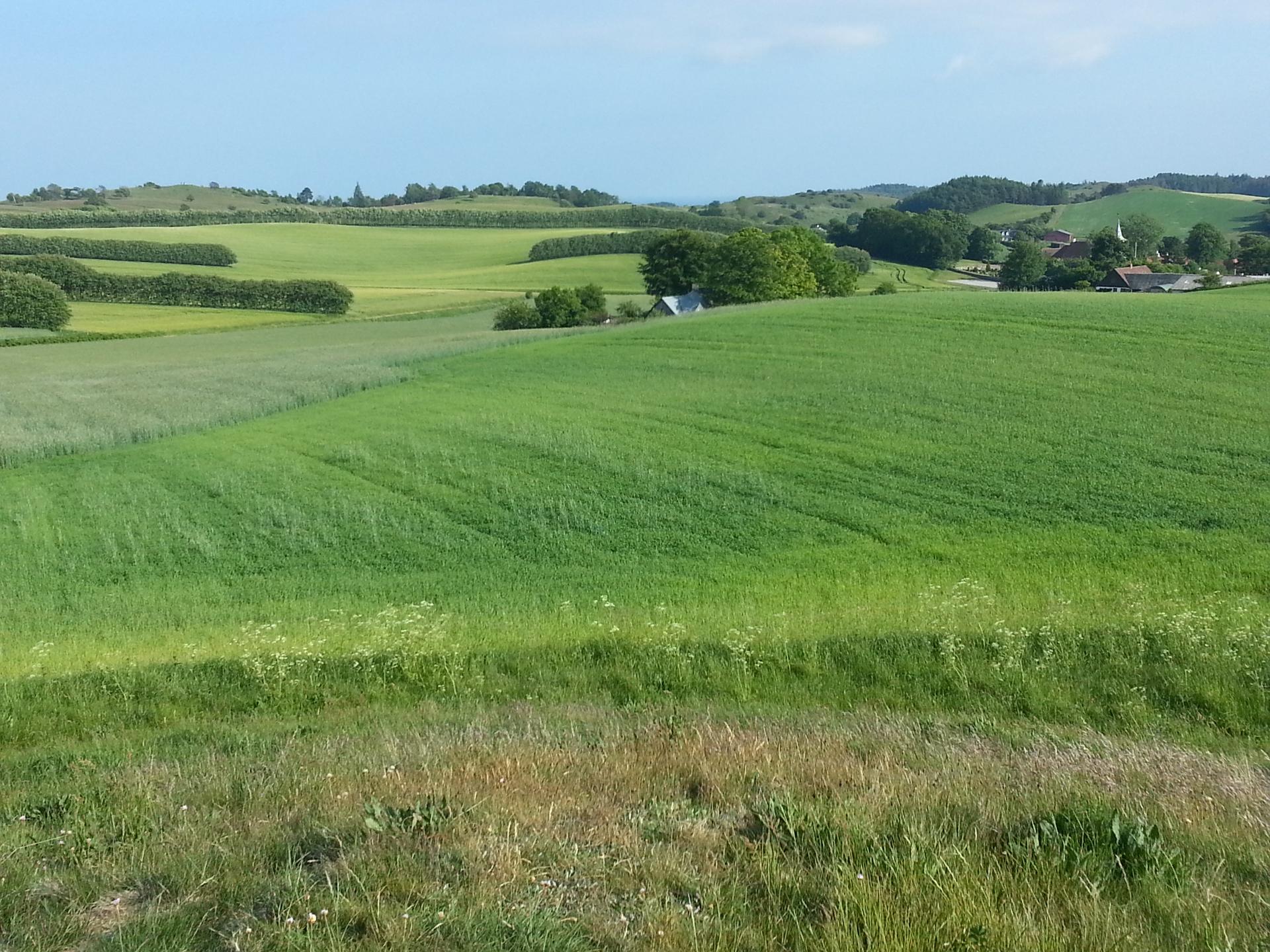
Looking beyond Mols Bjerge stien? Discover Mols Bjerge National Park for broader travel guides, local hot-spots, and regional highlights.
Explore Mols Bjerge National Park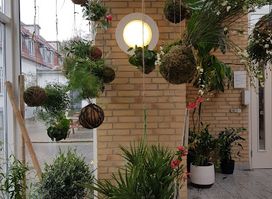
A tiny kokedama-focused garden in Ebeltoft where plants become living design pieces and a calm pause between town streets and the wilds of Mols Bjerge.
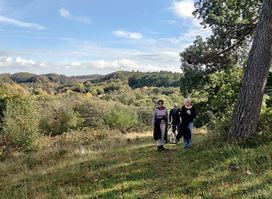
Denmark’s “mountain stage”: a 20 km quality trail through wild Ice Age hills, sweeping viewpoints and rich grazed nature in the heart of Nationalpark Mols Bjerge.