
Skibsklarerergaarden, Zealand Travel Guide
Step into an 18th‑century ship broker’s house where ledgers, chandlery shelves and cosy parlours reveal Helsingør’s Øresund toll era in intimate, atmospheric detail.
Skibsklarerergaarden is an atmospheric 18th‑century ship broker’s house in Helsingør’s old town, preserved as a museum of the Øresund toll era. Step through its creaking doorway into original offices, living rooms and a traditional chandlery that once served captains passing Kronborg Castle. Period interiors, maritime objects and evocative storytelling recreate daily life in a bustling port city when Sound Dues made Helsingør a crossroads of global trade.
A brief summary to Skibsklarerergaarden
- Strandgade 91, Helsingør, 3000, DK
- Click to display
- Click to display
- Duration: 1 to 2 hours
- Budget
-
 Indoor
- Mobile reception: 5 out of 5

Know before you go
Hi, I'm Eve. Here are a few practical things to know before exploring Skibsklarerergaarden.
- Join a guided or costumed tour if available; much of the museum’s charm lies in the storytelling that explains the Øresund toll system and daily life in the house.
- Allow at least an hour if you like to read room labels and study furnishings closely; combine with Kronborg Castle and the M/S Maritime Museum for a full maritime-themed day.
- The historic building has steep stairs and limited space, so accessibility is restricted; wear comfortable shoes and be prepared for uneven floors.
- Check current opening hours in advance, especially outside peak season, as hours can vary and visits are often structured around timed entries or tours.
- Spend a little time walking along Strandgade afterwards to appreciate how the house once stood directly on the busy historic waterfront.
Do you manage this location?
Take control to get all the benefits, like improved information, better appearance, and stronger visibility across AI-powered discovery. Learn more about listing your business on Evendo
Activate your presenceOther nearby places you may find interesting
The closest places of the same kind, if this one is not quite what you had in mind.


Explore Skibsklarerergaarden on the Map
A handpicked selection of must-see spots near Skibsklarerergaarden, mapped for you.
Getting There
-
Train from central Copenhagen
From central Copenhagen, take a regional train toward Helsingør; services typically run every 20 minutes, with a journey time of about 45–50 minutes. A standard adult ticket usually costs in the range of 90–110 DKK one way in 2025 prices. From Helsingør Station it is an easy 10–15 minute walk through the old town to Skibsklarerergaarden, mostly on flat cobbled streets that can be uneven for wheelchairs and strollers.
-
Ferry from Helsingborg (Sweden) plus walk
If you are coming from Helsingborg, take the car and passenger ferry across the Øresund to Helsingør; crossings are frequent, generally every 15–30 minutes, and take around 20 minutes. Foot passengers usually pay about 40–60 DKK each way, while vehicles cost more depending on size and time. On arrival in Helsingør, walk around 10–15 minutes through the historic centre to the museum; the route involves cobblestones and moderate slopes but no extreme gradients.
-
Local bus within Helsingør
Several local buses connect residential districts of Helsingør with stops close to the old town. Travel time is typically 10–20 minutes depending on distance and traffic. A single ticket within the local zone usually costs around 24–30 DKK when bought from a ticket machine or via mobile app. Buses generally have low-floor access, but note that the final approach to Skibsklarerergaarden includes narrow pavements and cobbled surfaces, which may be less comfortable for some visitors.
For the on-the-go comforts that matter to you
-
 Restrooms
-
 Information Boards
-
 Trash Bins
-
 Seating Areas
Discover more about Skibsklarerergaarden
A merchant’s house at the heart of the Sound
Skibsklarerergaarden sits on Strandgade, once Helsingør’s busy waterfront, in a white 18th‑century house that still looks every bit the prosperous merchant home it once was. Built in the late 1700s, the house belonged to a ship broker – the official who handled customs paperwork, supplies and formalities for the many vessels forced to stop here to pay the Øresund toll. Step inside and the cobbles and shopfronts of the street give way to oil-lit rooms, polished wood and the faint sense of ink, tar and tobacco that defined the town’s working rhythm.The building forms part of a dense ensemble of historic houses that grew up around trade with ships sailing between the Baltic and the wider world. Its modest height and timber details contrast with the monumental silhouette of Kronborg Castle just along the water, reminding you that everyday business, not just royal power, made Helsingør thrive.Inside the world of the ship broker
On the ground floor you enter the broker’s realm: compact offices where manifests were checked, dues calculated and negotiations held over sturdy wooden desks. Here captains would arrive tired from the voyage, hoping to complete formalities quickly before a fair wind changed. In display cases and on desks you see quills, ledgers and seals, the tools of a trade that turned paperwork into profit.Nearby, a skipper’s room evokes the social life of the port. This was where sea captains could warm up, swap news and perhaps hear local gossip about changing regulations or shifting alliances. Maps on the walls and navigation instruments underline how closely this modest building was tied to global sea routes.Living quarters above the shop
Upstairs, the atmosphere softens as you pass into the family’s living quarters. Parlours and bedrooms are furnished with period pieces that show the aspirations of a well‑to‑do household in the late 18th and early 19th centuries. Painted chests, tiled stoves, framed portraits and neatly laid tables speak of comfort and order, quite different from the cramped conditions on the ships outside.These rooms hint at the social hierarchy of the time. You sense the lives of servants moving quietly in the background, keeping fires lit and meals prepared, while the broker’s family balanced domestic rituals with the constant interruptions of arriving clients downstairs. Small details – a child’s toy, a carefully folded textile, a devotional print – make the past feel close at hand.The chandlery shop and harbour trade
One of the most evocative spaces is the reconstructed chandlery, the ship’s supply shop associated with the house. Shelves are stacked with barrels, bottles and packets that once catered to crews preparing for the next leg of their voyage. Here, seafarers might buy food staples, ropes, tar, spirits or sweet treats to break the monotony of shipboard rations.The shop illustrates how the Øresund toll transformed Helsingør into a place where merchants, brokers and suppliers clustered to serve international traffic. Exhibits explain how Sound Dues became a crucial source of income for the Danish crown and how this affected daily life in the town, from bustling taverns to crowded quays. The global nature of the trade is reflected in imported goods and stories of ships from many nations pausing under Kronborg’s watchful walls.Stories, performances and maritime memory
Skibsklarerergaarden is not only about objects; it is also about storytelling. Guided tours and costumed interpreters often animate the rooms, taking on the roles of brokers, clerks or townsfolk to explain how the toll system worked and what it meant for sailors, servants and traders. Through anecdotes, humour and occasional dramatised scenes, they bring to life disputes over cargo, changing exchange rates and the human dramas that unfolded behind these walls.Temporary activities and themed events sometimes focus on aspects such as children’s lives in a harbour town, the experiences of foreign sailors, or the later decline of the toll system. Together, they turn the building into a living stage for Helsingør’s maritime past.Part of Helsingør’s wider historic landscape
Visiting Skibsklarerergaarden fits naturally into a wider exploration of Helsingør’s old town. From its doorway it is a short stroll to views of Kronborg Castle and the modern M/S Maritime Museum, making it an excellent counterpoint between royal grandeur, contemporary architecture and the intimate scale of everyday trade.The house is compact and layered, so visits rarely feel rushed; there is time to study furnishings, listen to guides and imagine creaking masts just beyond the windows. The museum’s focus on a single building allows a detailed look at how one address encapsulated a whole economic system, making this a rewarding stop for anyone interested in maritime history, urban life or the human side of commerce.












Your all‑in‑one travel companion app
Explore expert travel guides, compare and book tours, experiences, hotels, and more—all from the palm of your hand. Download now for seamless trip planning wherever your wanderlust takes you.


Explore More of Zealand
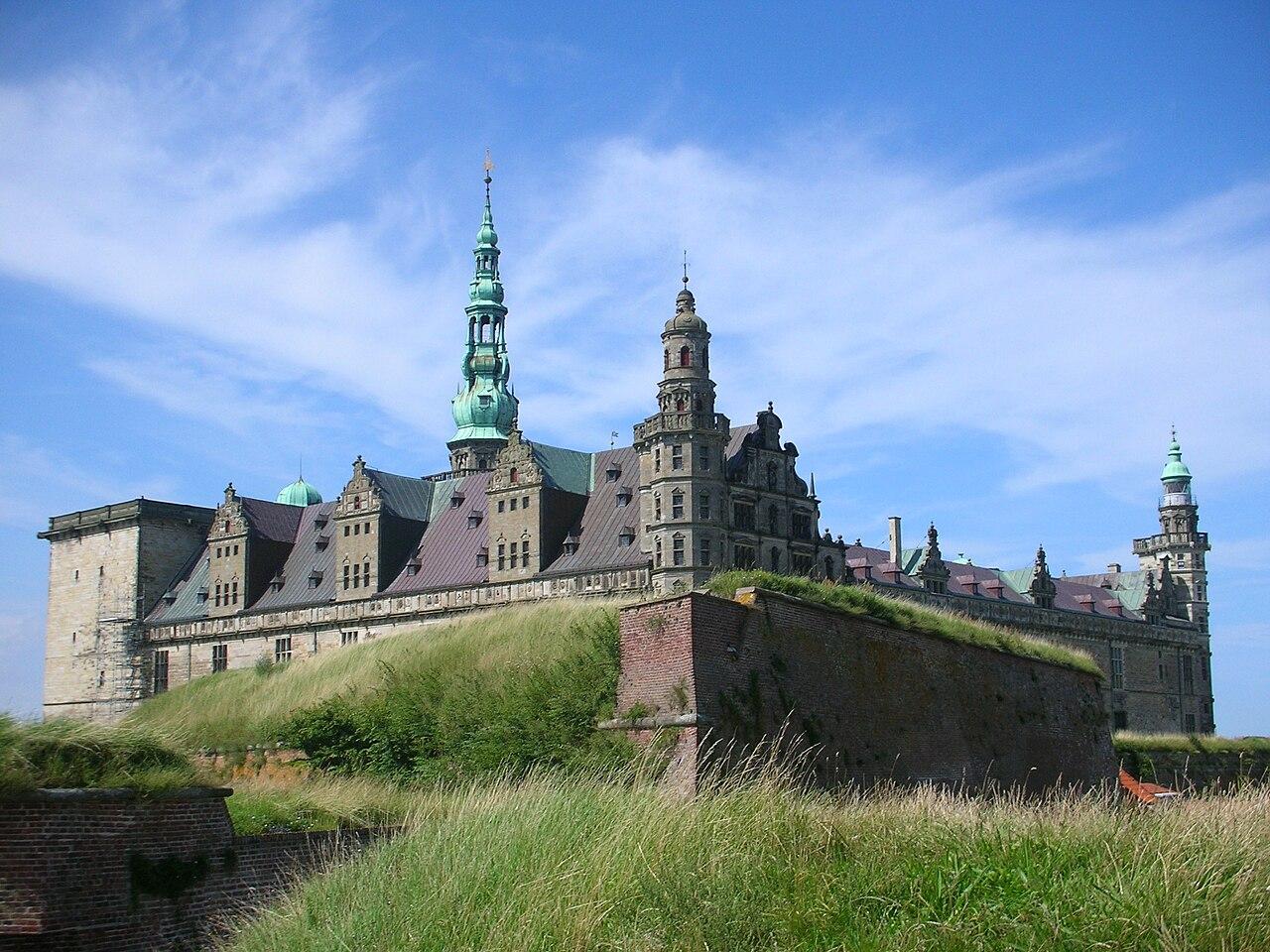
Looking beyond Skibsklarerergaarden? Discover Zealand for broader travel guides, local hot-spots, and regional highlights.
Explore Zealand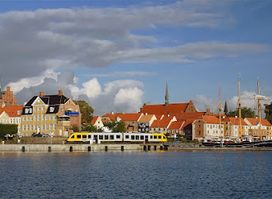
A breezy waterfront ribbon along the Øresund, linking Helsingør’s working harbor, cultural quarter and Kronborg Castle with open sea views and everyday local life.
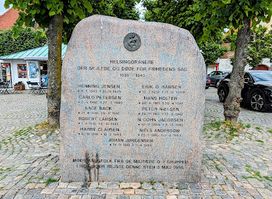
A modest harbor-side monument in Helsingør honoring local lives lost in World War II, quietly linking the busy waterfront to the town’s stories of resistance and sacrifice.