

Free Ali Sabieh Region Travel Guide & Mobile App
Explore Ali Sabieh Region with free travel guides. Discover regional history, expert tips, proposed trips, and audio guides on web or mobile app.


Explore Ali Sabieh Region for volcanic hills, railway heritage, open plains and Djibouti’s distinctive southern borderland culture.
Read more about Ali Sabieh Region
When is the best time to visit Ali Sabieh Region?
Best: December–February · 26–27°C| Month | High (°C) | Rainfall (mm) |
|---|---|---|
| January (best) | 26 | 5 |
| February (best) | 27 | 2 |
| March | 29 | 6 |
| April | 32 | 8 |
| May | 34 | 3 |
| June | 37 | 1 |
| July | 38 | 12 |
| August | 38 | 18 |
| September | 36 | 11 |
| October | 33 | 7 |
| November | 30 | 6 |
| December (best) | 27 | 5 |
Getting to and around Ali Sabieh Region
How to get there
Transportation
Top city travel guides in Ali Sabieh Region
The cities of Ali Sabieh Region, and the easiest places to base yourself.
-

-

-

-


Swipe for more cities
Best attractions in Ali Sabieh Region
Ali Sabieh Region’s attractions are primarily landscape-based and cultural rather than built as a conventional sightseeing circuit. Ali Sabieh town provides the most accessible introduction, with its market activity, hillside setting and role as a transport and commercial centre. Around it, dry valleys and volcanic uplands offer opportunities for scenic drives, geological observation and carefully planned walking, although there are few marked trails or visitor facilities. The broad Grand Bara environment, associated with the southern interior, is valued for its stark open horizons and unusual arid terrain; travellers should confirm the precise access route and administrative setting before going. The railway corridor adds a strong historical dimension, linking the region to the story of Djibouti’s port and Ethiopia. Holl-Holl, Ali Addeh and Assamo provide glimpses of settlement life beyond the regional capital, but visits should be arranged sensitively and not treated as formal attractions. Wildlife observation is possible in the wider dry-country environment, though heat, scarce water and limited shade make independent exploration unsuitable. The region’s appeal lies in combining geography, pastoral landscapes, borderland culture and infrastructure history rather than ticking off a long list of admission-based sites.
-
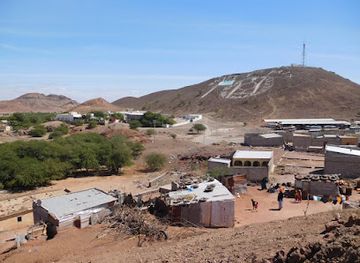
Mountain peak
Ali Sabieh Mountain
Experience the breathtaking beauty and serene landscapes of Ali Sabieh Mountain, a natural wonder in Djibouti perfect for adventurers and nature lovers.
-
Tourist attraction
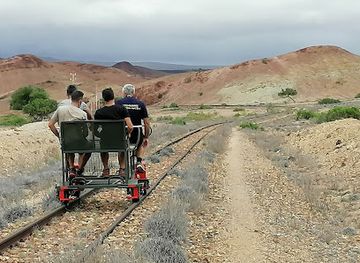
Vélo Rails d'Ali LIAQUAT
Experience the breathtaking landscapes of Dasbyio at Vélos Rails d'Ali LIAQUAT, a unique cycling adventure on scenic railway tracks.
Best landmarks in Ali Sabieh Region
The most recognisable landmark in Ali Sabieh Region is the town of Ali Sabieh itself, set against rugged hills and functioning as the administrative and commercial centre of Djibouti’s southern interior. Its position beside the historic route towards Ethiopia gives the surrounding landscape an importance that is both geographical and historical. The former railway corridor is another defining feature: although the original Djibouti–Addis Ababa line no longer provides the region’s principal modern rail service, its alignment and associated infrastructure recall the period when the railway reshaped movement and trade across the Horn of Africa. The dry uplands around Ali Sabieh form a natural backdrop of volcanic rock, ravines and sparsely vegetated slopes, while the open Grand Bara surroundings are notable for their immense scale and seasonally changing surface. These are not conventional monuments with extensive visitor facilities, so their significance is best understood through a guide, careful observation and respect for active transport, private land and restricted areas.
-
French
Café de la Gare
Experience the best of French cuisine amid the vibrant culture of Djibouti at Café de la Gare, a must-visit culinary gem.
-
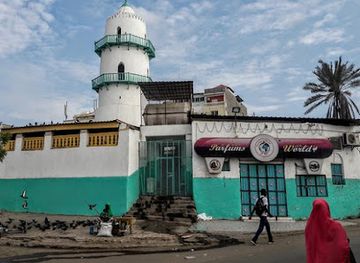
Mosque
Mosquée Al-Hamoudi
Experience the architectural beauty and cultural heritage of Mosquée Al-Hamoudi, a serene oasis in the heart of Djibouti.
-
Chinese
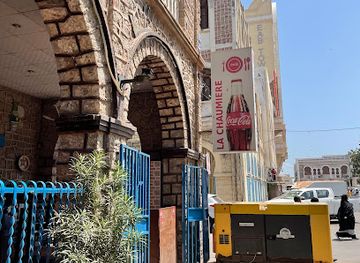
Restaurant La Chaumière
Experience authentic Chinese and Asian cuisine in a charming, chalet-style setting at La Chaumière, a beloved Djibouti restaurant known for its diverse menu and welcoming atmosphere.
-
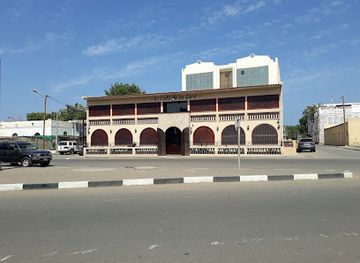
Historical landmark
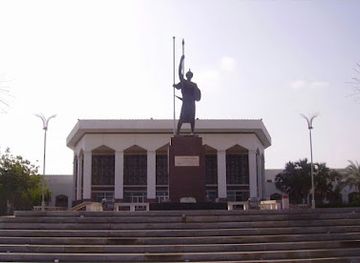
The People's Palace
Discover the rich history and architectural beauty of The People's Palace, a must-visit landmark in Djibouti, blending culture and heritage.
Explore Ali Sabieh Region on the map
Plan your trip on one map. See where the top cities, national parks and sights are, and book hotels and experiences in a few clicks.
Best hotels in Ali Sabieh Region
Best restaurants in Ali Sabieh Region
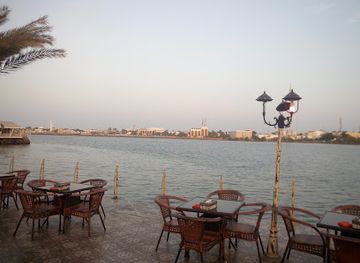
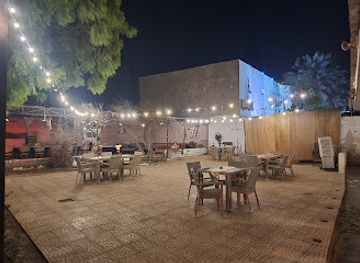
Dining in Ali Sabieh Region is modest and closely connected to everyday Djiboutian and Somali food traditions. In Ali Sabieh town, small restaurants and cafés commonly provide filling meals based on rice, pasta, meat, beans, vegetables and flatbreads, while tea and coffee are important parts of social life. The region’s predominantly Muslim culture means pork is not part of the local food scene, and halal meat is the norm. Camel, goat and other meats may appear alongside chicken and fish transported from elsewhere in Djibouti, while spiced sauces reflect the wider culinary influences of the Horn of Africa and the Arabian Peninsula. Travellers should expect simple service and limited choice outside the regional capital. Markets and small shops are useful for bottled water, fruit, biscuits and basic provisions before travelling into rural areas. Visitors staying with local hosts may encounter hospitality centred on sweet tea and shared dishes; accepting food graciously while explaining dietary requirements clearly is usually the easiest approach.
-
Indian
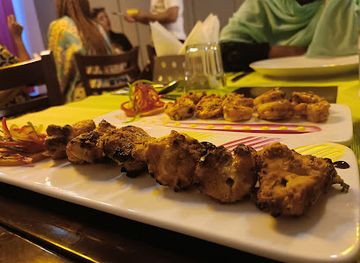
Signatures Restaurant Djibouti
Discover the essence of Indian cuisine at Signatures Restaurant Djibouti, where tradition meets flavor in an unforgettable dining experience.
-
Restaurant
Pizzaiolo Haramous
Discover delicious pizza and Italian cuisine at Pizzaiolo Haramous in Djibouti - a must-visit dining destination!
-
Restaurant
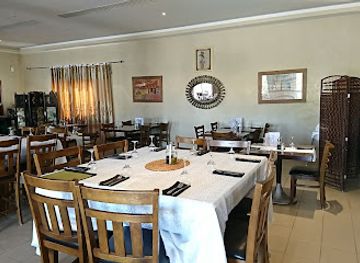
Moonlight Restaurant
Discover exquisite flavors at Moonlight Restaurant in Djibouti - where local cuisine meets international flair in a serene setting.
-
Seafood
Restaurant La Mer Rouge
Experience the rich flavors of seafood and diverse cuisines at Restaurant La Mer Rouge in Djibouti - A true culinary gem!
Best bars in Ali Sabieh Region
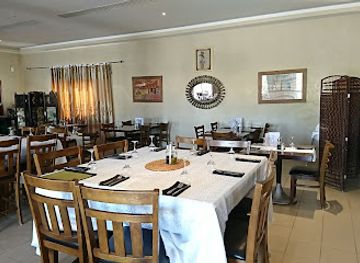
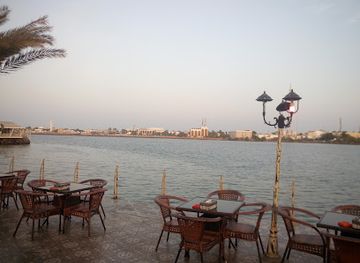
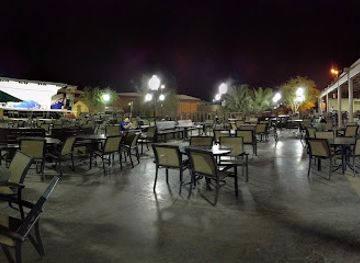
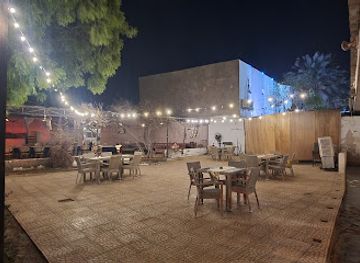
Ali Sabieh Region does not have a substantial nightclub scene. Evening life centres instead on cafés, tea stalls, restaurants and informal social gatherings in Ali Sabieh, with conversation and shared meals more prominent than late-night entertainment. Djibouti is a Muslim-majority country, and alcohol is not central to public life; visitors should follow the rules of their accommodation and avoid assuming that drinks are available in ordinary cafés or rural settlements. Outside the regional capital, evenings are particularly quiet, with limited lighting and few dedicated venues. Travellers may enjoy the cooler air after sunset, but should arrange transport in advance, remain discreet in residential areas and avoid walking far from their accommodation in unfamiliar surroundings.
-
Restaurant
Pizzaiolo Haramous
Experience the best of Italian cuisine at Pizzaiolo Haramous, a must-visit restaurant in Djibouti, offering delicious pizzas in a warm atmosphere.
-
Restaurant
Moonlight Restaurant
Discover the flavors of Djibouti at Moonlight Restaurant, where diverse dishes and a warm ambiance create unforgettable dining experiences.
-
Pub
11 Degrees North
Discover the lively ambiance and fantastic live music at 11 Degrees North, Djibouti's premier pub for an unforgettable experience.
-
Seafood
Restaurant La Mer Rouge
Restaurant La Mer Rouge in Djibouti offers a unique blend of seafood and international cuisines, accompanied by live music and a vibrant atmosphere.
Best nightclubs in Ali Sabieh Region
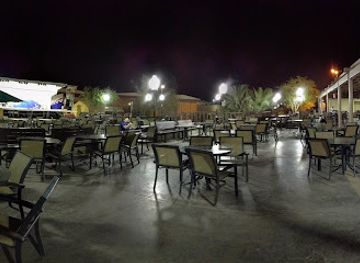
Ali Sabieh Region does not have a substantial nightclub scene. Evening life centres instead on cafés, tea stalls, restaurants and informal social gatherings in Ali Sabieh, with conversation and shared meals more prominent than late-night entertainment. Djibouti is a Muslim-majority country, and alcohol is not central to public life; visitors should follow the rules of their accommodation and avoid assuming that drinks are available in ordinary cafés or rural settlements. Outside the regional capital, evenings are particularly quiet, with limited lighting and few dedicated venues. Travellers may enjoy the cooler air after sunset, but should arrange transport in advance, remain discreet in residential areas and avoid walking far from their accommodation in unfamiliar surroundings.
-
Pub
11 Degrees North
Discover the lively atmosphere of 11 Degrees North, a charming pub in Djibouti offering a delightful mix of drinks, music, and local culture.
-
Night club
Club Hermes
Discover the electrifying nightlife at Club Hermes in Djibouti, where vibrant music and an energetic atmosphere await every night.
-
 Bar
BarCantina
Discover the vibrant nightlife at Cantina, where locals and tourists unite to enjoy drinks, music, and unforgettable moments in Djibouti.
-
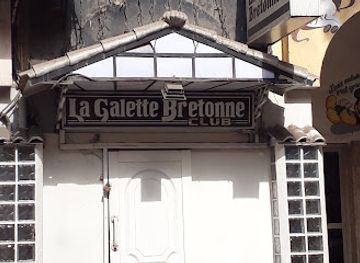
Night club
La Galette Bretonne
Dive into Djibouti's nightlife at La Galette Bretonne, a popular night club known for vibrant music and an exciting atmosphere.
Best shops in Ali Sabieh Region
Shopping in Ali Sabieh Region is practical and local rather than oriented towards large retail centres. Ali Sabieh town has small shops and market stalls selling food, household goods, clothing, mobile-phone supplies and everyday travel provisions. Visitors may find locally traded livestock products and items associated with Somali cultural dress, although stock and quality vary and bargaining should remain courteous. The town is also the best place in the region to buy bottled water, snacks and supplies before visiting rural areas, where retail options are substantially more limited. Regional shopping reflects Ali Sabieh’s position on routes towards Ethiopia, with goods circulating through cross-border and national trade networks rather than a specialised souvenir industry. Ask permission before photographing stalls or people, and check the provenance of animal products or antiquities before buying. For distinctive Djiboutian crafts and a wider selection of gifts, Djibouti City generally offers more choice than the region itself.
-
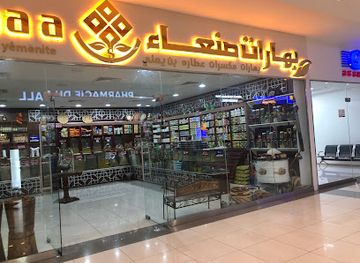
Shopping mall
Bawadi Mall Djibouti
Discover a unique blend of shopping, dining, and entertainment at Bawadi Mall, Djibouti's premier retail destination.
-
Hypermarket
Hypermarché Al Gamil
Explore Hypermarché Al Gamil, a vibrant hypermarket in Djibouti offering local goods, groceries, and a taste of the region's culture at affordable prices.
-
General store
NEX
Explore NEX in Djibouti for a unique shopping experience filled with local goods and charming finds.
-
Store
SVAMC STORE
Explore the vibrant culture of Djibouti at SVAMC Store, offering unique local treasures and delightful souvenirs for every traveler.

Get your free copy of our complete guide to Ali Sabieh Region, delivered straight to you.
Everything on this page, from attractions and restaurants to essentials and local phrases, in one PDF you can read offline, print or share.
Already have an account? Sign in
Your Ali Sabieh Region guide is ready.
We'll send it to · Not you? Sign out

Getting your guide ready…
We are putting together a fresh copy of the Ali Sabieh Region guide. This can take up to a minute.
This can take a few moments. If your browser asks, choose Allow so the download can start. You'll find the guide in your Downloads folder.
Nothing happened? Download it again
Sorry, the guide is taking longer than usual. Please try again in a minute, or get it by email instead.
Ali Sabieh Region essentials
Currency and Payment
Safety
Emergency Situations
Do's and Don'ts
Local Tips
From Eve
Local phrases worth knowing
You don't need to get them perfect. A few words go a long way, and locals appreciate the effort.
Basics
| English | Local | Say it |
|---|---|---|
| Hello | Nabad | [Nah-bahd] |
| Goodbye | Nabad gelyo | [Nah-bahd gel-yoh] |
| Yes | Haa | [Hah] |
| No | Maya | [Mah-yah] |
| Please/You're welcome | Fadlan | [Fahd-lahn] |
| Thank you | Mahadsanid | [Mah-hahd-sah-nid] |
| Excuse me/Sorry | Raali ahow | [Rah-lee ah-hoh] |
| How are you? | Iska warran? | [Is-kah war-ran] |
| Fine. And you? | Wanaagsan. Adiguna? | [Wah-nahg-sahn. Ah-dee-gunah?] |
| Do you speak English? | Ma ku hadashaa Ingiriisi? | [Mah koo hah-dah-shah Ing-ee-ree-see?] |
| I don't understand | Ma fahmin | [Mah fah-meen] |
Eating & Drinking
| English | Local | Say it |
|---|---|---|
| I'd like to see the menu, please | Fadlan ii soo bandhig menu-ga | [Fahd-lahn ee soh ban-dhig meh-noo-gah] |
| I don't eat meat | Cunto hilib ma cuno | [Koon-toh hee-lib mah koo-noh] |
| Cheers! | Nabad gelyo! | [Nah-bahd gel-yoh!] |
| I would like to pay, please | Fadlan ii ogolow in aan bixiyo | [Fahd-lahn ee oh-goh-low in ahn bih-ee-yoh] |
Emergencies
| English | Local | Say it |
|---|---|---|
| Help! | Caawimaad! | [Cah-wee-mahd!] |
| Go away! | Ka tag! | [Kah tahg!] |
| Call the Police! | Wac booliiska! | [Wah kah-boo-lee-skah!] |
| Call a doctor! | Wac dhakhtar! | [Wah kah-dhak-tar!] |
| I'm lost | Waan lumay | [Wahn loo-may] |
| I'm ill | Waan xanuunsanahay | [Wahn khah-noon-sah-nah-hay] |
Shopping
| English | Local | Say it |
|---|---|---|
| I'd like to buy... | Waxaan rabaa inaan iibsado... | [Wah-hahn rah-bah in-an eeb-sah-doh] |
| I'm just looking | Waxaan kaliya eegayaa | [Wah-hahn kah-li-yah eh-gah-yah] |
| How much is it? | Imisa ayay ku kacaysaa? | [Ee-mee-sah ah-yay koo kah-kah-yaa?] |
| That's too expensive | Taasi waa qaali | [Tah-see wah qah-lee] |
| Can you lower the price? | Ma dhimi kartaa qiimaha? | [Mah dhee-mee kar-tah qee-mah-hah?] |
Time & Numbers
| English | Local | Say it |
|---|---|---|
| What time is it? | Waa waqtigee? | [Wah wahk-tig-eh?] |
| It's one o'clock | Waa saacadu kow | [Wah sah-cah-doo kohw] |
| Half past (10) | Bar saac (10) | [Bar sahc (10)] |
| Morning | Subax | [Soo-bahx] |
| Afternoon | Duhurnimo | [Doo-hoor-nee-moh] |
| Evening | Fiidnimo | [Fee-dnee-moh] |
| Yesterday | Shalay | [Sha-lay] |
| Today | Maanta | [Maan-tah] |
| Tomorrow | Berri | [Beh-ree] |
| 1 | Kow | [Kohw] |
| 2 | Laba | [Lah-bah] |
| 3 | Saddex | [Sahd-dex] |
| 4 | Afar | [Ah-far] |
| 5 | Shan | [Shahn] |
| 6 | Lix | [Leex] |
| 7 | Toddoba | [Toe-doh-bah] |
| 8 | Siddeed | [See-deed] |
| 9 | Sagaal | [Sah-gahl] |
| 10 | Toban | [Toe-bahn] |
Transport & Directions
| English | Local | Say it |
|---|---|---|
| Where's a/the...? | Xaggee ku yaalaa...? | [Hag-geh koo yah-lah...?] |
| What's the address? | Waa maxay cinwaanka? | [Wah mah-khay sin-wahn-kah?] |
| Can you show me (on the map)? | Ma ii tusaysaa (khariidada)? | [Mah ee tu-sah-y-sah (khah-ree-dah-dah)?] |
| When's the next (bus)? | Goormee tahay (baska) xiga? | [Gohr-mee tah-hay (bus-kah) hee-gah?] |
| A ticket (to ....) | Tigid (u ....) | [Tee-gid (oo ....)] |
History of Ali Sabieh Region
Early pastoral and archaeological landscapes
The territory of Ali Sabieh has long been part of the mobile pastoral world of the Horn of Africa. Seasonal movement between wells, grazing areas and market settlements shaped life in the region well before modern borders were established. Archaeological traces across Djibouti demonstrate a long human presence in arid environments, although many sites are remote and not arranged for conventional tourism. The region’s current settlement pattern, with a relatively small number of towns separated by extensive open country, reflects the continuing importance of water, livestock and mobility.
Issa communities and southern trade routes
Ali Sabieh lies within a predominantly Somali Issa cultural area, connected historically to communities and trading networks extending into Ethiopia and neighbouring parts of the Horn of Africa. Livestock, salt and other goods moved along routes that depended on wells, seasonal conditions and local agreements. These connections were not confined by the state boundaries later imposed by European powers. Contemporary border commerce and the social links between southern Djibouti and eastern Ethiopia retain elements of this older regional geography.
French expansion and the creation of Djibouti
During the late nineteenth century, France consolidated control over the coastal territory that became French Somaliland, seeking influence over the Gulf of Tadjoura and routes towards the Ethiopian highlands. Southern settlements and transport corridors acquired new strategic importance as the colonial administration extended its reach inland. The colonial period introduced new political boundaries and administrative structures, while pastoral communities continued to organise much of their daily life around customary networks, livestock and access to water.
The Djibouti–Addis Ababa railway
The railway linking the port of Djibouti with Addis Ababa transformed the region from the late nineteenth and early twentieth centuries. Ali Sabieh became an important stopping point on the route towards Ethiopia, bringing railway workers, traders, administrators and new commercial activity. The line supported the economic development of the port and Ethiopian interior while also tying southern Djibouti more closely to colonial transport systems. Although the original railway has largely been superseded, its corridor remains one of the clearest historical markers in Ali Sabieh Region.
Late colonial rule and the road to independence
After the Second World War, political representation and debates over the future of French Somaliland became increasingly important. Communities in the south participated in the wider political life of the territory, while the developing road and rail systems strengthened links with Djibouti City and Ethiopia. The territory became the French Territory of the Afars and the Issas in 1967, before achieving independence as the Republic of Djibouti in 1977. Ali Sabieh’s position and Issa-majority social character made it an important part of the new republic’s southern geography.
A modern cross-border region
Since independence, Ali Sabieh Region has remained significant because of its proximity to Ethiopia and its connection with Djibouti’s principal transport routes. Roads, rail infrastructure, livestock movement and informal as well as formal trade continue to shape the regional economy. The modern railway linking Djibouti with Ethiopia follows a different technological and operational era from the original line, while towns such as Ali Sabieh and Holl-Holl serve communities spread across a demanding arid environment. Borderland exchange remains central to the region’s contemporary identity.
Ali Sabieh Region in Photos
Browse through our photo collection highlighting the charm and character of the destination.
Neighbouring regions of Ali Sabieh Region
The closest regions to Ali Sabieh Region, if you have time for more than one.
-

-

-

-

-


Swipe for more regions
Explore more

Explore more of Djibouti
Discover Djibouti: A hidden gem in the Horn of Africa, where stunning landscapes, rich culture, and unique adventures await every traveler.
Explore Djibouti