

Free Petit Bara Desert Travel Guide & Mobile App
Explore Petit Bara Desert with free travel guides. Discover regional history, expert tips, proposed trips, and audio guides on web or mobile app.


Explore Petit Bara Desert in southern Djibouti for vast salt plains, volcanic horizons, pastoral landscapes and guided four-wheel-drive journeys.
Read more about Petit Bara Desert
When is the best time to visit Petit Bara Desert?
Best: December–February · 30–32°C| Month | High (°C) | Rainfall (mm) |
|---|---|---|
| January (best) | 30 | 7 |
| February (best) | 32 | 6 |
| March | 34 | 5 |
| April | 36 | 4 |
| May | 39 | 3 |
| June | 41 | 2 |
| July | 42 | 1 |
| August | 42 | 1 |
| September | 40 | 3 |
| October | 37 | 4 |
| November | 33 | 5 |
| December (best) | 31 | 6 |
Getting to and around Petit Bara Desert
How to get there
Transportation
Best attractions in Petit Bara Desert
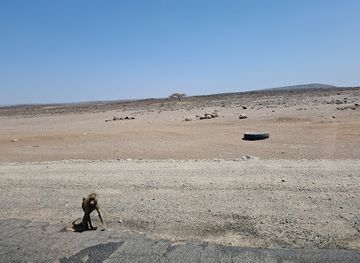
Petit Bara’s attractions are almost entirely geological, environmental and experiential rather than built. The wide desert floor provides shifting views of pale sediment, dry basins and distant volcanic landforms, with the strongest visual contrasts often appearing in the low morning or late-afternoon light. After seasonal rain, temporary water and damp ground can change the character of the plain and may attract birds, although sightings are not guaranteed. Guided four-wheel-drive journeys allow visitors to appreciate the scale of the basin without treating it as an ordinary road trip. The wider southern landscape also offers insight into pastoral movement, arid-land adaptation and the relationship between Djibouti’s settlements and its remote spaces. Petit Bara is not a place for a long list of museums, monuments or organised activities: there are no permanent visitor facilities, marked walking network, restaurants or accommodation services on the desert floor. Its appeal is the combination of geological openness, silence and the challenge of reaching a little-serviced environment responsibly. Visitors should avoid approaching people or livestock without permission and should never assume that an apparently empty area is unused. The neighbouring southern routes and settlements can provide cultural context and practical support, but they should be planned as separate parts of the journey rather than folded into the desert itself.
-
SCUBA tour agency
Dolphin Excursions Djibouti
Embark on an unforgettable underwater adventure with Dolphin Excursions Djibouti, where vibrant marine life meets stunning coastal beauty.
-
Desert
Grand Bara
Experience the tranquility of Grand Bara, Djibouti's stunning desert landscape with breathtaking views and unique flora and fauna.
Best landmarks in Petit Bara Desert
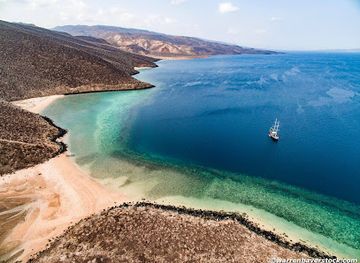
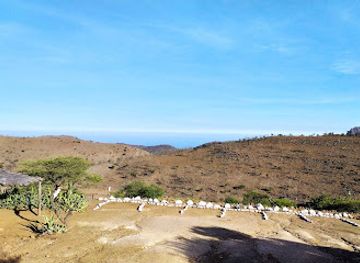
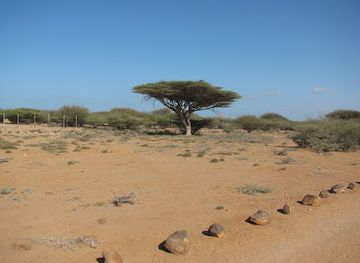
The principal landmark of Petit Bara is the desert plain itself: a broad, low, visually spare basin whose level surface contrasts with the darker volcanic terrain and rising ground around southern Djibouti. Unlike a town dominated by a fortress or religious building, its identity is geographical and its scale is best understood from a safe rise, a recognised track or a carefully chosen vehicle stop. Seasonal patches of water and altered ground can become temporary features, but they should never be treated as permanent lakes or dependable waypoints. The surrounding horizons are part of the visual experience, yet individual volcanic formations and distant settlements should not be confused with landmarks inside Petit Bara. The area’s significance also lies in its connection with wider southern routes used by pastoral communities and travellers between coastal Djibouti and the interior. There are no established monuments, visitor centres, marked viewpoints or historic buildings on the desert floor. A guide’s knowledge of safe access, seasonal conditions and local permissions is consequently more important than a printed list of sights. The landscape should be observed without driving over fragile surfaces, collecting geological material or disturbing livestock.
-
Mosque
Mosquée Al-Hamoudi
Discover Djibouti City's spiritual heart at Mosquée Al-Hamoudi, a historic mosque with stunning Islamic architecture and cultural significance.
-
National park
Day Forest National Park
Discover Djibouti's hidden gem: a lush mountain oasis with unique wildlife, scenic trails, and a refreshing escape from the desert heat.
-
Nature preserve
DECAN Refuge
Discover Djibouti's wildlife at DECAN Refuge, a sanctuary dedicated to rescuing, rehabilitating, and preserving the region's unique animal species.
-
Beach volleyball court
Heron Beach
Escape to Heron Beach in Djibouti: Golden sands, clear waters, and tranquil beauty await near the heart of Djibouti City.
Explore Petit Bara Desert on the map
Plan your trip on one map. See where the top cities, national parks and sights are, and book hotels and experiences in a few clicks.
Best hotels in Petit Bara Desert
Best restaurants in Petit Bara Desert
There are no restaurants, cafés or permanent food outlets at Petit Bara. Visitors must arrange meals, drinking water and emergency provisions before leaving Djibouti City, Ali Sabieh or another established settlement on the route. A guided excursion may include a packed meal or simple outdoor stop, but this should be agreed in advance rather than assumed. Food in the wider southern region reflects Djibouti’s links with Somali, Afar, Ethiopian, Yemeni and broader Horn of Africa traditions, with rice, flatbreads, pasta, meat, legumes and strongly flavoured sauces common in different settings. Tea and coffee are important refreshments, while fresh produce and chilled items become increasingly difficult to obtain away from towns. The best practical approach is to buy supplies locally, carry all packaging out and use water carefully. Do not take food or water from pastoral encampments without invitation and payment arrangements agreed beforehand. Dining on the plain is an expedition matter, not a restaurant experience.
-
Indian
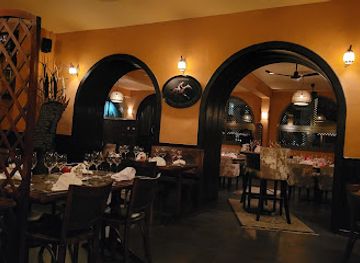
Signatures Restaurant Djibouti
Experience the authentic taste of India at Signatures Restaurant Djibouti - where culinary tradition meets modern dining.
-
Restaurant
Pizzaiolo Haramous
Discover authentic Italian cuisine at Pizzaiolo Haramous in Djibouti - where every meal is a celebration of flavor and warmth.
-
French
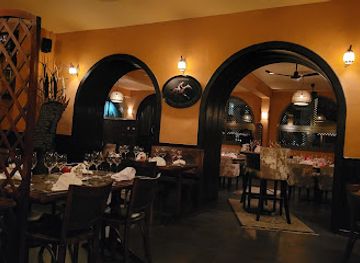
Café de la Gare
Experience authentic French cuisine at Café de la Gare in Djibouti - where tradition meets local charm.
-
Restaurant
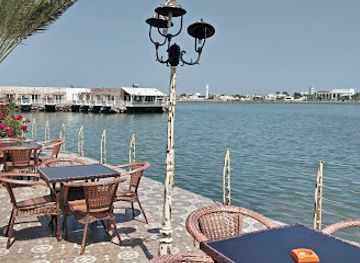
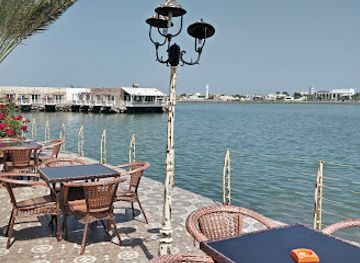
Moonlight Restaurant
Experience the vibrant flavors of Djibouti at Moonlight Restaurant, where exquisite cuisine meets warm hospitality.
Best bars in Petit Bara Desert
Petit Bara has no bars, nightclubs, breweries or organised evening entertainment. Once outside the settled areas, evening activity is limited to the practicalities of camp, travel and weather, and overnighting on the plain should only be arranged with an experienced operator who can assess safety, permissions and equipment. Visitors seeking restaurants, cafés or a more conventional evening atmosphere will need to return to an established town or continue to Djibouti City, outside the desert destination. If a guided trip includes sunset or stargazing, the attraction is the darkness, open horizon and quiet rather than a nightlife scene. Alcohol should not be assumed to be available or appropriate in remote settings, and travellers should respect local religious and social customs. Bring adequate lighting, warm layers for a cooler night and a clear plan for departure, since darkness makes navigation and vehicle recovery more difficult.
-
Indian
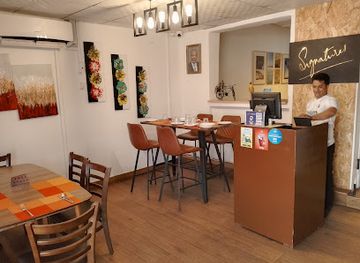
Signatures Restaurant Djibouti
Experience the essence of Indian cuisine at Signatures Restaurant Djibouti, where every dish tells a story of flavor and tradition.
-
Restaurant
Pizzaiolo Haramous
Experience the vibrant flavors of Italy at Pizzaiolo Haramous in Djibouti, where every dish is a journey into authentic Italian cuisine.
-
French
Café de la Gare
Experience the essence of French cuisine at Café de la Gare, a charming restaurant in Djibouti offering delightful meals and pastries.
-
Restaurant
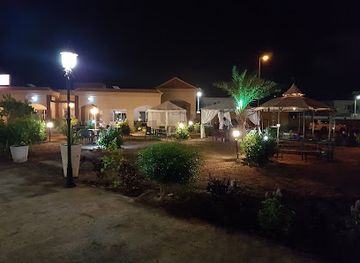
Moonlight Restaurant
Experience the culinary delights of Moonlight Restaurant in Djibouti, where local flavors meet international cuisine in a charming setting.
Best nightclubs in Petit Bara Desert
Petit Bara has no bars, nightclubs, breweries or organised evening entertainment. Once outside the settled areas, evening activity is limited to the practicalities of camp, travel and weather, and overnighting on the plain should only be arranged with an experienced operator who can assess safety, permissions and equipment. Visitors seeking restaurants, cafés or a more conventional evening atmosphere will need to return to an established town or continue to Djibouti City, outside the desert destination. If a guided trip includes sunset or stargazing, the attraction is the darkness, open horizon and quiet rather than a nightlife scene. Alcohol should not be assumed to be available or appropriate in remote settings, and travellers should respect local religious and social customs. Bring adequate lighting, warm layers for a cooler night and a clear plan for departure, since darkness makes navigation and vehicle recovery more difficult.
-
Night club
Club Hermes
Experience the vibrant nightlife at Club Hermes, Djibouti's premier night club, where every night promises unforgettable fun and spectacular music.
-
Night club
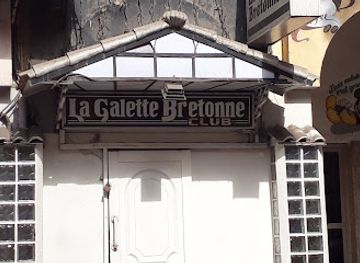
La Galette Bretonne
Discover the lively nightlife and delicious crepes at La Galette Bretonne, Djibouti's premier night club for an unforgettable evening.
-
Night club
Ambassador
Discover the vibrant nightlife of Djibouti at Ambassador Night Club, where energetic music and a lively atmosphere await.
-
 Bar
BarSafari Club Kempinski
Experience luxury and relaxation at Safari Club Kempinski, the premier bar in Djibouti, offering exquisite cocktails and a vibrant ambiance.
Best shops in Petit Bara Desert
Petit Bara offers no shops, markets, craft outlets or souvenir stalls. Shopping for the journey must be completed before entering the desert, with priority given to water, food, fuel, sun protection, vehicle supplies and waste bags rather than decorative purchases. Ali Sabieh and Djibouti City provide the most practical choice of general provisions, while established settlements along the route may offer limited supplies but should not be treated as guaranteed. Visitors wishing to buy regional products should do so through respectful, locally appropriate transactions in towns or directly from artisans and producers when arrangements are clear. Useful souvenirs from Djibouti may include woven items, spices, coffee, tea or other locally traded goods, but products should be sourced lawfully and not made from protected wildlife, archaeological material or rocks removed from the desert. Bargaining, where practised, should remain courteous and proportionate. The most responsible memento of Petit Bara is a photograph or carefully remembered landscape, not a piece of its geological surface.
-
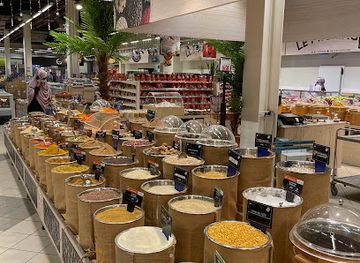
Shopping mall
Bawadi Mall Djibouti
Explore Bawadi Mall, Djibouti's vibrant shopping hub, blending retail, dining, and entertainment for an unforgettable experience.
-
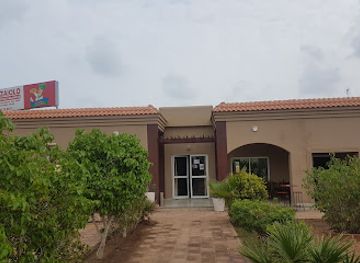
Restaurant
Pizzaiolo Haramous
Discover authentic Italian flavors at Pizzaiolo Haramous in Djibouti, where mouthwatering pizzas and delightful pastas await every food lover.
-
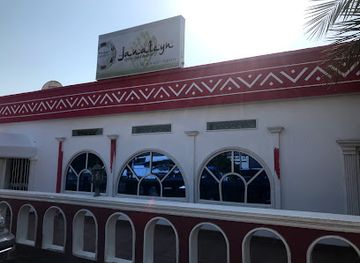
Yemenite
Janateyn Yemeni restaurant
Experience the rich and exquisite flavors of traditional Yemeni cuisine at Janateyn Yemeni Restaurant in Djibouti.
-
Discount supermarket
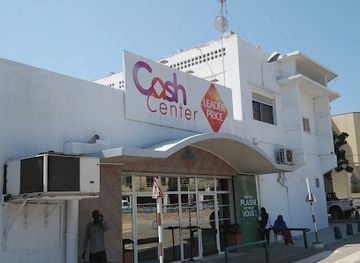
Cash Center Supermarket
Discover local flavors and international goods at Cash Center Supermarket, Djibouti's favorite discount supermarket for budget-friendly shopping.
Get your free copy of our complete guide to Petit Bara Desert, delivered straight to you.
Everything on this page, from attractions and restaurants to essentials and local phrases, in one PDF you can read offline, print or share.
Already have an account? Sign in
Your Petit Bara Desert guide is ready.
We'll send it to · Not you? Sign out

Getting your guide ready…
We are putting together a fresh copy of the Petit Bara Desert guide. This can take up to a minute.
This can take a few moments. If your browser asks, choose Allow so the download can start. You'll find the guide in your Downloads folder.
Nothing happened? Download it again
Sorry, the guide is taking longer than usual. Please try again in a minute, or get it by email instead.
Petit Bara Desert essentials
Currency and Payment
Safety
Emergency Situations
Do's and Don'ts
Local Tips
From Eve
Local phrases worth knowing
You don't need to get them perfect. A few words go a long way, and locals appreciate the effort.
Basics
| English | Local | Say it |
|---|---|---|
| Hello | Salaam | [sah-lahm] |
| Goodbye | Nabad gelyo | [nah-bahd geh-lee-oh] |
| Yes | Haa | [hah] |
| No | Maya | [mah-yah] |
| Please/You’re welcome | Fadlan | [fad-lan] |
| Thank you | Mahadsanid | [mah-hahd-sah-nid] |
| Excuse me/Sorry | Iga raali ahow | [ee-gah rah-lee ah-hoh] |
| How are you? | Sidee tahay? | [see-dee tah-hay] |
| Fine. And you? | Wanaagsan. Adiguna? | [wah-nahg-sahn. ah-dee-goo-nah?] |
| Do you speak English? | Ma ku hadashaa Ingiriis? | [mah koo hah-dah-shaa in-gee-rees?] |
| I don’t understand | Ma fahmin | [mah fah-meen] |
Eating & Drinking
| English | Local | Say it |
|---|---|---|
| I’d like to see the menu, please | Fadlan ii soo bandhig menu-ga | [fad-lan ee so ban-dhig meh-noo-gah] |
| I don’t eat meat | Ma cuno hilib | [mah koo-no hee-lib] |
| Cheers! | Nabad gelyo! | [nah-bahd geh-lee-oh] |
| I would like to pay, please | Fadlan waxaan rabaa inaan bixiyo | [fad-lan wah-han rah-bah ee-nan bee-ki-yoh] |
Emergencies
| English | Local | Say it |
|---|---|---|
| Help! | Caawimaad! | [cah-we-mahd] |
| Go away! | Kaalay! | [kah-lay] |
| Call the Police! | Wac Booliiska! | [wahc boh-lee-ska] |
| Call a doctor! | Wac dhakhtar! | [wahc dahkhtar] |
| I’m lost | Waan lumay | [wan loo-may] |
| I’m ill | Waan xanuunsanahay | [wan khan-oon-sah-nah-hay] |
Shopping
| English | Local | Say it |
|---|---|---|
| I’d like to buy... | Waxaan rabaa inaan iibsado... | [wah-han rah-bah ee-nan ee-b-sah-doh] |
| I’m just looking | Waan eegayaa | [wah-n eeh-gah-yah] |
| How much is it? | Imisa ayey tahay? | [ee-mee-sah ah-yay tah-hay?] |
| That’s too expensive | Waa qaali | [wah qah-lee] |
| Can you lower the price? | Ma hoos u dhigi kartaa qiimaha? | [mah hohs oo dhi-gee kar-tah qi-ima-ha?] |
Time & Numbers
| English | Local | Say it |
|---|---|---|
| What time is it? | Waa meeqa saac? | [wah mee-qah sah-ack?] |
| It’s one o’clock | Waa 1:00 | [wah 1:00] |
| Half past (10) | Barqadii (10) | [bar-qah-dee (10)] |
| Morning | Subax | [soo-bahx] |
| Afternoon | Duhur | [doo-hoor] |
| Evening | Fiid | [fee-id] |
| Yesterday | Shalay | [sha-lay] |
| Today | Maanta | [ma-an-ta] |
| Tomorrow | Berri | [ber-ree] |
| 1 | Kow | [kow] |
| 2 | Laba | [lah-bah] |
| 3 | Saddex | [sah-dehx] |
| 4 | Afar | [ah-far] |
| 5 | Shan | [shan] |
| 6 | Lix | [lix] |
| 7 | Toddoba | [toh-do-ba] |
| 8 | Siddeed | [si-deed] |
| 9 | Sagaal | [sah-gahl] |
| 10 | Toban | [toh-bahn] |
Transport & Directions
| English | Local | Say it |
|---|---|---|
| Where's a/the...? | Halkee ku yaalaa...? | [hal-kay koo yah-lah?] |
| What’s the address? | Waa maxay cinwaanka? | [wah mah-khay sin-wah-anka?] |
| Can you show me (on the map)? | Ma ii tusaysaa (khariidada)? | [mah ee too-sah-yaa (khah-ree-dah-dah)?] |
| When’s the next (bus)? | Goormee ayaa (baska) xiga? | [goor-mee ah-yah (bask-ah) hee-gah?] |
| A ticket (to ....) | Tiket (u ...) | [tee-ket (oo ...)] |
History of Petit Bara Desert
The Geological Formation of the Bara Plains
Petit Bara belongs to a system of low desert basins shaped by the tectonic activity of the Afar region, where the African, Arabian and Somali tectonic plates are pulling apart. Repeated changes in drainage, evaporation and sediment accumulation helped create the broad, level surfaces associated with the Bara plains. The result is a landscape that can resemble a dry lakebed, although its exact appearance varies with rainfall and seasonal water accumulation. This geological setting links Petit Bara to Djibouti’s wider pattern of salt depressions, volcanic terrain and arid rift landscapes.
Pastoral Peoples and Seasonal Movement
For centuries, the wider southern Djibouti region has been used by pastoral communities whose livelihoods depend on livestock, seasonal water sources and movement between grazing areas. Afar and Somali-speaking societies, including Issa communities, developed systems of exchange and local knowledge suited to an exceptionally dry environment. Their relationship with the land is not expressed through permanent monumental structures, but through routes, wells, grazing decisions and social connections. Visitors crossing Petit Bara should remember that an apparently empty plain forms part of a living cultural landscape.
Caravan Routes and Regional Exchange
Southern Djibouti historically formed part of the wider corridor linking the Gulf of Tadjoura and the coast with the interior of the Horn of Africa. Goods, livestock and information moved through networks that connected pastoral communities, settlements and market centres. The Bara plains were difficult terrain rather than a densely occupied urban zone, but their position within southern travel routes gave them regional importance. These older patterns of movement help explain why modern journeys across the area remain dependent on local guides, water knowledge and practical understanding of the desert.
French Colonial Rule and the Development of Djibouti
During the late nineteenth and early twentieth centuries, France consolidated control over the territory then known as French Somaliland, centred on the port of Djibouti. Colonial administration and the railway to Ethiopia strengthened the port’s role in regional commerce and altered established patterns of movement across the southern part of the territory. Petit Bara was not transformed into a major colonial town, but the roads, political boundaries and economic geography created during this period shaped access to the wider Bara region. The legacy is visible in Djibouti’s continued role as a maritime and transport hub.
Independence and Modern Southern Djibouti
Djibouti became independent from France in 1977, and the new republic inherited a territory where urban development, port activity and pastoral livelihoods coexisted with extensive desert spaces. Southern districts became increasingly connected by roads and administrative services, while drought, limited water resources and changing economic opportunities continued to affect pastoral life. Petit Bara remains largely undeveloped for mass tourism, reflecting both its environmental fragility and the practical challenges of servicing remote desert terrain. Contemporary visits are therefore usually specialist, guided and landscape-focused.
The Bara Landscape in Contemporary Tourism
Modern interest in Petit Bara comes from Djibouti’s growing profile as a destination for geological, photographic and adventure travel. The plain offers a strong contrast with the country’s coral coast, volcanic lakes and busy capital, while its proximity to southern road routes makes a guided visit feasible for well-prepared travellers. Tourism remains limited, and that limited scale places responsibility on visitors and operators to reduce environmental impact. The most meaningful legacy of the area is not a single monument but the continuing interaction between extreme climate, geological change and pastoral adaptation.
Petit Bara Desert in Photos
Browse through our photo collection highlighting the charm and character of the destination.
Neighbouring regions of Petit Bara Desert
The closest regions to Petit Bara Desert, if you have time for more than one.
-

-

-

-

-


Swipe for more regions
Explore more

Explore more of Djibouti
Discover Djibouti: A hidden gem in the Horn of Africa, where stunning landscapes, rich culture, and unique adventures await every traveler.
Explore Djibouti