

Free Arta Region Travel Guide & Mobile App
Explore Arta Region with free travel guides. Discover regional history, expert tips, proposed trips, and audio guides on web or mobile app.


Explore Djibouti’s Arta Region for cool highland scenery, Gulf of Tadjoura marine life, coastal villages and important Horn of Africa history.
Read more about Arta Region
When is the best time to visit Arta Region?
Best: December–February · 29–31°C| Month | High (°C) | Rainfall (mm) |
|---|---|---|
| January (best) | 30 | 5 |
| February (best) | 31 | 3 |
| March | 33 | 7 |
| April | 35 | 10 |
| May | 38 | 2 |
| June | 40 | 0 |
| July | 40 | 0 |
| August | 39 | 10 |
| September | 38 | 12 |
| October | 35 | 6 |
| November | 32 | 4 |
| December (best) | 29 | 3 |
Getting to and around Arta Region
How to get there
Transportation
Top city travel guides in Arta Region
The cities of Arta Region, and the easiest places to base yourself.
-

-

-

-


Swipe for more cities
Destinations in Arta Region
Resorts, valleys and scenic spots worth a trip of their own.

Swipe for more destinations
Best attractions in Arta Region
Arta Region’s attractions are primarily landscapes and experiences rather than a dense collection of formal museums or monuments. Arta town provides access to elevated volcanic country, cooler air and broad views over the arid surroundings, while the road towards Holhol reveals the region’s inland character and its connection with Djibouti’s historic transport routes. The coast at Arta Plage is the main nature-based focus, with opportunities for boat trips, snorkelling and diving when local operators are working and sea conditions permit. The Gulf of Tadjoura is known for seasonal whale-shark encounters, although these are wild sightings rather than a guaranteed attraction. Inland excursions suit visitors interested in geology, desert plants, pastoral landscapes and photography, but usually require a vehicle and local guidance. The region also offers a quieter form of cultural tourism through its settlements, Islamic heritage and association with the 2000 Arta peace conference. Facilities are modest, so the appeal lies in combining the highland and coastal environments rather than expecting a conventional resort programme.
-
Tourist attraction
Day Forest National Park
Experience the natural beauty and rich biodiversity of Day Forest National Park, a serene escape in Airolaf, Djibouti.
-
Belvedere sul canyon
Explore the breathtaking vistas of Belvedere sul Canyon, a natural marvel in Djibouti offering unforgettable views and unique geological wonders.
-
Tourist attraction
Dougoum
Explore Dougoum, a stunning tourist attraction in Assa Hougoud, Djibouti, known for its breathtaking landscapes and rich cultural experiences.
-
Ecological park
Parc Ou Est Mon Camarade
Explore the serene landscapes and unique wildlife at Parc Ou Est Mon Camarade, a must-visit ecological park in Arta, Djibouti.


Best landmarks in Arta Region
Arta town’s most recognisable landmark is its upland setting among dry volcanic hills, which distinguishes it sharply from low-lying Djibouti City and gives the settlement wide views across the surrounding country. The road and railway landscapes around Holhol represent another important physical layer: they express the transport corridor that connected Djibouti’s port with the Ethiopian interior during the colonial and post-colonial periods. At Arta Plage, the Gulf of Tadjoura shoreline is the region’s defining natural landmark, with arid land meeting a broad, marine-rich gulf. Its significance is ecological as well as visual, particularly during the season when whale sharks may pass through local waters. The town itself is also a political landmark in the wider Horn of Africa because it hosted the Somali peace conference of 2000. Rather than a single monumental building, Arta’s identity is expressed through the relationship between highland settlement, historic routes, coastal geology and modern diplomatic history.
-
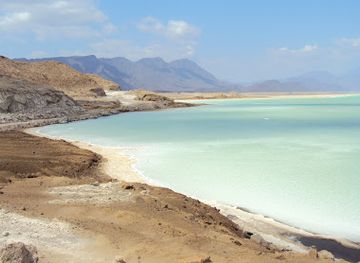
Lake
Lac 'Assal
Discover the breathtaking beauty of Lac 'Assal, Africa's lowest point and a stunning saline lake in Djibouti, perfect for nature lovers and adventurers.
-
 Hotel
HotelAtlantic Hotel
Discover comfort and local charm at Atlantic Hotel, your ideal base for exploring the vibrant city of Djibouti.
-
French
Café de la Gare
Experience French elegance in Djibouti at Café de la Gare, a historic restaurant offering refined cuisine, a British-style bar, and a charming ambiance since 1898, a culinary journey.
-
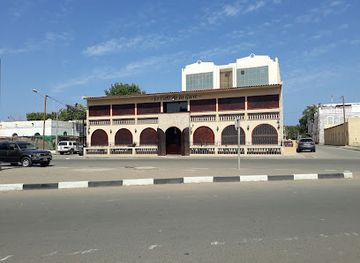
Mosque
Mosquée Al-Hamoudi
Discover the beauty and spirituality of Mosquée Al-Hamoudi, a stunning mosque in Djibouti that reflects the country's rich Islamic heritage.
Explore Arta Region on the map
Plan your trip on one map. See where the top cities, national parks and sights are, and book hotels and experiences in a few clicks.
Best hotels in Arta Region
Best restaurants in Arta Region
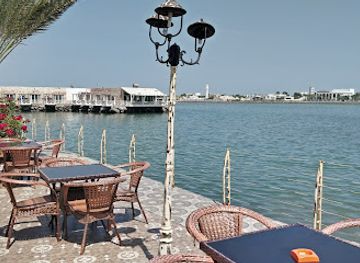
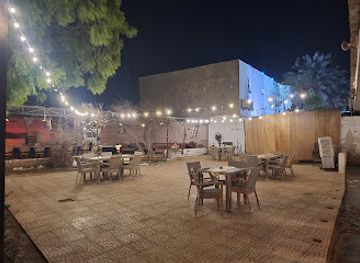
Dining in Arta Region is simple, local and closely connected to the wider food culture of Djibouti and the Horn of Africa. Small restaurants and cafés commonly serve rice, pasta, grilled meat, stewed dishes, flatbread and strongly sweetened tea, while fish may appear near the coast when local catches and supplies allow. Spices, chilli, cardamom and aromatic sauces give everyday meals their character, and shared plates are common in informal settings. Arta town offers more dependable options than Arta Plage, where visitors should not assume a broad choice of restaurants or regular meal services. Travellers heading to the coast or inland sites should carry water and useful provisions from Djibouti City or Arta. Food markets and small shops are practical for snacks, fruit and bottled drinks, but the region is not primarily a destination for fine dining. The most appropriate approach is to value fresh, straightforward cooking and to confirm meal arrangements when staying or boating outside the main town.
-
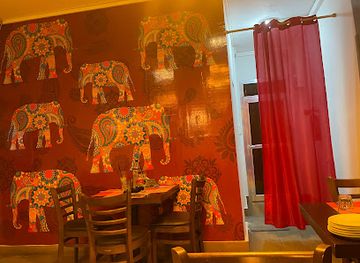
Indian
Signatures Restaurant Djibouti
Experience authentic Indian cuisine at Signatures Restaurant Djibouti - where vibrant flavors meet exceptional service.
-
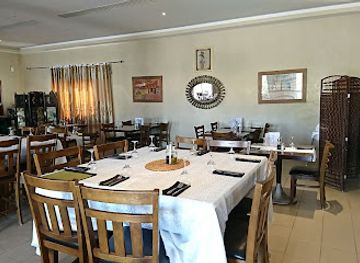
Restaurant
Pizzaiolo Haramous
Experience authentic Italian flavors at Pizzaiolo Haramous in Djibouti—delicious pizzas and inviting ambiance await you!
-
Restaurant
Moonlight Restaurant
Experience exquisite dining at Moonlight Restaurant in Djibouti – where culinary excellence meets serene ambiance.
-
Seafood
Restaurant La Mer Rouge
Experience the vibrant culinary scene at Restaurant La Mer Rouge in Djibouti – where seafood meets global flavors in an inviting setting.
Best bars in Arta Region
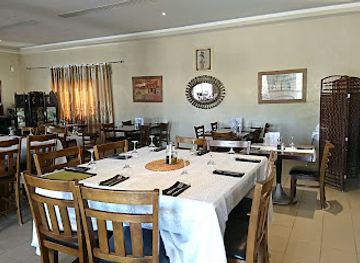
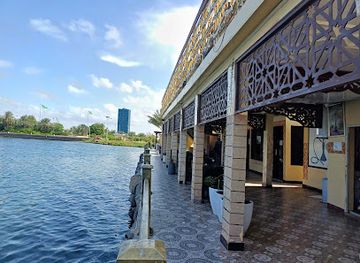
Arta Region does not have a major nightclub scene. Evening life is centred on cafés, small restaurants, tea and coffee, and social gatherings in Arta town, with a quieter rhythm in Holhol and Arta Plage. Alcohol availability is more limited and less central to public life than in many European destinations, and visitors should follow the customs of their accommodation and local community. After dark, the region’s attraction is more likely to be conversation, clear desert skies and the cooler upland air than organised entertainment. Coastal boat operators and accommodation providers may offer informal evening arrangements, but these are not a substitute for a permanent nightlife district. Visitors should organise transport before going out, since rural roads are poorly suited to unplanned night driving and taxis are less dependable away from the capital.
-
Restaurant
Pizzaiolo Haramous
Savor authentic Italian cuisine at Pizzaiolo Haramous, Djibouti's premier destination for delicious wood-fired pizzas and warm hospitality.
-
Restaurant
Moonlight Restaurant
Discover the culinary delights of Djibouti at Moonlight Restaurant, where local flavors meet international cuisine in a vibrant atmosphere.
-
Pub
11 Degrees North
Discover the lively spirit of Djibouti at 11 Degrees North, a pub offering affordable drinks and a friendly atmosphere for all travelers.
-
Seafood
Restaurant La Mer Rouge
Discover the vibrant flavors of seafood and international cuisine at Restaurant La Mer Rouge in Djibouti, a true culinary hotspot.
Best nightclubs in Arta Region
Arta Region does not have a major nightclub scene. Evening life is centred on cafés, small restaurants, tea and coffee, and social gatherings in Arta town, with a quieter rhythm in Holhol and Arta Plage. Alcohol availability is more limited and less central to public life than in many European destinations, and visitors should follow the customs of their accommodation and local community. After dark, the region’s attraction is more likely to be conversation, clear desert skies and the cooler upland air than organised entertainment. Coastal boat operators and accommodation providers may offer informal evening arrangements, but these are not a substitute for a permanent nightlife district. Visitors should organise transport before going out, since rural roads are poorly suited to unplanned night driving and taxis are less dependable away from the capital.
-
Night club
Club Hermes
Discover the vibrant nightlife at Club Hermes in Djibouti, where music, dance, and friendly faces create unforgettable memories.
-
Recreation center
Arta Beach
Experience the tranquil paradise of Arta Beach in Djibouti, where golden sands and azure waters create the ultimate coastal getaway.
-
Beach pavillion
Arta Plage
Discover the breathtaking beauty of Arta Plage, a tropical paradise in Djibouti with stunning beaches, thrilling water sports, and delightful local cuisine.
-
Bar
Cantina
Experience the vibrant nightlife at Cantina, Djibouti's go-to bar for locals and tourists alike, offering a welcoming atmosphere and diverse drink selection.
Best shops in Arta Region
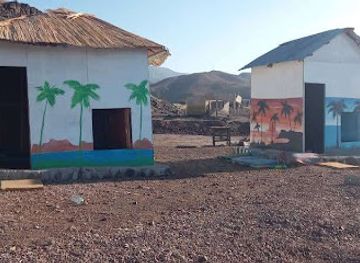
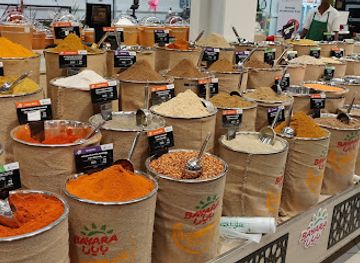
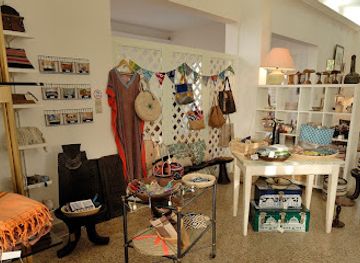
Shopping in Arta Region is practical and small-scale rather than centred on large retail districts. Arta town has everyday shops and market-style stalls supplying food, drinks, household necessities and basic travel provisions, while Holhol serves local community needs along the inland transport route. Arta Plage offers few dependable opportunities for souvenir shopping, so visitors should buy specialised equipment, snacks and spare supplies in Djibouti City or Arta before travelling to the coast. Regional purchases may include dates, spices, tea, woven goods and modest handmade items, although availability varies and should not be assumed. Small food shops are useful for bottled water and simple provisions, but visitors should carry cash because card facilities are limited. Bargaining may occur in informal markets, but it should remain courteous and proportionate. The most meaningful local purchase is often a service from a driver, guide or boat crew, provided it is arranged transparently and benefits the local economy.
-
Shopping mall
Bawadi Mall Djibouti
Explore Bawadi Mall in Djibouti – your ultimate shopping destination featuring local and international brands, dining, and entertainment.
-
Gift shop
Villa Camille
Explore the artistic and culinary delights of Villa Camille in Djibouti, where creativity meets wellness in a vibrant setting.
-
Store
Arta electronique
Discover cutting-edge technology and exceptional service at Arta Electronique, Djibouti's premier electronics destination.
-
Store
SVAMC STORE
Explore the vibrant SVAMC Store in Djibouti for unique souvenirs and a taste of local culture, perfect for your travel memories.

Get your free copy of our complete guide to Arta Region, delivered straight to you.
Everything on this page, from attractions and restaurants to essentials and local phrases, in one PDF you can read offline, print or share.
Already have an account? Sign in
Your Arta Region guide is ready.
We'll send it to · Not you? Sign out

Getting your guide ready…
We are putting together a fresh copy of the Arta Region guide. This can take up to a minute.
This can take a few moments. If your browser asks, choose Allow so the download can start. You'll find the guide in your Downloads folder.
Nothing happened? Download it again
Sorry, the guide is taking longer than usual. Please try again in a minute, or get it by email instead.
Arta Region essentials
Currency and Payment
Safety
Emergency Situations
Do's and Don'ts
Local Tips
From Eve
Local phrases worth knowing
You don't need to get them perfect. A few words go a long way, and locals appreciate the effort.
Basics
| English | Local | Say it |
|---|---|---|
| Hello | Nabad | [na-baad] |
| Goodbye | Nabad gelyo | [na-bad ge-l-yo] |
| Yes | Haa | [haa] |
| No | Maya | [ma-ya] |
| Please/You're welcome | Fadlan | [fad-lan] |
| Thank you | Mahadsanid | [ma-had-sa-nid] |
| Excuse me/Sorry | Iga raali ahow | [i-ga ra-li a-how] |
| How are you? | Sidee tahay? | [si-dee ta-hay] |
| Fine. And you? | Wanaagsan. Adiguna? | [wa-naag-san a-di-gu-na] |
| Do you speak English? | Ma ku hadashaa Ingiriis? | [ma ku ha-da-shaa in-gi-ris] |
| I don't understand | Ma fahmin | [ma fa-hmin] |
Eating & Drinking
| English | Local | Say it |
|---|---|---|
| I'd like to see the menu, please | Fadlan, ma doonayo in aan arko menu-ga | [fad-lan ma doo-na-yo in aan ar-ko me-nu-ga] |
| I don't eat meat | Ma cunayo hilib | [ma cu-na-yo hi-lib] |
| Cheers! | Nabad gelyo! | [na-bad ge-lyo] |
| I would like to pay, please | Fadlan, waxaan doonayaa in aan bixiyo | [fad-lan wa-xaan doo-na-yaa in aan bi-xi-yo] |
Emergencies
| English | Local | Say it |
|---|---|---|
| Help! | Caawimaad! | [caa-wi-maad] |
| Go away! | Ka tag! | [ka tag] |
| Call the Police! | Wac booliiska! | [wa-c boo-lii-ska] |
| Call a doctor! | Wac dhakhtar! | [wa-c dhakhtar] |
| I'm lost | Waan lumay | [waan lu-may] |
| I'm ill | Waan xanuunsanahay | [waan xa-nuun-sa-na-hay] |
Shopping
| English | Local | Say it |
|---|---|---|
| I'd like to buy... | Waxaan rabaa in aan iibsado... | [wa-xaan ra-baa in aan iib-sa-do] |
| I'm just looking | Waxaan kaliya eegayaa | [wa-xaan ka-li-ya ee-ga-yaa] |
| How much is it? | Immisa ayay tahay? | [im-mi-sa a-yay ta-hay] |
| That's too expensive | Taasi waa qaali | [taa-si waa qaa-li] |
| Can you lower the price? | Ma dhimi kartaa qiimaha? | [ma dhi-mi kar-ta qi-i-ma-ha] |
Time & Numbers
| English | Local | Say it |
|---|---|---|
| What time is it? | Waa imisa saac? | [waa i-mi-sa saa-c] |
| It's one o'clock | Waa hal saac | [waa hal saa-c] |
| Half past (10) | Bar saac (10) | [bar saa-c] |
| Morning | Subax | [su-bax] |
| Afternoon | Duhurnimo | [du-hur-ni-mo] |
| Evening | Fiidnimo | [fiid-ni-mo] |
| Yesterday | Shalay | [sha-lay] |
| Today | Maanta | [maan-ta] |
| Tomorrow | Berri | [ber-ri] |
| 1 | Kow | [kow] |
| 2 | Laba | [la-ba] |
| 3 | Saddex | [sad-dex] |
| 4 | Afar | [a-far] |
| 5 | Shan | [shan] |
| 6 | Lix | [lix] |
| 7 | Todoba | [to-do-ba] |
| 8 | Siddeed | [sid-deed] |
| 9 | Sagaal | [sa-gaal] |
| 10 | Toban | [to-ban] |
Transport & Directions
| English | Local | Say it |
|---|---|---|
| Where's a/the...? | Xagee ku yaalaa...? | [xa-gee ku yaa-laa] |
| What's the address? | Waa maxay cinwaanka? | [waa ma-xay cin-waan-ka] |
| Can you show me (on the map)? | Ma ii muujin kartaa (khariidada)? | [ma ii muu-jin kar-ta (kha-riidan-da)] |
| When's the next (bus)? | Goormee ayuu soo socdaa (baska)? | [goor-mee a-yuu soo soc-daa] |
| A ticket (to ....) | Tigid (u ....) | [ti-gid (u ....)] |
History of Arta Region
Early pastoral and maritime landscapes
Long before the modern state of Djibouti, the Arta area formed part of a wider landscape used by mobile pastoral communities and linked to the Gulf of Tadjoura. Water sources, seasonal grazing and routes between the coast and interior shaped settlement patterns in an otherwise arid environment. Maritime movement connected the gulf with the broader Red Sea and Gulf of Aden world. Archaeological knowledge of the region is less prominent in tourism than that of some other parts of Djibouti, but its human history is inseparable from the interaction of desert, livestock, coast and trade.
Afar and Somali political traditions
For centuries, the territory now associated with Arta Region lay within the overlapping spheres of Afar and Somali communities and regional sultanates. Authority was negotiated through kinship, pastoral access, commerce and Islamic institutions rather than through the fixed borders familiar today. The region’s cultural landscape still reflects these affiliations, while Djibouti’s national population includes both Afar and Somali communities alongside other groups. Visitors should understand that local identity is layered and that modern administrative boundaries do not erase older social and geographic connections.
French Somaliland and the colonial transport corridor
During the late nineteenth and early twentieth centuries, France consolidated control over the territory then known as French Somaliland, centred on the port of Djibouti. The railway linking Djibouti with Addis Ababa transformed movement across the interior and encouraged the development of settlements and transport routes in the wider Arta area, including Holhol. Colonial administration introduced new buildings, roads and commercial systems while also imposing external political boundaries on established communities. The railway remains an important part of Djibouti’s modern historical geography, even where passenger services and infrastructure have changed.
The road to independence, 1946–1977
The territory’s political status evolved through the post-war period, when French Somaliland became the French Territory of the Afars and Issas in 1967. Debates over representation, self-government and the relationship between Afar and Somali communities intensified during these decades. Djibouti achieved independence on 27 June 1977. Arta Region, positioned close to the capital and containing important road and highland routes, was part of the territory whose political and economic life was reorganised as the new Republic of Djibouti established its institutions.
Arta and the Somali peace conference of 2000
Arta gained international importance when it hosted the Somali National Peace Conference in 2000. Convened with Djiboutian support, the process brought together Somali representatives, including elders, civil-society figures and political actors, in an attempt to rebuild national institutions after years of conflict. It led to the formation of the Transitional National Government of Somalia. Although the settlement did not end Somalia’s political struggles, the conference remains one of Arta’s most significant modern legacies and explains why the town is frequently mentioned in accounts of Horn of Africa diplomacy.
Contemporary coastal and environmental interest
In the twenty-first century, Arta’s coast has become associated with marine tourism, particularly diving, snorkelling and seasonal whale-shark observation around the Gulf of Tadjoura. This development has added a new economic and environmental dimension to a region historically shaped by pastoralism, transport and politics. Tourism remains relatively small-scale, and the balance between local livelihoods, fragile coral and marine habitats, and visitor access is important. The region’s contemporary identity therefore combines a highland settlement, a working coastal community and a growing interest in responsible nature-based travel.
Arta Region in Photos
Browse through our photo collection highlighting the charm and character of the destination.
Neighbouring regions of Arta Region
The closest regions to Arta Region, if you have time for more than one.
-

-

-

-

-


Swipe for more regions
Explore more

Explore more of Djibouti
Discover Djibouti: A hidden gem in the Horn of Africa, where stunning landscapes, rich culture, and unique adventures await every traveler.
Explore Djibouti