

Djibouti Region, Djibouti Travel Guide
Explore the Djibouti Region: A land of stunning landscapes, rich culture, and marine wonders in the heart of the Horn of Africa.
The Djibouti Region is a captivating blend of natural beauty and cultural richness, nestled in the Horn of Africa. This destination offers a unique experience for adventurers and culture enthusiasts alike. The region is known for its striking landscapes, including the surreal Lac Assal, one of the saltiest bodies of water in the world. The crater lake is a geological marvel, surrounded by salt flats and volcanic formations, providing a stunning and otherworldly backdrop for visitors. In addition to its natural wonders, the Djibouti Region is home to a vibrant mix of cultures and traditions. The capital city, also named Djibouti, serves as a melting pot of Somali, Afar, and French influences. Here, tourists can explore bustling markets, savor local cuisine, and experience the warm hospitality of the Djiboutian people. A visit to the lively Central Market offers a glimpse into daily life, with stalls brimming with spices, textiles, and handicrafts. For those interested in marine life, the Gulf of Tadjoura is a must-visit. The clear waters are perfect for diving and snorkeling, offering encounters with whale sharks, dolphins, and colorful coral reefs. The region's coastline is dotted with pristine beaches and hidden coves, ideal for relaxation and exploration. Whether you're trekking through the rugged terrain, immersing yourself in local culture, or diving into the azure waters, the Djibouti Region promises an unforgettable adventure.

Know before you go
Hi, I'm Eve. Here are a few practical things to know before exploring Djibouti Region.
- Visit Lac Assal early in the morning to avoid the midday heat and capture the best photographs.
- Bring cash when visiting local markets and shops, as credit card facilities may be limited.
- If you plan to dive or snorkel in the Gulf of Tadjoura, the best time is between October and February when marine life is most abundant.
- Dress modestly, especially in rural areas, to respect local customs and traditions.
- Consider hiring a local guide to enhance your experience and gain deeper insights into the region's culture and history.
Explore Djibouti Region: Things to Do, Places to Eat, Hotels & More
Handpicked recommendations for top attractions, local dining, accommodations, and more

Top Attractions & Sightseeing in Djibouti Region
Top-rated picks
Best Attractions

Mosquée Al-Hamoudi
Discover the architectural splendor and serene ambiance of Mosquée Al-Hamoudi, a must-visit cultural landmark in Djibouti.

The People's Palace
Explore The People's Palace, a historical landmark in Djibouti, where culture and history come alive for every traveler seeking to understand the past.

DECAN Refuge
Explore DECAN Refuge in Djibouti: A unique wildlife sanctuary blending conservation with breathtaking natural beauty, ideal for nature lovers and tourists.

Wahle Daba
Discover the tranquility of Wahle Daba, a serene park in Balbala, perfect for relaxation, picnics, and enjoying nature's beauty.

Best landmarks in Djibouti Region
Top-rated picks
Best Landmarks

Hotel Ali Sabieh
Discover comfort and local charm at Hotel Ali Sabieh, your ideal base for exploring the vibrant culture and stunning landscapes of Djibouti.

Djibouti Palace Kempinski
Experience unparalleled luxury in Djibouti at the Palace Kempinski, where African and Arabian elegance meet the stunning Gulf of Tadjourah views.

Mosquée Al-Hamoudi
Discover the spiritual heart of Djibouti at Mosquée Al-Hamoudi, a historic mosque blending Islamic architecture with cultural significance.

Place mahmoud harbi
Experience the vibrant heart of Djibouti City at Place Mahmoud Harbi, where culture, commerce, and community converge in a sensory-rich atmosphere.

Best restaurants in Djibouti Region
Top-rated picks
Best Restaurants

Melting Pot
Experience global flavors at Melting Pot in Djibouti – where diverse cuisines meet a vibrant atmosphere for an unforgettable dining experience.

Pizzaiolo Haramous
Experience authentic Italian cuisine at Pizzaiolo Haramous in Djibouti - where every bite tells a story.

Signatures Restaurant Djibouti
Experience authentic Indian cuisine at Signatures Restaurant Djibouti - where tradition meets taste in every bite.

Moonlight Restaurant
Discover exquisite dining at Moonlight Restaurant in Djibouti - where local flavors meet exceptional service in a serene setting.

Best bars in Djibouti Region
Top-rated picks
Best Bars

Melting Pot
Discover the eclectic flavors of Melting Pot, a premier dining destination in Djibouti offering seafood, sushi, burgers, and a lively atmosphere.

Pizzaiolo Haramous
Experience the essence of Djiboutian hospitality at Pizzaiolo Haramous, the go-to spot for delicious pizzas and vibrant flavors.

Signatures Restaurant Djibouti
Experience authentic Indian cuisine with a touch of elegance at Signatures Restaurant in Djibouti, where every dish tells a story.

Moonlight Restaurant
Experience the rich culinary heritage of Djibouti at Moonlight Restaurant, where every dish tells a story of flavor and tradition.

Best nightclubs in Djibouti Region
Top-rated picks
Best Nightclubs

Sheraton Djibouti
Experience unparalleled luxury at Sheraton Djibouti, your premier destination for business and leisure in the heart of Djibouti.

Melting Pot
Discover a culinary tapestry at Melting Pot in Djibouti, where flavors intertwine and dining becomes a memorable adventure.

Pizzaiolo Haramous
Experience the best of Italian cuisine at Pizzaiolo Haramous in Djibouti, where flavor meets hospitality in a vibrant setting.

11 Degrees North
Experience the vibrant nightlife of Djibouti at 11 Degrees North, a beloved pub known for its lively atmosphere and refreshing beverages.

Best shops in Djibouti Region
Top-rated picks
Best Shops

Bawadi Mall Djibouti
Discover Bawadi Mall, Djibouti's ultimate shopping and entertainment hub, featuring diverse shops, dining options, and family-friendly activities.

Nougaprix Supermarket
Explore Nougaprix Supermarket in Djibouti, a vibrant hub for local and international shopping, perfect for all your travel needs.

Hypermarché Al Gamil
Discover the vibrant shopping experience at Hypermarché Al Gamil in Djibouti, featuring local products and international brands.

Géant Hypermarché Djibouti
Explore a world of shopping at Géant Hypermarché Djibouti, where local flavors meet international brands in a vibrant retail paradise.

Explore Djibouti Region on the Map
A handpicked selection of must-see spots in Djibouti Region, mapped for you.
Djibouti Region Essentials
-
Djibouti-Ambouli International Airport (JIB) is the main gateway to Djibouti Region. It is located near the capital city, Djibouti City. Many international airlines offer flights to Djibouti from major hubs such as Paris, Dubai, and Istanbul. From the airport, you can take a taxi to your accommodation or arrange for a hotel transfer. Alternatively, if you are already in the Horn of Africa region, you can enter Djibouti by road from neighboring countries like Ethiopia and Somalia.
-
Within Djibouti City, taxis are the most common form of transportation and are relatively inexpensive. It's advisable to negotiate the fare before starting your journey. Public buses and minivans are available but can be crowded and less reliable. For more convenience, renting a car is an option, though be aware that driving conditions can be challenging due to traffic and road quality. Additionally, the capital has a port where ferries can take you to other coastal cities and neighboring countries.
-
The official currency is the Djiboutian Franc (DJF). Credit cards are accepted in larger hotels, restaurants, and some shops, but it's advisable to carry cash for smaller transactions and in rural areas. ATMs are available in Djibouti City, but they can be scarce outside the capital. Ensure you have enough cash when traveling to remote areas.
-
Djibouti is generally safe for tourists, but it is always wise to exercise caution. Avoid walking alone at night, especially in unfamiliar areas. Petty crime, such as pickpocketing, can occur in crowded places. Areas to be particularly cautious in include the Balbala neighborhood and the area around the central market in Djibouti City. Always keep your belongings secure and stay aware of your surroundings.
-
In case of emergency, dial 19 for police, 18 for fire services, and 15 for medical emergencies. Major hospitals and clinics are located in Djibouti City, including the Peltier Hospital. It is advisable to have travel insurance that covers medical emergencies. For minor health issues, pharmacies are available within the city.
-
Fashion: Do dress modestly. Avoid wearing revealing clothing, particularly outside of major tourist areas. Religion: Do respect local customs and Islamic traditions. Avoid public displays of affection and dress conservatively when visiting religious sites. Public Transport: Do be courteous and give up your seat for elderly passengers. Don't eat or drink on public transport. Greetings: Do greet people with a handshake. A slight bow of the head is also a sign of respect. Eating & Drinking: Do try local dishes and accept food offerings graciously. Don't use your left hand for eating or giving items, as it is considered impolite.
-
To experience Djibouti Region like a local, visit the local markets such as the Central Market in Djibouti City, where you can buy fresh produce, spices, and traditional goods. Engage with the locals, as they are often friendly and willing to share stories about their culture. Don’t miss visiting Lake Assal, one of the saltiest lakes in the world, and the unique geological formations at the Ardoukoba volcano. For a unique underwater experience, consider diving in the Gulf of Tadjoura, known for its rich marine life.
When is the best time to visit Djibouti Region?
Useful Local Phrases for Djibouti Region
You don't need to speak the language perfectly. Even learning a few simple words can make conversations warmer—and locals usually appreciate the effort.
— Eve

Here are the phrases I use most often in Djibouti Region. Try a few—you'll be surprised how far they go! 😊
❤️
-
- HelloNabad
[Nah-bahd] - GoodbyeNabad gelyo
[Nah-bahd gel-yo] - YesHaa
[Hah] - NoMaya
[Mah-yah] - Please/You're welcomeFadlan
[Fah-dlan] - Thank youMahadsanid
[Mah-hahd-sah-nid] - Excuse me/SorryIga raali noqo
[Ee-gah rah-lee noh-koh] - How are you?Sidee tahay?
[See-dee tah-hay] - Fine. And you?Wanaagsan. Adiga?
[Wah-nahg-sahn. Ah-dee-gah?] - Do you speak English?Ma ku hadashaa Ingiriis?
[Mah koo hah-dah-shah In-gee-rees?] - I don't understandMa fahmin
[Mah fah-meen]
- HelloNabad
-
- I'd like to see the menu, pleaseFadlan ii soo bandhig cunto menu
[Fah-dlan ee ee soh ban-dhig koon-toh meh-noo] - I don't eat meatMa cunno hilib
[Mah coon-no hee-lib] - Cheers!Xaflad!
[Hah-flahd!] - I would like to pay, pleaseFadlan waxaan rabaa inaan bixiyo
[Fah-dlan wee-hahn rah-bah ee-nan bih-ee-yoh]
- I'd like to see the menu, pleaseFadlan ii soo bandhig cunto menu
-
- Help!Caawimaad!
[Cah-wee-mahd!] - Go away!Bax!
[Bahx!] - Call the Police!Wac booliska!
[Wahk boh-lees-kah!] - Call a doctor!Wac dhakhtar!
[Wahk dahkhtar!] - I'm lostWaan lumay
[Wahn loo-may] - I'm illWaan xanuunsanahay
[Wahn hah-noon-sah-nah-hay]
- Help!Caawimaad!
-
- I'd like to buy...Waxaan rabaa inaan iibsado...
[Wah-hahn rah-bah ee-nan eeb-sah-doh...] - I'm just lookingKaliya ayaan eegayaa
[Kah-lee-yah ah-yahn eh-gah-yah] - How much is it?Immisa ayuu yahay?
[Im-ee-sah ah-yoo yah-hay?] - That's too expensiveTani waa qaali
[Tah-nee wah qah-lee] - Can you lower the price?Miyaa aad hoos u dhigi kartaa qiimaha?
[Mee-yah ahd hohs oo dee-gee kar-tah qi-mah-hah?]
- I'd like to buy...Waxaan rabaa inaan iibsado...
-
- What time is it?Waa imisa saac?
[Wah ee-mee-sah sah-ahk?] - It's one o'clockWaa saacadda kow
[Wah sah-ahd-dah koh] - Half past (10)Nus saac (10)
[Noos sah-ahk (10)] - MorningSubax
[Soo-bahk] - AfternoonDuhur
[Doo-hoor] - EveningFiid
[Fheed] - YesterdayShalay
[Sha-lay] - TodayMaanta
[Maan-tah] - TomorrowBerri
[Beh-ree] - 1Kow
[Koh] - 2Laba
[Lah-bah] - 3Saddex
[Sah-ddehx] - 4Afar
[Ah-far] - 5Shan
[Shahn] - 6Lix
[Leex] - 7Toddoba
[Taw-daw-bah] - 8Siddeed
[Sid-deed] - 9Sagaal
[Sah-gahl] - 10Toban
[Taw-bahn]
- What time is it?Waa imisa saac?
-
- Where's a/the...?Xagee ku yaal...?
[Hah-geh koo yah-l...?] - What's the address?Waa maxay cinwaanka?
[Wah mah-hay chin-wahn-kah?] - Can you show me (on the map)?Ma ii tusaysaa (khariidada)?
[Mah ee too-sah-y-sah (khah-ree-dah-dah)?] - When's the next (bus)?Goorma ayaa imaanaya (baska)?
[Goor-mah ah-yah ee-mahn-ah-yah (bask-ah)?] - A ticket (to ....)Tigid (to ....)
[Ti-gid (to ....)]
- Where's a/the...?Xagee ku yaal...?
History of Djibouti Region
-
The Djibouti Region has a rich history of human habitation stretching back thousands of years. Archaeological evidence suggests that the region was inhabited by early hunter-gatherer societies. The ancient nomadic tribes, such as the Afar and Issa, roamed these lands, establishing rudimentary settlements and engaging in trade with neighboring regions. These early inhabitants left behind a legacy of rock art and ancient artifacts that offer glimpses into their daily lives and spiritual beliefs.
-
From the 13th to the 16th century, the Djibouti Region was part of the powerful Adal Sultanate, an Islamic empire that controlled large portions of the Horn of Africa. The Sultanate of Adal played a crucial role in the regional politics and trade networks, facilitating commerce between the Arabian Peninsula, the Indian subcontinent, and the African interior. The port city of Zeila, located in present-day Djibouti, was a significant center of trade, culture, and learning during this period.
-
In the late 19th century, European colonial powers began to take an interest in the strategic location of Djibouti. In 1862, France signed treaties with local rulers, establishing a protectorate that would eventually become French Somaliland. The construction of the Djibouti-Addis Ababa railway in the early 20th century further cemented the region's importance as a transportation and trade hub. French colonial rule brought significant infrastructural development, but also imposed new social and economic dynamics on the local population.
-
As the winds of decolonization swept across Africa in the mid-20th century, Djibouti's push for independence gained momentum. The struggle was marked by political activism and periods of tension between the French authorities and local nationalist movements. On June 27, 1977, Djibouti finally achieved independence, becoming the Republic of Djibouti. The transition to independence was a pivotal moment in the region's history, as it charted a new course for its political and economic future.
-
Since gaining independence, Djibouti has emerged as a key player in the Horn of Africa, leveraging its strategic location at the crossroads of major shipping lanes. The Port of Djibouti has become one of the busiest and most important ports in Africa, facilitating international trade and commerce. The region has also seen significant investments in infrastructure, including the development of modern roads, airports, and telecommunications networks. Despite facing challenges such as economic inequality and regional instability, Djibouti continues to play a vital role in regional geopolitics and global trade.
Neighbouring Regions of Djibouti Region
The closest regions to Djibouti Region, if you have time for more than one.


Your all‑in‑one travel companion app
Explore expert travel guides, compare and book tours, experiences, hotels, and more—all from the palm of your hand. Download now for seamless trip planning wherever your wanderlust takes you.


Explore More of Djibouti

Looking beyond Djibouti Region? Discover Djibouti for broader travel guides, local hot-spots, and regional highlights.
Explore DjiboutiDjibouti Region in Photos
Browse through our photo collection highlighting the charm and character of the destination.




Discover the Wonders of Djibouti Region
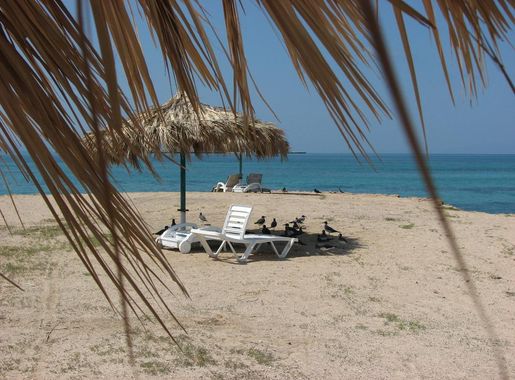
The Djibouti Region is a captivating blend of natural beauty and cultural richness, nestled in the Horn of Africa. This destination offers a unique experience for adventurers and culture enthusiasts alike. The region is known for its striking landscapes, including the surreal Lac Assal, one of the saltiest bodies of water in the world. The crater lake is a geological marvel, surrounded by salt flats and volcanic formations, providing a stunning and otherworldly backdrop for visitors. In addition to its natural wonders, the Djibouti Region is home to a vibrant mix of cultures and traditions. The capital city, also named Djibouti, serves as a melting pot of Somali, Afar, and French influences. Here, tourists can explore bustling markets, savor local cuisine, and experience the warm hospitality of the Djiboutian people. A visit to the lively Central Market offers a glimpse into daily life, with stalls brimming with spices, textiles, and handicrafts. For those interested in marine life, the Gulf of Tadjoura is a must-visit. The clear waters are perfect for diving and snorkeling, offering encounters with whale sharks, dolphins, and colorful coral reefs. The region's coastline is dotted with pristine beaches and hidden coves, ideal for relaxation and exploration. Whether you're trekking through the rugged terrain, immersing yourself in local culture, or diving into the azure waters, the Djibouti Region promises an unforgettable adventure.