Foret de Day: Djibouti's Emerald Jewel
Discover Djibouti's hidden gem: Foret de Day National Park, a lush mountain oasis with unique flora and fauna, offering a cool escape.
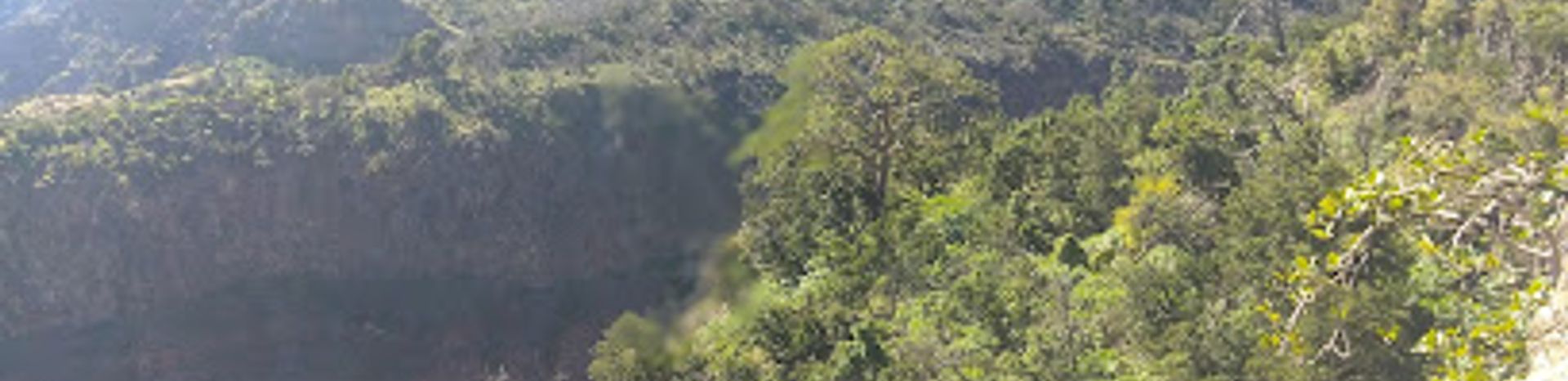
Foret de Day National Park, nestled in the Goda Mountains, is Djibouti's largest and only remaining forest, a lush contrast to the country's arid landscape. This unique ecosystem is home to diverse flora and fauna, including the endemic Djibouti francolin, offering a refreshing escape and a glimpse into a greener past.
A brief summary to Foret de Day
- DJ
Local tips
- Visit during the cooler months (November to April) for pleasant hiking weather and wildlife spotting opportunities.
- Wear sturdy hiking shoes as the trails can be uneven and rocky.
- Bring binoculars for enhanced birdwatching and wildlife viewing.
- Hire a local guide for a more enriching experience and to learn about the park's unique ecosystem.

Getting There
-
Driving
The most convenient way to reach Foret de Day is by a 4x4 vehicle. From Djibouti City, take the Al Sabieh road north. The drive is approximately 60 kilometers and may take around 2 hours, depending on road conditions. Be prepared for some unpaved roads as you approach the park. There are no entrance fees, but hiring a local guide is recommended.
-
Taxi
Hiring a taxi or private car from Djibouti City is another option. Negotiate the fare in advance, as taxis typically do not use meters. Expect to pay around 8,000-12,000 DJF for a round trip, including waiting time. Confirm that the driver is familiar with the route to Foret de Day. There are no entrance fees, but hiring a local guide is recommended.
Discover more about Foret de Day
Iconic landmarks you can’t miss

Foret de Day
0.0 km
Discover Djibouti's hidden gem: Foret de Day National Park, a lush mountain oasis with unique flora and fauna, offering a cool escape.
Campement touristique DITTILOU
4.2 km
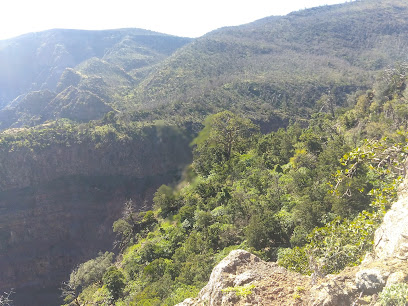
Discover tranquility and cultural immersion at Campement Touristique DITTILOU in Djibouti's Goda Mountains, offering a unique connection with nature.
Goda
4.2 km
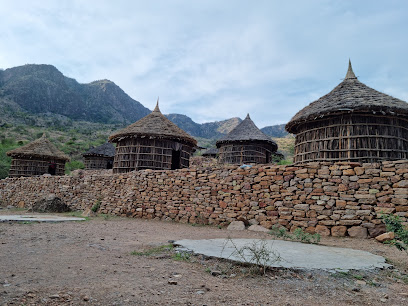
Discover Djibouti's green heart: Hike through lush forests, spot unique wildlife, and escape the desert heat in the Goda Mountains.
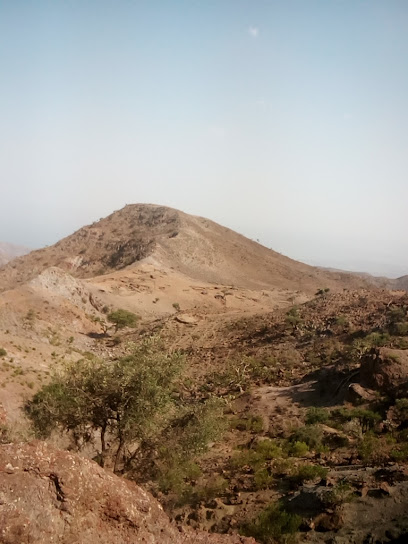
Port de Tadjourah
23.0 km
Modern port in historic Tadjourah, Djibouti, serving as a key trade hub and gateway to regional attractions.
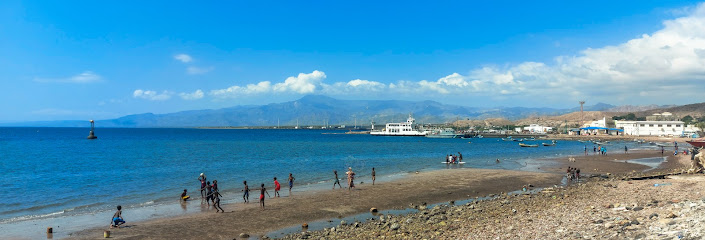
Le Golfe
23.4 km
Experience tranquility at Le Golfe in Tadjourah, Djibouti, a family-run hotel with lush greenery, local cuisine, and easy beach access.

Tadj Games
24.3 km
A vibrant children's amusement center in Tadjoura, Djibouti, offering fun activities and a safe, supervised environment for kids of all ages.
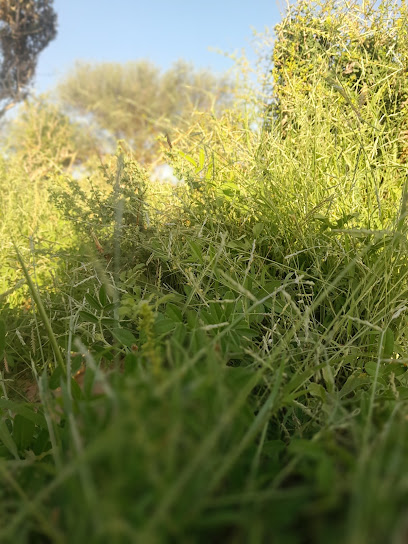
Résidence du préfêt
24.8 km
Experience comfort and convenience at Résidence du Préfet, your gateway to exploring the historic coastal town of Tadjoura, Djibouti.
Cdc De Tadjourah
25.0 km
Experience the heart of Tadjourah's community spirit at this vibrant youth center, offering cultural events and activities for all.
Gadileh Resort Hotel Tadjourah
25.4 km
Experience beachfront luxury and adventure in Tadjourah at Gadileh Resort Hotel, with stunning views and access to vibrant local culture.
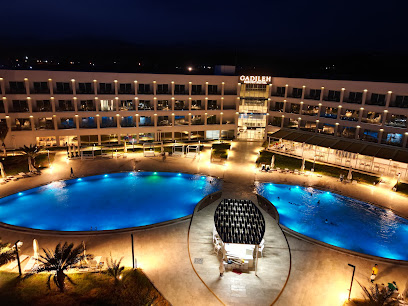
Arta Maison des Randonneurs
34.0 km
Explore the breathtaking landscapes and adventure sports at Arta Maison des Randonneurs, your perfect lodge in Djibouti for an unforgettable experience.
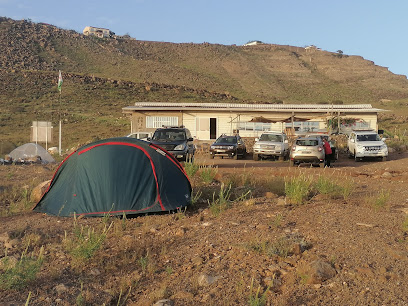
Ambado
38.8 km
Discover the serene beauty of Ambado River in Djibouti, a hidden oasis offering tranquility, cultural immersion, and stunning natural landscapes for an unforgettable escape.
Le Dauphin Khor Ambado
43.9 km
Discover Khor Ambado, Djibouti's coastal gem: pristine beaches, vibrant marine life, and breathtaking sunsets await in this tranquil paradise, offering a unique blend of relaxation and adventure.
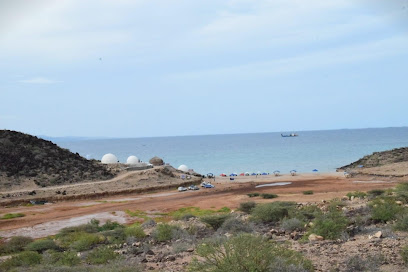
RESTAURANT LOYADA
55.2 km
Experience authentic Djiboutian cuisine at Loyada Restaurant in Balbala, where traditional flavors meet warm hospitality.
Bharat mahal
55.3 km
Experience authentic Indian flavors in the heart of Djibouti City at Bharat Mahal, a culinary journey through India's rich cuisine.
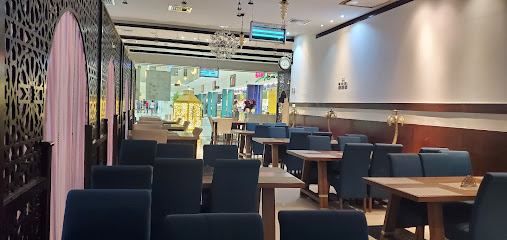
Bawadi Mall Djibouti
55.3 km
Discover a modern shopping and entertainment experience at Bawadi Mall, Djibouti, with diverse retail, dining, and leisure options for everyone.
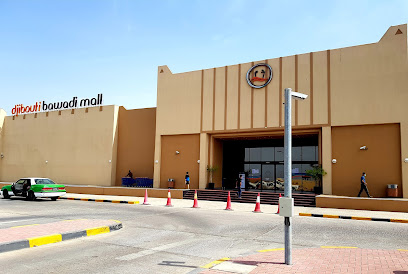
Unmissable attractions to see

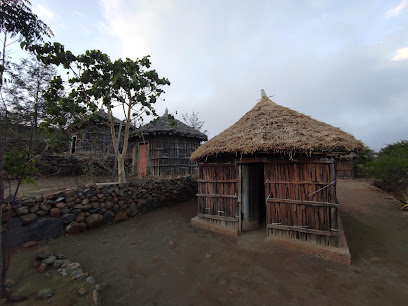
Campement Touristique de la Foret Du Day
2.6 km
Discover the tranquil beauty of nature at Campement Touristique de la Foret Du Day, a serene bed and breakfast in the heart of Djibouti's lush forests.
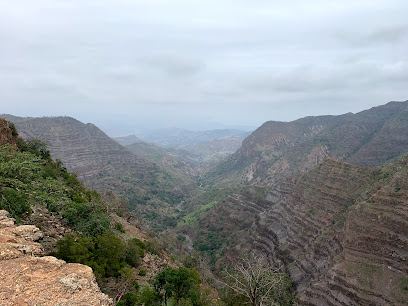
Day Forest National Park
3.5 km
Discover the serene beauty and diverse wildlife of Day Forest National Park in Airolaf, an ideal destination for nature lovers and adventure seekers.
Assia Youssouf Garden
4.9 km
Discover the serene beauty of Assia Youssouf Garden in Airolaf, Djibouti, a tranquil oasis perfect for relaxation and exploration amidst lush greenery.
Bankouale campement
6.7 km
Discover the breathtaking hiking trails and stunning landscapes at Bankouale Campement in Airolaf, Djibouti - a perfect escape for nature lovers.
Lele Randa
9.0 km
Explore Lele Randa, a stunning coastal gem in Djibouti, where breathtaking natural beauty meets vibrant local culture for an unforgettable experience.
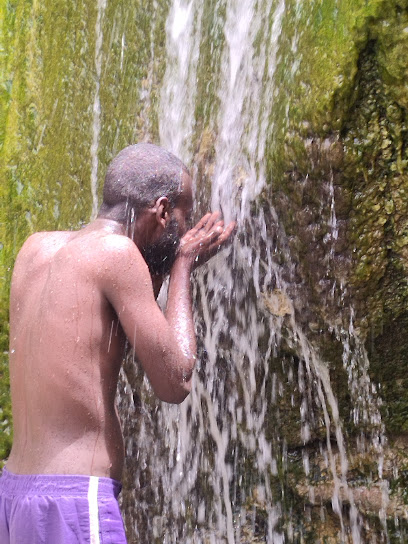
KLAUS STAR
9.8 km
Explore the peaceful beauty of Klaus Star Arboretum in London, a serene haven for nature lovers and perfect for unforgettable strolls and photography.
Aire naturelle protégée de Djalélo
9.8 km
Immerse yourself in the pristine landscapes and diverse wildlife of Aire Naturelle Protégée de Djalélo, a top wildlife refuge in Djibouti.
Dougoum
9.9 km
Explore Dougoum, a stunning tourist attraction in Assa Hougoud, Djibouti, known for its breathtaking landscapes and rich cultural experiences.
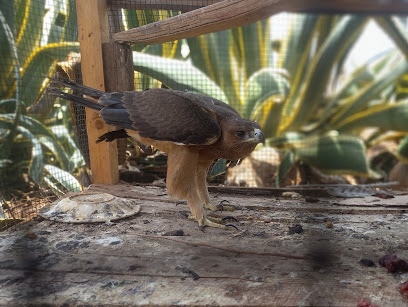
Ferme Animalière de Douloul
12.3 km
Explore Ferme Animalière de Douloul in Sagallo for an unforgettable experience with diverse animals in a beautiful natural setting.
Kaleidoscope Culvert
13.8 km
Experience the vibrant beauty of Kaleidoscope Culvert, a mesmerizing tourist attraction in Sagallo that combines art and nature for a captivating adventure.
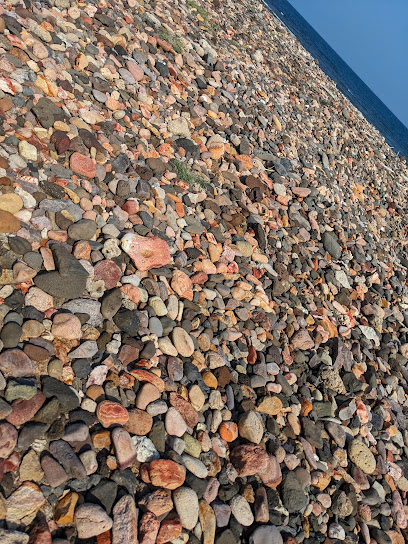
Shark Pit
25.9 km
Experience the thrill of diving with sharks in the stunning Shark Pit at Lac du Goubet, a natural wonder for adventure seekers and marine life enthusiasts.
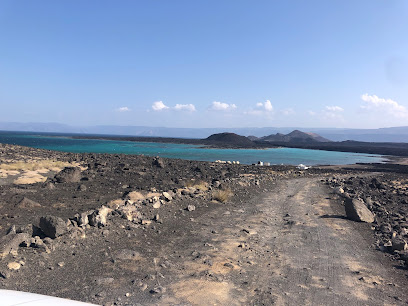
Illalta
26.9 km
Experience the breathtaking beauty of Illalta in Tadjoura, a serene tourist attraction rich in culture and stunning coastal landscapes.
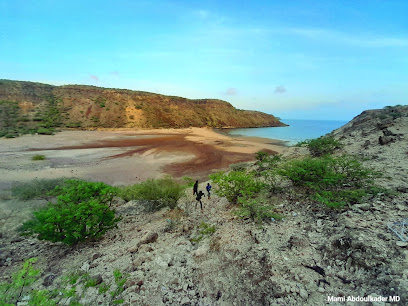
Arta Beach
27.4 km
Experience the tranquil beauty of Arta Beach, a serene oasis on Djibouti's coastline, perfect for sunbathing, swimming, and underwater adventures.
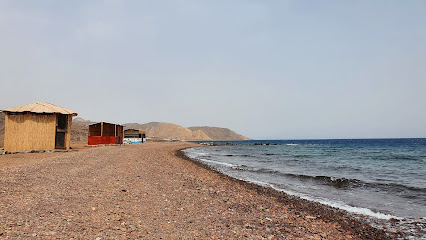
Sables blancs
29.1 km
Experience the serene beauty of Sables Blancs, a picturesque beach pavilion in Tadjoura, Djibouti, where relaxation meets adventure.
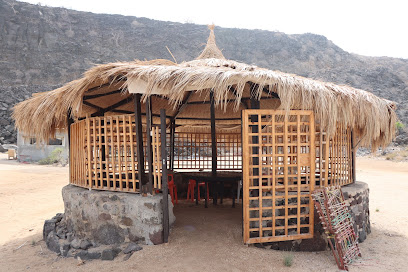
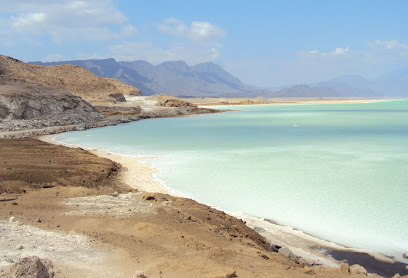
Lac 'Assal
29.1 km
Explore Lac 'Assal, Djibouti's stunning saline lake, where breathtaking landscapes meet rich cultural experiences in a serene natural setting.
Essential places to dine

MOUKBASSA SABA
9.8 km
Discover authentic Djiboutian cuisine at Moukassa Saba – where flavor meets tradition in a vibrant atmosphere.
Aboubaker Bachir Obsieh
9.8 km
Experience authentic Djiboutian cuisine at Aboubaker Bachir Obsieh – where every dish tells a story.
Restaurant Le Virage
9.8 km
Experience authentic Djiboutian flavors at Restaurant Le Virage – where every meal tells a story.
Beach House
9.8 km
Experience authentic Southern flavors at Beach House in Djibouti – where every meal tells a delicious story by the sea.
Samatar69
9.8 km
Experience the best of fresh salads at Samatar69 in Djibouti – where health meets flavor with every bite!

Restaurant Le Santal
9.8 km
Experience authentic Indian flavors at Restaurant Le Santal in Djibouti – a hidden gem offering vibrant spices and warm hospitality.
Association APADM
9.8 km
Experience authentic Korean BBQ at Association APADM in Djibouti, where culinary tradition meets vibrant flavors for an unforgettable meal.
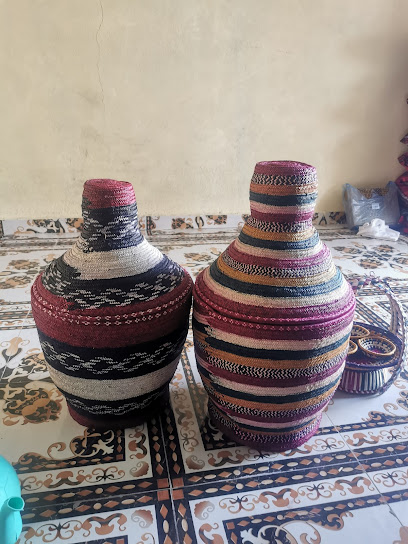
Smart Ethiopian culture
9.8 km
Experience authentic Ethiopian cuisine at Smart Ethiopian Culture in Djibouti—where tradition meets taste in every bite.
Ze’Naan
9.8 km
Savor the flavors of Day at Ze’Naan - where culinary artistry meets warm hospitality.
Sixteen eleven
9.8 km
Discover the best of Western cuisine at Sixteen Eleven in Djibouti - where local flavors meet international culinary delights.
retaurant aliyou
24.1 km
Discover authentic Djiboutian cuisine at Restaurant Aliyou in Tadjoura, where local flavors meet warm hospitality.
Restaurant Brise de la Mer
24.3 km
Experience authentic Djiboutian cuisine with stunning coastal views at Restaurant Brise de la Mer in beautiful Tadjoura.
Cafétéria-Restaurant-Supérette
24.4 km
Experience the authentic flavors of Djibouti at Cafétéria-Restaurant-Supérette in Tadjoura, where local cuisine meets warm hospitality.
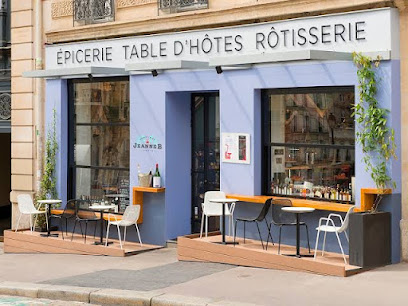
A la Brise de Mer
24.4 km
Discover the flavors of Djibouti at A la Brise de Mer in Tadjoura - where local cuisine meets stunning coastal views.
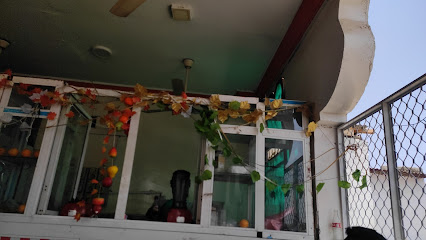
Restaurant Istanbul
24.4 km
Experience quick bites bursting with flavor at Restaurant Istanbul - your go-to fast food stop in Tadjoura.
Markets, malls and hidden boutiques

AFRICORNE TRAVEL
6.2 km
Explore the breathtaking beauty and rich culture of the Horn of Africa with Africorne Travel, your premier sightseeing tour agency.
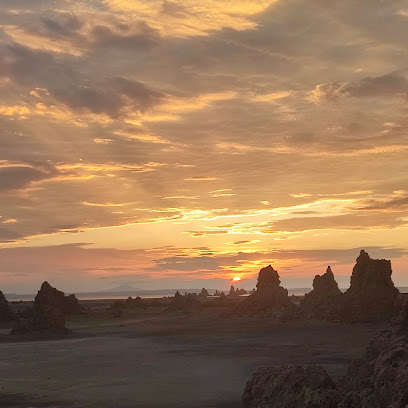
dahaboo
6.2 km
Explore Dahaboo, where digital marketing expertise meets innovative solutions for your online presence.

Marwa fashion
6.2 km
Explore unique local fashion at Marwa Fashion, where cultural heritage meets contemporary style.

Boutique Salman
9.8 km
Explore Boutique Salman in Djibouti for a unique selection of yarns and local crafting supplies, perfect for all knitting and crochet enthusiasts.
ASWAN SHOPPING
9.8 km
Explore the vibrant clothing styles and unique fashion pieces at Aswan Shopping in Djibouti, a must-visit for fashion-loving travelers.

Beauty Cosmetics Djbouti
9.8 km
Explore Beauty Cosmetics Djibouti - Your Ultimate Destination for Quality Beauty Products in Randa, Djibouti.
Boutique Moderne
9.8 km
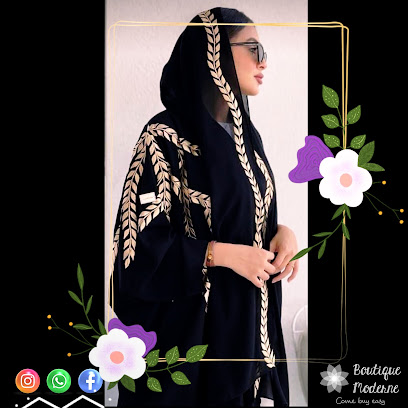
Discover unique fashion at Boutique Moderne, a stylish clothing store in Djibouti, reflecting vibrant culture and contemporary designs.
UGG Outlet Wertheim
9.8 km
Discover unbeatable deals on luxurious UGG footwear at UGG Outlet Wertheim, a must-visit shopping destination for shoe lovers.
FabandMia
9.8 km
Explore the vibrant cultural fusion at FabandMia, Djibouti's premier kilt shop for unique attire and unforgettable fashion experiences.
Infonet
9.8 km
Explore Infonet in Djibouti for exquisite handwoven wool products that celebrate local artistry and cultural heritage.
DJIB SARADINE
9.8 km
Discover the heart of Djibouti at DJIB SARADINE, a vibrant shopping mall that blends local culture with modern retail and culinary delights.
Faya shopping
9.8 km
Explore Faya Shopping in Djibouti for a unique blend of local crafts and international brands, perfect for every tourist's shopping needs.
Livegood
9.8 km
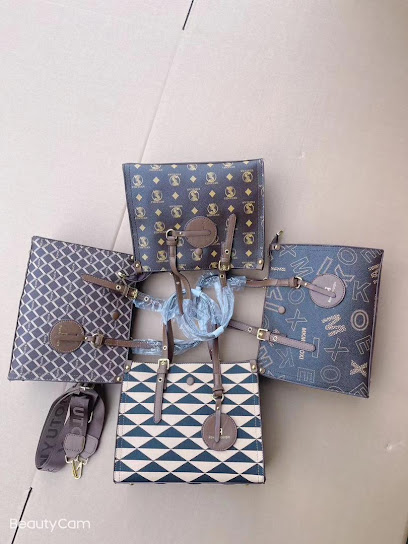
Experience the vibrant heart of Djibouti at Livegood, a bustling produce market rich in local culture and flavors.
Djibcloud
9.8 km
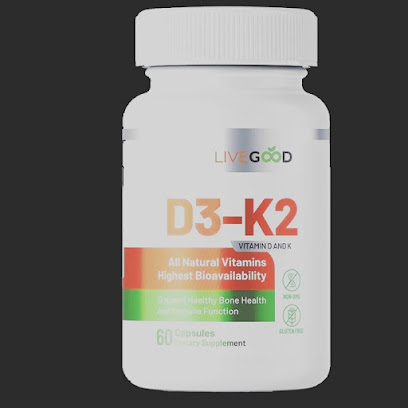
Discover the latest in electronics at Djibcloud, the premier electronics store in Day, Djibouti, offering quality products and exceptional customer service.
Assili Organic Beauty
9.8 km
Explore eco-friendly beauty solutions at Assili Organic Beauty, Djibouti's premier organic shop for natural skincare and wellness products.
Essential bars & hidden hideouts

mirandwa@gmail
9.8 km
Experience the rich flavors of Djibouti at this charming restaurant in Randa, where local ingredients meet culinary creativity.
Ayan
9.8 km
Experience the perfect blend of relaxation and local charm at Ayan Lounge in Djibouti, a must-visit for every traveler.
fatouma mahamed hamed
9.8 km
Experience authentic Djiboutian flavors at Fatouma Mahamed Hamed, a cozy restaurant in Day offering traditional dishes made with fresh ingredients.
La maison Kader
9.8 km
Experience the vibrant nightlife at La Maison Kader, a bar in Day offering local drinks and a lively atmosphere for tourists and locals alike.
Satta niwas
9.8 km
Experience the vibrant nightlife of Djibouti at Satta Niwas, a charming bar offering local flavors and a welcoming atmosphere.
Yacin El loco
9.8 km
Discover the vibrant nightlife at Yacin El Loco, Djibouti's premier bar for locals and tourists alike, serving delicious drinks in an electrifying atmosphere.
Al-Hama Restaurant
9.8 km
Experience the essence of local cuisine at Al-Hama Restaurant on Soqe Street, where every dish tells a story and every meal is a celebration.
Kiosque pk12
9.8 km
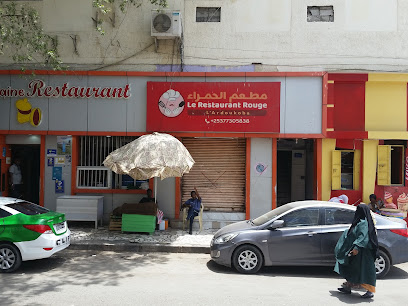
Experience authentic Djiboutian cuisine at Kiosque pk12, a must-visit restaurant in Day, where flavors and culture come together.
bolli-restaurant parking Alfa chez hassan ali
16.1 km
Experience authentic local cuisine at Alfa Chez Hassan Ali in Randa, where every dish tells a story of tradition and flavor.
Nightclubs & after hour spots

Terrain municipale de tadjourah
25.1 km
Experience the electrifying nightlife at Terrain municipale de Tadjourah, Djibouti's premier adult entertainment club, where culture and entertainment collide.
Arta Plage
27.1 km
Discover the breathtaking beauty of Arta Plage, a tropical paradise in Djibouti with stunning beaches, thrilling water sports, and delightful local cuisine.
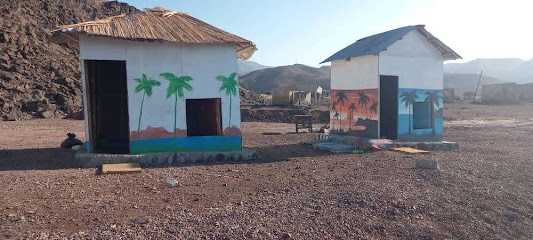
Sunny Hill Center
33.4 km
Escape to Sunny Hill Center in Arta for a serene stay amidst breathtaking hills, merging comfort with the beauty of Djibouti's nature.
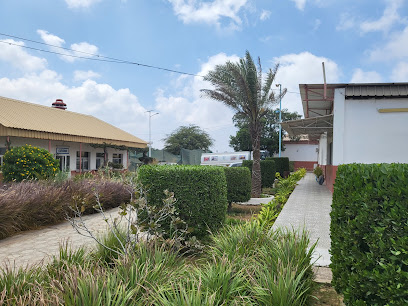
Arta
33.7 km
Experience the authentic flavors of Djibouti at Arta's renowned butcher shop, where quality meets tradition in every cut.
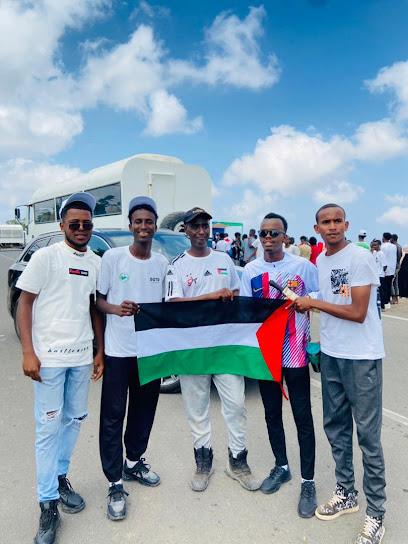
Irmaan Exchange
53.2 km
Experience the vibrant nightlife of Djibouti at Irmaan Exchange, where music, dance, and culture converge for an unforgettable evening.
B.SALE
54.9 km
Discover Balbala's nightlife at B.SALE, where vibrant music and dancing create an unforgettable experience in the heart of the city.
Djib-Dance
55.6 km
Explore the vibrant dance culture in Djibouti at Djib-Dance, where every step brings you closer to the local beat.

Safari Club Kempinski
55.7 km
Discover the vibrant nightlife at Safari Club Kempinski, where exquisite cocktails and a lively atmosphere await you in Djibouti.
Melting Pot
55.9 km
Discover a culinary tapestry at Melting Pot in Djibouti, where flavors intertwine and dining becomes a memorable adventure.
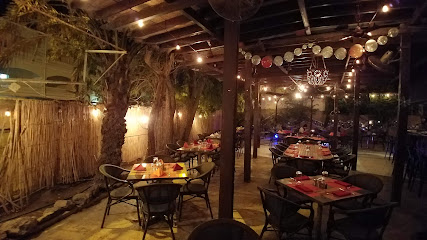
Mystic lounge & restaurant
56.1 km
Experience the vibrant flavors of Djibouti at Mystic Lounge & Restaurant, where culinary excellence meets a warm ambiance.
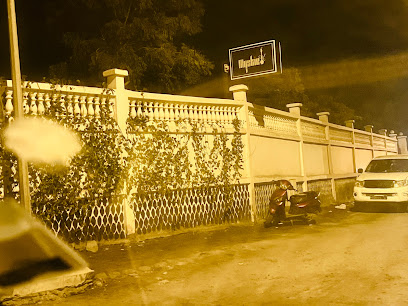
B B S Lounge (Bar By Sing's)
56.1 km
Discover the vibrant nightlife at B B S Lounge in Djibouti, where diverse drinks and shisha create an unforgettable evening atmosphere.
ROYAL PLAZA Hotel
56.4 km
Discover the Royal Plaza Hotel, where exceptional comfort meets the vibrant culture of Djibouti, perfect for relaxation and exquisite dining.
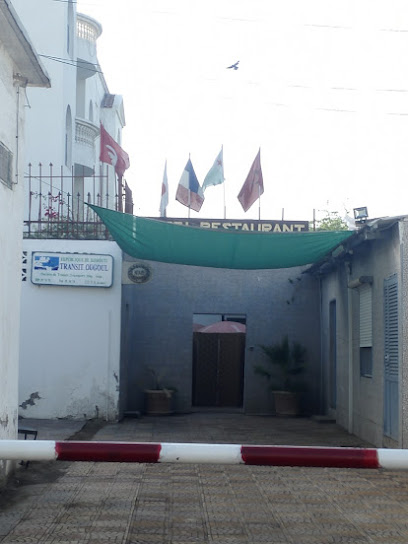
Ambassador
56.4 km
Dive into the pulsating nightlife of Djibouti at Ambassador Night Club, where music, dance, and vibrant energy come together for an unforgettable evening.
Pub Palmier Zink
56.5 km
Experience the lively nightlife and refreshing drinks at Pub Palmier Zink, a must-visit bar in the heart of Djibouti.