

Day Forest National Park, Djibouti Travel Guide
Discover Day Forest National Park: Djibouti's lush oasis with diverse wildlife, scenic mountains, and rich cultural heritage.
Day Forest National Park, located in the heart of Djibouti, is a hidden gem waiting to be explored. This lush forest offers a striking contrast to the arid landscapes that dominate the region. The park is home to an array of unique flora and fauna, with towering juniper trees and endemic birds adding to its charm. As you venture deeper into the forest, you'll encounter breathtaking views of the Goda Mountains. These mountains provide a dramatic backdrop to the park's verdant valleys and clear streams. The cool and refreshing climate within the park makes it a perfect escape from the heat of the lowlands. Day Forest National Park is also a place of cultural significance. The local Afar and Issa communities have called this area home for centuries. Their traditional lifestyle and rich heritage add an extra layer of depth to your visit. Exploring the park provides an opportunity to learn about their customs and way of life. Whether you are a nature lover, a bird watcher, or a cultural enthusiast, Day Forest National Park has something to offer. Its serene environment and diverse attractions make it a must-visit destination in Djibouti.

Know before you go
Hi, I'm Eve. Here are a few practical things to know before exploring Day Forest National Park.
- Wear comfortable hiking shoes as the trails can be uneven.
- Bring plenty of water and snacks, as there are limited facilities within the park.
- Hire a local guide to enhance your experience and learn about the flora, fauna, and local culture.
- Visit early in the morning or late in the afternoon for the best wildlife viewing opportunities.
- Respect local customs and traditions when interacting with the local communities.
Explore Day Forest National Park: Things to Do, Places to Eat, Hotels & More
Handpicked recommendations for top attractions, local dining, accommodations, and more

Top Attractions & Sightseeing in Day Forest National Park


Best landmarks in Day Forest National Park
Top-rated picks
Best Landmarks

Hotel Auberge Boulaos
Comfortable and convenient 3-star hotel in Djibouti's industrial area, offering easy access to the city's attractions and airport.

Arta Beach
Discover Arta Beach: A serene Djiboutian escape with clear waters, soft sands, and a tranquil atmosphere perfect for relaxation and seaside enjoyment.

Djibouti's National Tourist Office
Your gateway to exploring Djibouti's wonders: from dramatic landscapes to vibrant culture, start your adventure here!

Foret de Day
Discover Djibouti's hidden gem: Foret de Day National Park, a lush mountain oasis with unique flora and fauna, offering a cool escape.

Best restaurants in Day Forest National Park
Top-rated picks
Best Restaurants

Signatures Restaurant Djibouti
Discover the essence of Indian cuisine at Signatures Restaurant Djibouti - where every meal is a celebration of flavor.

Melting Pot
Experience the vibrant flavors of global cuisine at Melting Pot in Djibouti – where every meal is a delightful journey.

Pizzaiolo Haramous
Experience authentic Italian cuisine at Pizzaiolo Haramous in Djibouti - where every pizza tells a story.

Café de la Gare
Experience exquisite French cuisine at Café de la Gare in Djibouti - where culinary tradition meets local charm.

Best bars in Day Forest National Park
Top-rated picks
Best Bars

Moonlight Restaurant
Experience the culinary delights of Djibouti at Moonlight Restaurant, where local flavors and warm hospitality come together.

11 Degrees North
Discover the lively atmosphere of 11 Degrees North, a charming pub in Djibouti that offers a delightful blend of local music and refreshing beverages.

Timeout Restaurant and Sport Bar
Experience the vibrant flavors of Djibouti at Timeout Restaurant and Sport Bar, where delicious cuisine meets live sports in a lively atmosphere.

Deluxe
Experience the flavors of Djibouti at Deluxe, where local ingredients meet culinary creativity in a vibrant atmosphere.

Best nightclubs in Day Forest National Park
Top-rated picks
Best Nightclubs

Djibouti Palace Kempinski
Discover the ultimate luxury experience at Djibouti Palace Kempinski, where comfort meets stunning ocean views and rich cultural experiences.

Timeout Restaurant and Sport Bar
Discover a vibrant culinary experience at Timeout Restaurant and Sport Bar in Djibouti, where sports and delicious food come together.

Club Hermes
Explore the vibrant nightlife of Djibouti at Club Hermes, where the music is lively, and the atmosphere is electric.

La Galette Bretonne
Discover the vibrant nightlife of Djibouti at La Galette Bretonne, a night club blending local flavors with electric entertainment.

Best shops in Day Forest National Park
Top-rated picks
Best Shops

Villa Camille
Discover the exquisite fusion of dining and art at Villa Camille, a serene oasis in Djibouti offering unforgettable experiences.

Habone-Deka Djibouti
Explore Habone-Deka Djibouti for unique fashion, exquisite jewelry, and captivating perfumes, a shopping haven in the heart of Djibouti.
New Electronic Shop
Explore the New Electronic Shop in Djibouti for the latest gadgets, electronics, and friendly service in a vibrant shopping atmosphere.

Magasin Chez Farah
Discover the charm of Djibouti at Magasin Chez Farah, your go-to destination for unique gifts and local crafts that embody the spirit of the region.

Explore Day Forest National Park on the Map
A handpicked selection of must-see spots in Day Forest National Park, mapped for you.
Day Forest National Park Essentials
-
Day Forest National Park is located in the northern part of Djibouti. The nearest major city is Djibouti City, which has an international airport, Djibouti-Ambouli International Airport (JIB). From Djibouti City, you can hire a private taxi or rent a car for the approximately 3-hour drive to the park. Alternatively, you can take a bus to the town of Tadjoura, from where you can arrange for local transport to the park.
-
Within Day Forest National Park, the best way to get around is by hiring a local guide with a 4x4 vehicle, as the terrain can be rugged. Walking and hiking are also popular options for exploring the park's trails. Ensure you have sturdy footwear and sufficient water supplies. Public transportation options are limited within the park itself, so planning your transport in advance is crucial.
-
The official currency in Djibouti is the Djiboutian Franc (DJF). Credit cards are accepted in some hotels and larger establishments in Djibouti City, but it is advisable to carry cash when traveling to more remote areas like Day Forest National Park. ATMs are available in Djibouti City, but may be scarce or non-existent in rural areas, so ensure you withdraw enough cash before departing for the park.
-
Day Forest National Park is generally safe for tourists. However, it is essential to take standard precautions, such as not hiking alone and keeping your belongings secure. While there are no specific high-crime areas targeting tourists in the park, always remain vigilant and aware of your surroundings. Avoid isolated areas after dark and ensure you have a reliable means of communication in case of emergencies.
-
In case of emergency, dial 17 for police or 19 for medical emergencies. It is advisable to have travel insurance that covers medical emergencies, including evacuation. The nearest medical facilities are located in Tadjoura, so it is essential to carry a well-stocked first aid kit and any necessary medications. For minor health issues, you can find pharmacies in Djibouti City or Tadjoura.
-
Fashion: Do wear light, breathable clothing and sturdy footwear suitable for hiking. Avoid wearing overly revealing attire. Religion: Do respect local customs and dress modestly, especially when visiting villages. Public Transport: Do be respectful and courteous to fellow passengers. Avoid loud conversations. Greetings: Do greet people with a polite 'Salaam.' A handshake is common, but always wait for the other person to offer their hand first. Eating & Drinking: Do try local dishes and accept food offerings graciously. Don't refuse hospitality, as it is considered impolite.
-
To experience Day Forest National Park like a local, consider hiring a local guide who can offer invaluable insights into the flora and fauna of the region. Early morning or late afternoon hikes are the best times to avoid the midday heat and observe wildlife. Visit the local markets in Tadjoura for fresh produce and traditional Djiboutian goods. Engage with the locals, who are often friendly and willing to share their knowledge of the area's history and culture.
When is the best time to visit Day Forest National Park?
Useful Local Phrases for Day Forest National Park
You don't need to speak the language perfectly. Even learning a few simple words can make conversations warmer—and locals usually appreciate the effort.
— Eve

Here are the phrases I use most often in Day Forest National Park. Try a few—you'll be surprised how far they go! 😊
❤️
-
- HelloSalam
[sah-lahm] - GoodbyeNassib
[nah-seeb] - YesIye
[ee-yeh] - NoMaya
[mah-yah] - Please/You're welcomeFadhlan
[fah-dlan] - Thank youShukran
[shook-rahn] - Excuse me/SorryAfwan
[ah-fwan] - How are you?Kayf halak?
[kayf hah-lak] - Fine. And you?Ana bikhayr, wa anta?
[ah-nah bee-khayr, wah ahn-tah] - Do you speak English?Hal tatakallam al-ingliziyya?
[hal tah-tah-kah-lam al-in-gli-zee-yah] - I don't understandAna la afham
[ah-nah lah af-ham]
- HelloSalam
-
- I'd like to see the menu, pleaseUreedu an ara al-menu, fadhlan
[oo-ray-doo an ah-rah al-men-oo, fah-dlan] - I don't eat meatAna la akul lahm
[ah-nah lah ah-kool lahm] - Cheers!Sahha!
[sah-hah] - I would like to pay, pleaseUreedu an adfa'a, fadhlan
[oo-ray-doo an ad-fah ah, fah-dlan]
- I'd like to see the menu, pleaseUreedu an ara al-menu, fadhlan
-
- Help!Ainnee!
[ain-nee] - Go away!Izhab!
[ee-zahb] - Call the Police!Ittasil bil-shurta!
[it-ta-seel bil-shoor-tah] - Call a doctor!Ittasil bi-tabeeb!
[it-ta-seel bi-tah-beeb] - I'm lostAna dhahibtu
[ah-nah dha-hib-too] - I'm illAna marid
[ah-nah mah-reed]
- Help!Ainnee!
-
- I'd like to buy...Ureedu an ashtari...
[oo-ray-doo an ash-tah-ree] - I'm just lookingAna ajri nadhr
[ah-nah ah-jree nah-dhr] - How much is it?Kam thamanuh?
[kahm thah-ma-noo] - That's too expensiveThalika ghalil jiddan
[thah-lee-kah ghah-leel jid-dan] - Can you lower the price?Hal yumkinuka khafdh al-thaman?
[hal youm-kee-nu-kah khah-fdh al-thah-man]
- I'd like to buy...Ureedu an ashtari...
-
- What time is it?Kam as-saa'a?
[kahm as-sah-ah] - It's one o'clockAs-saa'a wahida
[as-sah-ah wah-ee-dah] - Half past (10)Nisf al-‘ashra
[nisf al-‘ah-shrah] - MorningSabaah
[sah-bah] - AfternoonBa'ad al-dhuhr
[ba-ad al-dhohr] - EveningMasa'
[mah-sah] - YesterdayAms
[ahms] - TodayAl-yawm
[al-yawm] - TomorrowGhad
[ghahd] - 1Wahid
[wah-heed] - 2Ithnain
[ith-nain] - 3Thalatha
[thah-lah-thah] - 4Arba'a
[ahr-bah-ah] - 5Khamsa
[khahm-sah] - 6Sitta
[sit-tah] - 7Sab'a
[sahb-ah] - 8Thamaniya
[thah-mah-nee-yah] - 9Tis'a
[tis-ah] - 10Ashara
[ah-shah-rah]
- What time is it?Kam as-saa'a?
-
- Where's a/the...?Ayna ...?
[ay-nah] - What's the address?Ma huwa al-‘unwan?
[mah hoo-wah al-‘oon-wan] - Can you show me (on the map)?Hal tastati'u an turini (ala al-kharita)?
[hal tas-ta-tii-u an too-ree-nee (ah-lah al-khah-ree-tah)] - When's the next (bus)?Mata al-hafila al-qadima?
[mah-tah al-hah-fee-lah al-qah-dee-mah] - A ticket (to ....)Tazkirah (ila ...)
[taz-kee-rah (ee-lah)]
- Where's a/the...?Ayna ...?
History of Day Forest National Park
-
Day Forest National Park's rich history dates back to ancient times when it was inhabited by nomadic tribes. These tribes utilized the forest's abundant resources for shelter, food, and medicinal purposes. Archaeological findings suggest that the forest has been a crucial part of local life for thousands of years, providing a sanctuary for early humans in the region.
-
During the late 19th and early 20th centuries, Day Forest became an area of interest for European explorers and colonial powers. The French, who colonized Djibouti, conducted numerous expeditions into the forest to study its unique flora and fauna. These explorations were crucial in mapping out the region and understanding its ecological significance. The French colonial administration also established the first rudimentary conservation efforts to protect the forest's rich biodiversity.
-
Day Forest was officially designated as a national park in 1939, making it one of the earliest protected areas in the Horn of Africa. This designation was a response to increasing concerns about deforestation and wildlife preservation. The park's establishment aimed to protect its unique ecosystem, which includes some of the last remaining stands of juniper and olive trees in the region, as well as diverse wildlife such as the critically endangered Djibouti francolin.
-
For the Afar and Issa communities, who have lived in and around Day Forest for centuries, the park holds significant cultural and spiritual value. The forest is home to numerous sacred sites, traditional hunting grounds, and ancient trails that are still used today. Local folklore and oral histories are rich with stories about the forest, highlighting its importance in their cultural heritage.
-
In recent decades, Day Forest National Park has been the focus of various conservation initiatives aimed at combating deforestation, habitat loss, and climate change. International and local organizations have collaborated to implement reforestation projects, sustainable tourism practices, and community education programs. These efforts are crucial in preserving the park's unique biodiversity and ensuring that it remains a vital part of Djibouti's natural heritage.
-
Day Forest has been a hotspot for ecological research, attracting scientists from around the world. Studies conducted in the park have led to the discovery of several new plant and animal species, contributing to our understanding of the region's unique biodiversity. The park's varied terrain, from dense forests to rugged mountains, provides a rich field for research and has been instrumental in shaping conservation strategies for similar ecosystems in Africa.
Neighbouring Regions of Day Forest National Park
The closest regions to Day Forest National Park, if you have time for more than one.


Your all‑in‑one travel companion app
Explore expert travel guides, compare and book tours, experiences, hotels, and more—all from the palm of your hand. Download now for seamless trip planning wherever your wanderlust takes you.


Explore More of Djibouti

Looking beyond Day Forest National Park? Discover Djibouti for broader travel guides, local hot-spots, and regional highlights.
Explore DjiboutiDay Forest National Park in Photos
Browse through our photo collection highlighting the charm and character of the destination.


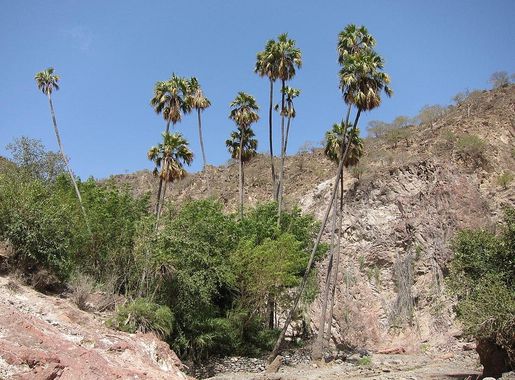


The Enchanting Day Forest National Park
Day Forest National Park, located in the heart of Djibouti, is a hidden gem waiting to be explored. This lush forest offers a striking contrast to the arid landscapes that dominate the region. The park is home to an array of unique flora and fauna, with towering juniper trees and endemic birds adding to its charm. As you venture deeper into the forest, you'll encounter breathtaking views of the Goda Mountains. These mountains provide a dramatic backdrop to the park's verdant valleys and clear streams. The cool and refreshing climate within the park makes it a perfect escape from the heat of the lowlands. Day Forest National Park is also a place of cultural significance. The local Afar and Issa communities have called this area home for centuries. Their traditional lifestyle and rich heritage add an extra layer of depth to your visit. Exploring the park provides an opportunity to learn about their customs and way of life. Whether you are a nature lover, a bird watcher, or a cultural enthusiast, Day Forest National Park has something to offer. Its serene environment and diverse attractions make it a must-visit destination in Djibouti.