Wall of Tears, Southeast Oriente Travel Guide
Explore the Wall of Tears on Isabela Island: A historical landmark reflecting the resilience of the past amidst the Galapagos' stunning landscapes.
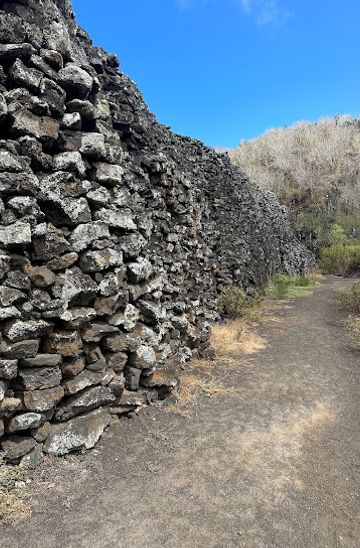
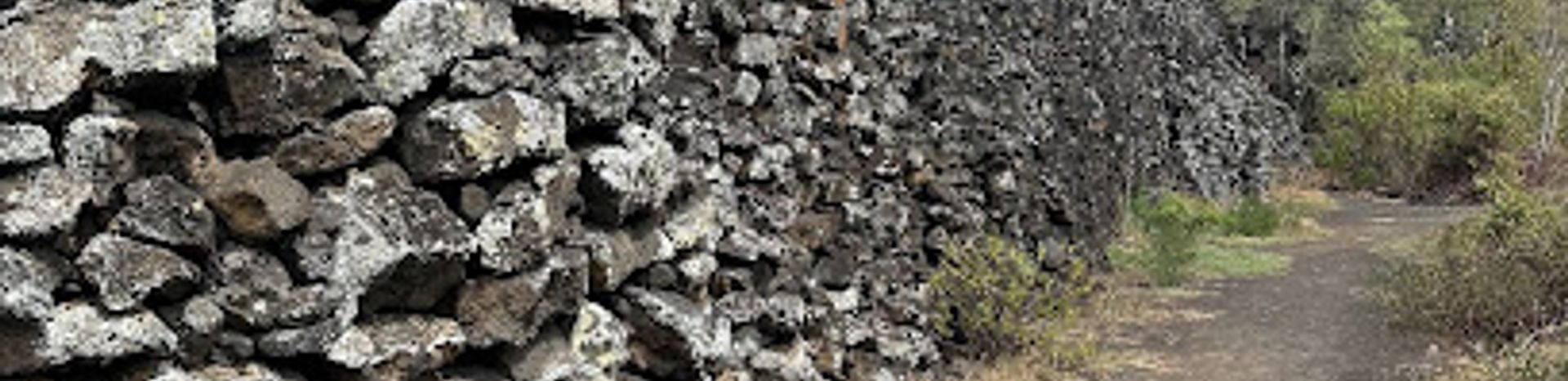
The Wall of Tears (Muro de las Lágrimas) on Isabela Island stands as a haunting reminder of the island's history as a penal colony. Built by prisoners between 1946 and 1959, the wall is a monument to their suffering and forced labor. The imposing structure stretches over 100 meters and is constructed from volcanic rocks.
A brief summary to Wall of Tears
- 2XPP+6J2, Puerto Villamil, EC

Know before you go
Hi, I'm Eve. Here are a few practical things to know before exploring Wall of Tears.
- Visit early in the morning to avoid crowds and enjoy a peaceful atmosphere.
- Bring plenty of water and snacks, as facilities are limited in the area.
- Wear comfortable shoes for the hike, as the terrain can be uneven.
- Bring sun protection, including sunglasses, a hat, and sunscreen.
Do you manage this location?
Take control to get all the benefits, like improved information, better appearance, and stronger visibility across AI-powered discovery. Learn more
Activate your presenceOther nearby places you may find interesting
The closest places of the same kind, if this one is not quite what you had in mind.

Explore Wall of Tears on the Map
A handpicked selection of must-see spots near Wall of Tears, mapped for you.
Getting There
-
Walking
From Puerto Villamil, the Wall of Tears is approximately 5 km (3 miles) away. Start from the town center and follow the main road southwest. The path turns into a sandy and gravel trail that hugs the coastline. The walk takes about 2-3 hours. Remember to bring water and comfortable shoes.
-
Bicycle
Rent a bike in Puerto Villamil. Several shops offer rentals for $15-20 USD per day. Follow the same path as walking, heading southwest from Puerto Villamil along the coast. The bike ride takes approximately 1 hour each way. Be cautious of potholes and sandy stretches.
Discover more about Wall of Tears













Your all‑in‑one travel companion app
Explore expert travel guides, compare and book tours, experiences, hotels, and more—all from the palm of your hand. Download now for seamless trip planning wherever your wanderlust takes you.


Explore More of Southeast Oriente
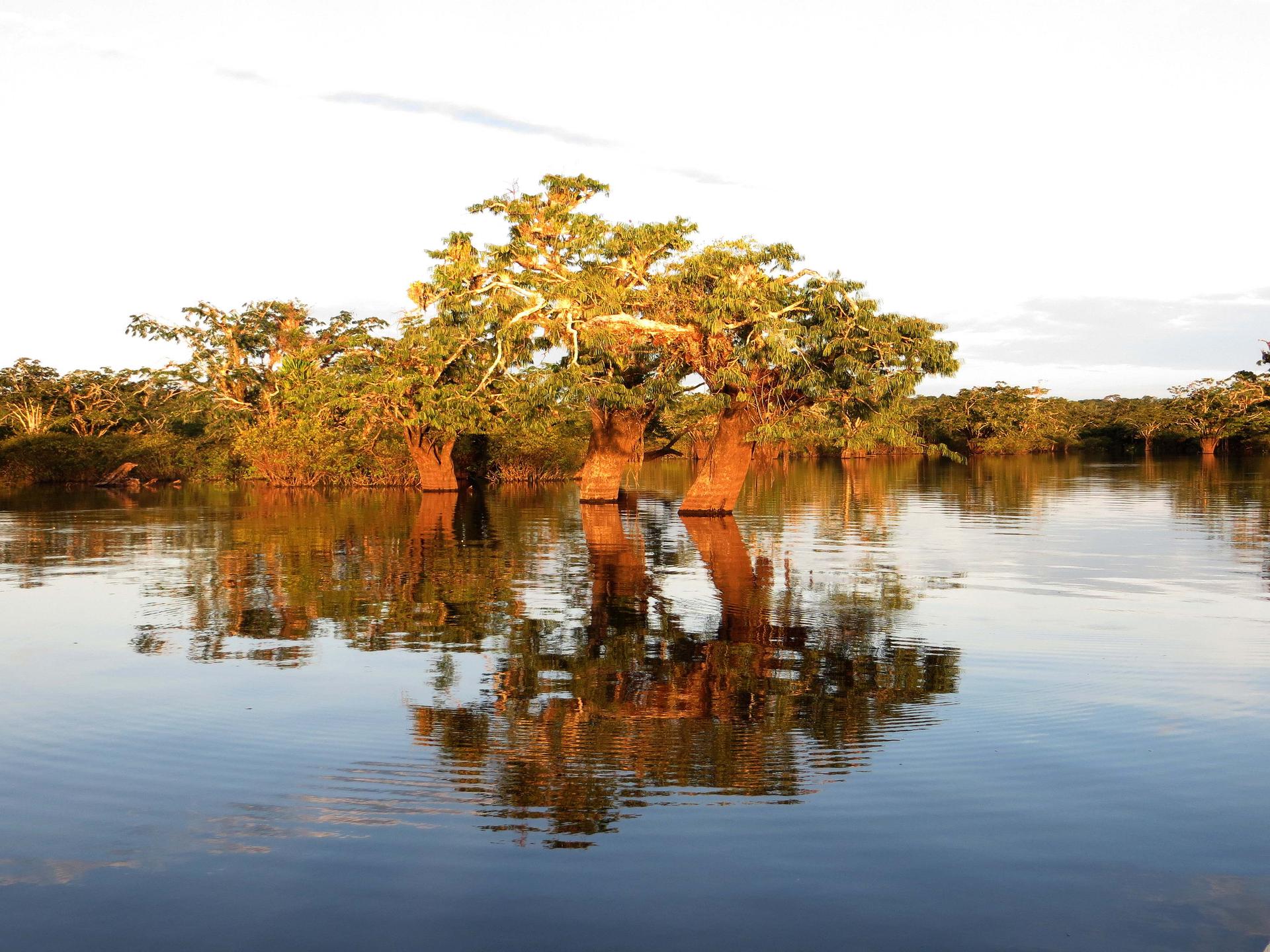
Looking beyond Wall of Tears? Discover Southeast Oriente for broader travel guides, local hot-spots, and regional highlights.
Explore Southeast Oriente
Discover the Galápagos Islands with expert guidance and personalized tours from Galápagos Native Tour Operator, your trusted travel partner.

Explore the stunning vistas of Los Tunos in Puerto Villamil, a serene viewpoint showcasing the beauty of the Galápagos Islands' coastline and wildlife.