

Hurghada, Egypt Travel Guide
Discover Hurghada, Egypt's Red Sea paradise, where stunning coral reefs, vibrant nightlife, and rich cultural heritage combine to create an unforgettable tourist experience.
Hurghada, located on the shores of the Red Sea in Egypt, is a city that effortlessly blends natural beauty with a rich cultural tapestry. Once a small fishing village, Hurghada has transformed into one of Egypt's most popular tourist destinations, renowned for its stunning coral reefs, crystal-clear waters, and vibrant nightlife. For those seeking underwater adventures, Hurghada offers some of the best diving and snorkeling experiences in the world. The coral reefs are teeming with marine life, making it a paradise for underwater photographers and nature enthusiasts. If you prefer to stay above water, you can take a boat trip to the nearby Giftun Islands, where pristine beaches and turquoise waters await. Beyond the beaches, Hurghada boasts a variety of attractions that cater to all tastes. The city's Marina Boulevard is a bustling area filled with restaurants, cafes, and shops. Here you can enjoy a leisurely stroll, dine on fresh seafood, or shop for local crafts. For a taste of local culture, visit the Hurghada Grand Mosque or the Church of St. Shenouda, both of which offer a glimpse into the city's religious heritage. Families will find plenty to do as well, with numerous water parks and entertainment centers scattered throughout the city. The Hurghada Aquarium is a must-visit, offering an educational and fun experience for all ages. For those who crave adventure, desert safaris and quad biking tours provide an exciting way to explore the surrounding landscapes. Whether you're a thrill-seeker, a history buff, or simply looking to relax by the sea, Hurghada has something to offer everyone. Its welcoming atmosphere and myriad of activities make it a destination that promises unforgettable memories.

Know before you go
Hi, I'm Eve. Here are a few practical things to know before exploring Hurghada.
- Best Time to Visit: The ideal time to visit Hurghada is from October to April when the weather is cooler and more comfortable for outdoor activities.
- Currency: Make sure to carry some Egyptian Pounds (EGP) as not all places accept credit cards.
- Dress Code: While Hurghada is a popular tourist spot, it's still wise to dress modestly, especially when visiting religious sites.
- Local Cuisine: Don't miss trying local dishes like 'Foul Medames' and 'Koshari' at traditional Egyptian eateries.
- Transportation: Taxis are a convenient way to get around, but always agree on a fare before starting your journey.


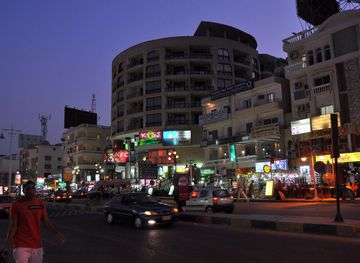
Explore Hurghada: Things to Do, Places to Eat, Hotels & More
Handpicked recommendations for top attractions, local dining, accommodations, and more

Best attractions in Hurghada
Top-rated picks
Best Attractions

Hurghada Marina
Experience the vibrant atmosphere of Hurghada Marina, where luxury meets adventure along the stunning shores of the Red Sea.

Sindbad Club
Experience luxury and adventure at Sindbad Club in Hurghada, a premier resort hotel with stunning views and exceptional amenities for an unforgettable vacation.

Orange Bay
Experience the breathtaking beauty of Orange Bay on Giftun Island, a tropical paradise in the Red Sea, perfect for relaxation and adventure.

Hurghada Grand Aquarium
Discover the enchanting underwater world at Hurghada Grand Aquarium, a family-friendly destination showcasing marine life and interactive exhibits.

Best landmarks in Hurghada
Top-rated picks
Best Landmarks

Senzo Mall
Discover a world of shopping, dining, and entertainment at Senzo Mall, Hurghada's largest and most popular shopping destination.
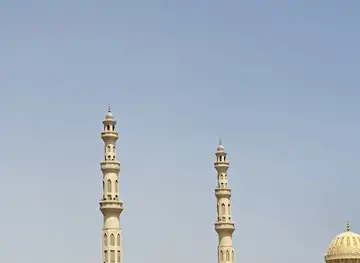
Hurghada Marina
Experience the vibrant heart of Hurghada at the Marina: dining, shopping, stunning Red Sea views, and endless activities await!

Orange Bay
Discover Orange Bay: Hurghada's tropical paradise with white sands, turquoise waters, vibrant reefs, and unforgettable Red Sea adventures.

Hurghada Grand Aquarium
Explore the Red Sea's marine wonders at Hurghada Grand Aquarium: a family-friendly destination with an underwater tunnel and diverse sea life exhibits.

Best restaurants in Hurghada
Top-rated picks
Best Restaurants

Starfish Seafood Restaurant
Experience unparalleled seafood delights at Starfish Seafood Restaurant in Hurghada—where fresh catches meet stunning ocean views.

Sky restaurant
Experience exquisite fine dining at Sky Restaurant with breathtaking views over the Red Sea; a must-visit culinary gem in Hurghada.

Moby Dick Restaurant
Experience family-friendly dining at Moby Dick Restaurant in Hurghada - where Western flavors meet warm hospitality.

Caribbean Bar
Discover tropical bliss at Caribbean Bar in Hurghada – where exquisite cocktails meet vibrant nightlife!

Best bars in Hurghada
Top-rated picks
Best Bars

Caribbean Bar
Discover the Caribbean vibe in Hurghada at Caribbean Bar, featuring vibrant cocktails, delicious snacks, and a lively atmosphere that welcomes everyone.

Granada Restaurant & Pub Hurghada
Discover the culinary delights and vibrant nightlife at Granada Restaurant & Pub, a top dining destination in Hurghada for seafood and Mediterranean cuisine.

Retro Pub HRG
Discover the vibrant nightlife at Retro Pub HRG in Hurghada, where great drinks, local culture, and a retro ambiance come together for an unforgettable experience.

Luca's Pub & Grub
Experience authentic English pub culture at Luca's Pub & Grub, where delicious food meets a vibrant atmosphere in Hurghada's stunning marina.

Best nightclubs in Hurghada
Top-rated picks
Best Nightclubs

Club Soda Bar
Discover the vibrant nightlife at Club Soda Bar, where expertly crafted cocktails and live entertainment create an unforgettable experience in Hurghada.

Retro Pub HRG
Experience the vibrant nightlife at Retro Pub HRG in Hurghada, where friendly atmosphere meets fun entertainment in the heart of the Red Sea.

The Dance Club
Discover the ultimate party experience at The Dance Club in Hurghada, where vibrant music and stunning visuals create unforgettable nights.

Papas Bar Hambra
Experience the thrill of live sports and delicious cuisine at Papas Bar Hambra in Hurghada, a must-visit sports bar for every traveler.

Best shops in Hurghada
Top-rated picks
Best Shops

Senzo Mall
Discover the ultimate shopping experience at Senzo Mall in Hurghada, featuring diverse brands and delicious dining options in a vibrant atmosphere.

Hurghada City Center
Discover Hurghada City Center, where shopping meets leisure in a vibrant coastal atmosphere, perfect for tourists exploring Egypt's beautiful Red Sea.

El Dahar Bazars
Discover the vibrant El Dahar Bazaar in Hurghada, where shopping meets culture in a colorful and lively atmosphere filled with local treasures.

Cleopatra Bazar Sun City Branch
Explore the lively Cleopatra Bazar in Hurghada for an unforgettable shopping experience filled with local crafts and unique souvenirs.

Explore Hurghada on the Map
A handpicked selection of must-see spots in Hurghada, mapped for you.
Hurghada Essentials
-
Hurghada is well-connected by air, with the Hurghada International Airport (HRG) serving as the primary gateway. The airport is located around 5 km southwest of the city center. Direct flights are available from major cities in Europe, the Middle East, and other regions. Alternatively, you can fly into Cairo International Airport (CAI) and take a domestic flight or a bus to Hurghada. Buses and taxis are available from Cairo, with the journey taking approximately 6 hours by road.
-
Hurghada offers various transportation options. Taxis are widely available and can be hailed on the street or booked via apps. Microbuses, which are shared minivans, run on fixed routes and are an economical option for getting around the city. Car rentals are available for those who prefer to drive themselves. For longer distances, buses connect Hurghada to other cities in Egypt, and ferry services are available to nearby destinations like Sharm El Sheikh.
-
The official currency in Egypt is the Egyptian Pound (EGP). Credit and debit cards are widely accepted in hotels, restaurants, and larger shops. However, it is advisable to carry some cash, especially for small purchases and in local markets. ATMs are plentiful in Hurghada, and currency exchange services are available at banks and exchange offices.
-
Hurghada is generally considered safe for tourists. However, it is advisable to stay vigilant and avoid isolated areas at night. Some neighborhoods, particularly the outskirts, may have higher crime rates, so it is best to stick to well-populated and tourist-friendly areas. Keep an eye on your belongings, especially in crowded places. Avoid accepting unsolicited offers for tours or services.
-
In case of emergency, dial 122 for police, 123 for medical emergencies, and 180 for the fire department. Hurghada has several hospitals and medical centers that cater to tourists. It is recommended to have travel insurance that covers medical emergencies. Pharmacies are available throughout the city for minor health issues and over-the-counter medications.
-
Fashion: Do dress modestly, especially when visiting religious sites. Avoid wearing revealing clothing. Religion: Do respect local customs and traditions. When visiting mosques, women should cover their heads and both men and women should remove their shoes. Public Transport: Do be respectful and follow local norms. Avoid loud conversations and give up your seat to elderly passengers. Greetings: Do greet people with a handshake. A friendly smile and 'Salam Aleikum' (peace be upon you) are also appreciated. Eating & Drinking: Do try local delicacies and accept food offerings graciously. Avoid drinking tap water; opt for bottled water instead.
-
To experience Hurghada like a local, visit the traditional souks and markets where you can buy fresh produce, spices, and handmade crafts. Engage with locals, as they are often friendly and willing to share stories about their city. Don't miss a visit to the El Dahar district, the old part of town, for a more authentic Egyptian experience. For a unique adventure, consider a desert safari or a Bedouin dinner.
When is the best time to visit Hurghada?
Useful Local Phrases for Hurghada
You don't need to speak the language perfectly. Even learning a few simple words can make conversations warmer—and locals usually appreciate the effort.
— Eve

Here are the phrases I use most often in Hurghada. Try a few—you'll be surprised how far they go! 😊
❤️
-
- Helloمرحبا
[marhaba] - Goodbyeوداعا
[wada'an] - Yesنعم
[na'am] - Noلا
[la] - Please/You're welcomeمن فضلك
[min fadlak] - Thank youشكرا لك
[shukran lak] - Excuse me/Sorryعذرا
['udhran] - How are you?كيف حالك؟
[kayfa halak?] - Fine. And you?بخير. وأنت؟
[bikhayr. wa'ant?] - Do you speak English?هل تتحدث الإنجليزية؟
[hal tatahadath al'iinjlizia?] - I don't understandأنا لا أفهم
[ana la afham]
- Helloمرحبا
-
- I'd like to see the menu, pleaseأود أن أرى القائمة، من فضلك
[awad 'an 'ara alqaimah, min fadlik] - I don't eat meatأنا لا آكل اللحم
[ana la aakul allahm] - Cheers!في صحتك!
[fi sahtik!] - I would like to pay, pleaseأريد أن أدفع، من فضلك
[uriid 'an 'udfi', min fadlik]
- I'd like to see the menu, pleaseأود أن أرى القائمة، من فضلك
-
- Help!النجدة!
[alnajdah!] - Go away!اذهب بعيدا!
[idhab ba'idan!] - Call the Police!اتصل بالشرطة!
[itasil bialshurtah!] - Call a doctor!اتصل بطبيب!
[itasil batabib!] - I'm lostلقد ضللت الطريق
[liqad dalalt altariq] - I'm illأنا مريض
[ana mareed]
- Help!النجدة!
-
- I'd like to buy...أريد أن أشتري...
[uriid 'an 'ashtari...] - I'm just lookingأنا فقط أتطلع
[ana faqat atatalla] - How much is it?بكم ثمنها؟
[bikam thamanha?] - That's too expensiveهذا غالي جدا
[hadha ghaali jiddan] - Can you lower the price?هل يمكنك خفض السعر؟
[hal yumkinuk khafd alsi'r?]
- I'd like to buy...أريد أن أشتري...
-
- What time is it?كم الساعة؟
[kam alssaa'ah?] - It's one o'clockالساعة الواحدة
[alssaa'ah alwahidah] - Half past (10)الساعة والنصف (10)
[alssaa'ah walnisf (10)] - Morningالصباح
[alssabah] - Afternoonالظهر
[aldduhr] - Eveningالمساء
[almasa'] - Yesterdayأمس
[ams] - Todayاليوم
[alyawm] - Tomorrowغدا
[ghadan] - 1واحد
[wahid] - 2اثنان
[ithnan] - 3ثلاثة
[thalathah] - 4أربعة
[arba'ah] - 5خمسة
[khamsah] - 6ستة
[sittah] - 7سبعة
[sab'ah] - 8ثمانية
[thamaniyah] - 9تسعة
[tis'ah] - 10عشرة
[asharah]
- What time is it?كم الساعة؟
-
- Where's a/the...?أين...؟
[ayn...?] - What's the address?ما هو العنوان؟
[ma hu al'eanan?] - Can you show me (on the map)?هل يمكنك أن تريني (على الخريطة)؟
[hal yumkinuk 'an tureeni (ealaa alkhari'Tah)?] - When's the next (bus)?متى يأتي الحافلة القادمة؟
[mata yati alhafila alqadimah?] - A ticket (to ....)تذكرة (إلى ....)
[tadhkirah (ealaa ....)]
- Where's a/the...?أين...؟
History of Hurghada
-
Hurghada's history stretches back to ancient times. While the area wasn't a major player in ancient Egyptian civilization, it still saw activity from ancient nomadic tribes and served as a minor fishing village along the Red Sea coast. Some archaeological evidence suggests that the region was used by traders and seafarers as a stopover point.
-
During the Ottoman Empire's control over Egypt, Hurghada was a modest settlement. It was primarily known for its strategic location along the Red Sea, serving as a waypoint for ships. The Ottomans recognized its potential but invested minimally, leaving it as a quiet outpost.
-
Hurghada saw more significant development during World War II. The British forces established a small base in the area due to its strategic location. This period marked the beginning of modern infrastructure development in Hurghada, laying the groundwork for future growth.
-
The late 20th century marked a transformative era for Hurghada. In the 1970s and 1980s, the Egyptian government began to recognize the tourism potential of its Red Sea coastline. Investments were made to develop Hurghada into a major tourist destination. Resorts, hotels, and diving centers began to sprout, attracting international tourists.
-
Today, Hurghada is a bustling tourist haven known for its crystal-clear waters, vibrant coral reefs, and luxurious resorts. The city has expanded significantly, with new developments continuously emerging. It has become one of Egypt's premier tourist destinations, drawing visitors from all over the world.
-
Hurghada's growth as a tourist destination has turned it into a cultural melting pot. The influx of tourists and expatriates from various countries has brought a blend of cultures, cuisines, and traditions. This diversity is reflected in the city's vibrant markets, eclectic dining options, and international festivals.
Cities near Hurghada
The closest cities to Hurghada, if you have time for more than one stop.


Your all‑in‑one travel companion app
Explore expert travel guides, compare and book tours, experiences, hotels, and more—all from the palm of your hand. Download now for seamless trip planning wherever your wanderlust takes you.


Hurghada in Photos
Browse through our photo collection highlighting the charm and character of the destination.


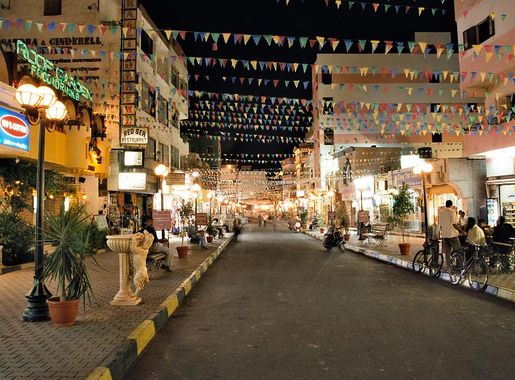


Hurghada: The Red Sea Jewel
Hurghada, located on the shores of the Red Sea in Egypt, is a city that effortlessly blends natural beauty with a rich cultural tapestry. Once a small fishing village, Hurghada has transformed into one of Egypt's most popular tourist destinations, renowned for its stunning coral reefs, crystal-clear waters, and vibrant nightlife. For those seeking underwater adventures, Hurghada offers some of the best diving and snorkeling experiences in the world. The coral reefs are teeming with marine life, making it a paradise for underwater photographers and nature enthusiasts. If you prefer to stay above water, you can take a boat trip to the nearby Giftun Islands, where pristine beaches and turquoise waters await. Beyond the beaches, Hurghada boasts a variety of attractions that cater to all tastes. The city's Marina Boulevard is a bustling area filled with restaurants, cafes, and shops. Here you can enjoy a leisurely stroll, dine on fresh seafood, or shop for local crafts. For a taste of local culture, visit the Hurghada Grand Mosque or the Church of St. Shenouda, both of which offer a glimpse into the city's religious heritage. Families will find plenty to do as well, with numerous water parks and entertainment centers scattered throughout the city. The Hurghada Aquarium is a must-visit, offering an educational and fun experience for all ages. For those who crave adventure, desert safaris and quad biking tours provide an exciting way to explore the surrounding landscapes. Whether you're a thrill-seeker, a history buff, or simply looking to relax by the sea, Hurghada has something to offer everyone. Its welcoming atmosphere and myriad of activities make it a destination that promises unforgettable memories.
Explore More of Egypt
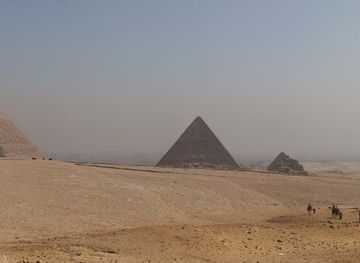
Looking beyond Hurghada? Discover Egypt for broader travel guides, local hot-spots, and regional highlights.
Explore Egypt