The River Nile: Egypt's Lifeline
Experience the majesty of the Nile, the world's longest river and the lifeblood of ancient and modern Egypt. Explore ancient temples and cruises along its waters.
The Nile River, the world's longest, flows through northeastern Africa and has been the lifeblood of Egyptian civilization for millennia. From ancient times to the present day, the Nile has provided water, fertile soil, and a means of transportation, shaping Egypt's culture, agriculture, and history.
A brief summary to River Nile
- MJXP+H98, Luxor, Luxor City, Luxor Governorate, EG
Local tips
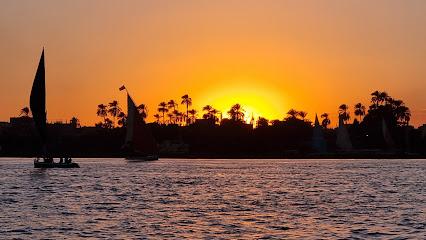
- Take a felucca ride at sunset for a peaceful and picturesque experience on the Nile.
- Bargain with taxi drivers and boat operators before starting your journey to ensure a fair price.
- Stay hydrated, especially during the hot summer months, when exploring sites along the Nile.
- Dress respectfully when visiting religious sites and temples along the Nile.
- Consider a guided tour or Nile cruise to learn about the history and culture of the region from knowledgeable experts.

Getting There
-
Walking
From Luxor Temple, the Nile is easily accessible on foot. Simply walk towards the riverfront from the temple entrance. The Corniche offers a pleasant walking path along the river's edge.
-
Taxi
Taxis are readily available throughout Luxor. A short taxi ride from Luxor city center to a Nile-side location, such as a ferry terminal or a restaurant on the Corniche, typically costs around 50-80 EGP, but negotiate the price beforehand. Careem is also available.
-
Ferry
To cross to the West Bank, take the local ferry from the East Bank ferry terminal near Luxor Temple. The ferry departs every 15 minutes and costs just 1 EGP per person. Private boats are also available for hire, but they are more expensive. Be prepared to bargain.
Discover more about River Nile
Iconic landmarks you can’t miss

River Nile
0.0 km
Experience the majesty of the Nile, the world's longest river and the lifeblood of ancient and modern Egypt. Explore ancient temples and cruises along its waters.
البنك الأهلي المصري فرع الاقصر
0.3 km
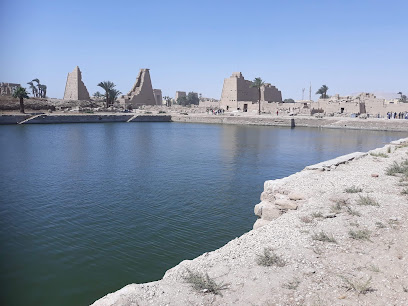
Discover convenience at the Egyptian National Bank in Luxor, the essential stop for travelers needing reliable banking services while exploring ancient Egypt.
Ancient Luxor Quay
0.3 km
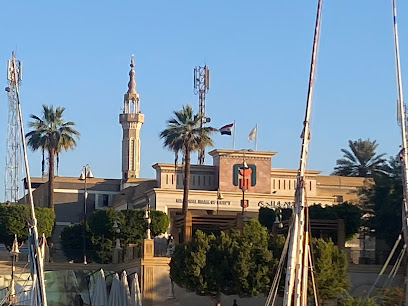
Explore Ancient Luxor Quay: a historical landmark on the Nile, offering stunning views, cultural experiences, and access to Luxor's famous attractions.
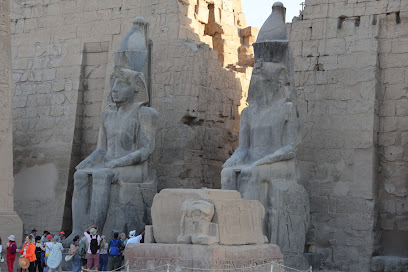
Luxor day tour to East & West Banks
0.4 km
Discover the wonders of Luxor's West Bank: Valley of the Kings, Hatshepsut Temple, and Colossi of Memnon. A journey through ancient Egyptian history.
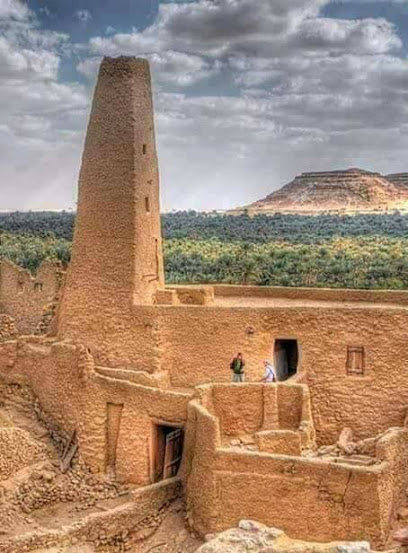
ميدان أبوالحجاج
0.5 km
Experience the vibrant heart of Luxor at Abu al-Haggag Square, where history, culture, and local life intertwine in a captivating Egyptian experience.
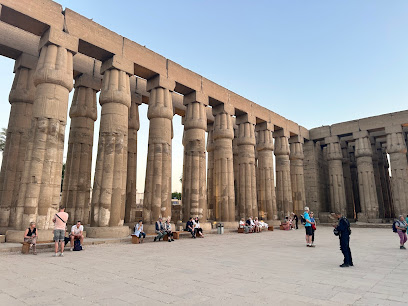
Luxor Nile Ferry - West Bank
0.7 km
Cross the Nile and journey back in time! The Luxor Nile Ferry offers an affordable and scenic gateway to the West Bank's ancient wonders.
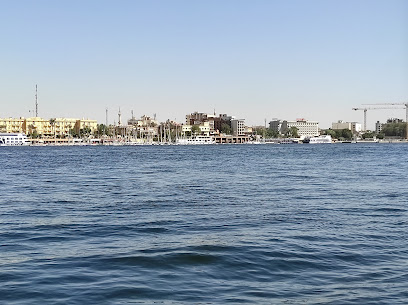
El-Gezira Hotel & Restaurant
0.8 km
Experience tranquility on Luxor's West Bank with Nile views, delicious cuisine, and live music at El-Gezira Hotel & Restaurant.
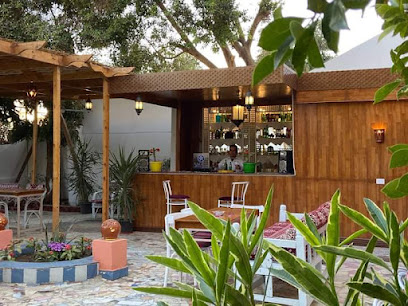
NBE ATM - Sofitel Winter Palace Hotel 1 Luxor - فندق سوفتيل 1 الأقصر
1.0 km
Conveniently located at the Sofitel Winter Palace Hotel, NBE ATM provides 24/7 access to cash for tourists exploring the historical treasures of Luxor.

Alexbank
1.1 km
Experience the convenience of Alexbank in Luxor, your essential stop for financial services amidst the treasures of ancient Egypt.
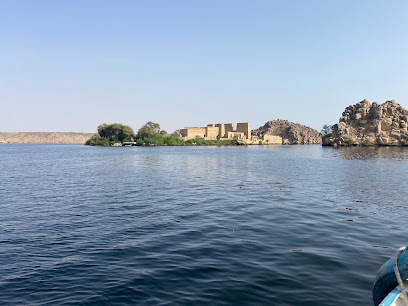
West Bank Private Transport Luxor
1.3 km
Explore Luxor's West Bank in comfort: private car service to ancient wonders, reliable and highly-rated transportation.
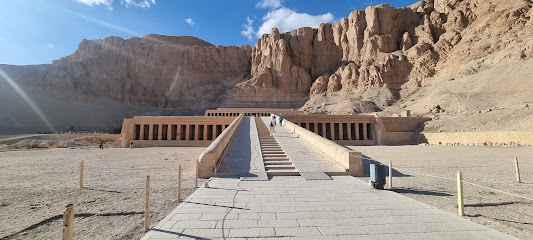
Luxor Tours & Excursions
1.3 km
Explore ancient Thebes: Discover Luxor's temples, tombs, and Nile adventures from a prime East Bank location.
Luxor city - Egypt
1.4 km
Explore Luxor: where ancient pharaohs' legacies meet vibrant modern Egyptian life along the majestic Nile River.
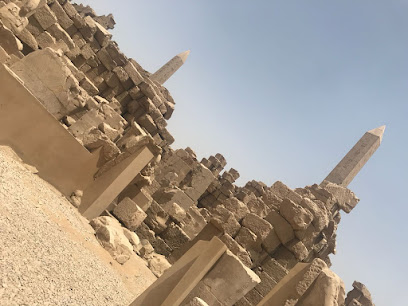
Luxor Egypt
1.5 km
Discover the enchanting city of Luxor, Egypt, where ancient history and vibrant culture come together to create a timeless travel experience.
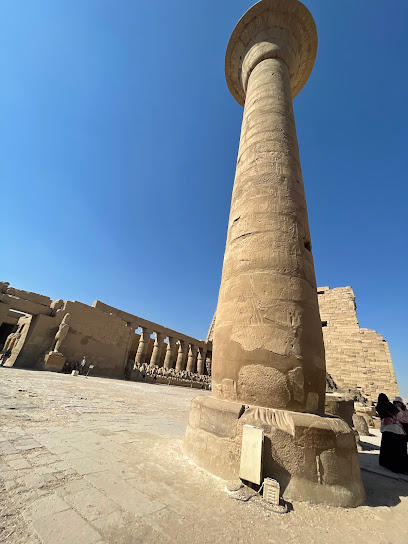
Nile Holiday
2.1 km
Explore Luxor with Nile Holiday Travel Agency, your trusted partner for unforgettable experiences in the land of pharaohs.
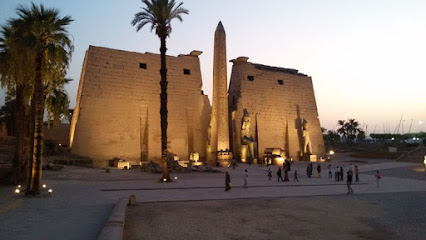
Rovine del tempio di thot
2.7 km
Esplora le antiche Rovine del Tempio di Thot nel complesso del Tempio di Karnak a Luxor, in Egitto, un sito dedicato al dio della saggezza.
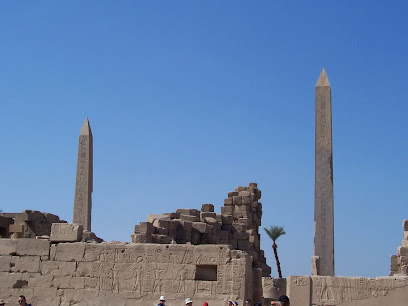
Unmissable attractions to see

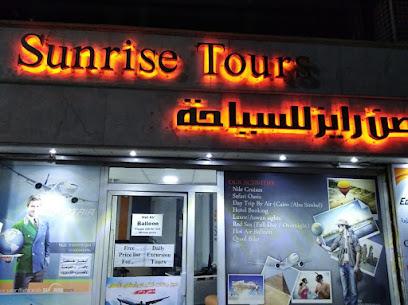
Sunrise Tours
0.2 km
Explore Luxor's ancient wonders with Sunrise Tours, your gateway to Egypt's rich history and unforgettable travel experiences along the Nile.
Sayed felucca Luxor
0.3 km
Experience the enchanting beauty of the Nile River with a traditional felucca boat tour in Luxor, where history and nature intertwine.
Sayed Water Taxi Luxor
0.3 km
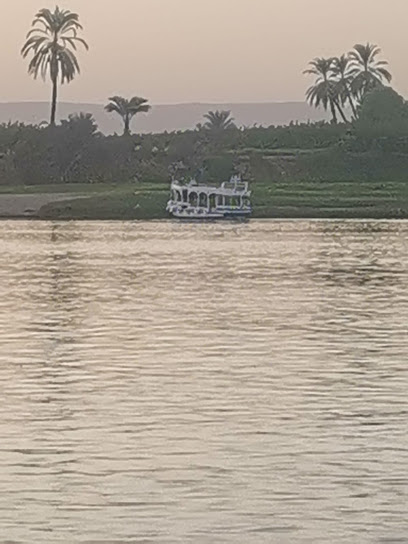
Discover the beauty of Luxor from the Nile with Sayed Water Taxi, a unique and serene way to explore this historic city.
Luxor Sign
0.3 km
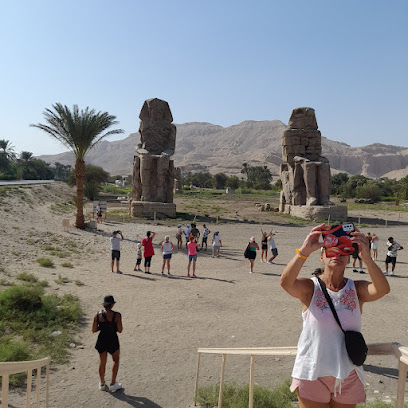
Discover the Luxor Sign, an iconic symbol welcoming you to Egypt's ancient treasures and vibrant culture in Luxor City.
Luxor Temple
0.3 km
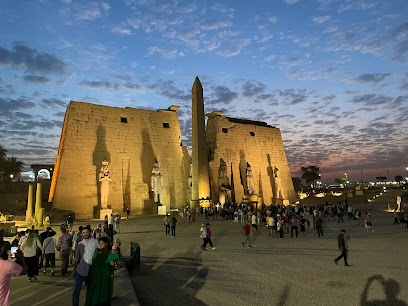
Explore the grandeur of Luxor Temple, a majestic archaeological site in Egypt, rich in history and architectural beauty.
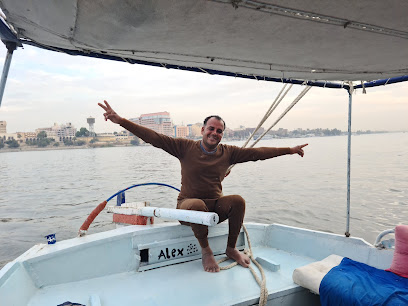
ALEX BOAT
0.4 km
Experience the serene beauty of the Nile aboard the Alex Boat in Luxor, a tranquil escape amidst Egypt's rich history.
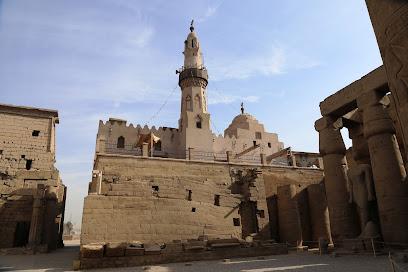
Abou al-Haggag Mosque
0.4 km
Explore the architectural beauty and spiritual significance of Abou al-Haggag Mosque in Luxor, a must-visit for every traveler seeking cultural immersion.
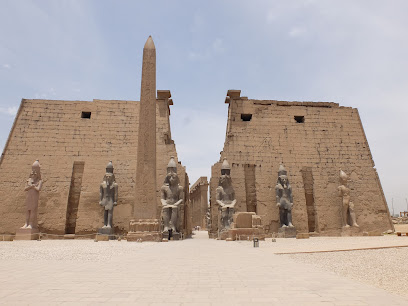
First Pylon Luxor Temple
0.4 km
Discover the grandeur of the First Pylon at Luxor Temple, an iconic historical landmark steeped in the rich history of ancient Egypt.
West Bank Luxor Boat booking Dahabiya Nile cruise
0.4 km
Embark on a luxurious Dahabiya Nile cruise from West Bank Luxor and explore the wonders of ancient Egypt in style and comfort.
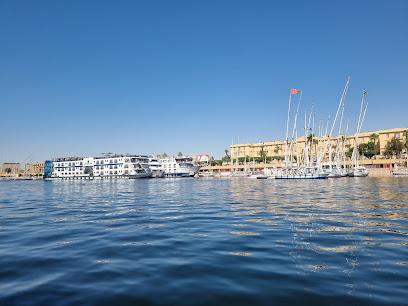
Luxor Temple Square ساحة معبد الاقصر
0.4 km
Discover the enchanting Luxor Temple Square, a mesmerizing blend of ancient history and vibrant culture in the heart of Luxor, Egypt.
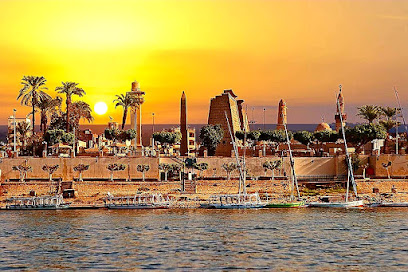
Luxor Travels
0.4 km
Experience Luxor like never before with Luxor Travels, your expert tour partner for ancient Egyptian adventures and breathtaking balloon rides.
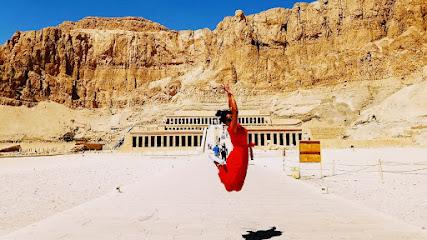
Remaining Luxor Obelisk
0.4 km
Explore the Remaining Luxor Obelisk, a stunning historical landmark that reveals the brilliance of ancient Egyptian architecture and culture.
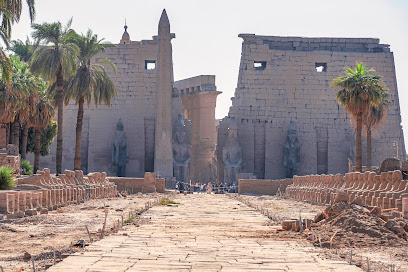
Nile River Dahabiyas
0.4 km
Discover the charm of Egypt with a luxurious Dahabiya cruise on the Nile River, where historical wonders meet tranquil sailing.
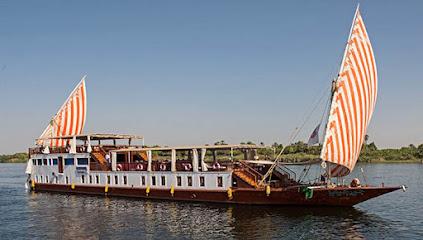
Louxor
0.5 km
Explore Luxor, the world's greatest open-air museum, featuring ancient temples, tombs, and breathtaking Nile views that unveil Egypt's rich history.
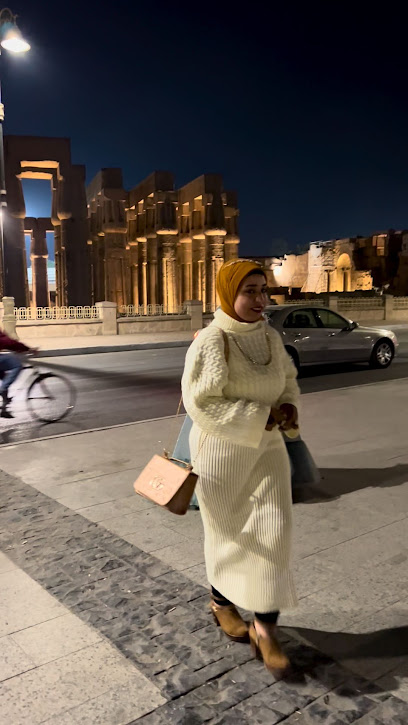
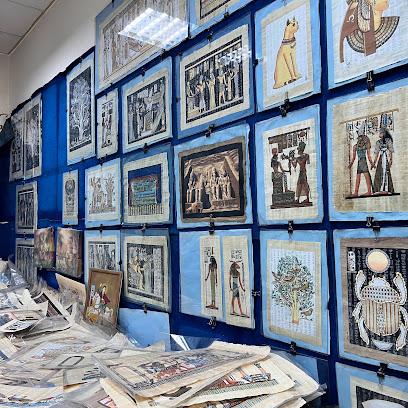
Lotus Papyrus Luxor
0.5 km
Explore the enchanting Lotus Papyrus Luxor, where ancient artistry meets modern appreciation in the heart of Luxor City.
Essential places to dine

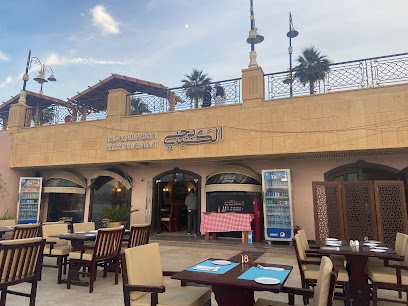
Restaurant El-Kababgy Luxor
0.2 km
Experience authentic Egyptian flavors at Restaurant El-Kababgy Luxor – where tradition meets taste along the beautiful Nile.
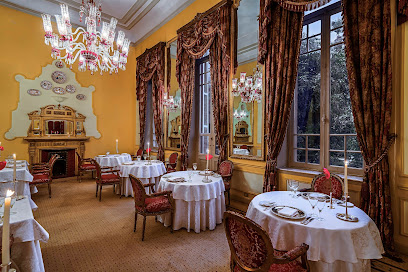
1886 Restaurant
0.3 km
Indulge in exquisite cuisine with stunning Nile views at 1886 Restaurant in Luxor - where fine dining meets cultural elegance.
مطعم النخيل داخل فندق سوفيتيل وينتر بالاس
0.3 km
Experience exquisite fine dining at مطعم النخيل inside Sofitel Winter Palace, where luxury meets authentic Egyptian flavors.
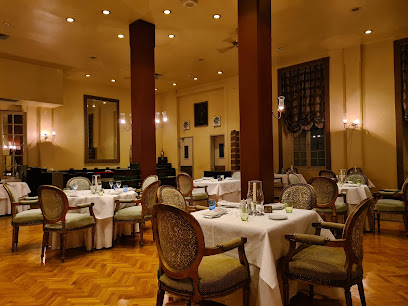
LA CORNICHE RESTAURANT
0.3 km
Experience exquisite Western cuisine at La Corniche Restaurant in Luxor, where breathtaking Nile views meet unforgettable flavors.
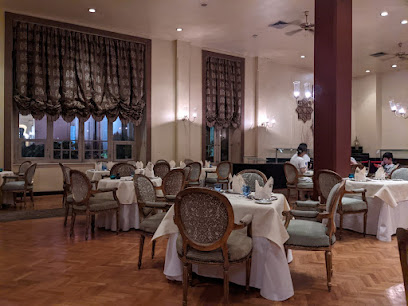
Kings Gate Cafe
0.4 km
Experience culinary excellence at Kings Gate Cafe with breathtaking views along the Nile River in Luxor.
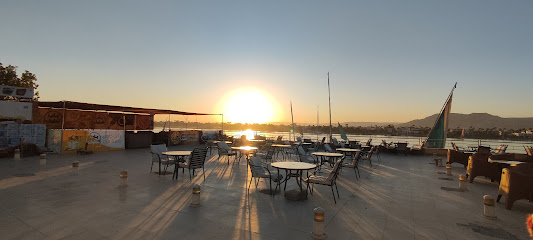
Freedom
0.4 km
Experience authentic Egyptian flavors at Freedom in Luxor—a must-visit destination for meat lovers seeking culinary delight.
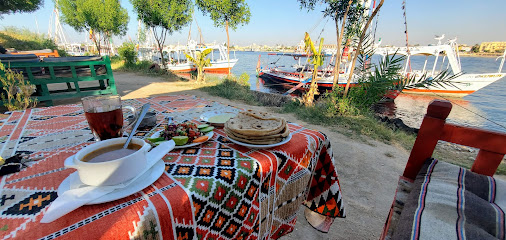
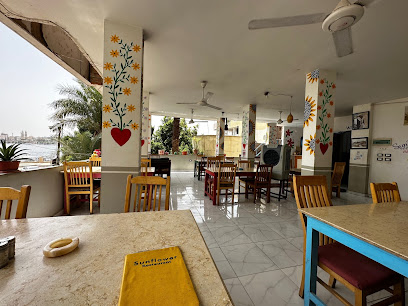
مطعم دوار الشمس Sunflower Restaurant
0.4 km
Discover the taste of Egypt at Sunflower Restaurant – where authentic flavors meet affordability in Luxor's Al Bairat.
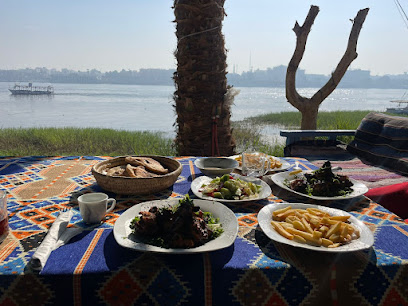
Nile Rose Cafe & Restaurant
0.4 km
Experience authentic Egyptian cuisine at Nile Rose Cafe & Restaurant while enjoying stunning views of the Nile River in Luxor.
Aboudi Coffee Break
0.4 km
Experience authentic Egyptian flavors at Aboudi Coffee Break in Luxor—where great food meets warm hospitality.
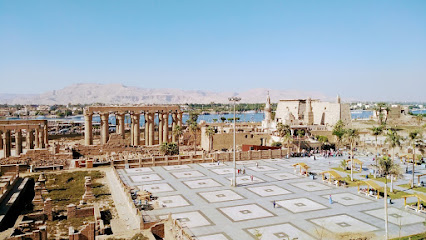
The Raisin
0.4 km
Experience authentic Middle Eastern flavors at The Raisin in Luxor - a culinary gem where tradition meets taste.
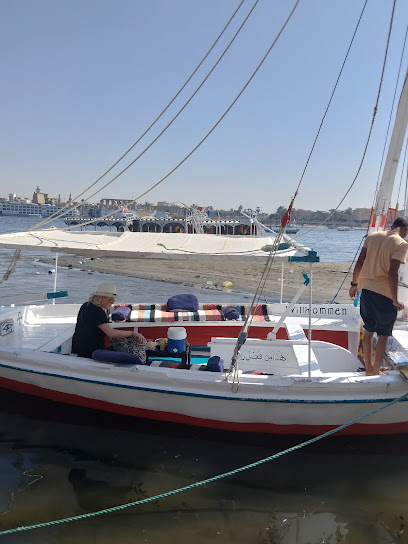
Cup Coffee Sunrise Restaurant
0.4 km
Experience authentic Egyptian flavors at Cup Coffee Sunrise Restaurant in Luxor, where every meal comes with stunning views and warm hospitality.
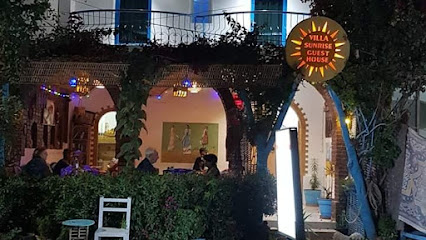
Nile View Restaurant
0.4 km
Experience authentic Egyptian barbecue with stunning Nile views at Nile View Restaurant in Luxor.
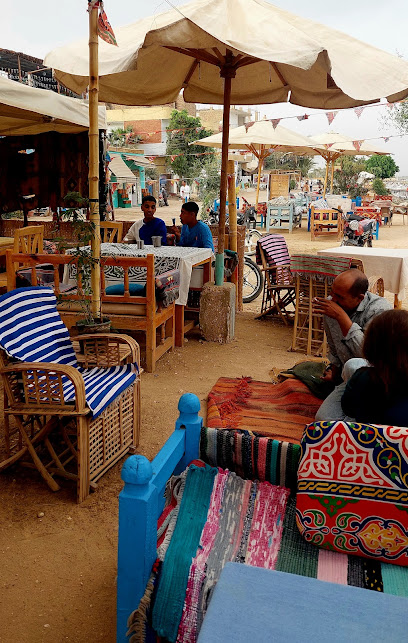
مطعم توت عنخ امون Tout Ankh Amoun Restaurant
0.5 km
Experience authentic Egyptian cuisine with stunning Nile views at Tout Ankh Amoun Restaurant in Luxor.
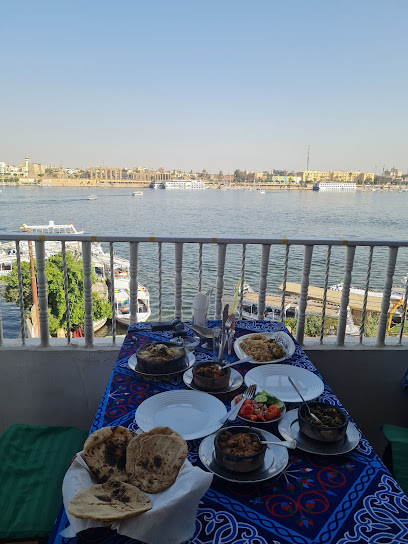
Romance Restaurant
0.5 km
Experience exquisite dining at Romance Restaurant in Luxor - where local flavors meet romantic ambiance for an unforgettable meal.
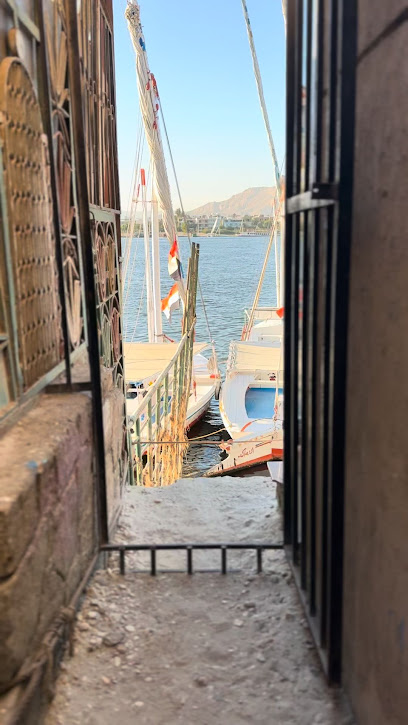
Nubian House
0.5 km
Discover authentic Nubian cuisine at Nubian House in Luxor - where tradition meets taste in an enchanting setting.
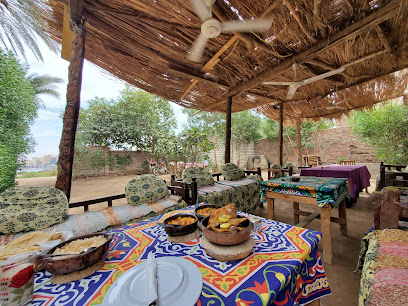
Markets, malls and hidden boutiques

Gaddis & Co.
0.2 km
Discover unique souvenirs and local craftsmanship at Gaddis & Co., the charming gift shop along the Nile in Luxor.
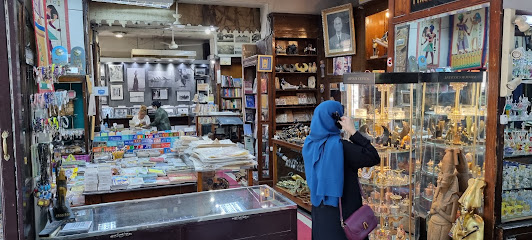
Nobles Art Gallery
0.3 km
Explore a treasure trove of exquisite antiques and artworks at Nobles Art Gallery, the heart of Luxor's rich cultural heritage.
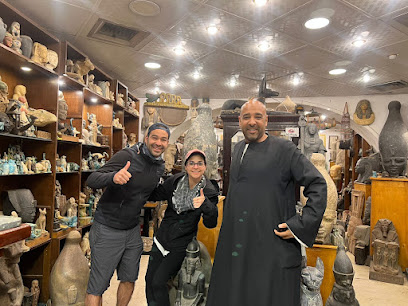
Huu Natural Shop
0.5 km
Explore Huu Natural Shop in Luxor for an authentic taste of Egyptian natural oils and local products, perfect for health enthusiasts and souvenir seekers.
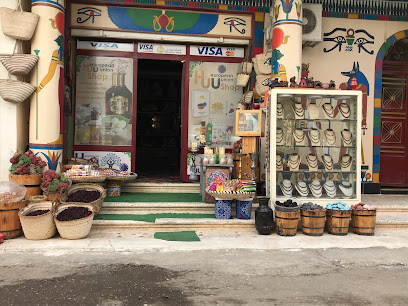
Mark Gewellary
0.5 km
Explore the exquisite craftsmanship of Mark Gewellary, a premier silversmith in Luxor, where tradition meets contemporary elegance in silver artistry.
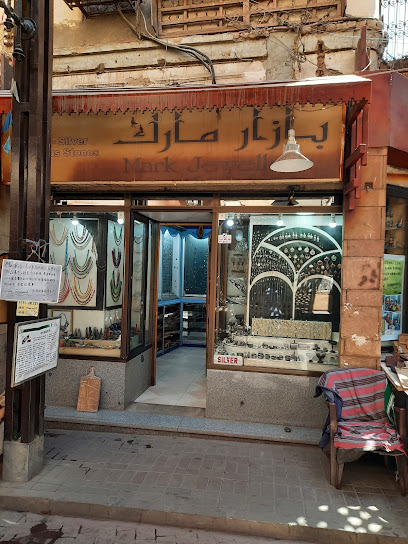
Fair Trade Center
0.5 km
Immerse yourself in Luxor's vibrant culture at the Fair Trade Center, where unique handicrafts and ethical shopping meet.
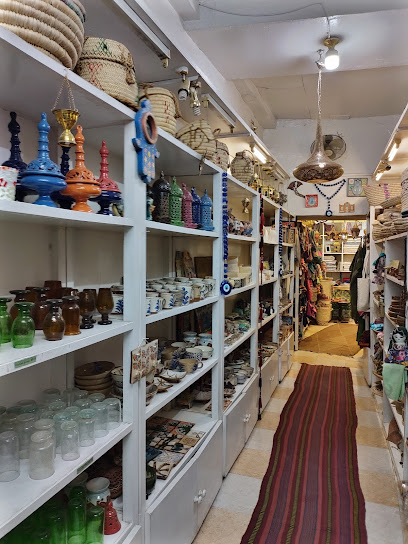
Sam House Luxor gold and silver smith
0.5 km
Explore the exquisite craftsmanship of gold and silver jewelry at Sam House Luxor, where tradition meets elegance in every piece.
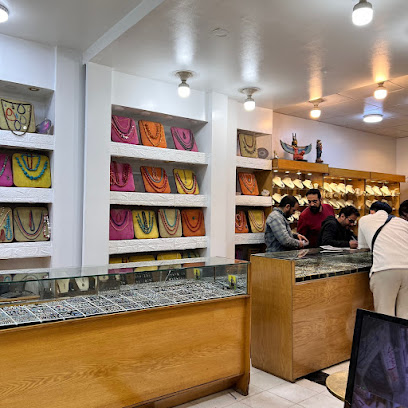
Ata Bazar
0.5 km
Explore Ata Bazar in Luxor for unique antiques, handcrafted jewelry, and local art that embody the rich culture of Egypt.
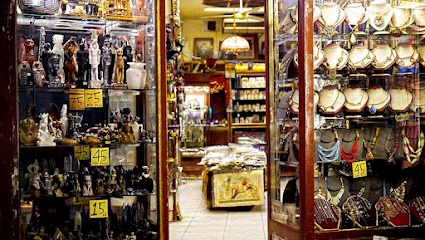
Habiba Gallery
0.6 km
Explore the vibrant handicrafts of Luxor at Habiba Gallery, where tradition meets artistry in every exquisite piece.
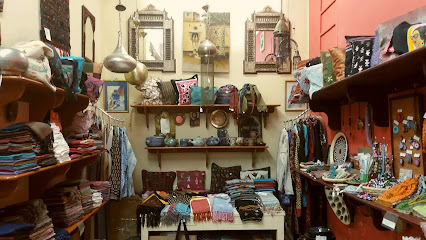
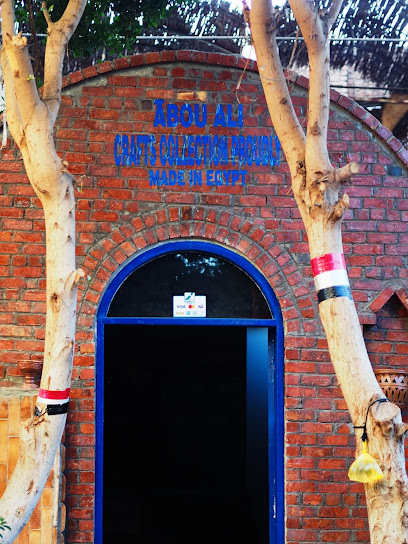
Abou Ali Crafts Collection Proudly Made In Egypt
0.6 km
Explore authentic Egyptian artistry at Abou Ali Crafts Collection in Luxor, offering unique handmade treasures that embody local culture and craftsmanship.
Tienda de recuerdos
0.6 km
Discover authentic Egyptian souvenirs at Tienda de Recuerdos in Luxor, a vibrant store filled with handcrafted treasures that embody the spirit of Egypt.
Pr-Ba Concept Store (Luxor)
0.6 km
Explore the Pr-Ba Concept Store in Luxor for unique handicrafts and souvenirs that capture the essence of Egyptian culture.
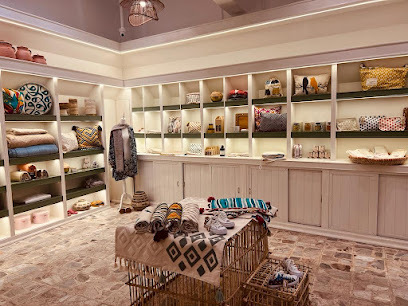
Lotus Bazar
0.6 km
Explore Lotus Bazar in Luxor for unique fashion accessories, exquisite jewelry, and enchanting perfumes that embody the essence of Egyptian craftsmanship.
SHOP SANDOUK . HandCrafts/FairTrade
0.6 km
Discover the essence of Egyptian craftsmanship at Shop Sandouk, a premier destination for authentic handicrafts and fair-trade souvenirs in Luxor.
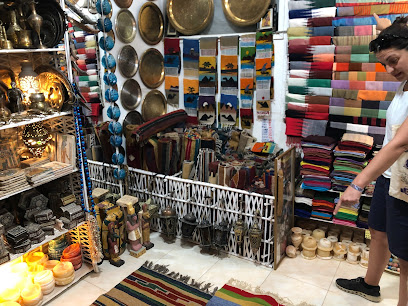
El Fashny Shop - متجر الفشني
0.7 km
Discover unique Egyptian gifts and souvenirs at El Fashny Shop in Luxor, where tradition meets artistry in a charming shopping experience.
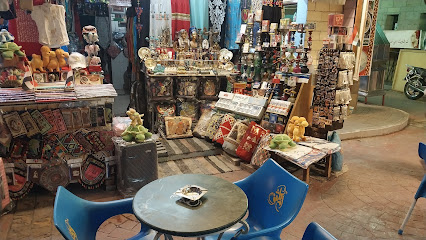
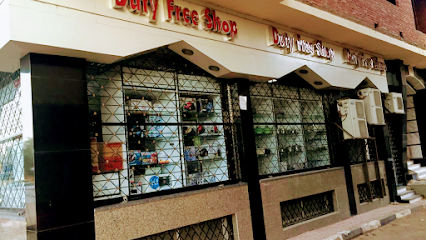
مصر للاسواق الحرة ( الاقصر )
0.8 km
Experience the essence of Luxor shopping at مصر للأسواق الحرة, your destination for unique home goods and exquisite Egyptian perfumes.
Essential bars & hidden hideouts

Royal Bar
0.3 km
Experience the vibrant ambiance of the Royal Bar in Luxor, where exquisite drinks meet stunning Nile views for an unforgettable evening.
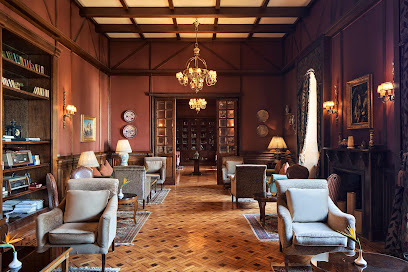
Snack Time
0.4 km
Experience the vibrant flavors of Egypt at Snack Time, your go-to spot for authentic cuisine and delicious pizza delivery in Luxor.
حسني لطيف سلامة
0.6 km
Experience the vibrant nightlife of Luxor at حسني لطيف سلامة, where local charm meets refreshing drinks in a lively atmosphere.
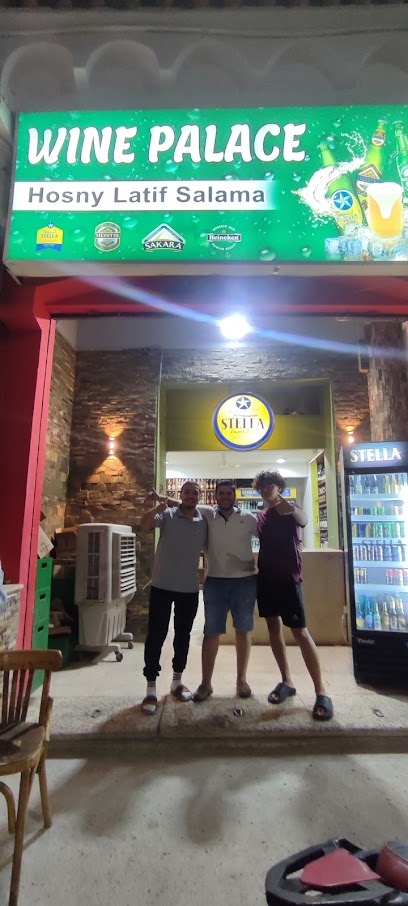
Wine palace
0.6 km
Discover the enchanting Wine Palace in Luxor, where local flavors and a vibrant atmosphere meet for a memorable evening.
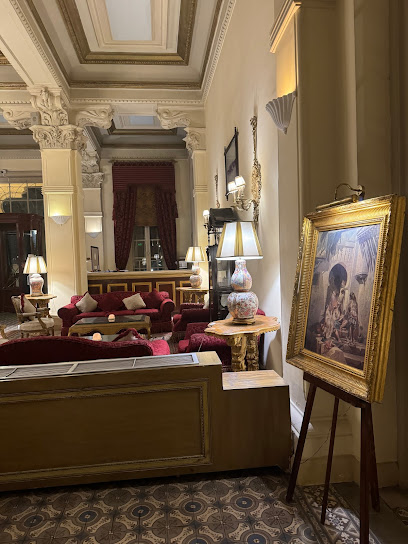
انتيكةAntika
0.7 km
Discover Antika, Luxor's vibrant cocktail bar, where exquisite drinks and lively ambiance create unforgettable moments.
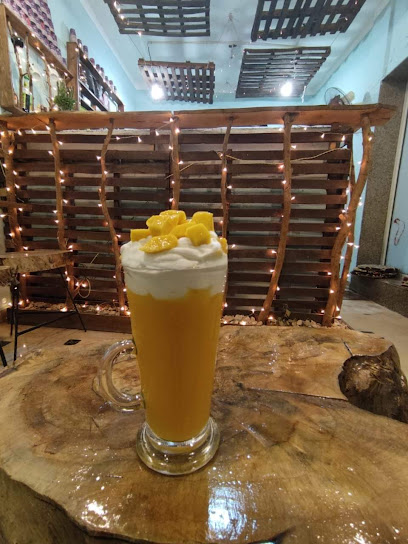
G.old
0.7 km
Experience vibrant nightlife at G.old, a premier bar in Luxor, Egypt, offering an extensive drink selection and a lively atmosphere.
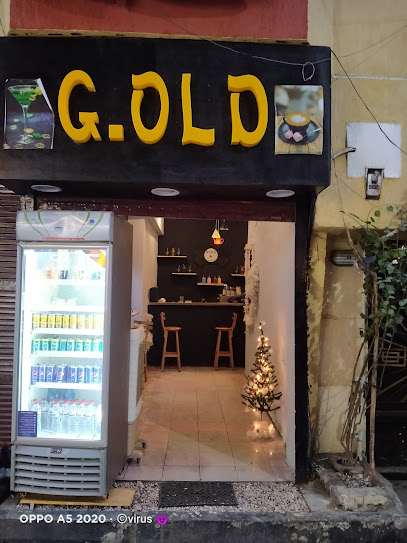
مصطفى تاكس
1.3 km
Discover the vibrant nightlife at مصطفى تاكس, a lively bar in Luxor offering refreshing drinks and a welcoming atmosphere for travelers.
The King's Head Pub
1.3 km
Experience the vibrant local culture at The King's Head Pub, the perfect spot for relaxation and traditional Egyptian hospitality in Luxor.
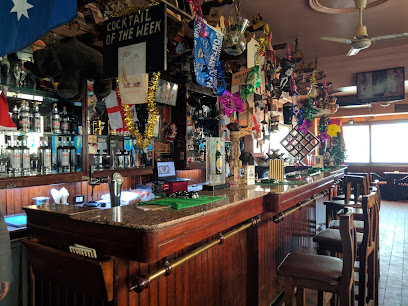
ميرفيس الأيرلندية بار Murphys Irish Bar
1.3 km
Discover the heart of Irish culture at Murphys Irish Bar in Luxor, where tradition meets vibrant entertainment and delightful cuisine.
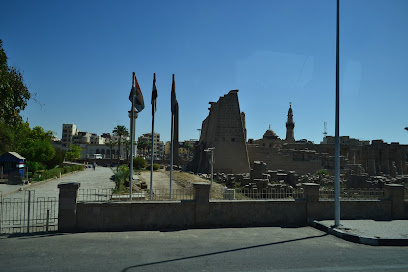
Nile Bar & Lounge
1.4 km
Experience the elegance of Nile Bar & Lounge in Luxor, where exquisite cocktails meet breathtaking views of the Nile River.
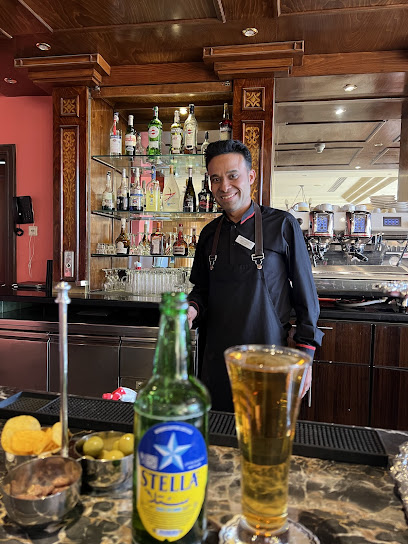
Bar & Byke Rent, West Luxor
1.5 km
Discover the perfect blend of relaxation and adventure at Bar & Byke Rent in Luxor, featuring refreshing drinks and bike rentals for exploring ancient wonders.
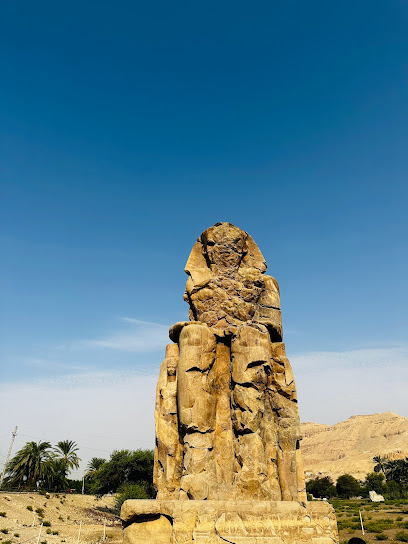
Maxime's El Saltana café
1.7 km
Discover Maxime's El Saltana Café in Luxor – where tradition meets flavor in a cozy ambiance perfect for every traveler.
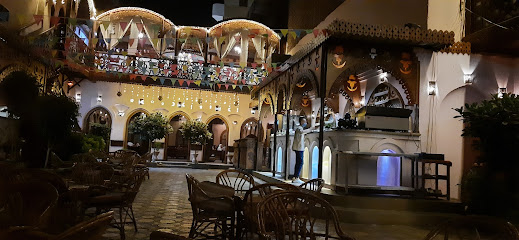
Sukkareya Lobby Bar
2.0 km
Discover the vibrant atmosphere of Sukkareya Lobby Bar in Luxor, where local flavors meet exceptional service for a memorable experience.
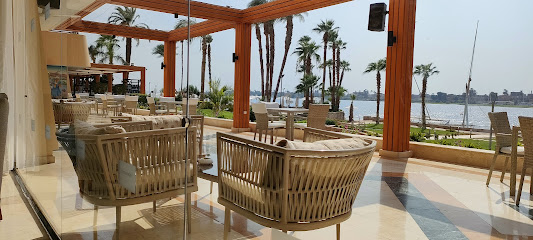
Karnak Restaurant
2.0 km
Discover the flavors of Egypt at Karnak Restaurant in Luxor, where authentic cuisine meets a welcoming atmosphere for an unforgettable dining experience.
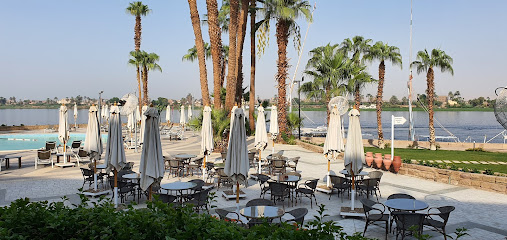
ابو الكعجي للمشروبات الروحيه
2.5 km
Discover the vibrant nightlife at Abu El-Kaaji, a lively bar in Luxor offering an exquisite selection of spirits and a welcoming atmosphere.
Nightclubs & after hour spots

Luxor Rowing Club
0.3 km
Discover the serene beauty of the Nile at Luxor Rowing Club, where relaxation meets adventure in a stunning riverside setting.
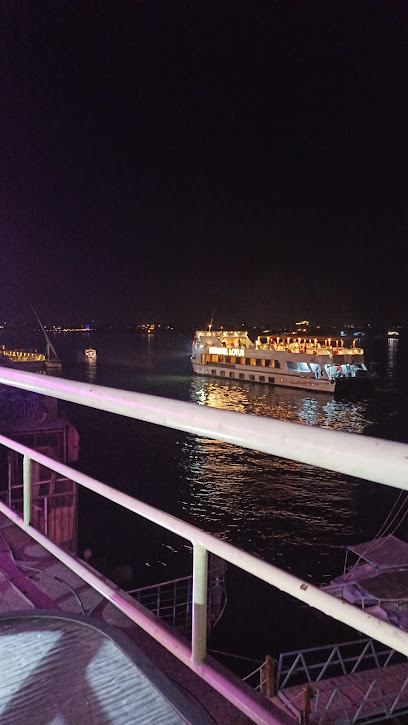
Blue Sky Restaurant
0.5 km
Experience authentic Japanese cuisine at Blue Sky Restaurant in Luxor, where fresh ingredients and a serene ambiance await every visitor.
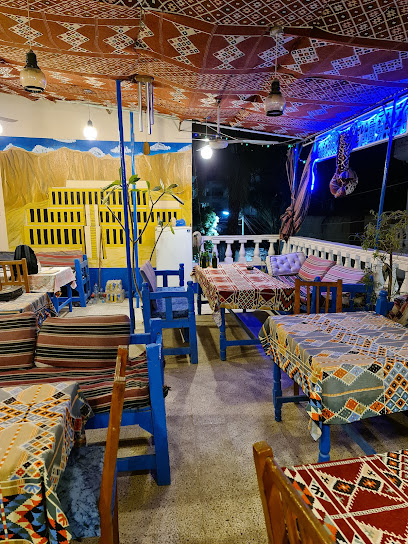
Al Fayrouz Hotel
0.8 km
Discover the charm of Luxor at Al Fayrouz Hotel, where comfort, culture, and cuisine unite in an unforgettable experience.
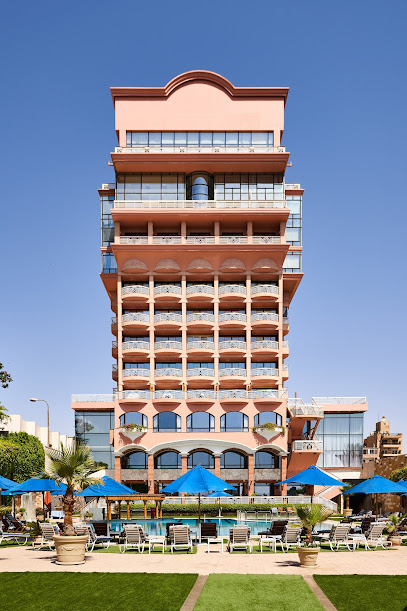
Sonesta St. George Hotel
1.2 km
Experience luxury and breathtaking views at the Sonesta St. George Hotel, a premier resort by the Nile River in Luxor, Egypt.
كباريه
1.3 km
Discover the vibrant nightlife at كباريه in Luxor, where music, dance, and fun come together for an unforgettable experience.
ملاهي سيدي المنصور
1.7 km
Discover Luxor's nightlife at ملاهي سيدي المنصور, a vibrant club offering an unforgettable evening of music, dance, and local culture.

Hilton Luxor Resort & Spa
4.1 km
Discover the luxurious Hilton Luxor Resort & Spa, where opulence meets the breathtaking beauty of the Nile River, perfect for a relaxing getaway.
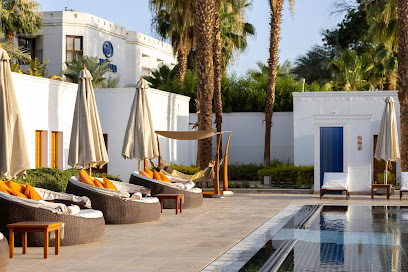
VIP CLUB LUXOR
5.0 km
Experience the vibrant atmosphere of VIP Club Luxor, a lively cafe ideal for relaxation and socializing in the heart of Luxor.