

Free Central Valley Travel Guide & Mobile App
Explore Central Valley with free travel guides. Discover regional history, expert tips, proposed trips, and audio guides on web or mobile app.


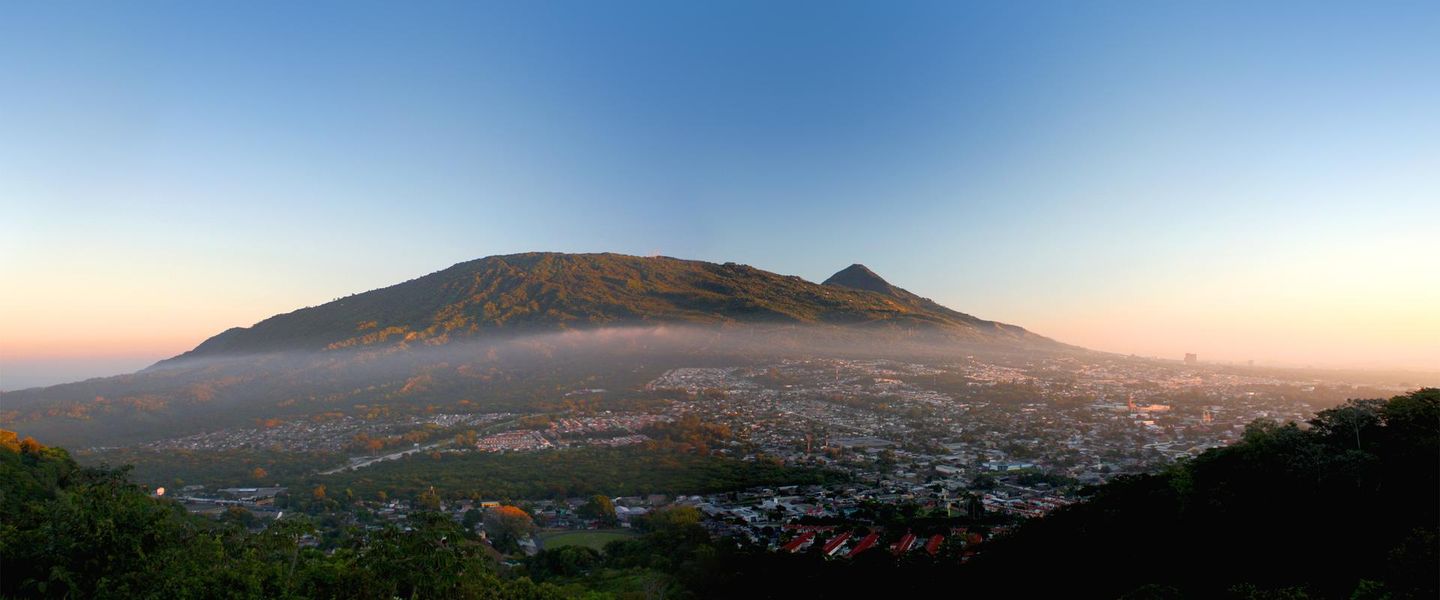


Explore El Salvador’s Central Valley for San Salvador’s museums, Santa Tecla’s heritage, volcanic landscapes, coffee culture and lively dining.
Read more about Central Valley
When is the best time to visit Central Valley?
Best: December–February · 26–27°C| Month | High (°C) | Rainfall (mm) |
|---|---|---|
| January (best) | 26 | 5 |
| February (best) | 27 | 10 |
| March | 28 | 15 |
| April | 30 | 20 |
| May | 32 | 25 |
| June | 32 | 30 |
| July | 32 | 30 |
| August | 31 | 25 |
| September | 30 | 20 |
| October | 30 | 15 |
| November | 28 | 10 |
| December (best) | 27 | 5 |
Getting to and around Central Valley
How to get there
Transportation
Top city travel guides in Central Valley
The cities of Central Valley, and the easiest places to base yourself.

Swipe for more cities
Best attractions in Central Valley
The Central Valley’s attractions range from national museums and historic churches to volcanic landscapes and busy urban cultural venues. In central San Salvador, the National Palace, Metropolitan Cathedral, National Theatre and National Museum of Anthropology David J. Guzmán provide different perspectives on the country’s political, religious, artistic and archaeological heritage. The Church of El Rosario is particularly notable for its modernist interior and use of coloured glass. El Boquerón, on San Salvador Volcano, offers crater viewpoints, short walks and cooler mountain surroundings, while the roads towards the highlands bring cafés and viewpoints overlooking the metropolitan basin. Santa Tecla rewards slower exploration of its central streets, churches, parks and cultural spaces, and Antiguo Cuscatlán combines municipal traditions with contemporary dining and commercial areas. Lake Ilopango, on the eastern edge of the broader central travel area, is a major natural setting for boat trips, waterside outings and volcanic geology. Visitors interested in recent history should also make time for museums, memorial spaces and civic institutions rather than treating the valley solely as a gateway to the coast.
-
Tourist attraction
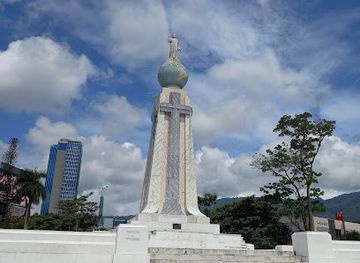
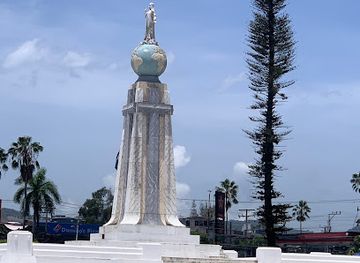
Monument to the Divine Savior of the World
Discover the Monument to the Divine Savior of the World in San Salvador, a historic landmark that embodies the spirit and resilience of El Salvador.
-
Tourist attraction
Morazan Plaza
Discover the vibrant Morazan Plaza in San Salvador, a cultural oasis filled with history, greenery, and local festivities that embody the spirit of El Salvador.
-
Tourist attraction
Parque Nacional Cerro Verde
Discover breathtaking views and rich biodiversity at Parque Nacional Cerro Verde, a premier destination for nature lovers in El Salvador.
-
 Tourist attraction
Parque Nacional El Boquerón
Explore the breathtaking beauty and cultural richness of Parque Nacional El Boquerón, a top tourist attraction in El Salvador's stunning landscape.
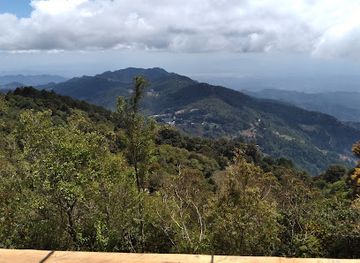
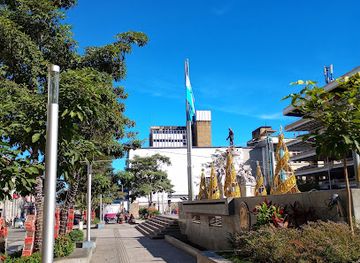
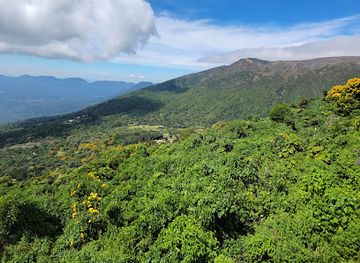
Best landmarks in Central Valley
San Salvador’s historic centre contains the National Palace, a prominent civic building whose architecture reflects the capital’s republican period, and the Metropolitan Cathedral, an important religious and national site. Nearby, the Church of El Rosario stands apart for its modernist design, arched structure and luminous stained glass rather than conventional colonial ornament. The National Theatre, with its formal façade and long cultural association, marks the city’s nineteenth- and early twentieth-century ambitions as a national capital. Above the urban basin, El Boquerón is the Central Valley’s defining natural landmark: the crater of San Salvador Volcano forms a powerful geographical presence and explains much of the region’s terrain and soils. Santa Tecla’s central park, churches and historic civic streets express the town’s development as a nineteenth-century settlement linked to San Salvador’s earthquake history. At the eastern margin of the wider central area, Lake Ilopango occupies a vast volcanic caldera, a landmark whose steep geological origins remain visible in the lake’s scale and enclosing highlands.
-
Historical landmark
Monument to the Divine Savior of the World
An iconic landmark in El Salvador's capital, symbolizing faith, resilience, and national identity on the Plaza El Salvador del Mundo.
-
Park
Plaza Salvador del Mundo
Discover El Salvador's heart at Plaza Salvador del Mundo: a vibrant hub of culture, history, and community in the capital city of San Salvador.
-
City park
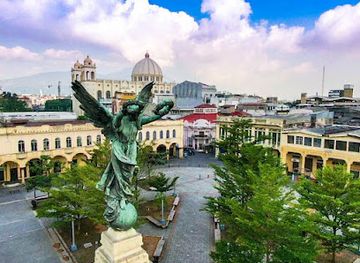
Liberty Plaza
Discover Liberty Plaza in San Salvador: A historic park offering a tranquil escape, cultural events, and a glimpse into El Salvador's rich heritage.
-
National park
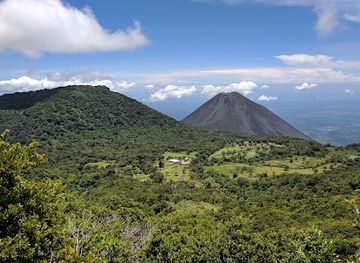
Parque Nacional Cerro Verde
Discover El Salvador's volcanic heart: Hike amidst stunning scenery, explore lush cloud forests, and witness breathtaking views at Parque Nacional Cerro Verde.
Explore Central Valley on the map
Plan your trip on one map. See where the top cities, national parks and sights are, and book hotels and experiences in a few clicks.
Best hotels in Central Valley
Best restaurants in Central Valley
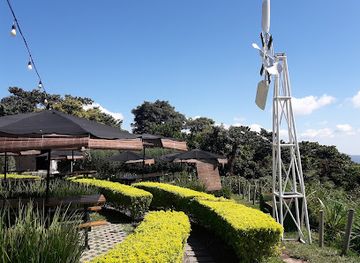
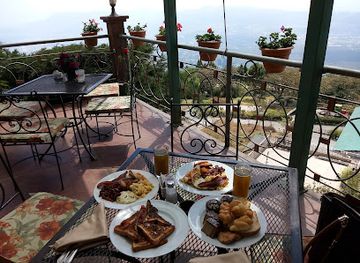
Dining in the Central Valley reflects both Salvadoran home cooking and the cosmopolitan habits of the capital. Pupusas remain the essential regional meal, commonly filled with cheese, beans, pork or combinations of these and served with curtido and tomato salsa. Breakfast cafés and family restaurants offer eggs, beans, plantain, tortillas and cream, while lunch menus may include tamales, soups, grilled meats, yuca, rice and seafood brought inland from the Pacific coast. San Salvador, Santa Tecla and Antiguo Cuscatlán have the widest choice of international food, contemporary Salvadoran cooking, bakeries, coffee shops and restaurants aimed at business and evening diners. Highland cafés often highlight coffee from El Salvador’s growing districts, although the beans may come from outside the immediate valley. Markets and modest comedores are useful for tasting everyday dishes, whereas polished restaurants provide a broader setting for regional ingredients and modern interpretations. Prices and service styles vary considerably, so checking whether tax or service is included is sensible.
-
Restaurant
Picnic Steak House
Experience culinary excellence at Picnic Steak House in Santa Tecla - where every steak is grilled to perfection.
-
Restaurant
Linda Vista Garden
Experience culinary delights amidst breathtaking gardens at Linda Vista Garden in Santa Tecla – your perfect retreat for relaxation and celebration.
-
Restaurant
Las Brumas Grill & Cafe
Experience the rich flavors of El Salvador at Las Brumas Grill & Cafe—where local cuisine meets international flair in a welcoming setting.
-
Grill
Tucson Steak House
Experience the ultimate grilled delights at Tucson Steak House in Antiguo Cuscatlán - where every bite is a celebration of flavor.

Best bars in Central Valley
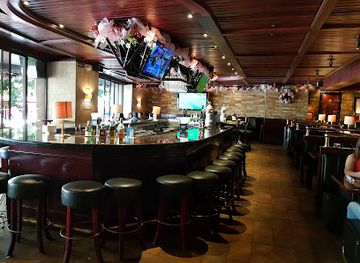
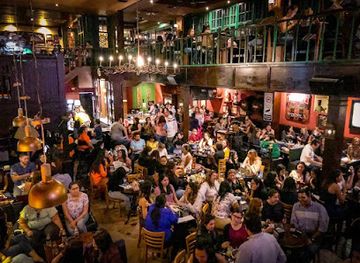
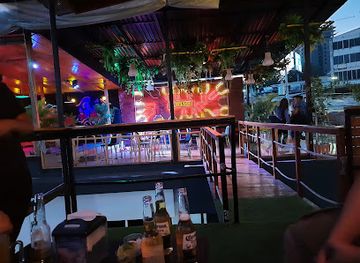
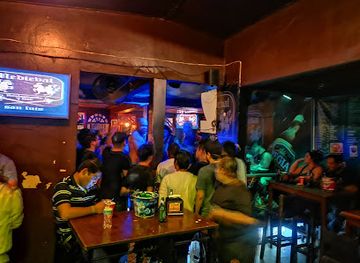
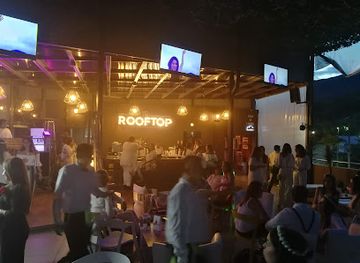
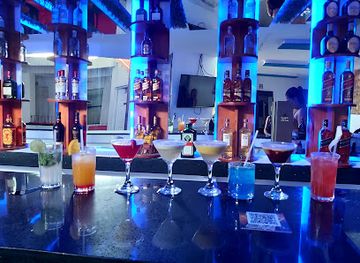
Evening life is concentrated in San Salvador, Santa Tecla and Antiguo Cuscatlán rather than spread evenly across the Central Valley. Historic and neighbourhood pubs, beer halls, wine bars, cocktail venues and restaurants provide the main choice, with live music and cultural programming appearing in selected city venues. The Zona Rosa and nearby business districts are known for a concentration of restaurants and evening establishments, although the exact mix changes over time and visitors should check current arrangements locally. Santa Tecla has a more compact café and restaurant scene, while Antiguo Cuscatlán combines dining with bars around commercial and residential areas. Nightclubs exist, but the region’s evening culture is not solely club-focused; many residents socialise through food, conversation, music and late cafés. In smaller highland communities, evenings are quieter and usually centre on local restaurants or family-run establishments, with transport arrangements worth planning before leaving the city.
-
Bar
Republik Bar
Discover the lively atmosphere of Republik Bar in San Salvador, where Irish pub charm meets unforgettable live music and entertainment.
-
Bar
Cervecería La 20 Zona Rosa
Discover the vibrant nightlife at Cervecería La 20 Zona Rosa, where local flavors and a lively atmosphere await every visitor.
-
Grill
Bar Medieval
Dive into the lively ambiance of Bar Medieval, where grilled delights and hard rock music converge in the heart of San Salvador.
-
Bar
Anchor Bar & Restaurant
Experience the vibrant nightlife and delicious local cuisine at Anchor Bar & Restaurant in San Salvador, a must-visit destination for tourists.

Best nightclubs in Central Valley
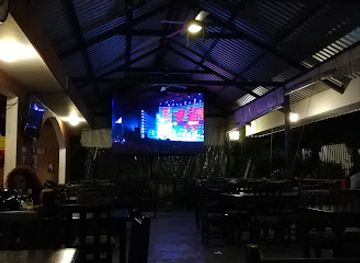
Evening life is concentrated in San Salvador, Santa Tecla and Antiguo Cuscatlán rather than spread evenly across the Central Valley. Historic and neighbourhood pubs, beer halls, wine bars, cocktail venues and restaurants provide the main choice, with live music and cultural programming appearing in selected city venues. The Zona Rosa and nearby business districts are known for a concentration of restaurants and evening establishments, although the exact mix changes over time and visitors should check current arrangements locally. Santa Tecla has a more compact café and restaurant scene, while Antiguo Cuscatlán combines dining with bars around commercial and residential areas. Nightclubs exist, but the region’s evening culture is not solely club-focused; many residents socialise through food, conversation, music and late cafés. In smaller highland communities, evenings are quieter and usually centre on local restaurants or family-run establishments, with transport arrangements worth planning before leaving the city.
-
Night club
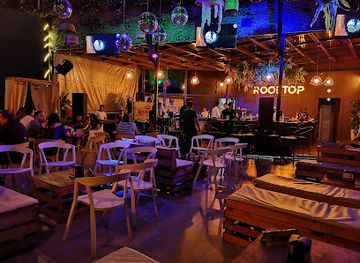
The Rooftop
Discover the vibrant nightlife at The Rooftop in San Salvador, where stunning views and electrifying music create unforgettable experiences.
-
Night club
Circus Cabaret
Circus Cabaret: A vibrant night club in San Salvador offering unforgettable performances and an electrifying nightlife experience.
-
Night club
Riosur Nightlife Plaza
Discover the vibrant nightlife at Riosur Nightlife Plaza in San Salvador, where music, dance, and unforgettable moments await.
-
Night club
Secrets Club Bar
Experience the vibrant nightlife of San Salvador at Secrets Club Bar, where music, dancing, and local culture come together in a lively atmosphere.
Best shops in Central Valley
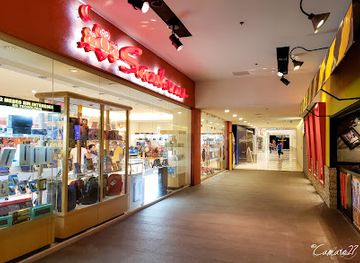
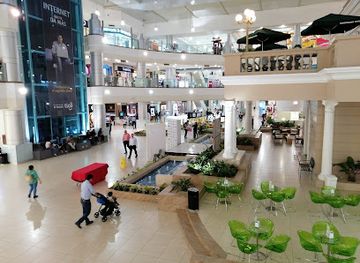
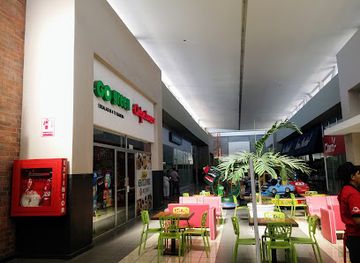
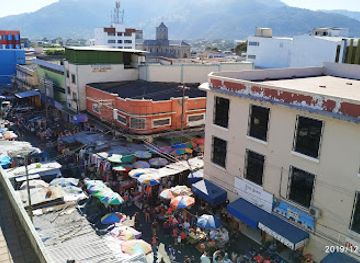
Shopping in the Central Valley ranges from traditional markets and independent high-street businesses to modern malls and specialised districts in San Salvador, Santa Tecla and Antiguo Cuscatlán. Markets are practical places to see everyday commerce and buy fruit, snacks, household goods and modest souvenirs, while established shopping centres provide international brands, cafés, cinemas and reliable card facilities. Visitors looking for locally connected purchases can seek Salvadoran coffee, chocolate, sweets, woven goods, ceramics, small artworks and handicrafts, checking provenance when an item is presented as Indigenous or regionally made. Santa Tecla’s central streets offer a more local, walkable retail atmosphere than the capital’s large commercial complexes, and the metropolitan area has galleries and design shops alongside conventional retailers. Small notes of US currency are useful in markets, although major shops generally accept cards. Retail opening arrangements vary, particularly around public holidays, so shopping is best combined with daytime sightseeing rather than left entirely to the final evening.
-
Shopping mall
Multiplaza
Experience the best of shopping and dining at Multiplaza in San Salvador, where luxury meets local charm.
-
Shopping mall
Galerias Mall
Explore Galerias Mall in San Salvador for a unique blend of shopping, dining, and entertainment that captures the essence of local culture.
-
Shopping mall
El Paseo Mall
Explore El Paseo Mall in San Salvador for a unique shopping experience, local cuisine, and vibrant atmosphere reflecting Salvadoran culture.
-
Shopping mall
Plaza Centro
Discover shopping, dining, and entertainment at Plaza Centro, the vibrant hub of San Salvador's retail scene.
Get your free copy of our complete guide to Central Valley, delivered straight to you.
Everything on this page, from attractions and restaurants to essentials and local phrases, in one PDF you can read offline, print or share.
Already have an account? Sign in
Your Central Valley guide is ready.
We'll send it to · Not you? Sign out

Getting your guide ready…
We are putting together a fresh copy of the Central Valley guide. This can take up to a minute.
This can take a few moments. If your browser asks, choose Allow so the download can start. You'll find the guide in your Downloads folder.
Nothing happened? Download it again
Sorry, the guide is taking longer than usual. Please try again in a minute, or get it by email instead.
Central Valley essentials
Currency and Payment
Safety
Emergency Situations
Do's and Don'ts
Local Tips
From Eve
Local phrases worth knowing
You don't need to get them perfect. A few words go a long way, and locals appreciate the effort.
Basics
| English | Local | Say it |
|---|---|---|
| Hello | Hola | [OH-lah] |
| Goodbye | Adiós | [ah-DYOS] |
| Yes | Sí | [SEE] |
| No | No | [NO] |
| Please/You’re welcome | Por favor/De nada | [por fah-VOR/deh NAH-dah] |
| Thank you | Gracias | [GRAH-syahs] |
| Excuse me/Sorry | Perdón | [pehr-DON] |
| How are you? | ¿Cómo estás? | [KOH-moh es-TAS] |
| Fine. And you? | Bien. ¿Y tú? | [BYEN. ee TOO] |
| Do you speak English? | ¿Hablas inglés? | [AH-blahs een-GLES] |
| I don't understand | No entiendo | [NO en-TYEN-doh] |
Eating & Drinking
| English | Local | Say it |
|---|---|---|
| I’d like to see the menu, please | Quisiera ver el menú, por favor | [kee-SYER-ah vehr el meh-NOO, por fah-VOR] |
| I don’t eat meat | No como carne | [NO KOH-moh KARN-eh] |
| Cheers! | ¡Salud! | [sah-LOOD] |
| I would like to pay, please | Quisiera pagar, por favor | [kee-SYER-ah pah-GAR, por fah-VOR] |
Emergencies
| English | Local | Say it |
|---|---|---|
| Help! | ¡Ayuda! | [ah-YOO-dah] |
| Go away! | ¡Vete! | [VEH-teh] |
| Call the Police! | ¡Llama a la Policía! | [YAH-mah ah lah poh-lee-SYAH] |
| Call a doctor! | ¡Llama a un doctor! | [YAH-mah ah oon dok-TOR] |
| I’m lost | Estoy perdido | [es-TOY pehr-DI-doh] |
| I’m ill | Estoy enfermo | [es-TOY en-FER-mo] |
Shopping
| English | Local | Say it |
|---|---|---|
| I’d like to buy... | Quisiera comprar... | [kee-SYER-ah kom-PRAR] |
| I’m just looking | Solo estoy mirando | [SO-lo es-TOY mee-RAN-doh] |
| How much is it? | ¿Cuánto cuesta? | [KWAN-toh KWEHS-tah] |
| That’s too expensive | Eso es muy caro | [EH-so es MOO-ee KAH-roh] |
| Can you lower the price? | ¿Puedes bajar el precio? | [PWEH-des bah-HAR el PREH-syo] |
Time & Numbers
| English | Local | Say it |
|---|---|---|
| What time is it? | ¿Qué hora es? | [KEH OH-rah es] |
| It’s one o’clock | Es la una | [es lah OO-nah] |
| Half past (10) | Y diez y media | [ee DYAS ee MEH-dee-ah] |
| Morning | Mañana | [mah-NYAH-nah] |
| Afternoon | Tarde | [TAR-deh] |
| Evening | Noche | [NO-cheh] |
| Yesterday | Ayer | [ah-YER] |
| Today | Hoy | [OY] |
| Tomorrow | Mañana | [mah-NYAH-nah] |
| 1 | Uno | [OO-no] |
| 2 | Dos | [DOS] |
| 3 | Tres | [TRES] |
| 4 | Cuatro | [KWAH-tro] |
| 5 | Cinco | [SEEN-koh] |
| 6 | Seis | [SAYS] |
| 7 | Siete | [SYEH-teh] |
| 8 | Ocho | [OH-choh] |
| 9 | Nueve | [NWEH-veh] |
| 10 | Diez | [DYEZ] |
Transport & Directions
| English | Local | Say it |
|---|---|---|
| Where's a/the...? | ¿Dónde está un/una...? | [DON-deh es-TAH oon/UNA] |
| What’s the address? | ¿Cuál es la dirección? | [KWAL es lah dee-rek-SYON] |
| Can you show me (on the map)? | ¿Puedes mostrarme (en el mapa)? | [PWEH-des mos-TRAR-meh (en el MAH-pah)] |
| When’s the next (bus)? | ¿Cuándo es la próxima (autobús)? | [KWAN-doh es lah PROK-see-ma (au-toh-BOOS)] |
| A ticket (to ....) | Un boleto (a ...) | [oon boh-LEH-toh (ah ...)] |
History of Central Valley
Indigenous Pipil and the Lordship of Cuzcatlán
Before Spanish rule, the central part of present-day El Salvador was inhabited principally by Pipil-speaking communities and formed part of the wider cultural world of Mesoamerica. Cuzcatlán, generally associated with the area around modern San Salvador, was an important Indigenous centre when the Spanish arrived. Archaeological evidence across the broader region records settled agriculture, trade, craft production and links with earlier Maya cultural traditions. Much of the pre-colonial landscape was transformed by later construction, but Indigenous languages, foods, place names and agricultural practices remain important to Salvadoran identity.
Spanish Conquest and Colonial San Salvador
Spanish forces entered the territory in the 1520s and established colonial settlements in and around the San Salvador area. The capital was founded and relocated during the early colonial period, while the surrounding countryside was incorporated into the Spanish administrative, religious and agricultural system. Churches, parish structures and the use of Indigenous labour reshaped local communities. Colonial San Salvador never developed on the scale of some larger Spanish American capitals, yet its position in the central highlands made it an enduring centre of administration, commerce and religious life.
Indigo, Agriculture and the Colonial Economy
For much of the colonial era and the nineteenth century, the economy of the region was tied to agriculture and long-distance trade. Indigo was particularly significant before synthetic dyes undermined its export market, while maize, beans, sugar and other crops supported local communities. The central highlands also developed links with coffee production as the crop expanded during the nineteenth century. Wealth from agriculture influenced urban buildings, commercial institutions and landholding patterns, although the benefits were unevenly distributed and rural labour remained central to the economy.
Independence and the Making of a National Capital
Central America declared independence from Spain in 1821, after which San Salvador became a major political centre in the new regional order. El Salvador’s later development as an independent republic strengthened the capital’s national role. Government ministries, civic buildings, theatres and churches accumulated in the urban core, while Santa Tecla was established in the nineteenth century after earthquakes damaged San Salvador and encouraged elite and administrative relocation. The resulting urban landscape combines republican architecture with repeated rebuilding after fires, earthquakes and volcanic events.
Earthquakes, Urban Growth and Modernisation
Earthquakes have repeatedly altered the Central Valley, including major events in the nineteenth and twentieth centuries. The disasters damaged historic buildings, displaced residents and encouraged the spread of newer construction beyond the old centre. During the twentieth century, San Salvador expanded rapidly as rural-to-urban migration, industrialisation, commerce and national administration concentrated in the metropolitan area. Roads, universities, hospitals and business districts extended across the valley, helping produce the large urban region experienced by visitors today.
Civil War and Post-war Transformation
El Salvador’s civil war, which lasted from 1979 to 1992, deeply affected the capital and the country’s political and social life. San Salvador was a centre of government, protest, journalism, diplomacy and conflict, while displacement brought further demographic change. The 1992 peace agreements began a difficult transition towards electoral politics and institutional reform. Since then, the Central Valley has seen substantial investment in services, retail, culture and communications, alongside continuing debates about inequality, public security, memory and the responsibilities of national institutions.
Central Valley in Photos
Browse through our photo collection highlighting the charm and character of the destination.
Neighbouring regions of Central Valley
The closest regions to Central Valley, if you have time for more than one.
-

-

-

-

-


Swipe for more regions
Explore more

Explore more of El Salvador
Discover the hidden gem of Central America with El Salvador's stunning landscapes, rich culture, and world-class surfing. A paradise for adventurers and culture lovers alike.
Explore El Salvador