

Free Coastal Region Travel Guide & Mobile App
Explore Coastal Region with free travel guides. Discover regional history, expert tips, proposed trips, and audio guides on web or mobile app.


Explore El Salvador’s Coastal Region for Pacific surf, mangrove estuaries, fishing towns, seafood and volcanic landscapes.
Read more about Coastal Region
When is the best time to visit Coastal Region?
Best: October–December · 30–31°C| Month | High (°C) | Rainfall (mm) |
|---|---|---|
| January | 31 | 1 |
| February | 32 | 2 |
| March | 32 | 3 |
| April | 33 | 4 |
| May | 33 | 7 |
| June | 33 | 9 |
| July | 32 | 10 |
| August | 32 | 9 |
| September | 31 | 8 |
| October (best) | 31 | 6 |
| November (best) | 30 | 3 |
| December (best) | 30 | 2 |
Getting to and around Coastal Region
How to get there
Transportation
Top city travel guides in Coastal Region
The cities of Coastal Region, and the easiest places to base yourself.
-

-

-

-


Swipe for more cities
Destinations in Coastal Region
Resorts, valleys and scenic spots worth a trip of their own.
-

-

-
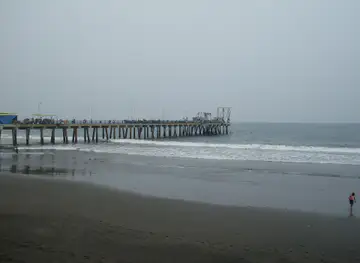


Swipe for more destinations
Best attractions in Coastal Region
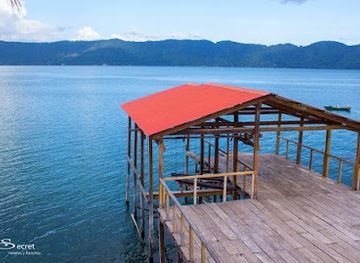
The coastal region’s attractions are defined by variety rather than a single resort centre. Around La Libertad, El Tunco, El Sunzal and El Zonte, the focus is Pacific surfing, with lessons and board hire available through local operators and conditions that suit different levels at different breaks. Western beaches such as Los Cobanos and Barra de Santiago offer a quieter mix of swimming, fishing, mangrove scenery and marine excursions. The coast near Acajutla has a more industrial and port-oriented character, while the Costa del Sol provides long beaches, estuary trips and easy access to the Jaltepeque waterways. Bahía de Jiquilisco is the region’s major nature destination, with boat routes through mangroves, islands and tidal channels where visitors may see coastal birds and other wildlife. Further east, the Gulf of Fonseca introduces broader maritime views and working port landscapes. Activities include surfing, kayaking, birdwatching, fishing trips, boat rides and sunset walks, although services and supervision vary considerably between developed beach communities and rural shorelines.
-
Army museum
Military Museum of the Armed Forces of El Salvador
Explore the rich military heritage at the Military Museum of the Armed Forces of El Salvador, where history and culture converge in a captivating experience.
-
Tourist attraction
TERMINAL TURISTICA EL MALECON
Explore the vibrant culture and stunning views at Terminal Turistica El Malecon in Puerto El Triunfo. A must-visit for tourists seeking local experiences.
-
Basilica
Basilica Sagrado Corazon
Discover the architectural beauty and spiritual essence of Basilica Sagrado Corazon in San Salvador, a must-visit destination for cultural explorers.
-
Sightseeing tour agency
El Tunco Beach
Discover the beauty and adventure of El Tunco Beach, a surfer's paradise and vibrant cultural hotspot on El Salvador's stunning Pacific coast.
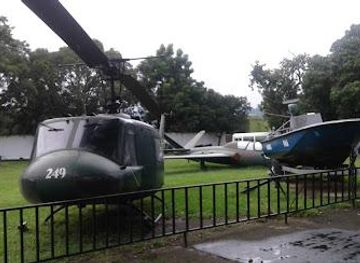
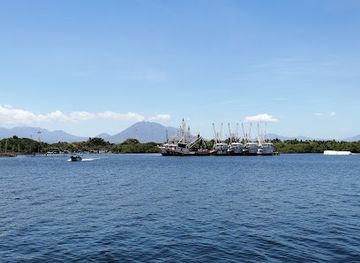
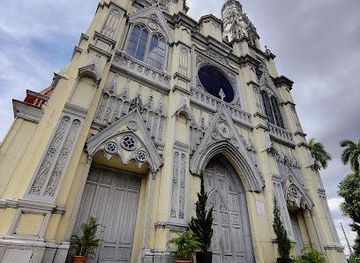
Best landmarks in Coastal Region
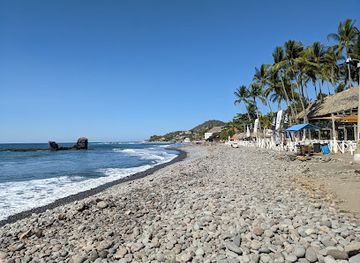
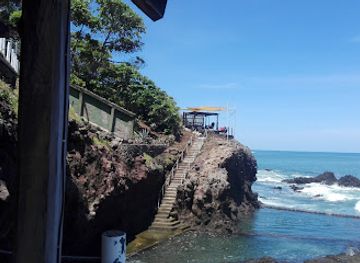
The most recognisable landmarks of El Salvador’s Coastal Region are often geographical or maritime rather than monumental. The broad Pacific shoreline around La Libertad provides the country’s defining surf landscape, where headlands, reef breaks and fishing activity meet a growing beach-town skyline. El Tunco is particularly identifiable by its offshore rock formation, a visual marker associated with the beach community and its sunset views. The port of Acajutla is an important industrial landmark, representing the coast’s role in national trade rather than leisure tourism. The Jaltepeque Estuary, with its sandbars, channels and mangrove edges, gives the Costa del Sol a distinct watery geography. Farther east, Bahía de Jiquilisco forms one of the country’s most important coastal wetland landscapes, its islands and mangrove forests visible from local boat routes. The Gulf of Fonseca offers a wide maritime setting with working ports and distant views across international waters. These places are significant because they show the coast as a living system of surf, fishing, commerce, wetlands and settlement, not simply a line of beaches.
-
Historical landmark
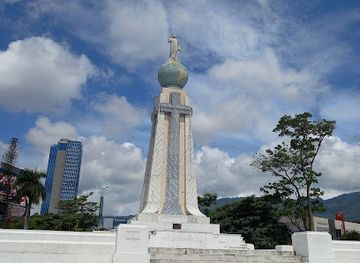
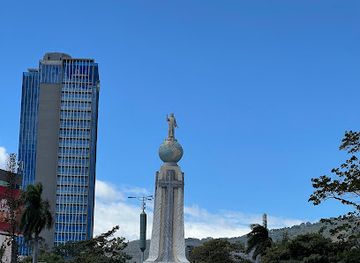
Monument to the Divine Savior of the World
An iconic landmark in San Salvador, El Salvador, representing faith, resilience, and national identity.
-
Park
Plaza Salvador del Mundo
Discover El Salvador's heart at Plaza Salvador del Mundo: a symbol of hope, culture, and vibrant city life in San Salvador.
-
City park
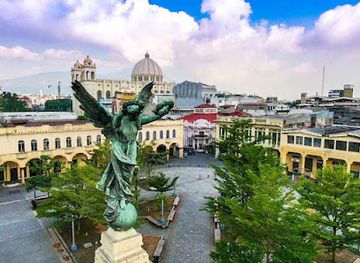
Liberty Plaza
Discover the historic heart of San Salvador at Liberty Plaza, a vibrant city park with monuments, music, and local culture.
-
 National park
Parque Nacional El Boquerón
Explore the natural wonders and rich biodiversity of Parque Nacional El Boquerón, a stunning national park in El Salvador.
Explore Coastal Region on the map
Plan your trip on one map. See where the top cities, national parks and sights are, and book hotels and experiences in a few clicks.
Best hotels in Coastal Region
Best restaurants in Coastal Region
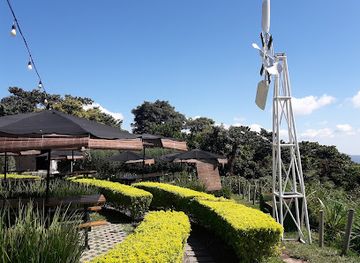
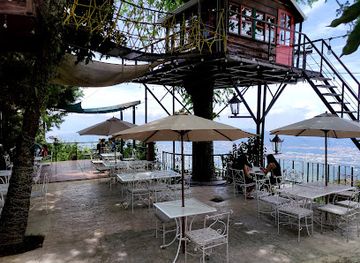
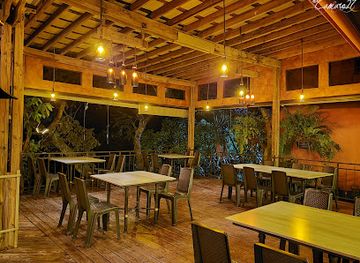
Coastal dining in El Salvador centres on the day’s catch, with fish, prawns, ceviche, fried seafood and grilled preparations widely available in beach towns and fishing communities. La Libertad is the best-known seafood centre, with restaurants and market stalls serving local catches alongside rice, salad, plantains and tortillas. Visitors will also find pupusas, the national staple, often eaten with curtido and tomato sauce, as well as soups, grilled meats and simple breakfasts that connect the coast with wider Salvadoran food culture. Around the Costa del Sol and other holiday areas, menus range from informal beachfront cooking to more polished restaurants aimed at weekend visitors. Inland produce also appears in tropical fruit, coconut, maize and plantain dishes. Prices, portion sizes and freshness vary, so ask whether seafood is sold by piece, portion or weight. In rural areas, a small eatery or roadside stand may have a shorter menu but a closer connection to local food supply.
-
Restaurant
Picnic Steak House
Discover the exquisite flavors of Picnic Steak House in Santa Tecla—where exceptional grilled meats meet stunning scenery.
-
Restaurant
Linda Vista Garden
Experience culinary delight surrounded by nature at Linda Vista Garden in Santa Tecla, where every meal is an escape into serenity.
-
Restaurant
Las Brumas Grill & Cafe
Experience authentic Salvadoran cuisine at Las Brumas Grill & Cafe - a culinary haven in Álvarez known for its diverse menu and warm hospitality.
-
Salvadoran
Tipicos Margoth
Experience authentic Salvadoran flavors at Tipicos Margoth - a must-visit brunch restaurant in San Salvador.
Best bars in Coastal Region
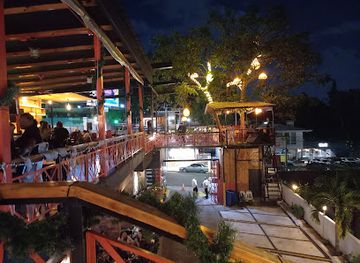
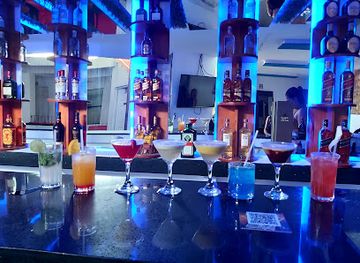
Evening life varies sharply along the Salvadoran coast. El Tunco, El Zonte and nearby surf communities have the broadest choice of bars, cafés, restaurants and occasional live-music venues, with activity often concentrating around sunset and weekend nights rather than following a large-city club schedule. La Libertad combines seafood restaurants and casual drinking places with a working-port atmosphere, while the Costa del Sol is more associated with hotel bars, holiday properties and relaxed evenings by the beach. In Barra de Santiago, Bahía de Jiquilisco and the eastern coastal communities, nightlife is generally quieter and centres on local restaurants, family gatherings and small bars rather than nightclubs. Some establishments may close relatively early outside busy periods, and music levels can vary. Visitors should arrange transport in advance when staying outside the main surf centres and should not walk along isolated beaches after dark.
-
Restaurant
Las Brumas Grill & Cafe
Experience the best of El Salvador’s cuisine at Las Brumas Grill & Cafe, where local flavors meet a warm, inviting atmosphere.
-
Brewpub
Cadejo Brewing Company
Discover the vibrant atmosphere and exceptional craft beers at Cadejo Brewing Company in San Salvador, a true gem for beer lovers.
-
Bar
Republik Bar
Discover the lively charm of Republik Bar in San Salvador, a unique blend of Irish pub and concert hall, perfect for nightlife enthusiasts.
-
Bar
Cervecería La 20 Zona Rosa
Experience the lively nightlife of San Salvador at Cervecería La 20 Zona Rosa, where great drinks and a vibrant atmosphere await.


Best nightclubs in Coastal Region
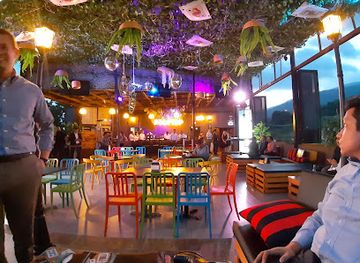
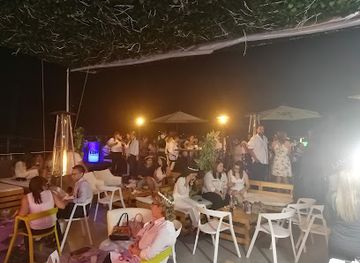
Evening life varies sharply along the Salvadoran coast. El Tunco, El Zonte and nearby surf communities have the broadest choice of bars, cafés, restaurants and occasional live-music venues, with activity often concentrating around sunset and weekend nights rather than following a large-city club schedule. La Libertad combines seafood restaurants and casual drinking places with a working-port atmosphere, while the Costa del Sol is more associated with hotel bars, holiday properties and relaxed evenings by the beach. In Barra de Santiago, Bahía de Jiquilisco and the eastern coastal communities, nightlife is generally quieter and centres on local restaurants, family gatherings and small bars rather than nightclubs. Some establishments may close relatively early outside busy periods, and music levels can vary. Visitors should arrange transport in advance when staying outside the main surf centres and should not walk along isolated beaches after dark.
-
Night club
The Rooftop
Discover The Rooftop, San Salvador's premier nightlife destination, offering breathtaking views, eclectic music, and an unforgettable atmosphere.
-
Night club
Circus Cabaret
Dive into the electrifying nightlife of San Salvador at Circus Cabaret, a lively night club known for its stunning performances and vibrant atmosphere.
-
Night club
Riosur Nightlife Plaza
Discover the heart of San Salvador's nightlife at Riosur Nightlife Plaza, where music, dance, and unforgettable moments await.
-
Night club
Secrets Club Bar
Experience the vibrant nightlife at Secrets Club Bar in San Salvador, where music, cocktails, and dancing come together for an unforgettable evening.

Best shops in Coastal Region
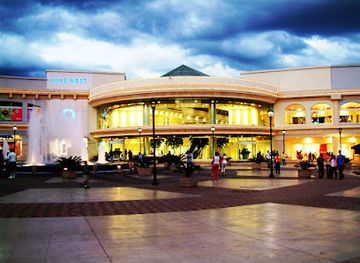
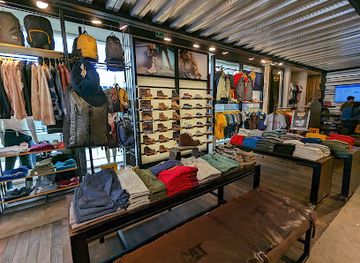
Shopping on the coast is practical, food-oriented and connected to local production rather than dominated by large retail centres. La Libertad is the principal place for seafood purchases, casual beach goods, surf equipment and small independent shops, while the surf villages have boutiques, craft outlets and clothing aimed at visitors and board-sports communities. The Costa del Sol and other holiday areas offer convenience shops, beachwear and locally made souvenirs, but selection can be seasonal. Small markets and roadside stalls may sell fruit, coconuts, plantains, snacks and prepared seafood; ask permission before photographing vendors or their displays. Good regional purchases include coffee from El Salvador’s inland highlands, chocolate, artisan food products, woven items and simple coastal crafts, although not every item sold at a beach shop is locally produced. For a wider range of everyday goods, visitors generally need to use larger towns inland or the capital rather than expect a comprehensive shopping district on the shoreline.
-
Shopping mall
Multiplaza
Discover the ultimate shopping experience at Multiplaza in San Salvador, where fashion, food, and fun come together in a vibrant atmosphere.
-
Shopping mall
La Gran Via
Discover shopping bliss at La Gran Via, El Salvador's premier shopping mall featuring diverse brands, delightful dining, and vibrant entertainment options.
-
Shopping mall
Galerias Mall
Discover a vibrant shopping experience at Galerias Mall, San Salvador's premier destination for fashion, dining, and entertainment.
-
Shopping mall
Metrocentro San Salvador
Discover the vibrant shopping and entertainment experience at Metrocentro San Salvador, the largest mall in El Salvador offering diverse retail and dining options.


Get your free copy of our complete guide to Coastal Region, delivered straight to you.
Everything on this page, from attractions and restaurants to essentials and local phrases, in one PDF you can read offline, print or share.
Already have an account? Sign in
Your Coastal Region guide is ready.
We'll send it to · Not you? Sign out

Getting your guide ready…
We are putting together a fresh copy of the Coastal Region guide. This can take up to a minute.
This can take a few moments. If your browser asks, choose Allow so the download can start. You'll find the guide in your Downloads folder.
Nothing happened? Download it again
Sorry, the guide is taking longer than usual. Please try again in a minute, or get it by email instead.
Coastal Region essentials
Currency and Payment
Safety
Emergency Situations
Do's and Don'ts
Local Tips
From Eve
Local phrases worth knowing
You don't need to get them perfect. A few words go a long way, and locals appreciate the effort.
Basics
| English | Local | Say it |
|---|---|---|
| Hello | Hola | [OH-lah] |
| Goodbye | Adiós | [ah-DYOS] |
| Yes | Sí | [SEE] |
| No | No | [NO] |
| Please/You're welcome | Por favor/De nada | [por fah-VOR/deh NAH-dah] |
| Thank you | Gracias | [GRAH-sias] |
| Excuse me/Sorry | Perdón | [pehr-DON] |
| How are you? | ¿Cómo estás? | [KOH-mo eh-STAHS] |
| Fine. And you? | Bien. ¿Y tú? | [BYEN. ee TOO] |
| Do you speak English? | ¿Hablas inglés? | [AH-blas een-GLES] |
| I don't understand | No entiendo | [NO en-TYEN-do] |
Eating & Drinking
| English | Local | Say it |
|---|---|---|
| I'd like to see the menu, please | Quisiera ver el menú, por favor | [kee-SYER-ah BEHR el meh-NOO, por fah-VOR] |
| I don't eat meat | No como carne | [NO KOH-mo KAR-neh] |
| Cheers! | ¡Salud! | [sah-LOOD] |
| I would like to pay, please | Quisiera pagar, por favor | [kee-SYER-ah pah-GAR, por fah-VOR] |
Emergencies
| English | Local | Say it |
|---|---|---|
| Help! | ¡Ayuda! | [ah-YOO-dah] |
| Go away! | ¡Vete! | [VEH-teh] |
| Call the Police! | ¡Llama a la policía! | [YAH-mah ah lah poh-lee-SIA] |
| Call a doctor! | ¡Llama a un doctor! | [YAH-mah ah oon dok-TOR] |
| I'm lost | Estoy perdido | [es-TOY pehr-DEE-do] |
| I'm ill | Estoy enfermo | [es-TOY en-FER-mo] |
Shopping
| English | Local | Say it |
|---|---|---|
| I'd like to buy... | Quisiera comprar... | [kee-SYER-ah kom-PRAR...] |
| I'm just looking | Solo estoy mirando | [SO-lo es-TOY mee-RAN-do] |
| How much is it? | ¿Cuánto cuesta? | [KWAN-toh KWES-tah] |
| That's too expensive | Eso es demasiado caro | [EH-so es deh-ma-SIA-do KAH-ro] |
| Can you lower the price? | ¿Puedes bajar el precio? | [PWEH-des bah-HAR el PREH-syo] |
Time & Numbers
| English | Local | Say it |
|---|---|---|
| What time is it? | ¿Qué hora es? | [KEH OH-rah es] |
| It's one o'clock | Es la una | [es lah OO-nah] |
| Half past (10) | Y diez y media | [ee DYESS ee MEH-dee-ah] |
| Morning | Mañana | [mah-NYAH-nah] |
| Afternoon | Tarde | [TAR-deh] |
| Evening | Noche | [NO-cheh] |
| Yesterday | Ayer | [ah-YER] |
| Today | Hoy | [OY] |
| Tomorrow | Mañana | [mah-NYAH-nah] |
| 1 | Uno | [OO-no] |
| 2 | Dos | [DOS] |
| 3 | Tres | [TRES] |
| 4 | Cuatro | [KWAT-ro] |
| 5 | Cinco | [SEEN-koh] |
| 6 | Seis | [SACE] |
| 7 | Siete | [SYET-eh] |
| 8 | Ocho | [OH-cho] |
| 9 | Nueve | [NWEH-veh] |
| 10 | Diez | [DYESS] |
Transport & Directions
| English | Local | Say it |
|---|---|---|
| Where's a/the...? | ¿Dónde hay un/una...? | [DON-deh ai oon/OO-nah...?] |
| What's the address? | ¿Cuál es la dirección? | [KWAL es lah dee-rek-SYON] |
| Can you show me (on the map)? | ¿Puedes mostrarme (en el mapa)? | [PWEH-des mos-TRAR-me (en el MAH-pah)?] |
| When's the next (bus)? | ¿Cuándo es el próximo (autobús)? | [KWAN-do es el PROK-see-mo (ow-toh-BOOS)?] |
| A ticket (to ....) | Un boleto (a ....) | [oon boh-LEH-to (ah ....)] |
History of Coastal Region
Indigenous Coastal Communities and Trade
Before Spanish colonisation, the Pacific lowlands and estuaries were occupied and used by Indigenous communities including Pipil-speaking peoples and other Mesoamerican groups. Coastal rivers, lagoons and mangroves supplied fish, shellfish, salt and fertile agricultural land, while the Pacific corridor connected settlements through exchange. Archaeological evidence from western and central El Salvador shows long-standing interaction between coastal communities and inland centres. The shoreline was therefore not an empty margin but a productive zone that supported settlement, food gathering and regional trade.
Spanish Conquest and Colonial Agriculture
Spanish forces entered the territory in the sixteenth century, bringing colonial administration, Christianity and new systems of landholding. Coastal lowlands became important for agriculture and livestock, while ports and anchorages supported movement along the Pacific coast. Indigenous communities experienced forced labour, population decline and the restructuring of local economies. Colonial influence remains visible indirectly in rural settlement patterns, churches and the agricultural landscapes that occupy parts of the coastal plain.
Indigo, Trade and Pacific Ports
During the colonial period and into the nineteenth century, indigo was one of the region’s important export commodities. Its production linked inland estates with transport routes leading towards the Pacific, while coastal ports handled trade and communication. After independence in 1821, the commercial importance of Pacific access continued, although port facilities and principal export products changed over time. Acajutla eventually became the country’s leading modern port, reinforcing the western coast’s role in national commerce.
Coffee, Railways and the Coastal Plain
In the nineteenth and early twentieth centuries, coffee transformed El Salvador’s economy and connected highland plantations with Pacific export routes. Railways and roads were developed to move coffee and other agricultural products towards ports, including Acajutla. Although the principal coffee-growing areas lie inland and at higher elevations, the coastal region benefited from the transport, commercial and administrative networks created by export agriculture. The contrast between upland plantations and hot coastal lowlands remains an important feature of the country’s geography.
Ports, Industry and Fishing
During the twentieth century, port infrastructure, fisheries, salt production and agro-industry expanded along sections of the shoreline. Acajutla became a major industrial and maritime centre, while smaller communities retained economies based on fishing, boat building and coastal agriculture. The development of roads and holiday properties also increased domestic tourism, particularly around La Libertad and the Costa del Sol. These changes produced a coast shaped simultaneously by international trade, working harbours and recreation.
Surf Culture and Coastal Conservation
From the late twentieth century onwards, El Salvador’s consistent Pacific waves attracted an international surfing community, especially to beaches around La Libertad. Surf schools, guesthouses and restaurants helped change the economic profile of several villages without replacing their fishing and residential functions. At the same time, conservation efforts have drawn attention to mangroves, estuaries and marine habitats, notably in Bahía de Jiquilisco. Contemporary coastal development therefore involves an ongoing balance between tourism, environmental protection, fishing, ports and the needs of local communities.
Coastal Region in Photos
Browse through our photo collection highlighting the charm and character of the destination.
Neighbouring regions of Coastal Region
The closest regions to Coastal Region, if you have time for more than one.
-

-

-

-

-


Swipe for more regions
Explore more

Explore more of El Salvador
Discover the hidden gem of Central America with El Salvador's stunning landscapes, rich culture, and world-class surfing. A paradise for adventurers and culture lovers alike.
Explore El Salvador