

Free Paracentral Region Travel Guide & Mobile App
Explore Paracentral Region with free travel guides. Discover regional history, expert tips, proposed trips, and audio guides on web or mobile app.


Explore El Salvador's Paracentral Region for Suchitoto's heritage, volcanic landscapes, Ilobasco crafts and Pacific beaches and estuaries.
Read more about Paracentral Region
When is the best time to visit Paracentral Region?
Best: December–February · 29–31°C| Month | High (°C) | Rainfall (mm) |
|---|---|---|
| January (best) | 31 | 2 |
| February (best) | 31 | 2 |
| March | 32 | 4 |
| April | 33 | 20 |
| May | 33 | 90 |
| June | 32 | 170 |
| July | 32 | 140 |
| August | 32 | 140 |
| September | 31 | 190 |
| October | 30 | 120 |
| November | 30 | 25 |
| December (best) | 29 | 4 |
Getting to and around Paracentral Region
How to get there
Transportation
Top city travel guides in Paracentral Region
The cities of Paracentral Region, and the easiest places to base yourself.
-

-

-


Swipe for more cities
Destinations in Paracentral Region
Resorts, valleys and scenic spots worth a trip of their own.
-

-


Swipe for more destinations
Best attractions in Paracentral Region
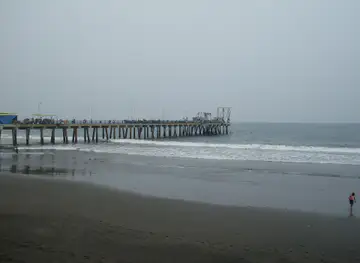
The Paracentral Region offers a varied set of attractions spread between historic towns, volcanic countryside, reservoirs and the Pacific lowlands. Suchitoto is the principal cultural destination, with its colonial-style streets, Church of Santa Lucía, galleries, small museums and views towards Lake Suchitlán. The reservoir and the Cerrón Grande area provide opportunities for boat trips, fishing and birdwatching, although shore access is dispersed. In Cabañas, Ilobasco is the centre of a celebrated clay-art tradition, while rural roads lead through agricultural landscapes and small communities. San Vicente offers town heritage and access to the Jiboa Valley and the slopes of the San Vicente volcano, with walking conditions best checked locally. South of the coastal highway, the Costa del Sol, Estero de Jaltepeque and nearby islands combine beaches, mangroves, tidal waterways and seafood with low-key boating and nature experiences. These attractions are more about landscape, craft and community life than about a single large monument or theme park.
-
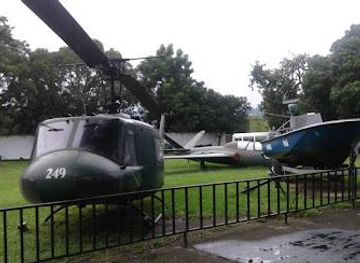
Army museum
Military Museum of the Armed Forces of El Salvador
Discover El Salvador's military history at the Military Museum of the Armed Forces, featuring engaging exhibits and outdoor displays in San Salvador.
-
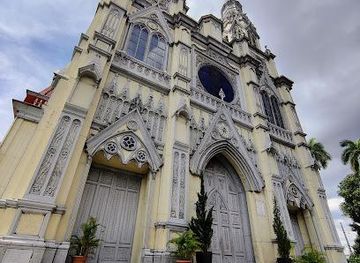
Basilica
Basilica Sagrado Corazon
Explore the breathtaking Basilica Sagrado Corazón in San Salvador, a stunning architectural gem and a symbol of faith and culture.
-
Ecological park
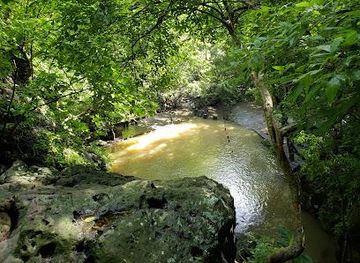
Cinquera Forest Ecological Park
Explore the stunning landscapes and rich biodiversity of Cinquera Forest Ecological Park, a true ecological haven in El Salvador.
-
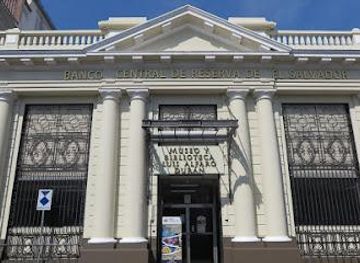
Museum
Museo y Biblioteca "Luis Alfaro Durán"
Explore El Salvador's cultural and economic history at this unique museum and library in the heart of San Salvador.
Best landmarks in Paracentral Region
The white façade and prominent setting of the Church of Santa Lucía anchor Suchitoto's historic centre, where tiled roofs, arcades and cobbled streets express the town's colonial architectural inheritance. Lake Suchitlán, formed by the Cerrón Grande hydroelectric project, is a defining human-made landscape whose broad waters and surrounding hills are visible from viewpoints around Suchitoto. The Torre de San Vicente, a nineteenth-century clock tower in the city centre, is one of the region's most recognisable civic structures and a symbol of San Vicente's former regional importance. Above the Jiboa Valley, the volcanic massif of San Vicente, or Chichontepec, forms a dominant natural landmark with two summits and steep green slopes. Along the coast, the Estero de Jaltepeque's mangrove channels and shifting waterways are landmarks of a different kind, representing the region's tidal geography and its close relationship with fishing, boats and coastal habitats.
-
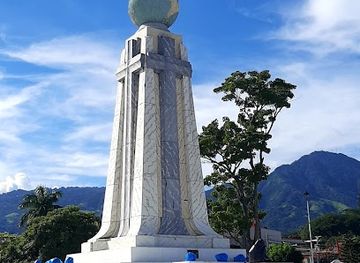
 Historical landmark
Monument to the Divine Savior of the World
An iconic landmark in El Salvador's capital, symbolizing faith, resilience, and the welcoming spirit of the nation. A must-see monument!
-
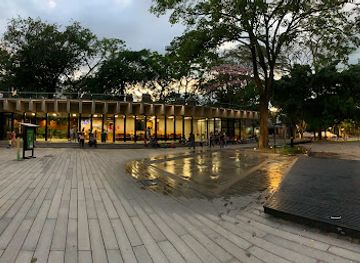
City park
Cuscatlan Park
Discover a vibrant urban oasis in San Salvador, where nature, culture, and history intertwine at Cuscatlan Park.
-
Park
Plaza Salvador del Mundo
Discover the iconic Plaza Salvador del Mundo in San Salvador, a vibrant hub of culture, history, and community, crowned by the majestic Savior of the World monument.
-
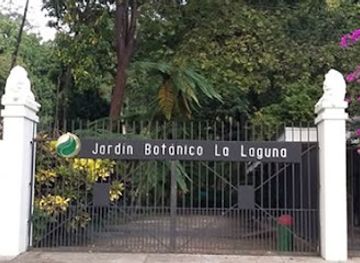
Botanical garden
Plan de la Laguna Botanical Garden
Discover a serene escape in a volcanic crater: Explore El Salvador's biodiversity at Plan de la Laguna Botanical Garden.
Explore Paracentral Region on the map
Plan your trip on one map. See where the top cities, national parks and sights are, and book hotels and experiences in a few clicks.
Best hotels in Paracentral Region
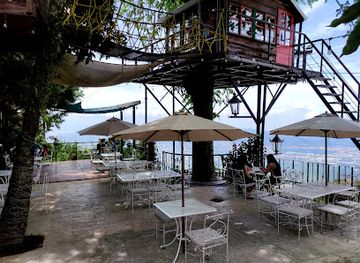
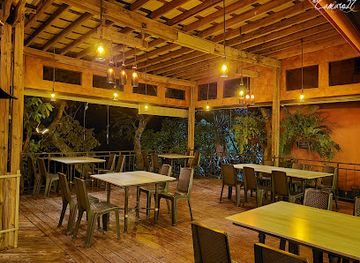
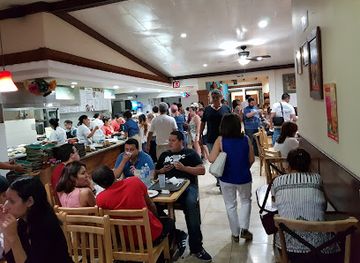
Best restaurants in Paracentral Region
Food in the Paracentral Region follows the country's everyday Salvadoran traditions while reflecting its different landscapes. Pupusas remain central, with fillings such as cheese, beans, pork or loroco commonly available in markets, cafés and family-run eateries. Breakfasts and snacks may include tamales, yuca, plantain and atol, while sweet treats and fresh fruit appear in town markets. Around the Costa del Sol and the Estero de Jaltepeque, restaurants and informal coastal eateries serve fish, prawns, grilled seafood and ceviche-style dishes, though menus and opening patterns can be seasonal. Suchitoto has the region's broadest concentration of cafés, guesthouse dining rooms and restaurants, including places adapting Salvadoran ingredients to contemporary presentation. Rural and roadside establishments tend to be simpler and cash-oriented. Local produce, tortillas, beans and seasonal fruit are often more revealing of regional eating habits than expensive menus, so visitors should explore markets and ask hosts about specialities of the day.
-
Restaurant
Picnic Steak House
Discover exquisite steak dining at Picnic Steak House in Santa Tecla – where every meal is a flavorful journey.
-
Restaurant
Linda Vista Garden
Discover tranquility at Linda Vista Garden - where nature meets culinary delight in Santa Tecla.
-
Restaurant
Las Brumas Grill & Cafe
Experience the rich flavors of Salvadoran cuisine at Las Brumas Grill & Cafe, where every dish tells a story.
-
Salvadoran
Tipicos Margoth
Experience authentic Salvadoran cuisine at Tipicos Margoth - where delicious brunch meets rich cultural flavors in San Salvador.

Best bars in Paracentral Region
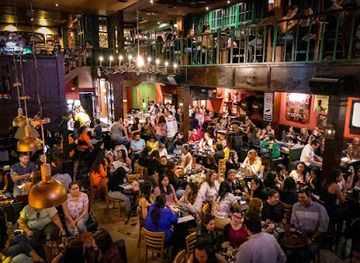
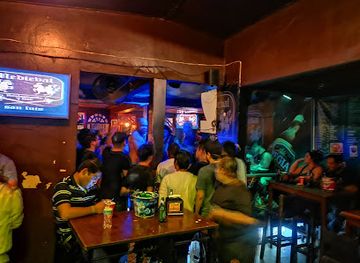
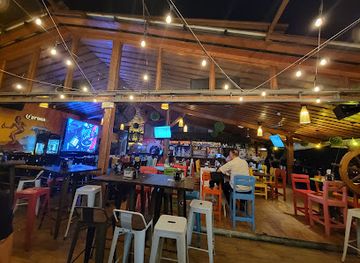
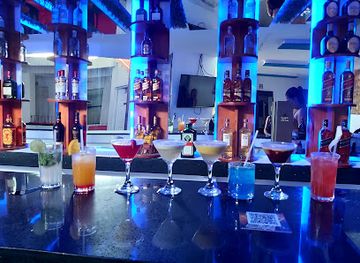
Evening life in the Paracentral Region is generally relaxed rather than built around large nightclubs. Suchitoto has the most developed cultural evening scene, with cafés, restaurants, small bars, live music and occasional performances linked to its arts community and festivals. San Vicente and other departmental towns centre their nightlife on traditional bars, eateries and public celebrations, while the coastal area offers hotel bars, seafood restaurants and informal places to enjoy the sunset. Ilobasco and smaller inland communities become quiet earlier, except during local festivities or weekend gatherings. Visitors should check current arrangements locally, since venues and event programmes can change. A calm evening meal, a town-plaza stroll or live cultural performance is often more representative of the region than a late-night club circuit.
-
Bar
Republik Bar
Discover the lively atmosphere of Republik Bar in San Salvador, where Irish pub charm meets vibrant live music and a welcoming community.
-
Bar
Cervecería La 20 Zona Rosa
Experience vibrant nightlife and local flavors at Cervecería La 20 Zona Rosa, San Salvador's premier bar destination for tourists.
-
Grill
Bar Medieval
Discover the vibrant flavors of San Salvador at Bar Medieval, where delicious grilled dishes meet a welcoming atmosphere.
-
Bar
Anchor Bar & Restaurant
Discover the vibrant culinary scene at Anchor Bar & Restaurant, where local flavors and a lively atmosphere come together in San Salvador.

Best nightclubs in Paracentral Region
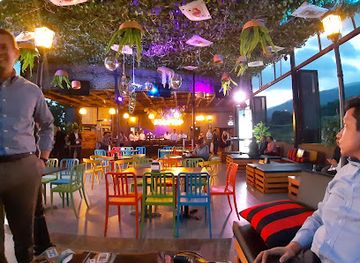
Evening life in the Paracentral Region is generally relaxed rather than built around large nightclubs. Suchitoto has the most developed cultural evening scene, with cafés, restaurants, small bars, live music and occasional performances linked to its arts community and festivals. San Vicente and other departmental towns centre their nightlife on traditional bars, eateries and public celebrations, while the coastal area offers hotel bars, seafood restaurants and informal places to enjoy the sunset. Ilobasco and smaller inland communities become quiet earlier, except during local festivities or weekend gatherings. Visitors should check current arrangements locally, since venues and event programmes can change. A calm evening meal, a town-plaza stroll or live cultural performance is often more representative of the region than a late-night club circuit.
-
Night club
The Rooftop
Experience vibrant nightlife at The Rooftop, San Salvador's premier nightclub with stunning views and electrifying ambiance.
-
Night club
Circus Cabaret
Dive into the exhilarating nightlife of San Salvador at Circus Cabaret, where vibrant performances and lively dancing await you!
-
Night club
Riosur Nightlife Plaza
Discover the vibrant nightlife at Riosur Nightlife Plaza, where energetic music, delicious drinks, and unforgettable moments await you in San Salvador.
-
Night club
Secrets Club Bar
Discover the lively nightlife of San Salvador at Secrets Club Bar, where great music and vibrant atmosphere come together.

Best shops in Paracentral Region
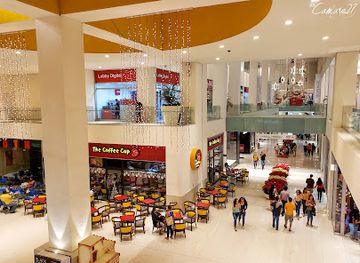
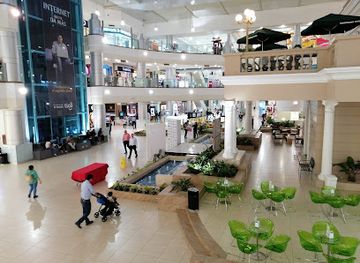
Shopping in the Paracentral Region is strongest in market towns and craft-producing communities rather than in large retail districts. Ilobasco is the essential stop for painted clay figures, miniature scenes, pottery and other ceramic work, with the best purchases made directly from established workshops after asking about handling and transport. Suchitoto offers galleries, craft shops, textiles, decorative pieces, books and locally produced food items in and around its historic centre. San Vicente and smaller towns are useful for everyday markets, fresh produce, bread and Salvadoran snacks rather than extensive souvenir ranges. Along the coast, shops and stalls may carry beach items, shell-related crafts and local food products, but stock is seasonal and variable. Bring protective packaging for ceramics, compare quality and prices, and favour work that is clearly made in the region rather than generic imported souvenirs.
-
Shopping mall
Multiplaza
Experience shopping like never before at Multiplaza, San Salvador's premier destination for retail therapy and entertainment.
-
Shopping mall
Galerias Mall
Explore Galerias Mall, a vibrant shopping haven in San Salvador offering diverse retail, dining, and entertainment experiences for every traveler.
-
Shopping mall
Metrocentro San Salvador
Explore Metrocentro San Salvador, the premier shopping mall offering diverse stores, dining options, and entertainment for an unforgettable experience.
-
Shopping mall
El Paseo Mall
Experience the best of shopping, dining, and entertainment at El Paseo Mall in San Salvador, where local culture meets modern retail.
Get your free copy of our complete guide to Paracentral Region, delivered straight to you.
Everything on this page, from attractions and restaurants to essentials and local phrases, in one PDF you can read offline, print or share.
Already have an account? Sign in
Your Paracentral Region guide is ready.
We'll send it to · Not you? Sign out

Getting your guide ready…
We are putting together a fresh copy of the Paracentral Region guide. This can take up to a minute.
This can take a few moments. If your browser asks, choose Allow so the download can start. You'll find the guide in your Downloads folder.
Nothing happened? Download it again
Sorry, the guide is taking longer than usual. Please try again in a minute, or get it by email instead.
Paracentral Region essentials
Currency and Payment
Safety
Emergency Situations
Do's and Don'ts
Local Tips
From Eve
Local phrases worth knowing
You don't need to get them perfect. A few words go a long way, and locals appreciate the effort.
Basics
| English | Local | Say it |
|---|---|---|
| Hello | Hola | [OH-lah] |
| Goodbye | Adiós | [ah-DYOS] |
| Yes | Sí | [SEE] |
| No | No | [NO] |
| Please/You're welcome | Por favor/De nada | [por fah-VOR/deh NAH-dah] |
| Thank you | Gracias | [GRAH-syahs] |
| Excuse me/Sorry | Disculpe/Lo siento | [dis-KOOL-peh/loh SYEN-toh] |
| How are you? | ¿Cómo estás? | [KOH-moh es-TAS] |
| Fine. And you? | Bien. ¿Y tú? | [BYEN. ee TOO] |
| Do you speak English? | ¿Hablas inglés? | [AH-blahs een-GLAYS] |
| I don't understand | No entiendo | [NO en-TYEN-doh] |
Eating & Drinking
| English | Local | Say it |
|---|---|---|
| I'd like to see the menu, please | Me gustaría ver el menú, por favor | [meh goos-tah-REE-ah VER el meh-NOO, por fah-VOR] |
| I don't eat meat | No como carne | [NO KOH-moh KAR-neh] |
| Cheers! | ¡Salud! | [sah-LOOD] |
| I would like to pay, please | Me gustaría pagar, por favor | [meh goos-tah-REE-ah pah-GAR, por fah-VOR] |
Emergencies
| English | Local | Say it |
|---|---|---|
| Help! | ¡Ayuda! | [ah-YOO-dah] |
| Go away! | ¡Vete! | [VEH-teh] |
| Call the Police! | ¡Llama a la policía! | [YAH-mah ah lah poh-lee-SYAH] |
| Call a doctor! | ¡Llama a un doctor! | [YAH-mah ah oon dok-TOR] |
| I'm lost | Estoy perdido | [es-TOY per-DI-do] |
| I'm ill | Estoy enfermo/enferma | [es-TOY en-FER-mo/en-FER-mah] |
Shopping
| English | Local | Say it |
|---|---|---|
| I'd like to buy... | Me gustaría comprar... | [meh goos-tah-REE-ah kom-PRAR] |
| I'm just looking | Solo estoy mirando | [SO-lo es-TOY mee-RAN-do] |
| How much is it? | ¿Cuánto cuesta? | [KWAN-toh KWES-tah] |
| That's too expensive | Eso es demasiado caro | [EH-so es deh-ma-SYA-do KAH-ro] |
| Can you lower the price? | ¿Puede bajar el precio? | [PWEH-deh bah-HAR el PREH-syo] |
Time & Numbers
| English | Local | Say it |
|---|---|---|
| What time is it? | ¿Qué hora es? | [KEH OH-rah es] |
| It's one o'clock | Es la una | [es lah OO-nah] |
| Half past (10) | Y media (10) | [ee MEH-diah (10)] |
| Morning | Mañana | [mah-NYAH-nah] |
| Afternoon | Tarde | [TAR-deh] |
| Evening | Noche | [NO-cheh] |
| Yesterday | Ayer | [ah-YER] |
| Today | Hoy | [OY] |
| Tomorrow | Mañana | [mah-NYAH-nah] |
| 1 | Uno | [OO-no] |
| 2 | Dos | [DOS] |
| 3 | Tres | [TRES] |
| 4 | Cuatro | [KWA-tro] |
| 5 | Cinco | [SEEN-koh] |
| 6 | Seis | [SAYS] |
| 7 | Siete | [SYEH-teh] |
| 8 | Ocho | [OH-cho] |
| 9 | Nueve | [NWEH-beh] |
| 10 | Diez | [DYEZ] |
Transport & Directions
| English | Local | Say it |
|---|---|---|
| Where's a/the...? | ¿Dónde hay un/una...? | [DON-deh aye oon/OO-nah] |
| What's the address? | ¿Cuál es la dirección? | [KWAL es lah dee-rek-SYON] |
| Can you show me (on the map)? | ¿Puedes mostrarme (en el mapa)? | [PWEH-des mos-TRAR-meh (en el MAH-pah)] |
| When's the next (bus)? | ¿Cuándo es el próximo (autobús)? | [KWAN-doh es el PROK-si-mo (ow-toh-BOOS)] |
| A ticket (to ....) | Un boleto (a ....) | [oon boh-LEH-toh (ah ....)] |
History of Paracentral Region
Indigenous Pipil and Lenca Landscapes
Before Spanish colonisation, the area that now forms the Paracentral Region was inhabited by Indigenous communities including Pipil-speaking peoples in the west and centre and Lenca communities towards the east. Their settlements were connected to agricultural valleys, river systems and trade routes. Archaeological evidence across central El Salvador reflects long periods of cultivation, craft production and regional exchange, while place names preserve elements of Nahuat and other Indigenous linguistic influence. Contemporary communities and cultural practices should not be treated as relics; Indigenous heritage remains part of the country's living history, even though colonial and later national narratives often marginalised it.
Spanish Conquest and Colonial Towns
Spanish forces incorporated central El Salvador into the colonial system during the sixteenth century, imposing new political, religious and landholding structures. Indigenous communities were reorganised, Catholic churches became focal points of settlement and agriculture was redirected towards colonial markets. Towns such as Suchitoto and San Vicente developed within this changing landscape, although their present buildings largely date from later periods because earthquakes, rebuilding and gradual urban change repeatedly altered them. Colonial influence survives in church layouts, plaza-centred town planning, religious festivals and the mixture of Indigenous and Spanish elements found in regional food and culture.
Indigo, Agriculture and San Vicente's Rise
During the colonial era and the early nineteenth century, indigo was one of the most important exports from the Salvadoran territory. Its production connected inland estates and villages with Pacific ports and international textile markets. After independence, coffee became increasingly important in the country's highlands, while sugar cane and other crops shaped the warmer valleys and coastal plain. San Vicente grew as a regional political and commercial centre, and the wider Jiboa Valley became closely associated with agricultural production. These export economies generated wealth for landowners but also entrenched unequal access to land and labour.
Anastasio Aquino and the Nonualco Uprising, 1833
In 1833, Anastasio Aquino, an Indigenous leader from the Nonualco area of present-day La Paz, led an uprising against government authority and the taxes, forced labour practices and social inequalities affecting Indigenous communities. The revolt briefly placed large parts of the surrounding area under insurgent control before it was suppressed. Aquino became an enduring symbol of resistance in Salvadoran historical memory. The episode is particularly important to the Paracentral Region because it links the communities of the lower Jiboa and Nonualco area to wider debates about land, Indigenous rights and the formation of the Salvadoran state.
Earthquakes, Rebuilding and Modern Townscapes
Central El Salvador has repeatedly been reshaped by earthquakes and volcanic activity. San Vicente, Suchitoto and other towns have experienced damage and rebuilding over the centuries, producing townscapes in which older churches and civic buildings stand alongside later construction. Suchitoto's surviving colonial-era character is therefore not simply an untouched remnant but the result of preservation, adaptation and repeated repair. The 2001 earthquakes caused extensive destruction across El Salvador and affected many communities in the central departments, reinforcing the importance of earthquake-resistant construction and careful conservation of historic architecture.
Civil War and the Reconstruction of Suchitoto
The Salvadoran civil war, fought from 1979 to 1992, affected rural communities throughout the central departments through displacement, military operations, political division and economic disruption. Suchitoto and its surrounding villages were among the areas touched by the conflict. After the peace accords, residents, returnees, civil-society organisations and local cultural initiatives contributed to the town's social and economic recovery. Today, Suchitoto's galleries, festivals, community projects and visitor economy sit alongside memories of wartime loss, making the town a place where cultural revival and difficult recent history remain closely connected.
Craft Traditions and Contemporary Tourism
The Paracentral Region's modern identity has been strengthened by craft, cultural and nature-based tourism. Ilobasco's clay figures and miniature scenes developed from local pottery traditions and became a widely recognised form of Salvadoran folk art. Suchitoto built a reputation for cultural programming and heritage tourism, while the Costa del Sol and Estero de Jaltepeque developed around coastal recreation, fishing and hospitality. These activities provide income beyond agriculture, but they also raise familiar questions about environmental management, seasonal employment and the protection of local culture as visitor numbers grow.
Paracentral Region in Photos
Browse through our photo collection highlighting the charm and character of the destination.
Neighbouring regions of Paracentral Region
The closest regions to Paracentral Region, if you have time for more than one.
-

-

-

-

-


Swipe for more regions
Explore more

Explore more of El Salvador
Discover the hidden gem of Central America with El Salvador's stunning landscapes, rich culture, and world-class surfing. A paradise for adventurers and culture lovers alike.
Explore El Salvador