

Free Eastern Region Travel Guide & Mobile App
Explore Eastern Region with free travel guides. Discover regional history, expert tips, proposed trips, and audio guides on web or mobile app.


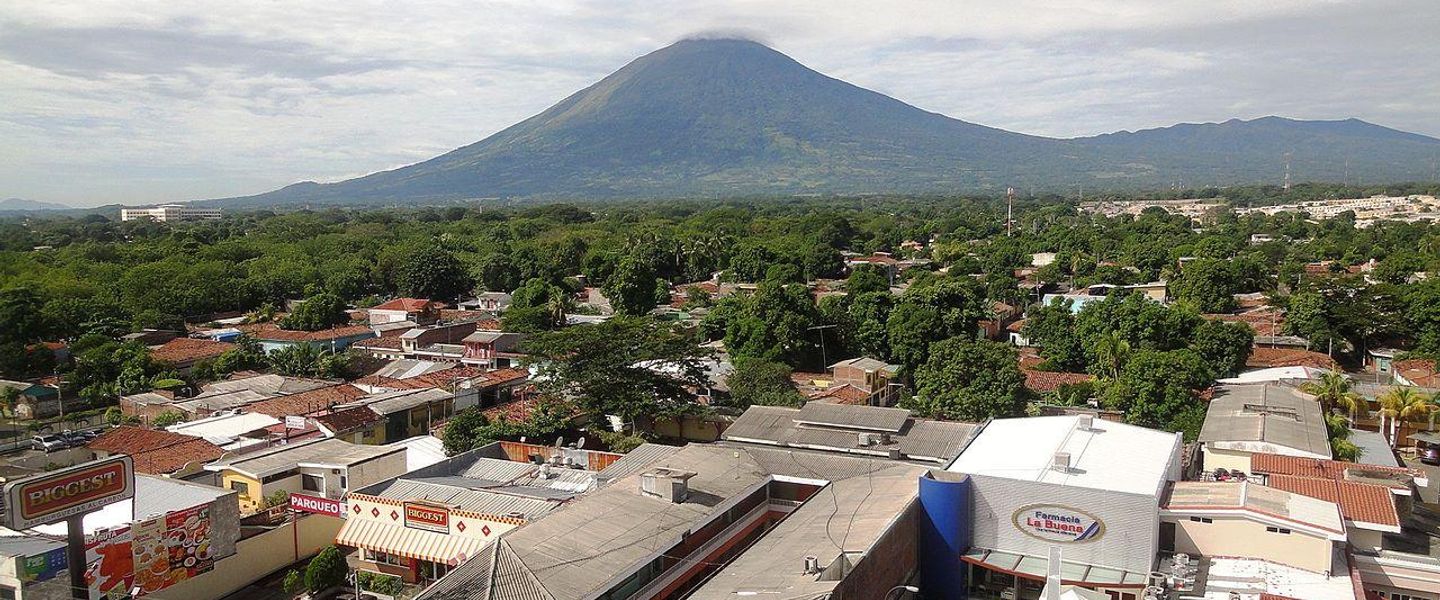


Explore Eastern El Salvador for volcanic landscapes, Pacific beaches, mangrove bays, Lenca heritage and the historic Ruta de Paz.
Read more about Eastern Region
When is the best time to visit Eastern Region?
Best: December–February · 28°C| Month | High (°C) | Rainfall (mm) |
|---|---|---|
| January (best) | 28 | 5 |
| February (best) | 28 | 6 |
| March | 29 | 7 |
| April | 29 | 8 |
| May | 30 | 15 |
| June | 30 | 20 |
| July | 31 | 25 |
| August | 31 | 25 |
| September | 30 | 20 |
| October | 30 | 15 |
| November | 29 | 8 |
| December (best) | 28 | 6 |
Getting to and around Eastern Region
How to get there
Transportation
Top city travel guides in Eastern Region
The cities of Eastern Region, and the easiest places to base yourself.

Swipe for more cities
Best attractions in Eastern Region
Eastern El Salvador’s attractions range from archaeological and historical sites to beaches, wetlands and mountain landscapes. Near San Miguel, Quelepa offers an introduction to the region’s pre-Hispanic past, while the city itself provides markets, churches and access to views of San Miguel volcano. The Ruta de Paz through Morazán combines rural scenery with community museums and sites interpreting the civil war, with Perquín an important base for this history. In the highlands, Alegría is suited to cooler-weather walks and visits around the volcanic landscape. Along the coast, El Cuco is known for surfing and broad Pacific beaches, while the Jiquilisco Bay area is better experienced through guided boat trips among mangroves, islands and estuaries. The Gulf of Fonseca near La Unión offers maritime scenery and views towards neighbouring countries, subject to local access arrangements. Nature-focused visitors can look for birds and coastal wildlife, while more active travellers may choose surfing, boat excursions, hiking or volcano-country walks. Distances and road conditions mean that these experiences are best divided between several bases.
-
Familia Park
Discover the charm of Familia Park, La Union's green haven, where families can relax, play, and enjoy delightful eateries in a vibrant atmosphere.
-
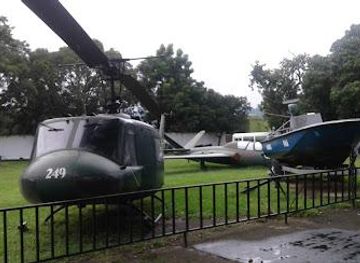
Army museum
Military Museum of the Armed Forces of El Salvador
Discover the military heritage of El Salvador at the Military Museum, showcasing an array of historical artifacts and exhibits in San Salvador.
-
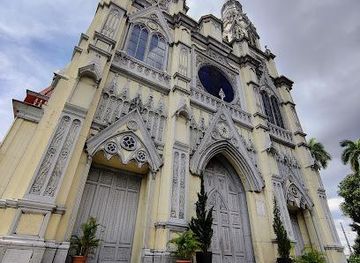
Basilica
Basilica Sagrado Corazon
Explore the breathtaking beauty and spiritual significance of Basilica Sagrado Corazon, a must-visit architectural gem in San Salvador.
-
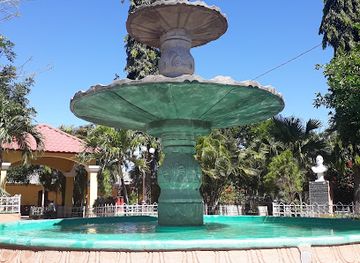
City park
Moncagua Park
Explore the tranquil beauty of Moncagua Park, a city oasis perfect for relaxation, family fun, and connecting with the local culture.

Best landmarks in Eastern Region
The cone of San Miguel volcano, or Chaparrastique, is Eastern El Salvador’s most recognisable natural landmark and dominates views across the department, although access to its slopes depends on official conditions and local guidance. The archaeological mounds and remains of Quelepa are important physical evidence of a substantial pre-Hispanic settlement near San Miguel. In Morazán, the town of Perquín and the surrounding Ruta de Paz are landmarks of historical memory rather than monumental architecture, with museums and community sites documenting the civil war and its aftermath. Alegría’s highland setting reflects the region’s volcanic geology, while the mangrove channels and islands of Jiquilisco Bay form a distinctive coastal landscape shaped by tides and waterways. Around La Unión, the Gulf of Fonseca provides broad maritime views towards volcanic islands and neighbouring shores, with the port and coastal settlements expressing the region’s commercial and seafaring connections. El Cuco’s open Pacific shoreline is another defining geographical feature, marking the contrast between the dry coastal plain and the cooler interior uplands.
-
Historical landmark
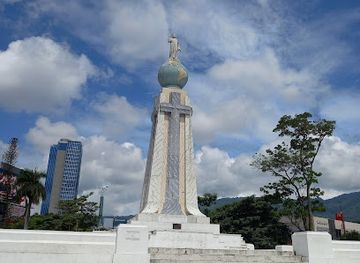
Monument to the Divine Savior of the World
An iconic landmark in El Salvador's capital, representing faith, resilience, and national identity on Plaza El Salvador del Mundo.
-
Park
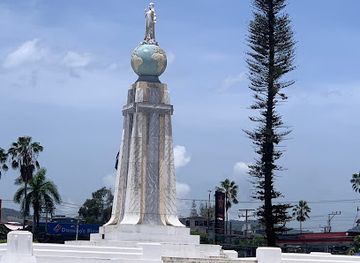
Plaza Salvador del Mundo
Discover the iconic Plaza Salvador del Mundo in San Salvador, a vibrant hub of culture, history, and community spirit, anchored by its majestic monument.
-
City park
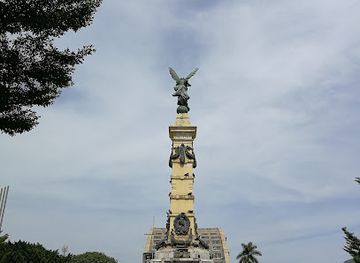
Liberty Plaza
Discover Liberty Plaza in San Salvador: A historic landmark, cultural hub, and vibrant gathering place in the heart of the city.
-
National park
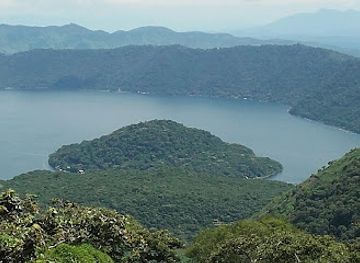
Parque Nacional Cerro Verde
Discover the breathtaking landscapes and rich biodiversity of Cerro Verde National Park in El Salvador, a nature lover's paradise.
Explore Eastern Region on the map
Plan your trip on one map. See where the top cities, national parks and sights are, and book hotels and experiences in a few clicks.
Best hotels in Eastern Region
Best restaurants in Eastern Region
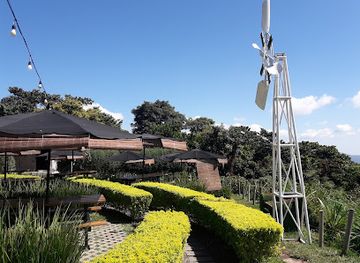
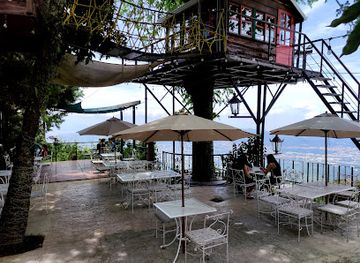
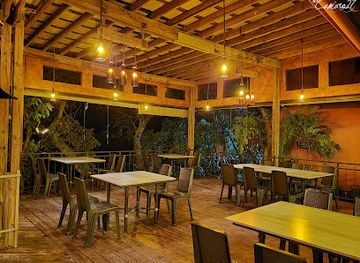
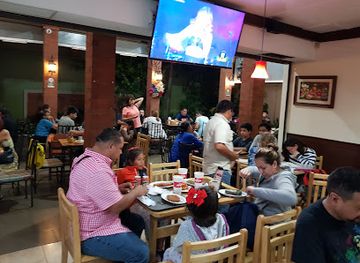
Food in Eastern El Salvador is recognisably Salvadoran but gains a strong coastal and agricultural character from the region’s geography. Pupusas remain a staple, with fillings varying by cook and locality, while markets and roadside stalls offer fried plantain, tamales, soups, grilled meats and fresh fruit. On the Pacific coast and around the Gulf of Fonseca, seafood restaurants commonly serve grilled fish, prawns and other shellfish, often with rice, salad or plantain; availability depends on the day’s catch rather than a fixed menu. Rural towns and highland areas provide cafés, bakeries and family-run eateries, and coffee from the eastern volcanic uplands may appear alongside other national varieties. Jiquilisco Bay communities are associated with mangrove and fishing environments, but visitors should choose restaurants and boat operators that follow responsible local practices. In San Miguel, dining is broader, ranging from casual Salvadoran food to contemporary restaurants, while beach dining is generally informal and focused on fresh ingredients and relaxed service.
-
Restaurant
Picnic Steak House
Experience gourmet dining at Picnic Steak House in Santa Tecla with exquisite steaks and vibrant ambiance.
-
Restaurant
Linda Vista Garden
Discover Linda Vista Garden in Santa Tecla - where delicious cuisine meets breathtaking garden views for an unforgettable dining experience.
-
Restaurant
Las Brumas Grill & Cafe
Discover the flavors of El Salvador at Las Brumas Grill & Cafe – where tradition meets taste in every dish.
-
Salvadoran
Tipicos Margoth
Experience authentic Salvadoran cuisine at Tipicos Margoth in San Salvador—where every meal tells a story of tradition and flavor.
Best bars in Eastern Region
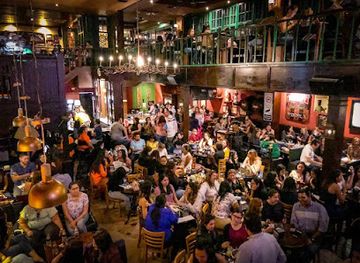
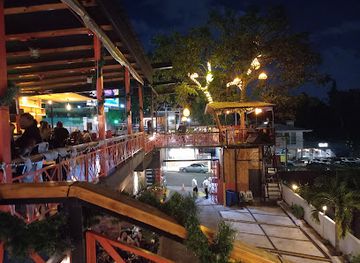
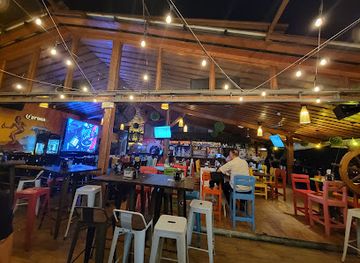
Evening life is concentrated in San Miguel, where restaurants, bars and music venues provide the widest choice in the Eastern Region. The city has a more active urban nightlife than the surrounding towns, although venues and opening arrangements change over time. In Usulután and La Unión, evenings tend to centre on restaurants, cafés, local bars and public plazas rather than a large club circuit. El Cuco has a small visitor-oriented scene shaped by beach accommodation, surf tourism and occasional live music, while rural Morazán is more suited to early dinners, community events and quiet evenings. Traditional Salvadoran-style bars and casual eateries are useful places to meet locally, but alcohol is not necessary to experience the region’s night-time culture. Arrange transport back to accommodation in advance, especially at beaches and in mountain communities where taxis may be limited after dark.
-
Bar
Republik Bar
Discover the lively spirit of San Salvador at Republik Bar, where local music, culture, and great drinks come together in a vibrant setting.
-
Bar
Cervecería La 20 Zona Rosa
Discover the lively Cervecería La 20 Zona Rosa, a bar in San Salvador offering a vast selection of beers, delicious snacks, and an unforgettable atmosphere.
-
Grill
Bar Medieval
Discover the lively ambiance of Bar Medieval in San Salvador, where great grilled food meets the electrifying energy of rock and metal music.
-
Bar
Anchor Bar & Restaurant
Experience the vibrant atmosphere and delicious flavors at Anchor Bar & Restaurant in San Salvador, a local favorite for food and fun.

Best nightclubs in Eastern Region
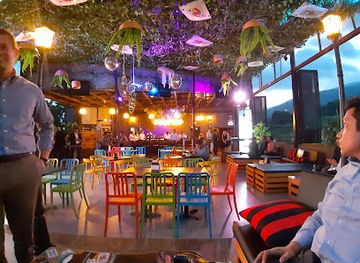
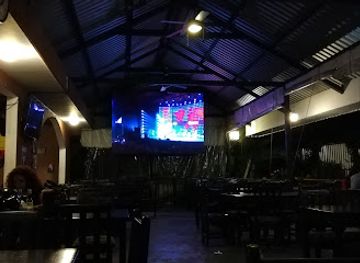
Evening life is concentrated in San Miguel, where restaurants, bars and music venues provide the widest choice in the Eastern Region. The city has a more active urban nightlife than the surrounding towns, although venues and opening arrangements change over time. In Usulután and La Unión, evenings tend to centre on restaurants, cafés, local bars and public plazas rather than a large club circuit. El Cuco has a small visitor-oriented scene shaped by beach accommodation, surf tourism and occasional live music, while rural Morazán is more suited to early dinners, community events and quiet evenings. Traditional Salvadoran-style bars and casual eateries are useful places to meet locally, but alcohol is not necessary to experience the region’s night-time culture. Arrange transport back to accommodation in advance, especially at beaches and in mountain communities where taxis may be limited after dark.
-
Night club
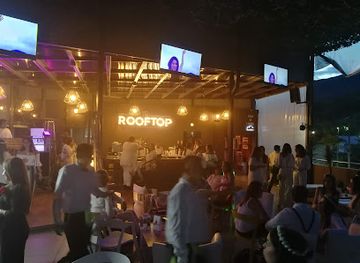
The Rooftop
Experience the vibrant nightlife and stunning views at The Rooftop, San Salvador's premier night club offering exciting entertainment and local culture.
-
Night club
Circus Cabaret
Discover the electrifying atmosphere of Circus Cabaret, a top night club in San Salvador offering unforgettable performances and vibrant nightlife.
-
Night club
Club Premium El Salvador
Discover the vibrant nightlife at Club Premium El Salvador, a lively night club offering music, dancing, and a social atmosphere in San Salvador.
-
Night club
Riosur Nightlife Plaza
Discover the vibrant atmosphere of Riosur Nightlife Plaza - San Salvador's premier nightlife destination with clubs, lounges, and unforgettable experiences.
Best shops in Eastern Region
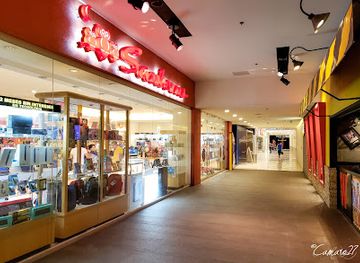
Shopping in Eastern El Salvador is practical, local and closely connected to food production rather than concentrated in major luxury districts. San Miguel has the broadest range of shops, markets, supermarkets and services, making it the most convenient place to buy supplies before travelling into rural or coastal areas. Municipal markets in larger towns sell fruit, vegetables, household goods, clothing and prepared foods, while roadside stalls may offer seasonal produce from the surrounding agricultural districts. Visitors can look for Salvadoran coffee from the eastern highlands, sweets, packaged food products and locally made crafts, although quality and availability vary by town. In Morazán and La Unión, some community and craft initiatives reflect Lenca cultural traditions; purchase directly from established makers where possible and ask about the meaning or production of an item rather than assuming it is an authentic traditional piece. Beach settlements mainly offer surf-related goods, casual clothing and small souvenirs. Markets are usually the best source of regional colour, but carry cash and keep purchases modest if travelling by public bus.
-
Shopping mall
Multiplaza
Explore the ultimate shopping experience at Multiplaza, San Salvador's top destination for retail therapy, dining, and entertainment.
-
Shopping mall
La Gran Via
Discover La Gran Via, El Salvador's premier shopping mall, featuring a wide range of stores, dining options, and entertainment for an unforgettable experience.
-
Shopping mall
Galerias Mall
Explore Galerias Mall in San Salvador for an unforgettable shopping, dining, and entertainment experience in the heart of the city.
-
Shopping mall
El Paseo Mall
Discover a shopping paradise at El Paseo Mall in San Salvador, featuring diverse stores, delightful dining, and engaging entertainment options.


Get your free copy of our complete guide to Eastern Region, delivered straight to you.
Everything on this page, from attractions and restaurants to essentials and local phrases, in one PDF you can read offline, print or share.
Already have an account? Sign in
Your Eastern Region guide is ready.
We'll send it to · Not you? Sign out

Getting your guide ready…
We are putting together a fresh copy of the Eastern Region guide. This can take up to a minute.
This can take a few moments. If your browser asks, choose Allow so the download can start. You'll find the guide in your Downloads folder.
Nothing happened? Download it again
Sorry, the guide is taking longer than usual. Please try again in a minute, or get it by email instead.
Eastern Region essentials
Currency and Payment
Safety
Emergency Situations
Do's and Don'ts
Local Tips
From Eve
Local phrases worth knowing
You don't need to get them perfect. A few words go a long way, and locals appreciate the effort.
Basics
| English | Local | Say it |
|---|---|---|
| Hello | Hola | [OH-lah] |
| Goodbye | Adiós | [ah-DYOS] |
| Yes | Sí | [SEE] |
| No | No | [NO] |
| Please/You're welcome | Por favor / De nada | [por fah-VOR / de NAH-dah] |
| Thank you | Gracias | [GRAH-syas] |
| Excuse me/Sorry | Perdón | [pehr-DON] |
| How are you? | ¿Cómo estás? | [KOH-moh es-TAS] |
| Fine. And you? | Bien. ¿Y tú? | [BYEN. EE TOO] |
| Do you speak English? | ¿Hablas inglés? | [AH-blas een-GLES] |
| I don't understand | No entiendo | [NO en-TYEN-doh] |
Eating & Drinking
| English | Local | Say it |
|---|---|---|
| I'd like to see the menu, please | Me gustaría ver el menú, por favor | [meh goos-tah-REE-ah BEHR el meh-NOO, por fah-VOR] |
| I don't eat meat | No como carne | [NO KOH-moh KAR-neh] |
| Cheers! | ¡Salud! | [sah-LOOD] |
| I would like to pay, please | Me gustaría pagar, por favor | [meh goos-tah-REE-ah pah-GAR, por fah-VOR] |
Emergencies
| English | Local | Say it |
|---|---|---|
| Help! | ¡Ayuda! | [ah-YOO-dah] |
| Go away! | ¡Vete! | [VEH-teh] |
| Call the Police! | ¡Llama a la policía! | [YAH-mah ah la poh-lee-SEE-ah] |
| Call a doctor! | ¡Llama a un doctor! | [YAH-mah ah oon dok-TOR] |
| I'm lost | Estoy perdido | [es-TOY pehr-DEE-doh] |
| I'm ill | Estoy enfermo | [es-TOY en-FER-mo] |
Shopping
| English | Local | Say it |
|---|---|---|
| I'd like to buy... | Me gustaría comprar... | [meh goos-tah-REE-ah kom-PRAHR] |
| I'm just looking | Solo estoy mirando | [SOH-lo es-TOY mee-RAN-doh] |
| How much is it? | ¿Cuánto cuesta? | [KWAN-toh KWES-tah] |
| That's too expensive | Es demasiado caro | [es deh-mah-SYA-doh KAH-roh] |
| Can you lower the price? | ¿Puedes bajar el precio? | [PWEH-des bah-HAR el PREH-syo] |
Time & Numbers
| English | Local | Say it |
|---|---|---|
| What time is it? | ¿Qué hora es? | [KEH OH-rah es] |
| It's one o'clock | Es la una | [es la OO-nah] |
| Half past (10) | Y diez y media | [ee DYAS ee MEH-dyah] |
| Morning | Mañana | [mah-NYAH-nah] |
| Afternoon | Tarde | [TAR-deh] |
| Evening | Noche | [NOH-cheh] |
| Yesterday | Ayer | [ah-YER] |
| Today | Hoy | [OY] |
| Tomorrow | Mañana | [mah-NYAH-nah] |
| 1 | Uno | [OO-noh] |
| 2 | Dos | [DOS] |
| 3 | Tres | [TRES] |
| 4 | Cuatro | [KWAT-roh] |
| 5 | Cinco | [SEEN-koh] |
| 6 | Seis | [SAYS] |
| 7 | Siete | [SYEH-teh] |
| 8 | Ocho | [OH-choh] |
| 9 | Nueve | [NWEH-beh] |
| 10 | Diez | [DYAS] |
Transport & Directions
| English | Local | Say it |
|---|---|---|
| Where's a/the...? | ¿Dónde está un/una...? | [DON-deh es-TAH oon/OO-nah] |
| What's the address? | ¿Cuál es la dirección? | [KWAL es la dee-rek-SYON] |
| Can you show me (on the map)? | ¿Me puedes mostrar (en el mapa)? | [meh PWEH-des mos-TRAR (en el MAH-pah)] |
| When's the next (bus)? | ¿Cuándo es el próximo (autobús)? | [KWAN-doh es el PROK-si-mo (ow-toh-BOOS)] |
| A ticket (to ....) | Un boleto (a ....) | [oon boh-LEH-toh (ah ....)] |
History of Eastern Region
Quelepa and the Pre-Hispanic Eastern Region
Quelepa, near the modern city of San Miguel, was one of the most important pre-Hispanic settlements in eastern El Salvador. Its occupation extended over many centuries, and archaeological evidence shows connections with wider Mesoamerican cultural networks. The site is especially significant because it helps explain the eastern region before Spanish colonisation, when communities developed agriculture, craft production, trade and ceremonial centres adapted to the volcanic plain and nearby river systems. The surviving mounds and excavated remains are a reminder that eastern El Salvador’s history did not begin with the colonial period.
Lenca Communities and Spanish Colonisation
Much of eastern El Salvador was shaped by Lenca-speaking and Lenca-affiliated communities before and during the arrival of the Spanish. Colonial rule reorganised landholding, labour, religion and settlement, while towns and churches became centres of administration and worship. Indigenous communities retained elements of language, craft, agricultural practice and religious culture despite the pressures of conquest and later assimilation. In the uplands of Morazán and La Unión, Lenca identity remains an important part of local cultural history, particularly in discussions of community organisation, rural life and traditional crafts.
Colonial Agriculture and the Route to Independence
During Spanish rule, eastern settlements were connected to agricultural estates, cattle raising and regional trade routes linking the interior with ports and the Gulf of Fonseca. Local economies changed as colonial institutions expanded, and Catholic churches and town centres left some of the most visible architectural traces of the period. The wider Central American independence movement brought the end of Spanish colonial authority in 1821, but it did not immediately resolve unequal access to land or the social divisions that shaped rural eastern El Salvador.
Ports, Agriculture and the Growth of San Miguel
In the nineteenth and early twentieth centuries, eastern El Salvador developed through a combination of agriculture, commerce and maritime connections. San Miguel grew as the principal urban centre of the east, supported by its position between the volcanic interior, the coast and routes towards Honduras. Coffee became important in the higher districts, while cotton, sugar, cattle and subsistence farming influenced the lowlands and coastal plain at different times. The Gulf of Fonseca and nearby ports connected the region to wider networks, although transport remained more difficult than in the central part of the country.
The Civil War and Morazán
Eastern El Salvador, particularly the department of Morazán, was one of the principal theatres of the country’s civil war from 1980 to 1992. Rural communities experienced displacement, military operations, guerrilla activity and severe violence. The conflict transformed local settlements and left a lasting mark on families, landscapes and public memory. Today the Ruta de Paz links communities and museums that interpret this period, including the Museo de la Revolución in Perquín. Visiting these places requires respect: the history is living memory rather than a distant military episode.
Postwar Reconstruction and Regional Tourism
The 1992 peace accords brought a gradual shift from conflict towards reconstruction, community development and cultural tourism. Former combatants, local organisations and municipalities helped preserve accounts of the war and promote the Ruta de Paz, while other parts of the region turned towards beach tourism, surfing, ecological travel and bay excursions. Jiquilisco Bay’s mangrove environments and the Pacific coast have gained importance as conservation and tourism landscapes. Eastern El Salvador therefore presents a modern history of transition, in which agricultural livelihoods, migration, environmental protection and small-scale tourism continue to interact.
Eastern Region in Photos
Browse through our photo collection highlighting the charm and character of the destination.
Neighbouring regions of Eastern Region
The closest regions to Eastern Region, if you have time for more than one.
-

-

-

-

-


Swipe for more regions
Explore more

Explore more of El Salvador
Discover the hidden gem of Central America with El Salvador's stunning landscapes, rich culture, and world-class surfing. A paradise for adventurers and culture lovers alike.
Explore El Salvador