

Free Highlands Travel Guide & Mobile App
Explore Highlands with free travel guides. Discover regional history, expert tips, proposed trips, and audio guides on web or mobile app.


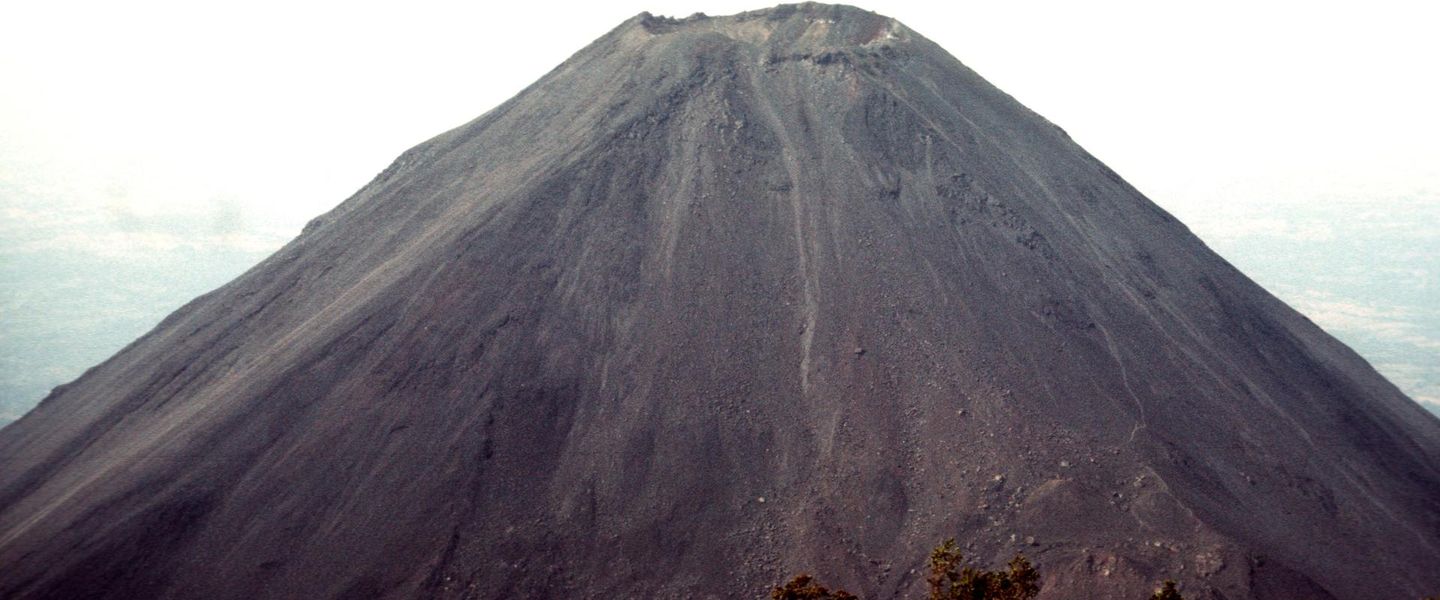


Explore El Salvador's Highlands for coffee country, volcanic landscapes, pine forests, craft towns and mountain history across the interior.
Read more about Highlands
When is the best time to visit Highlands?
Best: May–June, September · 23–26°C| Month | High (°C) | Rainfall (mm) |
|---|---|---|
| January | 10 | 85 |
| February | 11 | 80 |
| March | 14 | 95 |
| April | 18 | 100 |
| May (best) | 23 | 105 |
| June (best) | 26 | 110 |
| July | 28 | 115 |
| August | 28 | 110 |
| September (best) | 24 | 105 |
| October | 19 | 100 |
| November | 14 | 95 |
| December | 9 | 90 |
Getting to and around Highlands
How to get there
Transportation
Top city travel guides in Highlands
The cities of Highlands, and the easiest places to base yourself.
-

-

-

-

-

-


Swipe for more cities
Destinations in Highlands
Resorts, valleys and scenic spots worth a trip of their own.
-

-
-

-

-
-


Swipe for more destinations
Best attractions in Highlands
The Highlands offer a varied collection of experiences spread across several mountain belts. In the west, the Ruta de las Flores links highland towns such as Juayúa, Salcoatitán, Apaneca and Concepción de Ataco, where visitors find coffee estates, craft workshops, churches, food stalls and access to forested countryside. The northern uplands around La Palma, San Ignacio and El Pital are suited to scenic drives, guided walks and cool-climate rural landscapes, while Citalá adds a quieter historic stop near the Honduran border. In Morazán, Perquín's Museo de la Revolución gives essential context to the civil war and the communities that lived through it. Alegría and Laguna de Alegría provide a contrasting eastern highland setting around a volcanic crater lake. Volcanoes, cloud forests, farms and viewpoints broaden the outdoor offering, but access can be weather-dependent and some trails require a local guide. The appeal lies less in one concentrated attraction zone than in the relationship between villages, working landscapes, forest roads and living historical memory.
-
City park
Parque Cuscatlán
Discover the beauty of nature and culture at Parque Cuscatlán, a must-visit urban oasis in San Salvador, perfect for relaxation and exploration.
-
Tourist attraction
Plaza Salvador del Mundo
Explore the iconic Plaza Salvador del Mundo, a vibrant cultural hub in San Salvador, rich in history, beauty, and local charm.
-
El Cafetalón
Discover the natural beauty and recreational charm of El Cafetalón, a serene park in Santa Tecla, perfect for relaxation and family fun.
-
Botanical garden
Plan de la Laguna Botanical Garden
Immerse yourself in the natural beauty of Plan de la Laguna Botanical Garden, a serene retreat in Antiguo Cuscatlán, El Salvador, perfect for nature lovers.


Best landmarks in Highlands
The most recognisable highland landmarks range from natural summits to town churches and sites of collective memory. El Pital, in the Chalatenango mountains, is El Salvador's highest point and a defining northern landmark, reached through a rural landscape of pine, farms and steep slopes. Laguna de Alegría occupies a volcanic crater and is one of the eastern uplands' most distinctive geographical features. The historic town centres of Concepción de Ataco, Apaneca, Juayúa and Salcoatitán are marked by churches, tiled roofs, colourful façades and streets shaped by coffee-era prosperity, although their appearance reflects both colonial inheritance and later rebuilding. La Palma's painted façades and workshop tradition form a recognisable cultural landscape associated with the town's modern artistic identity. In Perquín, the Museo de la Revolución is a landmark of historical memory rather than grand architecture, preserving the physical and personal record of the civil war in Morazán. Together these places show how the Highlands are defined by geology, agriculture, settlement and remembrance.
-
Historical landmark
Monument to the Divine Savior of the World
An iconic landmark in San Salvador, the Monument to the Divine Savior of the World symbolizes hope, faith, and the resilience of the Salvadoran people.
-
City park
Cuscatlan Park
Discover a vibrant urban oasis in San Salvador: lush gardens, historical monuments, and cultural events await at Cuscatlan Park.
-
Park
Plaza Salvador del Mundo
Discover the iconic Plaza Salvador del Mundo in San Salvador, a vibrant hub of culture, community, and national pride.
-
Botanical garden
Plan de la Laguna Botanical Garden
Discover a tranquil escape in a volcanic crater: Explore diverse flora, serene ponds, and family-friendly fun at Plan de la Laguna Botanical Garden.


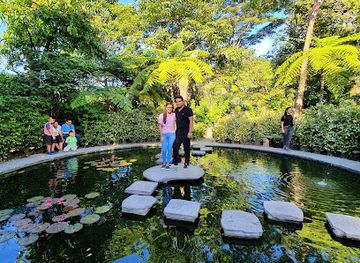
Explore Highlands on the map
Plan your trip on one map. See where the top cities, national parks and sights are, and book hotels and experiences in a few clicks.
Best hotels in Highlands
Best restaurants in Highlands
Highland dining is shaped by coffee, cool-climate agriculture and the cooking of small towns rather than by a single distinctive cuisine. In the western uplands, cafés and estate visits often feature locally grown coffee alongside pastries, cakes and simple breakfasts, while Juayúa is known for its weekend food stalls offering Salvadoran dishes such as pupusas, grilled meats, soups and fried snacks. Market towns provide fresh fruit, vegetables, cheeses and baked goods, and rural restaurants often serve hearty meals suited to cool mountain weather. In La Palma, San Ignacio, Perquín and Alegría, dining tends to centre on family-run restaurants, cafés and guesthouses rather than large formal establishments. Pupusas are a national food rather than an exclusively highland speciality, but they remain a practical and widely available meal. Ask whether coffee is locally produced and try seasonal ingredients where offered, while keeping cash available for small eateries and market vendors.
-
Restaurant
Picnic Steak House
Experience exceptional flavors at Picnic Steak House in Santa Tecla - where every meal is a culinary adventure.
-
Restaurant
Linda Vista Garden
Experience the perfect blend of nature and fine dining at Linda Vista Garden in Santa Tecla—where every meal is an escape into tranquility.
-
American
Tony Roma's
Experience authentic American barbecue at Tony Roma's in San Salvador—home to mouthwatering ribs, succulent steaks, and fresh seafood.
-
Restaurant
Las Brumas Grill & Cafe
Discover the vibrant flavors of El Salvador at Las Brumas Grill & Cafe – where culinary traditions meet modern tastes.


Best bars in Highlands
Nightlife in the Highlands is generally sociable and low-key, with evenings centred on cafés, restaurants, local bars and traditional pubs rather than a large club scene. Ataco, Juayúa and Apaneca attract the greatest concentration of evening activity in the western uplands, particularly at weekends, when visitors and residents gather for meals, coffee, drinks and occasional live music. La Palma and San Ignacio have a quieter atmosphere, while Perquín and other eastern mountain communities are better suited to relaxed dinners and conversation than late-night entertainment. Some accommodation providers organise cultural evenings or music, but programmes are variable and should not be assumed. The cooler climate makes coffeehouses and indoor dining especially appealing after sunset; in rural areas, arrange transport in advance rather than expecting frequent late buses or taxis.
-
Restaurant
Las Brumas Grill & Cafe
Discover the flavors of Álvarez at Las Brumas Grill & Cafe, where every meal is a celebration of local culinary artistry.
-
Brewpub
Cadejo Brewing Company
Experience the vibrant atmosphere and exceptional craft beers at Cadejo Brewing Company in San Salvador, where every sip tells a story.
-
Bar
Republik Bar
Discover the dynamic nightlife of San Salvador at Republik Bar, an Irish pub and concert hall offering live music, great drinks, and a vibrant atmosphere.
-
Breakfast
States Diner
Discover the flavors of San Salvador at States Diner, a beloved breakfast spot offering comforting dishes and a warm local atmosphere.


Best nightclubs in Highlands
Nightlife in the Highlands is generally sociable and low-key, with evenings centred on cafés, restaurants, local bars and traditional pubs rather than a large club scene. Ataco, Juayúa and Apaneca attract the greatest concentration of evening activity in the western uplands, particularly at weekends, when visitors and residents gather for meals, coffee, drinks and occasional live music. La Palma and San Ignacio have a quieter atmosphere, while Perquín and other eastern mountain communities are better suited to relaxed dinners and conversation than late-night entertainment. Some accommodation providers organise cultural evenings or music, but programmes are variable and should not be assumed. The cooler climate makes coffeehouses and indoor dining especially appealing after sunset; in rural areas, arrange transport in advance rather than expecting frequent late buses or taxis.
-
Night club
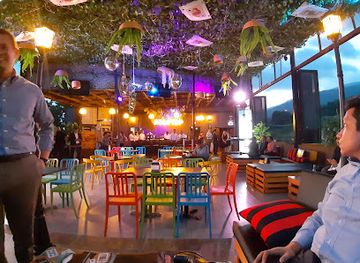
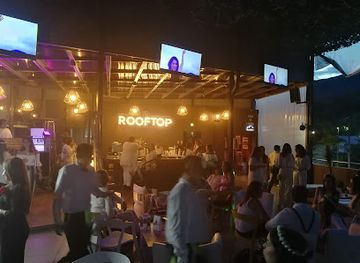
The Rooftop
Experience the vibrant nightlife at The Rooftop, San Salvador's ultimate destination for breathtaking views, music, and unforgettable nights.
-
Night club
Circus Cabaret
Discover the energetic nightlife at Circus Cabaret, a top night club in San Salvador offering vibrant entertainment and a unique circus-themed atmosphere.
-
Club
Club Tecleño El Sunzal
Discover the vibrant atmosphere of Club Tecleño El Sunzal, where beachside relaxation meets social engagement in a picturesque setting.
-
Night club
Riosur Nightlife Plaza
Discover the pulsating energy of Riosur Nightlife Plaza, San Salvador's ultimate destination for unforgettable nights filled with music, dance, and fun.

Best shops in Highlands
Shopping in the Highlands is strongest in small market towns and craft communities rather than in large retail centres. La Palma is particularly associated with colourful painted woodwork, textiles, household objects and other designs influenced by the artistic tradition linked to Fernando Llort; buying directly from workshops helps distinguish locally made pieces from imported souvenirs. The Ruta de las Flores offers cafés, galleries, craft shops, pottery, woven goods and small food producers in towns including Ataco, Apaneca and Juayúa. Coffee is the most portable regional purchase, with beans and ground coffee available from estates, specialist cafés and shops, though quality and provenance vary. Rural markets sell fruit, vegetables, baked goods and everyday household items, while Alegría, San Ignacio and Perquín offer a smaller selection of local crafts and produce. Ask about materials, origin and care instructions, and carry cash for independent sellers because card facilities are uneven outside established businesses.
-
Shopping mall
La Gran Via
Discover luxury shopping, diverse dining, and vibrant entertainment at La Gran Via, the premier shopping mall in Central America.
-
Shopping mall
Multiplaza
Explore Multiplaza, the ultimate shopping and dining destination in San Salvador, where local culture meets global brands for an unforgettable experience.
-
Shopping mall
Galerias Mall
Discover the bustling Galerias Mall in San Salvador, a premier shopping destination with diverse stores, dining, and entertainment options.
-
Shopping mall
Plaza Mundo Soyapango
Discover the vibrant shopping and entertainment experience at Plaza Mundo Soyapango, where shopping meets culinary delights in El Salvador.


Get your free copy of our complete guide to Highlands, delivered straight to you.
Everything on this page, from attractions and restaurants to essentials and local phrases, in one PDF you can read offline, print or share.
Already have an account? Sign in
Your Highlands guide is ready.
We'll send it to · Not you? Sign out

Getting your guide ready…
We are putting together a fresh copy of the Highlands guide. This can take up to a minute.
This can take a few moments. If your browser asks, choose Allow so the download can start. You'll find the guide in your Downloads folder.
Nothing happened? Download it again
Sorry, the guide is taking longer than usual. Please try again in a minute, or get it by email instead.
Highlands essentials
Currency and Payment
Safety
Emergency Situations
Do's and Don'ts
Local Tips
From Eve
Local phrases worth knowing
You don't need to get them perfect. A few words go a long way, and locals appreciate the effort.
Basics
| English | Local | Say it |
|---|---|---|
| Hello | Hola | [OH-lah] |
| Goodbye | Adiós | [ah-DYOS] |
| Yes | Sí | [SEE] |
| No | No | [NO] |
| Please/You're welcome | Por favor/De nada | [por fah-VOR/deh NAH-dah] |
| Thank you | Gracias | [GRAH-syahs] |
| Excuse me/Sorry | Disculpe/Lo siento | [dees-KOOL-peh/LOH SYEN-toh] |
| How are you? | ¿Cómo está? | [KOH-moh es-TAH] |
| Fine. And you? | Bien. ¿Y tú? | [BYEN. ee TOO] |
| Do you speak English? | ¿Habla inglés? | [AH-blah een-GLES] |
| I don't understand | No entiendo | [NO en-TYEN-doh] |
Eating & Drinking
| English | Local | Say it |
|---|---|---|
| I'd like to see the menu, please | Me gustaría ver el menú, por favor | [meh goo-stah-REE-ah vehr el meh-NOO, por fah-VOR] |
| I don't eat meat | No como carne | [NO KOH-moh KAR-neh] |
| Cheers! | ¡Salud! | [sah-LOOD] |
| I would like to pay, please | Quisiera pagar, por favor | [kee-SYEH-rah pah-GAR, por fah-VOR] |
Emergencies
| English | Local | Say it |
|---|---|---|
| Help! | ¡Ayuda! | [ah-YOO-dah] |
| Go away! | ¡Vete! | [VEH-teh] |
| Call the Police! | ¡Llame a la policía! | [YAH-meh ah lah poh-lee-SYAH] |
| Call a doctor! | ¡Llame a un doctor! | [YAH-meh ah oon dok-TOR] |
| I'm lost | Estoy perdido | [es-TOY per-DIH-doh] |
| I'm ill | Estoy enfermo/enferma | [es-TOY en-FER-mo/en-FER-mah] |
Shopping
| English | Local | Say it |
|---|---|---|
| I'd like to buy... | Quisiera comprar... | [kee-SYEH-rah kom-PRAR] |
| I'm just looking | Solo estoy mirando | [SOH-loh es-TOY mee-RAHN-doh] |
| How much is it? | ¿Cuánto cuesta? | [KWAN-toh KWES-tah] |
| That's too expensive | Eso es muy caro | [EH-so es MOY KAR-oh] |
| Can you lower the price? | ¿Puede bajar el precio? | [PWEH-deh bah-HAR el PREH-syoh] |
Time & Numbers
| English | Local | Say it |
|---|---|---|
| What time is it? | ¿Qué hora es? | [KEH OR-ah es] |
| It's one o'clock | Es la una | [es lah OO-nah] |
| Half past (10) | Y diez y media | [ee DYAS ee MEH-diah] |
| Morning | Mañana | [ma-NYAH-nah] |
| Afternoon | Tarde | [TAR-deh] |
| Evening | Noche | [NOH-cheh] |
| Yesterday | Ayer | [ah-YER] |
| Today | Hoy | [OY] |
| Tomorrow | Mañana | [ma-NYAH-nah] |
| 1 | Uno | [OO-no] |
| 2 | Dos | [DOS] |
| 3 | Tres | [TRES] |
| 4 | Cuatro | [KWAT-ro] |
| 5 | Cinco | [SEEN-koh] |
| 6 | Seis | [SAYS] |
| 7 | Siete | [SYEH-teh] |
| 8 | Ocho | [OH-choh] |
| 9 | Nueve | [NWEH-beh] |
| 10 | Diez | [DYEZ] |
Transport & Directions
| English | Local | Say it |
|---|---|---|
| Where's a/the...? | ¿Dónde hay un/una...? | [DON-deh AI oon/OO-nah] |
| What's the address? | ¿Cuál es la dirección? | [KWAL es lah dee-rek-SYON] |
| Can you show me (on the map)? | ¿Me puede mostrar (en el mapa)? | [meh PWEH-deh mos-TRAR (en el MAH-pah)] |
| When's the next (bus)? | ¿Cuándo sale el próximo (autobús)? | [KWAN-doh SAH-leh el PROK-see-mo (OW-toh-BOOS)] |
| A ticket (to ....) | Un boleto (a ....) | [OON boh-LEH-toh (ah ....)] |
History of Highlands
Indigenous Highland Societies Before Spanish Rule
Before the Spanish conquest, the uplands of present-day El Salvador were occupied by communities including Pipil-speaking peoples in the west and Lenca communities in the east and north. Settlements were linked to farming, trade and regional political networks, with maize, beans and other crops supporting life in valleys and on fertile volcanic soils. Archaeological evidence across El Salvador shows long interaction between Mesoamerican and local traditions, although the surviving highland landscape is more often encountered through living communities, place names and agricultural patterns than through monumental ruins.
Spanish Conquest and Colonial Mountain Settlements
Spanish forces entered the territory in the sixteenth century and established colonial systems of landholding, taxation and religious administration. Highland settlements developed around churches, agricultural estates and routes connecting the interior with Pacific lowlands and neighbouring territories. Indigenous communities experienced major disruption through disease, labour demands and the loss of land, while Catholic institutions became prominent features of town life. The enduring church architecture and street plans of several mountain towns reflect this colonial period, even where later rebuilding has altered their appearance.
Coffee and the Nineteenth-Century Uplands
During the nineteenth century, coffee became a defining export crop in El Salvador, particularly on the volcanic slopes and cool uplands of the west. Estates expanded as landholding patterns changed, and roads, processing facilities and commercial towns developed around the industry. Coffee brought wealth to a relatively small landowning elite while many rural workers and communities faced insecure access to land. Today, plantation landscapes, coffee mills, shaded growing areas and tasting culture remain among the clearest historical legacies of the western Highlands.
The 1932 Peasant Uprising and Its Aftermath
In January 1932, an uprising involving rural workers and Indigenous communities took place principally in western El Salvador, including areas connected with the coffee-growing highlands. The government response became known as La Matanza, or the Massacre, and thousands of people were killed, with the exact toll disputed. The violence had lasting consequences for Indigenous identity, land relations and political life. Visitors should understand that the western highlands' coffee prosperity and attractive historic towns exist alongside a difficult history of inequality and repression.
Civil War in the Northern and Eastern Mountains
El Salvador's civil war, fought from 1979 to 1992, affected the mountain regions of Chalatenango and Morazán particularly deeply. Their forested terrain supported guerrilla organisation, while villages experienced displacement, military operations and severe violence. Perquín became closely associated with the insurgency and now hosts the Museo de la Revolución, where former combatants and local history are presented through objects, photographs and testimony. The conflict shaped migration, community organisation and economic life, and its memory remains an important part of travel in the eastern and northern Highlands.
Postwar Reconstruction, Crafts and Highland Tourism
After the 1992 peace accords, many highland communities rebuilt civic life and sought new economic opportunities. Former conflict areas developed museums, guided visits and community-based tourism, while western towns strengthened their appeal through coffee tours, craft production, food events and restored historic streets. La Palma's colourful artistic tradition, associated with Fernando Llort and local workshops, became an especially recognisable cultural expression. Tourism has brought income and visibility, but rural communities still balance visitor expectations with agricultural work, conservation and the preservation of local memory.
Highlands in Photos
Browse through our photo collection highlighting the charm and character of the destination.
Neighbouring regions of Highlands
The closest regions to Highlands, if you have time for more than one.
-

-

-

-

-


Swipe for more regions
Explore more

Explore more of El Salvador
Discover the hidden gem of Central America with El Salvador's stunning landscapes, rich culture, and world-class surfing. A paradise for adventurers and culture lovers alike.
Explore El Salvador