

Free Alutaguse Travel Guide & Mobile App
Explore Alutaguse with free travel guides. Discover regional history, expert tips, proposed trips, and audio guides on web or mobile app.


Alutaguse brings Estonia’s eastern forests, bog trails, lake country, Orthodox heritage and quiet rural landscapes together in one expansive region.
Read more about Alutaguse
When is the best time to visit Alutaguse?
Best: June–August · 20–22°C| Month | High (°C) | Rainfall (mm) |
|---|---|---|
| January | -2 | 35 |
| February | -1 | 28 |
| March | 5 | 30 |
| April | 10 | 33 |
| May | 16 | 44 |
| June (best) | 20 | 59 |
| July (best) | 22 | 67 |
| August (best) | 21 | 66 |
| September | 16 | 57 |
| October | 11 | 52 |
| November | 4 | 50 |
| December | 0 | 45 |
Getting to and around Alutaguse
How to get there
Transportation
Top city travel guides in Alutaguse
The cities of Alutaguse, and the easiest places to base yourself.

Swipe for more cities
Best attractions in Alutaguse
Alutaguse’s attractions are predominantly landscape-based, with Alutaguse National Park providing the broadest experience of its forests, bogs, lakes and wildlife. Walking routes in the Poruni forest and around the Kurtna lake district reveal contrasting habitats, while boardwalks through peatlands offer an accessible introduction to Estonia’s wetland ecology. The national park and surrounding countryside are also associated with guided bear watching, bird observation and other low-impact nature experiences. Routes and facilities vary, so visitors should check local information before departure. Cultural attractions add scale and context to the outdoor experience. The Iisaku Museum explores local nature, settlement and rural life, while the Pühtitsa Dormition Convent at Kuremäe remains an active Orthodox religious centre with a distinctive architectural and spiritual character. Mäetaguse’s manor complex reflects the estate history of northern Estonia and provides a link between cultivated landscapes and the surrounding woodland. Small villages, old farm roads and the shores of Lake Peipus offer quieter alternatives to organised sightseeing. Alutaguse is best understood as a region for combining short cultural visits with longer, unhurried encounters with protected nature.
-
Tourist attraction
Lahemaa National Park
Discover Lahemaa National Park, Estonia’s largest national park, where breathtaking landscapes meet rich cultural heritage in an outdoor paradise.
-
Tourist attraction
Narva Muuseum
Explore the Narva Muuseum, a captivating historical landmark in Estonia showcasing rich cultural heritage and stunning architecture.
-
Tourist attraction
Rakvere Linnus
Discover the medieval charm of Rakvere Linnus, a top tourist attraction in Estonia that offers an immersive historical experience in a stunning castle setting.
-
Tourist attraction
Pukhitsa convent
Explore the serene beauty and spiritual heritage of Pukhitsa Convent in Kuremäe, a must-visit monastery in Eastern Estonia.


Best landmarks in Alutaguse
The Pühtitsa Dormition Convent at Kuremäe is Alutaguse’s most recognisable built landmark. Founded in the nineteenth century, the Orthodox complex occupies the summit of a distinctive hill and remains an active religious community, giving its buildings and grounds a living rather than museum-like character. Mäetaguse Manor is another important architectural marker, representing the estate system that organised land, labour and agriculture across northern Estonia; its historic buildings and landscaped setting contrast with the surrounding forests. The region’s natural landmarks are equally significant. The extensive peatlands of Agusalu and Muraka, the old-growth character of the Poruni forest and the scattered lakes of Kurtna express the ecological variety protected within Alutaguse National Park. Lake Peipus forms a broad eastern horizon and connects the region to centuries of inland-water travel, fishing and borderland exchange. Rather than a single monumental skyline, Alutaguse’s identity is built from the relationship between understated rural architecture and immense, waterlogged forest landscapes.
-
Historical landmark
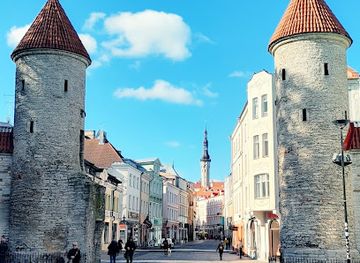
Viru Gate
Explore Viru Gate, a historic landmark in Tallinn, Estonia, and experience the charm of the medieval Old Town filled with culture and vibrant atmosphere.
-
Historical landmark
Tallinn Town Hall
Explore Tallinn Town Hall, a captivating historical landmark in Estonia, showcasing stunning Gothic architecture and vibrant cultural experiences.
-
Art museum
Kadriorg Art Museum
Discover the beauty of European art and Estonian heritage at Kadriorg Art Museum, a stunning Baroque palace nestled in lush Kadriorg Park.
-
Observation deck
Kohtuotsa viewing platform
Discover stunning views of Tallinn and its rich history from the breathtaking Kohtuotsa Viewing Platform, a must-visit for all travelers.


Explore Alutaguse on the map
Plan your trip on one map. See where the top cities, national parks and sights are, and book hotels and experiences in a few clicks.
Best hotels in Alutaguse
Best restaurants in Alutaguse
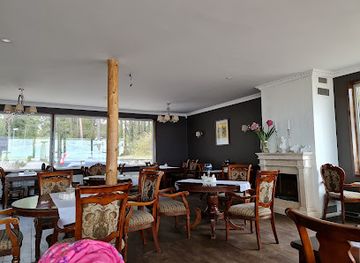
Dining in Alutaguse is shaped by its rural setting rather than by a dense restaurant industry. Iisaku, Mäetaguse and other larger settlements provide the most reliable opportunities for cafés, local meals and accommodation dining, while countryside guesthouses may offer food by arrangement. Expect Estonian staples such as soups, potatoes, rye bread, pork, dairy products and seasonal baking, alongside fish from the region’s lakes and waterways where locally available. Forest produce has a strong seasonal presence: berries, mushrooms and herbs appear in home cooking, preserves and desserts. The wider eastern Estonian food culture also reflects proximity to Russian-speaking communities, with differences in baking, pickling and home-style dishes visible from one household or establishment to another. Farmers’ produce, smoked foods and simple meals are often more representative of the region than fine dining. Because rural services can be widely spaced and seasonal, check availability and make arrangements ahead when staying outside the main villages.
-
Restaurant
Tikupoiss
Experience authentic Estonian flavors at Tikupoiss in Imavere – where local ingredients meet culinary tradition.
-
Georgian
Gruusia trahter Mimino
Experience authentic Georgian cuisine at Gruusia Trahter Mimino in Jõhvi – a culinary gem showcasing traditional flavors and warm hospitality.
-
Restaurant
Viitna Kõrts
Discover authentic Estonian flavors at Viitna Kõrts - where local cuisine meets warm hospitality in picturesque Lääne-Viru County.
-
Restaurant
Meretare
Experience exceptional local cuisine at Meretare in Narva-Jõesuu – where flavor meets breathtaking coastal views.


Best bars in Alutaguse
Alutaguse does not have a concentrated nightclub scene. Evening life is more likely to centre on the bar or dining room of a hotel, manor accommodation, guesthouse or local pub, particularly in and around Mäetaguse and Iisaku. Some establishments may host occasional community gatherings or live music, but programmes and opening arrangements are changeable rather than part of a permanent entertainment district. The region’s nightlife is better suited to a quiet meal, conversation and an early start on a nature trail than to late-night clubbing. For a wider choice of bars, cultural events and evening entertainment, visitors generally travel to larger centres elsewhere in Ida-Viru County, outside Alutaguse. Anyone driving between rural accommodation and an evening venue should plan transport in advance, as taxis and public transport are less readily available than in Estonia’s cities.
-
Pub
Virma Pubi
Discover the heart of Estonian hospitality at Virma Pubi, where local flavors and a welcoming atmosphere come together in Rakvere.
-
Bar
Club RO RO
Discover the vibrant nightlife at Club RO RO, Narva's lively bar and disco club, where music and fun come together for an unforgettable experience.
-
Sushi
Ocean Sushi- Baar
Discover the exquisite taste of authentic sushi at Ocean Sushi Bar, Jõhvi's hidden gem for Japanese cuisine enthusiasts.
-
Restaurant
Wironia Pubi
Experience the vibrant culinary scene at Wironia Pubi, where local flavors meet international cuisine in a cozy atmosphere in Jõhvi.


Best nightclubs in Alutaguse
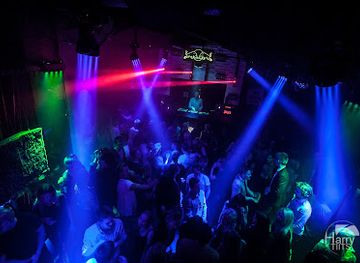
Alutaguse does not have a concentrated nightclub scene. Evening life is more likely to centre on the bar or dining room of a hotel, manor accommodation, guesthouse or local pub, particularly in and around Mäetaguse and Iisaku. Some establishments may host occasional community gatherings or live music, but programmes and opening arrangements are changeable rather than part of a permanent entertainment district. The region’s nightlife is better suited to a quiet meal, conversation and an early start on a nature trail than to late-night clubbing. For a wider choice of bars, cultural events and evening entertainment, visitors generally travel to larger centres elsewhere in Ida-Viru County, outside Alutaguse. Anyone driving between rural accommodation and an evening venue should plan transport in advance, as taxis and public transport are less readily available than in Estonia’s cities.
-
Bar
Club RO RO
Discover the electrifying nightlife at Club RO RO in Narva – where live music meets vibrant dance floors for an unforgettable experience.
-
Bar
Bar Prowints
Experience the welcoming atmosphere and local flavors at Bar Prowints, Iisaku's beloved bar destination for travelers and locals alike.
-
Night club
Techno club HALL
Discover the vibrant nightlife of Tallinn at Techno Club HALL, where pulsating beats and an electric atmosphere create unforgettable memories.
-
Night club
Club Studio
Experience the vibrant nightlife of Tallinn at Club Studio, featuring electrifying dance floors and a lively atmosphere perfect for party-goers.


Best shops in Alutaguse
Shopping in Alutaguse is practical and small-scale, with local provisions available mainly in Iisaku, Mäetaguse and other larger settlements rather than in a continuous retail district. The most distinctive purchases are likely to come from farmers, guesthouses, seasonal stalls and local producers: preserves, honey, berries, mushrooms, smoked foods and other products linked to the surrounding forest and agricultural landscape. Rural craft items, woollen goods, woodwork and handmade souvenirs may appear at visitor sites or seasonal events, though availability changes throughout the year. The Iisaku area is useful for combining local-history visits with everyday shopping, while manor and nature destinations may have a limited selection of regional gifts rather than extensive retail. Visitors seeking larger supermarkets, specialist shops or a broader choice of Estonian design should plan a stop in a larger Ida-Viru centre outside Alutaguse. Carry reusable bags and cash for informal market-style purchases, and remember that wild plants, mushrooms and other natural products should only be collected where regulations permit.
-
Supermarket
Grossi toidukaubad Ahtme
Explore a rich selection of local and international products at Grossi Toidukaubad Ahtme, your supermarket destination in Ahtme, Estonia.
-
Grocery store
Jõhvi Maksimarket
Explore the vibrant Jõhvi Maksimarket: your go-to grocery store for local flavors and international treats in Jõhvi, Estonia.
-
Supermarket
Grossi Toidukaubad
Explore the best of Estonian cuisine at Grossi Toidukaubad, a supermarket offering fresh local products and a variety of international goods.
-
Furniture store
Home4you Jõhvi JEWE mööblimajas
Explore Home4you Jõhvi for stylish furniture and unique home décor reflecting the best of Estonian design.


Get your free copy of our complete guide to Alutaguse, delivered straight to you.
Everything on this page, from attractions and restaurants to essentials and local phrases, in one PDF you can read offline, print or share.
Already have an account? Sign in
Your Alutaguse guide is ready.
We'll send it to · Not you? Sign out

Getting your guide ready…
We are putting together a fresh copy of the Alutaguse guide. This can take up to a minute.
This can take a few moments. If your browser asks, choose Allow so the download can start. You'll find the guide in your Downloads folder.
Nothing happened? Download it again
Sorry, the guide is taking longer than usual. Please try again in a minute, or get it by email instead.
Alutaguse essentials
Currency and Payment
Safety
Emergency Situations
Do's and Don'ts
Local Tips
From Eve
Local phrases worth knowing
You don't need to get them perfect. A few words go a long way, and locals appreciate the effort.
Basics
| English | Local | Say it |
|---|---|---|
| Hello | Tere | [teh-reh] |
| Goodbye | Nägemist | [neh-gah-mist] |
| Yes | Jah | [yah] |
| No | Ei | [ay] |
| Please/You're welcome | Palun | [pah-loon] |
| Thank you | Aitäh | [ai-tah] |
| Excuse me/Sorry | Vabandust | [vah-bahn-doost] |
| How are you? | Kuidas sul läheb? | [koo-dahs sool leh-heb] |
| Fine. And you? | Hästi. Aga sina? | [hes-tee. ah-gah see-nah] |
| Do you speak English? | Kas sa räägid inglise keelt? | [kahs sah reh-ee-gid ing-lis-eh kehlt] |
| I don't understand | Ma ei saa aru | [mah ay zah ah-roo] |
Eating & Drinking
| English | Local | Say it |
|---|---|---|
| I'd like to see the menu, please | Soovin näha menüüd, palun | [soh-vin nah-hah meh-noo-d, pah-loon] |
| I don't eat meat | Ma ei söö liha | [mah ay suh-lay lee-hah] |
| Cheers! | Terviseks! | [ter-vee-seks] |
| I would like to pay, please | Soovin maksta, palun | [soh-vin mak-stah, pah-loon] |
Emergencies
| English | Local | Say it |
|---|---|---|
| Help! | Abi! | [ah-bee] |
| Go away! | Mine ära! | [mee-neh eh-rah] |
| Call the Police! | Kutsu politsei! | [koot-soo poh-lit-sei] |
| Call a doctor! | Kutsu arst! | [koot-soo arst] |
| I'm lost | Ma olen kadunud | [mah oh-len kah-doon-ood] |
| I'm ill | Ma olen haige | [mah oh-len hai-geh] |
Shopping
| English | Local | Say it |
|---|---|---|
| I'd like to buy... | Soovin osta... | [soh-vin oh-stah] |
| I'm just looking | Ma lihtsalt vaatlen | [mah leess-tahd vaht-len] |
| How much is it? | Kui palju see maksab? | [koo-ee pah-lyoo seh mahk-sahb] |
| That's too expensive | See on liiga kallis | [seh on lee-gah kah-lis] |
| Can you lower the price? | Kas sa saad hinda alandada? | [kahs sah sahd hin-dah ah-lahn-dah] |
Time & Numbers
| English | Local | Say it |
|---|---|---|
| What time is it? | Mis kell on? | [mis kel on] |
| It's one o'clock | Kell on üks | [kel on uks] |
| Half past (10) | Kell on pool (10) | [kel on pool (10)] |
| Morning | Hommik | [hom-meek] |
| Afternoon | Päev | [peh-ev] |
| Evening | Õhtu | [uh-thu] |
| Yesterday | Eile | [ay-leh] |
| Today | Täna | [tah-nah] |
| Tomorrow | Homme | [hom-meh] |
| 1 | Üks | [ooks] |
| 2 | Kaks | [kahks] |
| 3 | Kolm | [kolm] |
| 4 | Neli | [neh-lee] |
| 5 | Viis | [vees] |
| 6 | Kuus | [koos] |
| 7 | Seitsme | [sayts-meh] |
| 8 | Kaheksa | [kah-heks-ah] |
| 9 | Üheksa | [oo-heks-ah] |
| 10 | Kümme | [koom-meh] |
Transport & Directions
| English | Local | Say it |
|---|---|---|
| Where's a/the...? | Kus on ...? | [koos on ...?] |
| What's the address? | Mis on aadress? | [mis on ah-dress] |
| Can you show me (on the map)? | Kas sa saad mulle näidata (kaardilt)? | [kahs sah sahd moole nah-ee-dah-tah (kaar-dilt)?] |
| When's the next (bus)? | Millal on järgmine (buss)? | [mil-lal on yahr-gin-eh (boos)?] |
| A ticket (to ...) | Pilet (....) | [pee-let (....)] |
History of Alutaguse
Early Settlement and Forest Landscapes
Alutaguse’s rivers, lakes and forest margins have supported human activity since prehistoric times, although the wetland environment limited dense settlement. Fishing, hunting, gathering and small-scale cultivation developed alongside routes linking inland Estonia with the eastern borderlands. Archaeological traces and place-name evidence indicate long interaction between communities and the landscape. The region’s bogs and forests were not empty wilderness but working environments whose seasonal resources helped sustain rural populations over many centuries.
Medieval Livonia and Parish Communities
During the medieval period, Alutaguse formed part of the wider political and religious world of Livonia. German-speaking ecclesiastical and secular authorities influenced administration, landholding and Christianity, while Estonian-speaking rural communities continued to cultivate scattered farms and villages. Churches, manors and roads gradually connected the forest hinterland with larger centres such as Narva and the settlements of northern Estonia. The region’s later estate landscape grew from these medieval patterns of authority and land use.
Manors, Agriculture and Borderland Rule
From the early modern period until Estonia’s nineteenth-century national awakening, Alutaguse was shaped by manor estates, peasant farms and changing rulers. Swedish and later Russian authority affected administration, taxation and military geography, while estates such as Mäetaguse organised agriculture and forestry. The nearby eastern border also made the region strategically sensitive. Rural life remained closely tied to woodland, pasture and water, producing a dispersed settlement pattern that is still visible around villages and former estate lands.
Pühtitsa Convent and Orthodox Heritage
The Pühtitsa Dormition Convent at Kuremäe was founded in the nineteenth century and became an important centre of Russian Orthodox religious life in Estonia. Its establishment reflected the Russian Empire’s religious and administrative presence in the eastern part of the country, while the convent also developed its own local traditions and landscape. The complex survived the upheavals of the twentieth century and remains an active monastery. Visitors should remember that it is a religious community rather than simply a historic monument.
Industrialisation and Oil Shale in Ida-Viru
The discovery and large-scale exploitation of oil shale transformed Ida-Viru County during the twentieth century, bringing mines, processing plants, new settlements and major population changes. The most intensive industrial landscapes lie outside much of Alutaguse’s forest core, but the municipality forms part of the county whose economy and identity were profoundly shaped by the industry. Roads, employment patterns and Soviet-era development altered the relationship between rural communities and the wider regional economy, while protected areas preserved important remnants of the pre-industrial landscape.
War, Occupation and Post-Soviet Change
The Second World War and the subsequent Soviet occupation brought displacement, military disruption and political transformation across eastern Estonia. Alutaguse’s proximity to the Narva River and the Russian border placed the wider area within a strategically important zone, although many local settlements remained rural. After Estonia restored independence in 1991, agriculture and forestry continued alongside expanding nature conservation and tourism. The creation of Alutaguse National Park in 2018 gave formal recognition to the region’s exceptional forests, bogs, lakes and coastal habitats.
Alutaguse in Photos
Browse through our photo collection highlighting the charm and character of the destination.
Neighbouring regions of Alutaguse
The closest regions to Alutaguse, if you have time for more than one.
-

-

-

-

-


Swipe for more regions
Explore more

Explore more of Estonia
Discover Estonia: A perfect blend of medieval charm, modern innovation, and natural beauty in the heart of Northern Europe.
Explore Estonia