

Free Lääne-Virumaa Travel Guide & Mobile App
Explore Lääne-Virumaa with free travel guides. Discover regional history, expert tips, proposed trips, and audio guides on web or mobile app.


Explore Lääne-Virumaa for Rakvere Castle, Lahemaa forests, Baltic coast villages, manor estates and rewarding northern Estonian walks.
Read more about Lääne-Virumaa
When is the best time to visit Lääne-Virumaa?
Best: June–August · 20–22°C| Month | High (°C) | Rainfall (mm) |
|---|---|---|
| January | 0 | 35 |
| February | 0 | 30 |
| March | 5 | 30 |
| April | 10 | 35 |
| May | 16 | 40 |
| June (best) | 20 | 55 |
| July (best) | 22 | 65 |
| August (best) | 20 | 65 |
| September | 17 | 55 |
| October | 11 | 50 |
| November | 6 | 45 |
| December | 2 | 40 |
Getting to and around Lääne-Virumaa
How to get there
Transportation
Top city travel guides in Lääne-Virumaa
The cities of Lääne-Virumaa, and the easiest places to base yourself.
-

-

-


Swipe for more cities
Destinations in Lääne-Virumaa
Resorts, valleys and scenic spots worth a trip of their own.

Swipe for more destinations
Best attractions in Lääne-Virumaa
Lääne-Virumaa’s attractions range from interactive medieval history to protected coastal nature. Rakvere Castle is the county’s best-known heritage experience, presenting the stronghold and medieval life through reconstructed spaces and interpretation rather than as a bare ruin. The Lahemaa section of the county offers a different kind of visit: Palmse, Sagadi and Vihula manor estates combine architecture, parks and forest landscapes, while Käsmu and Altja provide insight into coastal settlement and maritime traditions. The national park’s trails lead through woods, wetlands and shoreline scenery, with Võsu offering a more established beach setting in summer. Inland, the Pandivere Upland is suited to walking, cycling and quiet landscape exploration, and Porkuni provides a notable lake and historic setting. Museums, craft displays, cultural events and nature-centre activities add context without overwhelming the rural character of the county. Kunda is particularly relevant for visitors interested in archaeology and industrial heritage, while Tapa reflects railway and military history. Distances between these places are significant enough that a route planned around two or three areas is more rewarding than a hurried checklist.
-
Tourist attraction
Estonian Open Air Museum
Immerse yourself in Estonia's rich culture and history at the Estonian Open Air Museum, featuring traditional architecture, crafts, and folk performances.
-
Tourist attraction
Rakvere Linnus
Discover the captivating history and stunning views of Rakvere Linnus, a medieval castle that transports visitors back to Estonia's glorious past.
-
Tourist attraction
Toila-Oru Park
Explore the enchanting landscapes of Toila-Oru Park, a serene sanctuary of nature and beauty along Estonia's picturesque coast.
-
Hotel
Vihula Manor Country Club & Spa
Discover the enchanting Vihula Manor Country Club & Spa, where history meets luxury in the heart of Estonia's stunning landscapes.

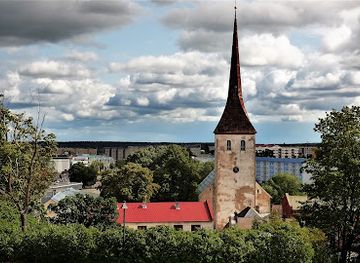
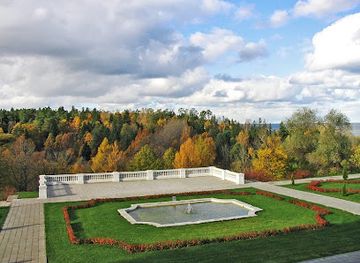
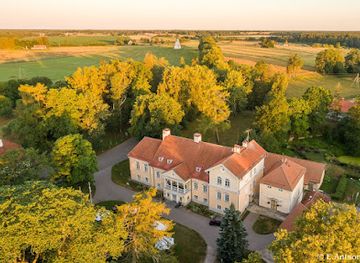
Best landmarks in Lääne-Virumaa
Rakvere Castle is Lääne-Virumaa’s defining built landmark, standing on a prominent hill above the town and recalling the medieval stronghold of Wesenberg. Its ruins and reconstructed elements make the site visually distinctive while also explaining the county’s strategic position in northern Estonia. The manor houses of Palmse, Sagadi and Vihula form another important group of landmarks: their façades, parks and estate landscapes represent the agricultural and administrative world that shaped the region for centuries. On the coast, Käsmu’s maritime buildings and shoreline give the village a strong historical identity, while the coastal chapel and old settlement character of Altja illustrate Lahemaa’s traditional village landscape. Kunda’s industrial structures and cement heritage point to a very different phase of regional development, when limestone and railway connections supported factory growth. Inland, Porkuni’s castle tower and lake create a memorable historical landscape, and the open uplands around Väike-Maarja reveal the geological character of northern Estonia. Together these places show Lääne-Virumaa as a meeting point of medieval power, manor culture, maritime life, industry and protected nature.
-
Historical landmark
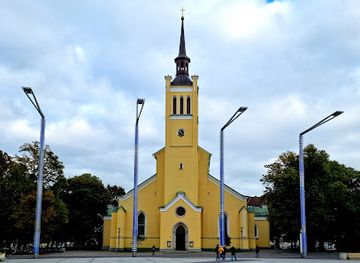
Freedom Square
Discover the heart of Tallinn at Freedom Square, a historical landmark celebrating Estonia's independence with vibrant events and stunning architecture.
-
Historical landmark
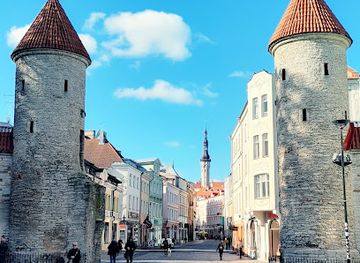
Viru Gate
Explore the enchanting Viru Gate, a historical landmark in Tallinn that showcases the city's medieval charm and rich cultural heritage.
-
Historical landmark
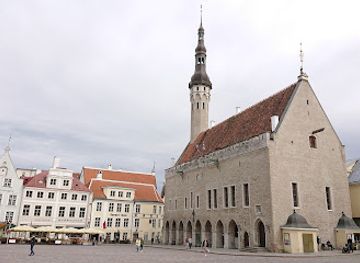
Tallinn Town Hall
Discover the enchanting Tallinn Town Hall, a historical landmark showcasing Gothic architecture and the vibrant spirit of Estonia's capital.
-
Tourist attraction
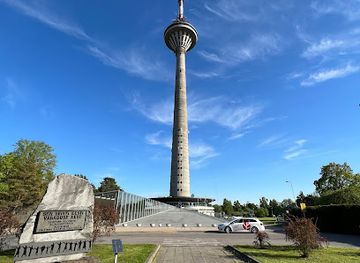
Tallinn TV Tower
Discover panoramic views and rich history at Tallinn TV Tower, Estonia's iconic landmark that elevates your sightseeing experience to new heights.
Explore Lääne-Virumaa on the map
Plan your trip on one map. See where the top cities, national parks and sights are, and book hotels and experiences in a few clicks.
Best hotels in Lääne-Virumaa
Best restaurants in Lääne-Virumaa
Dining in Lääne-Virumaa reflects northern Estonian home cooking, coastal produce and the county’s forested countryside. Rakvere has the broadest choice of restaurants, cafés and pubs, while manor estates and rural accommodation may offer meals built around seasonal local ingredients. Look for rye bread, potatoes, dairy products, freshwater or Baltic fish, smoked foods, berries, mushrooms and game where legally sourced and appropriately served. Coastal villages bring a maritime emphasis, although menus vary by season and not every seaside settlement operates as a full-time fishing port. Farm shops, markets and cafés can be good places to find preserves, baked goods and small-producer products, especially during the warmer months. Traditional Estonian flavours sit alongside contemporary European cooking, and vegetarian options are increasingly available in larger centres. Meal times and selection can be limited in rural districts, so visitors exploring manor houses or trails should not assume that a restaurant will be open nearby without checking ahead.
-
Restaurant
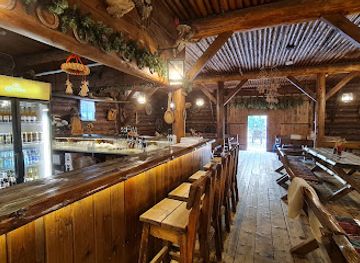
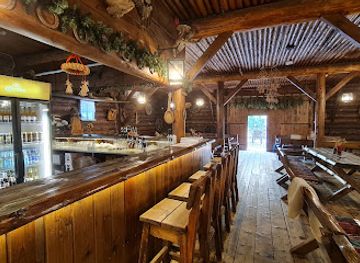
Viitna Kõrts
Discover the flavors of Estonia at Viitna Kõrts, where local ingredients meet traditional recipes in a cozy bistro atmosphere.
-
Restaurant
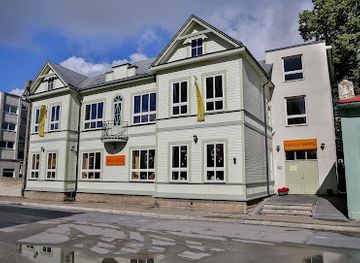
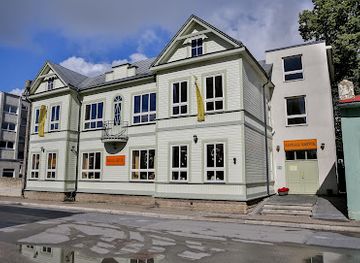
Rohuaia Kohvik
Discover the flavors of Estonia at Rohuaia Kohvik in Rakvere – where culinary tradition meets modern comfort.
-
Restaurant
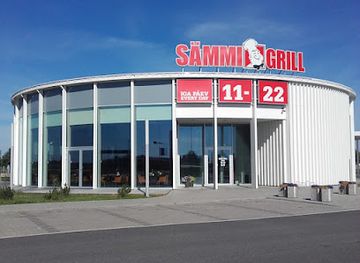
Sämmi Grill
Discover the authentic taste of Estonian barbecue at Sämmi Grill in Haljala - where flavor meets tradition.
-
Armenian
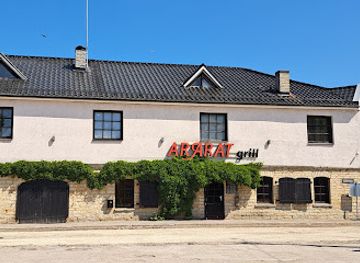
Ararat Grill
Experience authentic Armenian cuisine at Ararat Grill in Rakvere – where every dish is a celebration of flavor.
Best bars in Lääne-Virumaa
Evening life in Lääne-Virumaa is centred on Rakvere, where pubs, restaurants, cultural venues and occasional live-music events provide the county’s broadest choice after dark. The town’s theatre and event calendar can add a cultural dimension beyond drinking, while smaller settlements generally favour quiet bars, cafés and traditional pubs rather than dedicated nightclubs. In the Lahemaa coast, summer brings more seasonal activity around Võsu and visitor accommodation, but evening options remain dependent on the time of year. Rural manor hotels and guesthouses may serve drinks or host dinners in historic surroundings, while Kunda and Tapa have more local, low-key evening scenes. Visitors should expect earlier closing and longer distances outside Rakvere, and should arrange a safe return rather than relying on a late rural bus. Estonia’s established brewery culture is visible in pubs and restaurants, but alcohol is not necessary to experience the region’s evening life.
-
Bar
Artur Rõmeda šašlõkibaar
Discover the authentic taste of Estonia at Artur Rõmeda šašlõkibaar, where traditional shashlik meets a cozy atmosphere in Viitna.
-
Pub
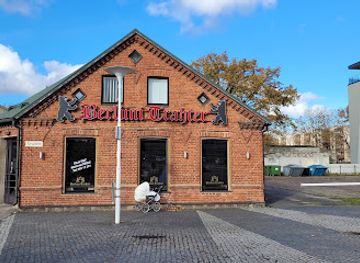
Berlin's Tavern
Discover the vibrant atmosphere and delicious cuisine at Berlin's Tavern in Rakvere, a must-visit pub for every traveler.
-
Restaurant
Viitna Kõrts
Viitna Kõrts: A charming bistro in Viitna, Estonia, offering local culinary delights in a cozy atmosphere amidst stunning countryside.
-
Restaurant
Rohuaia Kohvik
Experience the authentic flavors of Estonia at Rohuaia Kohvik, a cozy café in Rakvere renowned for its local dishes and inviting atmosphere.
Best nightclubs in Lääne-Virumaa
Evening life in Lääne-Virumaa is centred on Rakvere, where pubs, restaurants, cultural venues and occasional live-music events provide the county’s broadest choice after dark. The town’s theatre and event calendar can add a cultural dimension beyond drinking, while smaller settlements generally favour quiet bars, cafés and traditional pubs rather than dedicated nightclubs. In the Lahemaa coast, summer brings more seasonal activity around Võsu and visitor accommodation, but evening options remain dependent on the time of year. Rural manor hotels and guesthouses may serve drinks or host dinners in historic surroundings, while Kunda and Tapa have more local, low-key evening scenes. Visitors should expect earlier closing and longer distances outside Rakvere, and should arrange a safe return rather than relying on a late rural bus. Estonia’s established brewery culture is visible in pubs and restaurants, but alcohol is not necessary to experience the region’s evening life.
-
Night club
MJClub
Experience the vibrant nightlife of Tallinn at MJClub, where music and dancing create unforgettable memories.
-
Night club
Paparazzi
Experience the electrifying nightlife at Paparazzi, Tallinn's premier club for dancing and fun in an unforgettable atmosphere.
-
Lounge
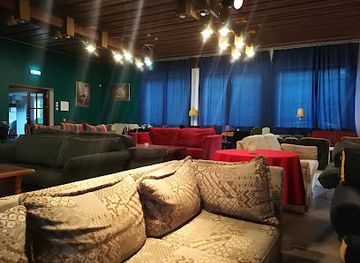
Buena Vista Sofa Club
Experience the cozy ambiance of the Buena Vista Sofa Club in Rakvere, a perfect retreat for relaxation and socializing amidst vibrant local culture.
-
Bar
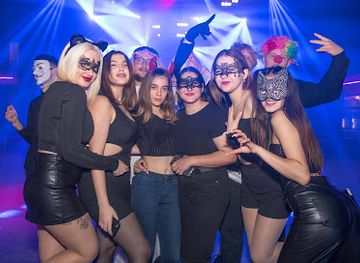
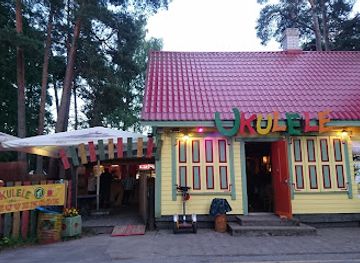
Ukulele
Discover the vibrant nightlife at Ukulele Bar, where great drinks and live entertainment create unforgettable experiences in Võsu.

Best shops in Lääne-Virumaa
Shopping in Lääne-Virumaa is focused on local produce, practical town services and small-scale crafts rather than large luxury retail. Rakvere has the county’s widest selection of shops, cafés and everyday retail, with its central streets and market-oriented businesses providing a useful base for regional food purchases. Smaller towns such as Kunda, Tapa and Väike-Maarja offer more limited high-street shopping and are useful for supplies rather than extensive browsing. At farm shops, seasonal markets and visitor sites, look for rye products, preserves, honey, herbal goods, smoked foods and other Estonian provisions. Lahemaa’s manor estates and craft-oriented attractions may sell locally made items, while coastal villages can offer maritime-themed gifts and handmade work when seasonal facilities are open. Good souvenirs include quality linen or wool goods, ceramics, woodwork and books about Estonian nature or history. Opening arrangements vary considerably in rural districts, so shopping is best combined with a planned visit rather than left until late in the day.
-
Shopping mall
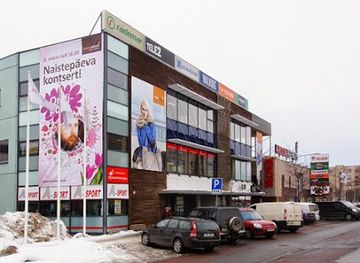
Rakvere Kroonikeskus
Explore Rakvere Kroonikeskus, a vibrant shopping mall offering diverse stores, dining options, and a chance to experience local culture.
-
Supermarket
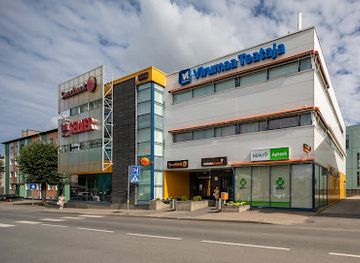
Krooni Selver
Discover local flavors and essentials at Krooni Selver, Rakvere's vibrant supermarket catering to all your shopping needs.
-
Home goods store
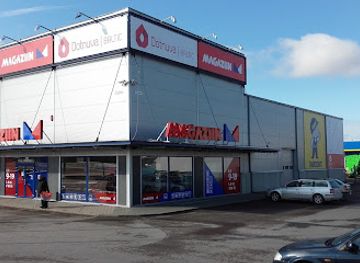
Magaziin
Discover unique home goods and local crafts at Magaziin in Taaravainu, where Estonian culture meets exquisite craftsmanship.
-
Building materials store
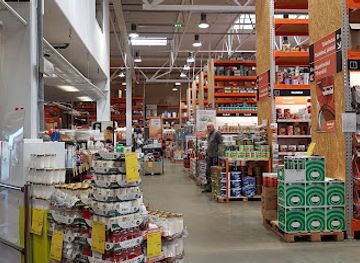
Bauhof
Explore Bauhof, Lääne-Viru County's premier building materials store, offering a wide selection of supplies for your home improvement projects.
Get your free copy of our complete guide to Lääne-Virumaa, delivered straight to you.
Everything on this page, from attractions and restaurants to essentials and local phrases, in one PDF you can read offline, print or share.
Already have an account? Sign in
Your Lääne-Virumaa guide is ready.
We'll send it to · Not you? Sign out

Getting your guide ready…
We are putting together a fresh copy of the Lääne-Virumaa guide. This can take up to a minute.
This can take a few moments. If your browser asks, choose Allow so the download can start. You'll find the guide in your Downloads folder.
Nothing happened? Download it again
Sorry, the guide is taking longer than usual. Please try again in a minute, or get it by email instead.
Lääne-Virumaa essentials
Currency and Payment
Safety
Emergency Situations
Do's and Don'ts
Local Tips
From Eve
Local phrases worth knowing
You don't need to get them perfect. A few words go a long way, and locals appreciate the effort.
Basics
| English | Local | Say it |
|---|---|---|
| Hello | Tere | [teh-reh] |
| Goodbye | Head aega | [head a-eh-gah] |
| Yes | Jah | [yah] |
| No | Ei | [ay] |
| Please/You're welcome | Palun | [pah-lun] |
| Thank you | Aitäh | [eye-tah] |
| Excuse me/Sorry | Vabandust | [vah-bahn-doost] |
| How are you? | Kuidas sul läheb? | [kwee-das sul leh-ehb?] |
| Fine. And you? | Hästi. Ja sina? | [hahs-tee. yah see-nah?] |
| Do you speak English? | Kas sa räägid inglise keelt? | [kas sah rah-ee-gid in-glee-seh kehlt?] |
| I don't understand | Ma ei saa aru | [mah ay zah ah-roo] |
Eating & Drinking
| English | Local | Say it |
|---|---|---|
| I'd like to see the menu, please | Ma tahaksin menüüd näha, palun | [mah tah-hahk-sin meh-nuued nah-hah, pah-lun] |
| I don't eat meat | Ma ei söö liha | [mah ay soo leh-hah] |
| Cheers! | Terviseks! | [ter-vee-seks] |
| I would like to pay, please | Ma tahaksin maksta, palun | [mah tah-hahk-sin mahk-stah, pah-lun] |
Emergencies
| English | Local | Say it |
|---|---|---|
| Help! | Aita! | [eye-tah] |
| Go away! | Mine ära! | [mee-neh eh-rah] |
| Call the Police! | Kutsu politsei! | [koot-soo poh-lee-tsei] |
| Call a doctor! | Kutsu arst! | [koot-soo arst] |
| I'm lost | Ma olen eksinud | [mah oh-len ek-see-nud] |
| I'm ill | Ma olen haige | [mah oh-len high-geh] |
Shopping
| English | Local | Say it |
|---|---|---|
| I'd like to buy... | Ma tahaksin osta... | [mah tah-hahk-sin oh-stah] |
| I'm just looking | Ma lihtsalt vaatan | [mah leess-tahl vah-tahn] |
| How much is it? | Kui palju see maksab? | [kwee pah-lyoo seh mahk-sahb?] |
| That's too expensive | See on liiga kallis | [seh on lee-gah kah-lis] |
| Can you lower the price? | Kas sa saad hinda alandada? | [kas sah sahd hin-dah ah-lahn-dah?] |
Time & Numbers
| English | Local | Say it |
|---|---|---|
| What time is it? | Mis kell on? | [mis kel on?] |
| It's one o'clock | Kell on üks | [kel on uks] |
| Half past (10) | Kell on pool (10) | [kel on pool (10)] |
| Morning | Hommik | [hom-mik] |
| Afternoon | Päev | [peh-ev] |
| Evening | Õhtu | [uh-thoo] |
| Yesterday | Eile | [eye-leh] |
| Today | Täna | [tah-nah] |
| Tomorrow | Homme | [hoh-meh] |
| 1 | Üks | [ooks] |
| 2 | Kaks | [kahks] |
| 3 | Kolm | [kohlm] |
| 4 | Neli | [neh-lee] |
| 5 | Viis | [vees] |
| 6 | Kuus | [koos] |
| 7 | Seitsme | [saits-meh] |
| 8 | Kaheksa | [kah-heks-ah] |
| 9 | Üheksa | [ue-heks-ah] |
| 10 | Kümme | [kuh-meh] |
Transport & Directions
| English | Local | Say it |
|---|---|---|
| Where's a/the...? | Kus on ...? | [koos on ...?] |
| What's the address? | Mis on aadress? | [mis on ah-dress?] |
| Can you show me (on the map)? | Kas sa saad mulle näidata (kaardilt)? | [kas sah sahd moole nah-ee-dah-tah (kahr-dilt)?] |
| When's the next (bus)? | Millal on järgmine (buss)? | [mil-lahl on yair-glee-neh (boos)?] |
| A ticket (to ....) | Pilet (.... juurde) | [pee-let (.... yoor-deh)] |
History of Lääne-Virumaa
The Kunda Culture and Early Settlement
The Kunda area gave its name to the Kunda culture, an archaeological term used for Mesolithic hunter-gatherer communities found in parts of the eastern Baltic. Evidence from the wider Kunda landscape shows that people were living from forests, rivers and coastal waters thousands of years ago. Their tools and settlement remains provide an important link between Estonia’s prehistoric past and the county’s present identity. Much of this heritage is archaeological rather than monumental, preserved through museums, research and the landscape itself.
Medieval Strongholds and Christian Rule
During the medieval period, northern Estonia was drawn into Christian political and military networks controlled at different times by Danish rulers and the Livonian Order. Rakvere, then known as Wesenberg, developed around a major stone stronghold, while local churches, estates and settlements became part of a new feudal order. Rakvere Castle’s surviving walls and later reconstructions help visitors understand the strategic importance of the area between Tallinn and eastern Estonia, although the medieval landscape extended well beyond the castle itself.
Manors, Agriculture and the Baltic Provinces
From the early modern period into the nineteenth century, much of Lääne-Virumaa was organised through manor estates, Lutheran parishes and agricultural villages. Estates such as Palmse, Sagadi and Vihula managed farmland, forests and local administration, leaving behind landscaped parks and manor buildings that remain among the county’s most visible historical features. The region’s economy depended heavily on agriculture, forestry and transport between inland settlements and the northern coast, while social divisions between estate owners, tenants and rural workers shaped daily life.
Coastal Seafaring and Käsmu’s Maritime Heritage
The villages of the Lahemaa coast developed close relationships with the sea, particularly through fishing, boatbuilding and seafaring. Käsmu became especially associated with maritime training and shipmasters, earning a lasting reputation in Estonian cultural history. Coastal communities also traded with nearby ports and adapted to the demands of seasonal weather and limited arable land. Today, boat collections, village museums and surviving coastal buildings recall a maritime economy that was practical and locally rooted rather than dominated by a large commercial harbour.
Industrialisation at Kunda
Kunda became one of Estonia’s notable industrial centres through its cement works, established in the nineteenth century when local limestone, transport links and growing construction demand encouraged large-scale production. The industry transformed the settlement, brought new workers and connected the area to wider markets. Industrial heritage remains important to Kunda’s identity, alongside the much older archaeological legacy of the surrounding region. The town illustrates how northern Estonia’s rural and coastal economy was reshaped by factories, railways and modern infrastructure.
Railways, Tapa and Modern Mobility
The development of railway connections in the late nineteenth and early twentieth centuries strengthened Lääne-Virumaa’s links with Tallinn, eastern Estonia and the inland university city of Tartu. Tapa grew as an important railway junction and later acquired strong military associations. Rail transport changed the movement of people, timber, agricultural goods and industrial products, while stations and railway communities became part of the county’s modern history. Those connections still influence how visitors travel through the region today.
Estonia Restored and the Rise of Nature Tourism
After Estonia restored its independence in 1991, Lääne-Virumaa’s economic and cultural life continued to evolve around regional towns, industry, forestry, agriculture and heritage tourism. Lahemaa National Park, established in 1971 as the first national park in the Soviet Union, became increasingly important to Estonia’s independent environmental identity and visitor economy. Manor restoration, castle interpretation, coastal museums and marked nature trails now present different aspects of the county’s past while conservation remains central to the character of its forests, wetlands and shoreline.
Lääne-Virumaa in Photos
Browse through our photo collection highlighting the charm and character of the destination.
Neighbouring regions of Lääne-Virumaa
The closest regions to Lääne-Virumaa, if you have time for more than one.
-

-

-

-

-


Swipe for more regions
Explore more

Explore more of Estonia
Discover Estonia: A perfect blend of medieval charm, modern innovation, and natural beauty in the heart of Northern Europe.
Explore Estonia