

Free Jõgeva County Travel Guide & Mobile App
Explore Jõgeva County with free travel guides. Discover regional history, expert tips, proposed trips, and audio guides on web or mobile app.


Explore Jõgeva County for Vooremaa lakes, Peipus culture, literary heritage, wetlands, manor houses and peaceful Estonian countryside.
Read more about Jõgeva County
When is the best time to visit Jõgeva County?
Best: June–August · 21–23°C| Month | High (°C) | Rainfall (mm) |
|---|---|---|
| January | -1 | 40 |
| February | 1 | 35 |
| March | 6 | 40 |
| April | 12 | 45 |
| May | 18 | 50 |
| June (best) | 21 | 55 |
| July (best) | 23 | 60 |
| August (best) | 22 | 60 |
| September | 17 | 55 |
| October | 12 | 50 |
| November | 5 | 45 |
| December | 1 | 40 |
Getting to and around Jõgeva County
How to get there
Transportation
Top city travel guides in Jõgeva County
The cities of Jõgeva County, and the easiest places to base yourself.
-

-


Swipe for more cities
Destinations in Jõgeva County
Resorts, valleys and scenic spots worth a trip of their own.

Swipe for more destinations
Best attractions in Jõgeva County
Jõgeva County’s attractions are distributed across a landscape of lakes, drumlins, wetlands, market towns and historic villages. In Palamuse, the parish school museum presents the world of Oskar Luts’s Kevade and offers insight into rural education and community life. Kääpa’s Kalevipoeg Museum explores Estonia’s national epic and the folklore of its landscapes, while Kuremaa combines a manor setting with a popular lake and seasonal recreational facilities. Põltsamaa provides castle history, river scenery and local cultural venues, and Jõgeva has literary and civic attractions associated with Betti Alver and the town’s development. Nature is equally important: the Endla wetlands offer marked routes and birdwatching opportunities, while Vooremaa’s lakes and forests support walking, swimming in suitable locations and quiet countryside exploration. Around Mustvee, visitors encounter Peipus shore culture, historic religious buildings and a different architectural atmosphere from inland Estonia. Small churches, manor parks, village cemeteries and farm landscapes add depth to itineraries, although opening arrangements and public transport can be limited outside the main towns.
-
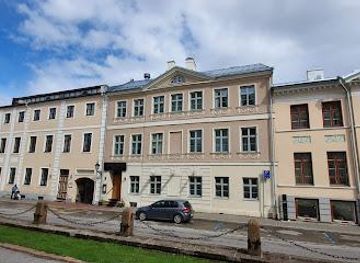
University
University of Tartu
Discover the University of Tartu, Estonia's oldest university, where history meets vibrant student life in a stunning architectural setting.
-
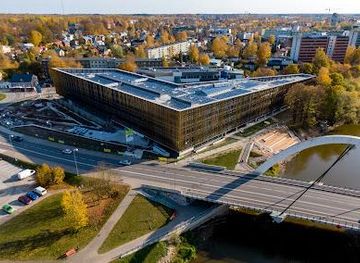
Academic department
University of Tartu Faculty of Economics and Business Administration
Discover the academic excellence and rich history at the University of Tartu Faculty of Economics and Business Administration in Estonia's vibrant city.
-
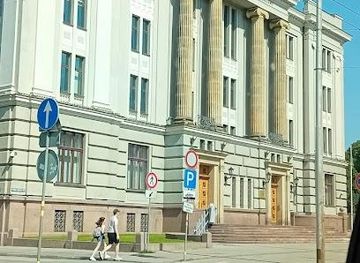
University
Tartu ülikool
Discover Tartu Ülikool, Estonia's oldest university, a stunning blend of history, architecture, and vibrant student life in the heart of Tartu.
Best landmarks in Jõgeva County
The most recognisable landmarks of Jõgeva County express its layered history and geography. Põltsamaa Castle, with its substantial medieval origins and later residential development, dominates the historic centre and reflects the town’s former political and cultural importance. The ruins of Laiuse Castle stand on a hill near Jõgeva, recalling the region’s strategic role during the wars that shaped Livonia and Sweden’s Baltic territories. Palamuse Church and its historic parish setting are closely tied to the literary memory created by Oskar Luts, while the village’s old school environment gives that connection a tangible form. The churches and prayer houses around Mustvee and the Peipus shore represent the area’s mixed Estonian and Old Believer heritage, with wooden architecture and cemeteries forming an important cultural landscape. Kuremaa Manor and its surrounding park provide a contrasting example of estate architecture beside a lake. Beyond built heritage, the elongated drumlins and lakes of Vooremaa and the broad wetlands of Endla are geographical landmarks that define the county’s visual identity.
-
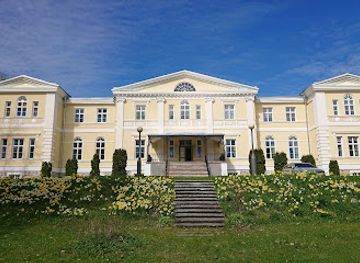
Tourist attraction
Kuremaa Manor
Explore the historical elegance and tranquil gardens of Kuremaa Manor in Jõgeva County, Estonia—a true gem for history and architecture enthusiasts.
-
Tourist attraction
Kalevipoja Koda / Muuseum
Experience the heart of Estonian culture at Kalevipoja Koda, where folklore, adventure sports, and local cuisine come together for an unforgettable visit.
-
Bar
German Pub
Discover the lively German Pub in Jõgeva for a taste of authentic German cuisine and beer in a vibrant atmosphere perfect for socializing.
-
Municipal Department of Tourism
Kuremaa Veski
Explore Kuremaa Veski, a charming Estonian tourist attraction blending nature and cultural heritage in Jõgeva County for an unforgettable experience.

Explore Jõgeva County on the map
Plan your trip on one map. See where the top cities, national parks and sights are, and book hotels and experiences in a few clicks.
Best hotels in Jõgeva County
Best restaurants in Jõgeva County
Dining in Jõgeva County reflects Estonia’s rural food culture and the distinctive traditions of the Peipus shore. Town cafés, bakeries, pubs and modest restaurants provide familiar Estonian meals, while farm shops and seasonal markets can offer locally grown vegetables, preserves, berries and baked goods. The lake communities around Mustvee are particularly associated with onion-growing culture, and Peipus onions are a characteristic regional product rather than a dish confined to formal restaurants. Inland menus often draw on potatoes, grains, dairy, pork, freshwater fish and forest ingredients such as mushrooms and berries. Põltsamaa and Jõgeva provide the broadest choice of cafés and everyday dining, while rural manor areas and villages may have fewer options and more seasonal service. Visitors should distinguish between traditional home-style food, contemporary Estonian cooking and products sold as local specialities; all are part of the region’s food landscape, but not every dish is exclusive to Jõgeva County.
-
Restaurant
Kohvik Õige Koht
Discover authentic Estonian cuisine at Kohvik Õige Koht in Kalmaküla - where every dish tells a story.
-
Restaurant
Chez Andre
Discover the exquisite flavors of Estonia at Chez Andre, where every dish is crafted with passion and creativity in Tartu.
-
Cafeteria
Juulamõisa kohvik
Experience authentic Estonian cuisine in a cozy setting surrounded by nature at Juulamõisa Kohvik in Tartu County.
-
Restaurant
Puhu risti söögimaja
Experience authentic Estonian cuisine at Puhu Risti Söögimaja in Põltsamaa – where every meal tells a story.
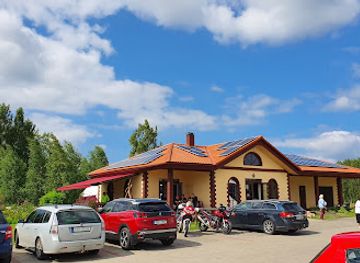

Best bars in Jõgeva County
Evening life in Jõgeva County is centred on pubs, cafés, hotel bars and community events rather than a large nightclub scene. Jõgeva and Põltsamaa offer the widest choice for a casual drink or meal after sightseeing, while Mustvee has a lakeside atmosphere during the warmer season. Traditional Estonian beer, cider and spirits are available alongside non-alcoholic drinks, and some local events bring live music or performances to town venues. In villages and rural areas, evenings are generally quiet, with hospitality connected to accommodation, restaurants or occasional cultural programmes. Summer festivals and outdoor events can make the main towns busier, but schedules change from year to year and should be checked locally. Travellers should plan transport in advance, as late public services are limited outside the principal settlements and taxis may not be readily available in remote areas.
-
Bar
NAIIV Tartu
Discover the vibrant cultural essence of NAIIV Tartu, where art, music, and cocktails blend for an unforgettable nightlife experience.
-
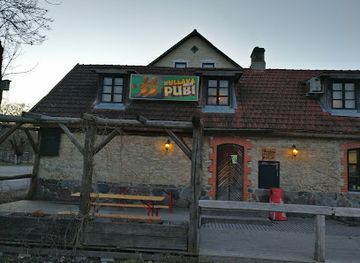
Bar
Hullava Naise pubi
Discover Hullava Naise Pubi, a lively bar in Põltsamaa offering local drinks, hearty food, and a vibrant atmosphere for every traveler.
-
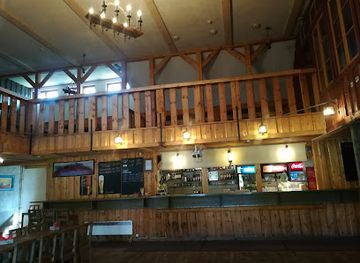
Bar
Imavere Tavern
Experience the local flavors and warm hospitality of Imavere Tavern, a quaint bar and coffee shop in the heart of Järvamaa.
-
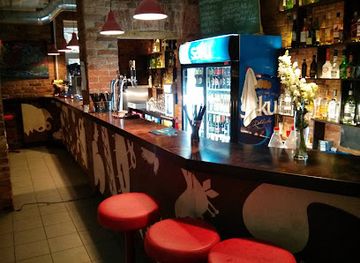
Bar
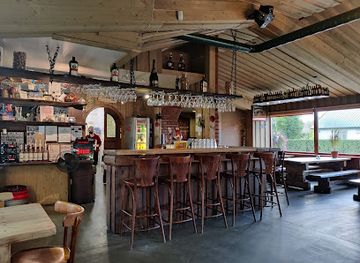
German Pub
Discover the heart of German culture in Jõgeva with authentic dishes and a lively atmosphere at the German Pub.
Best nightclubs in Jõgeva County
Evening life in Jõgeva County is centred on pubs, cafés, hotel bars and community events rather than a large nightclub scene. Jõgeva and Põltsamaa offer the widest choice for a casual drink or meal after sightseeing, while Mustvee has a lakeside atmosphere during the warmer season. Traditional Estonian beer, cider and spirits are available alongside non-alcoholic drinks, and some local events bring live music or performances to town venues. In villages and rural areas, evenings are generally quiet, with hospitality connected to accommodation, restaurants or occasional cultural programmes. Summer festivals and outdoor events can make the main towns busier, but schedules change from year to year and should be checked locally. Travellers should plan transport in advance, as late public services are limited outside the principal settlements and taxis may not be readily available in remote areas.
-
Bar
German Pub
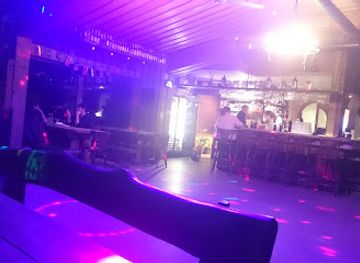
Discover a slice of Germany in Jõgeva at the lively German Pub, known for its hearty cuisine and extensive beer selection.
-
Night club
Lokaal Kassa
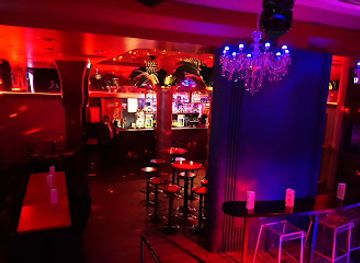
Experience the vibrant nightlife of Pärnu at Lokaal Kassa, a premier night club known for its lively atmosphere and eclectic music.
-
Night club
VABANK Club - Ööklubi Tartus
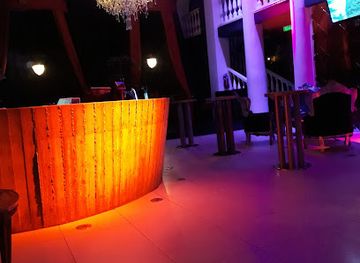
Experience the vibrant nightlife at VABANK Club in Tartu, where music, dancing, and unforgettable memories come together.
-
Night club
Club Illusion
Dive into Tartu's vibrant nightlife at Club Illusion, where electrifying music and a lively atmosphere come together for an unforgettable experience.

Best shops in Jõgeva County
Shopping in Jõgeva County is practical and locally focused rather than centred on major retail complexes. Jõgeva, Põltsamaa and Mustvee have the largest concentration of everyday shops, cafés and services, while smaller settlements offer occasional local produce stalls and seasonal sales. The Peipus shore is the best-known place to look for locally grown onions and other garden produce, although availability follows the agricultural season. Farm shops, markets and craft outlets may carry preserves, honey, baked goods, woollen items, woodwork and small souvenirs connected with Estonian rural life. Museum shops at cultural sites can provide books about local literature, folklore and history, including material related to Oskar Luts or the Kalevipoeg tradition. Visitors should not expect extensive designer or luxury shopping, but the county is well suited to buying food products, books, handicrafts and modest regional gifts. Retail opening arrangements vary considerably in villages, so town centres are the more dependable option for practical purchases.
-
Shopping mall
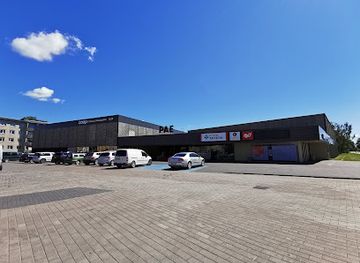
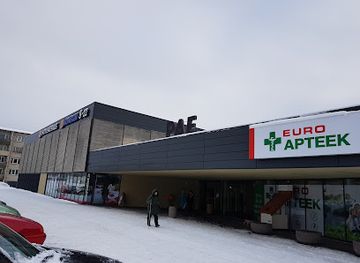
Pae Keskus
Discover the vibrant Pae Keskus in Jõgeva, Estonia - a shopper's paradise with diverse stores, dining options, and local services.
-
Produce market
Pae Konsum
Experience the essence of Jõgeva at Pae Konsum, a bustling produce market offering fresh local goods and a taste of Estonian culture.
-
Supermarket
Jõgeva Selver
Explore Jõgeva Selver: Your one-stop supermarket for local and international groceries in the heart of Jõgeva.
-
Supermarket
Jõgeva Maxima
Explore the vibrant selection at Jõgeva Maxima, where local flavors meet everyday shopping in the heart of Jõgeva.
Get your free copy of our complete guide to Jõgeva County, delivered straight to you.
Everything on this page, from attractions and restaurants to essentials and local phrases, in one PDF you can read offline, print or share.
Already have an account? Sign in
Your Jõgeva County guide is ready.
We'll send it to · Not you? Sign out

Getting your guide ready…
We are putting together a fresh copy of the Jõgeva County guide. This can take up to a minute.
This can take a few moments. If your browser asks, choose Allow so the download can start. You'll find the guide in your Downloads folder.
Nothing happened? Download it again
Sorry, the guide is taking longer than usual. Please try again in a minute, or get it by email instead.
Jõgeva County essentials
Currency and Payment
Safety
Emergency Situations
Do's and Don'ts
Local Tips
From Eve
Local phrases worth knowing
You don't need to get them perfect. A few words go a long way, and locals appreciate the effort.
Basics
| English | Local | Say it |
|---|---|---|
| Hello | Tere | [te-re] |
| Goodbye | Nägemist | [nae-ge-mist] |
| Yes | Jah | [yah] |
| No | Ei | [ay] |
| Please/You're welcome | Palun | [pa-lun] |
| Thank you | Aitäh | [ai-tah] |
| Excuse me/Sorry | Vabandust | [va-ban-dust] |
| How are you? | Kuidas sul läheb? | [kwee-das sul leh-heb] |
| Fine. And you? | Hea. Aga sina? | [he-ah. ah-gah see-nah] |
| Do you speak English? | Kas sa räägid inglise keelt? | [kas sah rah-eed in-gli-seh kelt] |
| I don't understand | Ma ei saa aru | [mah ay zah ah-roo] |
Eating & Drinking
| English | Local | Say it |
|---|---|---|
| I'd like to see the menu, please | Ma soovin näha menüüd, palun | [mah so-vin nah-hah meh-nuud, pa-lun] |
| I don't eat meat | Ma ei söö liha | [mah ay süh leh-hah] |
| Cheers! | Terviseks! | [ter-vee-seks] |
| I would like to pay, please | Ma soovin maksta, palun | [mah so-vin mak-stah, pa-lun] |
Emergencies
| English | Local | Say it |
|---|---|---|
| Help! | Aita! | [ai-tah] |
| Go away! | Mine ära! | [mee-neh eh-rah] |
| Call the Police! | Kutsu politsei! | [koot-soo po-li-tsay] |
| Call a doctor! | Kutsu arsti! | [koot-soo ar-stee] |
| I'm lost | Ma olen kadunud | [mah oh-len kah-doo-nud] |
| I'm ill | Ma olen haige | [mah oh-len hai-geh] |
Shopping
| English | Local | Say it |
|---|---|---|
| I'd like to buy... | Ma soovin osta... | [mah so-vin os-tah] |
| I'm just looking | Ma lihtsalt vaatan | [mah lis-telt vah-tahn] |
| How much is it? | Kui palju see maksab? | [kwee pal-yoo seh mak-sahb] |
| That's too expensive | See on liiga kallis | [seh on lee-gah kal-lis] |
| Can you lower the price? | Kas sa saad hinda langetada? | [kas sah sahd hin-dah lan-ge-ta-dah] |
Time & Numbers
| English | Local | Say it |
|---|---|---|
| What time is it? | Mis kell on? | [mis kell on] |
| It's one o'clock | Kell on üks | [kell on uks] |
| Half past (10) | Kell on pool (kümme) | [kell on pool (ky-mmeh)] |
| Morning | Hommik | [hom-mik] |
| Afternoon | Päev | [pa-ev] |
| Evening | Õhtu | [uh-tu] |
| Yesterday | Eile | [ei-le] |
| Today | Täna | [ta-na] |
| Tomorrow | Homme | [hom-me] |
| 1 | Üks | [uuks] |
| 2 | Kaks | [kaks] |
| 3 | Kolm | [kolm] |
| 4 | Neli | [ne-li] |
| 5 | Viis | [vees] |
| 6 | Kuus | [koos] |
| 7 | Seitsme | [say-ts-me] |
| 8 | Kaheksa | [kah-heks-ah] |
| 9 | Üheksa | [u-heks-ah] |
| 10 | Kümme | [ky-mmeh] |
Transport & Directions
| English | Local | Say it |
|---|---|---|
| Where's a/the...? | Kus on ...? | [koos on ...?] |
| What's the address? | Mis on aadress? | [mis on aa-dress] |
| Can you show me (on the map)? | Kas sa saad mulle näidata (kaardil)? | [kas sah sahd mul-le nai-da-ta (kaar-dil)] |
| When's the next (bus)? | Millal tuleb järgmine (buss)? | [mil-lal too-leb yar-gmi-ne (boos)] |
| A ticket (to ....) | Pilet (kui ...) | [pee-let (kwee ...)] |
History of Jõgeva County
Early Settlement and the Vooremaa Landscape
The drumlins, lakes and fertile hollows of Vooremaa were shaped by the retreat of the last Ice Age and have influenced settlement for thousands of years. Archaeological evidence from the wider region records prehistoric farming, fishing and trade, while waterways and lake routes connected communities across inland Estonia. The landscape’s elongated hills and intervening lakes remain one of Jõgeva County’s defining geographical features. They helped determine the location of villages, roads, estates and fields long before the modern county was established.
Medieval Estates, Churches and Trade Routes
During the medieval period, the area formed part of the political and religious world of Livonia. Parish churches, manors and fortified sites developed as German-speaking elites, ecclesiastical institutions and local farming communities shaped the countryside. Laiuse Castle, now a ruin near Jõgeva, reflects the strategic importance of the region’s inland routes. Settlement also grew around churches and market centres, creating the historic framework from which later towns such as Põltsamaa and Mustvee developed.
Wars and Political Change in the Seventeenth Century
Jõgeva County lay within a contested zone during the Livonian War and the later Swedish-Polish and Swedish-Russian conflicts. Laiuse Castle gained particular importance in the Great Northern War, when the Swedish king Charles XII spent the winter of 1700–1701 there after the Battle of Narva. The wars brought destruction and population loss, but they also contributed to the redistribution of estates and the consolidation of administrative power. Ruins, manor landscapes and church history preserve parts of this turbulent period.
Põltsamaa and the Enlightenment Era
Põltsamaa became an important centre of local administration and culture in the eighteenth century. Its castle complex, originally a medieval stronghold, was developed into a more comfortable residence and associated with the intellectual ambitions of the period. A printing press operated in Põltsamaa in the eighteenth century, producing works in Estonian and German and contributing to the spread of written culture. The town’s later identity continues to reflect the combination of castle history, river settlement and Estonia’s early cultural development.
Peipus Communities and Old Believer Heritage
From the seventeenth century onwards, Russian Old Believers settled along the western shore of Lake Peipus after religious persecution in Russia. Villages in the Mustvee and neighbouring lakeside area developed distinctive wooden prayer houses, cemeteries, gardens and fishing and farming traditions. Onion cultivation became particularly associated with the Peipus shore, although the area’s economy has always been broader than a single crop. The coexistence of Estonian and Russian-speaking communities has given the county’s north-eastern edge a cultural character distinct from inland Vooremaa.
National Awakening, Literature and Rural Modernisation
The nineteenth century brought stronger national consciousness, expanding education and new forms of Estonian-language literature. Palamuse later became famous through Oskar Luts’s novel Kevade, based on school life in a rural parish and now central to the area’s cultural memory. Rail connections and improved roads linked the county more closely with Tallinn, Tartu and other parts of Estonia, while manor agriculture gradually gave way to modern farming and village institutions. These changes helped create the network of small towns recognised today.
Independent Estonia, Soviet Rule and Restoration
The creation of the Estonian Republic in 1918 transformed land ownership, administration and public life across the county. During the Soviet period, agriculture was collectivised and many villages became part of state or collective farms, while local industries and services were reorganised. Estonia restored its independence in 1991, after which rural communities adapted to new economic conditions, municipal reforms and European integration. Today’s county, including Jõgeva, Põltsamaa and Mustvee municipalities, brings together landscapes and settlements with both shared history and distinct local identities.
Jõgeva County in Photos
Browse through our photo collection highlighting the charm and character of the destination.
Neighbouring regions of Jõgeva County
The closest regions to Jõgeva County, if you have time for more than one.
-

-

-

-

-


Swipe for more regions
Explore more

Explore more of Estonia
Discover Estonia: A perfect blend of medieval charm, modern innovation, and natural beauty in the heart of Northern Europe.
Explore Estonia