

Free Lääne-Viru County Travel Guide & Mobile App
Explore Lääne-Viru County with free travel guides. Discover regional history, expert tips, proposed trips, and audio guides on web or mobile app.


Explore Lääne-Viru County for medieval Rakvere, Lahemaa forests, Baltic villages, manor houses, bog trails and Estonia’s industrial heritage.
Read more about Lääne-Viru County
When is the best time to visit Lääne-Viru County?
Best: June–August · 20–22°C| Month | High (°C) | Rainfall (mm) |
|---|---|---|
| January | -2 | 40 |
| February | -2 | 30 |
| March | 2 | 35 |
| April | 8 | 35 |
| May | 15 | 45 |
| June (best) | 20 | 60 |
| July (best) | 22 | 80 |
| August (best) | 21 | 80 |
| September | 16 | 70 |
| October | 11 | 60 |
| November | 4 | 60 |
| December | 0 | 50 |
Getting to and around Lääne-Viru County
How to get there
Transportation
Top city travel guides in Lääne-Viru County
The cities of Lääne-Viru County, and the easiest places to base yourself.
-

-

-


Swipe for more cities
Destinations in Lääne-Viru County
Resorts, valleys and scenic spots worth a trip of their own.

Swipe for more destinations
Best attractions in Lääne-Viru County
Lääne-Viru County’s attractions range from medieval fortifications and manor estates to bogs, forests and the Gulf of Finland coast. Rakvere Castle is the county’s best-known historic visitor site, presenting the remains of the medieval stronghold through exhibitions and interpretive experiences, while the town adds museums, cultural venues and the prominent Tarvas sculpture. In Lahemaa National Park, Palmse and Sagadi manor complexes introduce visitors to estate architecture, landscaped grounds and rural history. The Käsmu Maritime Museum explores the seafaring traditions of a coastal village, and nearby Võsu provides access to a popular Baltic shore setting. Marked trails, including routes through the Viru bog, reveal peatland ecology and northern Estonian woodland. Kunda offers a different perspective through its cement-making and industrial heritage. Across the county, smaller churches, villages, archaeological traces, coastal viewpoints and nature paths reward visitors who travel slowly. The attraction landscape is defined less by one single centre than by the contrast between Rakvere’s urban heritage, Kunda’s industry, Tapa’s railway identity and Lahemaa’s protected coast and countryside.
-
Hotel
Vihula Manor Country Club & Spa
Experience the elegance of Vihula Manor Country Club & Spa, a perfect blend of history and luxury in Estonia's stunning countryside.
-
Tourist attraction
Järva-Jaani Vanatehnika varjupaik ja muuseumide keskus
Explore the rich history of vintage technology at Järva-Jaani Vanatehnika Varjupaik, an unforgettable museum experience in Estonia.
-
Tourist attraction
Emumäe vaatetorn
Discover breathtaking views and serene hiking trails at Emumäe Vaatetorn in Lääne-Viru County, Estonia, for an unforgettable nature-filled adventure.
-
Tourist attraction
Eisma sadam
Discover the serene beauty of Eisma Sadam, a picturesque harbor in Estonia offering breathtaking coastal views and fresh seafood delights.


Best landmarks in Lääne-Viru County
Rakvere Castle is Lääne-Viru’s defining architectural landmark, its stone remains and elevated position recalling the town’s medieval role as Wesenberg. Nearby, the large Tarvas sculpture on the castle hill has become a contemporary emblem of Rakvere and a striking viewpoint over the town. The manor houses at Palmse and Sagadi represent different aspects of the Baltic German estate landscape, with surviving buildings, parks and working outbuildings that reveal how land was organised before the twentieth-century reforms. Along the coast, Käsmu’s village setting, maritime heritage and distinctive peninsula landscape express the county’s long relationship with seafaring. The Viru bog is a natural landmark rather than a monumental structure: its open pools, peatland vegetation and boardwalk create one of Lahemaa’s most recognisable landscapes. Kunda’s industrial skyline and historic cement works provide a contrasting landmark of modern economic history, while Tapa’s railway infrastructure reflects the transport networks that helped shape the county’s twentieth-century development.
-
Historical landmark
Freedom Square
Explore Freedom Square in Tallinn, a historical landmark that celebrates Estonia's independence and offers a vibrant atmosphere for tourists.
-
Historical landmark
Viru Gate
Explore Viru Gate, a historic gateway to Tallinn's Old Town, where medieval charm meets modern vibrancy in Estonia's capital.
-
Historical landmark
Tallinn Town Hall
Discover the majestic Tallinn Town Hall, a splendid Gothic landmark rich in history and culture, located in the vibrant heart of Estonia's capital.
-
Tourist attraction
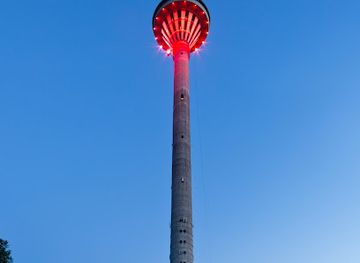
Tallinn TV Tower
Discover breathtaking views and rich history at the iconic Tallinn TV Tower, Estonia's tallest landmark, offering a unique experience for every traveler.


Explore Lääne-Viru County on the map
Plan your trip on one map. See where the top cities, national parks and sights are, and book hotels and experiences in a few clicks.
Best hotels in Lääne-Viru County
Best restaurants in Lääne-Viru County
Dining in Lääne-Viru County reflects Estonia’s northern climate, farming traditions and coastline. In Rakvere, cafés, pubs and contemporary restaurants provide the broadest choice, while rural inns and manor properties around Lahemaa offer meals in historic settings when operating seasonally. Expect dishes and ingredients associated with the wider Estonian kitchen: dark rye bread, potatoes, dairy products, pork, forest mushrooms, berries and preserved or smoked fish. Coastal villages may feature herring or other Baltic fish, although menus vary and seafood is not served everywhere. Seasonal soups, baked goods and berry desserts are common themes, and local producers may appear through farm shops or markets rather than formal restaurant menus. Kunda and Rakvere retain a practical working-town dining culture alongside more polished venues, while the national park tends towards small cafés, guesthouse kitchens and pre-booked meals. Because distances between villages can be considerable and rural services may close outside the main season, check availability and plan food stops before setting out.
-
Restaurant
Viitna Kõrts
Experience authentic Estonian cuisine at Viitna Kõrts in the heart of Lääne-Viru County's picturesque countryside.
-
Restaurant
Rohuaia Kohvik
Discover delicious local cuisine at Rohuaia Kohvik in Rakvere – where every meal tells a story of Estonia's rich culinary heritage.
-
Restaurant
Sämmi Grill
Discover the rich flavors of Estonian barbecue at Sämmi Grill, where every meal is a celebration of taste and tradition.
-
Armenian
Ararat Grill
Savor authentic Armenian cuisine at Ararat Grill in Rakvere, where tradition meets flavor in every dish.



Best bars in Lääne-Viru County
Evening life in Lääne-Viru County is centred on pubs, hotel bars, cafés and restaurants rather than a large club circuit. Rakvere has the widest choice, with places for casual drinks, live performances and late-evening dining, while Tapa and Kunda offer a more local, small-town atmosphere. In Lahemaa and along the coast, evenings are generally quiet and may revolve around a guesthouse, country inn, seasonal café or a cultural event rather than nightlife in the urban sense. Traditional Estonian beer, cider and spirits are available, but visitors can also find non-alcoholic options and coffee-led venues. Summer brings more activity to Võsu and other coastal settlements, although schedules and opening arrangements vary. Distilleries, breweries and food producers may offer tastings at selected times, but these should be arranged in advance rather than assumed to operate as walk-in nightlife venues.
-
Bar
Artur Rõmeda šašlõkibaar
Discover the authentic flavors of Estonia at Artur Rõmeda šašlõkibaar, a cozy bar in Viitna known for its delicious šašlõk and local beverages.
-
Pub
Berlin's Tavern
Experience the authentic taste of Estonia at Berlin's Tavern, a cozy pub in Rakvere offering delicious local cuisine and a vibrant atmosphere.
-
Restaurant
Viitna Kõrts
Discover the flavors of Estonia at Viitna Kõrts, a charming bistro offering local cuisine and warm hospitality in the heart of Viitna village.
-
Restaurant
Rohuaia Kohvik
Experience the heart of Estonian cuisine at Rohuaia Kohvik in Rakvere, where every dish tells a story of local tradition and flavor.


Best nightclubs in Lääne-Viru County
Evening life in Lääne-Viru County is centred on pubs, hotel bars, cafés and restaurants rather than a large club circuit. Rakvere has the widest choice, with places for casual drinks, live performances and late-evening dining, while Tapa and Kunda offer a more local, small-town atmosphere. In Lahemaa and along the coast, evenings are generally quiet and may revolve around a guesthouse, country inn, seasonal café or a cultural event rather than nightlife in the urban sense. Traditional Estonian beer, cider and spirits are available, but visitors can also find non-alcoholic options and coffee-led venues. Summer brings more activity to Võsu and other coastal settlements, although schedules and opening arrangements vary. Distilleries, breweries and food producers may offer tastings at selected times, but these should be arranged in advance rather than assumed to operate as walk-in nightlife venues.
-
Lounge
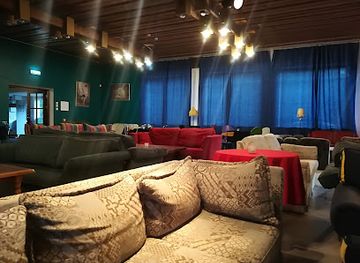
Buena Vista Sofa Club
Experience the cozy atmosphere and vibrant social scene at Buena Vista Sofa Club in Rakvere, a perfect lounge for relaxation and entertainment.
-
Night club
Venus Club
Discover the electric nightlife of Tallinn at Venus Club, where vibrant music and a lively atmosphere create unforgettable memories.
-
Night club
Techno club HALL
Discover the vibrant nightlife of Tallinn at Techno Club HALL, where pulsating beats and an electric atmosphere create unforgettable nights.
-
Night club
Club Studio
Dive into Tallinn's vibrant nightlife at Club Studio, where two dancefloors and a lively atmosphere await party enthusiasts.
Best shops in Lääne-Viru County
Rakvere is the county’s main shopping centre, with an ordinary high-street mix supplemented by independent food shops, cafés, galleries and places selling Estonian craft products. Market-style stalls and seasonal events are useful for finding bread, preserves, honey, berries and other regional produce, though availability depends on the time of year. Around Lahemaa, manor shops, museums, visitor centres and small craft outlets may stock locally made ceramics, textiles, woodwork, books, postcards and nature-themed products. Käsmu and other coastal villages tend towards small-scale seasonal retail rather than permanent shopping streets. Farm shops and roadside sellers can offer a more direct connection to the local food economy, but opening times may be limited. Tapa and Kunda are practical places for everyday supplies rather than specialist souvenirs. Visitors seeking distinctive regional purchases should look for Estonian-made goods and food products, check that wild or protected materials have been legally sourced, and avoid removing natural objects from national-park landscapes.
-
Shopping mall
Vaala Keskus
Explore shopping, dining, and entertainment at Vaala Keskus in Rakvere, Estonia, the ultimate destination for tourists seeking local experiences.
-
Shopping mall
Rakvere Kroonikeskus
Discover Rakvere Kroonikeskus: A vibrant shopping mall in Estonia with everything from electronics to groceries, perfect for every visitor's needs.
-
Supermarket
Krooni Selver
Discover the essence of Estonian cuisine and culture at Krooni Selver, your go-to supermarket in Rakvere for local flavors and quality products.
-
Home goods store
Magaziin
Explore Magaziin in Taaravainu for unique Estonian home goods and artisanal crafts that reflect local culture and craftsmanship.


Get your free copy of our complete guide to Lääne-Viru County, delivered straight to you.
Everything on this page, from attractions and restaurants to essentials and local phrases, in one PDF you can read offline, print or share.
Already have an account? Sign in
Your Lääne-Viru County guide is ready.
We'll send it to · Not you? Sign out

Getting your guide ready…
We are putting together a fresh copy of the Lääne-Viru County guide. This can take up to a minute.
This can take a few moments. If your browser asks, choose Allow so the download can start. You'll find the guide in your Downloads folder.
Nothing happened? Download it again
Sorry, the guide is taking longer than usual. Please try again in a minute, or get it by email instead.
Lääne-Viru County essentials
Currency and Payment
Safety
Emergency Situations
Do's and Don'ts
Local Tips
From Eve
Local phrases worth knowing
You don't need to get them perfect. A few words go a long way, and locals appreciate the effort.
Basics
| English | Local | Say it |
|---|---|---|
| Hello | Tere | [te-re] |
| Goodbye | Head aega | [head ai-ga] |
| Yes | Jah | [yah] |
| No | Ei | [ay] |
| Please/You're welcome | Palun | [pa-lun] |
| Thank you | Aitäh | [ai-tah] |
| Excuse me/Sorry | Vabandust | [va-ban-dust] |
| How are you? | Kuidas sul läheb? | [kwee-das sul le-heb] |
| Fine. And you? | Hästi. Ja sina? | [hest-ee. yah si-na] |
| Do you speak English? | Kas sa räägid inglise keelt? | [kas sa rae-gid ing-li-se keelt] |
| I don't understand | Ma ei saa aru | [ma ay zah ar-oo] |
Eating & Drinking
| English | Local | Say it |
|---|---|---|
| I'd like to see the menu, please | Ma tahaksin menüüd näha, palun | [ma ta-hak-sin meh-nuud nae-ha, pa-lun] |
| I don't eat meat | Ma ei söö liha | [ma ay suo li-ha] |
| Cheers! | Terviseks! | [ter-vee-seks] |
| I would like to pay, please | Ma tahaksin maksta, palun | [ma ta-hak-sin mak-sta, pa-lun] |
Emergencies
| English | Local | Say it |
|---|---|---|
| Help! | Abi! | [ah-bee] |
| Go away! | Mine ära! | [mi-ne ai-ra] |
| Call the Police! | Kutsu politsei! | [koot-su po-lit-sei] |
| Call a doctor! | Kutsu arst! | [koot-su arst] |
| I'm lost | Ma olen kadunud | [ma o-len ka-du-nud] |
| I'm ill | Ma olen haige | [ma o-len hai-ge] |
Shopping
| English | Local | Say it |
|---|---|---|
| I'd like to buy... | Ma tahaksin osta... | [ma ta-hak-sin os-ta] |
| I'm just looking | Ma lihtsalt vaatan | [ma lis-talt vaa-tan] |
| How much is it? | Kui palju see maksab? | [kwee pal-yu se mak-sab] |
| That's too expensive | See on liiga kallis | [se on lee-ga kal-lis] |
| Can you lower the price? | Kas sa saad hinda alandada? | [kas sa saad hin-da al-an-da-da] |
Time & Numbers
| English | Local | Say it |
|---|---|---|
| What time is it? | Mis kell on? | [mis kell on] |
| It's one o'clock | Kell on üks | [kell on üks] |
| Half past (10) | Kell on pool (10) | [kell on pool (10)] |
| Morning | Hommik | [hom-mik] |
| Afternoon | Päev | [paev] |
| Evening | Õhtu | [uh-tu] |
| Yesterday | Eile | [ei-le] |
| Today | Täna | [ta-na] |
| Tomorrow | Homme | [hom-me] |
| 1 | Üks | [üks] |
| 2 | Kaks | [kaks] |
| 3 | Kolm | [kolm] |
| 4 | Neli | [ne-li] |
| 5 | Viis | [viis] |
| 6 | Kuus | [kuus] |
| 7 | Seitse | [seitse] |
| 8 | Kaheksa | [ka-heksa] |
| 9 | Üheksa | [üheksa] |
| 10 | Kümme | [küm-me] |
Transport & Directions
| English | Local | Say it |
|---|---|---|
| Where's a/the...? | Kus on...? | [kus on] |
| What's the address? | Mis on aadress? | [mis on aa-dress] |
| Can you show me (on the map)? | Kas sa saad mulle näidata (kaardil)? | [kas sa saad mul-le nai-da-ta (kaar-dil)] |
| When's the next (bus)? | Millal läheb järgmine (buss)? | [mil-lal lä-heb järg-mi-ne (buss)] |
| A ticket (to ....) | Pilet (....-le) | [pi-let (...-le)] |
History of Lääne-Viru County
Kunda and the earliest settlement of northern Estonia
The name Kunda is known internationally through the Kunda archaeological culture, a Mesolithic hunter-gatherer tradition identified from sites in northern Estonia and neighbouring areas. The region’s forests, rivers and coastal waters supported communities long before written records, leaving behind stone tools, animal remains and other evidence of early life. Later prehistoric settlement continued around the coast and inland waterways. These archaeological layers place Lääne-Viru within the wider story of human occupation around the eastern Baltic, rather than treating its medieval castles as the beginning of its history.
Medieval Danish and Livonian rule
Northern Estonia was drawn into the political and religious structures of medieval Europe during the thirteenth century. After the conquest and division of Estonian territories, the area around Rakvere became part of the Danish sphere before passing into the Livonian Confederation. Rakvere Castle, known historically as Wesenberg, developed as a strategic stronghold and administrative centre. Churches, roads, manors and market settlements expanded within a society divided between local rural communities, German-speaking elites and ecclesiastical and military institutions.
Rakvere Castle and the changing Baltic powers
The Livonian War in the sixteenth century brought major upheaval to northern Estonia, and Rakvere Castle was damaged during the conflict. The territory subsequently experienced Polish-Lithuanian, Swedish and Russian influence, with the Swedish period leaving an especially important institutional legacy before the Great Northern War. Rakvere’s fortifications lost their main military role as warfare and political control changed. Their ruins nevertheless preserve the strategic importance of the settlement, positioned between inland routes and the northern coast.
Manor estates and rural society
From the early modern period into the nineteenth century, much of Lääne-Viru was organised through manor estates owned by Baltic German families under successive imperial administrations. Palmse, Sagadi and other estates managed farmland, forests and agricultural production, while nearby villages supplied labour and services. Manor houses, parks, barns, avenues and estate landscapes still shape parts of the county. The abolition of serfdom and later land reforms transformed rural society, and Estonia’s twentieth-century political changes ended the old estate system.
Kunda cement and industrial development
Kunda became one of Estonia’s important industrial centres after cement production began there in the nineteenth century. Local limestone provided a crucial raw material, while the port and transport connections helped move fuel and finished products. Factories, workers’ housing and associated infrastructure altered the town’s economy and landscape. Kunda’s industrial history complements the county’s better-known castles and manor houses, showing how northern Estonia moved from an estate-based rural economy towards manufacturing, engineering and modern transport.
Railways, Tapa and twentieth-century transformation
The development of railway connections through Tapa strengthened the town’s role as a transport junction linking Tallinn with eastern Estonia and southern routes. In the twentieth century, Tapa also became associated with military infrastructure, a role that remains part of its modern identity. Estonia’s independence, the Soviet period and the restoration of independence brought successive changes to administration, land ownership, industry and public life. Rakvere, Kunda and Tapa now combine inherited industrial and military structures with cultural institutions, conservation projects and regional services.
Lahemaa National Park and heritage conservation
Established in 1971, Lahemaa National Park became the first national park in the Soviet Union and includes substantial areas of Lääne-Viru County. Its purpose has been to protect coastal landscapes, forests, wetlands, geological features, villages and manor heritage while supporting research and public access. The park helped give national importance to places such as Palmse, Sagadi, Käsmu and the Viru bog. Today, conservation and tourism coexist with traditional settlements, forestry, agriculture and carefully managed outdoor recreation.
Lääne-Viru County in Photos
Browse through our photo collection highlighting the charm and character of the destination.
Neighbouring regions of Lääne-Viru County
The closest regions to Lääne-Viru County, if you have time for more than one.
-

-
-
-

-


Swipe for more regions
Explore more

Explore more of Estonia
Discover Estonia: A perfect blend of medieval charm, modern innovation, and natural beauty in the heart of Northern Europe.
Explore Estonia