

Free Ida-Viru County Travel Guide & Mobile App
Explore Ida-Viru County with free travel guides. Discover regional history, expert tips, proposed trips, and audio guides on web or mobile app.


Explore Ida-Viru County for Narva’s frontier heritage, Baltic beaches, oil-shale history, limestone cliffs and forested Alutaguse landscapes.
Read more about Ida-Viru County
When is the best time to visit Ida-Viru County?
Best: June–August · 20–22°C| Month | High (°C) | Rainfall (mm) |
|---|---|---|
| January | -1 | 35 |
| February | 0 | 30 |
| March | 5 | 35 |
| April | 10 | 35 |
| May | 17 | 40 |
| June (best) | 20 | 45 |
| July (best) | 22 | 50 |
| August (best) | 21 | 50 |
| September | 15 | 45 |
| October | 10 | 45 |
| November | 5 | 40 |
| December | 0 | 40 |
Getting to and around Ida-Viru County
How to get there
Transportation
Top city travel guides in Ida-Viru County
The cities of Ida-Viru County, and the easiest places to base yourself.
-

-


Swipe for more cities
Destinations in Ida-Viru County
Resorts, valleys and scenic spots worth a trip of their own.

Swipe for more destinations
Best attractions in Ida-Viru County
Ida-Viru’s attractions range from medieval border heritage to landscapes created or transformed by industry. In Narva, the castle, riverfront and Kreenholm area reveal different chapters of the city’s political and manufacturing history, while the town’s museums and cultural institutions provide context for its multilingual identity. Sillamäe offers a compact architectural experience centred on its planned Stalinist ensemble, and Narva-Jõesuu combines a broad beach with pine forest and resort history. Along the northern coast, the Ontika limestone escarpment, Valaste area and coastal walking routes provide viewpoints over the Gulf of Finland. Inland, the Estonian Mining Museum at Kohtla-Nõmme interprets oil-shale extraction through underground and industrial heritage experiences. Kiviõli’s former ash-hill landscape has been adapted for outdoor recreation, while Alutaguse National Park offers bogs, forests, rivers, lakes and wildlife habitats for hikers, paddlers and nature observers. The Kurtna lake district is another accessible setting for walks and summer swimming. These attractions are not concentrated in one traditional sightseeing circuit; the county is best understood as a sequence of contrasting zones connected by road.
-
Adventure sports center
Kiviõli Adventure Center
Discover Kiviõli Adventure Center, Estonia's ultimate destination for adventure sports, skiing, and breathtaking outdoor activities year-round.
-
Park
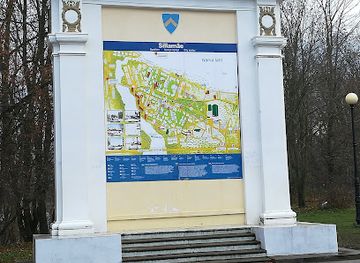
Mere puiestee trepp
Explore Mere Puiestee Trepp, a tranquil park in Sillamäe, Estonia, offering lush greenery, stunning views, and a perfect escape into nature.
-
Tourist attraction
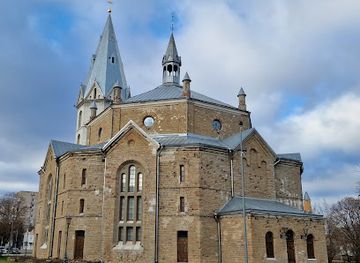
Alexander's Cathedral
Explore the architectural beauty and rich history of Alexander's Cathedral, a must-visit Lutheran church in Narva, Estonia.
-
Fortress
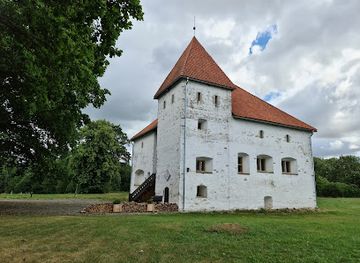
Purtse Castle
Explore the majestic Purtse Castle, a historical fortress in Ida-Viru County, Estonia, rich in culture and scenic beauty, perfect for curious travelers.

Best landmarks in Ida-Viru County
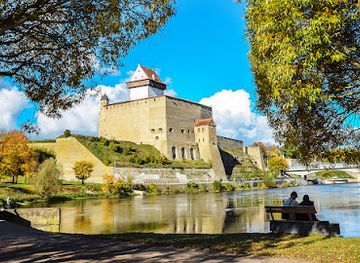
Narva Castle is Ida-Viru’s most recognisable historic structure, rising beside the river opposite Ivangorod Fortress and expressing the county’s long role as a military frontier. The surviving walls and towers of the medieval complex are complemented by the dramatic river setting. The Kreenholm industrial area, with its monumental textile buildings and workers’ quarters, represents the nineteenth-century transformation of Narva into a major manufacturing centre, although access to individual structures may be restricted. Sillamäe’s central boulevard, stairways and formal buildings form an unusually coherent Stalinist-era urban ensemble, descending towards the Baltic coast. The Ontika limestone escarpment is the county’s defining natural landmark, with the Valaste area offering a high viewpoint over the Gulf of Finland. Inland, the broad waste heaps around Kiviõli and the former mining landscapes near Kohtla-Nõmme are significant cultural landmarks rather than natural scenery, recording the scale of oil-shale extraction. Alutaguse’s forests, bogs and lake country provide a quieter geographical counterpoint to these built and industrial landmarks.
-
Museum
Narva Muuseum
Explore Narva Muuseum: A Historical Landmark Showcasing Estonia's Rich Heritage and Stunning Views of the Narva River.
-
Scenic spot
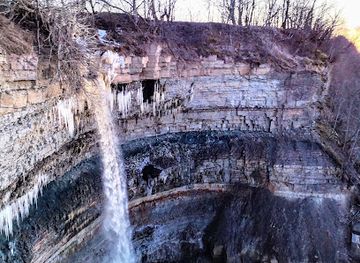
Valaste Waterfall
Explore Valaste Waterfall, Estonia's tallest waterfall, a stunning natural wonder perfect for nature lovers and photography enthusiasts.
-
Adventure sports center
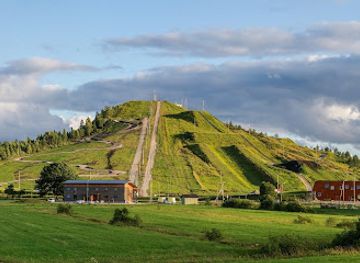
Kiviõli Adventure Center
Explore Kiviõli Adventure Center, Estonia's ultimate adventure sports destination, offering year-round thrills from skiing to mountain biking in stunning natural surroundings.
-
Museum
Eesti Kaevandusmuuseum
Explore Estonia's rich mining heritage at Eesti Kaevandusmuuseum, a captivating museum showcasing the history and impact of oil shale mining.
Explore Ida-Viru County on the map
Plan your trip on one map. See where the top cities, national parks and sights are, and book hotels and experiences in a few clicks.
Best hotels in Ida-Viru County
Best restaurants in Ida-Viru County
Dining in Ida-Viru reflects the county’s position between Estonian food traditions, Baltic influences and the culinary habits of its large Russian-speaking communities. Narva and the larger towns offer cafés, bakeries, casual restaurants and canteens where visitors may encounter soups, filled pastries, potato dishes, fish and familiar regional home cooking. Along the coast, seasonal menus may include Baltic fish and simple summer fare, while rural areas are more likely to rely on traditional pubs, guesthouses and small local eateries than on a dense restaurant scene. Local shops and markets are useful for rye bread, dairy products, preserves, smoked fish and other provisions for forest or lakeside outings. In Narva-Jõesuu and the resort towns, dining tends to be more leisure-oriented, whereas the industrial settlements have a practical everyday character. Estonia’s broader craft-beer, bakery and contemporary Nordic-influenced dining trends are also represented, but the county’s most distinctive culinary impression comes from its mixture of local Estonian ingredients and eastern regional traditions.
-
Georgian
Gruusia trahter Mimino
Experience authentic Georgian cuisine at Gruusia Trahter Mimino in Jõhvi, where every dish tells a story filled with flavor and tradition.
-
Restaurant
Meretare
Experience authentic Estonian flavors at Meretare in Narva-Jõesuu – where delicious cuisine meets stunning coastal views.
-
 Restaurant
Noorus SPA Inn
Discover tranquility at Noorus SPA Inn in Narva-Jõesuu - where comfort meets rejuvenation by the serene Estonian coast.
-
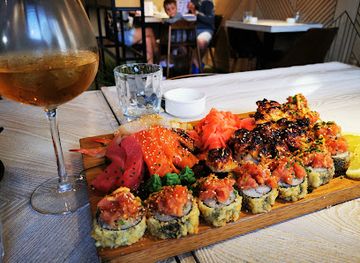
Sushi
Ocean Sushi- Baar
Experience exquisite sushi at Ocean Sushi-Baar in Jõhvi - where tradition meets modern culinary artistry.

Best bars in Ida-Viru County
Nightlife in Ida-Viru is concentrated in Narva and, to a lesser extent, in the larger towns and coastal resorts rather than spread across the countryside. Narva provides the county’s broadest choice of cafés, bars, restaurants, cultural performances and occasional live-music events, with evening activity often linked to theatres and city-centre venues. Narva-Jõesuu develops a more seasonal rhythm, with restaurants, hotel bars and seaside leisure spaces busier during summer. In Sillamäe, Kohtla-Järve and smaller settlements, evenings are generally quieter and centre on pubs, cafés and local restaurants rather than a large club circuit. Rural Ida-Viru is better suited to a relaxed meal, sauna or guesthouse evening than late-night entertainment. Check current opening arrangements locally, particularly outside the summer season, and remember that alcohol may not be sold at all times permitted by visitors’ home countries.
-
Georgian
Gruusia trahter Mimino
Discover the vibrant flavors of Georgian cuisine at Gruusia trahter Mimino, a culinary gem in Jõhvi that offers authentic dishes and a warm atmosphere.
-
Bar
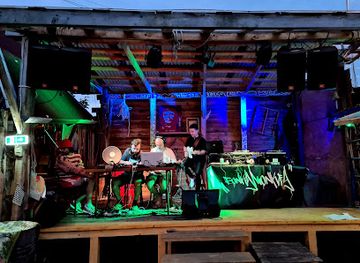
Club RO RO
Discover the vibrant nightlife at Club RO RO, a must-visit bar and disco club in Narva, offering live music and an electrifying atmosphere.
-
Restaurant
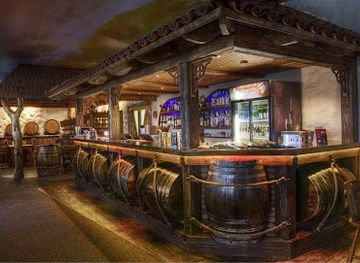
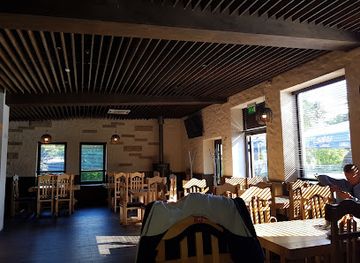
Wironia Pubi
Experience the essence of Estonian cuisine at Wironia Pubi, where local flavors meet warm hospitality in a cozy setting.
-
Pub
Vana Fregati Pubi
Experience authentic Estonian cuisine and a warm atmosphere at Vana Fregati Pubi in Toila, a favorite among locals and tourists alike.
Best nightclubs in Ida-Viru County
Nightlife in Ida-Viru is concentrated in Narva and, to a lesser extent, in the larger towns and coastal resorts rather than spread across the countryside. Narva provides the county’s broadest choice of cafés, bars, restaurants, cultural performances and occasional live-music events, with evening activity often linked to theatres and city-centre venues. Narva-Jõesuu develops a more seasonal rhythm, with restaurants, hotel bars and seaside leisure spaces busier during summer. In Sillamäe, Kohtla-Järve and smaller settlements, evenings are generally quieter and centre on pubs, cafés and local restaurants rather than a large club circuit. Rural Ida-Viru is better suited to a relaxed meal, sauna or guesthouse evening than late-night entertainment. Check current opening arrangements locally, particularly outside the summer season, and remember that alcohol may not be sold at all times permitted by visitors’ home countries.
-
Bar
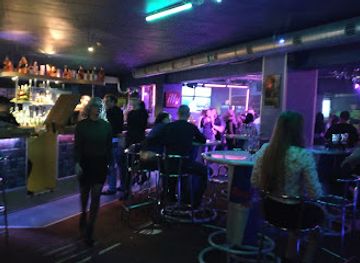
Club RO RO
Discover the lively nightlife at Club RO RO, Narva's premier bar and disco club offering live music and a fantastic atmosphere.
-
Bar
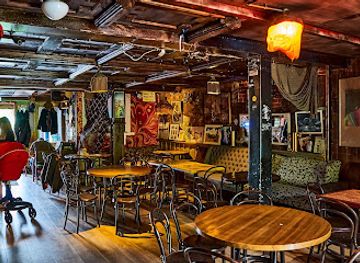
Jõhvi Kelder Pub & Baar
Discover the vibrant atmosphere of Jõhvi Kelder Pub & Baar, where local flavors meet a lively social scene in the heart of Jõhvi.
-
Night club
Geneva Night Club
Experience the vibrant nightlife of Narva at Geneva Night Club, where music and dance come alive in a lively atmosphere.
-
Night club
NIGHT CLUB IN-JAN
Discover the electrifying nightlife at Night Club In-Jan in Narva, where vibrant music and a lively atmosphere come together for an unforgettable experience.


Best shops in Ida-Viru County
Shopping in Ida-Viru is centred on everyday town centres, supermarkets, independent shops and local markets rather than a single major retail district. Narva has the county’s broadest selection, including food shops, bakeries, cafés, household retailers and small businesses serving both local Estonian and Russian-speaking communities. Sillamäe and the larger settlements of Kohtla-Järve provide practical shopping, while Narva-Jõesuu has a more seasonal resort character. Visitors looking for regional purchases should consider rye bread, preserved foods, honey, smoked fish, dairy products and locally made sweets, subject to transport and customs rules when crossing borders. Craft shops, galleries and museum stores can offer books, ceramics, textiles or designs connected with Estonian culture, although the choice varies outside the main towns. Market visits are useful for observing everyday life as well as buying provisions, but schedules and stall numbers can change. Industrial heritage museums may also sell books and small souvenirs explaining the county’s oil-shale and border history.
-
Shopping mall
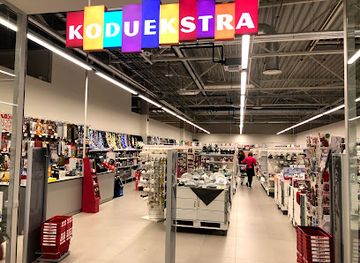
Pargi Centre
Explore Pargi Centre, Jõhvi's premier shopping destination with diverse stores, delightful dining, and family-friendly entertainment options.
-
Department store
Ahtme Kaubakeskus
Discover Ahtme Kaubakeskus, a vibrant department store offering a unique shopping experience with local fashion and delicious food options.
-
Grocery store
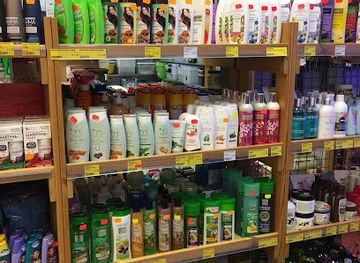
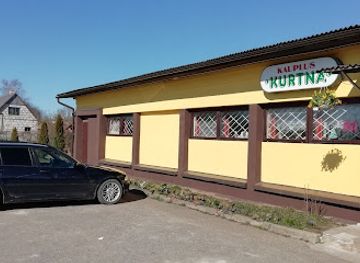
Kauplus Kurtna
Discover the local flavors of Estonia at Kauplus Kurtna, your friendly neighborhood grocery store in beautiful Ida-Viru County.
-
Grocery store
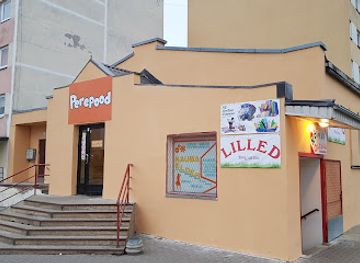
Söögitakso OÜ - Tammiku Perepood
Experience the local flavors and warm hospitality at Söögitakso OÜ - Tammiku Perepood, your go-to grocery store in Tammiku, Estonia.
Get your free copy of our complete guide to Ida-Viru County, delivered straight to you.
Everything on this page, from attractions and restaurants to essentials and local phrases, in one PDF you can read offline, print or share.
Already have an account? Sign in
Your Ida-Viru County guide is ready.
We'll send it to · Not you? Sign out

Getting your guide ready…
We are putting together a fresh copy of the Ida-Viru County guide. This can take up to a minute.
This can take a few moments. If your browser asks, choose Allow so the download can start. You'll find the guide in your Downloads folder.
Nothing happened? Download it again
Sorry, the guide is taking longer than usual. Please try again in a minute, or get it by email instead.
Ida-Viru County essentials
Currency and Payment
Safety
Emergency Situations
Do's and Don'ts
Local Tips
From Eve
Local phrases worth knowing
You don't need to get them perfect. A few words go a long way, and locals appreciate the effort.
Basics
| English | Local | Say it |
|---|---|---|
| Hello | Tere | [te-re] |
| Goodbye | Head aega | [head ai-ga] |
| Yes | Jah | [yah] |
| No | Ei | [ay] |
| Please/You're welcome | Palun | [pa-lun] |
| Thank you | Aitäh | [ai-tah] |
| Excuse me/Sorry | Vabandust | [va-ban-dust] |
| How are you? | Kuidas sul läheb? | [kwi-das sul le-hab] |
| Fine. And you? | Hästi. Ja sina? | [hest-i. ya si-na] |
| Do you speak English? | Kas sa räägid inglise keelt? | [kas sa rai-gid in-gli-se kelt] |
| I don't understand | Ma ei saa aru | [ma ay za a-ru] |
Eating & Drinking
| English | Local | Say it |
|---|---|---|
| I'd like to see the menu, please | Ma tahaks menüüd vaadata, palun | [ma ta-haks me-nuud va-da-ta, pa-lun] |
| I don't eat meat | Ma ei söö liha | [ma ay seo li-ha] |
| Cheers! | Terviseks! | [ter-vi-seks] |
| I would like to pay, please | Ma tahaks maksta, palun | [ma ta-haks mak-sta, pa-lun] |
Emergencies
| English | Local | Say it |
|---|---|---|
| Help! | Aita! | [ai-ta] |
| Go away! | Mine minema! | [mi-ne mi-ne-ma] |
| Call the Police! | Kutsu politsei! | [kutsu po-lit-sei] |
| Call a doctor! | Kutsu arst! | [kutsu arst] |
| I'm lost | Ma olen eksinud | [ma o-len ek-si-nud] |
| I'm ill | Ma olen haige | [ma o-len hai-ge] |
Shopping
| English | Local | Say it |
|---|---|---|
| I'd like to buy... | Ma tahaks osta... | [ma ta-haks os-ta] |
| I'm just looking | Ma lihtsalt vaatan | [ma li-salt va-ta-n] |
| How much is it? | Kui palju see maksab? | [kui pal-yu se mak-sab] |
| That's too expensive | See on liiga kallis | [se on lii-ga kal-lis] |
| Can you lower the price? | Kas sa saad hinda alandada? | [kas sa saad hin-da a-lan-da-da] |
Time & Numbers
| English | Local | Say it |
|---|---|---|
| What time is it? | Mis kell on? | [mis kell on] |
| It's one o'clock | Kell on üks | [kell on yuks] |
| Half past (10) | Pool (10) | [pool (10)] |
| Morning | Hommik | [hom-mik] |
| Afternoon | Päevapärast | [pae-va-pae-rast] |
| Evening | Õhtu | [uh-tu] |
| Yesterday | Eile | [ei-le] |
| Today | Täna | [ta-na] |
| Tomorrow | Homme | [hom-me] |
| 1 | Üks | [yuks] |
| 2 | Kaks | [kaks] |
| 3 | Kolm | [kolm] |
| 4 | Neli | [ne-li] |
| 5 | Viis | [viis] |
| 6 | Kuus | [kuus] |
| 7 | Seitsme | [sei-ts-me] |
| 8 | Kaheksa | [ka-heksa] |
| 9 | Üheksa | [yheksa] |
| 10 | Kümme | [kymme] |
Transport & Directions
| English | Local | Say it |
|---|---|---|
| Where's a/the...? | Kus on ...? | [kus on ...?] |
| What's the address? | Mis on aadress? | [mis on aa-dress] |
| Can you show me (on the map)? | Kas sa saad mulle näidata (kaardil)? | [kas sa saad mu-lle nai-da-ta (kaar-dil)] |
| When's the next (bus)? | Millal on järgmine (buss)? | [mil-lal on jär-gmi-ne (buss)] |
| A ticket (to ....) | Pilet (kuskile ...) | [pi-let (kus-ki-le ...)] |
History of Ida-Viru County
Early settlements and the Narva River corridor
Ida-Viru has been inhabited since prehistoric times, benefiting from the Narva River, the Gulf of Finland coast and routes linking the Baltic with the interior. The Narva culture, a Neolithic archaeological tradition identified in parts of the eastern Baltic, takes its name from the area, although its influence extended well beyond present-day Estonia. Fishing, hunting, farming and river trade shaped early settlement. Archaeological evidence around the Narva region and Lake Peipus demonstrates that the county has long been a meeting zone between northern, eastern and western cultural spheres.
Medieval frontier and the rise of Narva
During the medieval period, northeastern Estonia became a contested borderland between Danish, German and Russian powers. Narva developed around a strategic crossing and trading route, while the Livonian Order established Narva Castle on the western bank opposite the Russian fortress at Ivangorod. The paired fortifications made the river one of the most visually striking political frontiers in the Baltic. Villages, manors and religious institutions across the wider county were tied to the structures of medieval Livonia, whose political influence lasted until the sixteenth century.
Swedish and Russian rule
After the Livonian War, Ida-Viru passed through periods of Polish, Swedish and Russian rule. The Great Northern War brought a decisive change: in 1700, Charles XII of Sweden defeated a much larger Russian army at the Battle of Narva. Russian control was restored after Sweden’s later defeat, and the region became part of the Russian Empire. Narva remained a fortified and commercial town, while estates, roads and river transport connected the northeastern districts with the wider imperial economy.
Industrialisation and the Kreenholm textile works
The nineteenth century brought major industrial development, particularly in Narva. The Kreenholm Manufacturing Company, founded in 1857 on an island in the Narva River, became one of the Russian Empire’s largest textile enterprises. Its mills, workers’ housing and associated infrastructure transformed the city and attracted a large labour force. Kreenholm also illustrates the social history of industrialisation: production depended on disciplined factory labour, substantial investment and the power generated by the river’s falls.
The birth of Estonia’s oil-shale industry
Oil shale became the defining industrial resource of Ida-Viru during the twentieth century. Commercial extraction expanded during the first Estonian Republic and accelerated under Soviet rule, when the fuel was used for electricity generation and chemical production. Mining reshaped settlements, transport networks and the landscape around Kohtla-Järve, Kohtla-Nõmme and Kiviõli. Waste heaps, open-cast workings, underground mines and processing plants remain visible reminders of an industry that provided employment and energy while leaving significant environmental costs.
War and destruction in Narva, 1944
The Second World War brought severe destruction to Ida-Viru, particularly Narva. Fighting on the Eastern Front and the 1944 battles around the Narva River devastated much of the historic city centre, leaving only fragments of the pre-war urban fabric. The conflict also caused displacement and profound demographic change. Post-war reconstruction followed Soviet planning principles, and Narva was rebuilt as an industrial border city rather than restored as the medieval and Hanseatic town it had once been.
Soviet industrialisation and planned towns
After the war, the Soviet Union expanded oil-shale mining, power generation and chemical production on a large scale. Kohtla-Järve developed as a dispersed industrial urban area, while Sillamäe was transformed into a highly restricted centre for uranium and later rare-metal processing. New housing estates, factories and public buildings attracted workers from across the Soviet Union, helping to create the county’s distinctive linguistic and demographic profile. Sillamäe’s formal central ensemble preserves one of Estonia’s clearest examples of Stalinist urban planning.
Independence, transition and regeneration
Estonia’s restoration of independence in 1991 brought major economic and social changes. Many Soviet-era industries contracted or restructured, creating unemployment and population decline in parts of Ida-Viru, while oil shale remained important to national energy policy. The county has since invested in environmental restoration, tourism, cultural institutions and new recreational uses for industrial landscapes. Museums, renovated coastal resorts and projects around former mining sites now interpret a complicated past rather than conceal it.
Ida-Viru County in Photos
Browse through our photo collection highlighting the charm and character of the destination.
Neighbouring regions of Ida-Viru County
The closest regions to Ida-Viru County, if you have time for more than one.
-

-

-

-

-


Swipe for more regions
Explore more

Explore more of Estonia
Discover Estonia: A perfect blend of medieval charm, modern innovation, and natural beauty in the heart of Northern Europe.
Explore Estonia