
Gambela Region, Ethiopia Travel Guide
Discover the untouched wilderness of the Gambela Region in Ethiopia, where rich biodiversity and vibrant indigenous cultures await adventurous travelers.
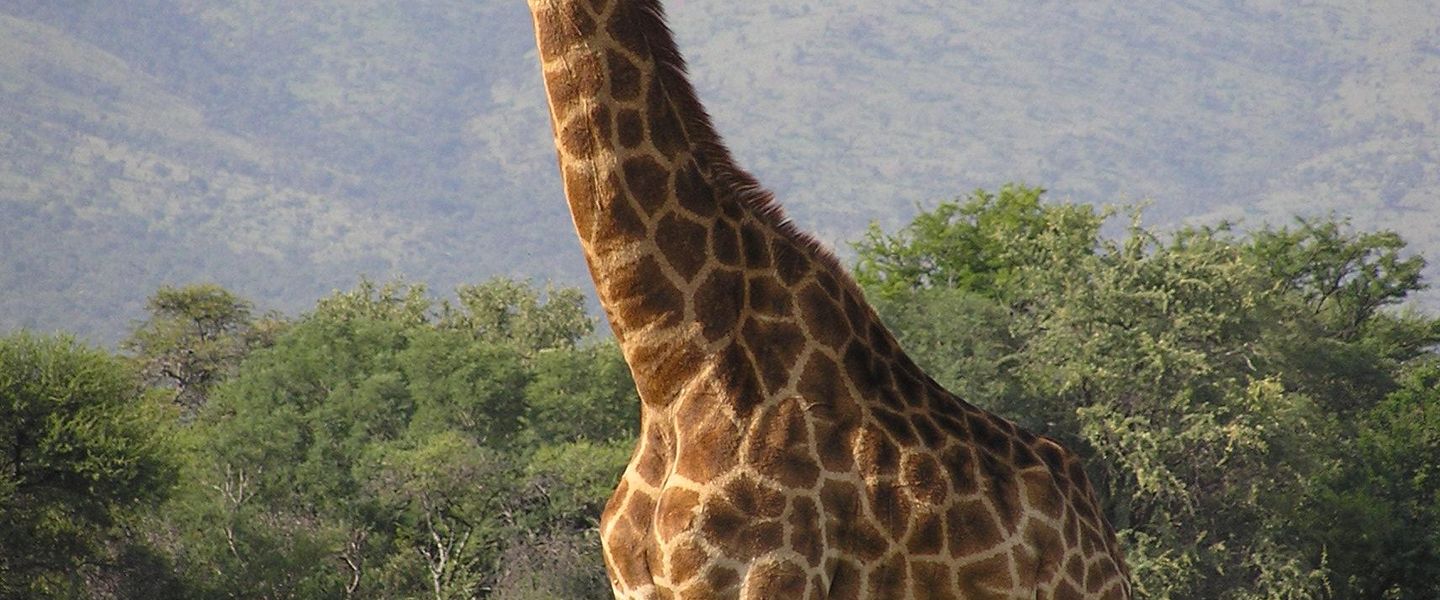
Nestled in the western part of Ethiopia, the Gambela Region is a treasure trove of natural beauty and unique cultures. This region is known for its lush landscapes, rich biodiversity, and the confluence of the Baro and Sobat rivers. Tourists will find themselves immersed in an environment where the wilderness remains largely untouched by modern developments. Gambela National Park is a highlight for visitors, offering the chance to see a variety of wildlife including lions, elephants, and the rare Nile lechwe. Bird watchers will be delighted with the wide array of bird species that inhabit the park. The park's savannahs and wetlands create a picturesque setting perfect for photography and nature walks. The indigenous communities in Gambela, such as the Anuak and Nuer, add to the region's charm. Visitors can experience their traditional way of life, colorful festivals, and unique crafts. The local markets are a great place to purchase handmade items and taste traditional Ethiopian dishes. Hospitality is a key aspect of Gambela culture, making tourists feel welcomed and at home. For those looking to explore beyond the national park, the Gambela Region offers opportunities for river excursions and trekking. The Baro River is ideal for boat trips where one can enjoy the serene environment and spot various aquatic species. Hiking trails in the region provide stunning views and a chance to encounter wildlife in their natural habitat.

Know before you go
Hi, I'm Eve. Here are a few practical things to know before exploring Gambela Region.
- Visit during the dry season (November to March) for the best wildlife viewing experiences.
- Bring insect repellent and sun protection, as the region is tropical and can be quite sunny.
- Engage with local guides for a more informed and enriching experience.
- Respect local customs and traditions, especially when visiting indigenous communities.
- Ensure you have sufficient cash, as ATMs may be scarce in remote areas.
Destinations in Gambela Region
Resorts, valleys and scenic spots worth a trip of their own.

Explore Gambela Region: Things to Do, Places to Eat, Hotels & More
Handpicked recommendations for top attractions, local dining, accommodations, and more

Top Attractions & Sightseeing in Gambela Region
Top-rated picks
Best Attractions

Gambella National Park
Discover the breathtaking landscapes and rich biodiversity of Gambella National Park, a hidden gem in Ethiopia's wilderness.

Dembi Dolo Park
Discover the serene beauty of Dembi Dolo Park, a lush natural retreat in Ethiopia perfect for relaxation, nature walks, and family outings.
Nono Forest
Explore the enchanting Nono Forest in Ethiopia, a national forest rich in biodiversity and perfect for adventure and relaxation.
Abdi awuraris tafari
Discover the breathtaking landscapes and diverse trails at Abdi Awuraris Tafari, a premier hiking destination in Dembi Dolo, Ethiopia.

Best landmarks in Gambela Region
Top-rated picks
Best Landmarks

Gambella National Park
Explore Gambella National Park, Ethiopia's hidden paradise of diverse wildlife and stunning landscapes, perfect for adventurous travelers.
Gambella national park ጋምቤላ ብሔራዊ ፓርክ
Discover the diverse wildlife and stunning landscapes of Gambella National Park, an unspoiled gem in Ethiopia for nature lovers and adventure seekers.

Best restaurants in Gambela Region
Top-rated picks
Best Restaurants

Jinina Hotel
Discover culinary excellence at Jinina Hotel in Gambela - where local flavors meet international cuisine in an inviting atmosphere.

Ethiopia Hotel Pugnido
Discover the essence of Ethiopian cuisine at Ethiopia Hotel Pugnido – where flavors come alive in every bite.

King Odiel Restaurant
Experience authentic Ethiopian cuisine at King Odiel Restaurant in Abobo - where tradition meets taste.

Classic Bar & Restaurant
Savor local and international flavors at Classic Bar & Restaurant in Tepi – where every meal is an experience.

Best bars in Gambela Region
Top-rated picks
Best Bars

Metadel Hotel, Gambella
Stay in comfort at Metadel Hotel, Gambella - your gateway to explore the vibrant culture and stunning landscapes of Ethiopia.

Jinina Hotel
Discover the rich flavors of Gambela at Jinina Hotel Restaurant, offering a unique blend of Ethiopian and international dishes in a welcoming atmosphere.

eyasu cafe & breakfast
Experience the rich flavors of Ethiopian breakfast at Eyasu Cafe & Breakfast in Dinfo, where every bite tells a story.

Frost Cafe & Bar
Experience the vibrant atmosphere and local flavors at Frost Cafe & Bar, a perfect spot for relaxation in Gambela.


Best shops in Gambela Region
Top-rated picks
Best Shops

Gambella National Park
Explore Gambella National Park, Ethiopia's hidden paradise of diverse wildlife and stunning landscapes, perfect for nature lovers and adventure seekers.

Abdi Negash Antique Store
Explore Abdi Negash Antique Store: A Cultural Haven for Unique Antiques, Artworks, and Rare Books in Addis Ababa.

Bolle zone
Explore Bolle Zone, your gateway to local flavors and fresh produce in Gecha, Town. A must-visit grocery store for every traveler.

Nasir Sobat State
Discover the essence of Gambela at Nasir Sobat State, a vibrant shopping mall offering local crafts, international brands, and delightful dining experiences.

Explore Gambela Region on the Map
A handpicked selection of must-see spots in Gambela Region, mapped for you.
Gambela Region Essentials
-
Gambela Region is accessible from Addis Ababa, the capital of Ethiopia. The most common way to reach Gambela is by taking a domestic flight from Addis Ababa Bole International Airport to Gambela Airport. The flight takes approximately 1.5 hours. Alternatively, you can travel by road, though the journey can take around 10-12 hours due to the condition of the roads. Long-distance buses and private car hires are available for this route.
-
Within Gambela, local transportation options include minibuses, taxis, and bajajs (three-wheeled motorized vehicles). Minibuses are the most common form of public transport and operate on set routes, while taxis and bajajs offer more flexibility but can be more expensive. For exploring remote areas or national parks, hiring a local guide with a 4WD vehicle is recommended.
-
The official currency in Ethiopia is the Ethiopian Birr (ETB). While credit cards are accepted in some hotels and larger establishments in Gambela, cash is predominantly used, especially in smaller shops and rural areas. ATMs are available in Gambela town, but it's advisable to carry enough cash for your needs, especially when traveling to remote areas.
-
Gambela Region is generally safe for tourists, but it is important to exercise caution. Avoid traveling alone at night and stick to well-lit, populated areas. Some parts of Gambela town have higher crime rates, particularly areas near the bus station and marketplaces. Be vigilant with your belongings and avoid displaying valuables in public.
-
In case of emergency, dial 991 for police assistance and 907 for medical emergencies. The main hospital in Gambela is Gambela Hospital, which provides basic medical care. For more serious health issues, it is advisable to seek treatment in Addis Ababa. Ensure you have comprehensive travel insurance that covers medical emergencies and evacuation if necessary.
-
Fashion: Do dress modestly, covering shoulders and knees, especially in rural areas and religious sites. Avoid wearing revealing clothing. Religion: Do respect local customs and traditions. Remove shoes when entering places of worship and avoid disrupting religious ceremonies. Public Transport: Do be polite and patient when using public transport. Don't eat or drink on public transport. Greetings: Do greet people with a handshake and a warm smile. It's customary to ask about someone's well-being before proceeding with a conversation. Eating & Drinking: Do try local dishes and accept food offerings graciously. Don't refuse hospitality, as it is considered impolite.
-
To experience Gambela like a local, visit the bustling markets where you can buy fresh produce and traditional handicrafts. Engage with the Anuak and Nuer communities to learn about their rich cultural heritage. Don't miss a visit to Gambela National Park, home to diverse wildlife including elephants, buffaloes, and various bird species. For a unique experience, take a boat ride on the Baro River, offering scenic views and opportunities for bird watching.
When is the best time to visit Gambela Region?
Useful Local Phrases for Gambela Region
You don't need to speak the language perfectly. Even learning a few simple words can make conversations warmer—and locals usually appreciate the effort.
— Eve

Here are the phrases I use most often in Gambela Region. Try a few—you'll be surprised how far they go! 😊
❤️
-
- HelloNaga
[Nah-gah] - GoodbyeNagasho
[Nah-gah-sho] - YesEeyyee
[Ay-yee-ye] - NoAla
[Ah-lah] - Please/You're welcomeSima
[See-mah] - Thank youGalatoomi
[Gah-lah-toh-mee] - Excuse me/SorryDhiisi
[Dhee-see] - How are you?Akkam jirta?
[Ah-kahm jeer-tah] - Fine. And you?Nagaadha. Siif hoo?
[Nah-gah-dah. See-f hoo?] - Do you speak English?Ingiliffaa dubbataa?
[In-gee-lif-fah dub-bah-tah] - I don't understandAni hubachuu hin dandeenye
[Ah-nee hoo-bah-choo hin dahn-deh-neh]
- HelloNaga
-
- I'd like to see the menu, pleaseMenyuuf naa agarsiisi, sima
[Men-yoo-f nah ah-gar-see-see, see-mah] - I don't eat meatFoon hin nyaadhu
[Foon hin yah-dhoo] - Cheers!Baga gammade!
[Bah-gah gah-mah-deh] - I would like to pay, pleaseBaasiif naa kaffalu, sima
[Bah-see-f nah kah-fah-loo, see-mah]
- I'd like to see the menu, pleaseMenyuuf naa agarsiisi, sima
-
- Help!Gargaarsa!
[Gar-gar-sah] - Go away!Faga!
[Fah-gah] - Call the Police!Police waamii!
[Po-lee-che wah-mee] - Call a doctor!Dooktara waamii!
[Dook-tah-rah wah-mee] - I'm lostAni dhumne
[Ah-nee dhum-neh] - I'm illAni dhukkubsatta
[Ah-nee dhuk-kub-sah-tah]
- Help!Gargaarsa!
-
- I'd like to buy...Naa bituuf barbaada...
[Nah bee-too-f bar-bah-dah] - I'm just lookingAni ilaalu qofa
[Ah-nee ee-lah-loo koh-fah] - How much is it?Kumni maali?
[Koom-nee mah-lee] - That's too expensiveKan baay'ee gurgurtaa
[Kahn bah-yay goor-goor-tah] - Can you lower the price?Gatii gadi dhiibi?
[Gah-tee gah-dee dhee-bee]
- I'd like to buy...Naa bituuf barbaada...
-
- What time is it?Sa'aatiin hoo?
[Sah-ah-tee-in hoo?] - It's one o'clockSa'aatii tokko
[Sah-ah-tee-ee toh-koh] - Half past (10)Sa'aatii 10 harka lammaffaa
[Sah-ah-tee-ee 10 har-kah lahm-mah-fah] - MorningBaga dhihoo
[Bah-gah dhee-hoo] - AfternoonBaga galgala
[Bah-gah gal-gah-lah] - EveningBaga galgala
[Bah-gah gal-gah-lah] - YesterdayHar'a dabree
[Har-ah dah-bree] - TodayHar'a
[Har-ah] - TomorrowBor
[Bor] - 1Tokko
[Toh-koh] - 2Lama
[Lah-mah] - 3Sadii
[Sah-dee] - 4Afur
[Ah-fur] - 5Shan
[Shahn] - 6Jah
[Jah] - 7Torba
[Tor-bah] - 8Saddeet
[Sah-deet] - 9Sagal
[Sah-gahl] - 10Kudha
[Koo-dhah]
- What time is it?Sa'aatiin hoo?
-
- Where's a/the...?Eenyummaa...?
[Eh-nee-yoo-mah...?] - What's the address?Teessoo maali?
[Tay-soo mah-lee?] - Can you show me (on the map)?Maqaa irratti naa agarsiisi?
[Mah-kah ee-rah-tee nah ah-gar-see-see?] - When's the next (bus)?Bussii itti aanuu eessaa?
[Boo-see ee-tih ah-noo eh-sah?] - A ticket (to ....)Tikeetii (gara....)
[Ti-keh-tee (gah-rah....)]
- Where's a/the...?Eenyummaa...?
History of Gambela Region
-
The Gambela Region, located in the western part of Ethiopia, has been home to a variety of indigenous groups for centuries. The Anuak and Nuer peoples are among the prominent ethnic groups in the region. These communities have rich cultural traditions, including unique languages, music, dance, and folklore. The Anuak are primarily agriculturalists, cultivating crops such as maize and sorghum, while the Nuer are known for their pastoralist lifestyle, focusing on cattle herding.
-
The Gambela Region played a significant role during the colonial era due to its strategic location along the Baro River. In the early 20th century, the Anglo-Ethiopian Treaty of 1902 was signed, which established the borders between Ethiopia and Sudan. The treaty allowed the British to control parts of the region, including the town of Gambela, which became an important trading post. This period saw an influx of foreign traders and the establishment of trade routes that connected Ethiopia to the rest of the world.
-
During the Italian occupation of Ethiopia from 1936 to 1941, Gambela Region experienced significant changes. The town of Gambela was occupied by Italian forces, who sought to expand their influence in the region. The Italian occupation brought about infrastructure development, including the construction of roads and administrative buildings. However, it also led to conflicts and resistance from local populations. The region was eventually liberated by Allied forces during World War II, which restored Ethiopian sovereignty.
-
Following World War II, the Gambela Region underwent various administrative changes as Ethiopia sought to modernize and centralize its governance. In the 1990s, with the establishment of the Federal Democratic Republic of Ethiopia, the Gambela Region gained greater autonomy as one of the country's regional states. This period saw efforts to promote economic development, improve infrastructure, and preserve the unique cultural heritage of the region's diverse ethnic groups.
-
In recent years, the Gambela Region has faced a number of challenges, including ethnic tensions, conflicts, and environmental issues. The region's proximity to South Sudan has also made it a destination for refugees fleeing violence across the border. Despite these challenges, Gambela continues to be a vibrant region with a rich cultural tapestry and significant natural resources. Efforts are ongoing to promote peace, stability, and sustainable development in the region.
Neighbouring Regions of Gambela Region
The closest regions to Gambela Region, if you have time for more than one.


Your all‑in‑one travel companion app
Explore expert travel guides, compare and book tours, experiences, hotels, and more—all from the palm of your hand. Download now for seamless trip planning wherever your wanderlust takes you.


Explore More of Ethiopia

Looking beyond Gambela Region? Discover Ethiopia for broader travel guides, local hot-spots, and regional highlights.
Explore EthiopiaGambela Region in Photos
Browse through our photo collection highlighting the charm and character of the destination.


Gambela Region: Ethiopia's Untouched Wilderness
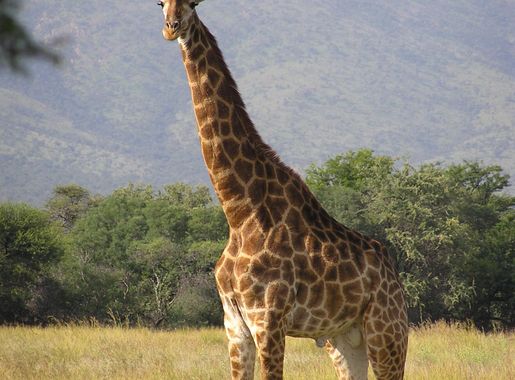
Nestled in the western part of Ethiopia, the Gambela Region is a treasure trove of natural beauty and unique cultures. This region is known for its lush landscapes, rich biodiversity, and the confluence of the Baro and Sobat rivers. Tourists will find themselves immersed in an environment where the wilderness remains largely untouched by modern developments. Gambela National Park is a highlight for visitors, offering the chance to see a variety of wildlife including lions, elephants, and the rare Nile lechwe. Bird watchers will be delighted with the wide array of bird species that inhabit the park. The park's savannahs and wetlands create a picturesque setting perfect for photography and nature walks. The indigenous communities in Gambela, such as the Anuak and Nuer, add to the region's charm. Visitors can experience their traditional way of life, colorful festivals, and unique crafts. The local markets are a great place to purchase handmade items and taste traditional Ethiopian dishes. Hospitality is a key aspect of Gambela culture, making tourists feel welcomed and at home. For those looking to explore beyond the national park, the Gambela Region offers opportunities for river excursions and trekking. The Baro River is ideal for boat trips where one can enjoy the serene environment and spot various aquatic species. Hiking trails in the region provide stunning views and a chance to encounter wildlife in their natural habitat.