

Free Oromia Region Travel Guide & Mobile App
Explore Oromia Region with free travel guides. Discover regional history, expert tips, proposed trips, and audio guides on web or mobile app.


Explore Oromia, Ethiopia, from crater lakes and Rift Valley wildlife to Bale’s mountains, ancient archaeology, Oromo culture and celebrated coffee country.
Read more about Oromia Region
When is the best time to visit Oromia Region?
Best: March–May · 23–26°C| Month | High (°C) | Rainfall (mm) |
|---|---|---|
| January | 20 | 20 |
| February | 22 | 25 |
| March (best) | 23 | 30 |
| April (best) | 24 | 35 |
| May (best) | 26 | 40 |
| June | 27 | 45 |
| July | 25 | 50 |
| August | 24 | 55 |
| September | 24 | 50 |
| October | 23 | 45 |
| November | 21 | 40 |
| December | 20 | 35 |
Getting to and around Oromia Region
How to get there
Transportation
Best attractions in Oromia Region
Oromia’s attractions are spread across several major landscapes rather than concentrated in one urban centre. Around Bishoftu, volcanic crater lakes provide opportunities for lakeside walks, birdwatching and boating, while nearby Koka Reservoir and the Rift Valley corridor offer changing scenery on the road towards Adama and the southern lakes. Lake Ziway and Lake Langano are associated with open water, wetland birds and resort-based recreation, whereas Abijatta–Shalla National Park combines alkaline lakes, hot lowland scenery and wildlife habitats. The Bale Mountains are the region’s defining highland wilderness, with the Sanetti Plateau, Afro-alpine vegetation, trekking routes and opportunities to look for Ethiopian wolves. Harenna Forest offers a very different environment of dense vegetation, bamboo and coffee-growing communities. Archaeology is represented by Melka Kunture’s early human sites, while Sof Omar provides a guided subterranean journey through a vast limestone cave system. Wenchi Crater Lake adds volcanic scenery, cultivated slopes and community-based excursions. Urban attractions are more modest but include markets, cafés, craft businesses and cultural institutions in towns such as Adama, Bishoftu and Jimma. Because facilities and opening arrangements vary, independent visitors should organise guides, vehicles and accommodation carefully for remote areas.
-
Mountain peak
Mount Entoto
Discover the breathtaking views and rich cultural heritage at Mount Entoto, a must-visit mountain peak in Ethiopia.
-
Historical landmark
Emperor Tewodros II Square
Explore the historical charm of Emperor Tewodros II Square, a vibrant landmark that embodies Ethiopia's rich cultural heritage.
-
Museum
Red Terror Martyrs' Memorial Museum የቀይ ሽብር መታሰቢያ ሙዚየም
Explore the Red Terror Martyrs' Memorial Museum in Addis Ababa to understand Ethiopia's history of resilience, remembrance, and hope.
-
Garden
Koye Feche Square
Explore the serene beauty of Koye Feche Square in Addis Ababa, a perfect blend of nature and culture in the bustling city.
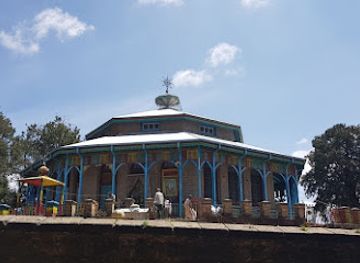
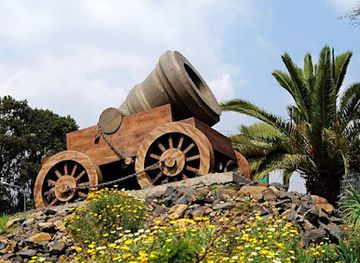
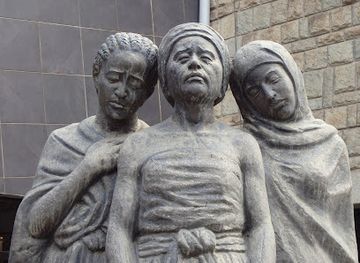
Best landmarks in Oromia Region
Oromia’s most recognisable landmarks are often geological or ecological rather than monumental. The Bale Mountains and the open Sanetti Plateau form a high-altitude landscape of volcanic ridges, grasslands and Afro-alpine plants, with the road across the plateau itself becoming a memorable regional symbol. Sof Omar’s limestone caverns, carved by the Web River, are among the most remarkable natural landmarks in eastern Oromia and have long held religious significance for local Muslim communities. Wenchi Crater Lake is another striking volcanic formation, enclosed by steep cultivated slopes and viewed through a rural landscape shaped by farming. The crater lakes around Bishoftu give the town its distinctive setting, with water-filled volcanic depressions embedded in the highland plateau. In central Oromia, the Melka Kunture archaeological landscape beside the Awash represents an important landmark of Ethiopia’s deep human history. Further south, the transition from Bale’s high grasslands into Harenna Forest demonstrates the dramatic ecological descent from Afro-alpine terrain to humid mountain woodland. These places are significant not only for scenery but also for the geological, archaeological and cultural stories attached to them.
-
Museum
National Museum of Ethiopia
Explore the rich heritage of Ethiopia at the National Museum, home to Lucy and countless artifacts that tell the story of a vibrant culture.
-
City park
Unity Park
Discover the cultural heart of Ethiopia at Unity Park in Addis Ababa, where history, art, and nature beautifully intertwine.
-
Historical landmark
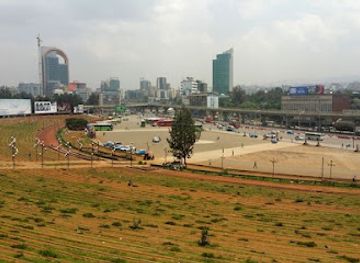
Meskel Square
Discover Meskel Square, the vibrant heart of Addis Ababa, where culture, history, and community come alive in a colorful urban tapestry.
-
Monastery
Debre Libanos
Experience the rich history and breathtaking landscapes of Debre Libanos, a serene Ethiopian monastery that invites spiritual reflection and exploration.
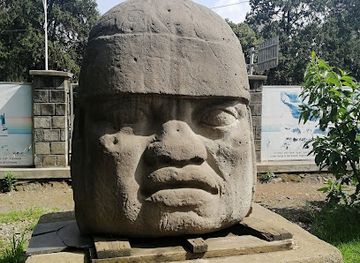

Explore Oromia Region on the map
Plan your trip on one map. See where the top cities, national parks and sights are, and book hotels and experiences in a few clicks.
Best hotels in Oromia Region
Best restaurants in Oromia Region
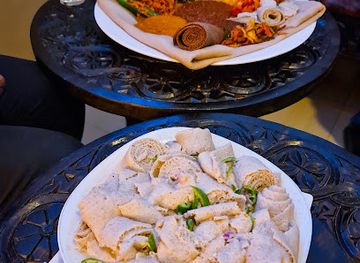
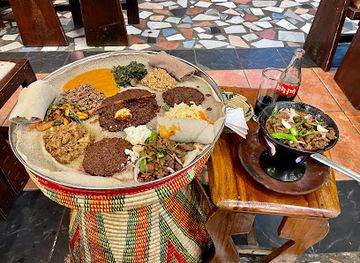
Dining in Oromia reflects Ethiopia’s national food culture while drawing on the region’s agricultural variety. Injera with wat, tibs, vegetables and legumes is widely available, alongside simple breakfasts of bread, eggs or porridge in town cafés. In highland and rural areas, fresh milk, butter, honey, roasted grains and locally grown produce may appear more prominently, while Rift Valley towns offer a broader mixture of Ethiopian and international cooking. Oromia is one of Ethiopia’s major coffee regions, and coffee is best experienced slowly through a traditional jebena ceremony, a café serving freshly roasted beans or a visit connected with a cooperative or growing area. Guji coffee is particularly well known internationally, although its flavour and production methods vary between localities. Bishoftu and Adama have the widest range of restaurants, hotels and cafés; around lakes and national parks, dining is more often tied to lodges, resorts and roadside establishments. Menus may be limited in remote districts, so carrying snacks for long journeys is sensible.
-
Restaurant
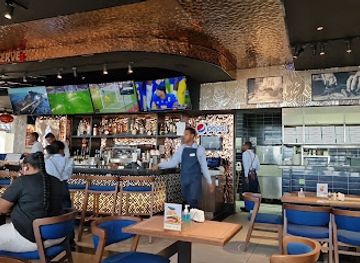
Cravings Restaurant & Bar
Discover the authentic flavors of Ethiopia at Cravings Restaurant & Bar in Addis Ababa—where culinary excellence meets vibrant ambiance.
-
Ethiopian
Yod Abyssinia Traditional Restaurant
Experience the authentic flavors of Ethiopia at Yod Abyssinia Traditional Restaurant in Addis Ababa—where every meal tells a story.
-
Ethiopian
Kategna Restaurant
Experience authentic Ethiopian cuisine at Kategna Restaurant, where tradition meets flavor in the heart of Addis Ababa.
-
Ethiopian
2000 Habesha cultural restaurant | Bole Atlas | 2000 ሀበሻ የባህል ሬስቶራንት | ቦሌ አትላስ
Experience authentic Ethiopian cuisine at 2000 Habesha Restaurant in Addis Ababa's vibrant Bole district.

Best bars in Oromia Region
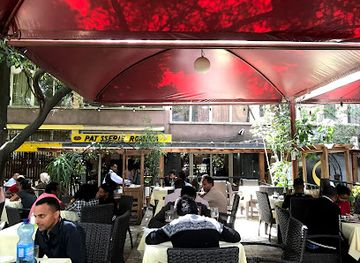
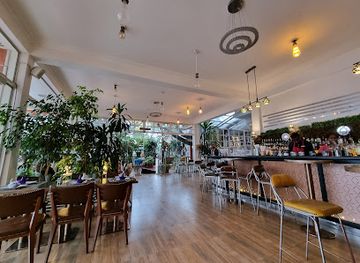
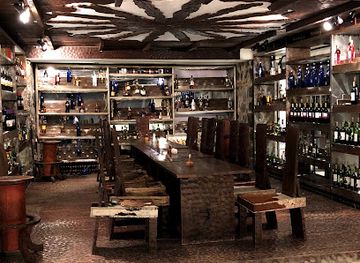
Evening life in Oromia is concentrated in larger towns and is generally more social and low-key than the nightclub scenes of major international capitals. Adama and Bishoftu have cafés, restaurants, hotel lounges, traditional music venues and bars where residents meet after work, while Jimma and other regional centres have their own student, commercial and cultural activity. In smaller towns, evening entertainment is more likely to centre on neighbourhood cafés, televised sport, music and restaurants than on dedicated clubs. Traditional tej houses, where honey wine is served, can be found in parts of Ethiopia, but visitors should follow local guidance and choose reputable establishments. Around the Rift Valley lakes, some hotels and resorts offer evening dining or music, particularly during busy periods, though arrangements are seasonal. In rural Bale, Guji and eastern Oromia, nights are quiet and are shaped by early starts, limited lighting and the practicalities of travel rather than organised nightlife.
-
Bar
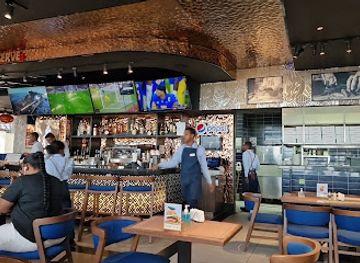
Cravings Restaurant & Bar
Experience the vibrant flavors of Ethiopia at Cravings Restaurant & Bar, where local cuisine meets global flair in a lively setting.
-
Bar
Romina Restaurant | 4 Kilo | ሮሚና ሬስቶራንት | 4 ኪሎ
Discover the vibrant atmosphere and delicious Ethiopian cuisine at Romina Restaurant, a must-visit culinary destination in Addis Ababa.
-
Grill
Union Cocktail Bar & Restaurant
Experience the vibrant flavors of Addis Ababa at Union Cocktail Bar & Restaurant, where local culture meets delightful cuisine in an inviting atmosphere.
-
Lounge
Black Rose Lounge
Discover the vibrant nightlife of Addis Ababa at Black Rose Lounge, where lively music and exquisite cocktails await.
Best nightclubs in Oromia Region
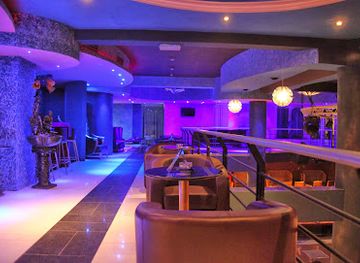
Evening life in Oromia is concentrated in larger towns and is generally more social and low-key than the nightclub scenes of major international capitals. Adama and Bishoftu have cafés, restaurants, hotel lounges, traditional music venues and bars where residents meet after work, while Jimma and other regional centres have their own student, commercial and cultural activity. In smaller towns, evening entertainment is more likely to centre on neighbourhood cafés, televised sport, music and restaurants than on dedicated clubs. Traditional tej houses, where honey wine is served, can be found in parts of Ethiopia, but visitors should follow local guidance and choose reputable establishments. Around the Rift Valley lakes, some hotels and resorts offer evening dining or music, particularly during busy periods, though arrangements are seasonal. In rural Bale, Guji and eastern Oromia, nights are quiet and are shaped by early starts, limited lighting and the practicalities of travel rather than organised nightlife.
-
Night club
Club H2O | Hayahulet | ክለብ ኤች ቱ ኦ | ሀያ ሁለት
Experience the vibrant nightlife at Club H2O, Addis Ababa's premier night club, where music, dance, and culture come alive.
-
Night club
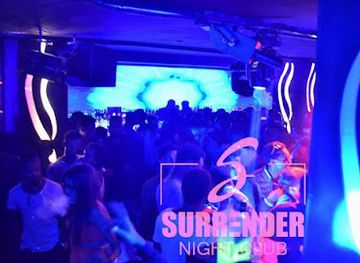
Surrender night club
Experience the vibrant nightlife of Addis Ababa at Surrender Night Club, where music, dance, and culture collide in an unforgettable celebration.
-
Night club
A/V Club | Bole | ኤቪ ክለብ | ቦሌ
Experience the vibrant nightlife of Addis Ababa at A/V Club, a must-visit destination for music lovers and party enthusiasts.
-
Night club
Club Illusion
Discover the heart of Addis Ababa's nightlife at Club Illusion, where music and excitement collide for an unforgettable experience.

Best shops in Oromia Region
Shopping in Oromia is chiefly local and practical, with the greatest variety found in market towns such as Adama, Bishoftu, Jimma and Robe. Weekly markets bring together grain, livestock, fruit, vegetables, spices, woven goods and household products, although dates and locations vary and should be confirmed locally. Coffee is the most distinctive regional purchase, particularly beans identified with Guji, Jimma or other Oromia growing areas; buy sealed, traceable coffee from a reputable shop, cooperative or producer where possible. In rural areas, honey, butter, grains and simple woven items may be available, while town shops are more likely to stock clothing, baskets, leather goods and household crafts. Addis Ababa, outside Oromia but commonly used as the arrival gateway, offers a broader selection of Ethiopian art and souvenirs than most regional towns. Bargaining may be customary in informal markets but is not appropriate everywhere, and visitors should avoid buying antiquities, archaeological material, wildlife products or objects whose export legality is unclear.
-
Shopping mall
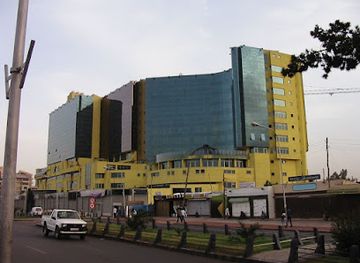
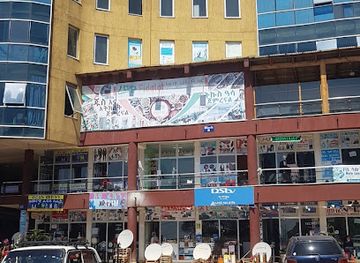
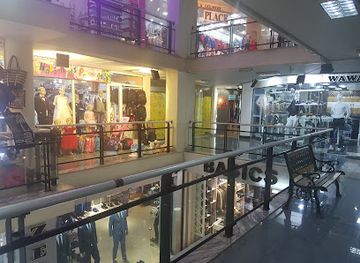
Dembel City Center
Explore the vibrant Dembel City Center in Addis Ababa, where shopping meets culture in a bustling urban oasis.
-
Shopping mall
Addisu Gebeya
Explore the vibrant Addisu Gebeya Shopping Mall in Addis Ababa, where local culture meets international shopping and dining experiences.
-
Shopping mall
Getu Commercial Center.
Discover shopping, dining, and entertainment at the lively Getu Commercial Center in Addis Ababa, a must-visit for every traveler.
-
Handicraft
Salem's Ethiopia
Explore the rich tapestry of Ethiopian handicrafts and culture at Salem's Ethiopia, a charming shop in the heart of Addis Ababa.
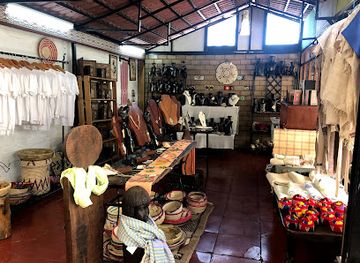
Get your free copy of our complete guide to Oromia Region, delivered straight to you.
Everything on this page, from attractions and restaurants to essentials and local phrases, in one PDF you can read offline, print or share.
Already have an account? Sign in
Your Oromia Region guide is ready.
We'll send it to · Not you? Sign out

Getting your guide ready…
We are putting together a fresh copy of the Oromia Region guide. This can take up to a minute.
This can take a few moments. If your browser asks, choose Allow so the download can start. You'll find the guide in your Downloads folder.
Nothing happened? Download it again
Sorry, the guide is taking longer than usual. Please try again in a minute, or get it by email instead.
Oromia Region essentials
Currency and Payment
Safety
Emergency Situations
Do's and Don'ts
Local Tips
From Eve
Local phrases worth knowing
You don't need to get them perfect. A few words go a long way, and locals appreciate the effort.
Basics
| English | Local | Say it |
|---|---|---|
| Hello | Akkam | [Ah-kam] |
| Goodbye | Nagaatti | [Nah-gah-tee] |
| Yes | Eeyyee | [Eh-yee-yeh] |
| No | Lakki | [Lah-kee] |
| Please/You're welcome | Maaloo | [Mah-loo] |
| Thank you | Galatoomi | [Gah-lah-toh-mee] |
| Excuse me/Sorry | Dhiifama | [Dee-fah-mah] |
| How are you? | Akkam jirtu? | [Ah-kam jeer-too] |
| Fine. And you? | Nagaadha. Ati hoo? | [Nah-gah-dah. Ah-tee hoo?] |
| Do you speak English? | Ingiliffaa dubbataa? | [In-gee-lif-fah dub-bah-tah?] |
| I don't understand | Ani hin hubanne | [Ah-nee hin hoo-bah-neh] |
Eating & Drinking
| English | Local | Say it |
|---|---|---|
| I'd like to see the menu, please | Menyu naaf agarsiisi, maaloo | [Men-yoo nahf ah-gar-see-see, mah-loo] |
| I don't eat meat | Ani foon hin nyaadhu | [Ah-nee foon hin yah-dhoo] |
| Cheers! | Jaalala! | [Jah-lah-lah] |
| I would like to pay, please | Baasi naaf kenni, maaloo | [Bah-see nahf ken-nee, mah-loo] |
Emergencies
| English | Local | Say it |
|---|---|---|
| Help! | Gargaarsa! | [Gahr-gahr-sah] |
| Go away! | Dhiisi! | [Dee-see] |
| Call the Police! | Polisii waami! | [Poh-lee-see wah-mee] |
| Call a doctor! | Doktara waami! | [Doh-kah-rah wah-mee] |
| I'm lost | Anin dhabama | [Ah-neen dah-bah-mah] |
| I'm ill | Ani dhukkubsataa | [Ah-nee dhuh-kub-sah-tah] |
Shopping
| English | Local | Say it |
|---|---|---|
| I'd like to buy... | Ani bituuf ... barbaada | [Ah-nee bee-too-f ... bar-bah-dah] |
| I'm just looking | Ani ilaalaa jira | [Ah-nee ee-lah-lah jee-rah] |
| How much is it? | Kaattaa meeqa? | [Kah-tah mee-kah?] |
| That's too expensive | Inni baay'ee gatii qaba | [In-nee bah-yee gah-tee kah-bah] |
| Can you lower the price? | Gatii gadi xiqqeessuu dandeessaa? | [Gah-tee gah-dee hee-kay-suu dahn-deh-sah?] |
Time & Numbers
| English | Local | Say it |
|---|---|---|
| What time is it? | Sa'atii meeqa? | [Sah-ah-tee mee-kah?] |
| It's one o'clock | Sa'atii tokko | [Sah-ah-tee toh-koh] |
| Half past (10) | Saa'atii 10 fi harka | [Sah-ah-tee deh-ssee fi har-kah] |
| Morning | Baga | [Bah-gah] |
| Afternoon | Galgal | [Gahl-gahl] |
| Evening | Halkan | [Hal-kahn] |
| Yesterday | Dhugumaan | [Dhoo-goo-mahn] |
| Today | Har'a | [Hah-rah] |
| Tomorrow | Bor | [Boh-r] |
| 1 | Tokko | [Toh-koh] |
| 2 | Lama | [Lah-mah] |
| 3 | Sadii | [Sah-dee] |
| 4 | Afur | [Ah-foor] |
| 5 | Shan | [Shahn] |
| 6 | Jaha | [Jah-hah] |
| 7 | Torba | [Tor-bah] |
| 8 | Saddeet | [Sah-deet] |
| 9 | Sagal | [Sah-gahl] |
| 10 | Kudha | [Koo-dah] |
Transport & Directions
| English | Local | Say it |
|---|---|---|
| Where's a/the...? | Eenyu/(kan) ... eessa? | [Eh-yen-yoo/(kahn) ... eh-sah?] |
| What's the address? | Teessoon eenyu? | [Tay-soon eh-yen-yoo?] |
| Can you show me (on the map)? | Maappicha irratti na agarsiiftaa? | [Mah-peech-ah ee-rah-tee nah ah-gar-see-f-tah?] |
| When's the next (bus)? | Bussii itti aanuu eessaa? | [Boo-see ee-tee ah-noo eh-sah?] |
| A ticket (to ....) | Teeknii (gara ...) | [Tay-knee (gah-rah ...)] |
History of Oromia Region
Early Stone Age Landscapes at Melka Kunture
The Upper Awash Valley in central Oromia preserves important archaeological evidence of early human activity. At Melka Kunture, stone tools, animal remains and occupation layers record changing environments and technologies over a very long prehistoric timeframe. The site’s position beside the Awash River helped make the area attractive to ancient communities, while volcanic deposits have assisted archaeological interpretation. Melka Kunture matters not simply as a collection of artefacts, but as a landscape showing how early hominins adapted to rivers, grasslands and shifting volcanic conditions. Its museum and excavated areas provide one of Oromia’s clearest windows onto Ethiopia’s deep human past.
The Formation of Oromo Political and Cultural Worlds
Oromo-speaking communities have long occupied extensive areas of the Ethiopian highlands, Rift Valley and south-eastern plateaux. From the sixteenth century onwards, population movements and the development of new political formations helped shape the distribution of Oromo communities across much of present-day Oromia and beyond. Oromo society was never politically uniform: local institutions, ritual traditions, pastoralism, farming and systems of age organisation varied between areas. The Gadaa system, an indigenous form of social, political and generational governance, remains an important reference point in Oromo cultural history. These long-term developments help explain the region’s linguistic, social and ecological diversity.
Shewa and the Expansion of Regional Kingdoms
Central Oromia became closely connected with the history of Shewa, a highland kingdom whose political centres and agricultural zones developed around the central plateau. Oromo and Amhara communities interacted through settlement, trade, alliance, conflict and intermarriage, producing a complex regional history rather than a simple division between separate peoples. The rise of Menelik II, who ruled Shewa before becoming emperor, brought the area into the political centre of the Ethiopian state. Towns, roads, administrative institutions and landholding patterns established during this era continued to influence central Oromia long after the kingdom’s incorporation into the expanding empire.
Imperial Incorporation and the Making of Modern Ethiopia
During the late nineteenth century, Menelik II’s southward and eastward expansion incorporated large Oromo-inhabited territories into the Ethiopian empire. The process involved military conquest, new taxation and administrative systems, land redistribution and the establishment of garrisons, while also producing resistance and negotiation in different localities. Its legacy remains central to modern Oromo historical memory and to wider debates about land, political authority and cultural recognition in Ethiopia. The region’s present-day towns, roads and administrative geography cannot be separated from these imperial transformations, although local experiences differed considerably from one district to another.
Italian Occupation, 1936–1941
Oromia was affected by the Italian invasion and occupation of Ethiopia between 1936 and 1941. Roads, military posts and administrative measures were used to consolidate Italian control, while resistance continued in the highlands and countryside. The occupation disrupted existing political arrangements and economies, and its effects were felt in central and eastern parts of the region as well as elsewhere in Ethiopia. The restoration of Emperor Haile Selassie in 1941 ended Italian rule, but the period left physical traces in some transport corridors and memories of wartime mobilisation, violence and resistance.
Coffee, Agriculture and Regional Trade
Agriculture has shaped Oromia’s economy and landscapes for centuries, with highland grain production, pastoralism, livestock trading and forest-based livelihoods all contributing to regional life. Coffee became particularly important in the south and south-west, where Arabica grows in forest margins, garden plots and cultivated highlands. Guji and other Oromia coffee areas are now recognised in international markets for distinctive flavour profiles, but coffee remains part of a broader rural economy involving farmers, processors, traders and cooperatives. Roads and market towns have connected these production zones to Ethiopian and international commerce while also increasing pressure on forests and land.
Oromia in Ethiopia’s Federal Era
The federal constitution introduced in the 1990s established regional states based largely on language and territorial identity, with Oromia becoming one of Ethiopia’s largest constituent regions. The arrangement gave Afaan Oromo an official regional role and created institutions concerned with education, administration and cultural expression. It also left difficult questions about borders, land, urban expansion and the relationship between regional and federal authority. Since then, cities such as Adama, Bishoftu and Jimma have expanded, while roads, tourism and agricultural commerce have altered rural landscapes. Contemporary Oromia is therefore both a repository of older cultural traditions and a rapidly changing region.
Oromia Region in Photos
Browse through our photo collection highlighting the charm and character of the destination.
Neighbouring regions of Oromia Region
The closest regions to Oromia Region, if you have time for more than one.
-

-

-

-

-


Swipe for more regions
Explore more

Explore more of Ethiopia
Discover Ethiopia: A land of ancient history, breathtaking landscapes, and rich cultural heritage, offering an unforgettable journey through time and nature.
Explore Ethiopia