

Free Welayta Travel Guide & Mobile App
Explore Welayta with free travel guides. Discover regional history, expert tips, proposed trips, and audio guides on web or mobile app.


Explore Welayta in southern Ethiopia for highland scenery, Wolaita history, enset-based cuisine, markets and the viewpoints of Mount Damota.
Read more about Welayta
When is the best time to visit Welayta?
Best: January–March · 24–25°C| Month | High (°C) | Rainfall (mm) |
|---|---|---|
| January (best) | 24 | 20 |
| February (best) | 24 | 30 |
| March (best) | 25 | 40 |
| April | 26 | 60 |
| May | 27 | 70 |
| June | 25 | 80 |
| July | 24 | 90 |
| August | 24 | 80 |
| September | 25 | 70 |
| October | 25 | 60 |
| November | 24 | 40 |
| December | 24 | 30 |
Getting to and around Welayta
How to get there
Transportation
Top city travel guides in Welayta
The cities of Welayta, and the easiest places to base yourself.

Swipe for more cities
Destinations in Welayta
Resorts, valleys and scenic spots worth a trip of their own.

Swipe for more destinations
Best attractions in Welayta
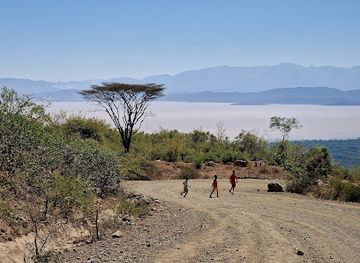
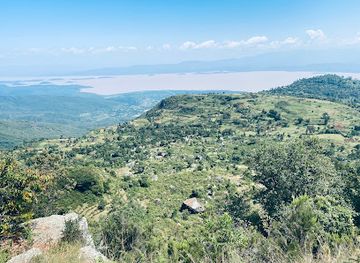
Welayta’s attractions are shaped more by landscape and living culture than by a dense concentration of formal tourist sites. Wolaita Sodo provides the practical starting point, with markets, local restaurants, cultural activity and access to the surrounding highlands. Mount Damota, rising near the town, is the region’s principal natural attraction: its cooler slopes and broad views make it suitable for guided walks and landscape appreciation, subject to weather and local access conditions. The cultivated ridges and valleys beyond Sodo offer an authentic view of enset-based farming, eucalyptus groves and densely settled rural life. Historic interest centres on Wolaita’s former kingdom, oral traditions and places associated with King Tona Gaga, although interpretation and access may be less developed than at Ethiopia’s major archaeological destinations. Journeys towards the eastern highlands can provide views in the direction of the Lake Abaya basin, while neighbouring Gamo contains the better-known lakeshore and highland attractions outside Welayta. Visitors should approach rural communities respectfully, use local guides where possible and regard everyday landscapes, food traditions and cultural encounters as part of the region’s principal appeal.
-
Tourist attraction
Arba Minch crocodile ranch
Observe hundreds of Nile crocodiles at this Arba Minch ranch dedicated to the conservation of these fascinating reptiles.
-
Tourist attraction
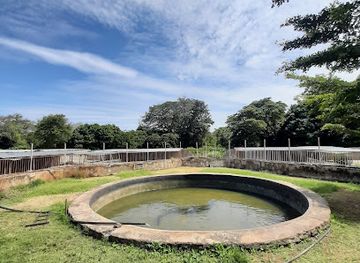
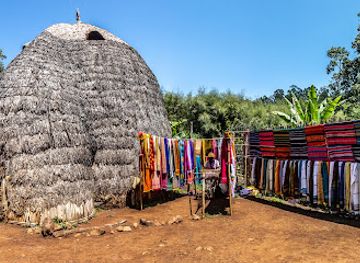
Dorze Village
Discover the enchanting beauty and rich culture of Dorze Village in Ethiopia, where traditional lifestyles meet stunning landscapes.
-
Tourist attraction
Dorsso Waterfall
Explore the enchanting Dorsso Waterfall in Chencha, a breathtaking natural wonder surrounded by lush landscapes and rich biodiversity.
-
Ecological park
Dorze Eco Trekking
Explore the natural beauty and rich traditions at Dorze Eco Trekking, an ecological park in the heart of Ethiopia's stunning landscapes.
Best landmarks in Welayta
Mount Damota is Welayta’s most recognisable geographical landmark, rising above the Wolaita Sodo area and marking the highland character of the region. Its slopes and summit viewpoints provide a visual reference for the surrounding agricultural country, although access should be arranged with local advice because routes and conditions vary. Wolaita Sodo itself is an important civic landmark in a broader sense: as the regional capital and principal market town, it embodies the modern administrative and cultural centre of Wolaita. Sites and memorial associations connected with King Tona Gaga and the former Wolaita kingdom carry particular historical significance, even where surviving structures or visitor interpretation are modest. The cultivated ridgelines descending towards the Lake Abaya basin form another defining landscape, demonstrating the relationship between settlement, farming and dramatic changes in elevation. The lakeside landmarks most often promoted in southern Ethiopia lie outside Welayta in neighbouring Gamo, so they should be treated as separate excursions rather than regional sights.
-
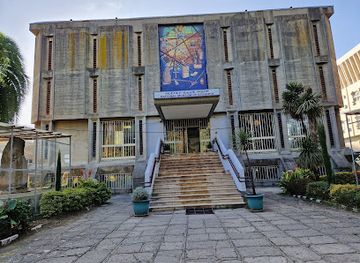
Museum
National Museum of Ethiopia
Discover the National Museum of Ethiopia, a treasure trove of history showcasing ancient artifacts, traditional art, and the acclaimed fossil 'Lucy.'
-
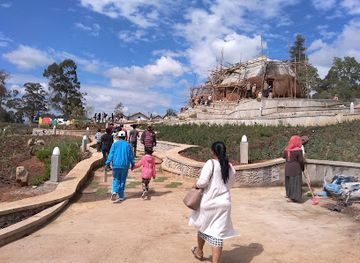
City park
Unity Park
Discover Unity Park in Addis Ababa: A Cultural and Natural Oasis Blending History, Art, and Family Fun.
-
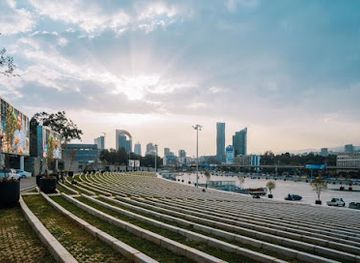
Historical landmark
Meskel Square
Experience the vibrant cultural heartbeat of Addis Ababa at Meskel Square, a historical landmark rich in tradition and local life.
-
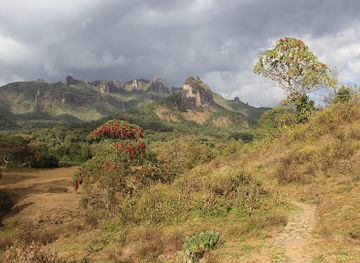
National park
Bale Mountains National Park
Discover the breathtaking landscapes and rich biodiversity of Bale Mountains National Park, a paradise for nature lovers and adventure seekers in Ethiopia.
Explore Welayta on the map
Plan your trip on one map. See where the top cities, national parks and sights are, and book hotels and experiences in a few clicks.
Best hotels in Welayta
Best restaurants in Welayta
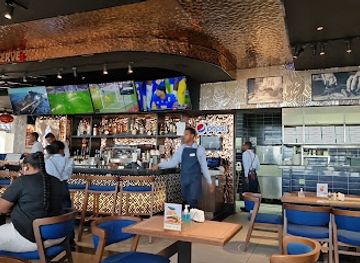
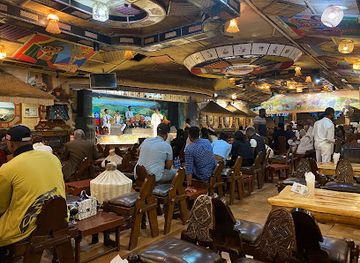
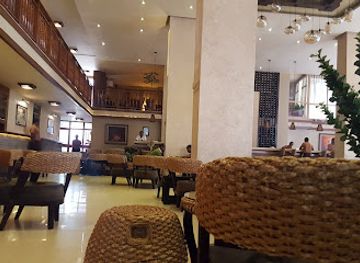
Dining in Welayta is closely connected to the region’s agricultural economy and the importance of enset. Kocho, made from fermented enset, and bulla, a refined enset product, are among the foods visitors may encounter, commonly served with sauces, vegetables or meat. Maize, taro, legumes and other locally grown crops also contribute to household and restaurant meals. In Wolaita Sodo, restaurants and hotel dining rooms generally offer Ethiopian staples such as injera with different stews, tibs and vegetarian dishes, while cafés provide coffee, tea and light snacks. Rural hospitality may reveal preparations less often found on a standard restaurant menu, but visitors should accept food and water only where hygiene appears reliable. Markets are useful for seeing the produce behind local cooking, including grains, vegetables and fruit. Dining is usually informal, and menus may be limited outside the main town; asking accommodation staff or a trusted local guide for current recommendations is more reliable than expecting a developed fine-dining scene.
-
Restaurant
Cravings Restaurant & Bar
Experience the vibrant flavors of Ethiopia at Cravings Restaurant & Bar, where traditional meets modern in every delicious bite.
-
American
Sishu | Kera
Experience authentic American flavors at Sishu | Kera in Addis Ababa - where comfort food meets vibrant ambiance.
-
Ethiopian
Yod Abyssinia Traditional Restaurant
Discover authentic Ethiopian cuisine in Addis Ababa at Yod Abyssinia Traditional Restaurant – where every meal tells a story.
-
Ethiopian
Kategna Restaurant
Discover the essence of Ethiopia at Kategna Restaurant in Addis Ababa—where every dish tells a story.

Best bars in Welayta
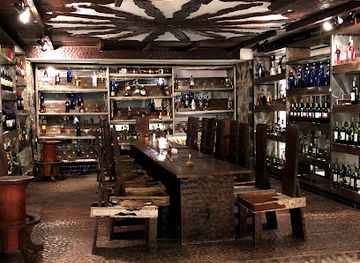
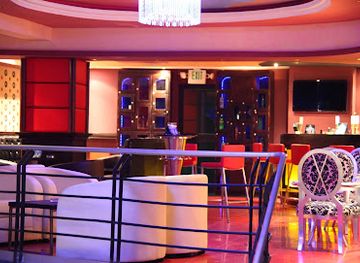
Evening life in Welayta is concentrated in Wolaita Sodo rather than spread across a large regional nightlife circuit. The town has cafés, hotel bars, restaurants and informal meeting places where residents gather for conversation, coffee, sport and music. Traditional Ethiopian drinks and locally produced beverages may appear alongside bottled beer and spirits, but alcohol is not necessary to engage with local evening culture. Live music and dancing can be part of celebrations and selected venues, although schedules and operating patterns change. Outside Sodo, nightlife is generally quiet and centred on family homes, local cafés or restaurants, with limited transport after dark. Visitors should return to accommodation using a trusted taxi or driver, avoid walking unfamiliar rural roads at night and confirm current venue arrangements locally rather than relying on old listings.
-
Grill
Union Cocktail Bar & Restaurant
Experience the vibrant flavors of Addis Ababa at Union Cocktail Bar & Restaurant, where delicious grilled cuisine meets a lively atmosphere.
-
Night club
Flirt Lounge Addis
Discover Addis Ababa's lively nightlife at Flirt Lounge, where great music, cocktails, and a welcoming atmosphere combine for an unforgettable evening.
-
Lounge
Black Rose Lounge
Discover the energetic atmosphere of Black Rose Lounge, a vibrant nightlife spot in Addis Ababa with eclectic drinks and live music.
-
Restaurant
Variety Restaurant and Lounge | Bole | ቫራይቲ ሬስቱራንትና ላውንጅ | ቦሌ
Experience the unique blend of Ethiopian flavors and international cuisine at Variety Restaurant and Lounge in Addis Ababa's dynamic Bole district.


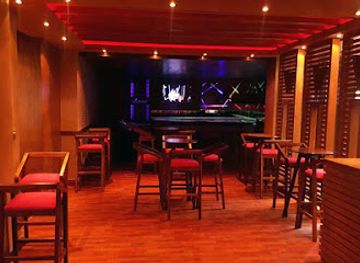
Best nightclubs in Welayta
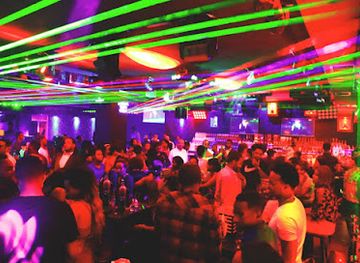
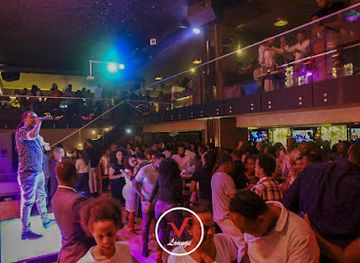
Evening life in Welayta is concentrated in Wolaita Sodo rather than spread across a large regional nightlife circuit. The town has cafés, hotel bars, restaurants and informal meeting places where residents gather for conversation, coffee, sport and music. Traditional Ethiopian drinks and locally produced beverages may appear alongside bottled beer and spirits, but alcohol is not necessary to engage with local evening culture. Live music and dancing can be part of celebrations and selected venues, although schedules and operating patterns change. Outside Sodo, nightlife is generally quiet and centred on family homes, local cafés or restaurants, with limited transport after dark. Visitors should return to accommodation using a trusted taxi or driver, avoid walking unfamiliar rural roads at night and confirm current venue arrangements locally rather than relying on old listings.
-
Night club
Flirt Lounge Addis
Flirt Lounge Addis: A vibrant nightlife hub in the heart of Addis Ababa, featuring live music, cocktails, and a lively atmosphere.
-
Night club
Bar Melo | Chichinya | ባር ሜሎ |
Immerse yourself in the vibrant nightlife of Addis Ababa at Bar Melo, the ultimate destination for music, dancing, and culture.
-
Night club
V Lounge Addis | wollo sefer | ቪ ላዉንጅ አዲስ | ወሎ ሰፈር
Discover V Lounge Addis, a premier nightlife destination in the heart of Addis Ababa, blending live music, delicious food, and vibrant atmosphere.
-
Night club
Club H2O | Hayahulet | ክለብ ኤች ቱ ኦ | ሀያ ሁለት
Discover the essence of Addis Ababa's nightlife at Club H2O, where music, dance, and unforgettable moments come alive.
Best shops in Welayta
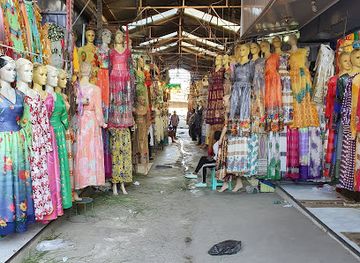
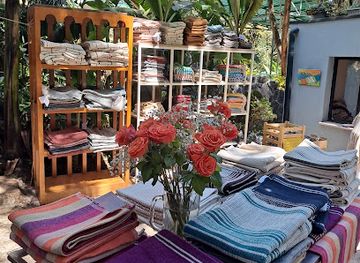
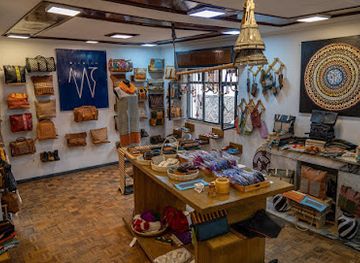
Shopping in Welayta is focused on Wolaita Sodo’s markets, high streets and neighbourhood trading areas rather than large modern retail complexes. Visitors can browse grains, vegetables, fruit, spices, household goods and locally made clothing, gaining a clearer sense of the agricultural economy that supports the region. Small shops and market stalls may offer woven items, baskets, pottery and other practical crafts, although availability and quality vary by season and location. Ethiopian coffee, spices and packaged foods are convenient purchases when bought from reputable sellers, while fresh produce is best enjoyed locally rather than transported long distances. Rural markets can be visually engaging but are primarily working marketplaces, so photography should be discreet and permission sought. Prices are often negotiated in markets but are usually fixed in established shops; carrying small birr notes makes transactions easier. Choose authentic, useful products and avoid buying archaeological objects or items presented as historic without clear legal provenance.
-
Market
Shola Market | Megenagna
Discover the vibrant culture and local flavors at Shola Market in Megenagna, Addis Ababa—your gateway to authentic Ethiopian experiences.
-
Handicraft
Salem's Ethiopia
Experience the vibrant artistry of Ethiopian handicrafts at Salem's Ethiopia, a cultural gem in Addis Ababa showcasing local craftsmanship.
-
Fashion accessories store
Sabahar
Explore Sabahar in Addis Ababa for exquisite Ethiopian textiles and fashion accessories, showcasing the artistry of skilled local artisans.
-
Leather goods manufacturer
SABEGN Crafted in Ethiopia
Explore the artistry of SABEGN in Addis Ababa, where handcrafted leather goods meet Ethiopian tradition and modern design.

Get your free copy of our complete guide to Welayta, delivered straight to you.
Everything on this page, from attractions and restaurants to essentials and local phrases, in one PDF you can read offline, print or share.
Already have an account? Sign in
Your Welayta guide is ready.
We'll send it to · Not you? Sign out

Getting your guide ready…
We are putting together a fresh copy of the Welayta guide. This can take up to a minute.
This can take a few moments. If your browser asks, choose Allow so the download can start. You'll find the guide in your Downloads folder.
Nothing happened? Download it again
Sorry, the guide is taking longer than usual. Please try again in a minute, or get it by email instead.
Welayta essentials
Currency and Payment
Safety
Emergency Situations
Do's and Don'ts
Local Tips
From Eve
Local phrases worth knowing
You don't need to get them perfect. A few words go a long way, and locals appreciate the effort.
Basics
| English | Local | Say it |
|---|---|---|
| Hello | Akkam | [ah-kahm] |
| Goodbye | Nagaa | [nah-gah] |
| Yes | Eeyyee | [ey-yeh] |
| No | Hin | [heen] |
| Please/You're welcome | Galatooma | [gah-lah-toh-mah] |
| Thank you | Galatoomaa | [gah-lah-toh-mah] |
| Excuse me/Sorry | Dhaamsuu | [dahm-soo] |
| How are you? | Akkam jirtu? | [ah-kahm jeer-too] |
| Fine. And you? | Nagaa. Ati hoo? | [nah-gah ah-tee hoo] |
| Do you speak English? | Ingiliffaa dubbataa? | [in-gih-lif-fah doo-bah-tah] |
| I don't understand | Naaf hin galu | [nahf heen gah-loo] |
Eating & Drinking
| English | Local | Say it |
|---|---|---|
| I'd like to see the menu, please | Menyu naaf agarsiisi, galatooma | [men-yoo nahf ah-gar-sih-see, gah-lah-toh-ma] |
| I don't eat meat | Foon hin nyaadhu | [fohn heen nyah-dhoo] |
| Cheers! | Jaalala! | [jah-lah-lah] |
| I would like to pay, please | Ani kaffalu barbaada, galatooma | [ah-nee kah-fah-loo bar-bah-dah, gah-lah-toh-ma] |
Emergencies
| English | Local | Say it |
|---|---|---|
| Help! | Gargaarsa! | [gar-gar-sah] |
| Go away! | Dhiisi! | [dhee-see] |
| Call the Police! | Polisii waami! | [poh-lee-see wah-mee] |
| Call a doctor! | Doktora waami! | [dok-tor-ah wah-mee] |
| I'm lost | Ani dhabbadha | [ah-nee dhah-bah-dhah] |
| I'm ill | Ani dhukkubsataa | [ah-nee dhook-kub-sah-tah] |
Shopping
| English | Local | Say it |
|---|---|---|
| I'd like to buy... | Ani bitu barbaada... | [ah-nee bee-too bar-bah-dah] |
| I'm just looking | Ani ilaalu qofa | [ah-nee ee-lah-loo koh-fah] |
| How much is it? | Kuma meeqa? | [koo-mah mee-kah] |
| That's too expensive | Kuni baay'ee gurguddaa dha | [koo-nee bye-ee gur-gud-dah dah] |
| Can you lower the price? | Gatii gadi fidaa? | [gah-tee gah-dee fee-dah] |
Time & Numbers
| English | Local | Say it |
|---|---|---|
| What time is it? | Sa’atii meeqa? | [sah-ah-tee meh-kah] |
| It's one o'clock | Sa’atii tokko | [sah-ah-tee toh-koh] |
| Half past (10) | Kuma (10) darbe | [koo-mah dar-beh] |
| Morning | Bara bulle | [bah-rah boo-leh] |
| Afternoon | Bara galgalaa | [bah-rah gal-gah-lah] |
| Evening | Bara halkan | [bah-rah hal-kahn] |
| Yesterday | Dhimma darbe | [dhee-mah dar-beh] |
| Today | Har'a | [har-ah] |
| Tomorrow | Bor | [bohr] |
| 1 | Tokko | [toh-koh] |
| 2 | Lama | [lah-mah] |
| 3 | Sadii | [sah-dee] |
| 4 | Afra | [ah-frah] |
| 5 | Shan | [shahn] |
| 6 | Jaha | [jah-hah] |
| 7 | Torba | [tohr-bah] |
| 8 | Saddeet | [sahd-deet] |
| 9 | Sagal | [sah-gahl] |
| 10 | Kudha | [koo-dhah] |
Transport & Directions
| English | Local | Say it |
|---|---|---|
| Where's a/the...? | Eessa...? | [eh-sah] |
| What's the address? | Teessuma maali? | [tay-soo-mah mah-lee] |
| Can you show me (on the map)? | Naaf (map) agarsiisi? | [nahf ah-gar-sih-see] |
| When's the next (bus)? | Bussii itti aanuu eessaa? | [boo-see ee-tee ah-noo eh-sah] |
| A ticket (to ....) | Keenya (gara...) | [kay-nee-yah gah-rah] |
History of Welayta
Formation of the Wolaita Kingdom
Before modern Ethiopian administrative boundaries, Wolaita developed as an organised kingdom in the southern highlands. Its political authority was associated with hereditary rulers, including the noted king Tona Gaga, and rested on agricultural production, local administration and networks of allegiance. The kingdom occupied a strategic area between the highlands and the Rift Valley basin, helping shape its contacts with neighbouring peoples. Although written documentation is limited compared with the better-recorded northern Ethiopian kingdoms, oral traditions and cultural memory remain important sources for understanding Wolaita’s pre-incorporation history.
Menelik II’s Conquest in the 1890s
Wolaita was incorporated into the expanding Ethiopian empire during the southern campaigns of Emperor Menelik II in the 1890s. The conquest brought military conflict, a new political order and the extension of imperial institutions into the region. It also connected Wolaita more firmly to the wider Ethiopian state, while leaving memories of resistance and loss that continue to inform local historical narratives. The period is essential to understanding the region’s later administrative status and the relationship between Wolaita identity and the Ethiopian state.
Imperial Administration and Missionary Influence
During the twentieth century, imperial administration reshaped landholding, taxation, authority and transport across Wolaita. New forms of schooling and Christian missionary activity also influenced religious and educational life, alongside long-established local beliefs and practices. Wolaita’s agricultural economy remained central, with enset supporting dense rural settlement and providing resilience in a variable climate. These changes connected the region to national institutions but did not erase its language, social structures or distinctive cultural traditions.
The Derg Era and Rural Transformation
The 1974 revolution brought the Derg government and a socialist programme of land nationalisation and administrative restructuring. Rural communities in Wolaita experienced changes in land relations, local authority and state control, while national campaigns attempted to reorganise production and political participation. The period was marked by hardship and coercion across Ethiopia, but it also altered the institutional framework within which southern regions were governed. The legacy of these reforms remains visible in the region’s modern rural administration and landholding patterns.
Federalism and Wolaita Cultural Identity
Since the establishment of Ethiopia’s federal system in the 1990s, questions of language, self-administration and regional identity have remained important in Wolaita. Wolaita language and cultural organisations have promoted local history, education and public recognition, while successive administrative arrangements have placed the area within larger southern regional structures. These debates are part of a wider Ethiopian discussion about ethnicity, federalism and political representation. They help explain why cultural identity remains a prominent feature of public life in Wolaita Sodo and surrounding communities.
The South Ethiopia Regional State
In 2023, Wolaita became part of the newly established South Ethiopia Regional State, created through Ethiopia’s continuing process of regional reorganisation. The change gave the region a new administrative context alongside other southern Ethiopian areas, while Wolaita retained its own language, historical memory and local institutions. For visitors, the transition is a reminder that administrative names and boundaries can change more quickly than cultural landscapes. Wolaita’s enduring identity is rooted in its people, highland environment and historical traditions rather than in a single modern administrative label.
Welayta in Photos
Browse through our photo collection highlighting the charm and character of the destination.
Neighbouring regions of Welayta
The closest regions to Welayta, if you have time for more than one.
-

-

-

-

-


Swipe for more regions
Explore more

Explore more of Ethiopia
Discover Ethiopia: A land of ancient history, breathtaking landscapes, and rich cultural heritage, offering an unforgettable journey through time and nature.
Explore Ethiopia