

Free Kaffa Travel Guide & Mobile App
Explore Kaffa with free travel guides. Discover regional history, expert tips, proposed trips, and audio guides on web or mobile app.


Explore Kaffa in south-west Ethiopia for forest coffee, Bonga’s rural culture, biodiversity and journeys through the country’s green highlands.
Read more about Kaffa
When is the best time to visit Kaffa?
Best: December–February · 22–23°C| Month | High (°C) | Rainfall (mm) |
|---|---|---|
| January (best) | 22 | 40 |
| February (best) | 23 | 50 |
| March | 24 | 80 |
| April | 25 | 100 |
| May | 25 | 120 |
| June | 25 | 140 |
| July | 24 | 160 |
| August | 24 | 160 |
| September | 24 | 130 |
| October | 23 | 100 |
| November | 22 | 70 |
| December (best) | 22 | 50 |
Getting to and around Kaffa
How to get there
Transportation
Best attractions in Kaffa
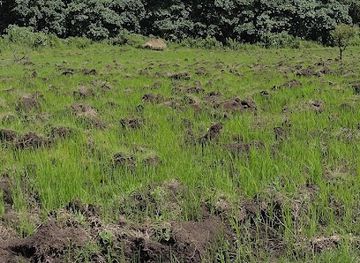
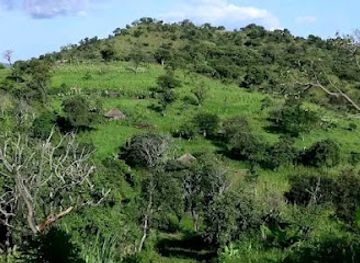
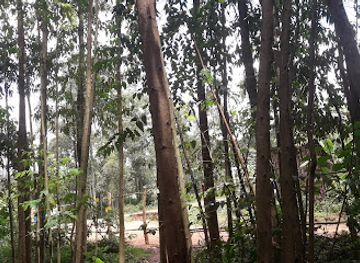
Kaffa’s attractions are concentrated in its forested landscapes, coffee heritage and rural setting rather than in a dense circuit of monumental sites. The Bonga Forest area, within the UNESCO-designated Kaffa Biosphere Reserve, offers opportunities for guided walks among native trees, wild coffee habitats, streams and agricultural clearings. Birdwatching and botanical observation are more realistic expectations than guaranteed large-animal sightings. Around Bonga, visitors can explore local markets, cafés and community life, then arrange excursions into surrounding coffee-growing areas where cultivation and natural forest remain closely connected. The former kingdom of Kaffa provides historical context through Bonga and local accounts of royal power, although surviving evidence is less formalised than in Ethiopia’s northern historic centres. Longer journeys reveal highland farms, villages, waterfalls and river valleys, but access should be confirmed locally and not treated as a standardised sightseeing route. The principal attraction is the chance to understand a living forest economy: coffee harvesting, honey production, farming, conservation and hospitality all intersect across the landscape. Independent exploration is difficult in remote areas, so a local guide adds both practical security and cultural interpretation.
-
Tourist attraction
Kafa Biosphere Reserve
Explore the breathtaking landscapes and rich biodiversity of Kafa Biosphere Reserve, a UNESCO site in Ethiopia, where nature and culture intertwine beautifully.
-
Park
The Orgin of Coffee Lodge
Discover the birthplace of coffee at The Origin of Coffee Lodge in Bonga, where nature and rich coffee heritage come together in a serene park setting.
-
Park
Park
Discover the tranquility of Bonga Park, a serene natural escape in Ethiopia, perfect for relaxation and exploration amidst lush greenery.
-
 Tourist attraction
Addi Guatiya cruciform tombs
Explore the Addi Guatiya Cruciform Tombs in Aksum, a stunning testament to Ethiopia's ancient architectural brilliance and rich history.
Best landmarks in Kaffa
Bonga is Kaffa’s principal urban landmark and the clearest place to connect the modern zone with the memory of the former Kaffa kingdom. Its importance is historical and regional rather than architectural in the monumental sense. The larger landmark landscape is the native forest itself: the wooded terrain around Bonga preserves habitats associated with wild Coffea arabica and gives the Kaffa Biosphere Reserve its international significance. Forest edges, cultivated clearings, streams and misty highland slopes create a recognisable setting in which environmental and cultural history are inseparable. Local sites associated with the former kingdom, including places remembered through oral history around Bonga, should be visited with a guide because interpretation and access are locally grounded. The coffee forests are not merely scenic backdrops; they represent genetic resources, customary livelihoods and a long relationship between people and land. Rural churches, village compounds, market spaces and traditional coffee settings may also be visually and culturally important, but they are working community places rather than staged monuments. Visitors should ask permission before entering, photographing or recording them.
-
Historical landmark
Meskel Square
Experience the vibrant culture and history of Addis Ababa at Meskel Square, a bustling hub of Ethiopian life and tradition.
-
Historical landmark
Emperor Tewodros II Square
Discover the essence of Addis Ababa at Emperor Tewodros II Square, a historical landmark rich in culture and local flavor, perfect for tourists exploring Ethiopia.
-
Historical landmark
Dilachin Monument
Explore the Dilachin Monument in Addis Ababa, a historical landmark celebrating Ethiopia's rich heritage and cultural resilience.
-
Nature preserve
Kafa Biosphere Reserve
Explore the breathtaking Kafa Biosphere Reserve, a UNESCO World Heritage Site in Ethiopia, rich in biodiversity and cultural heritage.
Explore Kaffa on the map
Plan your trip on one map. See where the top cities, national parks and sights are, and book hotels and experiences in a few clicks.
Best hotels in Kaffa
Best restaurants in Kaffa
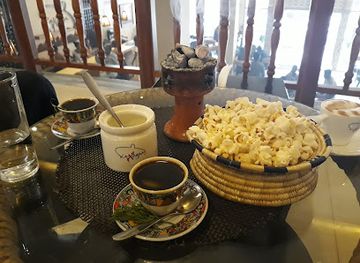
Dining in Kaffa is generally simple, local and closely tied to Ethiopia’s wider food culture. In Bonga, cafés and modest restaurants commonly serve injera with wat, tibs, vegetables and pulses, while tea, coffee and soft drinks are familiar refreshments. The region’s distinctive culinary association is coffee, which may be prepared through a traditional ceremony involving roasting, grinding and several rounds of serving. Forest coffee, honey and locally grown produce are important regional products, although availability varies by season and household. Rural meals may be arranged through accommodation, guides or community hosts rather than found on a formal restaurant circuit. Travellers should expect fewer international options outside Bonga and should carry suitable snacks for long road journeys. Eating with local hosts is an opportunity to learn about hospitality and agriculture, but dietary requirements need to be explained clearly in advance. Alcohol availability and restaurant choice are more limited in rural districts than in Ethiopia’s larger cities.
-
Restaurant
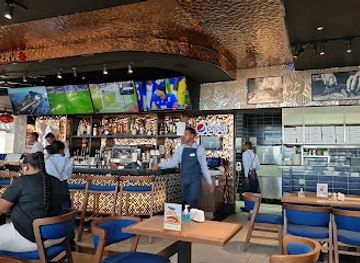
Cravings Restaurant & Bar
Experience the vibrant flavors of Ethiopia at Cravings Restaurant & Bar in Addis Ababa - where tradition meets modern culinary artistry.
-
American
Sishu | Kera
Discover authentic American flavors at Sishu | Kera in Addis Ababa - where comfort food meets Ethiopian hospitality.
-
Ethiopian
Yod Abyssinia Traditional Restaurant
Discover the essence of Ethiopian culture through authentic dishes and captivating performances at Yod Abyssinia Traditional Restaurant.
-
Ethiopian
Kategna Restaurant
Experience the essence of Ethiopia at Kategna Restaurant - where traditional flavors meet warm hospitality in Addis Ababa.
Best bars in Kaffa
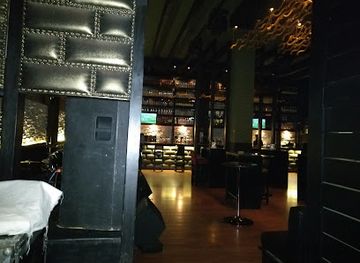
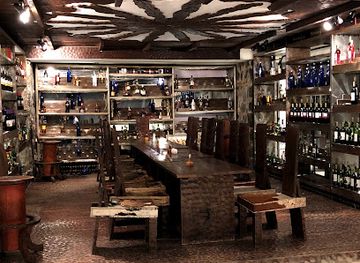
Kaffa does not have a major clubbing scene, and evening life is concentrated in Bonga’s cafés, small bars, restaurants and social meeting places. Coffee houses are particularly relevant to the region’s identity, with conversation and traditional preparation often more significant than late-night entertainment. Some venues may offer beer, locally available spirits or music, but opening arrangements and the range of places can change, so visitors should rely on current local advice rather than expect a fixed nightlife district. Outside Bonga, evenings are generally quiet and linked to family, community and accommodation life. Travelling after dark on rural roads is inadvisable, and guests staying in forest or village settings should follow their host’s guidance. The most meaningful evening experience is often a coffee ceremony or a meal with local hosts rather than a nightclub visit.
-
Grill
Union Cocktail Bar & Restaurant
Discover the vibrant flavors of Ethiopia at Union Cocktail Bar & Restaurant, where local traditions meet modern culinary artistry.
-
Night club
Flirt Lounge Addis
Discover the pulse of Addis Ababa's nightlife at Flirt Lounge, where live music and vibrant vibes create unforgettable evenings.
-
Lounge
Black Rose Lounge
Discover the vibrant nightlife of Addis Ababa at Black Rose Lounge, where cocktails and conviviality create unforgettable memories.
-
Lounge
Pandora Addis
Experience the vibrant nightlife of Addis Ababa at Pandora Addis, a premier lounge and disco club with stunning views and energetic ambiance.

Best nightclubs in Kaffa
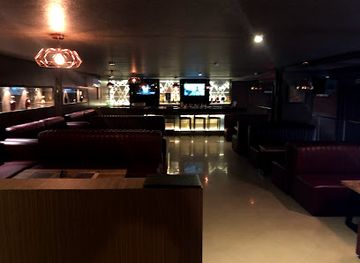
Kaffa does not have a major clubbing scene, and evening life is concentrated in Bonga’s cafés, small bars, restaurants and social meeting places. Coffee houses are particularly relevant to the region’s identity, with conversation and traditional preparation often more significant than late-night entertainment. Some venues may offer beer, locally available spirits or music, but opening arrangements and the range of places can change, so visitors should rely on current local advice rather than expect a fixed nightlife district. Outside Bonga, evenings are generally quiet and linked to family, community and accommodation life. Travelling after dark on rural roads is inadvisable, and guests staying in forest or village settings should follow their host’s guidance. The most meaningful evening experience is often a coffee ceremony or a meal with local hosts rather than a nightclub visit.
-
Night club
Flirt Lounge Addis
Discover the lively atmosphere of Flirt Lounge Addis, a premier night club offering live music and a unique lounge experience in the heart of Ethiopia's capital.
-
Night club
Bar Melo | Chichinya | ባር ሜሎ |
Discover the heart of Ethiopian nightlife at Bar Melo, where vibrant music and local culture create unforgettable experiences in Addis Ababa.
-
Night club
V Lounge Addis | wollo sefer | ቪ ላዉንጅ አዲስ | ወሎ ሰፈር
Discover the electrifying atmosphere of V Lounge Addis, where live music meets exquisite dining in the heart of Addis Ababa's vibrant nightlife.
-
Lounge
The Club Addis
Discover the vibrant nightlife and local flavors at The Club Addis, a premier lounge in the heart of Bole, Addis Ababa.



Best shops in Kaffa
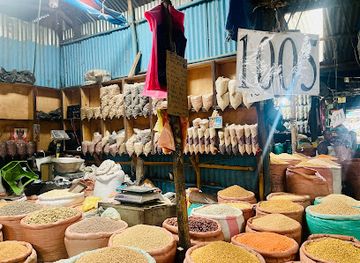
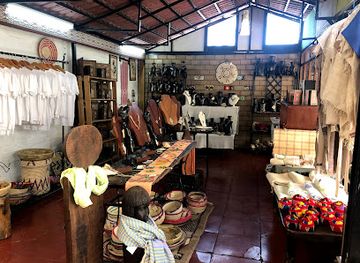
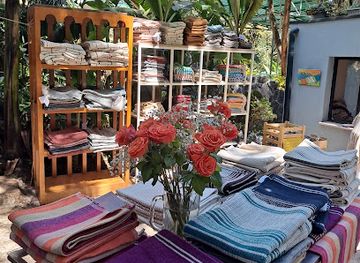
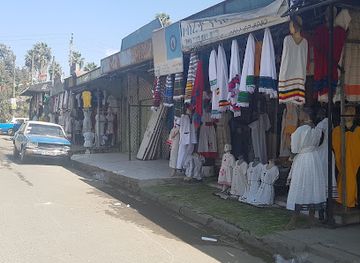
Shopping in Kaffa is centred on Bonga’s market activity and on practical local products rather than large retail centres. Visitors may find coffee, honey, spices, grains, woven items, baskets and locally made household goods, with selection and quality varying according to season and seller. Purchasing coffee directly from a reputable producer, cooperative or established local outlet can provide a more meaningful connection to the region than buying an untraceable souvenir, although visitors should ask how the product was sourced. Rural markets are important places for everyday exchange and may be modest, crowded and primarily intended for local residents. Bargaining can occur, but it should remain courteous and proportionate. Outside Bonga, retail options are limited, so obtain essential toiletries, snacks, medicines and cash before travelling into remote areas. Avoid buying plants, wildlife products, archaeological objects or forest materials that may have been collected unlawfully.
-
Market
Shola Market | Megenagna
Experience the heart of Addis Ababa at Shola Market, a vibrant marketplace brimming with local goods, culture, and culinary delights.
-
Handicraft
Salem's Ethiopia
Explore the vibrant handicrafts of Ethiopia at Salem's Ethiopia in Addis Ababa, where artistry meets community empowerment.
-
Fashion accessories store
Sabahar
Discover the beauty of handmade Ethiopian textiles at Sabahar, a fashion accessories store that embodies culture and craftsmanship.
-
Gift shop
All In One Souvenir & Gift Shop
Explore the cultural treasures of Ethiopia at All In One Souvenir & Gift Shop, where unique gifts and local artistry await.
Get your free copy of our complete guide to Kaffa, delivered straight to you.
Everything on this page, from attractions and restaurants to essentials and local phrases, in one PDF you can read offline, print or share.
Already have an account? Sign in
Your Kaffa guide is ready.
We'll send it to · Not you? Sign out

Getting your guide ready…
We are putting together a fresh copy of the Kaffa guide. This can take up to a minute.
This can take a few moments. If your browser asks, choose Allow so the download can start. You'll find the guide in your Downloads folder.
Nothing happened? Download it again
Sorry, the guide is taking longer than usual. Please try again in a minute, or get it by email instead.
Kaffa essentials
Currency and Payment
Safety
Emergency Situations
Do's and Don'ts
Local Tips
From Eve
Local phrases worth knowing
You don't need to get them perfect. A few words go a long way, and locals appreciate the effort.
Basics
| English | Local | Say it |
|---|---|---|
| Hello | ሰላም | [Selam] |
| Goodbye | ደህና መውጣት | [Dehna mewt'at] |
| Yes | አዎን | [Ayon] |
| No | አይ | [Ay] |
| Please/You're welcome | እቅፍ እባክህ | [Eqif ebakih] |
| Thank you | አመሰግናለሁ | [Ameseginaleh] |
| Excuse me/Sorry | እቅፍ እባክህ | [Eqif ebakih] |
| How are you? | እንዴት ነህ? | [Endet neh?] |
| Fine. And you? | ጥሩ እና አንተ? | [T'iru ena ante?] |
| Do you speak English? | እንግሊዝኛ ትናገራለህ? | [Ingiliznya tinageraleh?] |
| I don't understand | አልተረዳኩም | [Alteradakum] |
Eating & Drinking
| English | Local | Say it |
|---|---|---|
| I'd like to see the menu, please | የምግብ ዝርዝር እባክህ እንደምን እንዲያውቁ | [Yemigib zirezir ebakih endemin endiyawku] |
| I don't eat meat | ስንዴት አልጠጣም | [Sinedet al'tetam] |
| Cheers! | እንዴት ይድረስ! | [Endet yidres!] |
| I would like to pay, please | እቅፍ እባክህ ይቀበሉ | [Eqif ebakih yikebelu] |
Emergencies
| English | Local | Say it |
|---|---|---|
| Help! | እርዳታ! | [Erdata!] |
| Go away! | ወይዘዝ! | [Woyizez!] |
| Call the Police! | ፖሊስ ይደውሉ! | [Polis yidewlu!] |
| Call a doctor! | ሐኪም ይደውሉ! | [Hakim yidewlu!] |
| I'm lost | እቅፍ እንዳለኝ | [Eqif endaleny] |
| I'm ill | እንዴት ነኝ | [Endet nenyi] |
Shopping
| English | Local | Say it |
|---|---|---|
| I'd like to buy... | ገንዘብ እንዲወጣ | [Genzeb endiyewta] |
| I'm just looking | በእንቁላል እየረዳ | [Be'enkulal eyereda] |
| How much is it? | እንዴት ይወጣ? | [Endet yiweta?] |
| That's too expensive | ይህ በጣም ተወዳዳሪ ነው | [Yih bet'am tewedadari new] |
| Can you lower the price? | ዋጋ ይቀነስ? | [Waga yiqenes?] |
Time & Numbers
| English | Local | Say it |
|---|---|---|
| What time is it? | የምን ይሆን? | [Yemin yihon?] |
| It's one o'clock | አንድ ሰዓት ነው | [And se'at new] |
| Half past (10) | ከ(10) በረዘም | [Ke(10) berazem] |
| Morning | ጠዋት | [T'ewat] |
| Afternoon | ከሰዓት | [Kese'at] |
| Evening | ማታ | [Mata] |
| Yesterday | እንቁላል | [Enkulal] |
| Today | ዛሬ | [Zare] |
| Tomorrow | ነገ | [Nage] |
| 1 | 1 | [1] |
| 2 | 2 | [2] |
| 3 | 3 | [3] |
| 4 | 4 | [4] |
| 5 | 5 | [5] |
| 6 | 6 | [6] |
| 7 | 7 | [7] |
| 8 | 8 | [8] |
| 9 | 9 | [9] |
| 10 | 10 | [10] |
Transport & Directions
| English | Local | Say it |
|---|---|---|
| Where's a/the...? | የማን ነው? | [Yeman new?] |
| What's the address? | በዚህ አድራሻ ነው? | [Bezi adirasha new?] |
| Can you show me (on the map)? | በካርታ ማሳየት ይችላሉ? | [Be karta masayit yichilalu?] |
| When's the next (bus)? | በላይ ግን ይይዝ? | [Belay gin yiyiz?] |
| A ticket (to ....) | ወረቀት (ወደ ....) | [Wereket (wede ....)] |
History of Kaffa
Ancient Forests and Indigenous Coffee
The forests of south-western Ethiopia are part of the natural range of Coffea arabica, the coffee species that supplied the world’s principal cultivated coffee varieties. In Kaffa, coffee historically grew wild beneath native forest cover and was also managed, gathered and cultivated by local communities. The exact origins of coffee drinking are difficult to assign to one place or date, but the region’s ecological importance is clear: its remaining forests preserve genetic diversity and demonstrate how coffee can exist within a wider forest ecosystem rather than as a single-crop plantation.
The Kingdom of Kaffa
Before incorporation into the Ethiopian Empire, Kaffa was the centre of an independent kingdom whose political influence extended across parts of the south-west. Its rulers governed through established institutions, tribute relationships and control of productive highland and forest landscapes. Bonga served as the kingdom’s principal political centre. The kingdom’s history is reflected in oral traditions, royal associations and archaeological traces, although much of its past is best understood through a combination of local knowledge and written accounts produced by outsiders.
Trade, Slavery and Regional Exchange
Kaffa was connected to wider networks linking the south-western highlands with markets farther north and east. Coffee, honey, livestock and other forest and agricultural products moved through these networks, while the region was also affected by the slave trade and by political competition among neighbouring states. Such exchanges brought wealth to some authorities but imposed serious costs on vulnerable communities. The history of Kaffa is therefore not simply a story of coffee production: it also includes changing systems of power, labour, taxation and long-distance commerce.
Incorporation into Menelik II’s Empire
Kaffa was conquered and incorporated into the expanding Ethiopian Empire in the 1890s during the reign of Menelik II. The campaign ended the independence of the Kaffa kingdom and brought new officials, military structures, taxation and administrative systems into the area. The transfer of power reshaped local authority and connected Kaffa more firmly with the political centre of Ethiopia. Memories of the kingdom and the consequences of its incorporation remain important to regional historical identity.
Coffee, Agriculture and Changing Forests
During the twentieth century, coffee became increasingly integrated into Ethiopia’s national economy, while farming, settlement and roads altered the balance between natural forest and cultivated land. In Kaffa, forest coffee, garden coffee and more intensively managed coffee plots developed alongside food crops and livestock. These changes created income opportunities but also placed pressure on habitats. Contemporary conservation initiatives seek to maintain native forest and coffee diversity while allowing communities to benefit from production, rather than treating conservation and livelihoods as separate concerns.
The Kaffa Biosphere Reserve
The Kaffa Biosphere Reserve was recognised by UNESCO in 2010 as part of the World Network of Biosphere Reserves. Its importance lies in combining biodiversity conservation with the continued presence of human communities, agriculture and forest-based livelihoods. The designation gives international recognition to Kaffa’s coffee forests, wetlands and wider ecological systems, but it does not turn the area into a conventional national park. Visitors are entering a working landscape in which conservation depends on local institutions, responsible land use and respect for community rights.
Kaffa in Photos
Browse through our photo collection highlighting the charm and character of the destination.
Neighbouring regions of Kaffa
The closest regions to Kaffa, if you have time for more than one.
-

-

-

-

-


Swipe for more regions
Explore more

Explore more of Ethiopia
Discover Ethiopia: A land of ancient history, breathtaking landscapes, and rich cultural heritage, offering an unforgettable journey through time and nature.
Explore Ethiopia