

Benishangul-Gumuz Region, Ethiopia Travel Guide
Discover the untouched beauty and rich cultural heritage of Benishangul-Gumuz, Ethiopia's hidden gem, where nature, history, and tradition come together.
Welcome to Benishangul-Gumuz, a region in western Ethiopia that is a hidden gem for those seeking an authentic and unspoiled adventure. This area is known for its diverse cultures, lush landscapes, and historical significance. With the Blue Nile River flowing through, the region offers stunning natural beauty and a chance to explore Ethiopia's rich heritage. Benishangul-Gumuz is home to various ethnic groups, each with their own unique traditions and way of life. Visitors can immerse themselves in local customs and enjoy traditional music and dance. The region is also famous for its colorful markets, where you can find handmade crafts and taste local delicacies. Outdoor enthusiasts will love the opportunities for hiking, bird watching, and exploring the diverse flora and fauna. The Blue Nile Gorge is a highlight, offering breathtaking views and a sense of tranquility. For history buffs, the region is rich with ancient sites and stories waiting to be discovered.

Know before you go
Hi, I'm Eve. Here are a few practical things to know before exploring Benishangul-Gumuz Region.
- Visit during the dry season (October to March) for the best weather conditions.
- Hire a local guide to get the most out of your cultural and historical exploration.
- Bring cash, as ATMs and card payment options are limited in the region.
- Respect local customs and dress modestly, especially in rural areas.
- Try local honey, a specialty of the region.

Best restaurants in Benishangul-Gumuz Region
Top-rated picks
Best Restaurants

Beby Birhanu menafsha hotel
Discover the flavors of Ethiopia at Beby Birhanu Menafsha Hotel - where every meal tells a story.

Woynitu Chimbo
Discover the essence of Ethiopian cuisine at Woynitu Chimbo, where tradition meets taste in every dish.
Benishangul Muslim restaurant
Experience authentic Ethiopian cuisine at Benishangul Muslim Restaurant in Bambasi – a true taste adventure for food lovers.
Balageru Hotel
Discover authentic Ethiopian flavors at Balageru Hotel in Bameza – a culinary journey through rich traditions and vibrant tastes.

Best bars in Benishangul-Gumuz Region
Top-rated picks
Best Bars

Arumela Bar And Restaurant
Discover the vibrant spirit of Asosa at Arumela Bar And Restaurant, where cultural experiences meet refreshing local drinks.
Beby Birhanu menafsha hotel
Discover the authentic flavors of Ethiopian cuisine at Beby Birhanu Menafsha Hotel, a culinary treasure in Arjo Gudetu.
Omedela Hotel
Discover the local charm and vibrant atmosphere of Omedela Hotel in Chagni, a perfect retreat for travelers seeking authentic Ethiopian experiences.

Woynitu Chimbo
Discover the essence of Ethiopian cuisine at Woynitu Chimbo, where every dish is a celebration of tradition and flavor.

Best nightclubs in Benishangul-Gumuz Region
Top-rated picks
Best Nightclubs

Arumela Bar And Restaurant
Explore the vibrant nightlife at Arumela Bar And Restaurant in Asosa, where refreshing drinks and a lively atmosphere await.
Estefanos(Jorge)
Experience the vibrant atmosphere and exceptional drinks at Estefanos Bar in Bameza, where unforgettable memories await every visitor.

Best shops in Benishangul-Gumuz Region
Top-rated picks
Best Shops

Ayele mini shop
Explore the charm of Ayele Mini Shop in Asosa, where unique Ethiopian home goods meet local craftsmanship and rich culture.

Teklai Grocery store
Experience the vibrant culture of Ethiopia at Teklai Grocery Store in Chagni, where local flavors and friendly service await every visitor.

Bariso Bariisoo
Explore Ethiopia with ease at Bariso Bariisoo, your go-to convenience store for snacks, essentials, and local flavor.

Abduselam
Experience the cultural richness of Ethiopia at Abduselam in Chagni, where authentic local products await your discovery.

Explore Benishangul-Gumuz Region on the Map
A handpicked selection of must-see spots in Benishangul-Gumuz Region, mapped for you.
Benishangul-Gumuz Region Essentials
-
Benishangul-Gumuz Region is located in the western part of Ethiopia. The nearest international airport is Bole International Airport in Addis Ababa. From Addis Ababa, you can take a domestic flight to Assosa, the capital of the Benishangul-Gumuz Region. Alternatively, you can travel by road, which takes approximately 10-12 hours by car or bus. The road trip offers scenic views but be prepared for some rough patches.
-
Within Benishangul-Gumuz Region, transportation options include buses, minibuses, and taxis. Buses and minibuses are the most common means of public transport and connect major towns and villages. Taxis are available in larger towns like Assosa but may be scarce in rural areas. Renting a car with a driver is another viable option, especially for exploring remote regions.
-
The official currency in Ethiopia is the Ethiopian Birr (ETB). Credit cards are accepted in some hotels and restaurants in larger towns but are less common in rural areas. It is advisable to carry cash, especially when traveling to smaller towns and villages. ATMs are available in major towns like Assosa, but it is wise to withdraw sufficient cash before venturing into remote areas.
-
Benishangul-Gumuz Region is generally safe for tourists, but it is essential to take standard precautions. Avoid traveling alone at night, especially in unfamiliar areas. Some regions may experience sporadic ethnic tensions, so staying informed about the local situation is advisable. Keep an eye on your belongings in crowded places and avoid displaying valuables. Areas with higher crime rates targeting tourists are not common, but vigilance is always recommended.
-
In case of emergency, dial 911 for immediate assistance. The local police stations and medical facilities are available in larger towns like Assosa. It is highly recommended to have travel insurance that covers medical emergencies. For minor health issues, there are pharmacies where you can purchase over-the-counter medications. Ensure you have a list of emergency contact numbers, including your country's embassy or consulate.
-
Fashion: Do dress modestly, especially when visiting religious or rural areas. Avoid wearing revealing clothing. Religion: Do respect local customs and traditions. When visiting religious sites, dress modestly and remove your shoes. Public Transport: Do be respectful and offer your seat to elderly or pregnant passengers. Don't eat or drink on public transport. Greetings: Do greet people with a handshake or a slight bow of the head. Using both hands to shake hands is a sign of respect. Eating & Drinking: Do try local dishes and accept food offerings graciously. Don't refuse hospitality as it is considered impolite.
-
To experience Benishangul-Gumuz Region like a local, visit the local markets where you can buy fresh produce and traditional crafts. Engage with locals; they are often friendly and willing to share stories about their culture and history. Don't miss visiting the Blue Nile River, which is a significant landmark in the region. For a unique experience, take part in local festivals and traditional ceremonies, which offer a glimpse into the rich cultural heritage of the region.
When is the best time to visit Benishangul-Gumuz Region?
Useful Local Phrases for Benishangul-Gumuz Region
You don't need to speak the language perfectly. Even learning a few simple words can make conversations warmer—and locals usually appreciate the effort.
— Eve

Here are the phrases I use most often in Benishangul-Gumuz Region. Try a few—you'll be surprised how far they go! 😊
❤️
-
- HelloSalam
[sah-lahm] - GoodbyeBila
[bee-lah] - YesEhe
[eh-heh] - NoAla
[ah-lah] - Please/You're welcomeFikir
[fee-keer] - Thank youAmesegenallo
[ah-meh-seh-gan-allo] - Excuse me/SorryBeka
[beh-kah] - How are you?Ine enji?
[ee-neh en-jee] - Fine. And you?Dehna. Enji new?
[deh-nah en-jee new] - Do you speak English?Inglizigna yetenagalu?
[in-glee-zee-gnah yet-en-ah-gah-loo] - I don't understandAnchi alwedehallo
[ahn-chee al-weh-deh-hah-lo]
- HelloSalam
-
- I'd like to see the menu, pleaseMenyu yehonalu, fikiri
[men-yoo yeh-ho-nah-loo fee-kee-ree] - I don't eat meatNeger beka alhonu
[neh-ger beh-kah al-ho-noo] - Cheers!Bila!
[bee-lah] - I would like to pay, pleaseAgaru yehonalu, fikiri
[ah-gah-roo yeh-ho-nah-loo fee-kee-ree]
- I'd like to see the menu, pleaseMenyu yehonalu, fikiri
-
- Help!Yemegdel!
[yeh-meg-del] - Go away!Bila!
[bee-lah] - Call the Police!Polisi yehonalu!
[po-lee-see yeh-ho-nah-loo] - Call a doctor!Daktara yehonalu!
[dak-tah-rah yeh-ho-nah-loo] - I'm lostIne bicha new
[ee-neh bee-chah new] - I'm illIne yewdalu
[ee-neh yew-dah-loo]
- Help!Yemegdel!
-
- I'd like to buy...Agaru mehon...
[ah-gah-roo meh-hon] - I'm just lookingIne gize mehon
[ee-neh gee-zeh meh-hon] - How much is it?Yemibal?
[yeh-mee-bal] - That's too expensiveMekem yelew
[meh-kem yeh-lew] - Can you lower the price?Bicha yeleh?
[bee-chah yeh-leh]
- I'd like to buy...Agaru mehon...
-
- What time is it?Yemibal gize?
[yeh-mee-bal gee-zeh] - It's one o'clockAder gizeh
[ah-dehr gee-zeh] - Half past (10)Asir gizeh
[ah-seer gee-zeh] - MorningBoka
[boh-kah] - AfternoonMekon
[meh-kon] - EveningGena
[geh-nah] - YesterdayBiyek
[bee-yek] - TodayBeka
[beh-kah] - TomorrowBicha
[bee-chah] - 1Ena
[eh-nah] - 2Kula
[koo-lah] - 3Sost
[sohst] - 4Arat
[ah-raht] - 5Amest
[ah-mest] - 6Sidan
[see-dahn] - 7Semein
[seh-main] - 8Seme
[seh-meh] - 9Zet
[zeht] - 10Asir
[ah-seer]
- What time is it?Yemibal gize?
-
- Where's a/the...?Ekiya ... yehonalu?
[eh-kee-yah ... yeh-ho-nah-loo] - What's the address?Adresi yehonalu?
[ah-dreh-see yeh-ho-nah-loo] - Can you show me (on the map)?Map yehonalu?
[mahp yeh-ho-nah-loo] - When's the next (bus)?Tenay bus yehonalu?
[teh-nah-ee boos yeh-ho-nah-loo] - A ticket (to ....)Ticket (to ...)
[tee-ket (to ...)]
- Where's a/the...?Ekiya ... yehonalu?
History of Benishangul-Gumuz Region
-
The Benishangul-Gumuz Region, located in the western part of Ethiopia, has been home to various ethnic groups for centuries. Among the earliest inhabitants were the Berta, Gumuz, Shinasha, Mao, and Komo peoples. Each of these groups has its own unique language, customs, and traditions, contributing to the rich cultural tapestry of the region.
-
During the 16th century, the Kingdom of Fazughli emerged as a significant political entity in what is now the Benishangul-Gumuz Region. The kingdom was known for its skilled metalworkers and traders, who facilitated commerce between the highlands and lowlands. Fazughli's rulers maintained a degree of autonomy, even as they interacted with neighboring kingdoms and empires.
-
In the late 19th century, the region became a battleground during the Mahdist War, a rebellion against Egyptian and later British rule in Sudan. The conflict spilled over into Benishangul-Gumuz, leading to significant social and economic disruptions. The Mahdist forces, known for their zeal and military prowess, temporarily controlled parts of the region before being defeated by Anglo-Egyptian forces.
-
The early 20th century saw the incorporation of the Benishangul-Gumuz Region into the Ethiopian Empire under Emperor Menelik II. This period was marked by efforts to integrate the region into the central administration, including the establishment of new administrative structures and the introduction of Amharic as the official language. These changes, while bringing development, also led to tensions with local ethnic groups.
-
Throughout the 20th century, the Gumuz and Berta peoples resisted centralization efforts by the Ethiopian state. Notable revolts occurred in the 1960s and 1980s, driven by grievances over land rights, cultural suppression, and political marginalization. These uprisings were met with military responses, but they also highlighted the need for more inclusive policies.
-
With the adoption of a federal system in Ethiopia in 1995, Benishangul-Gumuz was recognized as one of the country's nine regional states. This new political arrangement granted the region a degree of self-governance and cultural autonomy, allowing local ethnic groups to manage their own affairs. The regional government has since focused on promoting development, preserving cultural heritage, and addressing historical grievances.
-
One of the most significant recent developments in the region is the construction of the Grand Ethiopian Renaissance Dam (GERD) on the Blue Nile River. Begun in 2011, the GERD is set to be the largest hydroelectric power plant in Africa. The project has brought both opportunities and challenges, including disputes with downstream countries and the displacement of local communities. However, it also promises to be a catalyst for economic growth and regional development.
Neighbouring Regions of Benishangul-Gumuz Region
The closest regions to Benishangul-Gumuz Region, if you have time for more than one.


Your all‑in‑one travel companion app
Explore expert travel guides, compare and book tours, experiences, hotels, and more—all from the palm of your hand. Download now for seamless trip planning wherever your wanderlust takes you.


Explore More of Ethiopia

Looking beyond Benishangul-Gumuz Region? Discover Ethiopia for broader travel guides, local hot-spots, and regional highlights.
Explore EthiopiaBenishangul-Gumuz Region in Photos
Browse through our photo collection highlighting the charm and character of the destination.


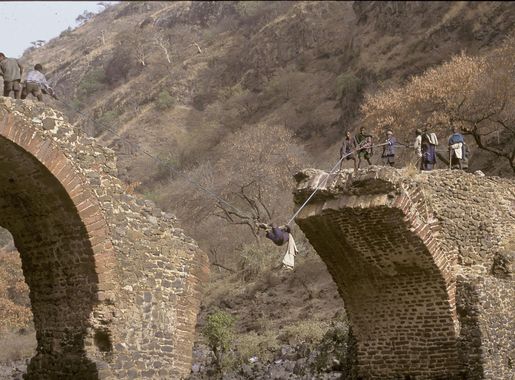
Benishangul-Gumuz: Ethiopia's Hidden Gem
Welcome to Benishangul-Gumuz, a region in western Ethiopia that is a hidden gem for those seeking an authentic and unspoiled adventure. This area is known for its diverse cultures, lush landscapes, and historical significance. With the Blue Nile River flowing through, the region offers stunning natural beauty and a chance to explore Ethiopia's rich heritage. Benishangul-Gumuz is home to various ethnic groups, each with their own unique traditions and way of life. Visitors can immerse themselves in local customs and enjoy traditional music and dance. The region is also famous for its colorful markets, where you can find handmade crafts and taste local delicacies. Outdoor enthusiasts will love the opportunities for hiking, bird watching, and exploring the diverse flora and fauna. The Blue Nile Gorge is a highlight, offering breathtaking views and a sense of tranquility. For history buffs, the region is rich with ancient sites and stories waiting to be discovered.