

Free Gurage Travel Guide & Mobile App
Explore Gurage with free travel guides. Discover regional history, expert tips, proposed trips, and audio guides on web or mobile app.


Explore Gurage in central Ethiopia for Tiya's carved stelae, enset-based cuisine, highland scenery and living Gurage traditions.
Read more about Gurage
When is the best time to visit Gurage?
Best: December–February · 23–25°C| Month | High (°C) | Rainfall (mm) |
|---|---|---|
| January (best) | 24 | 10 |
| February (best) | 25 | 20 |
| March | 26 | 40 |
| April | 27 | 60 |
| May | 27 | 80 |
| June | 26 | 100 |
| July | 25 | 120 |
| August | 25 | 120 |
| September | 26 | 100 |
| October | 25 | 80 |
| November | 24 | 40 |
| December (best) | 23 | 20 |
Getting to and around Gurage
How to get there
Transportation
Destinations in Gurage
Resorts, valleys and scenic spots worth a trip of their own.

Swipe for more destinations
Best attractions in Gurage
Gurage's attractions are concentrated in cultural landscapes rather than large purpose-built visitor complexes. The principal heritage experience is Tiya, where carved stelae stand in an archaeological field and provide a glimpse of a little-understood megalithic tradition in southern Ethiopia. Wolkite and Butajira are useful for experiencing contemporary town life, local markets and the transition between urban streets and cultivated highlands. Away from the main roads, enset-growing villages, eucalyptus-covered slopes, farmland and small religious communities reveal how closely daily life remains connected to agriculture. Food-focused visits can explore kocho, local kitfo and other household traditions, ideally through a guide or host who can explain their preparation. The region also suits travellers interested in photography, walking near rural settlements and observing market activity, although routes and facilities are informal rather than designed as a conventional tourism circuit. Visitors should avoid entering private compounds without invitation and should confirm the current condition of minor roads before planning rural excursions.
-
Museum
National Museum of Ethiopia
Discover Ethiopia's rich heritage at the National Museum of Ethiopia, home to ancient artifacts and the famous fossil 'Lucy'.
-
Mosque
Grand Anwar Mosque
Discover the architectural beauty and spiritual serenity of the Grand Anwar Mosque, a significant cultural landmark in Addis Ababa.
-
Heritage preservation
Tiya World Heritage Site
Explore Tiya World Heritage Site, a remarkable archaeological treasure in Ethiopia with ancient stelae and rich cultural history, perfect for history enthusiasts.
-
Hiking area
Hanbaricho Mountain ሀንበርቾ ተራራ
Explore the breathtaking Hanbaricho Mountain in Durame, where stunning views and rich nature await every traveler and adventure seeker.


Best landmarks in Gurage
Tiya is Gurage's defining landmark: a group of upright carved stones set within an archaeological landscape and recognised by UNESCO for its cultural significance. Sword-like carvings and other symbols distinguish the monuments, while their precise interpretation remains the subject of scholarly discussion. The site is important not only for its appearance but also for the evidence it preserves of organised communities in southern Ethiopia before the written histories most familiar to visitors. In the towns, Wolkite's civic and commercial streets represent the region's modern administrative role, while Butajira's market environment reflects its position within agricultural and trading networks. The most characteristic visual landmarks beyond the archaeological site are less monumental: enset gardens, highland farmsteads, cultivated slopes and eucalyptus stands form a recognisable Gurage landscape. These places are living environments rather than open-air museums, so visitors should seek permission before photographing homes or entering fields.
-
Museum
National Museum of Ethiopia
Explore Ethiopia's rich history at the National Museum, home to ancient artifacts and the iconic fossilized remains of Lucy.
-
City park
Unity Park
Discover the beauty of Ethiopia's heritage at Unity Park, a vibrant city park blending gardens, art, and history in Addis Ababa.
-
Historical landmark
Meskel Square
Explore the vibrant Meskel Square in Addis Ababa, a cultural hub filled with history, lively gatherings, and stunning views of Ethiopia's capital.
-
Historical landmark
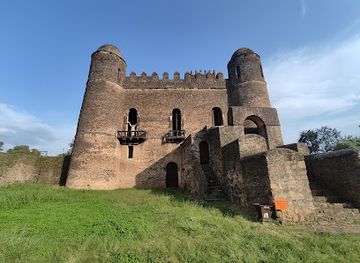
Fasil Ghebbi
Explore Fasil Ghebbi in Gondar, a UNESCO World Heritage Site showcasing ancient Ethiopian architecture and rich imperial history.


Explore Gurage on the map
Plan your trip on one map. See where the top cities, national parks and sights are, and book hotels and experiences in a few clicks.
Best hotels in Gurage
Best restaurants in Gurage
Dining in Gurage is closely connected to enset agriculture and the region's reputation for carefully seasoned meat dishes. Kocho, prepared from fermented enset, is commonly served with spiced sauces, cheese, vegetables or meat, while Gurage-style kitfo is associated with finely minced, seasoned beef and may be served with enset-based accompaniments. Preparation varies, so a meal in a local restaurant or through a trusted host can be more informative than relying on a standardised menu. Wolkite and Butajira offer the broadest choice of cafés, simple restaurants and traditional eating places; in rural areas, food may need to be arranged in advance. Coffee is part of everyday Ethiopian hospitality, and market towns provide opportunities to see grains, pulses, vegetables and livestock entering local trade. Travellers should use busy, reputable establishments, carry cash and mention allergies or dietary requirements clearly.
-
Restaurant
Cravings Restaurant & Bar
Discover the flavors of Ethiopia at Cravings Restaurant & Bar – where culinary traditions meet modern dining in Addis Ababa.
-
American
Sishu | Kera
Discover Sishu in Addis Ababa for an authentic taste of American cuisine amidst Ethiopian culture.
-
Ethiopian
Yod Abyssinia Traditional Restaurant
Experience authentic Ethiopian cuisine at Yod Abyssinia Traditional Restaurant in Addis Ababa, where culture meets culinary delight.
-
Ethiopian
Kategna Restaurant
Discover the essence of Ethiopia at Kategna Restaurant—where authentic flavors meet vibrant culture in Addis Ababa.


Best bars in Gurage
Gurage's evening life is modest and town-based rather than centred on a large nightclub industry. In Wolkite and Butajira, visitors will find cafés, casual restaurants, traditional drinking places and hotel bars where people meet after work, watch football or talk over coffee and locally available drinks. Smaller settlements generally become quiet earlier, and rural evenings are more likely to revolve around family gatherings, community events or a meal than late-night entertainment. Music and social occasions can be important, but timings and venues are local and changeable. Alcohol is not appropriate in every religious or family setting, so follow the lead of hosts and avoid assuming that drinking is part of every cultural experience. Secure transport is advisable if returning to accommodation outside the town centre.
-
Grill
Union Cocktail Bar & Restaurant
Discover the vibrant flavors of Ethiopia at Union Cocktail Bar & Restaurant, where culinary delights meet a lively atmosphere in Addis Ababa.
-
Lounge
Black Rose Lounge
Experience the vibrant nightlife of Addis Ababa at the Black Rose Lounge, where music and ambiance create unforgettable memories.
-
Bar
Black Pearl sports Bar
Experience the vibrant nightlife of Addis Ababa at Black Pearl Sports Bar, where sports, drinks, and good times await.
-
Lounge
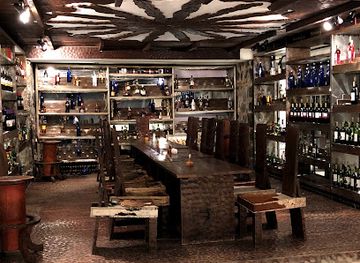
Dusk Addis Rooftop Lounge and Cocktails
Experience stunning city views and vibrant nightlife at Dusk Addis Rooftop Lounge, the perfect blend of relaxation and entertainment in Addis Ababa.



Best nightclubs in Gurage
Gurage's evening life is modest and town-based rather than centred on a large nightclub industry. In Wolkite and Butajira, visitors will find cafés, casual restaurants, traditional drinking places and hotel bars where people meet after work, watch football or talk over coffee and locally available drinks. Smaller settlements generally become quiet earlier, and rural evenings are more likely to revolve around family gatherings, community events or a meal than late-night entertainment. Music and social occasions can be important, but timings and venues are local and changeable. Alcohol is not appropriate in every religious or family setting, so follow the lead of hosts and avoid assuming that drinking is part of every cultural experience. Secure transport is advisable if returning to accommodation outside the town centre.
-
Night club
Flirt Lounge Addis
Discover the heartbeat of Addis Ababa's nightlife at Flirt Lounge, where live music and vibrant crowds create unforgettable nights.
-
Night club
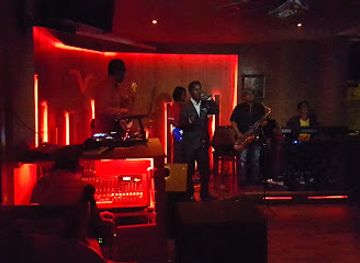
V Lounge Addis | wollo sefer | ቪ ላዉንጅ አዲስ | ወሎ ሰፈር
Experience the vibrant nightlife and live music at V Lounge Addis, a top destination for dining and entertainment in the heart of Addis Ababa.
-
Lounge
The Club Addis
Experience the vibrant nightlife of Addis Ababa at The Club Addis, a stylish lounge blending modern elegance with traditional Ethiopian culture.
-
Lounge
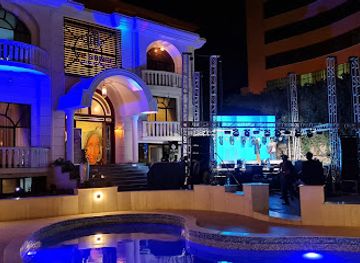
Pandora Addis
Discover the vibrant nightlife at Pandora Addis, a premier lounge and disco club in the heart of Addis Ababa, perfect for socializing and dancing.


Best shops in Gurage
Shopping in Gurage is primarily a market-town and produce experience rather than a specialised retail destination. Wolkite and Butajira have shops and markets selling clothing, household goods, grains, pulses, vegetables, livestock and everyday items from the surrounding countryside. Food products make the most meaningful regional purchases: coffee, spices and selected dried or packaged produce may be available, although quality, packaging and transport requirements should be considered before buying. Small craft and household goods can sometimes be found through local markets, but availability varies by town and market day. Bargain politely where bargaining is customary, inspect food packaging carefully and carry cash in smaller birr notes. Addis Ababa, outside Gurage, offers a wider selection of Ethiopian crafts and souvenirs, so purchases should not be attributed to Gurage unless their local origin is clear.
-
 Shopping mall
Terega Wuriro
Explore Terega Wuriro Shopping Mall in Terga City for an unforgettable mix of shopping, dining, and cultural experiences.
-
Shopping mall
Agena Gurage12
Discover the dynamic shopping scene at Agena Gurage12, where local culture meets modern retail in a vibrant atmosphere.
-
Shopping mall
Ahmedin መስታወት መሸጫ
Explore the enchanting world of glass art at Ahmedin መስታወት መሸጫ, a unique shopping destination in ቅበት, Ethiopia.
-
Store
Amsale Shop (አምሱዬ ሱቅ)
Explore the authentic essence of Ethiopian culture at Amsale Shop in Imdibir, where unique handcrafted treasures await.


Get your free copy of our complete guide to Gurage, delivered straight to you.
Everything on this page, from attractions and restaurants to essentials and local phrases, in one PDF you can read offline, print or share.
Already have an account? Sign in
Your Gurage guide is ready.
We'll send it to · Not you? Sign out

Getting your guide ready…
We are putting together a fresh copy of the Gurage guide. This can take up to a minute.
This can take a few moments. If your browser asks, choose Allow so the download can start. You'll find the guide in your Downloads folder.
Nothing happened? Download it again
Sorry, the guide is taking longer than usual. Please try again in a minute, or get it by email instead.
Gurage essentials
Currency and Payment
Safety
Emergency Situations
Do's and Don'ts
Local Tips
From Eve
Local phrases worth knowing
You don't need to get them perfect. A few words go a long way, and locals appreciate the effort.
Basics
| English | Local | Say it |
|---|---|---|
| Hello | Selam | [seh-lahm] |
| Goodbye | Dehna hun | [deh-nah hoon] |
| Yes | Ewedihalehu | [eh-weh-dee-hah-leh-hoo] |
| No | Aydelem | [eye-deh-lehm] |
| Please/You're welcome | Iwedihalehu | [ee-weh-dee-hah-leh-hoo] |
| Thank you | Amesegenallo | [ah-meh-seh-gan-ah-loo] |
| Excuse me/Sorry | Yefelal | [yeh-feh-lahl] |
| How are you? | Dehna neh? | [deh-nah neh] |
| Fine. And you? | Dehna, anteh? | [deh-nah, an-teh] |
| Do you speak English? | Inglese yemiwedek? | [een-gleh-seh yeh-mee-weh-dek] |
| I don't understand | Aydelih | [eye-deh-leeh] |
Eating & Drinking
| English | Local | Say it |
|---|---|---|
| I'd like to see the menu, please | Menyu yemiwedek, ibakih | [men-yoo yeh-mee-weh-dek, ee-bah-kee] |
| I don't eat meat | Befit aydelem | [beh-feet eye-deh-lehm] |
| Cheers! | Yemisir! | [yeh-mee-seer] |
| I would like to pay, please | Serawit yemiwedek, ibakih | [seh-rah-wit yeh-mee-weh-dek, ee-bah-kee] |
Emergencies
| English | Local | Say it |
|---|---|---|
| Help! | Eza! | [eh-zah] |
| Go away! | Kefel! | [keh-fell] |
| Call the Police! | Polis yemiwedek! | [poh-lees yeh-mee-weh-dek] |
| Call a doctor! | Daktari yemiwedek! | [dahk-tah-ree yeh-mee-weh-dek] |
| I'm lost | Eza yeminor | [eh-zah yeh-mee-nor] |
| I'm ill | Eza yemiwe | [eh-zah yeh-mee-weh] |
Shopping
| English | Local | Say it |
|---|---|---|
| I'd like to buy... | Bicha yebal... | [bee-chah yeh-bahl] |
| I'm just looking | Selamta yemiwedek | [seh-lahm-tah yeh-mee-weh-dek] |
| How much is it? | Yanteh yihon? | [yan-teh yee-hon] |
| That's too expensive | Sewat yehon | [seh-wat yeh-hon] |
| Can you lower the price? | Bicha yehoneh? | [bee-chah yeh-ho-neh] |
Time & Numbers
| English | Local | Say it |
|---|---|---|
| What time is it? | Yemekar yihon? | [yeh-meh-kar yee-hon] |
| It's one o'clock | Yemekar hulu | [yeh-meh-kar hoo-loo] |
| Half past (10) | Asir yihon | [ah-seer yee-hon] |
| Morning | Beka | [beh-kah] |
| Afternoon | Dibek | [dee-beck] |
| Evening | Bela | [beh-lah] |
| Yesterday | Heddo | [heh-doh] |
| Today | Bachash | [bah-chash] |
| Tomorrow | Enoro | [eh-noh-roh] |
| 1 | And | [ahnd] |
| 2 | Kud | [kood] |
| 3 | Sost | [sohst] |
| 4 | Arat | [ah-raht] |
| 5 | Hamsa | [ham-sah] |
| 6 | Sida | [see-dah] |
| 7 | Sebat | [seh-baht] |
| 8 | Sew | [seh-w] |
| 9 | Kudus | [koo-doos] |
| 10 | Asir | [ah-seer] |
Transport & Directions
| English | Local | Say it |
|---|---|---|
| Where's a/the...? | Aman le....? | [ah-mahn leh] |
| What's the address? | Address yihon? | [ah-dress yee-hon] |
| Can you show me (on the map)? | Map yemiwedek? | [map yeh-mee-weh-dek] |
| When's the next (bus)? | Bus yihon? | [boos yee-hon] |
| A ticket (to ....) | Ticket le.... | [tee-ket leh] |
History of Gurage
Tiya and the Megalithic Tradition
Tiya, in the southern part of the Gurage area, contains a group of carved upright stones dating broadly to the later first and early second millennium CE. Some stelae display sword-like forms, symbols and stylised figures, but the meanings of the carvings and the society that created them remain incompletely understood. The site belongs to a wider megalithic tradition found in parts of southern Ethiopia. Its survival is historically important because it preserves evidence of organised communities and symbolic practices not represented by the written chronicles that dominate Ethiopia's better-known historical narrative.
Early Gurage Communities and Highland Agriculture
Gurage history developed through several related but distinct communities occupying productive highlands south-west of Addis Ababa. Enset became central to household security because it can remain standing for years and be harvested when required, while farming systems also included grains, pulses, coffee and livestock. Settlement patterns, lineage ties, religious institutions and local customary practices shaped community life. Gurage identity is therefore not the story of a single ancient kingdom, but of related communities whose institutions and agricultural knowledge developed across a varied highland environment.
Gurage and the Expansion of the Ethiopian State
During the nineteenth century, the southern and south-western highlands became more closely incorporated into the expanding Ethiopian empire associated with Emperor Menelik II. The process brought new administrative structures, taxation and military authority, while local leaders and communities negotiated changing relationships with the imperial centre. Orthodox Christian institutions expanded in some areas, alongside older and continuing customary practices and Muslim communities. The political changes of this period helped connect Gurage more firmly to the wider Ethiopian state, but they did not erase the region's local identities.
Trade Routes and the Growth of Market Towns
Gurage's position between Addis Ababa and the southern highlands encouraged the development of market links and transport routes. Towns such as Wolkite and Butajira became centres for exchanging farm produce, livestock and manufactured goods, while Gurage migrants established commercial networks in Addis Ababa and other Ethiopian cities. Trading, entrepreneurship and urban employment became important parts of the region's modern social history. Roads and market connections also increased the movement of food, ideas, education and religious influences across the highlands.
Italian Occupation, 1936–1941
The Italian invasion and occupation of Ethiopia affected Gurage through military control, forced administration and disruption of established political and economic relationships. The occupation was resisted across Ethiopia, and the restoration of Emperor Haile Selassie in 1941 brought another reorganisation of local authority. Although Gurage is not usually represented by a single defining battlefield in popular travel narratives, the period formed part of the wider experience of occupation, resistance and social upheaval that shaped twentieth-century Ethiopia.
Modern Regional Administration and Gurage Cultural Renewal
After the fall of the imperial government in 1974, Ethiopia's administrative system changed repeatedly, with Gurage areas governed within different regional arrangements before the establishment of the Central Ethiopia Regional State in the 2020s. These changes reflected wider debates about ethnicity, language, representation and local government. At the same time, Gurage communities continued to maintain distinctive foodways, music, social associations and forms of mutual support. Contemporary Gurage life combines rural enset agriculture with education, migration, trade and expanding links to Ethiopia's larger cities.
Gurage in Photos
Browse through our photo collection highlighting the charm and character of the destination.
Neighbouring regions of Gurage
The closest regions to Gurage, if you have time for more than one.
-

-

-

-

-


Swipe for more regions
Explore more

Explore more of Ethiopia
Discover Ethiopia: A land of ancient history, breathtaking landscapes, and rich cultural heritage, offering an unforgettable journey through time and nature.
Explore Ethiopia