

Free Sidama Region Travel Guide & Mobile App
Explore Sidama Region with free travel guides. Discover regional history, expert tips, proposed trips, and audio guides on web or mobile app.


Explore Sidama Region in Ethiopia for Lake Hawassa, coffee highlands, hot springs, birdlife and living Sidama cultural traditions.
Read more about Sidama Region
When is the best time to visit Sidama Region?
Best: December–February · 23–24°C| Month | High (°C) | Rainfall (mm) |
|---|---|---|
| January (best) | 23 | 26 |
| February (best) | 24 | 30 |
| March | 24 | 61 |
| April | 25 | 91 |
| May | 25 | 111 |
| June | 25 | 131 |
| July | 24 | 141 |
| August | 24 | 131 |
| September | 24 | 101 |
| October | 24 | 70 |
| November | 23 | 40 |
| December (best) | 23 | 31 |
Getting to and around Sidama Region
How to get there
Transportation
Top city travel guides in Sidama Region
The cities of Sidama Region, and the easiest places to base yourself.

Swipe for more cities
Best attractions in Sidama Region
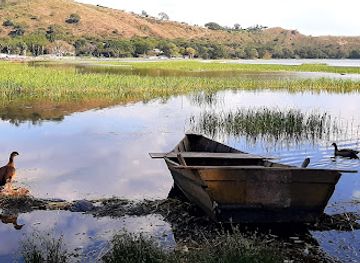
Sidama's attractions combine lakeside nature, highland agriculture and cultural experiences rather than a dense concentration of monumental sites. Hawassa is the main base, with Lake Hawassa offering birdwatching, boat trips, shoreline walks and opportunities to observe the relationship between the city and its fishing economy. The lake is particularly rewarding at quieter times of day, when waterbirds and small boats are more visible. Inland, the roads towards Yirgalem pass through cultivated hills and coffee-growing country, where rural lodges, plantation landscapes and guided walks provide a closer view of the region's agricultural life. Wondo Genet is known for thermal springs and wooded surroundings, making it a natural complement to Hawassa's warmer lakeside setting. Markets, coffee ceremonies and cultural visits can add depth when arranged respectfully through local hosts or guides. The region is also suitable for gentle outdoor activities, including countryside walks, birdwatching and scenic drives, although facilities become more limited away from the main towns. Visitors should distinguish Sidama's attractions from the larger national parks and lakes farther south or east, which may require separate journeys outside the region.
-
Tourist attraction
Amora Gedel Park
Experience the natural beauty and tranquility of Amora Gedel Park, a national park in Hawassa, Ethiopia, perfect for relaxation and wildlife exploration.
-
Tourist attraction
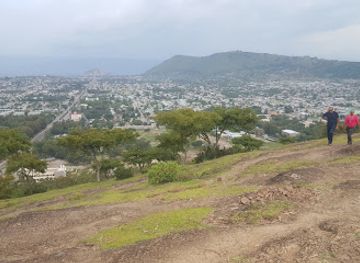
Tabor Mountain
Explore Tabor Mountain in Hawassa, Ethiopia, where stunning vistas and vibrant nature meet local culture and adventure.
-
Tourist attraction
Hawassa Lake
Discover the breathtaking beauty of Hawassa Lake, a serene destination in Ethiopia perfect for nature lovers, offering stunning views, local culture, and unforgettable sunsets.
-
Tourist attraction
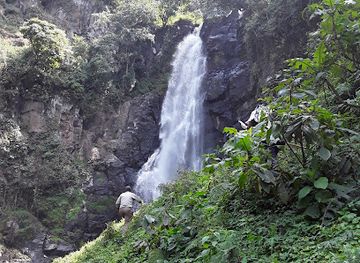
Lepis waterfall
Explore the breathtaking Lepis Waterfall in Munesa, a serene retreat surrounded by lush nature, perfect for adventure and relaxation.

Best landmarks in Sidama Region
Lake Hawassa is Sidama's most recognisable natural landmark, defining the setting of the regional capital and providing a broad visual horizon uncommon in the densely cultivated highlands. Its shoreline, fishing activity and birdlife make it both a geographical feature and an important part of Hawassa's public identity. Wondo Genet's springs and wooded hills form another distinctive landscape, combining geothermal water with a cooler, greener upland environment. In the Yirgalem area, coffee gardens and densely planted highland slopes are less monumental but highly characteristic landmarks of the region's agricultural history. Hawassa's urban lakeside spaces, public roads and expanding civic architecture reflect the transformation of a regional town into the capital of a new administrative state. The most significant cultural landmarks are often not isolated buildings but places of gathering: markets, coffee settings, churches, mosques and community grounds where local traditions remain active. Visitors should seek permission before treating ceremonial or religious sites as photographic subjects, since their importance is social and spiritual as well as visual.
-
Tourist attraction
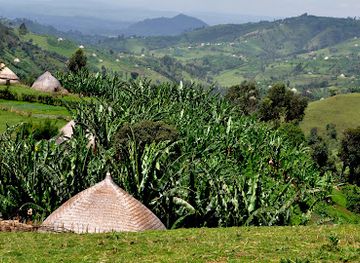
Garanba Mountain Community Based Tourism Destination
Explore Garanba Mountain: A Community-Based Tourism Destination in Ethiopia, Rich in Culture and Natural Beauty.
-
Corporate office
Sidama Tourism
Explore the vibrant culture and breathtaking landscapes of Sidama in Hawassa, Ethiopia, where tradition and hospitality await every traveler.
-
 Campground
Loka Abaya National Park Safari Resort and Camping Site ሎካ አባያ ፓርክ ሳፋሪ ሪዞርትና ካንፕ ሳይት
Experience the beauty of Ethiopia's wilderness at Loka Abaya National Park Safari Resort, a perfect blend of adventure and tranquility in Hawassa.

Explore Sidama Region on the map
Plan your trip on one map. See where the top cities, national parks and sights are, and book hotels and experiences in a few clicks.
Best hotels in Sidama Region
Best restaurants in Sidama Region
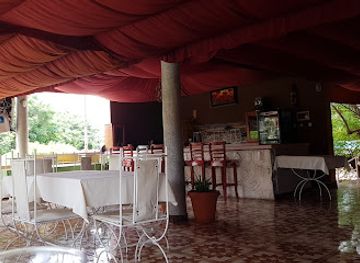
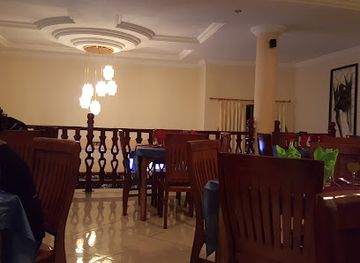
Dining in Sidama reflects Ethiopia's wider food culture while drawing strongly on local agriculture. In Hawassa, restaurants and cafés serve injera with stews, vegetables and pulses, alongside pasta, grilled meat, fish and international dishes for travellers. Around the lake, fish is a visible part of the food economy, although preparation and availability vary by establishment and season. Ensete is central to Sidama farming and appears in local food traditions through products such as kocho and bulla, which visitors may encounter at traditional restaurants or through community hosts. Coffee is the defining regional drink: Sidama-grown beans are roasted and brewed in homes, cafés and ceremonial settings, and a coffee ceremony is a social occasion rather than simply a rapid beverage service. Rural lodges around Yirgalem and Wondo Genet often emphasise fresh produce and locally sourced cooking. Markets are useful for seeing ingredients and snacks, but visitors should choose busy, hygienic vendors and drink treated or bottled water.
-
Italian
Venezia - Italian Restaurant
Experience authentic Italian flavors at Venezia Restaurant in Hawassa - where every meal feels like a journey to Italy.
-
Restaurant
Zion Train Lodge
Discover the essence of Ethiopian culture at Zion Train Lodge – where food meets tradition in Shashemene's vibrant Rasta village.
-
Restaurant
Dolce Vita Italian Restaurant
Savor authentic Italian flavors at Dolce Vita Restaurant in Hawassa - a must-visit dining experience blending local charm with culinary excellence.
-
Hamburger
Zanzibar Lounge & Restaurant
Discover exquisite hamburgers and vibrant culture at Zanzibar Lounge & Restaurant in Hawassa - an unforgettable culinary destination.
Best bars in Sidama Region
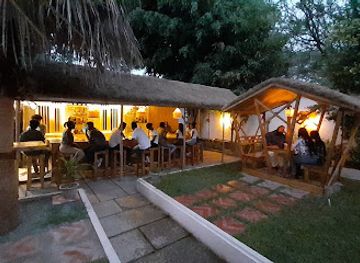
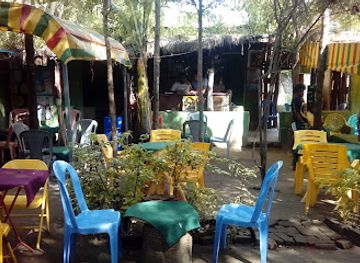
Hawassa has the region's most developed evening scene, with hotel bars, cafés, restaurants and informal venues concentrated around central streets and the lakeside. Evenings may include Ethiopian music, televised sport, live performances or socialising over buna, the customary coffee, as well as beer and soft drinks. The atmosphere is generally more relaxed than in Addis Ababa, but venues and opening arrangements change, so local advice is more reliable than fixed assumptions. Outside Hawassa, nightlife is limited and usually centres on hotel restaurants, rural lodges and local cafés rather than dedicated clubs. Yirgalem and other market towns offer social evening activity, though many businesses close relatively early. Visitors should use registered taxis or accommodation-arranged transport after dark and avoid treating alcohol as the main route to cultural interaction; coffee houses, food and music are equally important parts of local evening life.
-
Restaurant
The Bolt House
Experience the rich flavors of Ethiopian cuisine at The Bolt House in Shashemene, where delicious dishes meet a warm and inviting atmosphere.
-
Restaurant
Oneness House
Discover the vibrant flavors of Oneness House, a top-rated restaurant in Town serving exquisite local and international cuisine.
-
Lounge
Golet Beer Garden
Experience the lively ambiance of Golet Beer Garden in Hawassa, offering a diverse selection of drinks amidst a beautiful garden setting.
-
Bar
Enjori Lounge
Experience the vibrant nightlife at Enjori Lounge in Hawassa, where local flavors meet a lively atmosphere.

Best nightclubs in Sidama Region
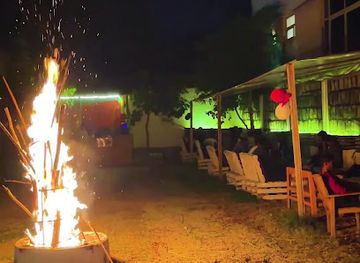
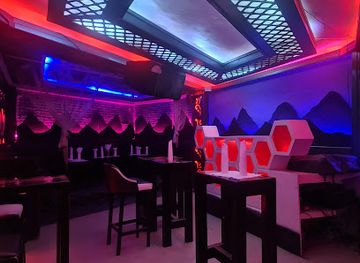
Hawassa has the region's most developed evening scene, with hotel bars, cafés, restaurants and informal venues concentrated around central streets and the lakeside. Evenings may include Ethiopian music, televised sport, live performances or socialising over buna, the customary coffee, as well as beer and soft drinks. The atmosphere is generally more relaxed than in Addis Ababa, but venues and opening arrangements change, so local advice is more reliable than fixed assumptions. Outside Hawassa, nightlife is limited and usually centres on hotel restaurants, rural lodges and local cafés rather than dedicated clubs. Yirgalem and other market towns offer social evening activity, though many businesses close relatively early. Visitors should use registered taxis or accommodation-arranged transport after dark and avoid treating alcohol as the main route to cultural interaction; coffee houses, food and music are equally important parts of local evening life.
-
Bar
Enjori Lounge
Experience the vibrant nightlife at Enjori Lounge in Hawassa, where great drinks meet lively entertainment and local culture.
-
Lounge
Marti Lounge
Experience the vibrant atmosphere at Marti Lounge in Awasa, where comfort meets style and every sip is a taste of local culture.
-
Night club
Buka Plus Club
Discover the pulsating nightlife of Hawassa at Buka Plus Club, where great music and vibrant atmosphere make for an unforgettable night out.
-
Bar
WhatAburger
Experience the vibrant nightlife and unique beverages at WhatAburger, a leading bar in Hawassa that captures the essence of local culture.

Best shops in Sidama Region
Shopping in Sidama is centred on everyday markets, independent shops and locally produced food rather than large-scale retail. Hawassa offers the widest choice, including supermarkets, clothing shops, cafés selling packaged coffee and stalls with practical goods for travellers. Market visits provide a better sense of regional commerce, with grains, ensete products, fruit, vegetables, spices and household items moving through established local networks. Sidama coffee is the most appropriate regional purchase, provided its origin and processing are clear; sealed packets are easier to transport internationally than loose beans. Visitors may also find woven baskets, textiles, pottery and other handmade articles, although quality and provenance vary between sellers. In Yirgalem and smaller towns, shopping is more functional and tied to agricultural communities. Bargaining may be customary in some informal markets but is not appropriate everywhere, so observe local practice and agree prices before accepting services or handmade goods. Avoid buying objects that appear old, sacred or archaeological, and check Ethiopian export requirements for agricultural products.
-
National park
Loka Abaya National Park
Discover the breathtaking beauty of Loka Abaya National Park, a serene escape into Ethiopia's diverse ecosystems and stunning landscapes.
-
Home goods store
Dika pineapples
Experience the sweetness of fresh pineapples and local craftsmanship at Dika Pineapples in Chiko, Ethiopia.
-
Shopping mall
Aman Shop and Grocery
Explore the vibrant Aman Shop and Grocery in Negele Arsi for a unique shopping experience with local crafts and international brands.
-
Shopping mall
Genet Supermarket
Explore local flavors and essentials at Genet Supermarket in Bore, Ethiopia - a vibrant hub for tourists and locals alike.
Get your free copy of our complete guide to Sidama Region, delivered straight to you.
Everything on this page, from attractions and restaurants to essentials and local phrases, in one PDF you can read offline, print or share.
Already have an account? Sign in
Your Sidama Region guide is ready.
We'll send it to · Not you? Sign out

Getting your guide ready…
We are putting together a fresh copy of the Sidama Region guide. This can take up to a minute.
This can take a few moments. If your browser asks, choose Allow so the download can start. You'll find the guide in your Downloads folder.
Nothing happened? Download it again
Sorry, the guide is taking longer than usual. Please try again in a minute, or get it by email instead.
Sidama Region essentials
Currency and Payment
Safety
Emergency Situations
Do's and Don'ts
Local Tips
From Eve
Local phrases worth knowing
You don't need to get them perfect. A few words go a long way, and locals appreciate the effort.
Basics
| English | Local | Say it |
|---|---|---|
| Hello | Salam | [Sah-lahm] |
| Goodbye | Dehna | [Deh-nah] |
| Yes | Ewedihalehu | [Eh-weh-dee-hah-leh-hoo] |
| No | Ayo | [Ah-yoh] |
| Please/You're welcome | Iwedihalehu | [Ee-weh-dee-hah-leh-hoo] |
| Thank you | Amesegenallo | [Ah-meh-seh-gah-nah-loo] |
| Excuse me/Sorry | Yekoyallo | [Yeh-koh-yah-loo] |
| How are you? | Dehna neh? | [Deh-nah neh?] |
| Fine. And you? | Dehna. Anchi neh? | [Deh-nah. Ahn-chee neh?] |
| Do you speak English? | Inglizigna mikerar? | [In-gli-zee-gna mee-keh-rar?] |
| I don't understand | Aynen mikerar | [Ah-yeen-en mee-keh-rar] |
Eating & Drinking
| English | Local | Say it |
|---|---|---|
| I'd like to see the menu, please | Menya yemiwedek, ibakih | [Men-yah yeh-mee-weh-dek, ee-bah-kee] |
| I don't eat meat | Nekem bicha neger aydelem | [Neh-kem bee-chah neh-gehr aye-deh-lem] |
| Cheers! | Fetena! | [Feh-teh-nah] |
| I would like to pay, please | Ibakih seraw, ibakih | [Ee-bah-kee seh-rahw, ee-bah-kee] |
Emergencies
| English | Local | Say it |
|---|---|---|
| Help! | Masgana! | [Mahs-gah-nah] |
| Go away! | Yehon! | [Yeh-hon!] |
| Call the Police! | Polis yikoy! | [Poh-lees yee-koh-ee] |
| Call a doctor! | Daktari yikoy! | [Dahk-tah-ree yee-koh-ee] |
| I'm lost | Aynen yewar | [Ah-yeen-en yeh-wahr] |
| I'm ill | Aynen yelalu | [Ah-yeen-en yeh-lah-loo] |
Shopping
| English | Local | Say it |
|---|---|---|
| I'd like to buy... | .... yikeralu | [.... yee-keh-rah-loo] |
| I'm just looking | Yekoyallo | [Yeh-koh-yah-loo] |
| How much is it? | Yante yichal? | [Yahn-teh yee-chahl?] |
| That's too expensive | Yante megeb yohun | [Yahn-teh meh-gehb yoh-hun] |
| Can you lower the price? | Bicha yemiheru? | [Bee-chah yeh-mee-heh-roo?] |
Time & Numbers
| English | Local | Say it |
|---|---|---|
| What time is it? | Saal yihon? | [Sah-al yee-hon?] |
| It's one o'clock | Yihoneh and | [Yee-hoh-neh ahnd] |
| Half past (10) | Ashera (10) | [Ah-sheh-rah (10)] |
| Morning | Bokku | [Boh-kkoo] |
| Afternoon | Dinna | [Dee-nah] |
| Evening | Gera | [Geh-rah] |
| Yesterday | Yekiro | [Yeh-kee-roh] |
| Today | Hizb | [Heezb] |
| Tomorrow | Yekari | [Yeh-kah-ree] |
| 1 | And | [Ahnd] |
| 2 | Kud | [Kood] |
| 3 | Sost | [Sohst] |
| 4 | Arat | [Ah-raht] |
| 5 | Humni | [Hoom-nee] |
| 6 | Jaha | [Jah-hah] |
| 7 | Saba | [Sah-bah] |
| 8 | Soddu | [Soh-dhoo] |
| 9 | T'isa | [Tee-sah] |
| 10 | Asir | [Ah-seer] |
Transport & Directions
| English | Local | Say it |
|---|---|---|
| Where's a/the...? | K'ek'ere ... yihon? | [K'eh-keh-reh ... yee-hon?] |
| What's the address? | Mekabir yihon? | [Meh-kah-beer yee-hon?] |
| Can you show me (on the map)? | Map yemiwedek? | [Mahp yeh-mee-weh-dek?] |
| When's the next (bus)? | Yante bus yihon? | [Yahn-teh boos yee-hon?] |
| A ticket (to ....) | Ticket (....) yikeralu | [Tee-keht (....) yee-keh-rah-loo] |
History of Sidama Region
Early Sidama Settlement and Agricultural Traditions
The Sidama are a Cushitic-speaking people whose history is rooted in the southern Ethiopian highlands and Rift Valley. For centuries, communities developed forms of agricultural production suited to fertile volcanic soils, seasonal rainfall and densely settled uplands. Ensete, coffee, grains and livestock became important to household economies, while local political and social institutions organised land, age groups, ritual life and community obligations. The region's cultural landscape cannot be separated from these rural traditions: farms, groves, settlement patterns and ceremonies preserve historical relationships between land, ancestry and collective identity.
Sidama Political Communities Before Modern Incorporation
Before incorporation into the expanding Ethiopian empire, Sidama-speaking communities were organised through local polities and regional authorities rather than a single centralised state covering all of present-day Sidama Region. Leadership, customary law and ritual institutions varied between areas, and contact with neighbouring peoples produced both exchange and conflict. Trade routes connected the southern highlands with markets farther north and east. This period left a layered cultural heritage in which local traditions remained influential even as political boundaries and forms of authority changed.
Incorporation into the Ethiopian Empire
During the late nineteenth century, the expansion of the Ethiopian state under Menelik II brought much of the Sidama area into the imperial political system. The process altered patterns of landholding, taxation, administration and military power, while northern officials and settlers became more prominent in local government. Incorporation also drew the region more firmly into long-distance trade networks. The political and social consequences were substantial, and memories of this period remain part of wider discussions about identity, land and representation in southern Ethiopia.
Coffee, Market Towns and the Colonial Era
Coffee became increasingly important to the economy of southern Ethiopia during the twentieth century, joining established food crops such as ensete and supporting the growth of market centres. Italian occupation between 1936 and 1941 introduced another period of foreign rule and military disruption, although it did not erase local institutions or cultural identity. After the restoration of Ethiopian rule, roads, government administration and commercial agriculture continued to connect Sidama more closely with Addis Ababa and other regional markets. Coffee production remains one of the most visible historical continuities in the contemporary landscape.
The Derg Period and Rural Change
The military government known as the Derg ruled Ethiopia from 1974 until 1991 and introduced sweeping nationalisation and land reforms. In Sidama, as elsewhere, these policies changed relationships between farmers, land and the state, while conflict and economic pressure affected rural life. The period also saw the expansion of formal administration and state services, though development was uneven. Experiences of centralised rule contributed to later demands for stronger recognition of ethnic, linguistic and regional rights within Ethiopia's federal political system.
Ethnic Federalism and the Southern Nations Region
After 1991, Ethiopia reorganised its federal structure around ethnolinguistic regions. Sidama was initially administered within the Southern Nations, Nationalities and Peoples' Region, while Hawassa served as the regional capital of that larger unit. This arrangement brought new opportunities for education and cultural expression in local languages, but it also generated debates about autonomy, administrative resources and political representation. Sidama identity became increasingly visible in public life, including through cultural institutions, language use and organised campaigns for a separate regional administration.
The Creation of Sidama Region in 2020
Following a referendum in 2019, Sidama became Ethiopia's newest regional state in 2020, with Hawassa as its capital. The change marked an important constitutional and political development and reflected long-standing demands for self-administration. It also created new responsibilities for regional institutions, including planning infrastructure, education, public services and economic development across a varied territory. Contemporary Sidama therefore combines a strong cultural identity with the practical challenges of governing a rapidly urbanising capital and predominantly agricultural countryside.
Sidama Region in Photos
Browse through our photo collection highlighting the charm and character of the destination.
Neighbouring regions of Sidama Region
The closest regions to Sidama Region, if you have time for more than one.
-

-

-

-

-


Swipe for more regions
Explore more

Explore more of Ethiopia
Discover Ethiopia: A land of ancient history, breathtaking landscapes, and rich cultural heritage, offering an unforgettable journey through time and nature.
Explore Ethiopia