

Sandoy Island Travel Guide - Free Web & App
Your ultimate guide to Sandoy Island. Discover top landmarks, proposed trips, and local tips. Free on the web or via the Evendo companion app.


Sandoy Island – Embrace the tranquility of the Faroe Islands with breathtaking landscapes, charming villages, and rich cultural experiences.
Read more about Sandoy Island
When is the best time to visit Sandoy Island?
Best: June–August · 12–14°C| Month | High (°C) | Rainfall (mm) |
|---|---|---|
| January | 7 | 150 |
| February | 6 | 120 |
| March | 6 | 120 |
| April | 7 | 100 |
| May | 9 | 80 |
| June (best) | 12 | 70 |
| July (best) | 14 | 90 |
| August (best) | 14 | 100 |
| September | 12 | 120 |
| October | 10 | 150 |
| November | 8 | 160 |
| December | 7 | 160 |
Getting to and around Sandoy Island
How to get there
Transportation
Best attractions in Sandoy Island
Sandoy Island in Faroe Islands offers visitors a unique blend of natural beauty and rich history. From the stunning sea cliffs and rugged coastline to the charming villages and ancient ruins, there is something for everyone to explore. Take a hike to the highest peak, Hvannhagi, for breathtaking views, or visit the historic churches and traditional Faroese homes scattered throughout the island. Don't miss the chance to taste the local cuisine, including fresh seafood and traditional Faroese delicacies. Whether you're a nature lover, history buff, or simply looking for a peaceful escape, Sandoy Island has it all.
-
Art museum
Sandur Art Museum
Discover Faroese artistry at Sandur Art Museum: Explore local masterpieces in an intimate setting on the serene island of Sandoy.
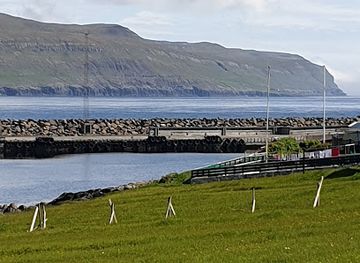
Best landmarks in Sandoy Island
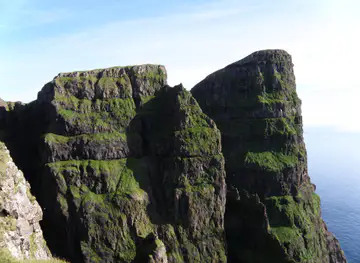
Sandoy Island in Faroe Islands offers visitors a unique blend of natural beauty and historical significance. From the stunning cliffs of Skúvoy to the picturesque village of Sandur, visitors can explore charming towns, hike along rugged coastlines, and learn about the island's rich Viking history at sites like the ancient Kirkjubøur church. The iconic Dúvugarðar farm museum and the peaceful Trøllanes village are must-see attractions that showcase the island's traditional way of life and cultural heritage. Whether you're interested in outdoor adventures or cultural experiences, Sandoy Island has something for everyone to enjoy.
-
Historical place
Kirkjubømúrurin
Explore the historic charm of Kirkjubøur, the oldest village in the Faroe Islands, where medieval architecture meets breathtaking natural beauty.
-
Historical landmark
Skansin
Discover the historical charm of Skansin, a fortress steeped in maritime history with breathtaking views of Tórshavn and the surrounding landscapes.
-
Cathedral
Tórshavn Cathedral
Discover the serene beauty and rich history of Tórshavn Cathedral, a captivating landmark in the heart of the Faroe Islands.
-
Brasserie
Caféin á Mølini
Discover the flavors of the Faroe Islands at Caféin á Mølini, a cozy brasserie and guest house in Skálavík, offering stunning views and authentic cuisine.

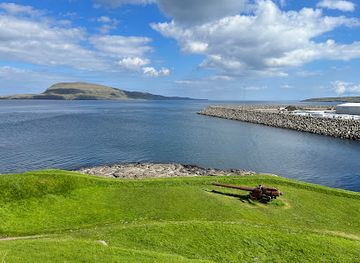
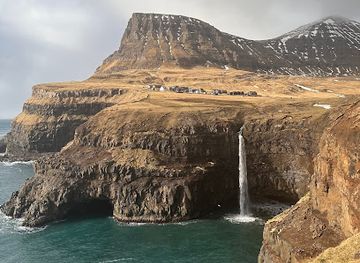
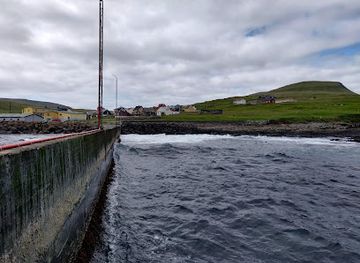
Explore Sandoy Island on the map
Plan your trip on one map. See where the top attractions, landmarks, restaurants and hotels are, and book hotels and experiences in a few clicks.
Best hotels in Sandoy Island
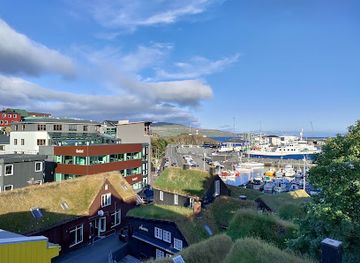
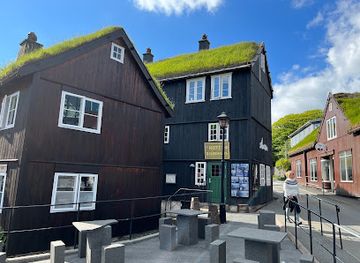
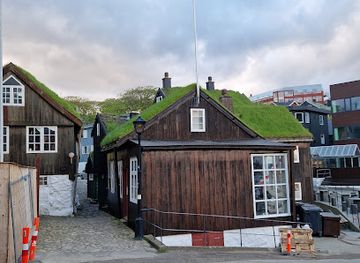
Best restaurants in Sandoy Island
The dining scene on Sandoy Island offers a unique culinary experience for visitors, with a focus on fresh seafood and traditional Faroese dishes. From charming seaside cafes serving up freshly caught fish to cozy restaurants showcasing local specialties like skerpikjøt (wind-dried mutton) and ræst kjøt (fermented lamb), there is something to delight every palate. Visitors can also enjoy a taste of modern cuisine with a Faroese twist, as innovative chefs infuse traditional ingredients with contemporary flair. With stunning views of the rugged coastline and warm hospitality from locals, dining on Sandoy Island is a memorable experience not to be missed.
-
Scandinavian
Katrina Christiansen
Experience exquisite Scandinavian cuisine at Katrina Christiansen, where fresh local ingredients meet modern culinary artistry in Tórshavn.
-
Restaurant
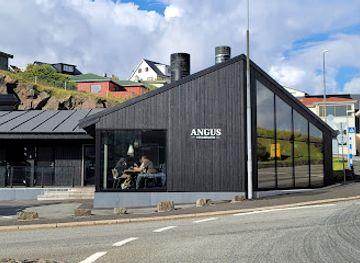
Angus Steakhouse
Discover Angus Steakhouse: A premier dining destination in Tórshavn offering exquisite steaks and authentic Faroese flavors.
-
Restaurant
Áarstova
Discover Áarstova in Tórshavn - where traditional Faroese cuisine meets contemporary flair in a cozy atmosphere.
-
Seafood
Barbara Fish House
Discover exceptional seafood dining at Barbara Fish House in Tórshavn, where fresh local ingredients meet stunning ocean views.
Best bars in Sandoy Island
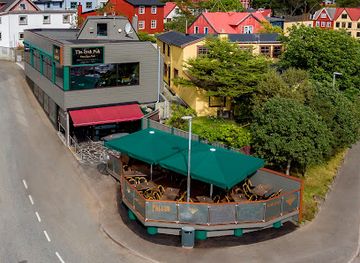
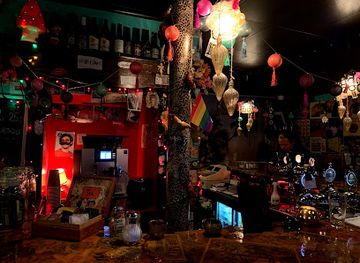
Sandoy Island offers a unique and intimate nightlife experience for visitors, with cozy pubs and bars scattered along the coastline. Enjoy local Faroese beers and spirits while listening to traditional music or chatting with friendly locals. Whether you prefer a relaxed evening by the sea or a lively night out, Sandoy Island has something for everyone to enjoy after a day of exploring the island's natural beauty.
-
Irish pub
Irish Pub Torshavn
Discover the warmth and flavors of Ireland at Irish Pub Torshavn, where cozy atmosphere meets traditional cuisine in the heart of the Faroe Islands.
-
Restaurant
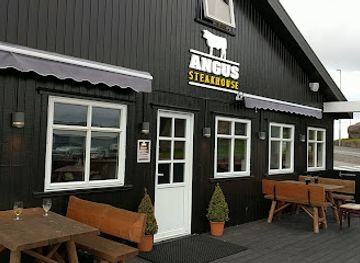
Angus Steakhouse
Experience the finest steaks and local flavors at Angus Steakhouse in Tórshavn, the heart of the Faroe Islands dining scene.
-
Bar
Sirkus Bar
Discover the vibrant nightlife at Sirkus Bar in Tórshavn, where local charm meets a lively atmosphere for an unforgettable evening.
-
Bar
Mikkeller Tórshavn
Experience the vibrant craft beer scene at Mikkeller Tórshavn, where unique brews and a lively atmosphere await.

Best nightclubs in Sandoy Island
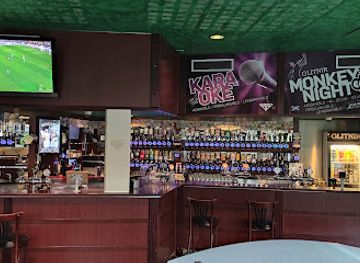
Sandoy Island offers a unique and intimate nightlife experience for visitors, with cozy pubs and bars scattered along the coastline. Enjoy local Faroese beers and spirits while listening to traditional music or chatting with friendly locals. Whether you prefer a relaxed evening by the sea or a lively night out, Sandoy Island has something for everyone to enjoy after a day of exploring the island's natural beauty.
-
Irish pub
Irish Pub Torshavn
Discover the heart of Ireland in Tórshavn at Irish Pub Torshavn, where authentic food, drinks, and music await.
-
Bar
Sirkus Bar
Discover Tórshavn's vibrant nightlife at Sirkus Bar, your go-to spot for local drinks and lively entertainment.
Best shops in Sandoy Island
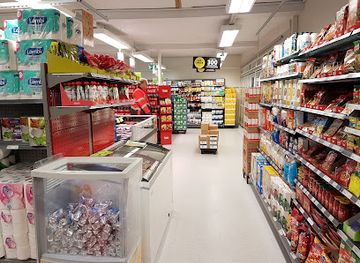
Visitors to Sandoy Island can expect a unique shopping experience filled with local craftsmanship and traditional items. Explore the quaint shops and boutiques offering handcrafted woolen goods, intricate wood carvings, and locally produced food items. From cozy knitwear to authentic Faroese delicacies, the shopping scene on Sandoy Island is a treasure trove waiting to be discovered by tourists looking for authentic souvenirs and gifts.
-
Grocery store
Á
Explore the flavors of the Faroe Islands at Á, Tórshavn's charming grocery store filled with local and international delights.
-
Grocery store
Búrhandilin
Explore local flavors at Búrhandilin, your go-to grocery store in Skopun, offering fresh produce and unique Faroese delicacies.
-
Grocery store
Á Sandoyggin
Explore the local flavors of Skopun at Á Sandoyggin, your charming grocery store in the heart of the Faroe Islands.
-
Cigar shop
Ryggstein Sigarir
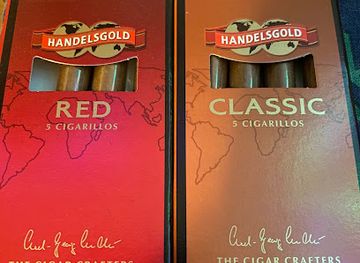
Explore the charm of Ryggstein Sigarir, Tórshavn's premier cigar shop, offering a diverse selection of premium cigars and expert recommendations.


Get your free copy of our complete guide to Sandoy Island, delivered straight to you.
Everything on this page, from attractions and restaurants to essentials and local phrases, in one PDF you can read offline, print or share.
Already have an account? Sign in
Your Sandoy Island guide is ready.
We'll send it to · Not you? Sign out

Getting your guide ready…
We are putting together a fresh copy of the Sandoy Island guide. This can take up to a minute.
This can take a few moments. If your browser asks, choose Allow so the download can start. You'll find the guide in your Downloads folder.
Nothing happened? Download it again
Sorry, the guide is taking longer than usual. Please try again in a minute, or get it by email instead.
Sandoy Island essentials
Currency and Payment
Safety
Emergency Situations
Do's and Don'ts
Local Tips
From Eve
Local phrases worth knowing
You don't need to get them perfect. A few words go a long way, and locals appreciate the effort.
Basics
| English | Local | Say it |
|---|---|---|
| Hello | Halló | [HAH-loh] |
| Goodbye | Farvæl | [FAR-vil] |
| Yes | Ja | [yah] |
| No | Nei | [nay] |
| Please/You're welcome | Vælkomin | [VAIL-koh-min] |
| Thank you | Takk fyri | [tahk FEE-ree] |
| Excuse me/Sorry | Fyrirgef mær | [FEER-ir-yeef myair] |
| How are you? | Hvussu gongur tú? | [HOO-suh GOHN-gur too?] |
| Fine. And you? | Gott. Og tú? | [gawt oh too?] |
| Do you speak English? | Talar tú enskt? | [TAH-lahr too entskt?] |
| I don't understand | Eg skilji ikki | [yeh SKIL-yee EHK-kee] |
Eating & Drinking
| English | Local | Say it |
|---|---|---|
| I'd like to see the menu, please | Eg vil síggja menu, takk | [yeh vil SEE-ya MEH-noo, tahk] |
| I don't eat meat | Eg eta ikki kjøt | [yeh EH-tah EHK-kee chyut] |
| Cheers! | Skál! | [skowl] |
| I would like to pay, please | Eg vil gjalda, takk | [yeh vil GYAL-dah, tahk] |
Emergencies
| English | Local | Say it |
|---|---|---|
| Help! | Hjálp! | [YAHLP] |
| Go away! | Far burtur! | [far BOOR-toor] |
| Call the Police! | Ringi politi! | [RING-ee poh-lee-tee] |
| Call a doctor! | Ringi ein læknari! | [RING-ee an LAYK-nah-ree] |
| I'm lost | Eg er týttur | [yeh ehr TEET-toor] |
| I'm ill | Eg er sjúkur | [yeh ehr SHOO-koor] |
Shopping
| English | Local | Say it |
|---|---|---|
| I'd like to buy... | Eg vil keypa... | [yeh vil KEY-pah] |
| I'm just looking | Eg leiti bara | [yeh LAY-tee BAH-rah] |
| How much is it? | Hvat kostar tað? | [kvaht KOH-stahr tah] |
| That's too expensive | Tað er ov dyrt | [tah ehr ohv DEER-t] |
| Can you lower the price? | Kanstu broyta prísin? | [KAHN-stoo BROY-tah PREE-sin] |
Time & Numbers
| English | Local | Say it |
|---|---|---|
| What time is it? | Hvat er klokkan? | [kvaht ehr KLOH-kahn] |
| It's one o'clock | Tað er eitt | [tah ehr eyt] |
| Half past (10) | Hálv tíggju | [HOWL tahy-yoo] |
| Morning | Morgun | [MOHR-goon] |
| Afternoon | Dagur | [DAH-goor] |
| Evening | Kvøld | [KVUHLT] |
| Yesterday | Í gjár | [ee JOW-ar] |
| Today | Í dag | [ee dah] |
| Tomorrow | Í morgin | [ee MOHR-gin] |
| 1 | Eitt | [eyt] |
| 2 | Tvær | [tvayr] |
| 3 | Tríggir | [TREE-gir] |
| 4 | Fýra | [FEER-ah] |
| 5 | Fimm | [feem] |
| 6 | Seks | [seks] |
| 7 | Sjey | [shay] |
| 8 | Átta | [OWT-tah] |
| 9 | Ni | [nee] |
| 10 | Tíggju | [TAHY-yoo] |
Transport & Directions
| English | Local | Say it |
|---|---|---|
| Where's a/the...? | Hvar er ein/het... | [kvar ehr an/het...] |
| What's the address? | Hvat er heimilsheitið? | [kvaht ehr HAY-mils-hayt-ith] |
| Can you show me (on the map)? | Kanstu vísa mær (á kortið)? | [KAHN-stoo VEE-sah myair (ow KOHR-teeth)] |
| When's the next (bus)? | Hvørji ferð er næsta (buss)? | [HVOHR-yee ferth ehr NAH-stah (booss)] |
| A ticket (to ....) | Eitt kort (til ....) | [eyt kohrt (teel ....)] |
History of Sandoy Island
The Origins and Early Settlement
Sandoy Island, one of the larger islands in the Faroe Islands, has a history steeped in early Norse settlement. Archaeological findings suggest that the island was first inhabited around the 9th century, during the Viking Age. These early settlers were drawn to Sandoy's fertile lands and abundant resources, establishing small farming communities that laid the foundation for future development.
Medieval Christianization
The Christianization of the Faroe Islands in the 11th century significantly impacted Sandoy. The island's earliest churches were constructed during this period, with the influence of the Norwegian monarchy spreading Christianity across the archipelago. Sandoy boasts several historical churches, such as the St. Mary’s Church in Sandur, which holds relics and artifacts dating back to the medieval period.
The Black Death and Its Aftermath
The Black Death reached the Faroe Islands in the mid-14th century, significantly affecting Sandoy. The plague drastically reduced the population, leading to labor shortages and economic disruption. Recovery was slow, but the resilience of the Sandoy inhabitants ensured the island eventually bounced back, albeit with a transformed social and economic landscape.
17th Century Witch Trials
The 17th century was marked by dramatic events, including witch trials that swept through the Faroe Islands, Sandoy included. Several women from Sandoy were accused of witchcraft and faced trials and executions. These events are a somber reminder of the island's tumultuous history and the often perilous lives of its past inhabitants.
The Battle of Sandoy
The Battle of Sandoy in 1579 was a significant conflict between local Faroese farmers and Scottish pirates. The pirates, having raided Sandoy, were met with fierce resistance from the islanders. The ensuing battle is legendary in Faroese history, symbolizing the bravery and resilience of the Sandoy people.
The Role in Fishing Industry
From the late 19th century onwards, Sandoy became integral to the Faroe Islands' burgeoning fishing industry. The island's strategic location and rich surrounding waters contributed to its importance as a fishing hub. Sandoy's fishing heritage is still evident today, with many of its inhabitants involved in the industry, and the island hosting various fishing-related festivals and events.
Modern Cultural Revival
In recent years, Sandoy has experienced a cultural revival, with efforts to preserve and celebrate Faroese traditions. This includes the restoration of historical sites, the promotion of local arts and crafts, and the celebration of traditional festivals. The Sandoy Art Museum, for example, showcases the island's rich artistic heritage, attracting visitors and scholars alike.
Sandoy Island in Photos
Browse through our photo collection highlighting the charm and character of the destination.
Cities in Sandoy Island
The towns and cities of Sandoy Island, and the easiest places to base yourself.
-

-

-


Swipe for more cities
Neighbouring destination travel guides
The closest destinations to Sandoy Island, if you have time for more than one.
-
-

-
-

-


Swipe for more destinations
Explore more
Explore more of Sandoy
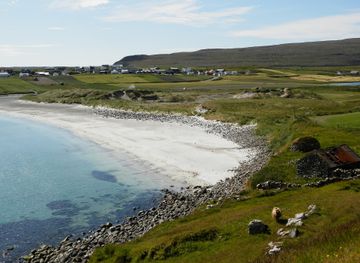
Discover Sandoy in the Faroe Islands: A haven of tranquility with sandy beaches, rich history, and breathtaking landscapes perfect for nature enthusiasts and cultural explorers.
Explore Sandoy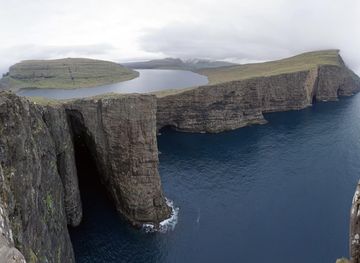
Explore more of Faroe Islands
Discover the Faroe Islands: A land of rugged beauty, rich history, and tranquil villages, perfect for nature lovers and adventurers seeking an off-the-beaten-path destination.
Explore Faroe Islands