

Free Argir Travel Guide & Mobile App
Plan your Argir trip with Evendo. Get free guides to top attractions, restaurants, hotels, and bars. Web access or download the mobile app.


Argir in the Faroe Islands offers coastal walks, Faroese village life and easy access to Tórshavn's history, culture, harbour and dramatic island scenery.
A Seaside Settlement on Streymoy
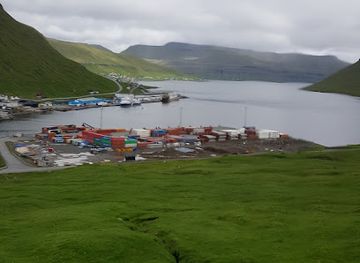
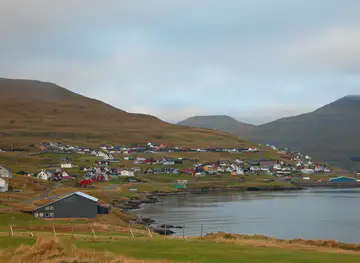
Argir occupies a south-facing slope on the island of Streymoy, immediately south of Tórshavn, the capital of the Faroe Islands. Although the two settlements now form part of one continuous urban area, Argir retains a distinct village character, with houses descending towards the sea and broad views across the waters around Hestur and Sandoy when conditions are clear. Its setting is defined by steep hills, treeless grassland, narrow roads and a dramatic North Atlantic horizon rather than by a dense concentration of monuments.Read more about Argir
Village Life and Faroe Island Landscapes
Close to the Capital
When is the best time to visit Argir?
Best: June–August · 11–13°C| Month | High (°C) | Rainfall (mm) |
|---|---|---|
| January | 6 | 120 |
| February | 5 | 110 |
| March | 4 | 100 |
| April | 5 | 90 |
| May | 9 | 75 |
| June (best) | 11 | 60 |
| July (best) | 13 | 60 |
| August (best) | 13 | 70 |
| September | 11 | 80 |
| October | 9 | 90 |
| November | 6 | 110 |
| December | 5 | 120 |
Getting to and around Argir
How to get there
Transportation
Best attractions in Argir
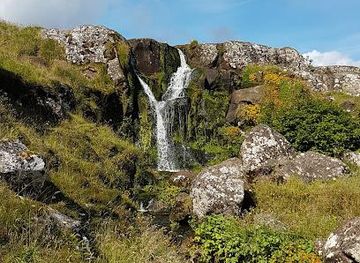
Argir's attractions are primarily scenic and local rather than monumental. The shoreline gives views across the channels and islands south of Streymoy, while the surrounding slopes offer glimpses of Faroese settlement patterns, grazing land and fast-changing North Atlantic weather. Argja kirkja provides the village with a recognisable community focus and illustrates the modern religious architecture found around the capital region. A short journey into Tórshavn opens access to the old harbour, the black-timbered buildings of Tinganes, the National Museum of the Faroe Islands and the National Gallery of the Faroe Islands. The capital's paths and waterfront complement Argir's quieter residential landscape, while nearby roads lead towards viewpoints and villages elsewhere on Streymoy. Visitors should treat the open hills around Argir with respect: grass can be slippery, edges may be unstable and weather can reduce visibility quickly. The attraction is the relationship between village, sea and mountain rather than a large collection of ticketed sights.
-
Nature preserve
Svartafoss Waterfall
Discover Svartafoss Waterfall near Tórshavn: a scenic escape with basalt columns, tranquil trails, and rich history in the Faroe Islands.
16 min drive · 5.4 km from city centre
-
Kirkjubøur
Explore Kirkjubøur, the Faroe Islands' historical and cultural epicenter, featuring medieval ruins, ancient churches, and the oldest wooden house.
12 min drive · 3.9 km from city centre
-

Torshavn - Nolsoy
Discover Nólsoy: A peaceful Faroese island with colorful houses, abundant birdlife, scenic hiking, and a rich cultural heritage.
9 min drive · 2.9 km from city centre
-
Yviri við Strond
Discover Tórshavn's waterfront charm at Yviri við Strond: scenic views, cultural experiences, and serene beauty await in the Faroe Islands.
12 min drive · 4.0 km from city centre

Best landmarks in Argir
Argja kirkja is Argir's most recognisable landmark, serving as both a place of worship and a visible expression of the settlement's modern community identity. Its setting differs from the historic timber architecture of Tórshavn, where Tinganes is distinguished by red-painted wooden buildings and grass roofs associated with the old administrative and trading quarter. Nearby, Tórshavn Cathedral, known locally as Havnar Kirkja, represents the capital's long-established religious centre, while the harbour and waterfront embody the maritime foundations of Faroese society. These landmarks are best understood together: Argja kirkja reflects a growing suburban village, Tinganes preserves the capital's historic civic character, and the harbour connects both places to fishing, trade and seaborne movement. The surrounding hills and sea are also fundamental landmarks in a Faroese sense, framing the settlement and making the terrain itself part of Argir's visual identity.
-
Historical place
Kirkjubømúrurin
Discover the enchanting historical village of Kirkjubøur in the Faroe Islands, where ancient traditions meet breathtaking landscapes.
11 min drive · 3.8 km from city centre
-
Irish pub
Irish Pub Torshavn
Explore the heart of Tórshavn at the Irish Pub, where authentic Irish cuisine meets Faroe Islands' charm in a cozy atmosphere.
10 min drive · 3.5 km from city centre
-
Cultural center
The Nordic House
Explore the Nordic House in Tórshavn—a cultural epicenter showcasing the art, music, and heritage of the Faroe Islands amidst stunning scenery.
15 min drive · 5.0 km from city centre
-
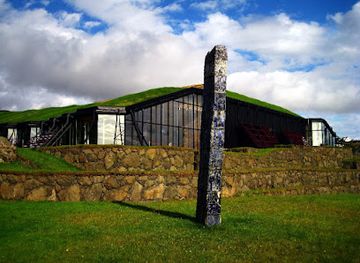
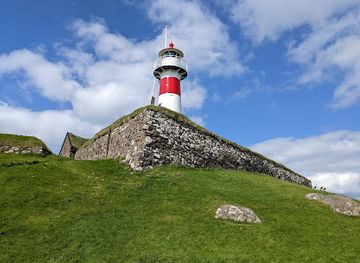
Historical landmark
Skansin
Discover the rich history and stunning views of Skansin, Tórshavn's iconic fortress, nestled in the breathtaking landscapes of the Faroe Islands.
9 min drive · 3.2 km from city centre
Explore Argir on the map
Plan your Argir trip on one map. See where the top attractions, landmarks, restaurants, bars and hotels are, find what's near where you're staying, and book hotels and experiences in a few clicks.
Best hotels in Argir
Best restaurants in Argir
Argir has a limited dining scene of its own, so visitors generally travel a short distance into Tórshavn for the widest choice of restaurants, cafés and bakeries. Faroese cooking draws on the islands' sheep farming, fishing and Atlantic waters, with local menus often shaped by lamb, cod, haddock, salmon and other seafood. Traditional preservation methods such as drying, wind-curing and fermentation remain part of the culinary culture, although contemporary restaurants may reinterpret these flavours in more restrained forms. Tórshavn's harbour area and central streets provide the main concentration of dining, from casual coffee and pastries to restaurants presenting modern Faroese cuisine. Seasonal ingredients, sea views and a strong connection to the landscape are more characteristic of the local food culture than a single signature dish. Travellers staying in Argir should plan evening meals around transport arrangements, particularly when relying on buses.
-
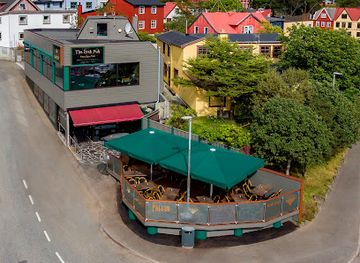
Irish pub
Irish Pub Torshavn
Discover authentic Irish hospitality blended with Faroese charm at Tórshavn's beloved Irish Pub.
10 min drive · 3.5 km from city centre
-
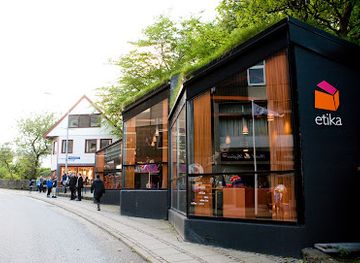
Sushi
etika Sushi
Discover an unforgettable sushi experience at Etika Sushi in Tórshavn - where traditional flavors meet Faroese freshness.
11 min drive · 3.5 km from city centre
-
Scandinavian
Katrina Christiansen
Discover authentic Scandinavian cuisine at Katrina Christiansen in Tórshavn, where local ingredients meet exquisite culinary artistry.
10 min drive · 3.4 km from city centre
-
Restaurant
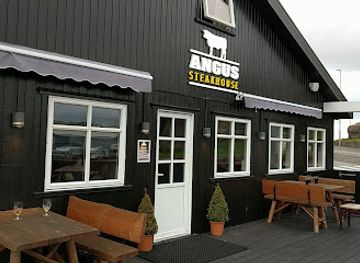
Angus Steakhouse
Experience exceptional steaks at Angus Steakhouse in Tórshavn - where Faroese culinary traditions meet modern dining.
10 min drive · 3.3 km from city centre

Best bars in Argir
Argir itself is predominantly residential and has little dedicated nightlife, but Tórshavn's centre provides the Faroe Islands' main choice of evening venues within easy reach. Around the harbour and central streets, visitors can find relaxed bars, cafés and places associated with local music and conversation rather than a large club circuit. Evening entertainment may include concerts, cultural performances and seasonal events, with the programme changing throughout the year. The atmosphere is generally intimate and unhurried, reflecting the capital's modest size and close-knit social life. Alcohol is regulated and can be expensive, while licensing rules shape when and where it is served. Travellers should not expect a dense late-night scene in Argir; evenings are better suited to a harbour drink, live music or a cultural event in Tórshavn, followed by a planned journey back to the residential slopes.
-
Irish pub
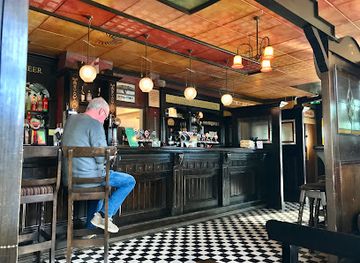
Irish Pub Torshavn
Discover the warmth of Irish hospitality at Irish Pub Torshavn, where traditional cuisine meets a vibrant atmosphere in the heart of the Faroe Islands.
10 min drive · 3.5 km from city centre
-
Restaurant
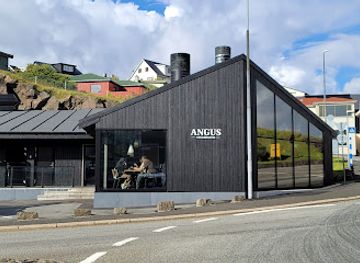
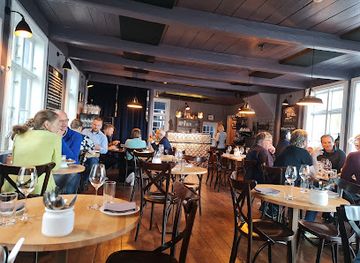
Angus Steakhouse
Experience the best steaks and local flavors at Angus Steakhouse, an essential dining spot in Tórshavn, Faroe Islands.
10 min drive · 3.3 km from city centre
-
Seafood
Barbara Fish House
Experience the best of Faroese seafood at Barbara Fish House in Tórshavn, where every dish is a celebration of the ocean's bounty.
10 min drive · 3.4 km from city centre
-
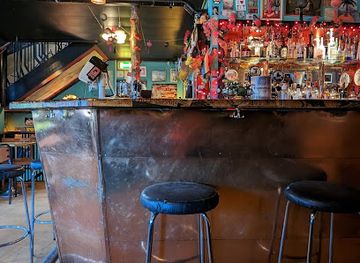
Bar
Sirkus Bar
Experience the vibrant nightlife of Tórshavn at Sirkus Bar, where eclectic decor meets a diverse drink menu, perfect for unwinding after a day of exploration.
11 min drive · 3.5 km from city centre
Best nightclubs in Argir
Argir itself is predominantly residential and has little dedicated nightlife, but Tórshavn's centre provides the Faroe Islands' main choice of evening venues within easy reach. Around the harbour and central streets, visitors can find relaxed bars, cafés and places associated with local music and conversation rather than a large club circuit. Evening entertainment may include concerts, cultural performances and seasonal events, with the programme changing throughout the year. The atmosphere is generally intimate and unhurried, reflecting the capital's modest size and close-knit social life. Alcohol is regulated and can be expensive, while licensing rules shape when and where it is served. Travellers should not expect a dense late-night scene in Argir; evenings are better suited to a harbour drink, live music or a cultural event in Tórshavn, followed by a planned journey back to the residential slopes.
-
Irish pub
Irish Pub Torshavn
Experience the charm of Irish culture in Tórshavn at Irish Pub Torshavn, offering hearty food and vibrant live music.
10 min drive · 3.5 km from city centre
-
Bar
Sirkus Bar
Experience Tórshavn's vibrant nightlife at Sirkus Bar, where creative cocktails and a lively atmosphere await you in the heart of the Faroe Islands.
11 min drive · 3.5 km from city centre
-
Bar
Glitnir
Experience the vibrant nightlife and local flavors at Glitnir, Tórshavn's favorite bar for tourists and locals alike.
11 min drive · 3.6 km from city centre
-
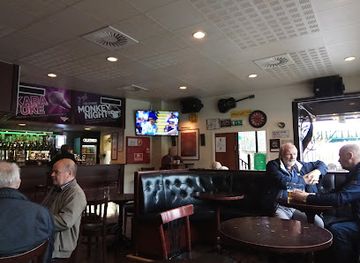
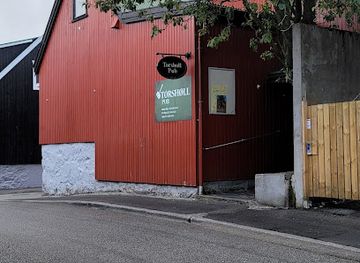
Bar
Tórshøll
Experience the vibrant atmosphere of Tórshøll, the premier bar in Tórshavn, where locals and tourists connect over drinks and lively events.
11 min drive · 3.6 km from city centre


Best shops in Argir
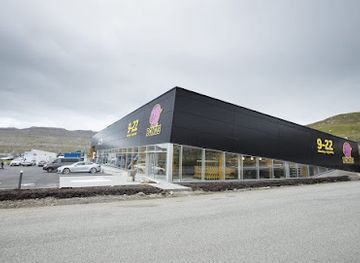
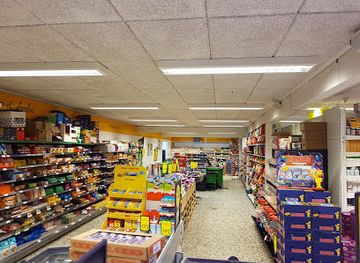
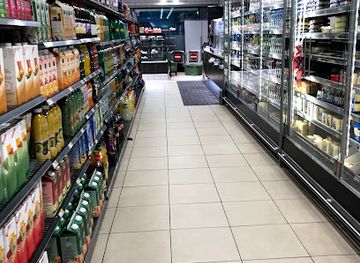
Argir has no major shopping quarter, so most practical shopping and browsing takes place in Tórshavn. The capital offers supermarkets, everyday services, independent shops and retail streets, with larger selections than are available in the village. Visitors looking for locally associated products may find Faroese knitwear, woollen goods, design items, books, food products and small craft pieces, although provenance and materials vary between retailers. Central Tórshavn is the most convenient area for combining shopping with the harbour, museums and historic streets. Shopping in the Faroe Islands tends to be modest in scale and closely tied to local life rather than organised around large malls or outlet districts. Weatherproof clothing and high-quality outdoor equipment are practical purchases for the climate, while woollen textiles and contemporary Faroese design make more distinctive mementoes than generic souvenirs.
-
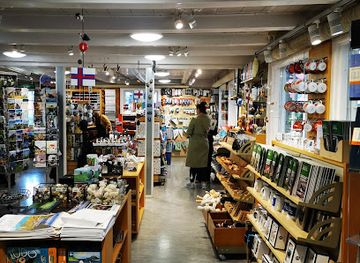
Gift shop
H. N. Jacobsens Bókahandil
Explore H. N. Jacobsens Bókahandil in Tórshavn for a unique blend of books, souvenirs, toys, and local culture.
11 min drive · 3.5 km from city centre
-
Supermarket
Bónus
Discover the best of local and international products at Bónus in Tórshavn, the supermarket that caters to all your shopping needs in the Faroe Islands.
12 min drive · 3.9 km from city centre
-
Supermarket
Á Landavegur
Discover local flavors and essentials at Á Landavegur, Tórshavn's modern supermarket featuring fresh produce and traditional Faroese products.
10 min drive · 3.5 km from city centre
-
Supermarket
Mylnan
Explore Mylnan in Tórshavn for a delightful shopping experience, featuring local products and everyday essentials in the heart of the Faroe Islands.
11 min drive · 3.7 km from city centre
Get your free copy of our complete guide to Argir, delivered straight to you.
Everything on this page, from attractions and restaurants to essentials and local phrases, in one PDF you can read offline, print or share.
Already have an account? Sign in
Your Argir guide is ready.
We'll send it to · Not you? Sign out

Getting your guide ready…
We are putting together a fresh copy of the Argir guide. This can take up to a minute.
This can take a few moments. If your browser asks, choose Allow so the download can start. You'll find the guide in your Downloads folder.
Nothing happened? Download it again
Sorry, the guide is taking longer than usual. Please try again in a minute, or get it by email instead.
Argir essentials
Currency and Payment
Safety
Emergency Situations
Do's and Don'ts
Local Tips
From Eve
Local phrases worth knowing
You don't need to get them perfect. A few words go a long way, and locals appreciate the effort.
Basics
| English | Local | Say it |
|---|---|---|
| Hello | Halló | [ha-loh] |
| Goodbye | Farvæl | [far-vayl] |
| Yes | Ja | [yah] |
| No | Nei | [nay] |
| Please/You're welcome | Vænta | [vayn-ta] |
| Thank you | Takk fyri | [tahk fy-ree] |
| Excuse me/Sorry | Fyri skuld | [fy-ree skoold] |
| How are you? | Hvussu hevur tú tað? | [hvus-soo hey-vur too tah] |
| Fine. And you? | Fínt. Og tú? | [feent oh too] |
| Do you speak English? | Talar tú enskt? | [tah-lar too en-skut] |
| I don't understand | Eg skilji ikki | [ey shil-yi ih-kee] |
Eating & Drinking
| English | Local | Say it |
|---|---|---|
| I'd like to see the menu, please | Eg vil síggja meny, vænta | [ey vil see-yah men-oo, vayn-ta] |
| I don't eat meat | Eg eta ikki kjøt | [ey eh-ta ih-kee chut] |
| Cheers! | Skál! | [skowl] |
| I would like to pay, please | Eg vil gjalda, vænta | [ey vil yal-da, vayn-ta] |
Emergencies
| English | Local | Say it |
|---|---|---|
| Help! | Hjálp! | [hyowlp] |
| Go away! | Far burtur! | [far boor-toor] |
| Call the Police! | Ringi politi! | [reen-yee poh-lee-tee] |
| Call a doctor! | Ringi læknar! | [reen-yee layk-nar] |
| I'm lost | Eg er taptur | [ey air tahp-toor] |
| I'm ill | Eg er sjúkur | [ey air shyoo-koor] |
Shopping
| English | Local | Say it |
|---|---|---|
| I'd like to buy... | Eg vil keypa... | [ey vil kee-pa] |
| I'm just looking | Eg bara titi | [ey bah-rah tee-tee] |
| How much is it? | Hvat kostar tað? | [kvat koh-star tah] |
| That's too expensive | Tað er ov dyrt | [tah air ohv deert] |
| Can you lower the price? | Kanstu lækka prísin? | [kahn-stoo laik-ka pree-sin] |
Time & Numbers
| English | Local | Say it |
|---|---|---|
| What time is it? | Hvat klokkan er? | [kvat klohk-kan air] |
| It's one o'clock | Tað er eitt | [tah air ayt] |
| Half past (10) | Hálvgert (10) | [hawl-verd (tayn)] |
| Morning | Morgun | [mor-gun] |
| Afternoon | Eftirmiðdagur | [eftir-mee-tha-goor] |
| Evening | Kvøld | [kvool] |
| Yesterday | Í gjár | [ee gyow-r] |
| Today | Í dag | [ee dah] |
| Tomorrow | Í morgin | [ee mor-gin] |
| 1 | Eitt | [ayt] |
| 2 | Tvær | [tvayr] |
| 3 | Tríggir | [tree-gir] |
| 4 | Fýra | [fee-ra] |
| 5 | Fimm | [feem] |
| 6 | Seks | [seks] |
| 7 | Sjey | [shay] |
| 8 | Átta | [owt-ta] |
| 9 | Niða | [nee-tha] |
| 10 | Tíggju | [tee-joo] |
Transport & Directions
| English | Local | Say it |
|---|---|---|
| Where's a/the...? | Hvar er ein... | [kvar air ayn...] |
| What's the address? | Hvat er adressan? | [kvat air a-dress-an] |
| Can you show me (on the map)? | Kanstu vísa meg (á korti)? | [kahn-stoo vee-sa may (ow kohr-tee)] |
| When's the next (bus)? | Nær kemur næsti (buss)? | [ny-ar keh-moor nyst-i (boos)] |
| A ticket (to ....) | Ein miði (til ....) | [ayn mee-thee (teel ....)] |
History of Argir
An Old Norse Outlying Settlement
Argir's name is generally connected with the Old Norse term ergi, used for an outlying farm or seasonal settlement. As elsewhere in the Faroe Islands, the community developed within a landscape where small-scale farming, sheep grazing and access to the sea were closely linked. The settlement's early character was rural rather than urban, with its position south of the later capital providing pasture and a practical coastal location. Surviving traces are more modest than the monumental remains found in larger historic centres, but the pattern of houses, open slopes and shoreline still reflects the dispersed settlement tradition of the islands.
Farming and Maritime Community
For centuries Argir was shaped by the mixed economy typical of Faroese villages. Sheep farming and the management of grassland occupied the surrounding slopes, while fishing and small-scale maritime activity connected residents with the wider community. Life was influenced by weather, limited arable land and the need to make careful use of local resources. Houses and paths evolved around the terrain rather than according to a formal urban plan. This relationship between settlement and landscape remains visible today, even though modern roads and housing have brought Argir into close physical contact with Tórshavn.
The Growth of Tórshavn
Tórshavn expanded substantially during the nineteenth and twentieth centuries as the Faroe Islands developed stronger administrative, commercial and transport connections. Argir, once recognisably separate from the capital, gradually became part of the wider urban area. New housing spread along the slopes and improved roads made daily movement between the two settlements easier. The change did not erase Argir's village identity, but it altered its economic role: many residents could work, study and use services in Tórshavn while continuing to live beside the coast and open land.
Argja Kirkja and Community Identity
The establishment of Argja kirkja gave the expanding settlement a visible centre for worship and community life. Like other Faroese churches, it belongs to a tradition in which religious buildings have served not only spiritual purposes but also as important markers of local belonging. The church stands within a modern residential setting rather than an old fortified or monumental quarter, reflecting Argir's development from a rural village into a capital-adjacent community. Its presence helps distinguish Argir as a settlement in its own right within the broader Tórshavn municipality.
A Contemporary Faroese Suburb
In the contemporary Faroe Islands, Argir combines older settlement patterns with modern homes, municipal services and close integration with Tórshavn. The community's history is therefore visible less through a sequence of grand historic buildings than through its changing relationship with the capital, the sea and the hills. Residents continue to inhabit a landscape shaped by grazing, weather and maritime traditions, while modern Faroese life brings education, employment and cultural activity into the capital region. Argir's present character is the result of that gradual transition rather than a single defining historical event.
Argir in Photos
Browse through our photo collection highlighting the charm and character of the destination.
Cities near Argir
The closest cities to Argir, if you have time for more than one stop.
-

-

-

-
-


Swipe for more cities
Explore more
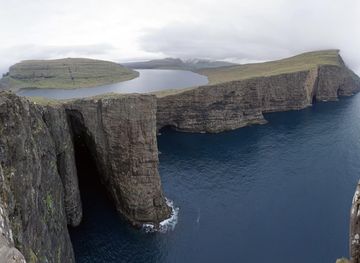
Explore more of Faroe Islands
Discover the Faroe Islands: A land of rugged beauty, rich history, and tranquil villages, perfect for nature lovers and adventurers seeking an off-the-beaten-path destination.
Explore Faroe Islands