

Free Runavík Travel Guide & Mobile App
Plan your Runavík trip with Evendo. Get free guides to top attractions, restaurants, hotels, and bars. Web access or download the mobile app.


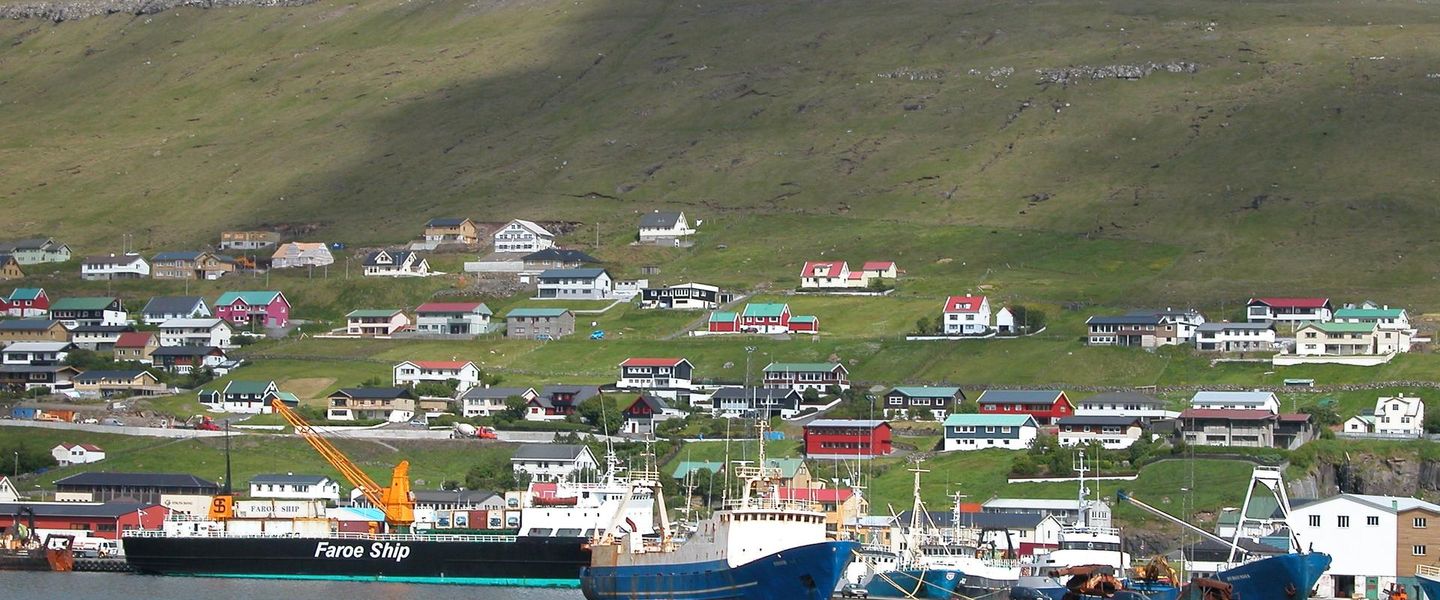


Runavík on Eysturoy pairs fjord scenery, Faroese village life, harbour walks and easy access to mountain roads, islands and North Atlantic culture.
A Harbour on Skálafjørður
Runavík lies on the eastern shore of Skálafjørður, one of the long, sheltering fjords that cut deep into Eysturoy. Rather than presenting a compact historic centre, the town forms part of a continuous ribbon of settlements along the fjord, where houses, workshops, churches and small businesses follow the shoreline and lower mountain slopes. The harbour remains central to local life, reflecting the importance of fishing, marine services and coastal commerce in the modern Faroese economy.Read more about Runavík
Villages, Mountains and Open Water
Contemporary Faroese Life
When is the best time to visit Runavík?
Best: June–August · 13–15°C| Month | High (°C) | Rainfall (mm) |
|---|---|---|
| January | 6 | 150 |
| February | 6 | 120 |
| March | 6 | 110 |
| April | 8 | 100 |
| May | 11 | 90 |
| June (best) | 13 | 80 |
| July (best) | 15 | 70 |
| August (best) | 15 | 70 |
| September | 13 | 80 |
| October | 11 | 90 |
| November | 8 | 120 |
| December | 7 | 150 |
Getting to and around Runavík
How to get there
Transportation
Best attractions in Runavík
Runavík's principal attraction is the long waterfront of Skálafjørður, where working harbour activity, boats and steep opposing slopes create a distinctly Faroese setting. The shore road leads into Saltangará and Glyvrar, forming a sequence of villages where brightly painted houses, churches and small local facilities reveal how settlement follows the fjord. Nearby Toftavatn provides an accessible change of scene, with open heath, wet ground and birdlife beneath the hills; conditions can be wild, so paths are best explored in suitable weather. The Eysturoyartunnilin is another notable experience, particularly for its underwater roundabout, an unusual piece of road engineering in the North Atlantic. Beyond the town, the roads across Eysturoy open views towards mountain ridges, narrow sounds and scattered coastal communities, making Runavík a useful starting point for landscape-focused sightseeing rather than a destination built around a dense collection of museums.
-
Nature preserve
Svartafoss Waterfall
Discover Svartafoss Waterfall near Tórshavn: a serene oasis framed by basalt columns, offering a peaceful retreat into nature's beauty.
29 min drive · 9.8 km from city centre
-
Stadium
Djúpumýra Stadium
Experience Faroese passion at Djúpumýra Stadium in Klaksvík, where football meets breathtaking scenery and community spirit.
35 min drive · 15 km from city centre
-
Tunnel
Eysturoy Tunnel
Experience the world's first underwater roundabout in the Faroe Islands' Eysturoy Tunnel, an unmissable feat of engineering and art.
23 min drive · 7.7 km from city centre
-
Nature preserve
Vistarheimið
Discover Vistarheimið: A serene nature preserve in the Faroe Islands with stunning landscapes, diverse wildlife, and tranquil hiking trails.
8 min walk · 0.6 km from city centre


Best landmarks in Runavík
Runavík's landmarks are closely tied to its working landscape and modern infrastructure. The harbour and waterfront identify the town's maritime role, with the fjord providing the broad natural setting against which its homes, quays and industrial buildings are arranged. Runavíkar Kirkja, in the urban settlement, represents the town's growth and the continuing importance of Christianity in Faroese community life. Across the connected shoreline, the churches of Glyvrar and nearby villages add older local identities to the modern coastal continuum, although each remains part of its own settlement. The Eysturoyartunnilin and its underwater roundabout form the area's most unusual contemporary landmark, showing how engineering has reshaped movement between Eysturoy and Streymoy. Together these places express a landscape where religion, fishing, village administration and ambitious transport infrastructure coexist within a narrow fjord corridor.
-
Cultural center
The Nordic House
Explore the vibrant culture of the Nordic countries at The Nordic House, a stunning cultural center in Tórshavn, Faroe Islands.
30 min drive · 10 km from city centre
-
Historical landmark
Skansin
Explore Skansin, a historical fortress in Tórshavn, Faroe Islands, where maritime history meets stunning coastal views.
32 min drive · 12 km from city centre
-
Art museum
The National Gallery of The Faroe Islands
Discover the artistic heart of the Faroe Islands at The National Gallery, showcasing local and international art in a vibrant cultural setting.
31 min drive · 11 km from city centre
-
Art museum
Tjóðsavnið (Faroe Islands National Museum)
Explore the captivating cultural and natural history of the Faroe Islands at Tjóðsavnið, the National Museum in Hoyvík.
27 min drive · 8.9 km from city centre


Explore Runavík on the map
Plan your Runavík trip on one map. See where the top attractions, landmarks, restaurants, bars and hotels are, find what's near where you're staying, and book hotels and experiences in a few clicks.
Best hotels in Runavík
Best restaurants in Runavík
Runavík's food scene reflects its fjordside setting and the practical, seafood-based traditions of the Faroe Islands. Menus may feature locally caught fish, shellfish, lamb and other ingredients shaped by the islands' cool maritime climate, while everyday cafés and bakeries provide simpler meals and coffee. Because Runavík is a small settlement, dining is concentrated in a limited number of local establishments rather than a large restaurant quarter; nearby villages may offer additional choices, particularly along the connected shore communities. Faroese cuisine often values careful treatment of excellent raw materials, including dried or fermented specialities, though these are not necessarily served everywhere. Supermarkets are useful for self-catering, especially for travellers staying in guest accommodation, and the harbour and fjord provide a fitting backdrop for meals centred on local produce.
-
Restaurant
Angus Steakhouse
Experience exceptional Faroese cuisine at Angus Steakhouse in Tórshavn - where quality meats meet warm hospitality.
31 min drive · 11 km from city centre
-
Restaurant
Áarstova
Experience authentic Faroese cuisine at Áarstova in Tórshavn – where tradition meets modernity for an unforgettable culinary journey.
31 min drive · 11 km from city centre
-
Seafood
Barbara Fish House
Experience the best of Faroese seafood at Barbara Fish House in Tórshavn – where fresh flavors meet stunning coastal views.
31 min drive · 11 km from city centre
-
Italian
Toscana
Discover Toscana: A premier Italian restaurant in Tórshavn offering exquisite seafood and steak dishes amidst an inviting atmosphere.
31 min drive · 11 km from city centre


Best bars in Runavík
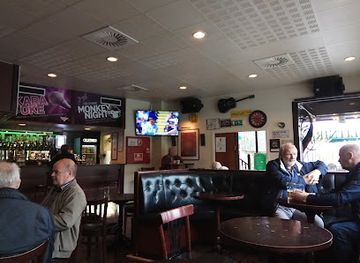
Runavík does not have a large club district or a nightlife scene comparable with Tórshavn. Evenings are generally low-key, centred on local restaurants, cafés, private social gatherings and occasional community or cultural events. The linked settlements along Skálafjørður may provide places for an informal drink, but opening patterns and entertainment options can vary, particularly outside busier periods. Faroese social life is often closely connected to music, sporting activities and local associations, so a concert, village event or cultural programme may offer a more authentic evening than a conventional nightclub. Visitors should plan transport carefully after dark, as rural buses are limited and roads through the islands can be unfamiliar in rain, wind or fog.
-
Irish pub
Irish Pub Torshavn
Discover the heart of Irish culture in Tórshavn at Irish Pub Torshavn, where great food and local charm meet.
32 min drive · 12 km from city centre
-
Bar
Sirkus Bar
Experience the vibrant nightlife of Tórshavn at Sirkus Bar, where laughter, great drinks, and a lively atmosphere await every traveler.
31 min drive · 11 km from city centre
-
Bar
Mikkeller Tórshavn
Discover the lively spirit of Mikkeller Tórshavn, a craft beer haven in the heart of the Faroe Islands, perfect for relaxation and socializing.
31 min drive · 11 km from city centre
-
Brewpub
OY Brewing
Discover the unique flavors of the Faroe Islands at OY Brewing, a charming brewpub in Tórshavn offering craft beers and delicious bar food.
30 min drive · 10 km from city centre


Best nightclubs in Runavík
Runavík does not have a large club district or a nightlife scene comparable with Tórshavn. Evenings are generally low-key, centred on local restaurants, cafés, private social gatherings and occasional community or cultural events. The linked settlements along Skálafjørður may provide places for an informal drink, but opening patterns and entertainment options can vary, particularly outside busier periods. Faroese social life is often closely connected to music, sporting activities and local associations, so a concert, village event or cultural programme may offer a more authentic evening than a conventional nightclub. Visitors should plan transport carefully after dark, as rural buses are limited and roads through the islands can be unfamiliar in rain, wind or fog.
-
Irish pub
Irish Pub Torshavn
Discover the heart of Ireland in Tórshavn at Irish Pub Torshavn, where traditional flavors and local charm come together.
32 min drive · 12 km from city centre
-
Bar
Sirkus Bar
Experience the vibrant nightlife at Sirkus Bar, Tórshavn's premier destination for drinks, music, and socializing in the heart of the Faroe Islands.
31 min drive · 11 km from city centre
-
Bar
Glitnir
Experience Tórshavn's nightlife at Glitnir, a lively bar offering local brews and a vibrant atmosphere perfect for socializing.
31 min drive · 11 km from city centre
-
Bar
Blábar
Discover the lively ambiance and unique drink offerings at Blábar, a premier bar in Tórshavn, Faroe Islands, perfect for socializing and relaxation.
31 min drive · 11 km from city centre



Best shops in Runavík
Shopping in Runavík is practical and locally focused rather than centred on a major retail district. Supermarkets and small shops serve residents and provide useful supplies for self-catering, while visitors may find Faroese food products, woollen goods and locally made handicrafts in selected shops or seasonal outlets. The surrounding villages can have small businesses and workshops, but retail opening patterns are limited compared with Tórshavn and may change outside the main season. Traditional Faroese knitwear, including wool garments associated with the islands' cold, windy climate, makes a meaningful purchase when sourced from a genuine local maker. Packaged fish, lamb products and other regional foods are also more useful souvenirs than generic items. The harbour and village roads are better suited to browsing small-scale local commerce than to a dedicated shopping excursion.
-
Knit shop
Navia (yarn)
Discover the finest yarns and a warm community spirit at Navia in Toftir, Faroe Islands - a must-visit for knitting enthusiasts.
6 min drive · 1.8 km from city centre
-
Supermarket
Á Landavegur
Discover Tórshavn's Á Landavegur: A Supermarket Offering Local and International Delicacies in the Heart of the Faroe Islands.
32 min drive · 12 km from city centre
-
State liquor store
Rúsdrekkasøla Landsins - Saltangará
Explore local brews and spirits at Rúsdrekkasøla Landsins, the premier liquor store in Saltangará, showcasing the flavors of the Faroe Islands.
6 min walk · 0.4 km from city centre
-
Grocery store
Á-Handil
Explore the flavors of the Faroe Islands at Á-Handil, a charming grocery store in Glyvrar offering local delicacies and international products.
7 min drive · 2.3 km from city centre


Get your free copy of our complete guide to Runavík, delivered straight to you.
Everything on this page, from attractions and restaurants to essentials and local phrases, in one PDF you can read offline, print or share.
Already have an account? Sign in
Your Runavík guide is ready.
We'll send it to · Not you? Sign out

Getting your guide ready…
We are putting together a fresh copy of the Runavík guide. This can take up to a minute.
This can take a few moments. If your browser asks, choose Allow so the download can start. You'll find the guide in your Downloads folder.
Nothing happened? Download it again
Sorry, the guide is taking longer than usual. Please try again in a minute, or get it by email instead.
Runavík essentials
Currency and Payment
Safety
Emergency Situations
Do's and Don'ts
Local Tips
From Eve
Local phrases worth knowing
You don't need to get them perfect. A few words go a long way, and locals appreciate the effort.
Basics
| English | Local | Say it |
|---|---|---|
| Hello | Halló | [ha-lou] |
| Goodbye | Farvæl | [far-vail] |
| Yes | Ja | [ya] |
| No | Nei | [nay] |
| Please/You're welcome | Vinarliga | [vee-nar-li-ga] |
| Thank you | Takk fyri | [tak feer-ee] |
| Excuse me/Sorry | Fyrirgef mær | [feer-ir-gef mire] |
| How are you? | Hvussu gongur tú? | [koo-so gon-gur too] |
| Fine. And you? | Gott. Og tú? | [got og too] |
| Do you speak English? | Talar tú enskt? | [ta-lar too enskt] |
| I don't understand | Eg skilji ikki | [yeh shil-yi ee-kee] |
Eating & Drinking
| English | Local | Say it |
|---|---|---|
| I'd like to see the menu, please | Eg vil síggja menyuna, vænta | [yeh vil see-ja men-yu-na, vainta] |
| I don't eat meat | Eg eti ikki kjøt | [yeh eh-tee ee-kee shuht] |
| Cheers! | Skál! | [skowl] |
| I would like to pay, please | Eg vil gjalda, vænta | [yeh vil gyal-da, vainta] |
Emergencies
| English | Local | Say it |
|---|---|---|
| Help! | Hjálp! | [hyawlp] |
| Go away! | Far út! | [far owt] |
| Call the Police! | Ringi løgregluna! | [ring-ee lo-gre-gluna] |
| Call a doctor! | Ringi ein læknara! | [ring-ee iyn ley-knara] |
| I'm lost | Eg er týstur | [yeh air teest-ur] |
| I'm ill | Eg er sjúk(ur) | [yeh air shooch(ur)] |
Shopping
| English | Local | Say it |
|---|---|---|
| I'd like to buy... | Eg vil keypa... | [yeh vil kee-pa] |
| I'm just looking | Eg leiti bert | [yeh ley-tee bert] |
| How much is it? | Hvat kostar tað? | [kvaht kos-tar thah] |
| That's too expensive | Tað er ov dýrt | [thah air ov deert] |
| Can you lower the price? | Kanstu lætta prísin? | [kan-stu ley-ta pree-sin] |
Time & Numbers
| English | Local | Say it |
|---|---|---|
| What time is it? | Hvat er klukkan? | [kvaht air kluk-kan] |
| It's one o'clock | Tað er eitt | [thah air aytt] |
| Half past (10) | Hálvgildi (10) | [howl-vil-dee (tayn)] |
| Morning | Morgun | [mor-gun] |
| Afternoon | Ettermiðdagur | [et-ter-mith-tha-gur] |
| Evening | Kvøld | [kvul] |
| Yesterday | Í gjár | [ee jawr] |
| Today | Í dag | [ee dah] |
| Tomorrow | Í morgin | [ee mor-gin] |
| 1 | Eitt | [aytt] |
| 2 | Tvær | [tvar] |
| 3 | Tríggir | [tree-gir] |
| 4 | Fýra | [feer-a] |
| 5 | Fimm | [fim] |
| 6 | Seks | [seks] |
| 7 | Seyður | [sey-ur] |
| 8 | Átta | [owt-ta] |
| 9 | Niður | [nee-thur] |
| 10 | Tíggju | [tee-gyu] |
Transport & Directions
| English | Local | Say it |
|---|---|---|
| Where's a/the...? | Hvar er ein/den...? | [kvar air iyn/den] |
| What's the address? | Hvat er adressan? | [kvaht air ah-dress-an] |
| Can you show me (on the map)? | Kanstu vísa meg (á kortinum)? | [kan-stu vee-sa may (owr kort-ee-num)] |
| When's the next (bus)? | Nær kemur næsta (buss)? | [nair keh-mur nys-ta (bus)] |
| A ticket (to ....) | Ein miði (til ....) | [iyn mee-dee (til)] |
History of Runavík
Settlement Around the Fjord
The communities around Skálafjørður belong to the older settlement pattern of the Faroe Islands, in which farms and fishing villages occupied narrow strips of habitable land between the sea and steep uplands. Runavík itself is a comparatively modern settlement within this older coastal landscape. Its position on Eysturoy's eastern shore connected it with neighbouring villages such as Glyvrar, Saltangará and Søldarfjørður, where farming, seafaring and local exchange shaped community life for generations. The fjord was not merely scenery: it provided a sheltered route for boats and a dependable source of food, while the surrounding mountains supplied grazing land and seasonal resources.
The Rise of a Modern Harbour
Runavík expanded particularly during the twentieth century as improved boats, fishing methods and harbour facilities changed the economic geography of the fjord. A settlement that had once been small and dispersed developed stronger commercial and administrative functions, serving maritime activity on the eastern side of Eysturoy. Fishing brought employment and investment, while roads and communications linked the fjord communities more closely with the rest of the island. The resulting townscape remains practical rather than monumental, with quays, industrial buildings, homes and public facilities reflecting the importance of the sea to modern Faroese prosperity.
Churches and Community Identity
Religious and communal life developed through the separate village communities along Skálafjørður, each retaining its own local identity despite increasing urban continuity. Churches in Runavík and the surrounding settlements remain important visual and social landmarks, while older village traditions continue through language, seasonal gatherings and close family networks. The modern Runavík church belongs to the period when population growth and new housing made additional local facilities necessary. Together, the churches and village buildings illustrate how Faroese society adapted its historic settlement pattern without abandoning the distinctions between neighbouring communities.
Municipal Cooperation on Eysturoy
Runavík's development is also tied to the wider municipality, which brings several settlements and extensive rural landscapes under one local administration. This arrangement reflects the practical need to manage roads, schools, harbours and public services across a scattered population. As the coastal settlements grew together, the boundaries between them became less obvious to visitors, although local people continue to distinguish their home villages. The surrounding landscape, including Toftavatn and the mountains above the fjord, remains closely connected to the town's history of grazing, travel and outdoor use.
The Eysturoyartunnilin Era
The opening of the Eysturoyartunnilin in 2020 marked a major change in Runavík's accessibility. The subsea road tunnel links Eysturoy with Streymoy beneath the sound between the islands and includes a distinctive underwater roundabout. For Runavík, the project shortened the road connection with Tórshavn and altered travel patterns across the Faroese road network. It also placed the town within a more integrated regional transport system, while its harbour, fjord setting and dispersed village character continued to reflect the older history of life around Skálafjørður.
Runavík in Photos
Browse through our photo collection highlighting the charm and character of the destination.
Cities near Runavík
The closest cities to Runavík, if you have time for more than one stop.
-
-
-

-

-


Swipe for more cities
Explore more
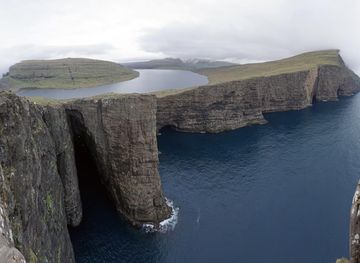
Explore more of Faroe Islands
Discover the Faroe Islands: A land of rugged beauty, rich history, and tranquil villages, perfect for nature lovers and adventurers seeking an off-the-beaten-path destination.
Explore Faroe Islands