

Free Tórshavn Travel Guide & Mobile App
Plan your Tórshavn trip with Evendo. Get free guides to top attractions, restaurants, hotels, and bars. Web access or download the mobile app.


Tórshavn pairs Viking-era Tinganes, Atlantic harbour views and Faroese cuisine with museums, music and dramatic island scenery for memorable Nordic sightseeing.
A Harbour Shaped by the North Atlantic
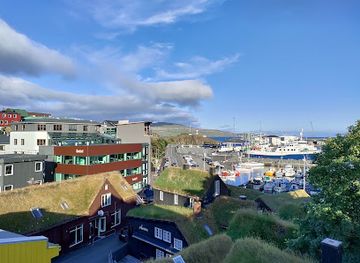
Tórshavn, the capital of the Faroe Islands, occupies a sheltered position on the south-eastern coast of Streymoy, where steep hills descend towards a busy harbour and the islands open into the North Atlantic. The city is compact enough to explore on foot, yet its streets reveal several distinct moods: the weathered timber buildings of Tinganes, the administrative centre around Vaglið, the modern waterfront and residential slopes climbing towards Húsareyn.Read more about Tórshavn
Old Town and Living Heritage
Island Culture in a Capital City
When is the best time to visit Tórshavn?
Best: June–August · 13–15°C| Month | High (°C) | Rainfall (mm) |
|---|---|---|
| January | 5 | 150 |
| February | 5 | 120 |
| March | 5 | 100 |
| April | 8 | 70 |
| May | 11 | 60 |
| June (best) | 13 | 40 |
| July (best) | 15 | 40 |
| August (best) | 15 | 60 |
| September | 13 | 80 |
| October | 11 | 100 |
| November | 9 | 120 |
| December | 6 | 150 |
Getting to and around Tórshavn
How to get there
Transportation
Best attractions in Tórshavn
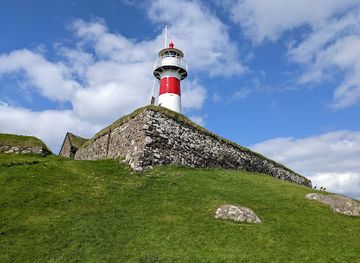
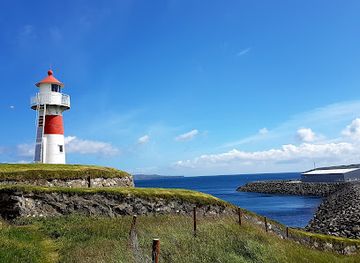
Tórshavn's principal sights are concentrated within an easily walkable area, beginning with Tinganes, where black-tarred wooden houses and red doors line narrow lanes beside the harbour. The old harbour leads towards Vágur and the small fortress of Skansin, whose elevated position gives views across the water. Faroese art is presented at the National Gallery of the Faroe Islands, set beside a wooded park, while the National Museum introduces the islands' archaeology, natural history and cultural traditions. The Nordic House, designed as a Nordic cultural centre, offers exhibitions, performances and architecture that contrast with the old town. Central streets around Vaglið reveal the capital's civic life, cafés and shops, and the harbour remains a lively point of reference for island travel. Nearby viewpoints and the hills above Tórshavn add a sharper sense of the surrounding landscape, where sea, grass-covered slopes and changing cloud are central to the experience.
-
Nature preserve
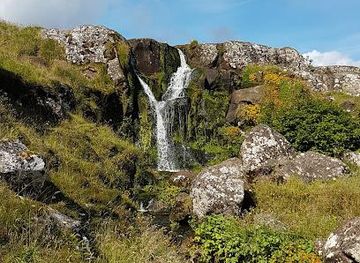
Svartafoss Waterfall
Discover the serene beauty of Svartafoss Waterfall near Tórshavn, a peaceful escape into nature's embrace in the Faroe Islands.
6 min drive · 1.9 km from city centre
-
Tourist attraction
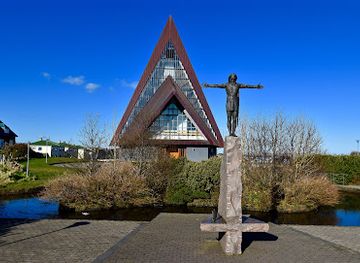
Vesturkirkjan
Discover Vesturkirkjan in Tórshavn: A modern architectural marvel and serene sanctuary, reflecting the Faroe Islands' unique spirit and culture.
9 min walk · 0.7 km from city centre
-
Tunnel
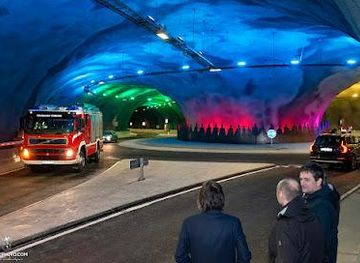
Eysturoy Tunnel
Experience the world's first underwater roundabout in the Faroe Islands' Eysturoy Tunnel, connecting islands with art and efficiency.
12 min drive · 4.1 km from city centre
-
Kirkjubøur
Explore Kirkjubøur, the Faroe Islands' historical heart: discover Viking roots, medieval ruins, and ancient traditions in this charming village.
19 min drive · 6.4 km from city centre

Best landmarks in Tórshavn
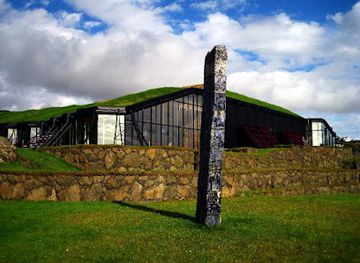
Tinganes is Tórshavn's defining historic landmark: its clustered timber buildings mark the site of the Faroese parliament and preserve the appearance of a former administrative and trading quarter. The red-and-white Tórshavn Cathedral, whose present building dates from the nineteenth century, stands near the old town and remains an important place of worship. On a promontory beside the harbour, Skansin began as a fortification and later formed part of the town's coastal defences; its position gives it continuing strategic and scenic significance. Vaglið, the civic square, connects the historic centre with the institutions of the capital, while the Nordic House represents a later architectural and cultural chapter. The National Gallery's grass-roofed building, surrounded by Viðarlundin, also expresses how contemporary Faroese design engages with the islands' landscape.
-
Cultural center
The Nordic House
Explore the rich culture of the Faroe Islands at The Nordic House, a cultural center and tourist attraction in Tórshavn offering art, music, and local cuisine.
5 min drive · 1.5 km from city centre
-
Historical landmark
Skansin
Discover the rich maritime history and stunning views at Skansin, Tórshavn's iconic historical landmark in the Faroe Islands.
6 min walk · 0.5 km from city centre
-
Scandinavian
Katrina Christiansen
Experience authentic Faroese cuisine at Katrina Christiansen, a premier Scandinavian restaurant in Tórshavn, offering local flavors and a warm atmosphere.
1 min walk · 0.1 km from city centre
-
Restaurant
Áarstova
Discover the authentic flavors of the Faroe Islands at Áarstova, where local ingredients meet traditional cuisine in a cozy Tórshavn setting.
1 min walk · 0.1 km from city centre
Explore Tórshavn on the map
Plan your Tórshavn trip on one map. See where the top attractions, landmarks, restaurants, bars and hotels are, find what's near where you're staying, and book hotels and experiences in a few clicks.
Best hotels in Tórshavn
Best restaurants in Tórshavn
Tórshavn is the Faroe Islands' main dining centre, with menus shaped by cold North Atlantic waters, sheep farming, seabirds, seaweed and a short growing season. Fresh cod, salmon, haddock and langoustine appear alongside lamb, potatoes, root vegetables and locally gathered ingredients. Traditional Faroese food may include ræst meat or fish, matured through controlled fermentation, and skerpikjøt, wind-dried mutton; these flavours are often introduced carefully in contemporary restaurants. The central streets and harbour area contain the broadest choice of restaurants, cafés and bakeries, ranging from informal meals to ambitious tasting menus influenced by Nordic cooking. Coffee culture is important, and bakeries provide practical stops between visits to museums and the old town. Reservations may be sensible for sought-after dining, while visitors should expect menus and opening patterns to reflect the capital's small population and the islands' seasonal supply.
-
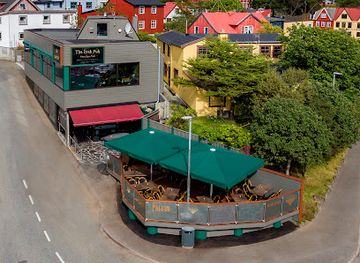
Irish pub
Irish Pub Torshavn
Discover genuine Irish cuisine and vibrant culture at Tórshavn's beloved Irish Pub, where every visit feels like home.
2 min walk · 0.2 km from city centre
-
Sushi
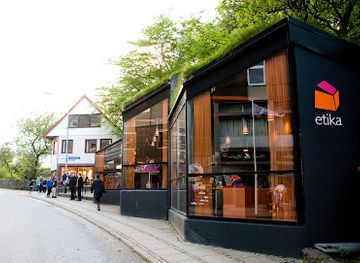
etika Sushi
Discover the taste of Japan at Etika Sushi in Tórshavn—where fresh ingredients meet exquisite craftsmanship.
1 min walk · 0.1 km from city centre
-
Scandinavian
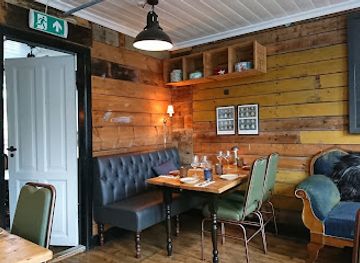
Katrina Christiansen
Experience authentic Scandinavian cuisine at Katrina Christiansen in Tórshavn – where local ingredients meet culinary excellence.
1 min walk · 0.1 km from city centre
-
Restaurant
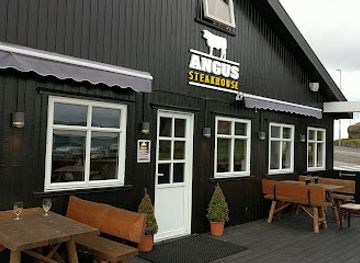
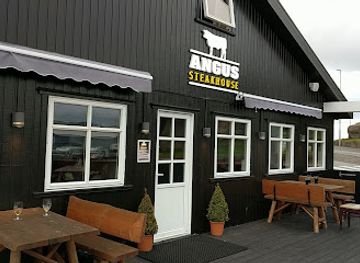
Angus Steakhouse
Discover the rich flavors of Angus Steakhouse in Tórshavn - where exceptional steaks meet Faroese hospitality.
5 min walk · 0.4 km from city centre
Best bars in Tórshavn
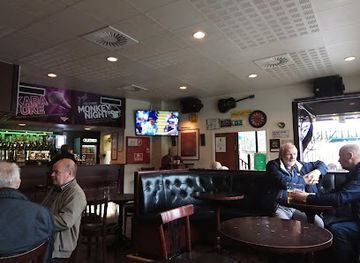
Tórshavn has a compact, sociable nightlife rather than a large club circuit, with evening activity concentrated around the central streets, harbour and a small number of established pubs and music venues. Faroese bands and singers are important to the local cultural scene, and live music, cultural events and festivals can make the town feel considerably busier than its size suggests. Traditional-style pubs provide an informal setting for conversation, while bars offer beer from Faroese and Danish breweries, spirits and occasional cocktails. The Nordic House and other cultural institutions contribute concerts, performances and exhibitions after dark. Nightlife generally follows local community rhythms, with quieter weekdays and more activity at weekends or during festival periods; exact opening arrangements and event programmes vary, so checking current local information is advisable.
-
Irish pub
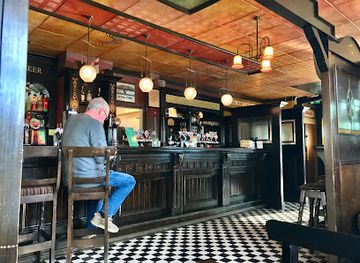
Irish Pub Torshavn
Discover the heart of Torshavn at the Irish Pub, where local flavors meet classic Irish charm in a vibrant atmosphere.
2 min walk · 0.2 km from city centre
-
Scandinavian
Katrina Christiansen
Experience the authentic taste of the Faroe Islands at Katrina Christiansen, where tradition meets modern Scandinavian cuisine in Tórshavn.
1 min walk · 0.1 km from city centre
-
Restaurant
Angus Steakhouse
Discover the finest steaks and Faroese cuisine at Angus Steakhouse in Tórshavn, where every meal is a celebration of flavor.
5 min walk · 0.4 km from city centre
-
Restaurant
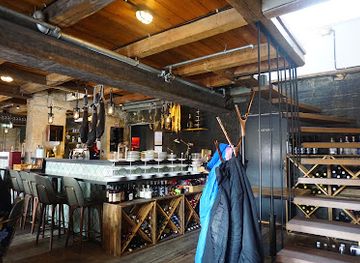
THE TARV Grillhouse
Experience the best of Faroese cuisine at THE TARV Grillhouse in Tórshavn, where fresh ingredients meet culinary excellence.
1 min walk · 0.1 km from city centre

Best nightclubs in Tórshavn
Tórshavn has a compact, sociable nightlife rather than a large club circuit, with evening activity concentrated around the central streets, harbour and a small number of established pubs and music venues. Faroese bands and singers are important to the local cultural scene, and live music, cultural events and festivals can make the town feel considerably busier than its size suggests. Traditional-style pubs provide an informal setting for conversation, while bars offer beer from Faroese and Danish breweries, spirits and occasional cocktails. The Nordic House and other cultural institutions contribute concerts, performances and exhibitions after dark. Nightlife generally follows local community rhythms, with quieter weekdays and more activity at weekends or during festival periods; exact opening arrangements and event programmes vary, so checking current local information is advisable.
-
Irish pub
Irish Pub Torshavn
Discover Irish culture in Tórshavn at Irish Pub Tórshavn, where traditional dishes and lively entertainment create an unforgettable experience.
2 min walk · 0.2 km from city centre
-
Bar
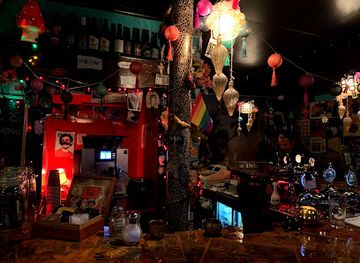
Sirkus Bar
Discover Sirkus Bar, a lively nightlife destination in Tórshavn, offering a vibrant atmosphere and a taste of Faroese culture.
1 min walk · 0.1 km from city centre
-
Bar
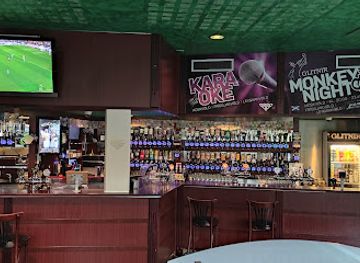
Glitnir
Experience the vibrant nightlife of Tórshavn at Glitnir, where local drinks and a lively atmosphere come together for unforgettable evenings.
2 min walk · 0.2 km from city centre
-
Bar
Tórshøll
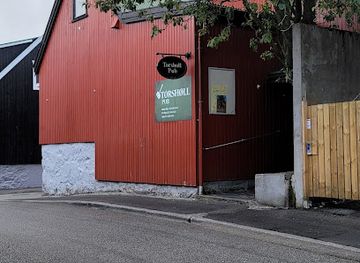
Experience the vibrant nightlife of Tórshavn at Tórshøll, a lively bar known for its friendly atmosphere and extensive drink selection.
2 min walk · 0.2 km from city centre
Best shops in Tórshavn
Shopping in Tórshavn is centred on the compact streets around the harbour and Vaglið, with independent shops, cafés, specialist retailers and the larger SMS shopping centre providing a mixture of local and international goods. Faroese wool is the most characteristic purchase, appearing in knitted jumpers, hats and other garments suited to the islands' climate. Visitors can also find handmade textiles, ceramics, design objects, books, music and food products such as dried or preserved fish, though availability varies between shops and seasons. The central area is easy to browse on foot, while the town's shops reflect a practical local market more than a luxury retail district. Craft and design purchases are particularly meaningful when bought from makers or businesses that explain their Faroese materials, patterns and production.
-
Shopping mall
SMS, Tórshavn
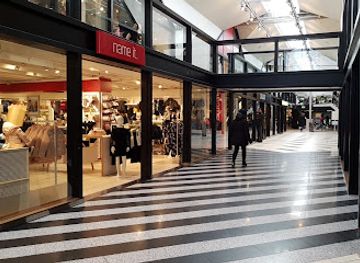
Explore SMS in Tórshavn: Your ultimate shopping destination in the breathtaking Faroe Islands, offering a unique blend of local and international brands.
7 min walk · 0.5 km from city centre
-
Gift shop
H. N. Jacobsens Bókahandil
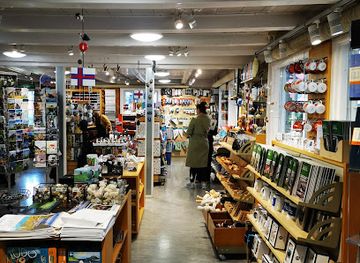
Explore H. N. Jacobsens Bókahandil in Tórshavn for unique gifts, local literature, and authentic Faroese souvenirs that capture the spirit of the islands.
1 min walk · 0.1 km from city centre
-
Grocery store
Á
Experience the taste of the Faroe Islands at Á, your go-to grocery store in Tórshavn for local produce and international delights.
4 min walk · 0.3 km from city centre
-
Grocery store
Á Handil
Explore the best of local and international flavors at Á Handil, Tórshavn's premier grocery destination.
5 min drive · 1.5 km from city centre
Get your free copy of our complete guide to Tórshavn, delivered straight to you.
Everything on this page, from attractions and restaurants to essentials and local phrases, in one PDF you can read offline, print or share.
Already have an account? Sign in
Your Tórshavn guide is ready.
We'll send it to · Not you? Sign out

Getting your guide ready…
We are putting together a fresh copy of the Tórshavn guide. This can take up to a minute.
This can take a few moments. If your browser asks, choose Allow so the download can start. You'll find the guide in your Downloads folder.
Nothing happened? Download it again
Sorry, the guide is taking longer than usual. Please try again in a minute, or get it by email instead.
Tórshavn essentials
Currency and Payment
Safety
Emergency Situations
Do's and Don'ts
Local Tips
From Eve
Local phrases worth knowing
You don't need to get them perfect. A few words go a long way, and locals appreciate the effort.
Basics
| English | Local | Say it |
|---|---|---|
| Hello | Hallo | [ha-lo] |
| Goodbye | Farvæl | [far-væl] |
| Yes | Ja | [ya] |
| No | Nei | [ney] |
| Please/You're welcome | Vænligst/Ílíka | [væn-lyst/ee-lee-ka] |
| Thank you | Takk fyri | [tak fur-ee] |
| Excuse me/Sorry | Fyrirgev | [fyr-ir-gev] |
| How are you? | Hvussu hevur tú tað? | [khoos-soo he-vur too tah] |
| Fine. And you? | Gott. Og tú? | [got og too] |
| Do you speak English? | Talar tú enskt? | [ta-lar too en-skt] |
| I don't understand | Eg skilji ikki | [eg shil-yi ik-ki] |
Eating & Drinking
| English | Local | Say it |
|---|---|---|
| I'd like to see the menu, please | Eg vil síggja matseðilin, vænligst | [eg vil see-ya mat-se-thil-in væn-lyst] |
| I don't eat meat | Eg eta ikki kjøt | [eg eta ik-ki chøt] |
| Cheers! | Skál! | [skowl] |
| I would like to pay, please | Eg vil gjalda, vænligst | [eg vil gyal-da væn-lyst] |
Emergencies
| English | Local | Say it |
|---|---|---|
| Help! | Hjálp! | [hyowlp] |
| Go away! | Far burtur! | [far bur-tur] |
| Call the Police! | Ring politið! | [ring po-li-th] |
| Call a doctor! | Ring lækninum! | [ring læk-ni-num] |
| I'm lost | Eg er týstur | [eg er tœ-y-stur] |
| I'm ill | Eg er sjúkur | [eg er shoo-kur] |
Shopping
| English | Local | Say it |
|---|---|---|
| I'd like to buy... | Eg vil keypa... | [eg vil key-pa] |
| I'm just looking | Eg er bara at taka eftir | [eg er bara at tah-ka ef-tir] |
| How much is it? | Hvat kostar tað? | [khat koh-star tah] |
| That's too expensive | Tað er ov dýrt | [tah er ov deert] |
| Can you lower the price? | Kanstu løgva prísin? | [kan-stu lœ-gva pree-sin] |
Time & Numbers
| English | Local | Say it |
|---|---|---|
| What time is it? | Hvat er klokkan? | [khat er kloh-kan] |
| It's one o'clock | Tað er eitt | [tah er eyt] |
| Half past (10) | Hálvgjørt (10) | [hawl-vyœrt (10)] |
| Morning | Morgun | [mor-gun] |
| Afternoon | Eftirmíddagur | [ef-tir-mee-tha-gur] |
| Evening | Kvøld | [kœ-ld] |
| Yesterday | Í gjár | [ee g-yar] |
| Today | Í dag | [ee dah] |
| Tomorrow | Í morgin | [ee mor-gin] |
| 1 | Eitt | [eyt] |
| 2 | Tvø | [tvyœ] |
| 3 | Trý | [try] |
| 4 | Fýra | [fy-ra] |
| 5 | Fimm | [fim] |
| 6 | Sex | [sœx] |
| 7 | Sjey | [shay] |
| 8 | Ott | [ot] |
| 9 | Ni | [nee] |
| 10 | Tíggju | [tee-gyu] |
Transport & Directions
| English | Local | Say it |
|---|---|---|
| Where's a/the...? | Hvar er ein/het... | [kvar er eyn/het] |
| What's the address? | Hvat er adressan? | [khat er a-dress-an] |
| Can you show me (on the map)? | Kanstu vísa mær (á kortinum)? | [kan-stu vee-sa mair (ow kort-in-um)] |
| When's the next (bus)? | Nær kemur næsti (bussurin)? | [nair ke-mur nes-tee (bus-sur-in)] |
| A ticket (to ....) | Ein miði (til ....) | [eyn mee-thee (til)] |
History of Tórshavn
Norse Settlement and the Ting
The settlement that became Tórshavn developed within the Norse world of the North Atlantic, whose settlers reached the Faroe Islands during the Viking Age. Its name refers to Þórshǫfn, or Thor's harbour, and reflects the importance of seafaring and Norse cultural traditions. Tinganes, the rocky peninsula beside the harbour, is associated with the Faroese ting, the island assembly that met there from the medieval period. Although the surviving buildings are much later than the earliest assemblies, the location preserves the political geography of the town: a harbour-side meeting place where law, commerce and community affairs converged. The compact historic quarter still expresses the close relationship between maritime access and public life that defined the settlement's early development.
Norwegian Rule and Medieval Christianity
During the Middle Ages, the Faroe Islands became part of the Norwegian kingdom and were incorporated into the wider Christian and administrative networks of the North Atlantic. Christianity was introduced in the early eleventh century, and the islands were later attached to the Diocese of the Faroes, whose ecclesiastical centre was at Kirkjubøur rather than Tórshavn. Tórshavn nevertheless grew in importance because of its harbour and assembly site. After the crowns of Norway and Denmark were united, political authority over the islands gradually became more closely connected with Denmark. The medieval period established the institutional and religious framework that later shaped the capital, even though the town remained relatively small and scattered for centuries.
Trade Monopoly and a Growing Harbour
From 1271, trade with the Faroe Islands was regulated through a royal monopoly, first under the Norwegian crown and later under Danish authority. The system restricted overseas commerce and concentrated much of the islands' permitted trade in designated locations, strengthening Tórshavn's role as a harbour and commercial centre. Merchants, officials and warehouses gathered around the waterfront, while fishing, sheep farming and the export of wool and other products sustained the wider economy. The old buildings of Tinganes largely date from later centuries, but their narrow passages and timber construction reflect this long history of storage, administration and trade. The monopoly was abolished in 1856, allowing more open commerce and helping the town develop beyond its earlier official and mercantile functions.
Municipal Town and Modern Institutions
Tórshavn's transformation into a more recognisable modern town accelerated during the nineteenth and early twentieth centuries, as the end of the trade monopoly encouraged commercial activity and new public institutions. Roads, quays, schools and permanent civic buildings expanded the settlement beyond Tinganes and the older harbour. Faroese cultural and political movements also gathered strength during this period, promoting the language and a stronger sense of national identity within the Danish realm. The capital became the principal location for administration, education and commerce, while improvements in communications connected it more closely with the other islands. This gradual urban growth explains the contrast between the intimate historic peninsula and the broader streets, public buildings and residential neighbourhoods surrounding it.
The Second World War and British Occupation
When Denmark was occupied by Germany in 1940, Britain occupied the Faroe Islands to prevent their strategic North Atlantic position from being used by the Axis powers. The period brought British troops, wartime construction and increased activity around Tórshavn's harbour, while Faroese institutions continued to manage many domestic affairs. The occupation affected transport, supplies and everyday life, and the military presence left traces in the islands' infrastructure and memories. It also strengthened the practical experience of Faroese self-administration during a period when communication with Denmark was disrupted. The wartime years therefore form an important bridge between the older Danish administrative order and the post-war political settlement that followed.
Home Rule and Contemporary Tórshavn
In 1948, the Home Rule Act established the Faroe Islands as a self-governing community within the Kingdom of Denmark, with Tórshavn as its political centre. The arrangement gave Faroese authorities responsibility for many internal matters while leaving areas such as defence and foreign policy with Denmark. After the war, the capital expanded through new housing, educational institutions, cultural venues, roads and harbour facilities. The Nordic House, the National Gallery and other institutions reflect the ambition to support Faroese cultural expression in a modern setting. Today Tórshavn combines the functions of a national capital with those of a small island town, and its political buildings, museums and old harbour remain closely connected to the language, traditions and autonomy debates of Faroese society.
Tórshavn in Photos
Browse through our photo collection highlighting the charm and character of the destination.
Cities near Tórshavn
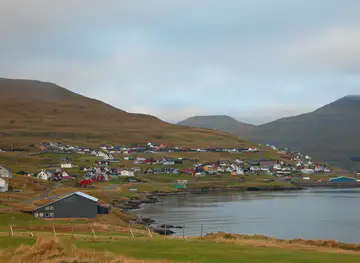
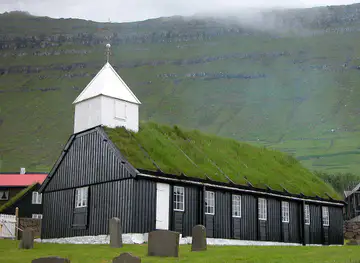
The closest cities to Tórshavn, if you have time for more than one stop.
-

-

-

-
-


Swipe for more cities
Explore more
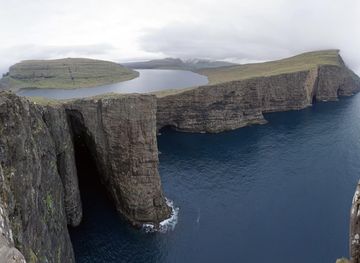
Explore more of Faroe Islands
Discover the Faroe Islands: A land of rugged beauty, rich history, and tranquil villages, perfect for nature lovers and adventurers seeking an off-the-beaten-path destination.
Explore Faroe Islands