

Free Central Finland Travel Guide & Mobile App
Explore Central Finland with free travel guides. Discover regional history, expert tips, proposed trips, and audio guides on web or mobile app.


Central Finland combines Jyväskylä’s Aalto architecture with lake districts, national parks, saunas and year-round outdoor journeys.
Read more about Central Finland
When is the best time to visit Central Finland?
Best: June–August · 21–23°C| Month | High (°C) | Rainfall (mm) |
|---|---|---|
| January | -3 | 35 |
| February | -2 | 30 |
| March | 2 | 30 |
| April | 8 | 35 |
| May | 17 | 40 |
| June (best) | 22 | 50 |
| July (best) | 23 | 65 |
| August (best) | 21 | 60 |
| September | 15 | 50 |
| October | 10 | 50 |
| November | 3 | 45 |
| December | -1 | 40 |
Getting to and around Central Finland
How to get there
Transportation
Top city travel guides in Central Finland
The cities of Central Finland, and the easiest places to base yourself.
-

-

-
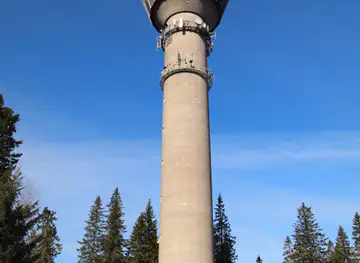


Swipe for more cities
Destinations in Central Finland
Resorts, valleys and scenic spots worth a trip of their own.

Swipe for more destinations
Best attractions in Central Finland
Central Finland’s attractions combine architecture, forest landscapes and lake-based recreation. Jyväskylä is the principal cultural centre, with the Aalto2 Museum Centre, university buildings associated with Alvar Aalto and museums covering regional life, crafts and nature. Nearby Säynätsalo adds a major example of Aalto’s civic architecture. Petäjävesi Old Church offers a more intimate historical experience, while the Museum of Central Finland and smaller local museums provide context for farming, forestry and industrial communities. Leivonmäki National Park has trails through pine forest, mire and lake scenery, and Pyhä-Häkki National Park protects ancient trees and quiet walking routes. Päijänne National Park, reached from the southern lake district, is suited to boating, paddling and island exploration. Around Jämsä, Himos brings skiing and other outdoor activities across the seasons, while the lakes of Keitele, Päijänne and the Jyväskylä area support fishing, swimming, canoeing and cottage holidays. The attraction landscape is spread widely, so journeys between towns are part of the experience rather than a minor detail.
-
Indoor swimming pool
AaltoAlvari - Swimming Hall by Alvar Aalto
Experience the architectural brilliance of Alvar Aalto while enjoying a refreshing swim in this iconic Jyväskylä swimming hall.
-
Restaurant
Restaurant Ilokivi
A Jyväskylä student tradition serving affordable Finnish lunches in a vibrant, Alvar Aalto-designed social hub since 1964.
-
Restaurant
Restaurant Piato
Enjoy diverse flavors and a cozy atmosphere at Restaurant Piato in Jyväskylä's Mattilanniemi, perfect for breakfast, lunch, or a coffee break.
-
Tourist attraction
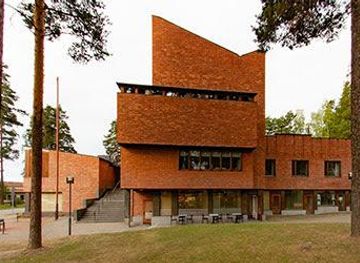
Säynätsalo Town Hall by Alvar Aalto
Discover Alvar Aalto's architectural masterpiece: Säynätsalo Town Hall, a blend of Finnish tradition and Renaissance humanism.


Best landmarks in Central Finland
Petäjävesi Old Church is Central Finland’s most internationally recognised historic landmark. Built of timber in the eighteenth century, it preserves the form and craftsmanship of a rural Lutheran church and stands as a UNESCO World Heritage Site. In Jyväskylä, the University of Jyväskylä campus on Seminaarinmäki forms one of Finland’s important architectural ensembles, while Säynätsalo Town Hall presents Alvar Aalto’s interpretation of a small civic centre in brick, timber and landscaped space. The red-brick former Workers’ Club in central Jyväskylä is another significant Aalto building. Natural landmarks are equally important: the long waters of Lake Päijänne shape the southern part of the region, while the forests and wetlands of Leivonmäki and Pyhä-Häkki reveal different aspects of the inland landscape. Saraakallio’s prehistoric rock paintings near Laukaa connect the modern lake district with human activity thousands of years old. Together, these places show why Central Finland is defined as much by its relationship with landscape as by individual monuments.
-
National park
Leivonmäki National Park
Explore the serene beauty of Leivonmäki National Park, a natural paradise in Finland with scenic trails and diverse wildlife for every nature lover.
-
National park
Etelä-Konnevesi National Park
Explore the enchanting beauty of Etelä-Konnevesi National Park, where pristine lakes and lush forests await every nature lover's adventure.
-
National park
Pyhä-Häkki National Park
Experience the serene beauty and rich biodiversity of Pyhä-Häkki National Park, a hidden gem in Finland perfect for nature lovers and adventure seekers.
-
Resort hotel
Laajis - Urban Outdoors
Explore Laajis, the ultimate urban outdoor adventure destination in Jyväskylä, offering skiing, disc golf, and family-friendly fun.


Explore Central Finland on the map
Plan your trip on one map. See where the top cities, national parks and sights are, and book hotels and experiences in a few clicks.
Best hotels in Central Finland
Best restaurants in Central Finland
Dining in Central Finland draws on the Finnish lake-and-forest pantry: perch and other freshwater fish, rye bread, potatoes, berries, mushrooms and locally produced dairy appear in home-style cooking and contemporary menus. Jyväskylä has the region’s broadest choice of restaurants, cafés, bakeries and international food, while smaller towns often centre their food culture on cafés, traditional restaurants, hotel dining rooms and pubs. Lakeside establishments may focus on fish, seasonal produce and simple summer meals, although opening arrangements vary outside the main season. Market stalls and farm shops are useful for berry preserves, breads, smoked products and other regional provisions. Visitors may also encounter Finnish specialities such as kalakukko or Karelian pastries, which belong to wider national and eastern Finnish traditions rather than exclusively to Central Finland. In the countryside, a coffee break with a cinnamon bun or rye-based baking is often as characteristic as a formal meal.
-
 Restaurant
Scandic Jyväskylä Station
Discover comfort and culinary delights at Scandic Jyväskylä Station - your gateway to exploring Finland's vibrant heart.
-
Restaurant
Neste
Discover Neste in Jämsä: Your one-stop destination for dining, shopping, and vehicle care on your travels through Finland.
-
Restaurant
Viking Restaurant Harald
Experience authentic Finnish and Swedish cuisine at Viking Restaurant Harald in Jyväskylä - where every meal is a taste of Viking heritage.
-
Restaurant
Container Restaurant Morton Jyväskylä
Discover the vibrant flavors of Jyväskylä at Container Restaurant Morton – where gourmet burgers meet exceptional coffee in a cozy setting.


Best bars in Central Finland
Jyväskylä has the region’s most developed evening scene, supported by its university population and concentration of restaurants, bars, live-music spaces and late-opening venues. The centre provides opportunities for craft beer, cocktails, Finnish spirits and casual socialising, while cultural events and performances add alternatives to clubbing. In Jämsä and other larger towns, evening life is more compact and often linked to restaurants, hotel bars, dance events or seasonal activity around Himos. Smaller communities generally rely on traditional pubs, cafés, local events and occasional live music rather than a large nightclub circuit. Summer brings more activity around lake resorts and outdoor venues, whereas winter evenings often centre on saunas, restaurants and ski-area hospitality. Check current arrangements locally, particularly outside Jyväskylä and beyond the main holiday periods.
-
Pub
Harry's
Discover the vibrant atmosphere of Harry's in Jyväskylä, offering a diverse drink selection and delicious food for a memorable night out.
-
Restaurant
Scandic Jyväskylä Station
Experience the comfort of Scandic Jyväskylä Station, where modern amenities meet Finnish hospitality in the heart of Jyväskylä.
-
Bar
Hotel Verso
Experience modern comfort and local charm at Hotel Verso, a stylish bar and breakfast restaurant in the heart of Jyväskylä, Finland.
-
Pub
Kitty's Public House
Experience the lively atmosphere and delicious offerings at Kitty's Public House, a top pub destination in the heart of Helsinki.


Best nightclubs in Central Finland
Jyväskylä has the region’s most developed evening scene, supported by its university population and concentration of restaurants, bars, live-music spaces and late-opening venues. The centre provides opportunities for craft beer, cocktails, Finnish spirits and casual socialising, while cultural events and performances add alternatives to clubbing. In Jämsä and other larger towns, evening life is more compact and often linked to restaurants, hotel bars, dance events or seasonal activity around Himos. Smaller communities generally rely on traditional pubs, cafés, local events and occasional live music rather than a large nightclub circuit. Summer brings more activity around lake resorts and outdoor venues, whereas winter evenings often centre on saunas, restaurants and ski-area hospitality. Check current arrangements locally, particularly outside Jyväskylä and beyond the main holiday periods.
-
Night club
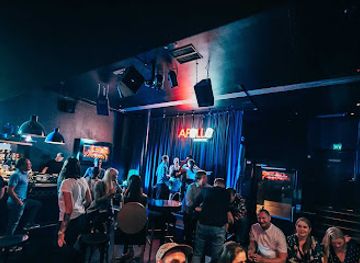
Apollo Live Club
Discover the lively atmosphere of Apollo Live Club, where music, comedy, and a vibrant nightlife await in the heart of Helsinki.
-
Hotel
Scandic Jyväskylä Station
Discover modern comfort and local charm at Scandic Jyväskylä Station, your perfect base for exploring Jyväskylä's cultural treasures.
-
Hotel
Scandic Jyväskylä City
Discover the heart of Jyväskylä while enjoying modern comforts at Scandic Jyväskylä City, the ideal hotel for travelers seeking relaxation and convenience.
-
Disco club
Freetime
Experience the electrifying nightlife at Freetime, Jyväskylä's top disco club with karaoke and rock music vibes.

Best shops in Central Finland
Jyväskylä offers the widest range of shopping in Central Finland, from the pedestrian centre and department stores to independent design, book, clothing and gift shops. Its museums and galleries are useful places to look for Finnish design and architecture-related publications, while local markets and food shops provide berries, preserves, rye products, fish and seasonal produce. In smaller towns such as Jämsä, Keuruu, Laukaa and Saarijärvi, shopping is more closely tied to everyday high-street services, antiques, craft outlets, farm shops and occasional market trading. Rural destinations may have limited opening days, so plan purchases rather than expecting a continuous retail area. Practical souvenirs include Finnish glass or textile design, woodcraft, woollen goods, locally made foods and nature-themed products. Sámi crafts and symbols should not be presented as Central Finnish products; instead, look for goods whose maker and regional origin are clearly identified.
-
Store
Hobby Hall
Discover a world of creativity and craftsmanship at Hobby Hall, your ultimate shopping destination for hobby supplies and unique gifts.
-
Hypermarket
Prisma Keljo Jyväskylä
Explore Prisma Keljo Jyväskylä, a vibrant hypermarket with a rich selection of local products, groceries, and more, open daily for your convenience.
-
Shopping mall
Forum
Discover the vibrant Forum Shopping Mall in Jyväskylä, a hub of shopping, dining, and entertainment perfect for tourists and locals alike.
-
Grocery store
Groceries
Discover Lidl in Jyväskylä - your one-stop grocery store for fresh produce, local favorites, and international treats at great prices.


Get your free copy of our complete guide to Central Finland, delivered straight to you.
Everything on this page, from attractions and restaurants to essentials and local phrases, in one PDF you can read offline, print or share.
Already have an account? Sign in
Your Central Finland guide is ready.
We'll send it to · Not you? Sign out

Getting your guide ready…
We are putting together a fresh copy of the Central Finland guide. This can take up to a minute.
This can take a few moments. If your browser asks, choose Allow so the download can start. You'll find the guide in your Downloads folder.
Nothing happened? Download it again
Sorry, the guide is taking longer than usual. Please try again in a minute, or get it by email instead.
Central Finland essentials
Currency and Payment
Safety
Emergency Situations
Do's and Don'ts
Local Tips
From Eve
Local phrases worth knowing
You don't need to get them perfect. A few words go a long way, and locals appreciate the effort.
Basics
| English | Local | Say it |
|---|---|---|
| Hello | Hei | [hay] |
| Goodbye | Näkemiin | [nah-keh-meen] |
| Yes | Kyllä | [kue-lah] |
| No | Ei | [ay] |
| Please/You're welcome | Ole hyvä | [oh-leh hy-vah] |
| Thank you | Kiitos | [kee-tos] |
| Excuse me/Sorry | Anteeksi | [an-tehk-see] |
| How are you? | Miten voit? | [mee-ten voyt] |
| Fine. And you? | Hyvin. Entä sinä? | [hoo-vin. en-tah see-nah] |
| Do you speak English? | Puhutko englantia? | [poo-hoot-koh eng-lan-tee-ah] |
| I don't understand | En ymmärrä | [en oom-mah-rah] |
Eating & Drinking
| English | Local | Say it |
|---|---|---|
| I'd like to see the menu, please | Haluaisin nähdä ruokalistan, kiitos | [ha-lu-ais-in nah-dah roo-kah-lees-tan, kee-tos] |
| I don't eat meat | En syö lihaa | [en syu-oh lee-hah] |
| Cheers! | Kippis! | [kip-pis] |
| I would like to pay, please | Haluaisin maksaa, kiitos | [ha-lu-ais-in mak-saa, kee-tos] |
Emergencies
| English | Local | Say it |
|---|---|---|
| Help! | Apu! | [ah-poo] |
| Go away! | Mene pois! | [meh-neh poiss] |
| Call the Police! | Soita poliisi! | [soi-tah poh-lee-see] |
| Call a doctor! | Soita lääkäri! | [soi-tah laa-ka-ree] |
| I'm lost | Olen eksynyt | [oh-len eks-uh-nut] |
| I'm ill | Olen sairas | [oh-len sai-ras] |
Shopping
| English | Local | Say it |
|---|---|---|
| I'd like to buy... | Haluaisin ostaa... | [ha-lu-ais-in os-tah] |
| I'm just looking | Olen vain katsomassa | [oh-len vain kat-so-mah-sah] |
| How much is it? | Kuinka paljon se maksaa? | [kwee-nkah pal-yon seh mak-saa] |
| That's too expensive | Se on liian kallis | [seh on lee-an kal-lis] |
| Can you lower the price? | Voitko laskea hintaa? | [voit-koh las-keh-ah hin-tah] |
Time & Numbers
| English | Local | Say it |
|---|---|---|
| What time is it? | Mitä kello on? | [mee-tah kel-loh on] |
| It's one o'clock | Kello on yksi | [kel-loh on yook-see] |
| Half past (10) | Puoli yli kymmenen | [poo-lee yue-lee ky-men-en] |
| Morning | Aamu | [ah-moo] |
| Afternoon | Iltapäivä | [eel-tah-pie-vah] |
| Evening | Ilta | [eel-tah] |
| Yesterday | Eilen | [ay-len] |
| Today | Tänään | [tah-nahn] |
| Tomorrow | Huomenna | [hoo-men-nah] |
| 1 | Yksi | [yook-see] |
| 2 | Kaksi | [kak-see] |
| 3 | Kolme | [kol-meh] |
| 4 | Neljä | [nel-yah] |
| 5 | Viisi | [vee-see] |
| 6 | Kuusi | [koo-see] |
| 7 | Seitsemän | [sate-mahn] |
| 8 | Kahdeksan | [kah-deksan] |
| 9 | Yhdeksän | [yuh-deksan] |
| 10 | Kymmenen | [kyu-men-en] |
Transport & Directions
| English | Local | Say it |
|---|---|---|
| Where's a/the...? | Missä on...? | [mis-sah on] |
| What's the address? | Mikä on osoite? | [mee-kah on o-soo-teh] |
| Can you show me (on the map)? | Voitko näyttää minulle (kartalla)? | [voit-koh nay-tah min-ool-leh (kar-tahl-lah)] |
| When's the next (bus)? | Milloin seuraava (bussi)? | [mil-loin sey-ra-vah (boos-see)] |
| A ticket (to ....) | Lippu (....) | [lip-poo] |
History of Central Finland
Prehistoric lake-country settlement
Central Finland has been inhabited since the retreat of the glacial ice, with early communities following waterways, forests and seasonal hunting grounds. Rock paintings at Saraakallio in Laukaa, overlooking Lake Leppävesi, are among the most important prehistoric sites in the region. Their images, created thousands of years ago, include boats, animals and human figures, offering evidence of symbolic culture and the significance of the lake routes. The archaeological record is necessarily fragmentary, but it shows that Central Finland’s waterways were routes of movement and communication long before permanent towns developed.
Medieval borderland and settlement
During the medieval period, Central Finland lay between the cultural and administrative spheres associated with western Finland and eastern Finland. Settlement expanded gradually along lakes and river valleys, while hunting, fishing and slash-and-burn cultivation shaped the economy. The region did not develop a large medieval city, but churches, farms and parish communities created enduring local centres. Connections to Häme, Savonia and the Gulf of Bothnia helped bring people, trade and administrative influence into the interior.
Parish churches and agrarian communities
From the sixteenth to the eighteenth centuries, agriculture and forestry became more firmly established, although fishing, hunting and seasonal work remained important. Wooden churches served as religious and social centres in scattered communities. Petäjävesi Old Church, built in the 1760s and preserved with much of its original form, is an exceptional example of the Scandinavian Lutheran wooden church tradition. Its location and construction reflect the practical realities of a dispersed population travelling by lake and winter road.
Jyväskylä and the nineteenth-century transport era
Jyväskylä was founded as a town in 1837, becoming an administrative, educational and commercial centre for the inland region. Its development accelerated in the nineteenth century as steam navigation, improved roads and railway connections linked Central Finland with southern Finland and the wider country. The establishment of schools and other institutions gave Jyväskylä an importance beyond its size, while timber, agriculture and lake transport supported the growing regional economy.
Industrialisation and the forest economy
The forests and waterways of Central Finland became the foundation of modern industry. Sawmills, pulp and paper production, engineering and timber transport expanded particularly from the late nineteenth century onwards. Industrial communities grew around railways, mills and lakeside shipping, including in Äänekoski, Jämsä and areas around Jyväskylä. Hydroelectric development and continued investment in forestry transformed the relationship between the region’s natural resources and its towns, an influence still visible in the local economy and landscape.
Alvar Aalto and modern regional identity
Alvar Aalto’s connection with Jyväskylä helped give Central Finland an international architectural profile. His work in the city includes educational buildings, civic architecture and Säynätsalo Town Hall, where red brick, carefully framed landscape and human-scale public spaces are combined. The region’s Aalto heritage is not confined to one monument: it forms a sequence of buildings and ideas linked to education, democracy and modern Finnish identity. Contemporary cultural institutions continue to interpret this architectural legacy.
Post-war reconstruction and the contemporary region
After the Second World War, Central Finland experienced rapid housing construction, industrial expansion and the growth of higher education. Jyväskylä became an important university and service centre, while smaller towns adapted to changes in forestry, manufacturing and agriculture. Improved roads made the lake district more accessible to domestic visitors, and cottages, outdoor recreation and winter sports became central to the regional tourism economy. Today, Central Finland combines a strong forest and engineering base with education, design, nature tourism and lake-oriented leisure.
Central Finland in Photos
Browse through our photo collection highlighting the charm and character of the destination.
Neighbouring regions of Central Finland
The closest regions to Central Finland, if you have time for more than one.
-
-

-

-

-


Swipe for more regions
Explore more

Explore more of Finland
Explore Finland, where the Midnight Sun meets the Northern Lights, offering a unique blend of natural beauty, rich culture, and unforgettable experiences.
Explore Finland