Wolf Cave Travel Guide
Free Guide: Explore Finland's prehistoric past at the Wolf Cave in Karijoki, a site potentially inhabited by Neanderthals over 100,000 years ago.


A brief summary of Wolf Cave
Explore Finland's prehistoric past at the Wolf Cave in Karijoki, a site potentially inhabited by Neanderthals over 100,000 years ago.
The Wolf Cave (Susiluola) in Karijoki is a significant archaeological site, potentially the only location in the Nordic countries with Neanderthal artifacts dating back 120,000-130,000 years. While access inside the cave is restricted for safety, a nearby information center and a scenic walking trail offer insights into the area's intriguing past.
Opening hours
- Every day12:01 pm–12:42 pm, 2:45 pm–10:27 pm
Opening hours as listed on the venue’s Google Business Profile. Hours can change for services and special events, so check with the venue before you go.
- Address
- Varggrottsvägen, 64350 Karijoki
- Website
Getting there
Car
Public Transport
Discover more about Wolf Cave
Overview
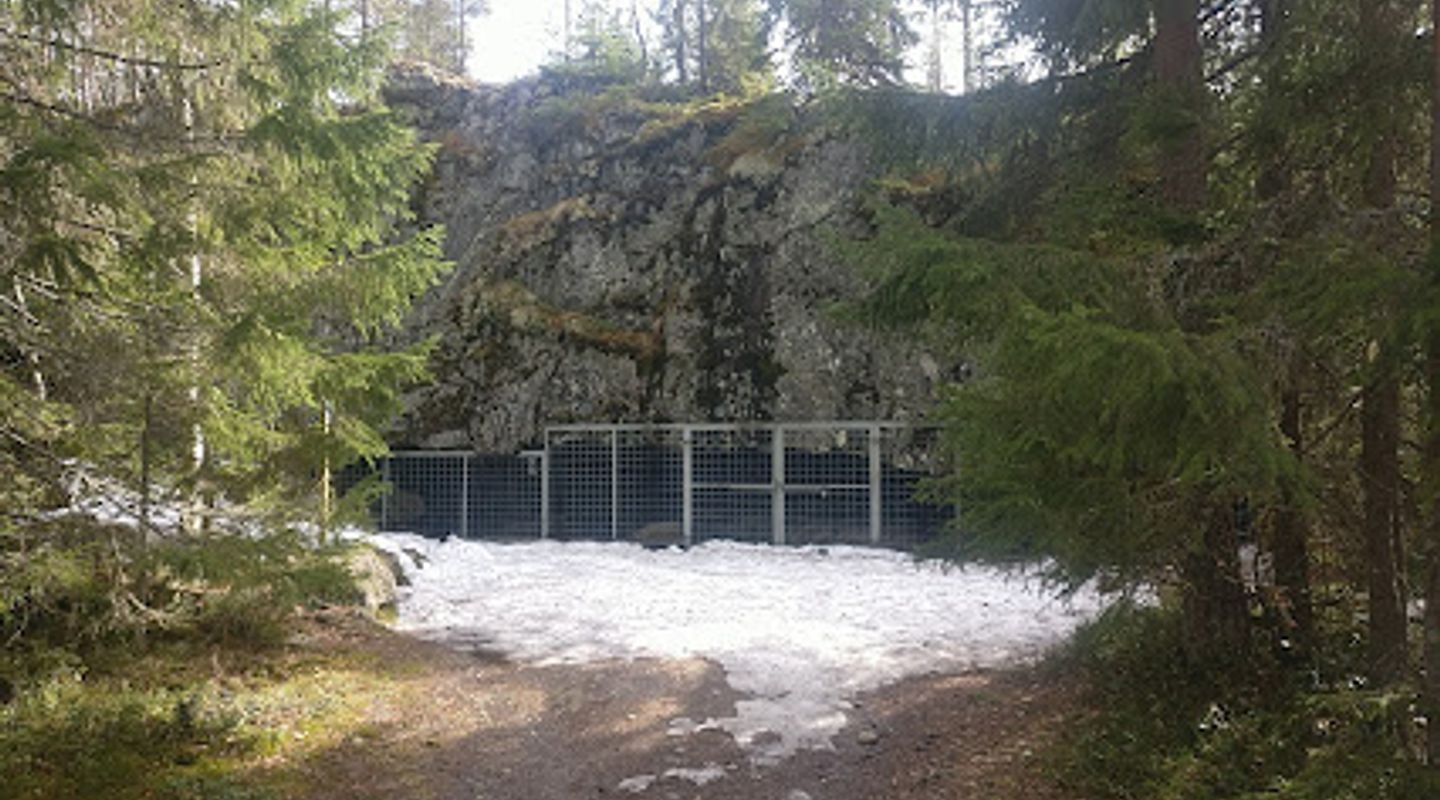
Nestled in the Pyhävuori mountain near Karijoki, the Wolf Cave, or Susiluola, is a geological fissure holding secrets from the Paleolithic era. The cave's name originates from local hunters who chased a wolf and its cubs into it in the late 1800s. More recently, the cave gained prominence in 1996 when artifacts were discovered, suggesting possible Neanderthal habitation dating back 120,000 to 130,000 years ago. If verified, these would be the only Neanderthal artifacts found in the Nordic countries, potentially rewriting the history of the region.The cave itself is not particularly large, measuring approximately 30 meters deep, 25 meters wide, and just over two meters high. It was formed by erosion over millions of years, with sediment layers accumulating during interglacial periods. Due to research work and the risk of falling rocks, direct access into the Wolf Cave is prohibited. However, visitors can still experience the site by peering through the opening.A visit to the Wolf Cave typically begins at the Wolf Cave Information Centre in Karijoki. The center features exhibitions about the cave, its geology, archaeology, and the history of the region, including an audiovisual presentation. From the Information Centre, a 1 km walking trail leads through the surrounding nature to the cave. Along the path, you'll encounter a stone park, a Bronze Age grave, and a field of stone, offering a glimpse into the area's long history. The trail and surrounding terrain showcase signs of the Ice Age, adding to the unique atmosphere of the site.
Evendo Review Centre
 Google
Guest reviews
Explore Wolf Cave on the map
A handpicked selection of must-see spots near Wolf Cave, mapped for you.
Get your free copy of our complete guide to Wolf Cave, delivered straight to you.
Everything on this page, from opening hours and how to get there to Eve’s tips and the best time to go, in one PDF you can read offline, print or share.
Already have an account? Sign in
Your Wolf Cave guide is ready.
We'll send it to · Not you? Sign out

Getting your guide ready…
We are putting together a fresh copy of the Wolf Cave guide. This can take up to a minute.
This can take a few moments. If your browser asks, choose Allow so the download can start. You'll find the guide in your Downloads folder.
Nothing happened? Download it again
Sorry, the guide is taking longer than usual. Please try again in a minute, or get it by email instead.
Other nearby places you may find interesting
The closest places of the same kind, if this one is not quite what you had in mind.
-
-
-
-
-


Swipe for more places
More to explore near Wolf Cave

 Best experiences near Wolf Cave
 Best hotels near Wolf Cave
 Best landmarks near Wolf Cave
 Best attractions near Wolf Cave
 Best shops near Wolf Cave
 Best restaurants near Wolf Cave
 Best bars near Wolf Cave
Do you manage this location?
Take control to get all the benefits, like improved information, better appearance, and stronger visibility across AI-powered discovery.
Explore more

Explore more of Ostrobothnia
Discover the coastal charm and cultural richness of Ostrobothnia in Finland, a region known for its stunning archipelago, historic wooden towns, and delectable local cuisine.
Explore Ostrobothnia
Explore more of Finland
Explore Finland, where the Midnight Sun meets the Northern Lights, offering a unique blend of natural beauty, rich culture, and unforgettable experiences.
Explore Finland