

Free Clearwater Travel Guide & Mobile App
Plan your Clearwater trip with Evendo. Get free guides to top attractions, restaurants, hotels, and bars. Web access or download the mobile app.


Clearwater, Florida pairs sugar-white Gulf beaches with sunset celebrations, marine life, historic districts and relaxed coastal culture for memorable sightseeing.
Gulf Coast Setting
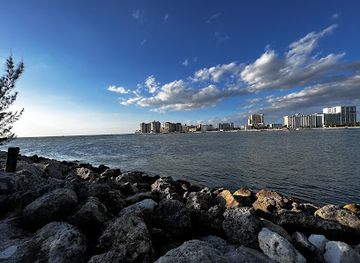
Clearwater occupies a slender stretch of Florida’s Pinellas County, facing the warm, shallow waters of the Gulf of Mexico. Its best-known shoreline, Clearwater Beach, combines broad white sand with calm swimming water, a busy promenade and the long views that make the coast particularly appealing at sunset. The beach resort atmosphere is concentrated around the waterfront, while mainland Clearwater has a more varied rhythm of residential neighbourhoods, civic spaces, parks and cultural venues.Read more about Clearwater
Beach Life and Marine Encounters
City and Community
When is the best time to visit Clearwater?
Best: March–April, November · 24–27°C| Month | High (°C) | Rainfall (mm) |
|---|---|---|
| January | 21 | 58 |
| February | 22 | 66 |
| March (best) | 24 | 74 |
| April (best) | 27 | 58 |
| May | 30 | 81 |
| June | 32 | 165 |
| July | 32 | 178 |
| August | 32 | 191 |
| September | 31 | 165 |
| October | 28 | 97 |
| November (best) | 24 | 74 |
| December | 21 | 58 |
Getting to and around Clearwater
How to get there
Transportation
Best attractions in Clearwater
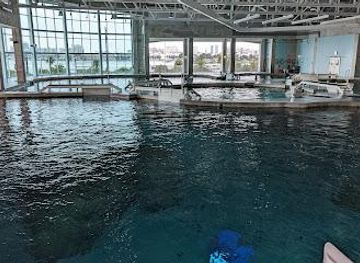
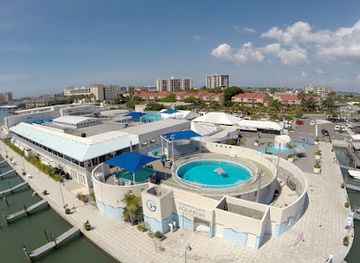
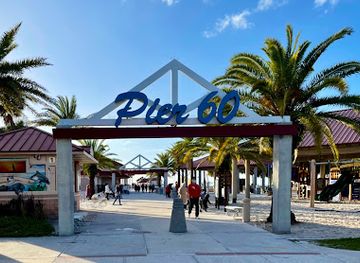
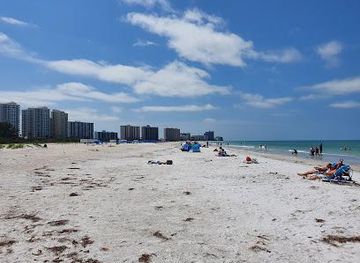
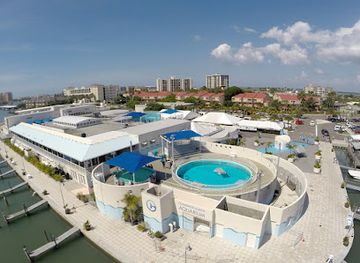
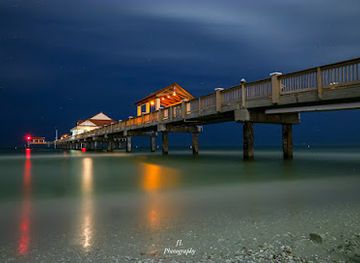
Clearwater Beach is the city’s principal sightseeing draw, with a broad Gulf shoreline, soft sand and a lively waterfront around Pier 60. The pier is both a fishing spot and the setting for the Sunset at Pier 60 gatherings, when street performers and craft sellers add an informal evening atmosphere. Clearwater Marine Aquarium offers a closer look at rescued marine animals and conservation work, with its history linked to the dolphins Winter and Hope. On the mainland, Coachman Park provides open waterfront space and a setting for events, while Ruth Eckerd Hall brings touring music, theatre and dance to the city. Nature lovers can explore Moccasin Lake Nature Park’s wooded trails and wildlife habitats or head to Sand Key Park, just south of the main beach district, for a less urban stretch of coast. Together these places show Clearwater beyond its postcard shoreline, combining marine education, public parks, entertainment and outdoor recreation.
-
Aquarium
Clearwater Marine Aquarium
Explore the Clearwater Marine Aquarium, where marine conservation meets unforgettable animal encounters in the heart of Clearwater, Florida.
15 min drive · 4.9 km from city centre
-
Aquarium
Clearwater Marine Aquarium
Explore the Clearwater Marine Aquarium, an inspiring marine life rescue and conservation center in Clearwater Beach, Florida, perfect for families and nature lovers alike.
15 min drive · 4.9 km from city centre
-
Tourist attraction
Pier 60 Park
Experience the vibrant atmosphere and breathtaking sunsets at Pier 60 Park, Clearwater Beach's premier destination for fun and relaxation.
18 min drive · 5.9 km from city centre
-
Tourist attraction
Sand Key Park
Experience the breathtaking beauty and recreational charm of Sand Key Park, a premier destination for beach lovers and nature enthusiasts in Clearwater, Florida.
19 min drive · 6.3 km from city centre
Best landmarks in Clearwater
Pier 60 is Clearwater’s most recognisable waterfront structure, extending into the Gulf from the main beach and symbolising the city’s close relationship with fishing, sunsets and tourism. The nearby beach promenade and broad sands form a human-scaled coastal landmark rather than a single historic monument. On the mainland, the Capitol Theatre in downtown Clearwater is a significant surviving cultural building, associated with the city’s civic and entertainment history, while the newer Coachman Park waterfront has become an important public gathering place. Clearwater Marine Aquarium is a modern landmark of the city’s conservation identity, known for publicising marine rescue and rehabilitation. Ruth Eckerd Hall, set near the waterfront, represents Clearwater’s investment in professional performing arts. Together, these sites trace the city’s transformation from a harbour community into a contemporary Gulf destination whose most meaningful landmarks are linked as much to public life and marine culture as to grand architecture.
-
Aquarium
Clearwater Marine Aquarium
Discover the inspiring rescue stories and marine life wonders at Clearwater Marine Aquarium, a unique conservation-focused tourist attraction in Clearwater Beach.
15 min drive · 4.9 km from city centre
-
Park
Pier 60 Park
Discover the beauty and vibrancy of Pier 60 Park in Clearwater Beach – a perfect blend of recreation, relaxation, and stunning sunset views.
18 min drive · 5.9 km from city centre
-
Park
Sand Key Park
Explore the serene beauty of Sand Key Park, a coastal paradise offering pristine beaches, lush landscapes, and endless outdoor activities for all ages.
19 min drive · 6.3 km from city centre
-
Beach pavillion
Clearwater Beach-Clearwater
Discover Clearwater Beach: A stunning coastal haven with pristine sands, vibrant activities, and unforgettable sunsets on Florida's Gulf Coast.
18 min drive · 6.0 km from city centre
Explore Clearwater on the map
Plan your Clearwater trip on one map. See where the top attractions, landmarks, restaurants, bars and hotels are, find what's near where you're staying, and book hotels and experiences in a few clicks.
Best hotels in Clearwater
Best restaurants in Clearwater
Clearwater’s dining scene is shaped by the Gulf, with seafood restaurants and casual beach cafés serving dishes based on grouper, shrimp, oysters, crab and locally familiar preparations. The grouper sandwich is a regional favourite, while menus often reflect a broader Floridian mix of Caribbean, Southern and Latin American influences. Clearwater Beach concentrates relaxed waterfront dining, ice-cream shops and informal places suited to a day in swimwear and sandals, whereas downtown Clearwater and the Cleveland Street area offer cafés, bars and more varied evening restaurants. Seafood markets and independent eateries provide alternatives to resort dining, and Cuban-influenced cooking found across the Tampa Bay region adds savoury sandwiches, roast pork and strong coffee to the local food landscape. Menus change with season and catch, so the most characteristic meals are often simple, fresh and closely tied to the coast rather than elaborate fine dining.
-
Seafood
Frenchy's Rockaway Grill
Savor fresh seafood and tropical cocktails at Frenchy's Rockaway Grill on Clearwater Beach—where dining meets stunning ocean views.
18 min drive · 5.9 km from city centre
-
Seafood
Palm Pavilion Beachside Grill & Bar
Experience fresh seafood and breathtaking views at Palm Pavilion Beachside Grill & Bar on Clearwater Beach.
18 min drive · 5.9 km from city centre
-
Restaurant
Rumba Island Bar & Grill
Experience the vibrant flavors of Caribbean-inspired New American cuisine at Rumba Island Bar & Grill in Clearwater.
7 min drive · 2.2 km from city centre
-
Grill
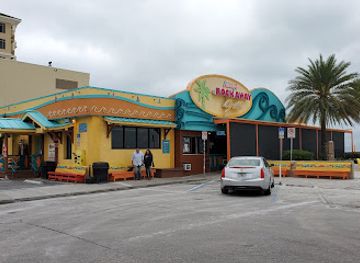
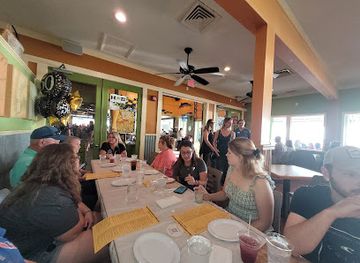
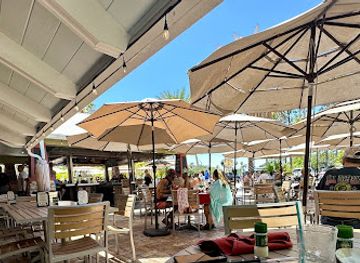
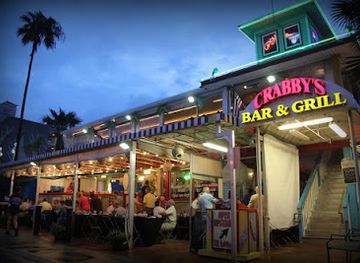
Crabby's Bar & Grill Clearwater
Experience vibrant coastal dining at Crabby's Bar & Grill in Clearwater Beach – where fresh seafood meets lively entertainment.
18 min drive · 6.1 km from city centre
Best bars in Clearwater
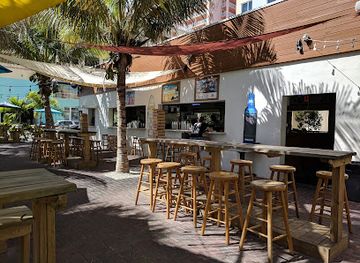
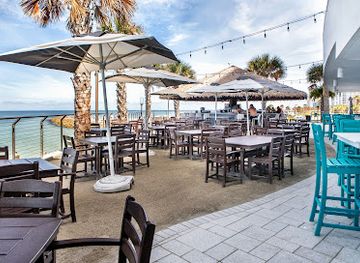
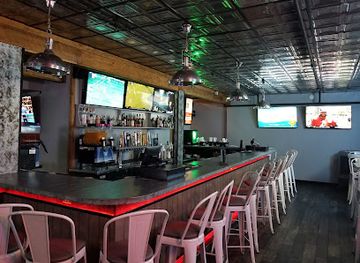
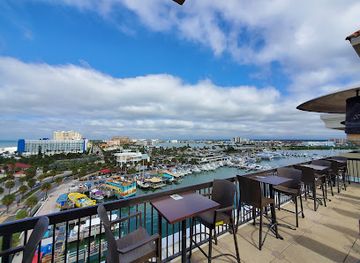
Clearwater’s nightlife is strongest around Clearwater Beach, where waterfront bars, casual pubs and hotel venues remain active after sunset without matching the scale of a major clubbing city. Pier 60 is central to the evening atmosphere, with its sunset gatherings and open-air entertainment creating a family-friendly transition from beach day to night. Live music is found in beach venues and selected mainland establishments, while Cleveland Street and downtown Clearwater provide a more local setting for drinks and evening socialising. Ruth Eckerd Hall offers a substantial alternative to bar culture, presenting concerts, comedy, theatre and other performances. The city generally favours relaxed coastal evenings, dining and live entertainment over late-night mega-clubs, and visitors should check current arrangements for individual venues rather than assuming that every beach business operates late.
-
Grill
Coco's Crush Bar Original
Discover the vibrant atmosphere and delicious grilled delights at Coco's Crush Bar Original, your beachfront dining destination in Clearwater Beach.
18 min drive · 6.0 km from city centre
-
Grill
Sandbar
Experience the vibrant tiki bar atmosphere and delicious grill offerings at Sandbar, the perfect beachside retreat in Clearwater Beach.
19 min drive · 6.2 km from city centre
-
Bar
Hogan's Hangout
Experience the vibrant atmosphere and delicious cuisine of Hogan's Hangout, Clearwater's premier beachside bar and grill.
17 min drive · 5.8 km from city centre
-
Bar
Jimmy's Crows Nest
Discover the lively rooftop oasis of Jimmy's Crows Nest, where stunning views meet refreshing cocktails and delectable cuisine in Clearwater Beach.
18 min drive · 5.9 km from city centre
Best nightclubs in Clearwater
Clearwater’s nightlife is strongest around Clearwater Beach, where waterfront bars, casual pubs and hotel venues remain active after sunset without matching the scale of a major clubbing city. Pier 60 is central to the evening atmosphere, with its sunset gatherings and open-air entertainment creating a family-friendly transition from beach day to night. Live music is found in beach venues and selected mainland establishments, while Cleveland Street and downtown Clearwater provide a more local setting for drinks and evening socialising. Ruth Eckerd Hall offers a substantial alternative to bar culture, presenting concerts, comedy, theatre and other performances. The city generally favours relaxed coastal evenings, dining and live entertainment over late-night mega-clubs, and visitors should check current arrangements for individual venues rather than assuming that every beach business operates late.
-
Bar
Monkey Bar of Clearwater inc.
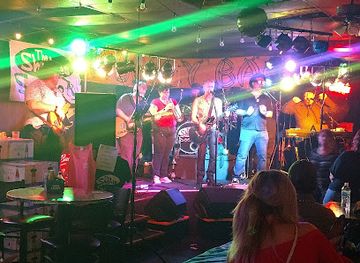
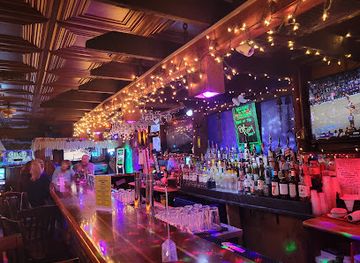
Experience the vibrant nightlife at Monkey Bar of Clearwater, where affordable drinks and live music create the perfect party atmosphere for tourists.
7 min drive · 2.3 km from city centre
-
Bar
The Shipwreck
Experience the vibrant atmosphere of The Shipwreck, Clearwater Beach's top bar and restaurant, perfect for delicious food and lively entertainment.
17 min drive · 5.8 km from city centre
-
Pub
Sunset Lounge
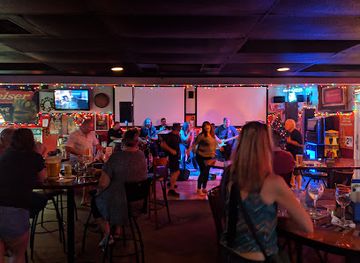
Experience the lively atmosphere of Sunset Lounge, Clearwater's go-to pub for affordable drinks, live music, and unforgettable nights.
11 min drive · 3.8 km from city centre
-
Adult entertainment club
KINGS Gentlemen's Club
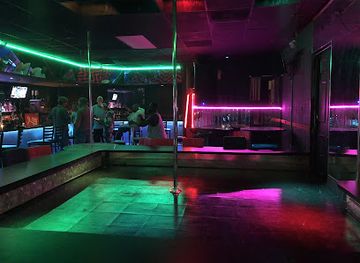
Experience the vibrant nightlife at KINGS Gentlemen's Club, Clearwater's premier adult entertainment venue with captivating performances and top-notch service.
13 min drive · 4.2 km from city centre
Best shops in Clearwater
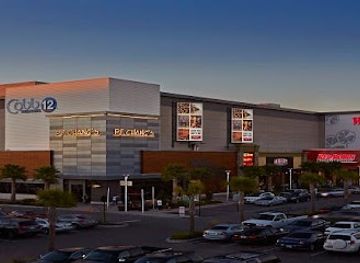
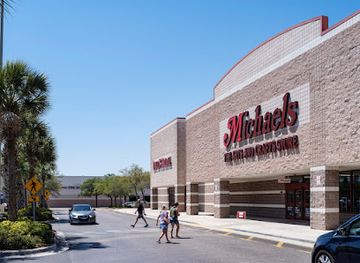
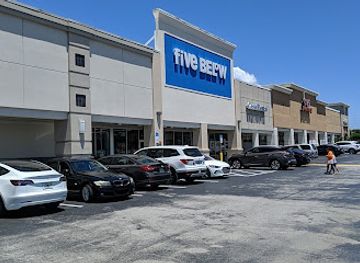
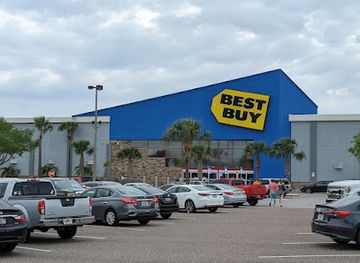
Shopping in Clearwater divides between beach-oriented retail, mainland commercial centres and smaller independent businesses. Mandalay Avenue and the streets around Clearwater Beach contain souvenir shops, beachwear retailers, gift stores and casual boutiques, while the Beach Walk area focuses on visitor-friendly shopping close to the sand. Downtown Clearwater and Cleveland Street offer a more local mix of cafés, services and independent businesses, although the retail scene is less concentrated than in a large urban centre. Countryside Mall provides a conventional enclosed shopping experience on the mainland, with national retailers and everyday services. Visitors looking for distinctive purchases can browse Florida-themed art, locally made gifts, coastal homewares and food products, but should distinguish genuine local craft from mass-produced beach souvenirs. Markets and seasonal community events may add temporary stalls, so availability varies throughout the year.
-
Shopping mall
Countryside Mall
Explore Countryside Mall in Clearwater for an unforgettable shopping experience with diverse stores, dining options, and family-friendly entertainment.
16 min drive · 5.3 km from city centre
-
Shopping mall
Clearwater Mall
Discover Clearwater Mall: A Shopping Paradise with Diverse Stores, Dining Options, and Exciting Events in Clearwater, Florida.
14 min drive · 4.8 km from city centre
-
Shopping mall
Sunset Point 19
Explore Sunset Point 19, Clearwater's vibrant shopping mall with diverse stores and dining options for an unforgettable retail experience.
11 min drive · 3.6 km from city centre
-
Shopping mall
Drew 19 Shopping Center.
Discover the vibrant shopping experience at Drew 19 Shopping Center in Clearwater, Florida, featuring diverse stores, dining options, and entertainment for all.
13 min drive · 4.3 km from city centre
Get your free copy of our complete guide to Clearwater, delivered straight to you.
Everything on this page, from attractions and restaurants to essentials and local phrases, in one PDF you can read offline, print or share.
Already have an account? Sign in
Your Clearwater guide is ready.
We'll send it to · Not you? Sign out

Getting your guide ready…
We are putting together a fresh copy of the Clearwater guide. This can take up to a minute.
This can take a few moments. If your browser asks, choose Allow so the download can start. You'll find the guide in your Downloads folder.
Nothing happened? Download it again
Sorry, the guide is taking longer than usual. Please try again in a minute, or get it by email instead.
Clearwater essentials
Currency and Payment
Safety
Emergency Situations
Do's and Don'ts
Local Tips
From Eve
Local phrases worth knowing
You don't need to get them perfect. A few words go a long way, and locals appreciate the effort.
Basics
| English | Local | Say it |
|---|---|---|
| Hello | Hey there | [Hey thair] |
| Goodbye | See ya later | [See ya lay-tur] |
| Yes | Yep | [Yepp] |
| No | Nope | [Nohp] |
| Please/You're welcome | Please/No worries | [Pleez/No wuhr-eez] |
| Thank you | Thanks | [Thanks] |
| Excuse me/Sorry | Pardon me/My bad | [Par-dun mee/My bad] |
| How are you? | How's it going? | [Hows it goh-ing?] |
| Fine. And you? | Good. You? | [Gud. You?] |
| Do you speak English? | You speak English? | [You speak Ing-glish?] |
| I don't understand | I don't get it | [I don't get it] |
Eating & Drinking
| English | Local | Say it |
|---|---|---|
| I'd like to see the menu, please | Can I check out the menu? | [Can I chek out the menu?] |
| I don't eat meat | I'm vegetarian | [I'm ve-ju-tair-ee-an] |
| Cheers! | Cheers! | [Cheers!] |
| I would like to pay, please | I'll pay now, please | [I'll pay now, please] |
Emergencies
| English | Local | Say it |
|---|---|---|
| Help! | Help! | [Help!] |
| Go away! | Get lost! | [Get lost!] |
| Call the Police! | Call the cops! | [Call the cops!] |
| Call a doctor! | Get a doctor! | [Get a doctor!] |
| I'm lost | I'm lost | [I'm lost] |
| I'm ill | I'm sick | [I'm sick] |
Shopping
| English | Local | Say it |
|---|---|---|
| I'd like to buy... | I wanna buy... | [I wanna buy...] |
| I'm just looking | I'm just browsing | [I'm just browse-ing] |
| How much is it? | How much does it cost? | [How much duz it cost?] |
| That's too expensive | That's way too pricey | [That's way too pry-see] |
| Can you lower the price? | Can you give me a deal? | [Can you give me a deal?] |
Time & Numbers
| English | Local | Say it |
|---|---|---|
| What time is it? | What's the time? | [Whats the time?] |
| It's one o'clock | It's one | [It's one] |
| Half past (10) | Ten thirty | [Ten thur-tee] |
| Morning | Morning | [Morning] |
| Afternoon | Afternoon | [Afternoon] |
| Evening | Evening | [Evening] |
| Yesterday | Yesterday | [Yesterday] |
| Today | Today | [Today] |
| Tomorrow | Tomorrow | [Tomorrow] |
| 1 | One | [One] |
| 2 | Two | [Two] |
| 3 | Three | [Three] |
| 4 | Four | [Four] |
| 5 | Five | [Five] |
| 6 | Six | [Six] |
| 7 | Seven | [Seven] |
| 8 | Eight | [Eight] |
| 9 | Nine | [Nine] |
| 10 | Ten | [Ten] |
Transport & Directions
| English | Local | Say it |
|---|---|---|
| Where's a/the...? | Where's the...? | [Where's the...?] |
| What's the address? | What's the address? | [What's the address?] |
| Can you show me (on the map)? | Can you show me (on the map)? | [Can you show me (on the map)?] |
| When's the next (bus)? | When's the next (bus)? | [When's the next (bus)?] |
| A ticket (to ....) | A ticket (to ....) | [A ticket (to ....)] |
History of Clearwater
Indigenous Coast and Early Contact
The Clearwater area lies within a wider Gulf Coast landscape occupied by Indigenous communities for centuries before European settlement. Archaeological evidence from the Pinellas peninsula records long-standing use of coastal resources, including fish, shellfish and other marine foods. At the time of European contact, the region was associated with peoples commonly identified by historians as Tocobaga, although political and cultural boundaries changed over time. Spanish exploration, introduced disease, conflict and colonial pressures severely disrupted Indigenous life across the peninsula. Later, the area became part of the shifting frontier of Spanish Florida and, after the United States acquired Florida in 1821, the developing territory that would eventually become a state.
Clear Water Harbour Emerges
The settlement took its name from the clear springs that once flowed near the harbour, although the original landscape has been substantially altered by drainage, development and urban growth. American settlement increased during the nineteenth century, when agriculture, fishing and small-scale trade shaped the local economy. Clearwater Harbor became a recognised community, and the arrival of railway connections late in the century improved access to the Gulf shore. In 1891, Clearwater was incorporated as a town, establishing a civic foundation for the municipality that would later expand across the mainland and barrier-island areas.
Incorporation and Early Growth
Clearwater was incorporated as a city in 1915, during a period when Florida communities were modernising their streets, public services and commercial districts. Rail access and improving roads encouraged visitors from elsewhere in the state and beyond, while the harbour supported fishing and local commerce. Development was interrupted by the Florida land boom and bust of the 1920s and by the economic difficulties of the Great Depression. Even so, the appeal of the Gulf climate and beaches remained central to Clearwater’s identity. The mainland civic area and the barrier-island resort communities developed as related but distinct parts of the city.
War, Tourism and Urban Expansion
The Second World War and the decades that followed accelerated change across Florida’s west coast. Better roads, rising car ownership and commercial aviation brought more visitors to the beaches, while residential construction expanded inland. Clearwater Beach evolved from a seasonal resort into a major year-round tourism district, with hotels, restaurants and recreational businesses lining the barrier island. Mid-century growth also brought new schools, shopping areas and municipal infrastructure to the mainland. The city’s economy increasingly combined tourism, services, retirement migration and professional employment rather than relying primarily on fishing or agriculture.
A Contemporary Coastal City
Late twentieth- and early twenty-first-century Clearwater has continued to invest in its waterfront, cultural venues, public parks and environmental management while confronting the pressures of coastal development, storms and seasonal congestion. Coachman Park and the downtown waterfront have become important settings for public events, and Ruth Eckerd Hall has strengthened the city’s performing-arts profile. Clearwater Marine Aquarium has brought marine rescue and conservation into the public conversation. Today, the city’s character reflects several overlapping histories: Indigenous coastal occupation, a nineteenth-century harbour settlement, a railway-era town and a modern beach destination shaped by tourism and the fragile ecology of the Gulf.
Clearwater in Photos
Browse through our photo collection highlighting the charm and character of the destination.
Cities near Clearwater
The closest cities to Clearwater, if you have time for more than one stop.
-

-
-

-

-


Swipe for more cities
Explore more

Explore more of Florida
Discover Florida: A Sunshine State full of dazzling beaches, iconic theme parks, rich history, and stunning natural parks, offering endless adventures for every traveler.
Explore Florida