

Free Ocala Travel Guide & Mobile App
Plan your Ocala trip with Evendo. Get free guides to top attractions, restaurants, hotels, and bars. Web access or download the mobile app.


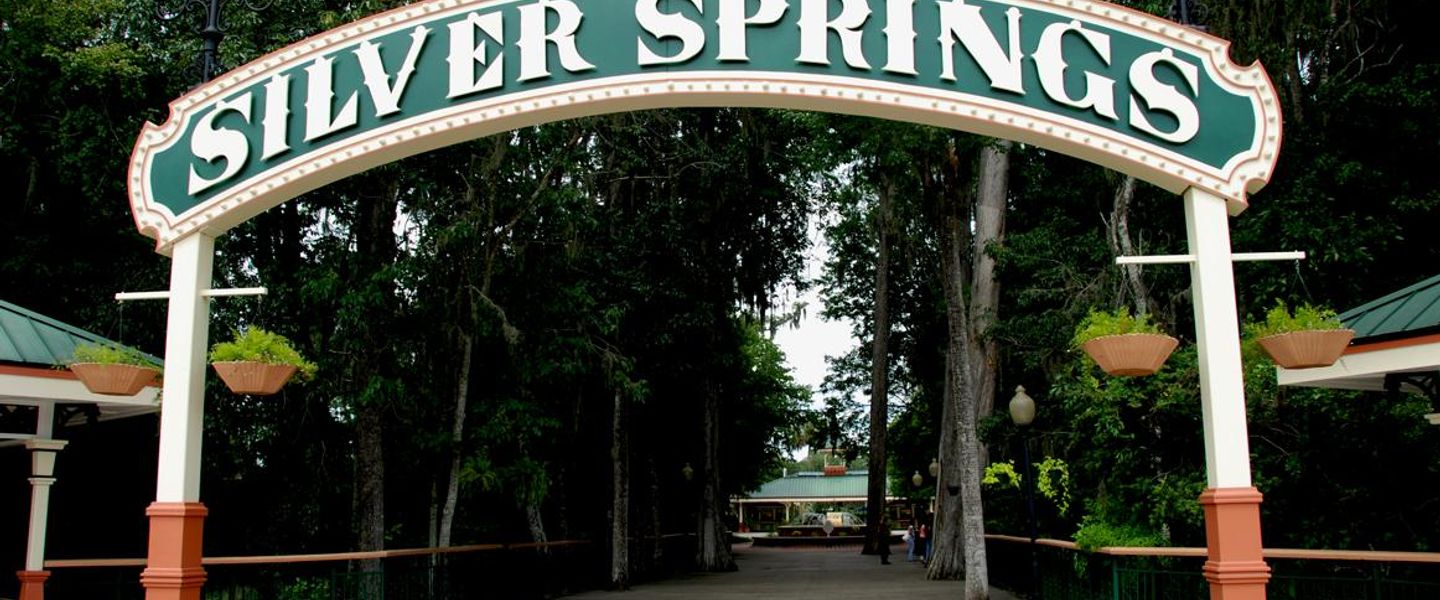


Ocala, Florida combines horse-country heritage, historic streets, art museums and nearby springs with outdoor adventures across Central Florida’s pine forests.
Horse Country and Central Florida Landscapes
Ocala lies in north-central Florida, between Gainesville and Orlando, where longleaf pine woods, pastureland and freshwater springs shape the character of Marion County. The city is widely associated with the horse industry: farms and training operations extend through the surrounding countryside, while equestrian heritage informs local events, businesses and the regional economy. Beyond the paddocks, the area offers a quieter interpretation of inland Florida, with shaded roads, limestone landscapes and access to the waterways of the Ocala National Forest.Read more about Ocala
Historic Streets and Cultural Institutions
Springs, Forests and Rural Excursions
When is the best time to visit Ocala?
Best: February–March, November · 22–25°C| Month | High (°C) | Rainfall (mm) |
|---|---|---|
| January | 20 | 70 |
| February (best) | 22 | 76 |
| March (best) | 25 | 91 |
| April | 28 | 81 |
| May | 31 | 113 |
| June | 33 | 183 |
| July | 34 | 193 |
| August | 34 | 185 |
| September | 33 | 161 |
| October | 29 | 94 |
| November (best) | 24 | 59 |
| December | 21 | 65 |
Getting to and around Ocala
How to get there
Transportation
Best attractions in Ocala
Ocala’s principal attractions reflect both its cultural life and its position in Florida’s spring country. The Appleton Museum of Art presents substantial collections in a calm, spacious setting, while the Ocala Civic Theatre adds live performance to the city’s arts scene. In the historic downtown, the courthouse square and surrounding streets offer a readable introduction to Ocala’s civic architecture, independent shops and local rhythm. Fort King National Historic Landmark interprets the military post and the wider history of the Second Seminole War through trails, exhibits and reconstructed elements. East of the centre, Silver Springs State Park is the area’s best-known natural attraction, with clear spring water, wooded paths and a long glass-bottom boat tradition. Tuscawilla Park provides open green space near downtown, and the surrounding Marion County countryside opens into horse farms, rural roads and access points for hiking, paddling and wildlife observation.
-
Tourist attraction
Silver Springs State Park
Explore Silver Springs State Park, Florida's natural wonder filled with crystal-clear springs, vibrant wildlife, and endless outdoor activities for every adventurer.
27 min drive · 8.9 km from city centre
-
Tourist attraction
Silver Springs State Park
Experience the natural beauty and adventure at Silver Springs State Park, where crystal-clear waters and lush landscapes await every visitor.
27 min drive · 8.9 km from city centre
-
Tourist attraction
The Canyons Zip Line and Adventure Park
Experience the thrill of zip lining and adventure sports in the scenic beauty of Ocala's Canyons Zip Line and Adventure Park.
30 min drive · 10 km from city centre
-
Boat tour agency
Silver Springs State Park Glass Bottom Boat Tours
Experience the breathtaking beauty of Silver Springs State Park with our Glass Bottom Boat Tours, a unique adventure into Florida's aquatic wonders.
27 min drive · 9.0 km from city centre


Best landmarks in Ocala
Ocala’s courthouse square is the civic heart of the historic centre, framed by government buildings and commercial architecture that reflect the city’s development as Marion County’s administrative seat. The surrounding Ocala Historic District preserves residences and streetscapes from the late nineteenth and early twentieth centuries, while Fort King National Historic Landmark connects the city to the military expansion and Indigenous displacement of the Second Seminole War era. The Appleton Museum of Art is a modern cultural landmark whose galleries broaden Ocala’s identity beyond agriculture and horse breeding. Silver Springs, although a natural rather than architectural landmark, has deep symbolic importance through its clear waters, glass-bottom boats and long history of tourism. Nearby Tuscawilla Park contributes an important public landscape, linking open space with the city’s cultural institutions and downtown neighbourhoods.
-
State park
Silver Springs State Park
Discover the enchanting beauty of Silver Springs State Park, where crystal-clear springs meet diverse wildlife and rich history in Florida's natural paradise.
27 min drive · 8.9 km from city centre
-
Park
Tuscawilla Park
Explore Tuscawilla Park in Ocala, Florida – a tranquil oasis featuring beautiful landscapes, art sculptures, and family-friendly amenities for an unforgettable outdoor experience.
15 min walk · 1.2 km from city centre
-
Historical landmark
Fort King National Historic Landmark
Discover the rich history and serene beauty at Fort King National Historic Landmark in Ocala, Florida, a key site from the Second Seminole War.
17 min drive · 5.6 km from city centre
-
Park
Scott Springs Park
Explore Scott Springs Park in Ocala, Florida - a serene natural oasis perfect for outdoor enthusiasts and families looking for tranquility and adventure.
11 min drive · 3.7 km from city centre


Explore Ocala on the map
Plan your Ocala trip on one map. See where the top attractions, landmarks, restaurants, bars and hotels are, find what's near where you're staying, and book hotels and experiences in a few clicks.
Best hotels in Ocala
Best restaurants in Ocala
Ocala’s dining scene draws on the cooking traditions of the American South and central Florida, with barbecue, fried seafood, burgers, biscuits, sandwiches and comfort-food plates appearing alongside newer cafés and contemporary restaurants. Seafood reflects the state’s wider coastal supply, while citrus, seasonal produce and locally raised ingredients influence some menus. Downtown around the historic square has the greatest concentration of independent restaurants, coffee shops and casual evening tables, and the Ocala Downtown Market provides a setting for small food vendors and local producers when events are operating. In the surrounding countryside, dining is more dispersed and often connected to roadside commerce, farm areas and neighbourhood shopping centres. Visitors will find both familiar American chains and locally rooted kitchens, with the most characteristic experiences coming from relaxed Southern hospitality, regional ingredients and the social pace of a county-seat city rather than from a single defining dish.
-
American
Cracker Barrel Old Country Store
Indulge in authentic Southern flavors at Cracker Barrel Old Country Store while exploring charming gifts in Ocala's beloved diner.
18 min drive · 6.1 km from city centre
-
Grill
Harry's Seafood,Bar & Grille
Experience the vibrant flavors of Cajun cuisine at Harry's Seafood, Bar & Grille in Historic Downtown Ocala.
5 min walk · 0.4 km from city centre
-
Italian
Olive Garden Italian Restaurant
Indulge in authentic Italian flavors at Olive Garden in Ocala—where every meal feels like a celebration with family and friends.
15 min drive · 5.0 km from city centre
-
Traditional American
Cheddar's Scratch Kitchen
Savor traditional American comfort food at Cheddar's Scratch Kitchen in Ocala - where every meal is made from scratch with love.
21 min drive · 7.0 km from city centre


Best bars in Ocala
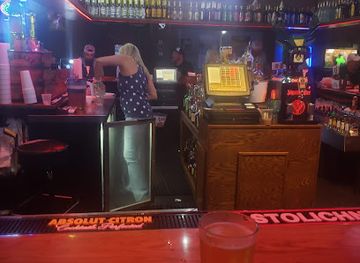
Ocala’s evening scene is modest and locally oriented rather than built around large nightclubs. Downtown provides the main concentration of bars, breweries, casual lounges and live-music settings, with restaurants and independent venues creating a social atmosphere around the historic centre. Some evenings also feature performances at the Ocala Civic Theatre or other cultural venues, offering an alternative to drinking-focused nightlife. The city’s equestrian identity can be felt in establishments frequented by residents connected with the horse farms and agricultural businesses around Marion County, although activity is spread across the wider area. Outside downtown, evenings are generally quieter, with suburban restaurants and cinemas replacing a dense entertainment district. Visitors should expect earlier closing patterns and a relaxed Central Florida pace rather than a continuous late-night circuit, particularly on weeknights.
-
Grill
Harry's Seafood,Bar & Grille
Discover delicious seafood and grill cuisine at Harry's Seafood, Bar & Grille, a must-visit dining spot in Historic Downtown Ocala.
5 min walk · 0.4 km from city centre
-
Bar
Miller's Ale House
Discover Miller's Ale House: A lively American restaurant in Ocala, offering delicious food, a vibrant atmosphere, and a great selection of drinks.
5 min drive · 1.8 km from city centre
-
Bar
Brick City Southern Kitchen
Experience the heart of Southern cuisine at Brick City Southern Kitchen in Ocala, where BBQ and hospitality come together for an unforgettable dining experience.
4 min walk · 0.3 km from city centre
-
Grill
Charlie Horse
Experience the vibrant flavors of Charlie Horse in Ocala, a grill and American restaurant perfect for family meals and friendly gatherings.
10 min drive · 3.5 km from city centre


Best nightclubs in Ocala
Ocala’s evening scene is modest and locally oriented rather than built around large nightclubs. Downtown provides the main concentration of bars, breweries, casual lounges and live-music settings, with restaurants and independent venues creating a social atmosphere around the historic centre. Some evenings also feature performances at the Ocala Civic Theatre or other cultural venues, offering an alternative to drinking-focused nightlife. The city’s equestrian identity can be felt in establishments frequented by residents connected with the horse farms and agricultural businesses around Marion County, although activity is spread across the wider area. Outside downtown, evenings are generally quieter, with suburban restaurants and cinemas replacing a dense entertainment district. Visitors should expect earlier closing patterns and a relaxed Central Florida pace rather than a continuous late-night circuit, particularly on weeknights.
-
Bar
Bank Street Patio Bar
Discover the lively atmosphere of Bank Street Patio Bar in Historic Downtown Ocala, a perfect blend of great drinks, delicious food, and vibrant nightlife.
6 min walk · 0.5 km from city centre
-
Grill
100 Proof Saloon
Discover the lively flavors and vibrant nightlife of Ocala at 100 Proof Saloon, your go-to grill and bar destination.
6 min drive · 2.0 km from city centre
-
Bar
The First & Last Tab
Experience the vibrant atmosphere and live music at The First & Last Tab, Ocala's favorite bar for a night of fun and relaxation.
16 min drive · 5.3 km from city centre
-
Bar
Suite 306
Experience the vibrant nightlife at Suite 306, Ocala's favorite bar for great drinks and a lively atmosphere.
14 min drive · 4.7 km from city centre



Best shops in Ocala
Shopping in Ocala ranges from independent downtown businesses to practical suburban retail and equestrian specialities. The historic centre around the courthouse square contains boutiques, galleries, gift shops, antiques and locally oriented businesses in older commercial buildings, while the Ocala Downtown Market brings together small vendors, food producers and makers during its scheduled trading and event periods. Paddock Mall and surrounding retail areas provide mainstream shops and everyday necessities. The region’s horse culture is especially visible in specialist tack shops, riding equipment, farm supplies and equestrian clothing, which can be more distinctive souvenirs than generic Florida merchandise. Visitors may also find locally produced food items, arts and crafts, antiques and spring- or horse-themed gifts. Retail is dispersed across the city, so combining downtown browsing with other errands or attractions is usually more practical than expecting one continuous shopping quarter.
-
Shopping mall
Paddock Mall
Explore Paddock Mall in Ocala for shopping, dining, and entertainment under one roof, perfect for a day of fun and relaxation.
13 min drive · 4.5 km from city centre
-
Shopping mall
Gaitway Plaza
Explore Gaitway Plaza in Ocala, Florida - your ultimate shopping destination for diverse retail, delicious dining, and family-friendly fun.
11 min drive · 3.7 km from city centre
-
Shopping mall
Shady Oaks Shopping Center
Experience the best of shopping at Shady Oaks Shopping Center in Ocala, Florida - a vibrant destination for all your retail desires and family fun.
11 min drive · 3.6 km from city centre
-
Shopping mall
Ocala West
Explore Ocala West, a vibrant shopping mall in Florida, offering diverse stores, dining, and entertainment for an unforgettable retail experience.
10 min drive · 3.2 km from city centre


Get your free copy of our complete guide to Ocala, delivered straight to you.
Everything on this page, from attractions and restaurants to essentials and local phrases, in one PDF you can read offline, print or share.
Already have an account? Sign in
Your Ocala guide is ready.
We'll send it to · Not you? Sign out

Getting your guide ready…
We are putting together a fresh copy of the Ocala guide. This can take up to a minute.
This can take a few moments. If your browser asks, choose Allow so the download can start. You'll find the guide in your Downloads folder.
Nothing happened? Download it again
Sorry, the guide is taking longer than usual. Please try again in a minute, or get it by email instead.
Ocala essentials
Currency and Payment
Safety
Emergency Situations
Do's and Don'ts
Local Tips
From Eve
Local phrases worth knowing
You don't need to get them perfect. A few words go a long way, and locals appreciate the effort.
Basics
| English | Local | Say it |
|---|---|---|
| Hello | Howdy | [hah-dee] |
| Goodbye | See ya later | [see ya lay-tur] |
| Yes | Yep | [yep] |
| No | Nope | [nohp] |
| Please/You're welcome | Please/No problem | [pleez/no prob-lem] |
| Thank you | Thanks | [thanks] |
| Excuse me/Sorry | Pardon me/My bad | [par-dn me/my bad] |
| How are you? | How y'all doin'? | [how y'all doin'] |
| Fine. And you? | Good. You? | [good. yoo?] |
| Do you speak English? | Ya speak English? | [ya speak ing-glish?] |
| I don't understand | I ain't gettin' ya | [i aint get-tin ya] |
Eating & Drinking
| English | Local | Say it |
|---|---|---|
| I'd like to see the menu, please | Can I check out the menu? | [kan eye chek out thu menu?] |
| I don't eat meat | I'm vegetarian | [im ve-juh-tear-ee-un] |
| Cheers! | Cheers! | [cheers!] |
| I would like to pay, please | Can I settle up? | [kan eye set-tul up?] |
Emergencies
| English | Local | Say it |
|---|---|---|
| Help! | Help! | [help!] |
| Go away! | Git! | [git!] |
| Call the Police! | Call the cops! | [call the cops!] |
| Call a doctor! | Call the doc! | [call the doc!] |
| I'm lost | I'm turned around | [im turned uh-round] |
| I'm ill | I'm feelin' under the weather | [im feelin' un-der thu wea-thur] |
Shopping
| English | Local | Say it |
|---|---|---|
| I'd like to buy... | I wanna buy... | [i wanna buy...] |
| I'm just looking | Just browsing | [just brow-zing] |
| How much is it? | How much does it cost? | [how much duz it cost?] |
| That's too expensive | That's pricey | [thatz pry-see] |
| Can you lower the price? | Can ya give a discount? | [kan ya giv a dis-count?] |
Time & Numbers
| English | Local | Say it |
|---|---|---|
| What time is it? | What time is it? | [what time is it?] |
| It's one o'clock | It's one | [its one] |
| Half past (10) | Half past ten | [half past ten] |
| Morning | Morning | [morning] |
| Afternoon | Afternoon | [after-noon] |
| Evening | Evening | [even-ing] |
| Yesterday | Yesterday | [yes-ter-day] |
| Today | Today | [to-day] |
| Tomorrow | Tomorrow | [to-mor-row] |
| 1 | One | [wun] |
| 2 | Two | [too] |
| 3 | Three | [three] |
| 4 | Four | [four] |
| 5 | Five | [five] |
| 6 | Six | [six] |
| 7 | Seven | [sev-un] |
| 8 | Eight | [ate] |
| 9 | Nine | [nine] |
| 10 | Ten | [ten] |
Transport & Directions
| English | Local | Say it |
|---|---|---|
| Where's a/the...? | Where's the...? | [wheres the...?] |
| What's the address? | What's the address? | [whats the address?] |
| Can you show me (on the map)? | Can you show me (on the map)? | [can you show me (on the map)?] |
| When's the next (bus)? | When's the next (bus)? | [whens the next (bus)?] |
| A ticket (to ....) | A ticket (to ....) | [a ticket (to ....)] |
History of Ocala
Indigenous Landscapes and Ocali
The region around present-day Ocala was shaped by Indigenous communities long before the arrival of the United States. The name is generally connected with Ocali, a Timucua-associated settlement or district recorded by Spanish explorers, although the precise historical identification remains debated. Rivers, springs and fertile uplands supported travel and settlement across the interior of the Florida peninsula. Spanish colonial influence reached the wider region through missions and exploration, while later population movements and conflict transformed Indigenous life. The place-name survived these changes and became attached to the American settlement that developed in the nineteenth century.
The American Settlement Takes Shape
Ocala emerged as an American town in the mid-nineteenth century, developing around transport routes, agriculture and the administrative needs of the surrounding county. Marion County was established in 1844, and Ocala was formally laid out and incorporated in 1849. The courthouse square became the civic focus, while cotton, citrus, livestock and other agricultural interests connected the settlement with wider Florida markets. The town’s location between northern and central Florida encouraged road-based commerce, although its early growth was interrupted by the political and military upheaval of the Civil War.
War, Reconstruction and Civic Growth
During the Civil War, Ocala and Marion County were drawn into the conflict that divided Florida and the wider United States. Union forces occupied the town in 1865, and the post-war period brought the difficult political and social changes of Reconstruction. Ocala gradually rebuilt its civic and commercial life, with county administration, retail trade and agriculture reinforcing its role as a regional centre. Fort King, established by the United States Army in 1837 during the tensions that preceded the Second Seminole War, remained an important historical reference for understanding the military presence and Indigenous displacement associated with the area.
Railways and the Historic Town Centre
Rail connections and improved roads helped Ocala expand during the late nineteenth and early twentieth centuries, strengthening links with Florida’s larger cities and agricultural markets. Citrus cultivation, livestock and timber contributed to the regional economy, while public buildings, commercial premises and residences gave the centre its architectural character. Fires and redevelopment altered parts of the town, but surviving structures around the historic district preserve the scale of an inland county seat. The courthouse square, brick commercial buildings and shaded residential streets continue to reveal how civic, commercial and domestic life once fitted closely together.
Silver Springs and the Rise of Tourism
The clear waters of Silver Springs, east of Ocala, became a recognised tourist attraction during the nineteenth century, with glass-bottom boat excursions allowing visitors to view the spring basin and aquatic life. The site later featured in films, television productions and roadside tourism, helping to establish central Florida’s springs as a distinct visitor landscape. Tourism also brought attention to the surrounding forests and waterways, although development and environmental pressures eventually prompted stronger conservation efforts. Silver Springs State Park now preserves the spring environment while interpreting the long relationship between recreation, spectacle and freshwater conservation.
From Agricultural Centre to Horse Capital
Ocala’s modern identity was increasingly shaped by thoroughbred breeding and training during the twentieth century. The region’s climate, open pasture and established agricultural infrastructure supported the growth of horse farms, while improvements in transport connected Marion County with major racing centres. The industry brought specialist workers, equestrian services and international ties, adding a new layer to the area’s rural economy. At the same time, Ocala developed cultural institutions such as the Appleton Museum of Art and expanded its historic downtown, creating a city whose present character combines county-seat traditions, arts provision, outdoor recreation and an internationally recognised equestrian landscape.
Ocala in Photos
Browse through our photo collection highlighting the charm and character of the destination.
Cities near Ocala
The closest cities to Ocala, if you have time for more than one stop.
-
-

-

-

-


Swipe for more cities
Explore more

Explore more of Florida
Discover Florida: A Sunshine State full of dazzling beaches, iconic theme parks, rich history, and stunning natural parks, offering endless adventures for every traveler.
Explore Florida