

Free St. Petersburg Travel Guide & Mobile App
Plan your St. Petersburg trip with Evendo. Get free guides to top attractions, restaurants, hotels, and bars. Web access or download the mobile app.


St. Petersburg, Florida pairs Gulf beaches with the Salvador Dalí Museum, waterfront parks, public art, galleries and a lively downtown arts scene.
Waterfront Setting
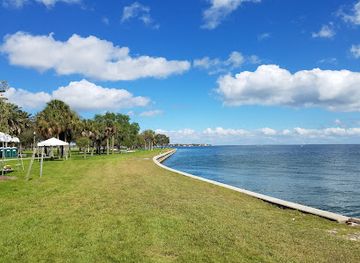
St. Petersburg occupies a peninsula between Tampa Bay and the Gulf of Mexico, where broad waterfront parks, sheltered marinas and long beaches shape the city's identity. Downtown faces the bay through a chain of green spaces extending from North Shore Park towards Albert Whitted Park, while the Pinellas Trail and shaded residential streets offer a slower way to explore away from the water. Across the bay, Fort De Soto Park provides beaches, coastal habitats and historic batteries within Pinellas County, although it lies outside the city itself.Read more about St. Petersburg
Art and Architecture
Beaches and City Life
When is the best time to visit St. Petersburg?
Best: March–April, November · 24–27°C| Month | High (°C) | Rainfall (mm) |
|---|---|---|
| January | 20 | 53 |
| February | 21 | 58 |
| March (best) | 24 | 61 |
| April (best) | 27 | 62 |
| May | 29 | 84 |
| June | 32 | 160 |
| July | 33 | 175 |
| August | 33 | 191 |
| September | 32 | 155 |
| October | 29 | 79 |
| November (best) | 24 | 58 |
| December | 22 | 58 |
Getting to and around St. Petersburg
How to get there
Transportation
Best attractions in St. Petersburg
St. Petersburg's principal attractions cluster around its waterfront and downtown cultural district. The Salvador Dalí Museum combines a distinctive modern building with an extensive collection of the Spanish surrealist's paintings, drawings and sculpture, while the Museum of Fine Arts ranges across centuries and cultures. The James Museum of Western & Wildlife Art offers a different focus, with paintings, sculpture and decorative works from North American traditions. At the Morean Arts Center, contemporary craft and glass are central to the programme, and nearby Chihuly Collection displays the work of Dale Chihuly. North Shore Park and the downtown waterfront provide open bay views, walking paths and shaded lawns, while Central Avenue leads through murals, galleries, independent shops and restaurants. For coastal scenery, Fort De Soto Park and the Gulf beaches lie elsewhere in Pinellas County and are reached by road from the city.
-
Art museum
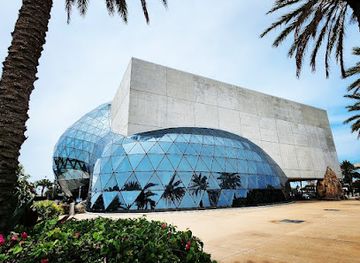
The Dalí Museum
Explore the surreal world of Salvador Dalí at The Dalí Museum in St. Petersburg, Florida, where creativity knows no bounds.
11 min walk · 0.9 km from city centre
-
Tourist attraction
The Dalí (Salvador Dalí Museum)
Explore Salvador Dalí's masterpieces and immerse yourself in surrealism at The Dalí Museum, a stunning architectural gem in St. Petersburg, Florida.
11 min walk · 0.9 km from city centre
-
Tourist attraction
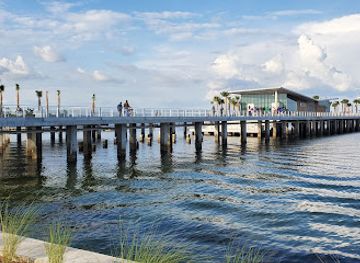
St. Pete Pier
Explore St. Pete Pier: A vibrant waterfront escape in St. Petersburg, Florida, filled with stunning views, local flavors, and unforgettable experiences.
14 min walk · 1.1 km from city centre
-
Stadium
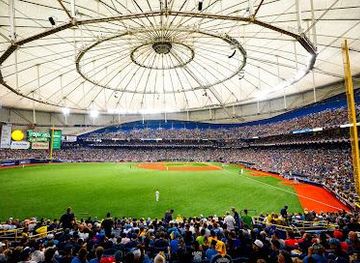
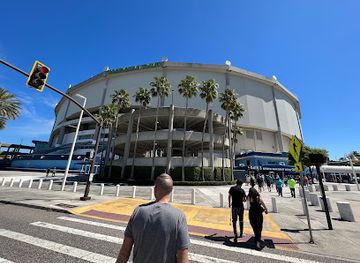
Tropicana Field
Discover Tropicana Field in St. Petersburg, Florida - Home of the Tampa Bay Rays and a hub for unforgettable sports and entertainment experiences.
16 min walk · 1.3 km from city centre


Best landmarks in St. Petersburg
The Salvador Dalí Museum is one of St. Petersburg's defining modern landmarks, its glass-and-concrete building set on the downtown waterfront beside the historic Albert Whitted Park area. The St. Petersburg Shuffleboard Club, founded in 1924, represents the city's older leisure culture and remains a distinctive community landmark. The Vinoy Renaissance St. Petersburg Resort, opened in 1925, is a prominent pink Mediterranean Revival hotel overlooking the bay and a surviving symbol of the city's resort-era development. The Pier District includes the St. Petersburg Pier, a contemporary waterfront structure that extends into Tampa Bay and follows a long tradition of piers at this location. Elsewhere, the historic Central Avenue corridor, the Morean Arts Center and the city's many murals reveal how commercial architecture, craft and public art have shaped the modern urban identity.
-
Art museum
The Dalí (Salvador Dalí Museum)
Discover the surreal masterpieces of Salvador Dalí at the stunning Dalí Museum in St. Petersburg, Florida, a unique blend of art and architecture.
11 min walk · 0.9 km from city centre
-
Tourist attraction
St. Pete Pier
Discover the allure of St. Pete Pier, a coastal paradise in St. Petersburg, Florida, featuring stunning views, diverse dining options, and plenty of recreational activities.
14 min walk · 1.1 km from city centre
-
Stadium
Tropicana Field
Explore the excitement of Tropicana Field, home of the Tampa Bay Rays, featuring unique architectural design and year-round entertainment in St. Petersburg.
16 min walk · 1.3 km from city centre
-
Park
Vinoy Park
Explore the beautiful Vinoy Park, a serene urban oasis in St. Petersburg, offering stunning views, lush landscapes, and a vibrant atmosphere for all.
6 min drive · 1.9 km from city centre
Explore St. Petersburg on the map
Plan your St. Petersburg trip on one map. See where the top attractions, landmarks, restaurants, bars and hotels are, find what's near where you're staying, and book hotels and experiences in a few clicks.
Neighbourhoods in St. Petersburg
-

-

-


Swipe for more neighbourhoods
Best hotels in St. Petersburg
Best restaurants in St. Petersburg
St. Petersburg's dining scene reflects its Gulf Coast setting, Florida's multicultural influences and the city's growing arts-oriented downtown. Seafood appears in many forms, from Gulf shrimp and grouper to oysters and fish sandwiches, although menus and local catches vary by season and restaurant. Central Avenue, the EDGE District and Grand Central District contain a broad mix of cafés, bakeries, casual restaurants, breweries and more ambitious kitchens, while the waterfront offers dining with views across Tampa Bay. Cuban, Caribbean, Latin American and Southern influences are part of the wider Tampa Bay food culture, alongside contemporary American cooking and plant-focused menus. Farmers' markets and independent food businesses add locally grown produce, prepared foods and regional products. Dining customs follow United States practice: portions can be generous, prices usually exclude tax, and table-service tipping is customary.
-
Asian
Hawkers Asian Street Food
Experience authentic Asian street food in St. Petersburg at Hawkers – where flavor meets fun in a vibrant setting.
15 min walk · 1.2 km from city centre
-
Mexican
Red Mesa Cantina
Experience authentic Mexican cuisine at Red Mesa Cantina in St. Petersburg - where vibrant flavors meet lively ambiance.
5 min walk · 0.4 km from city centre
-
Restaurant
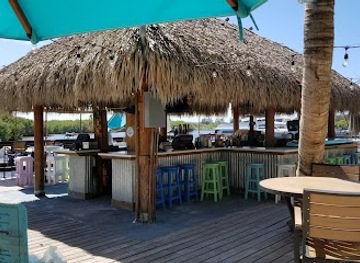
The Getaway
Discover The Getaway: A tropical seafood restaurant in St. Petersburg offering fresh flavors and stunning lagoon views.
32 min drive · 12 km from city centre
-
Italian
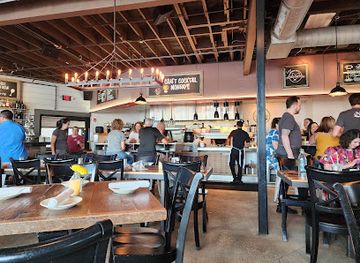
Noble Crust of St. Petersburg
Experience the delightful fusion of Italian and Southern cuisine at Noble Crust in St. Petersburg – where every bite tells a story.
27 min drive · 8.9 km from city centre
Best bars in St. Petersburg
Evenings in St. Petersburg are generally social and varied rather than dominated by large nightclubs. Central Avenue, the EDGE District and Grand Central District contain neighbourhood bars, breweries, cocktail rooms, wine-focused venues and places with live music, with activity often spread across several blocks rather than concentrated in one late-night quarter. The downtown waterfront and nearby cultural institutions add theatres, gallery events and occasional performances, while Tropicana Field can bring a lively crowd when the Tampa Bay Rays are playing. Bars and restaurants range from relaxed patios to busier music venues, and the atmosphere changes considerably between weeknights and event periods. Visitors should carry valid identification, follow venue age requirements and arrange transport after drinking; late-night public transport coverage may be more limited than daytime service.
-
Bar
Birchwood Canopy
Discover the enchanting atmosphere of Birchwood Canopy, a premier bar and lounge in St. Petersburg, offering stunning views, craft cocktails, and live music.
15 min walk · 1.2 km from city centre
-
Grill
Five Bucks Drinkery
Experience the vibrant atmosphere and delicious grill cuisine at Five Bucks Drinkery in St. Petersburg's Arts District.
7 min walk · 0.6 km from city centre
-
Bar
Pier Teaki
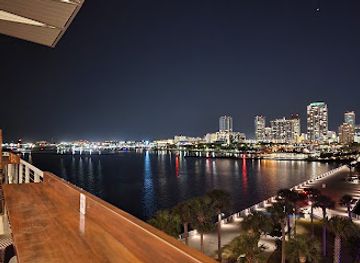
Experience the charm of Pier Teaki, a rooftop bar in St. Petersburg offering stunning views and a vibrant atmosphere for unforgettable evenings.
6 min drive · 1.9 km from city centre
-
Bar
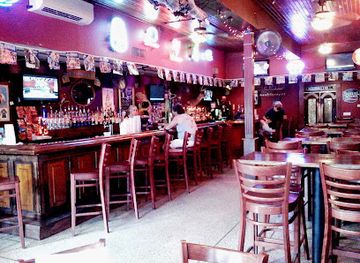
Good Night John Boy
Experience the vibrant atmosphere, creative cocktails, and live music at Good Night John Boy in St. Petersburg's Waterfront Arts District.
8 min walk · 0.6 km from city centre

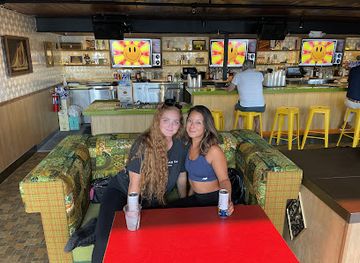
Best nightclubs in St. Petersburg
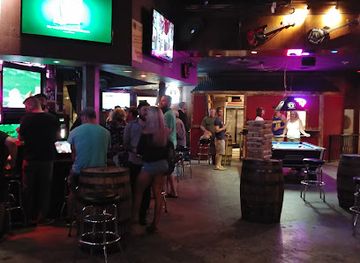
Evenings in St. Petersburg are generally social and varied rather than dominated by large nightclubs. Central Avenue, the EDGE District and Grand Central District contain neighbourhood bars, breweries, cocktail rooms, wine-focused venues and places with live music, with activity often spread across several blocks rather than concentrated in one late-night quarter. The downtown waterfront and nearby cultural institutions add theatres, gallery events and occasional performances, while Tropicana Field can bring a lively crowd when the Tampa Bay Rays are playing. Bars and restaurants range from relaxed patios to busier music venues, and the atmosphere changes considerably between weeknights and event periods. Visitors should carry valid identification, follow venue age requirements and arrange transport after drinking; late-night public transport coverage may be more limited than daytime service.
-
Gay bar
Enigma
Experience the vibrant nightlife at Enigma, St. Petersburg's premier gay bar and dance club, known for its energetic atmosphere and diverse crowd.
13 min walk · 1.0 km from city centre
-
Bar
Good Night John Boy
Discover Good Night John Boy, a vibrant bar in St. Petersburg's Waterfront Arts District, known for its retro vibes, live music, and friendly atmosphere.
8 min walk · 0.6 km from city centre
-
Bar
The One Night Stand
Experience the vibrant nightlife at The One Night Stand in St. Petersburg, Florida, offering handcrafted cocktails, live music, and a welcoming atmosphere.
9 min walk · 0.7 km from city centre
-
Bar
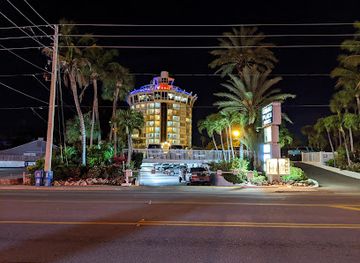
Level 11 Rooftop Bar & Lounge
Experience stunning views, delectable tapas, and refreshing cocktails at Level 11 Rooftop Bar & Lounge, the ultimate destination for relaxation in St. Pete Beach.
31 min drive · 11 km from city centre


Best shops in St. Petersburg
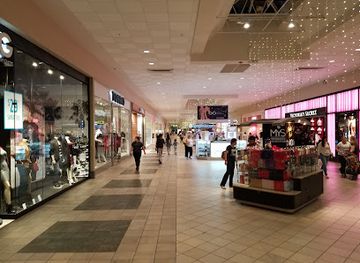
Shopping in St. Petersburg is strongest in independent districts rather than in a single enclosed retail centre. Central Avenue runs through several distinct areas, with galleries, design shops, vintage retailers, bookshops, clothing boutiques and specialist businesses extending west from downtown. The EDGE District and Grand Central District are particularly associated with local retail, art and creative enterprises, while the Waterfront Arts District places galleries and museums within walking distance of the bay. Weekend markets and farmers' markets offer prepared foods, produce, crafts and small-batch goods, with locations and schedules varying by season. Visitors may find Florida-themed art, handmade jewellery, ceramics, prints, books and food products, but authenticity and quality differ between sellers. The best sense of local shopping comes from combining established galleries with small independent shops rather than expecting a traditional historic bazaar.
-
Shopping mall
Tyrone Square
Discover Tyrone Square, St. Petersburg's premier shopping destination with unique shops, dining, and entertainment for an unforgettable experience.
29 min drive · 9.6 km from city centre
-
Shopping mall
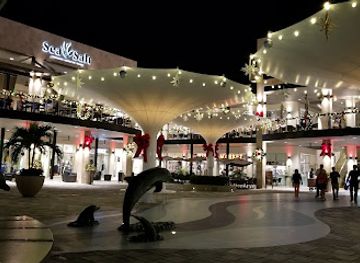
The Sundial
Experience shopping, dining, and entertainment at The Sundial in St. Petersburg, where every visit offers a delightful blend of local culture and vibrant atmosphere.
11 min walk · 0.9 km from city centre
-
Market
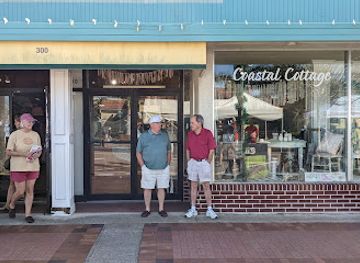
Corey Avenue Shopping District
Explore the eclectic Corey Avenue Shopping District, where unique boutiques, delightful eateries, and local art come together to create a vibrant shopping experience.
31 min drive · 11 km from city centre
-
Gift shop
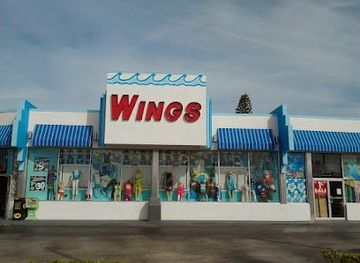
Breeza Beachwear
Discover stylish beachwear and unique souvenirs at Breeza Beachwear in St Pete Beach, Florida – your ultimate shopping destination by the sea.
31 min drive · 11 km from city centre
Get your free copy of our complete guide to St. Petersburg, delivered straight to you.
Everything on this page, from attractions and restaurants to essentials and local phrases, in one PDF you can read offline, print or share.
Already have an account? Sign in
Your St. Petersburg guide is ready.
We'll send it to · Not you? Sign out

Getting your guide ready…
We are putting together a fresh copy of the St. Petersburg guide. This can take up to a minute.
This can take a few moments. If your browser asks, choose Allow so the download can start. You'll find the guide in your Downloads folder.
Nothing happened? Download it again
Sorry, the guide is taking longer than usual. Please try again in a minute, or get it by email instead.
St. Petersburg essentials
Currency and Payment
Safety
Emergency Situations
Do's and Don'ts
Local Tips
From Eve
Local phrases worth knowing
You don't need to get them perfect. A few words go a long way, and locals appreciate the effort.
Basics
| English | Local | Say it |
|---|---|---|
| Hello | Hey | [hey] |
| Goodbye | Later | [lay-ter] |
| Yes | Yeah | [yeah] |
| No | Nah | [nah] |
| Please/You're welcome | Please | [pleez] |
| Thank you | Thanks | [thanks] |
| Excuse me/Sorry | Sorry | [sor-ee] |
| How are you? | How ya doin'? | [how ya doin] |
| Fine. And you? | Good. You? | [good. you] |
| Do you speak English? | Ya speak English? | [ya speak english] |
| I don't understand | I don't get it | [i don't get it] |
Eating & Drinking
| English | Local | Say it |
|---|---|---|
| I'd like to see the menu, please | Menu, please | [menu, please] |
| I don't eat meat | No meat for me | [no meat for me] |
| Cheers! | Cheers! | [cheers] |
| I would like to pay, please | Check, please | [check, please] |
Emergencies
| English | Local | Say it |
|---|---|---|
| Help! | Help! | [help] |
| Go away! | Get lost! | [get lost] |
| Call the Police! | Call the cops! | [call the cops] |
| Call a doctor! | Get a doc! | [get a doc] |
| I'm lost | I'm lost | [i'm lost] |
| I'm ill | I'm sick | [i'm sick] |
Shopping
| English | Local | Say it |
|---|---|---|
| I'd like to buy... | I wanna buy... | [i wanna buy] |
| I'm just looking | Just lookin' | [just lookin] |
| How much is it? | How much? | [how much] |
| That's too expensive | Too pricey | [too pricey] |
| Can you lower the price? | Can you do less? | [can you do less] |
Time & Numbers
| English | Local | Say it |
|---|---|---|
| What time is it? | What time? | [what time] |
| It's one o'clock | It's one | [it's one] |
| Half past (10) | Ten thirty | [ten thirty] |
| Morning | Morning | [morning] |
| Afternoon | Afternoon | [afternoon] |
| Evening | Evening | [evening] |
| Yesterday | Yesterday | [yesterday] |
| Today | Today | [today] |
| Tomorrow | Tomorrow | [tomorrow] |
| 1 | One | [one] |
| 2 | Two | [two] |
| 3 | Three | [three] |
| 4 | Four | [four] |
| 5 | Five | [five] |
| 6 | Six | [six] |
| 7 | Seven | [seven] |
| 8 | Eight | [eight] |
| 9 | Nine | [nine] |
| 10 | Ten | [ten] |
Transport & Directions
| English | Local | Say it |
|---|---|---|
| Where's a/the...? | Where's...? | [where's] |
| What's the address? | What's the address? | [what's the address] |
| Can you show me (on the map)? | Show me (on the map) | [show me on the map] |
| When's the next (bus)? | When's the next (bus)? | [when's the next bus] |
| A ticket (to ....) | Ticket (to ...) | [ticket to] |
History of St. Petersburg
Indigenous Gulf Coast Heritage
The wider Pinellas peninsula was inhabited for centuries by Indigenous peoples, including communities associated with the Tocobaga cultural sphere around Tampa Bay. Coastal life depended on fishing, shellfish, hunting and exchange, and the area's waterways were central routes through the landscape. Spanish exploration brought new diseases, violence and disruption from the sixteenth century onwards, contributing to the decline of Indigenous populations. Later settlement took place on land whose earlier history remained largely absent from nineteenth-century town promotion, although shell middens, archaeological evidence and Indigenous place histories continue to inform understanding of the region before St. Petersburg's incorporation.
Spanish Exploration and Territorial Change
Spain claimed Florida after Juan Ponce de León's 1513 voyage, but the peninsula remained difficult for Europeans to settle permanently. Florida passed to Britain in 1763, returned to Spain in 1783 and became a United States territory in 1821 before gaining statehood in 1845. The Tampa Bay area developed slowly during these transitions. Military installations, cattle operations and scattered farms preceded the organised town that emerged on the southern Pinellas peninsula in the late nineteenth century, when rail access and land investment began to transform the coast.
Founding of St. Petersburg
The town was founded in the late 1880s by John C. Williams, who owned land on the peninsula, and Peter Demens, a Russian-born railway entrepreneur. Their partnership brought the Orange Belt Railway to the new settlement in 1888, linking it with the wider Florida network. The town was incorporated in 1892 and named St. Petersburg, reportedly after Demens's birthplace, Saint Petersburg in Russia. Rail connection encouraged commerce, settlement and tourism, while the sheltered bay and mild winter climate helped establish the foundations of the city's later reputation as a leisure destination.
Railways, Tourism and the Sunshine City
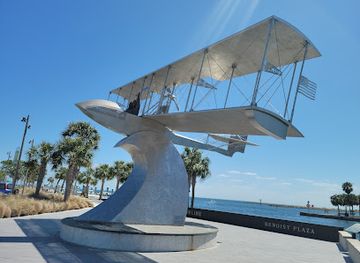
During the early twentieth century, St. Petersburg expanded as a railway, port and winter-resort town. The city promoted its sunny climate to northern visitors, and waterfront hotels, piers and civic improvements followed. The St. Petersburg-Tampa Airboat Line began operating across Tampa Bay in 1914 and is often recognised as the world's first scheduled airline, using flying boats between the two cities. By the 1920s, land speculation and population growth had reshaped much of the peninsula, although the boom ended abruptly with the Florida land bust and the wider economic pressures of the Great Depression.
War, Growth and Suburban Expansion
The Second World War brought military activity and economic change to the Tampa Bay region, while post-war prosperity accelerated population growth throughout Pinellas County. New roads, bridges and suburban development connected St. Petersburg with the barrier islands and neighbouring communities, increasing access to beaches and encouraging automobile-based expansion. The city also developed a stronger civic and cultural infrastructure, including museums, performing-arts organisations and public waterfront spaces. This period established the broad urban form visible today: a historic downtown peninsula linked to dispersed residential areas and a tourism-oriented Gulf coast.
A Contemporary Arts and Waterfront City
From the late twentieth century, St. Petersburg increasingly invested in arts institutions, public spaces and downtown regeneration. The Salvador Dalí Museum opened on the waterfront in 1982 before moving to its current building in 2011, and the Museum of Fine Arts, the Morean Arts Center and other cultural organisations strengthened the city's museum district. Former commercial streets such as Central Avenue gained galleries, studios, restaurants and independent businesses, while public murals became a visible part of the urban landscape. Today, the city balances its historic winter-resort identity with a broader cultural reputation shaped by museums, baseball, waterfront parks and creative industries.
St. Petersburg in Photos
Browse through our photo collection highlighting the charm and character of the destination.
Cities near St. Petersburg
The closest cities to St. Petersburg, if you have time for more than one stop.
-

-
-

-

-


Swipe for more cities
Explore more

Explore more of Florida
Discover Florida: A Sunshine State full of dazzling beaches, iconic theme parks, rich history, and stunning natural parks, offering endless adventures for every traveler.
Explore Florida