

South Beach (Miami) Travel Guide - Free
Explore South Beach in Miami with Evendo's free guide. Find the best shops, historic streets, restaurants, and gems on web or mobile.


South Beach in Miami Beach blends Art Deco streets, Atlantic beaches, Ocean Drive, diverse dining and late-night culture in a walkable coastal district.
Architecture and Setting
South Beach occupies the southern end of Miami Beach, the barrier-island city across Biscayne Bay from Miami proper. Its best-known core stretches around Ocean Drive, Collins Avenue, Washington Avenue and the streets south of Lincoln Road, with the Atlantic Ocean to the east and Biscayne Bay to the west. Pastel façades, curved corners, porthole windows and neon signs define the National Register-listed Miami Beach Architectural District, where streamlined Art Deco buildings sit beside Mediterranean Revival and early-twentieth-century apartment houses. The district is compact enough to explore on foot, although the glare, heat and long straight blocks make shade and water useful companions.Read more about South Beach
Beachfront Public Life
Culture, Food and Nightlife
Best attractions in South Beach
South Beach's principal attractions are close enough to link in a walking circuit. The broad sands and landscaped paths of Lummus Park face Ocean Drive, where restored Art Deco hotels create the neighbourhood's most recognisable streetscape. The Art Deco Welcome Center offers orientation to the architectural district, while The Wolfsonian–FIU on Washington Avenue explores design, objects and visual culture in a former warehouse. Española Way provides a compact historic street of Mediterranean-inspired buildings, cafés and restaurants, and Lincoln Road combines a pedestrian promenade with shops, outdoor dining and cultural venues. South of Fifth leads towards South Pointe Park, whose paths and elevated viewpoints open across the Atlantic, Fisher Island and the shipping channel. The Jewish Museum of Florida–FIU adds a historical perspective in a former synagogue near the southern end of the island.
-
Park
Lummus Park
Discover the vibrant beauty of Lummus Park, a coastal gem in Miami Beach offering stunning views, recreational activities, and a lively atmosphere.
11 min walk · 0.9 km from neighbourhood centre
-
Park
Marjory Stoneman Douglas Ocean Beach Park
Experience the natural beauty of Miami Beach at Marjory Stoneman Douglas Ocean Beach Park, a serene escape featuring lush landscapes and stunning ocean views.
6 min drive · 2.0 km from neighbourhood centre
-
Tourist attraction
Ocean Drive Miami Beach
Discover the lively charm of Ocean Drive, where stunning beaches, vibrant nightlife, and iconic Art Deco architecture await in Miami Beach.
18 min walk · 1.4 km from neighbourhood centre
-
Tourist attraction
South Beach Clock Tower
Discover the South Beach Clock Tower, a historic landmark in Miami Beach that captures the vibrant spirit and cultural charm of this iconic destination.
12 min walk · 1.0 km from neighbourhood centre


Best landmarks in South Beach
South Beach's most important landmark ensemble is the Miami Beach Architectural District, where Art Deco, Streamline Moderne and Mediterranean Revival buildings line Ocean Drive, Collins Avenue and adjoining streets. Their restrained scale, geometric details and revived pastel colour schemes express the resort architecture of the 1920s to 1940s rather than the monumental civic style found in older mainland cities. The former Casa Casuarina, known as the Versace Mansion, is a prominent Ocean Drive building with a later celebrity association, while the former synagogue housing the Jewish Museum of Florida–FIU records the Jewish history of the area. Española Way's buildings form another distinctive historic streetscape, and South Pointe Park marks the island's southern edge with views towards Government Cut. Together these places show how hotels, religious institutions, public space and leisure shaped South Beach.
-
Park
Lummus Park
Discover the vibrant atmosphere of Lummus Park, where sun, sand, and scenic beauty create the perfect Miami Beach experience.
11 min walk · 0.9 km from neighbourhood centre
-
Historical landmark
Holocaust Memorial Miami Beach
Visit the Holocaust Memorial Miami Beach - a poignant tribute to history, resilience, and remembrance set in a serene park environment.
11 min walk · 0.9 km from neighbourhood centre
-
Tourist attraction
Ocean Drive Miami Beach
Experience the vibrant culture and stunning Art Deco architecture of Ocean Drive in Miami Beach, a must-see destination for every traveler.
18 min walk · 1.4 km from neighbourhood centre
-
Tourist attraction
South Beach Clock Tower
Discover the South Beach Clock Tower, a historic Miami Beach landmark that captures the vibrant spirit and architectural beauty of this coastal paradise.
12 min walk · 1.0 km from neighbourhood centre


Explore South Beach on the map
A handpicked selection of must-see spots in South Beach, mapped for you.
Best hotels in South Beach
Best restaurants in South Beach
South Beach's dining scene follows its varied streetscape, from long-established seafood institutions to polished contemporary rooms, casual cafés and international cooking. South of Fifth is associated with restaurants serving seafood, steaks and modern American fare, including the historic Joe's Stone Crab, while Ocean Drive combines hotel dining with highly visible terraces aimed at the visitor trade. Española Way gathers restaurants and cafés in a compact pedestrian setting, and Lincoln Road offers a broad range of casual and sit-down options around its open-air promenade. Bakeries, coffee shops and Latin American influences reflect Miami Beach's wider connections, although no single cuisine defines the neighbourhood. Visitors seeking a more local rhythm can look beyond the busiest Ocean Drive terraces and compare menus along Washington Avenue, Collins Avenue and the side streets around Flamingo Park.
-
Italian
Il Pastaiolo | Italian Restaurant in Miami Beach
Experience authentic Italian cuisine at Il Pastaiolo in Miami Beach – where every dish tells a story of Italy's rich culinary heritage.
9 min walk · 0.7 km from neighbourhood centre
-
Restaurant
Sola Miami Beach
Discover Sola Miami Beach - where innovative New American cuisine meets vibrant nightlife in the heart of Miami.
12 min walk · 0.9 km from neighbourhood centre
-
Restaurant
Yardbird Table & Bar
Experience the best of Southern cuisine at Yardbird Table & Bar in Miami Beach—where comfort food meets vibrant ambiance.
12 min walk · 1.0 km from neighbourhood centre
-
Italian
Il Bolognese | Italian restaurant in Miami Beach
Experience authentic Italian cuisine at Il Bolognese in Miami Beach - where every dish tells a story.
5 min walk · 0.4 km from neighbourhood centre


Best bars in South Beach
After dark, South Beach ranges from relaxed hotel lounges and long-established bars to loud clubs, drag venues and late-night dance rooms. Ocean Drive is the most conspicuous evening corridor, with neon façades, outdoor terraces and a steady flow of visitors, while Washington Avenue and Collins Avenue contain a more varied mix of bars and clubs. Mac's Club Deuce is a longstanding dive-bar reference point, and Twist is associated with the neighbourhood's LGBTQ+ nightlife; venues and formats change, so current entry policies and event details need checking. South of Fifth tends towards restaurants and polished lounges, whereas the blocks around Española Way and Lincoln Road offer more social drinking and outdoor dining. Nightlife is concentrated rather than universal: a few streets can remain busy while nearby residential blocks are quiet.
-
Bar
Wet Willie's
Discover Wet Willie's: Miami Beach's premier bar for frozen drinks, vibrant atmosphere, and unforgettable beachside experiences.
15 min walk · 1.2 km from neighbourhood centre
-
Bar
The Clevelander Bar
Experience the vibrant atmosphere of The Clevelander Bar in Miami Beach, where delicious food, refreshing drinks, and entertainment come together.
11 min walk · 0.9 km from neighbourhood centre
-
Bar
Yard House
Experience the vibrant taste of New American cuisine in Miami Beach at Yard House, where great food meets an extensive selection of craft beers.
12 min walk · 1.0 km from neighbourhood centre
-
Bar
Lost Weekend
Experience the ultimate nightlife at Lost Weekend, a vibrant bar in Miami Beach with pool tables, arcade games, and a lively atmosphere.
3 min walk · 0.2 km from neighbourhood centre


Best nightclubs in South Beach
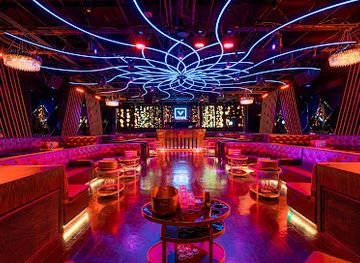
After dark, South Beach ranges from relaxed hotel lounges and long-established bars to loud clubs, drag venues and late-night dance rooms. Ocean Drive is the most conspicuous evening corridor, with neon façades, outdoor terraces and a steady flow of visitors, while Washington Avenue and Collins Avenue contain a more varied mix of bars and clubs. Mac's Club Deuce is a longstanding dive-bar reference point, and Twist is associated with the neighbourhood's LGBTQ+ nightlife; venues and formats change, so current entry policies and event details need checking. South of Fifth tends towards restaurants and polished lounges, whereas the blocks around Española Way and Lincoln Road offer more social drinking and outdoor dining. Nightlife is concentrated rather than universal: a few streets can remain busy while nearby residential blocks are quiet.
-
Night club
Mango's Tropical Cafe South Beach
Discover the vibrant nightlife at Mango's Tropical Cafe in South Beach, where dining meets entertainment in a lively atmosphere.
13 min walk · 1.1 km from neighbourhood centre
-
Night club
VOODOO LOUNGE
Experience the vibrant nightlife at Voodoo Lounge in Miami Beach, where exquisite cuisine meets lively entertainment on Ocean Drive.
13 min walk · 1.0 km from neighbourhood centre
-
Night club
Vendôme Miami
Immerse yourself in the vibrant nightlife of Miami at Vendôme, where pulsating beats and exquisite cocktails create unforgettable experiences.
16 min walk · 1.3 km from neighbourhood centre
-
Night club
Club M2 Miami
Experience the vibrant nightlife of Miami at Club M2, where world-class DJs and electrifying performances create unforgettable nights.
8 min walk · 0.6 km from neighbourhood centre



Best shops in South Beach
Shopping in South Beach is concentrated around a few contrasting corridors. Lincoln Road is the largest pedestrian retail area, combining national brands, design-led shops, cafés, galleries and outdoor spaces, while Collins Avenue and the streets near Ocean Drive contain fashion boutiques, resort wear, jewellery and visitor-oriented stores. Española Way offers smaller-scale retail mixed with restaurants, and Washington Avenue has a changing selection of independent businesses, beauty shops and practical services. South of Fifth is more residential and dining-focused, although it includes boutique retail around its hotel and restaurant streets. The neighbourhood is not primarily a traditional market district: its shopping identity comes from the relationship between restored historic buildings, contemporary fashion, beach equipment, art and hospitality rather than from a single specialist product or permanent food market.
-
Souvenir store
Alvin's Island - Miami Beach #18
Experience the charm of Miami Beach at Alvin's Island, your go-to souvenir store for unique gifts and vibrant clothing.
2 min walk · 0.2 km from neighbourhood centre
-
Boutique
URock Couture Miami Beach
Explore the vibrant world of fashion at URock Couture, Miami Beach's top boutique for stylish clothing and accessories.
13 min walk · 1.0 km from neighbourhood centre
-
Clothing store
Ocean Drive Gallery
Discover unique fashion at Ocean Drive Gallery, where Miami's vibrant style meets quality clothing for every taste.
6 min walk · 0.4 km from neighbourhood centre
-
Clothing store
The Webster Miami
Discover luxury fashion at The Webster Miami, your go-to for designer clothing and exclusive collections in the heart of Miami Beach.
8 min walk · 0.6 km from neighbourhood centre


South Beach essentials
Getting There
Getting Around
Safety
Emergency Situations
Do's and Don'ts
Local Tips

From Eve
Local phrases worth knowing
You don't need to get them perfect. A few words go a long way, and locals appreciate the effort.
Basics
| English | Local | Say it |
|---|---|---|
| Hello | Hey | [Hey] |
| Goodbye | Later | [Lay-ter] |
| Yes | Yeah | [Yeah] |
| No | Nah | [Nah] |
| Please/You're welcome | Please/No problem | [Pleez/No prob-lem] |
| Thank you | Thanks | [Thanks] |
| Excuse me/Sorry | Excuse me/My bad | [Ex-cuse me/My bad] |
| How are you? | How you doin'? | [How you doin'?] |
| Fine. And you? | Good. You? | [Good. You?] |
| Do you speak English? | You speak English? | [You speak English?] |
| I don't understand | I don't get it | [I don't get it] |
Eating & Drinking
| English | Local | Say it |
|---|---|---|
| I'd like to see the menu, please | Menu, please | [Menu, please] |
| I don't eat meat | No meat | [No meat] |
| Cheers! | Cheers! | [Cheers!] |
| I would like to pay, please | Check, please | [Check, please] |
Emergencies
| English | Local | Say it |
|---|---|---|
| Help! | Help! | [Help!] |
| Go away! | Go away! | [Go away!] |
| Call the Police! | Call the cops! | [Call the cops!] |
| Call a doctor! | Get a doc! | [Get a doc!] |
| I'm lost | Lost | [Lost] |
| I'm ill | Sick | [Sick] |
Shopping
| English | Local | Say it |
|---|---|---|
| I'd like to buy... | I wanna buy... | [I wanna buy...] |
| I'm just looking | Just looking | [Just looking] |
| How much is it? | How much? | [How much?] |
| That's too expensive | Too pricey | [Too pricey] |
| Can you lower the price? | Can you do better? | [Can you do better?] |
Time & Numbers
| English | Local | Say it |
|---|---|---|
| What time is it? | What time is it? | [What time is it?] |
| It's one o'clock | It's one | [It's one] |
| Half past (10) | 10:30 | [10:30] |
| Morning | Morning | [Morning] |
| Afternoon | Afternoon | [Afternoon] |
| Evening | Evening | [Evening] |
| Yesterday | Yesterday | [Yesterday] |
| Today | Today | [Today] |
| Tomorrow | Tomorrow | [Tomorrow] |
| 1 | One | [One] |
| 2 | Two | [Two] |
| 3 | Three | [Three] |
| 4 | Four | [Four] |
| 5 | Five | [Five] |
| 6 | Six | [Six] |
| 7 | Seven | [Seven] |
| 8 | Eight | [Eight] |
| 9 | Nine | [Nine] |
| 10 | Ten | [Ten] |
Transport & Directions
| English | Local | Say it |
|---|---|---|
| Where's a/the...? | Where's the...? | [Where's the...?] |
| What's the address? | What's the address? | [What's the address?] |
| Can you show me (on the map)? | Show me (on the map)? | [Show me (on the map)?] |
| When's the next (bus)? | Next (bus)? | [Next (bus)?] |
| A ticket (to ....) | Ticket (to ....) | [Ticket (to ....)] |
History of South Beach
From Barrier Island to Resort Town
Before urban development, the barrier island that became South Beach was shaped by dunes, coastal vegetation and the changing shoreline of Biscayne Bay. Miami Beach's resort development accelerated in the early twentieth century through land reclamation, drainage and promotional schemes that turned a difficult island environment into a destination for seasonal visitors. The southern end developed with hotels, apartment buildings and commercial streets oriented towards the ocean, while connections to the mainland made the island increasingly accessible. South Beach was therefore planned less as an old town than as a leisure landscape, with its streets, beachfront parks and hotels arranged around bathing, winter residence and entertainment.
The Rise of Art Deco Miami Beach
The building boom of the 1920s and 1930s gave South Beach much of its recognisable architectural character. Hotels and apartment houses appeared along Collins Avenue, Ocean Drive and the surrounding streets, often using the period's streamlined vocabulary of curved corners, horizontal lines, geometric ornament and nautical references. Development was interrupted by the 1926 Miami hurricane and later affected by the economic pressures of the Great Depression, yet construction continued in more restrained forms. These buildings were designed for holidaymakers and apartment residents, creating the dense, walkable resort fabric that still distinguishes the area from Miami's mainland neighbourhoods.
Postwar Change and Decline
After the Second World War, South Beach became an affordable retirement and residential district as newer resort areas drew some visitors away. Its small hotels and apartment buildings aged, and many Art Deco structures were threatened by demolition or insensitive alteration. The neighbourhood also developed a strong Jewish presence, reflected in local congregations, businesses and the buildings now associated with the Jewish Museum of Florida–FIU. By the 1970s, preservationists and residents were campaigning to protect the remaining architecture, while South Beach's unusual mix of older residents, immigrants, working hotels and nightlife gave it a social character distinct from a purely seasonal resort.
Preservation and International Reinvention
The designation of the Miami Beach Architectural District in 1979 helped establish architectural preservation as a central part of South Beach's future. Restoration, publicity and the area's use as a setting for fashion and popular culture attracted new visitors and investment during the 1980s and 1990s. Ocean Drive and the surrounding blocks became internationally recognisable, while Lincoln Road, Española Way and South of Fifth acquired renewed commercial and residential importance. This transformation brought carefully restored hotels, restaurants, galleries and clubs, alongside rising property values and continuing debate about the balance between tourism, nightlife, preservation and everyday residential life.
South Beach in Photos
Browse through our photo collection highlighting the charm and character of the destination.
Neighbourhoods near South Beach
The closest neighbourhoods to South Beach, if you have time for more than one stop.
-

-

-

-


Swipe for more neighbourhoods
Explore more

Explore more of Miami
Miami blends Art Deco architecture, Caribbean culture, beaches, museums and Everglades access into a dynamic Florida city shaped by water and migration.
Explore Miami