

Downtown Miami (Miami) Travel Guide - Free
Explore Downtown Miami in Miami with Evendo's free guide. Find the best shops, historic streets, restaurants, and gems on web or mobile.


Downtown Miami blends Biscayne Bay parks, historic landmarks, museums, Latin dining, rooftop bars and cultural venues in Florida’s urban core.
A Waterfront Urban Centre
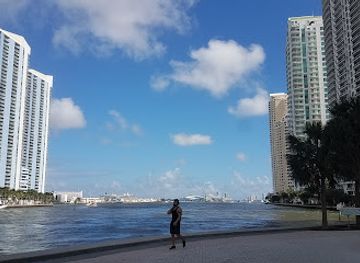
Downtown Miami occupies the mainland shore of Biscayne Bay, where the city’s commercial core meets public parks, cultural institutions and the Metromover’s elevated tracks. It is a district of contrasts: glass office towers rise above older commercial streets, while Bayfront Park opens towards the water and Flagler Street remains one of the most recognisable east–west routes through the centre. The neighbourhood is busier during office hours and event evenings than at quieter weekend periods, but its streets connect several of Miami’s most important civic and cultural places.Read more about Downtown Miami
History in the Cityscape
Parks, Culture and Everyday Life
Best attractions in Downtown Miami
Downtown Miami’s attractions cluster around the bayfront and its historic commercial centre. Bayfront Park provides lawns, gardens, waterfront promenades and monuments, while Bayside Marketplace offers a busy retail and dining stop beside the marina, even if its atmosphere is more commercial than the surrounding civic spaces. At the northern edge, Maurice A. Ferré Park connects the Pérez Art Museum Miami and the Phillip and Patricia Frost Museum of Science with views across Biscayne Bay. The Freedom Tower, once the home of the Miami News and later associated with Cuban refugee assistance, is an important cultural and historical stop. On Flagler Street, the Olympia Theater preserves the atmosphere of a 1920s entertainment palace. Kaseya Center brings major sporting and music events to the waterfront, with access and crowd levels varying according to the programme.
-
Park
Maurice A. Ferré Park
Explore the lush landscapes and stunning views of Biscayne Bay at Maurice A. Ferré Park, an urban oasis in Downtown Miami.
17 min walk · 1.4 km from neighbourhood centre
-
Ferris wheel
Skyviews Miami Observation Wheel
Discover breathtaking views of Miami from the Skyviews Miami Observation Wheel, the city's iconic Ferris wheel offering unforgettable experiences.
13 min walk · 1.1 km from neighbourhood centre
-
Tourist attraction
Torch of Friendship
Explore the Torch of Friendship in Downtown Miami, where culture and unity converge in an iconic monument celebrating Latin American heritage.
10 min walk · 0.8 km from neighbourhood centre
-
Tourist attraction
Miami Bull
Discover Miami Bull, a vibrant tourist attraction in Downtown Miami symbolizing the city's rich culture, art, and energetic lifestyle.
6 min walk · 0.5 km from neighbourhood centre


Best landmarks in Downtown Miami
Downtown Miami’s landmarks trace the district’s development from railway-era commerce to a modern waterfront centre. The Freedom Tower is the most symbolically charged, combining a 1920s newspaper history with its later role in welcoming and processing Cuban refugees. The Olympia Theater on Flagler Street preserves an ornate 1926 entertainment venue and remains one of the area’s defining historic interiors. The neoclassical Miami-Dade County Courthouse gives the civic centre a more formal architectural presence, while the county and municipal buildings around Government Center express Downtown’s administrative importance. Bayfront Park’s waterfront setting and monuments provide a public counterpart to the office towers, and the elevated Metromover has become part of the district’s visual identity. The Pérez Art Museum Miami and Frost Science are newer cultural landmarks at the northern edge, linking the downtown street grid with Biscayne Bay.
-
Park
Maurice A. Ferré Park
Discover the tranquility of Maurice A. Ferré Park, a picturesque urban oasis in Downtown Miami, perfect for relaxation and recreation.
17 min walk · 1.4 km from neighbourhood centre
-
Tourist attraction
Torch of Friendship
Explore the Torch of Friendship, a monumental tribute to Miami's cultural unity and a must-visit landmark in Downtown Miami.
10 min walk · 0.8 km from neighbourhood centre
-
Historical landmark
Lummus Park Historic District
Discover the historical charm and natural beauty of Lummus Park Historic District in Miami, a perfect blend of culture and recreation for every traveler.
9 min walk · 0.8 km from neighbourhood centre
-
Historical landmark
Miami Circle National Historic Landmark
Explore the Miami Circle National Historic Landmark, a captivating glimpse into the ancient Tequesta tribe's life and Miami's rich cultural heritage.
10 min walk · 0.8 km from neighbourhood centre


Explore Downtown Miami on the map
A handpicked selection of must-see spots in Downtown Miami, mapped for you.
Best hotels in Downtown Miami
Best restaurants in Downtown Miami
Downtown Miami’s dining scene reflects its position between the historic commercial core, the bayfront and the financial district. Cuban and wider Latin American influences remain important, particularly around Flagler Street and the older city centre, where cafés, bakeries and casual restaurants serve coffee, sandwiches and hearty daytime meals. Independent names such as Soya e Pomodoro and NIU Kitchen have helped give the central district a more distinctive contemporary dining profile, while hotel restaurants and waterfront venues provide more formal options. Around Bayside Marketplace, choices lean towards accessible chain and tourist-oriented dining, whereas the blocks near the Olympia Theater and courthouse offer a more local weekday rhythm. Restaurants within the wider Downtown area range from Italian and Spanish-influenced cooking to modern tasting menus, but visitors should distinguish the district from Brickell, whose restaurant concentration and identity are separate.
-
Peruvian
CVI.CHE 105
Experience authentic Peruvian cuisine at CVI.CHE 105 in Downtown Miami - where flavor meets tradition in every dish.
8 min walk · 0.6 km from neighbourhood centre
-
American
Crazy About You
Experience the vibrant fusion of American and Spanish cuisine at Crazy About You in Downtown Miami, where every meal is a celebration.
18 min walk · 1.5 km from neighbourhood centre
-
American
Dolores But You Can Call Me Lolita
Discover Dolores But You Can Call Me Lolita – where American comfort meets Spanish flair in an unforgettable dining experience in Downtown Miami.
14 min walk · 1.1 km from neighbourhood centre
-
Restaurant
Komodo Miami
Experience the best of Asian fusion cuisine at Komodo Miami – where culinary artistry meets vibrant ambiance in Downtown Miami.
13 min walk · 1.1 km from neighbourhood centre


Best bars in Downtown Miami
Downtown Miami’s evenings centre on theatres, sports, concerts and bars rather than a single continuous nightclub strip. Historic Flagler Street and the blocks around the Olympia Theater offer a cultural night out, while Bayfront Park and Kaseya Center can make the waterfront lively during scheduled events. Bars such as Lost Boy and Mama Tried are associated with the central downtown drinking scene, attracting different crowds and offering a more informal alternative to hotel lounges. Bayside remains oriented towards visitors and waterfront dining, with entertainment activity that varies by venue and event. The adjacent Brickell and Wynwood areas have larger, more specialised nightlife districts, but they are separate neighbourhoods; Downtown itself is best understood as a mixed office, residential, cultural and event centre after dark.
-
Bar
Blackbird Ordinary
Experience the vibrant nightlife at Blackbird Ordinary, a cocktail haven with live music in the heart of Downtown Miami.
10 min walk · 0.8 km from neighbourhood centre
-
Bar
Black Market Miami
Experience the Best of Miami's Nightlife at Black Market Miami - A Gastropub with Creative Cocktails and Gourmet Comfort Food.
5 min walk · 0.4 km from neighbourhood centre
-
Bar
The Corner
Discover The Corner, a vibrant pub in Downtown Miami, known for its creative cocktails and lively nightlife atmosphere.
14 min walk · 1.2 km from neighbourhood centre
-
Cocktail bar
Better Days
Discover the lively atmosphere of Better Days, a cocktail bar in Downtown Miami known for its crafted drinks, live music, and unforgettable nightlife.
9 min walk · 0.7 km from neighbourhood centre


Best nightclubs in Downtown Miami
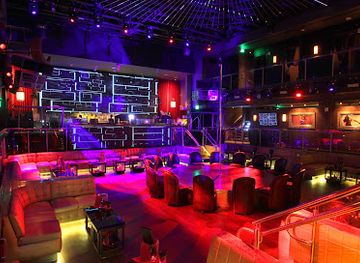
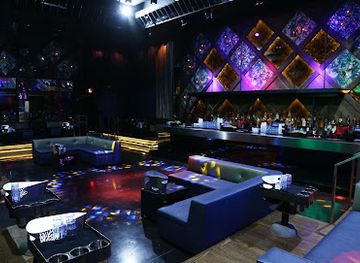
Downtown Miami’s evenings centre on theatres, sports, concerts and bars rather than a single continuous nightclub strip. Historic Flagler Street and the blocks around the Olympia Theater offer a cultural night out, while Bayfront Park and Kaseya Center can make the waterfront lively during scheduled events. Bars such as Lost Boy and Mama Tried are associated with the central downtown drinking scene, attracting different crowds and offering a more informal alternative to hotel lounges. Bayside remains oriented towards visitors and waterfront dining, with entertainment activity that varies by venue and event. The adjacent Brickell and Wynwood areas have larger, more specialised nightlife districts, but they are separate neighbourhoods; Downtown itself is best understood as a mixed office, residential, cultural and event centre after dark.
-
Night club
E11EVEN
Experience the vibrant nightlife of Miami at E11EVEN, a premier club featuring live music, exquisite cocktails, and an unforgettable atmosphere.
15 min walk · 1.2 km from neighbourhood centre
-
Night club
TuCandela Bar
Discover the energetic nightlife of Miami at TuCandela Bar, where great cocktails and vibrant music create an unforgettable experience.
13 min walk · 1.0 km from neighbourhood centre
-
Night club
BLUME Nightclub
Discover the electrifying nightlife at BLUME Nightclub in Downtown Miami, where vibrant beats and stylish ambiance create unforgettable nights out.
5 min drive · 1.5 km from neighbourhood centre
-
Night club
El Agua Ocean Nightclub
El Agua Ocean Nightclub: Dive into Miami's nightlife with stunning views, electrifying music, and an unforgettable party experience.
11 min walk · 0.9 km from neighbourhood centre


Best shops in Downtown Miami
Shopping in Downtown Miami ranges from the open-air, visitor-focused Bayside Marketplace to practical urban retail around Flagler Street and the central office district. Bayside combines shops, food outlets and waterfront views, making it convenient for browsing souvenirs, casual fashion and Miami-themed merchandise, though it has a distinctly commercial character. Flagler Street and nearby blocks retain a more mixed pattern of jewellers, convenience shops, cafés and independent businesses, with retail activity shaped by offices and weekday foot traffic. The area is better suited to combining shopping with historic architecture, dining and waterfront walks than to a dedicated luxury-shopping excursion. Larger high-end fashion concentrations are found elsewhere in Miami, particularly Brickell and the Design District, so Downtown’s retail identity is primarily central-city, accessible and connected to tourism, events and everyday business.
-
Gift shop
Downtown Miami Souvenir
Explore unique gifts and local treasures at Downtown Miami Souvenir, where vibrant culture meets unforgettable shopping experiences.
7 min walk · 0.5 km from neighbourhood centre
-
Boutique
Ché by Chelsey
Explore the trendy styles and unique selections at Ché by Chelsey, a premier boutique in Downtown Miami offering a vibrant shopping experience.
9 min walk · 0.7 km from neighbourhood centre
-
Electronics store
Shopping & Shopping of Miami
Explore the latest in technology at the premier Electronics Store in Downtown Miami, where innovation meets convenience and style.
7 min walk · 0.5 km from neighbourhood centre
-
Clothing store
ODDS CONCEPT
Discover ODDS CONCEPT in Downtown Miami, where vintage fashion meets contemporary art in a unique shopping experience.
9 min walk · 0.7 km from neighbourhood centre


Downtown Miami essentials
Getting There
Getting Around
Safety
Emergency Situations
Do's and Don'ts
Local Tips

From Eve
Local phrases worth knowing
You don't need to get them perfect. A few words go a long way, and locals appreciate the effort.
Basics
| English | Local | Say it |
|---|---|---|
| Hello | Hola | [oh-lah] |
| Goodbye | Adiós | [ah-dee-ohs] |
| Yes | Sí | [see] |
| No | No | [noh] |
| Please/You're welcome | Por favor/De nada | [por fah-vor/deh nah-dah] |
| Thank you | Gracias | [grah-see-ahs] |
| Excuse me/Sorry | Perdón/Lo siento | [pair-dohn/loh see-en-toh] |
| How are you? | ¿Cómo estás? | [koh-moh es-tahs] |
| Fine. And you? | Bien. ¿Y tú? | [bee-en. ee too] |
| Do you speak English? | ¿Hablas inglés? | [ah-blahs een-glays] |
| I don't understand | No entiendo | [noh en-tee-en-doh] |
Eating & Drinking
| English | Local | Say it |
|---|---|---|
| I'd like to see the menu, please | Me gustaría ver el menú, por favor | [may goo-stah-ree-ah ver el meh-noo, por fah-vor] |
| I don't eat meat | No como carne | [noh koh-moh kahr-neh] |
| Cheers! | ¡Salud! | [sah-lood] |
| I would like to pay, please | Me gustaría pagar, por favor | [may goo-stah-ree-ah pah-gar, por fah-vor] |
Emergencies
| English | Local | Say it |
|---|---|---|
| Help! | ¡Ayuda! | [ah-yoo-dah] |
| Go away! | ¡Vete! | [veh-teh] |
| Call the Police! | ¡Llame a la policía! | [yah-meh ah lah poh-lee-see-ah] |
| Call a doctor! | ¡Llame a un médico! | [yah-meh ah oon meh-dee-koh] |
| I'm lost | Estoy perdido/a | [es-toy pair-dee-doh/pair-dee-dah] |
| I'm ill | Estoy enfermo/a | [es-toy ehn-fehr-moh/ehn-fehr-mah] |
Shopping
| English | Local | Say it |
|---|---|---|
| I'd like to buy... | Me gustaría comprar... | [may goo-stah-ree-ah kohm-prar] |
| I'm just looking | Solo estoy mirando | [soh-loh es-toy mee-rahn-doh] |
| How much is it? | ¿Cuánto cuesta? | [kwan-to kweh-stah] |
| That's too expensive | Esto es demasiado caro | [es-toh ehs deh-mah-see-ah-doh kah-roh] |
| Can you lower the price? | ¿Puedes bajar el precio? | [pweh-dehs bah-har el preh-see-oh] |
Time & Numbers
| English | Local | Say it |
|---|---|---|
| What time is it? | ¿Qué hora es? | [keh oh-rah es] |
| It's one o'clock | Es la una | [es lah oo-nah] |
| Half past (10) | Son las diez y media | [sohn lahs dyehs ee meh-dee-ah] |
| Morning | Mañana | [mah-nyah-nah] |
| Afternoon | Tarde | [tahr-deh] |
| Evening | Noche | [noh-cheh] |
| Yesterday | Ayer | [ah-yehr] |
| Today | Hoy | [oy] |
| Tomorrow | Mañana | [mah-nyah-nah] |
| 1 | Uno | [oo-noh] |
| 2 | Dos | [dohs] |
| 3 | Tres | [trehs] |
| 4 | Cuatro | [kwah-troh] |
| 5 | Cinco | [seen-koh] |
| 6 | Seis | [says] |
| 7 | Siete | [syeh-teh] |
| 8 | Ocho | [oh-choh] |
| 9 | Nueve | [nweh-veh] |
| 10 | Diez | [dyehs] |
Transport & Directions
| English | Local | Say it |
|---|---|---|
| Where's a/the...? | ¿Dónde está un/el...? | [dohn-deh ehs-tah oon/el] |
| What's the address? | ¿Cuál es la dirección? | [kwal es lah dee-rek-syon] |
| Can you show me (on the map)? | ¿Puedes mostrarme (en el mapa)? | [pweh-dehs mohs-trar-meh (en el mah-pah)] |
| When's the next (bus)? | ¿Cuándo es el próximo (autobús)? | [kwan-doh es el proh-ksee-moh (ow-toh-boos)] |
| A ticket (to ....) | Un boleto (para ....) | [oon boh-leh-toh (pah-rah)] |
History of Downtown Miami
From River Settlement to Downtown
The area now understood as Downtown Miami developed beside the Miami River and Biscayne Bay, on land connected to the settlement that incorporated as the City of Miami in 1896. Henry Flagler’s Florida East Coast Railway reached Miami in 1896, bringing new investment, workers and visitors and helping shift the local economy towards hotels, shipping, finance and commerce. Early streets followed the practical grid of the emerging town, while the waterfront and river remained important for transport and trade. The district’s later importance came not from a single planned foundation but from the concentration of civic, commercial and transport functions around the bayfront and Flagler Street.
Flagler Street and Civic Growth
During the early twentieth century, Flagler Street became Downtown Miami’s principal commercial avenue, lined with department stores, offices, theatres and hotels. The Olympia Theater opened in 1926 as a movie palace and vaudeville venue, reflecting the entertainment culture of the period. The Freedom Tower, completed in 1925 for the Miami News, later acquired a different significance when it became a reception and assistance centre for Cuban refugees arriving in the United States during the 1960s. Nearby civic buildings, including the courthouse, banks and municipal offices, reinforced Downtown Miami’s role as the administrative and commercial centre of South Florida.
Modern Towers and Waterfront Renewal
After the Second World War, automobile-oriented development, suburban expansion and changing retail patterns challenged the older downtown core. At the same time, high-rise offices and apartments reshaped the skyline, while public investment renewed parts of the waterfront. Bayfront Park evolved into a major civic gathering space, and the Metromover, opened in 1986, created a free elevated transit loop through central Miami. Maurice A. Ferré Park and the museum developments along Biscayne Boulevard strengthened Downtown’s cultural edge. The present district therefore combines historic commercial streets with residential towers, event venues, public parks and institutions serving the wider metropolitan area.
Downtown Miami in Photos
Browse through our photo collection highlighting the charm and character of the destination.
Neighbourhoods near Downtown Miami
The closest neighbourhoods to Downtown Miami, if you have time for more than one stop.
-

-

-

-


Swipe for more neighbourhoods
Explore more

Explore more of Miami
Miami blends Art Deco architecture, Caribbean culture, beaches, museums and Everglades access into a dynamic Florida city shaped by water and migration.
Explore Miami