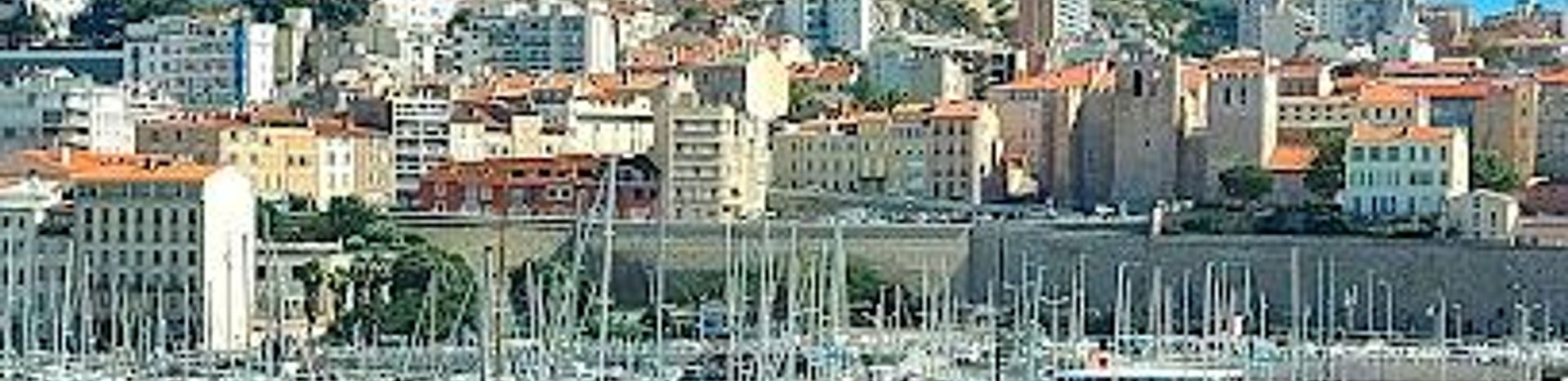
Old Port of Marseille: The Heart of the City
Discover the vibrant heart of Marseille at the Old Port, a historic harbor brimming with culture, cuisine, and captivating views, where the city's soul comes alive.
The Old Port of Marseille, or Vieux-Port, is more than just a harbor; it's the historical and cultural heart of the city. For over 2600 years, this bustling port has been a focal point of Marseille, from its founding by the Greeks to its modern-day reinvention as a vibrant marina and social hub. Lined with cafes, restaurants, and historical landmarks, the Old Port offers visitors a captivating glimpse into Marseille's rich past and lively present. Stroll along the quays, watch the fishermen sell their daily catch, or simply soak in the atmosphere of this iconic Mediterranean destination. Its central location makes it easily accessible and a perfect starting point for exploring the rest of Marseille, including the nearby Panier district and the famous Canebière.
A brief summary to Old Port of Marseille
- FR
Local tips
- Visit the fish market early in the morning to witness the lively atmosphere and purchase fresh seafood directly from the fishermen.
- Take a ferry to the Château d'If or the Frioul Islands for a unique perspective of Marseille's coastline and historical landmarks.
- Explore the Panier district, located just north of the Old Port, to discover its charming streets, artisan shops, and historical architecture.
- Enjoy a traditional bouillabaisse at one of the many restaurants lining the quays, savoring the flavors of Provençal cuisine.
- Walk along the Quai des Belges and admire the Grande Ombrière, a mirrored canopy designed by Norman Foster, offering stunning reflections of the port and its surroundings.

Getting There
-
Walking
From the end of La Canebière, simply walk towards the water. The Old Port is directly ahead. The walk is mostly flat and pedestrian-friendly. Be aware of crowds, especially during peak season. The area around the port is easily walkable, allowing you to explore the quays, shops, and restaurants at your own pace.
-
Public Transport
If arriving at Gare de Marseille-Saint-Charles, take the Metro Line 1 (blue line) to Vieux-Port Hôtel de Ville station. The ride is approximately 3 minutes, and the station exits directly onto the Old Port. A single ticket costs €1.70. Alternatively, several bus lines serve the Old Port area, including line 582 from Canebière Bourse to Hôtel de Ville, costing €2.
-
Taxi/Ride-Share
Taxis and ride-sharing services are readily available throughout Marseille. A short taxi ride from Gare de Marseille-Saint-Charles to the Old Port will cost approximately €7-€9 and take around 3 minutes, depending on traffic. From Place de la Joliette, expect to pay around the same amount. Be aware that traffic can be heavy during peak hours, potentially increasing the fare.
-
Ferry
Within the Old Port, a small ferry boat crosses the harbor between the Quai du Port (near the City Hall) and the Quai de Rive Neuve. This short trip costs €0.50 and runs every 10 minutes. It's a quick and scenic way to traverse the port.
-
Driving
Driving directly to the Old Port is not recommended due to heavy traffic and limited parking. However, if driving is necessary, several parking garages are located nearby, including Q-Park Vieux Port / Hôtel de Ville and Indigo Bourse - Musée d'Histoire. Expect to pay around €3.00 per hour or €19.20 per day. Parking can be difficult to find, especially during peak season, so it's advisable to reserve a space in advance.
Discover more about Old Port of Marseille
Iconic landmarks you can’t miss

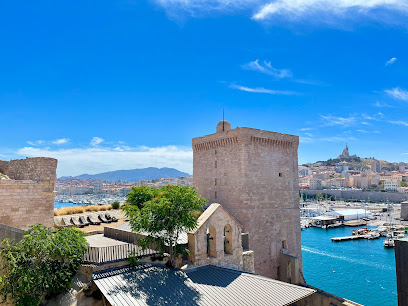
Tour du Roi René
0.1 km
Discover the historical marvel of Tour du Roi René, a stunning landmark in Marseille offering breathtaking views and a journey through the city's rich heritage.
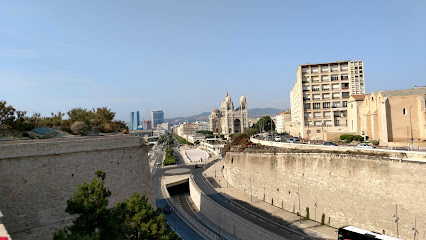
Mémorial des Déportations de la Ville de Marseille
0.2 km
Explore the Mémorial des Déportations in Marseille, a poignant museum dedicated to the memory of deported individuals during WWII, along the beautiful Quai du Port.
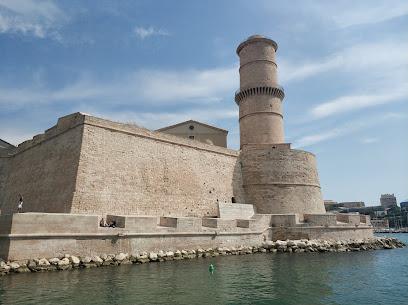
Tour du fanal
0.3 km
Explore Marseille's iconic 17th-century lighthouse, the Tour du Fanal, offering panoramic views and a glimpse into the city's maritime history.
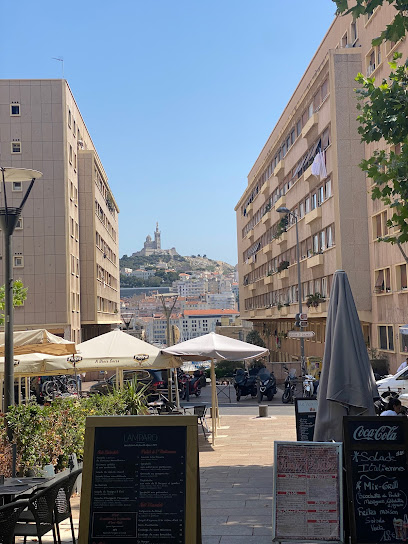
Place de Lenche
0.3 km
Explore the vibrant atmosphere and rich history of Place de Lenche, a must-visit square in the heart of Marseille, perfect for immersing in local culture.
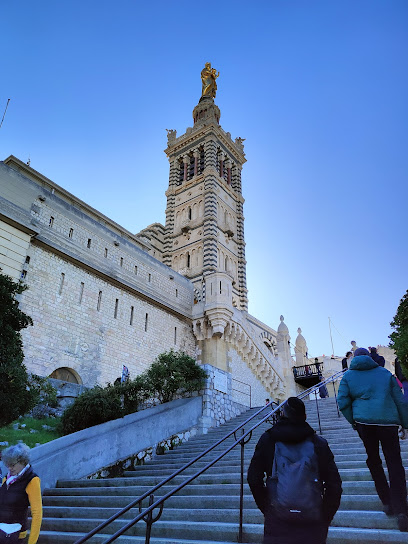
Museum of the Roman Docks
0.3 km
Uncover the maritime legacy of ancient Rome at the Museum of the Roman Docks in Marseille, a captivating local history museum filled with fascinating artifacts.
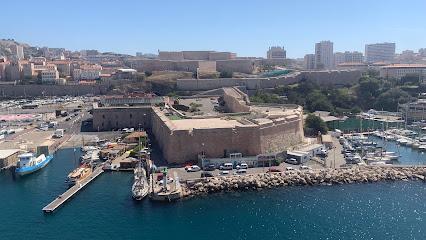
Citadelle de Marseille (Fort Saint-Nicolas)
0.3 km
Discover the majestic Citadelle de Marseille, a historic fortress offering breathtaking views and rich history in the heart of this vibrant French city.
Quai de Rive Neuve
0.4 km
Explore the picturesque Quai de Rive Neuve, a vibrant waterfront promenade in Marseille, perfect for leisurely strolls and savoring Mediterranean delights.
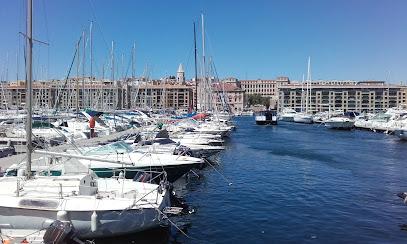
Maison Diamantée
0.4 km
Explore the Maison Diamantée, a stunning cultural landmark in Marseille, showcasing unique architecture and rich history.
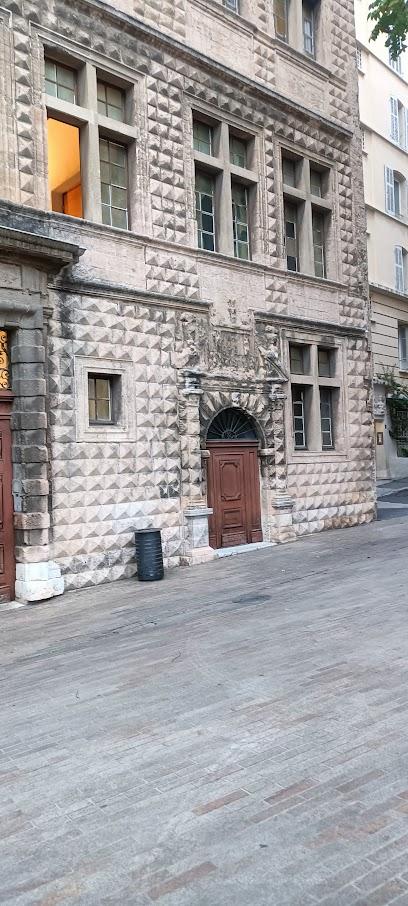
Ville de Marseille
0.5 km
Explore the architectural beauty and historical significance of Marseille's City Hall, a cultural landmark in the heart of France's vibrant port city.
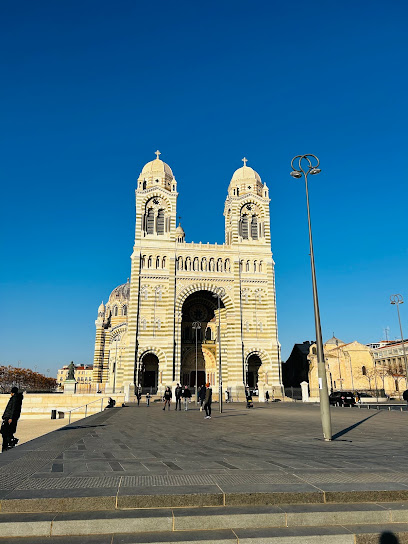
Statue de Pytheas et Euthymenes
0.5 km
Discover the Statue de Pytheas et Euthymenes in Marseille, a historical landmark celebrating maritime exploration and the city’s rich heritage.
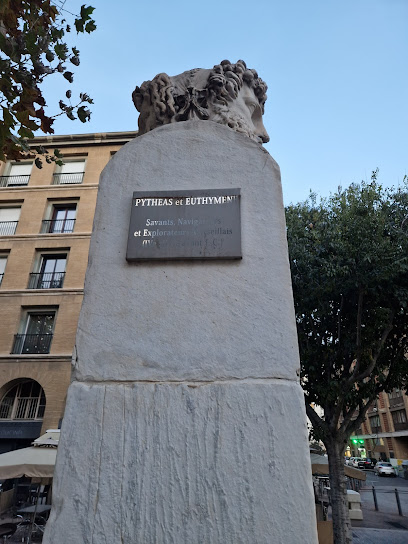
Place des moulins
0.5 km
Discover the hidden gem of Place des Moulins in Marseille—a charming square filled with history, local culture, and delightful streets to explore.
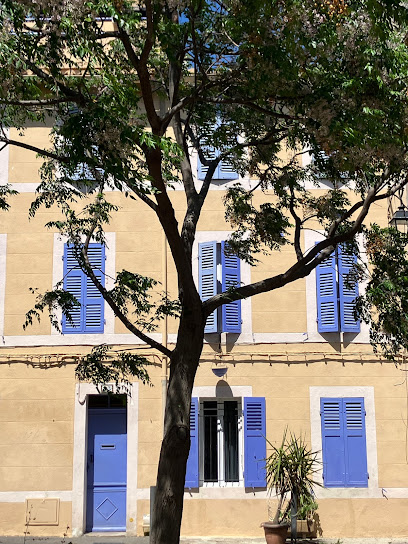
Monument aux héros et victimes de la mer
0.5 km
Explore the Monument aux Héros et Victimes de la Mer, a poignant tribute to sailors, showcasing Marseille's rich maritime history and stunning coastal views.
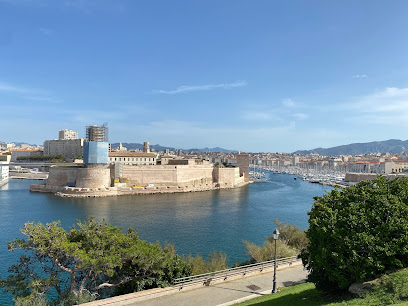
Palais du Pharo
0.5 km
Explore the rich history and stunning views at Palais du Pharo, a cultural landmark in Marseille that celebrates art and architecture.
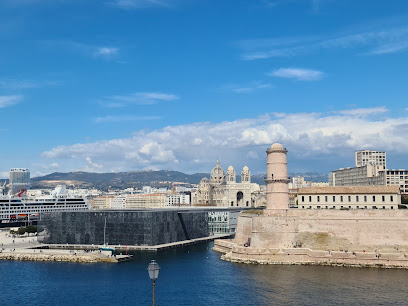
Place aux Huiles
0.6 km
Discover the vibrant atmosphere of Place aux Huiles in Marseille, a charming square filled with cafes, shops, and rich cultural experiences.
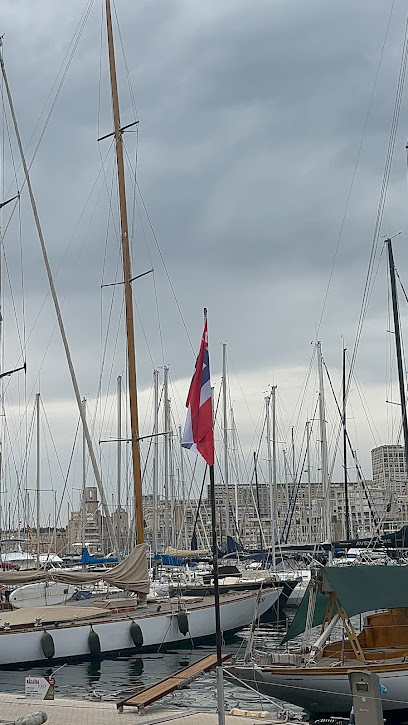
Memorial De La Deportation De L'Internement Et De La Rèsistance
0.6 km
Explore the Memorial De La Deportation De L'Internement Et De La Résistance in Marseille, a powerful tribute to resilience and memory from World War II.
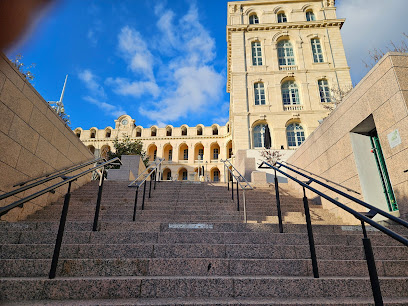
Unmissable attractions to see

Invader Pixel Art
0.1 km
Discover Marseille through the whimsical mosaics of Invader, a street artist who has transformed the city into an open-air art gallery with his pixelated Space Invaders.
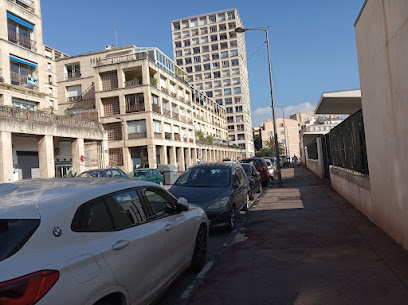
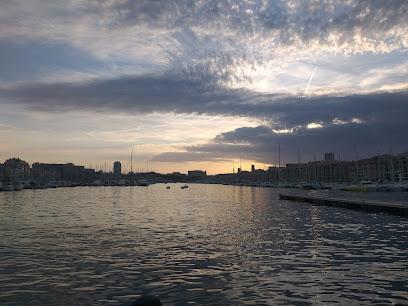
Vieux port
0.1 km
Discover the vibrant heart of Marseille at the Vieux Port, a historic harbor brimming with culture, cuisine, and captivating views, where ancient history meets modern-day charm.
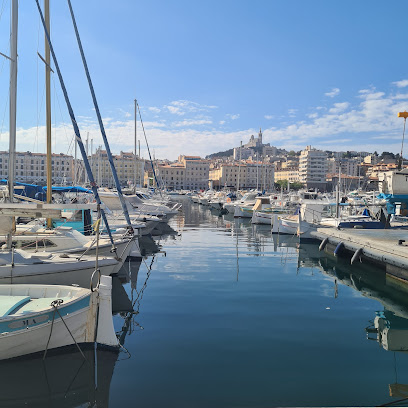
Free Fresh Water
0.1 km
Stay hydrated and support sustainability in Marseille! Find free fresh water near MuCEM at Esplanade J4 as part of the #GourdeFriendly initiative, reducing plastic waste.

Eglise Saint Laurent
0.1 km
Discover Marseille's maritime soul at Église Saint-Laurent, a historic Romanesque church overlooking the Old Port, steeped in centuries of faith and resilience.
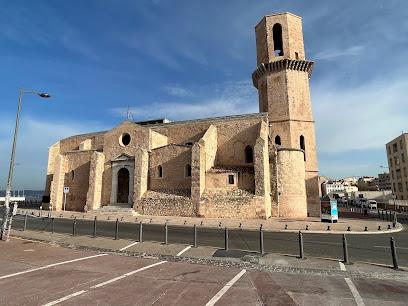
Place d'Armes
0.2 km
Discover Place d'Armes in Marseille: A historic esplanade within Fort Saint-Jean offering stunning views, lush gardens, and a vibrant cultural experience by the Mediterranean Sea.
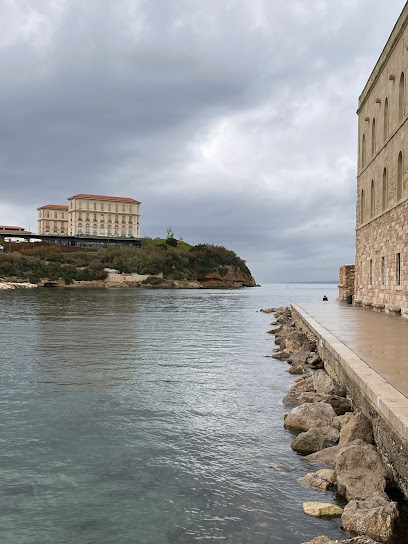
Les Petits Trains de Marseille
0.2 km
Discover Marseille's iconic landmarks and hidden gems with Les Petits Trains, offering scenic tours through the city's historic streets and stunning Mediterranean coastline.
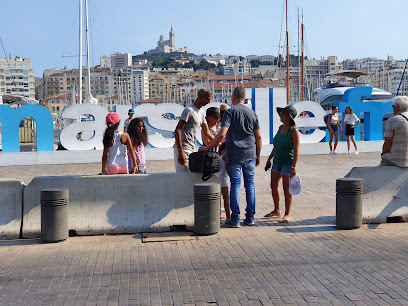
Fort Saint-Jean
0.2 km
Explore Marseille's Fort Saint-Jean, a historic fortress offering panoramic views and a journey through centuries of French history, now part of the MuCEM.
Musée Regards de Provence
0.3 km
Explore Marseille's maritime art heritage at Musée Regards de Provence, an inspiring art museum showcasing captivating works that celebrate the beauty of Provence.
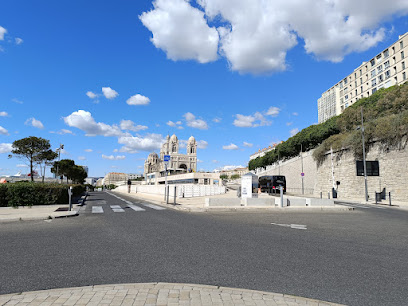
Cosquer Méditerranée
0.3 km
Journey 30,000 years back in time to explore a replica of the prehistoric Cosquer Cave, complete with stunning Paleolithic art and exhibits detailing the region's ancient environment in Marseille.
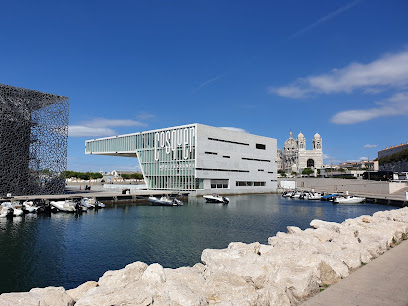
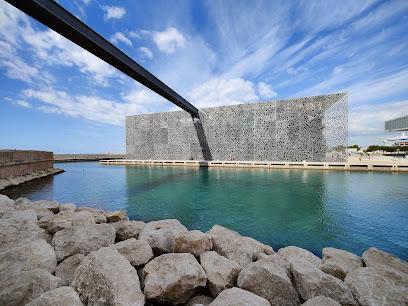
Mucem - Museum of Civilizations of Europe and the Mediterranean
0.3 km
Explore the captivating Museum of European and Mediterranean Civilizations in Marseille: A cultural journey through history, art, and stunning architecture on the Vieux Port.
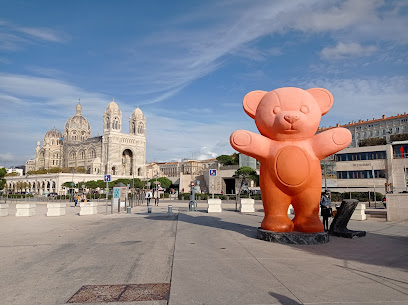
Teddy Bear Statue (Oursjayet 2020)
0.4 km
Discover the enchanting Teddy Bear Statue in Marseille, a charming landmark perfect for capturing joyful memories in this vibrant city.
Quai du Port
0.4 km
Experience the vibrant atmosphere of Quai du Port in Marseille, where stunning views, local cuisine, and rich maritime heritage come together.
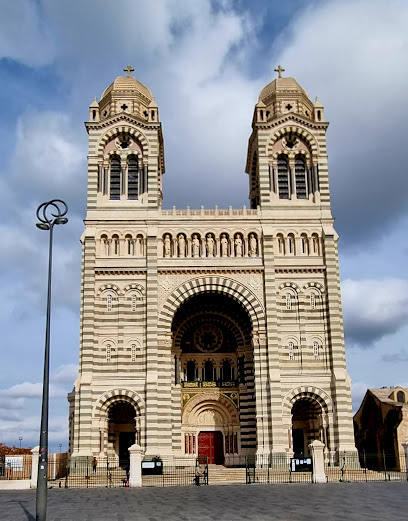
Marseille Cathedral
0.5 km
Discover Marseille Cathedral, a stunning Romanesque-Byzantine landmark. Explore its grand architecture, intricate mosaics, and rich history on the Mediterranean coast, a true symbol of Marseille.
Marseille място за снимки
0.5 km
Capture the soul of Marseille: Explore its historic port, vibrant neighborhoods, and stunning coastal views for unforgettable photographic moments in France's captivating Mediterranean gem.
Abbaye Saint-Victor
0.5 km
Explore Marseille's oldest church, a fortress of faith with ancient crypts, stunning views, and a rich history dating back to the 5th century, offering a unique glimpse into the city's soul.
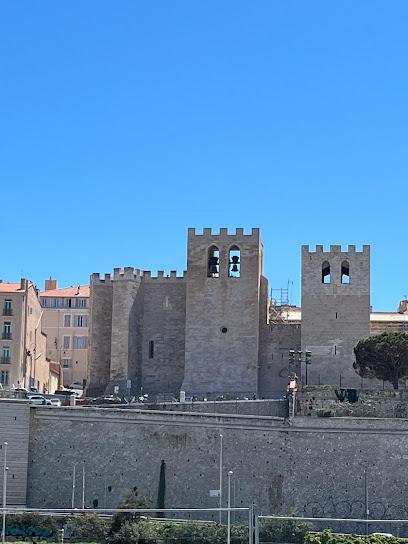
Essential places to dine

Au Bout du Quai
0.1 km
Experience exquisite seafood and authentic French cuisine at Au Bout du Quai in Marseille, where every meal tells a story of Mediterranean tradition.
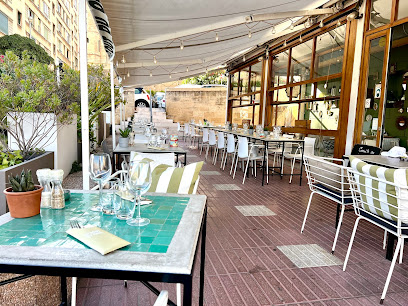
L'Espigoulier
0.1 km
Experience authentic Provençal cuisine at L'Espigoulier in Marseille - where every meal tells a story and every flavor delights.
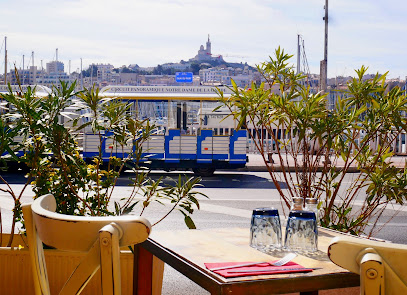
Paulette - Restaurant Vieux Port
0.2 km
Experience authentic French cuisine and vibrant bar culture at Paulette - Restaurant Vieux Port in picturesque Marseille.
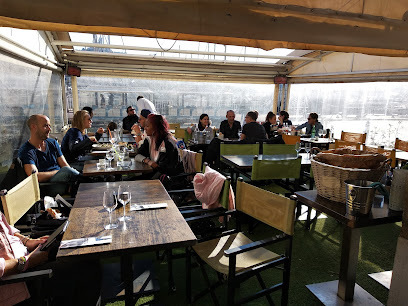
Bobolivo Restaurant
0.2 km
Discover Bobolivo Restaurant in Marseille – A delightful bistro offering exquisite French cuisine and an inviting atmosphere perfect for every occasion.
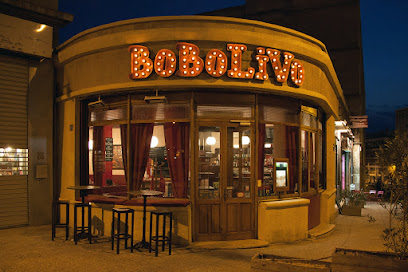
Le Caveau
0.3 km
Discover Le Caveau in Marseille: A family-friendly restaurant serving exquisite Mediterranean cuisine with fresh seafood delights.
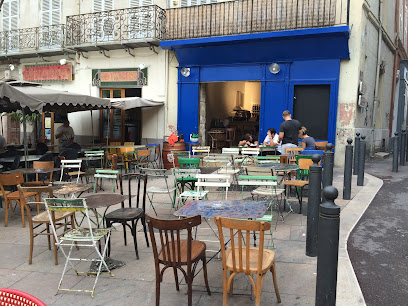
Lamparo - Restaurant Marseille
0.3 km
Discover Lamparo in Marseille: A delightful fusion of French and Mediterranean cuisine awaits you.
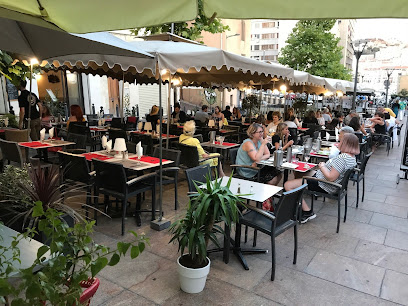
DAYO - Restaurant Panier Marseille
0.3 km
Experience authentic French and Mediterranean flavors at DAYO - Restaurant Panier Marseille amidst the historic charm of Le Panier.
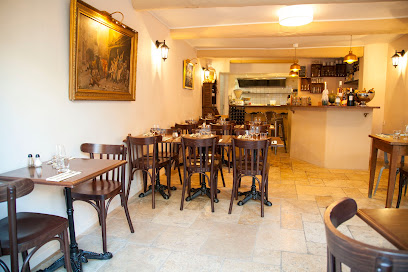
l’écailler du panier
0.3 km
Experience exquisite seafood at L’Écailler du Panier in Marseille - where freshness meets tradition amidst vibrant coastal charm.
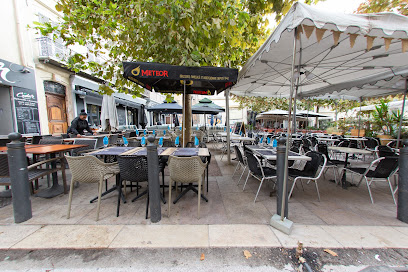
Maison Charlie
0.3 km
Experience authentic French cuisine and delightful pastries at Maison Charlie in the heart of Marseille - where every bite tells a story.
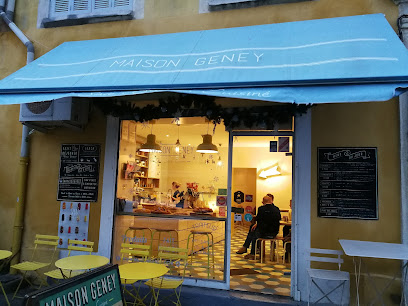
La cigale vieux port
0.3 km
Experience exquisite seafood dining at La Cigale Vieux Port, where fresh flavors meet stunning harbor views in vibrant Marseille.
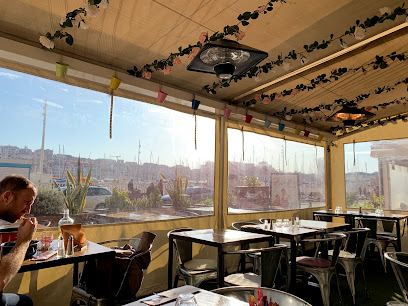
Le Poulpe
0.4 km
Experience authentic French and Mediterranean cuisine at Le Poulpe while enjoying stunning waterfront views in Marseille.
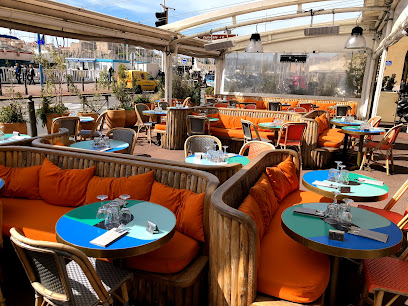
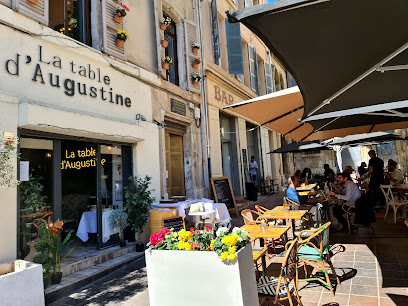
La table d'Augustine
0.4 km
Experience authentic Provençal cuisine at La Table d'Augustine in Marseille - where tradition meets innovation on every plate.
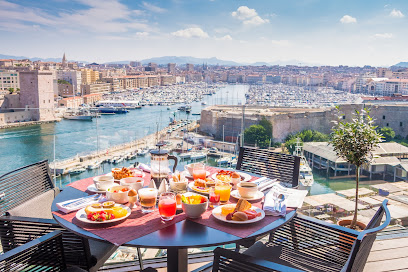
Les Trois Forts
0.4 km
Discover culinary artistry at Les Trois Forts in Marseille—where exquisite flavors meet breathtaking Mediterranean views.
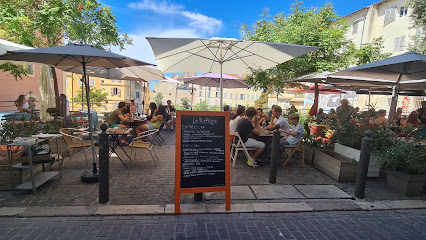
Le Refuge
0.4 km
Experience the best of French and Mediterranean cuisine at Le Refuge in Marseille—a culinary delight waiting to be discovered.
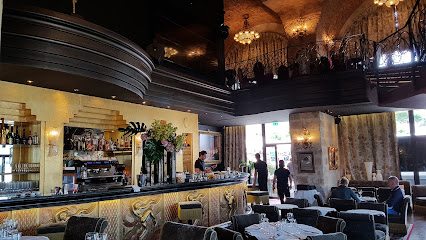
Le Palais de la Major - Restaurant Marseille
0.5 km
Discover exquisite French cuisine with breathtaking views at Le Palais de la Major in Marseille – where every meal is a celebration of flavor.
Markets, malls and hidden boutiques

Thalassa
0.1 km
Discover the essence of Provence at Thalassa, Marseille's premier gift basket store, showcasing gourmet delights and local treasures.
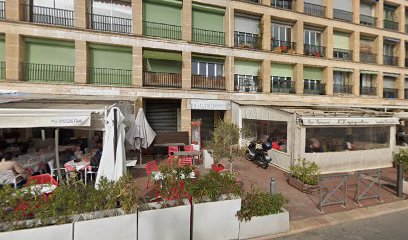
ZIG ZAG
0.3 km
Discover unique gifts and local treasures at ZIG ZAG, the charming gift shop in the heart of Marseille, perfect for souvenirs and thoughtful presents.
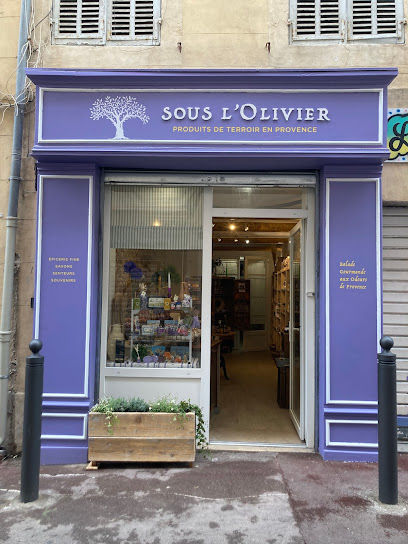
SOUS L’OLIVIER
0.3 km
Explore the heart of Marseille at Sous l'Olivier, a gift shop offering unique local crafts and gourmet delights, perfect for every traveler.
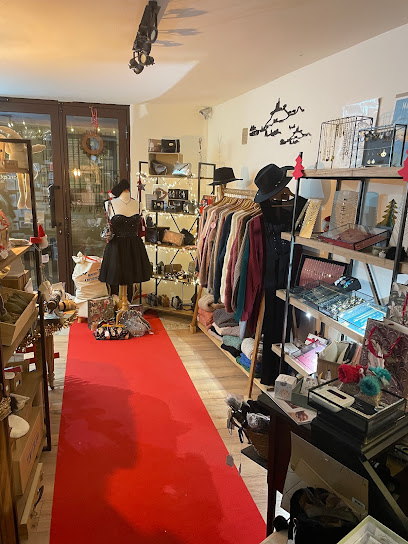
Lyly Concept Store Marseille
0.3 km
Explore the eclectic charm of Lyly Concept Store in Marseille, your destination for unique gifts, fashion accessories, and stylish souvenirs.
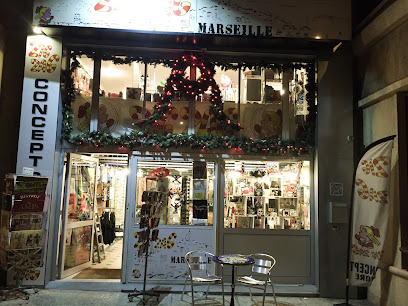
Marseille En France Souvenirs-Gifts-Cadeaux
0.3 km
Explore the vibrant essence of Marseille through unique souvenirs and gifts at this charming store along Quai du Port.
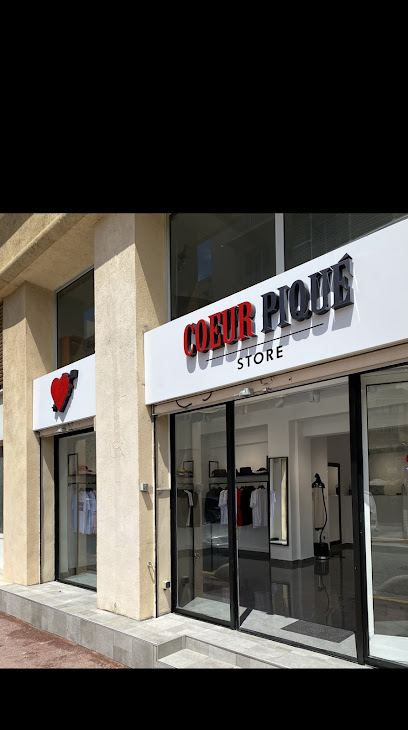
Coeur Piqué - Boutique Marseille
0.4 km
Explore Coeur Piqué in Marseille for unique clothing that reflects the vibrant culture and style of this enchanting French city.
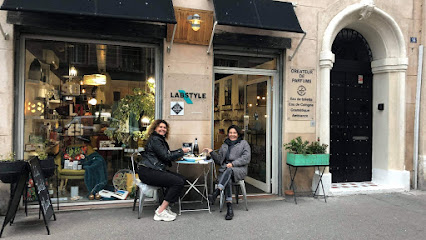
Labstyle
0.4 km
Discover unique gifts and stylish items at Labstyle, Marseille's charming gift shop showcasing local artistry and creativity.
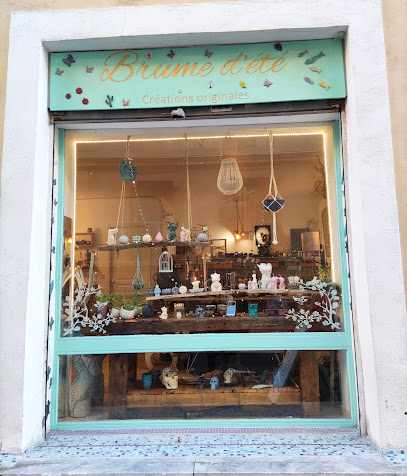
Brume d'été, le Panier Marseille. Boutique, atelier et salon de thé
0.4 km
Explore Brume d'été in Le Panier Marseille for unique handmade gifts, local art, and a cozy tea experience in the heart of the city.
Bazaar Caesar Soap
0.4 km
Discover the essence of Marseille at Bazaar Caesar Soap, your one-stop destination for artisanal beauty products and local souvenirs.
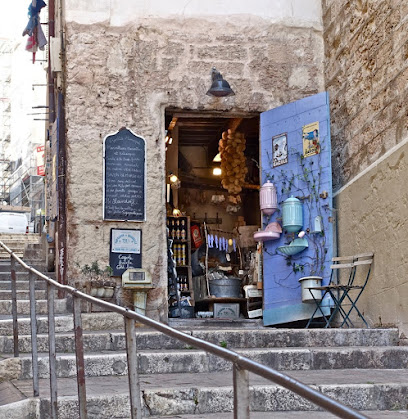
N-Cigale
0.5 km
Explore N-Cigale in Marseille for unique gifts and local treasures that capture the spirit of southern France.
Le Don Du Vent 1947
0.5 km
Discover the charm of the Mediterranean at Le Don Du Vent 1947, where unforgettable boat rentals and event planning come to life in Marseille.
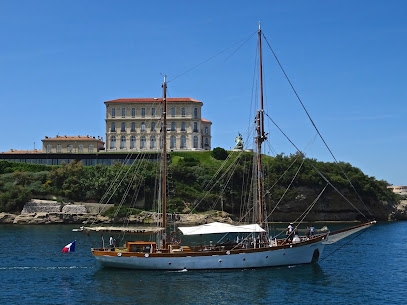
Mistral Marseille
0.5 km
Explore Mistral Marseille - your go-to gift shop for unique souvenirs and local crafts in the heart of Marseille.
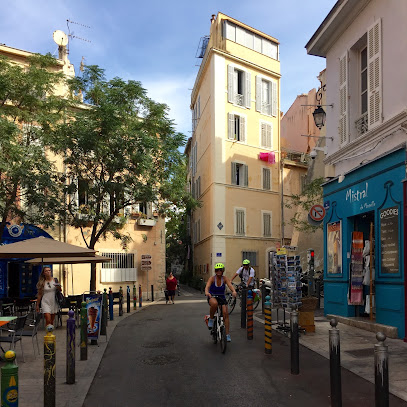
Marseille En Provence
0.5 km
Explore Marseille En Provence for unique souvenirs and local crafts that bring the spirit of the Mediterranean home with you.
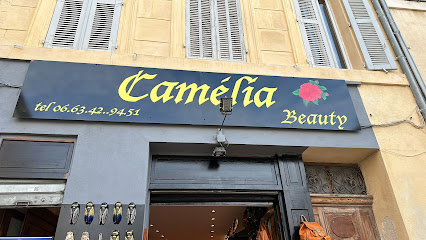
Camelia beauty
0.5 km
Explore Camelia Beauty in Marseille for unique handcrafted gifts and authentic local treasures that capture the city's vibrant spirit.
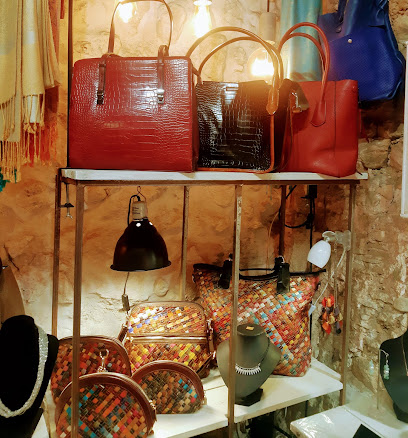
La tuilerie
0.5 km
Discover unique fashion and accessories at La Tuilerie, a charming boutique in Marseille's historic Panier district, reflecting local artistry and style.
Essential bars & hidden hideouts

LE COOL
0.3 km
Discover the vibrant atmosphere of LE COOL, a brewery and bar tabac in Marseille, offering local brews and a taste of authentic French culture.
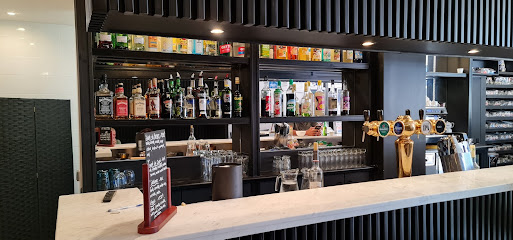
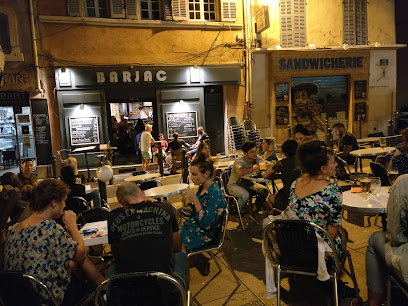
Barjac
0.3 km
Experience the lively charm of Barjac in Marseille, where great drinks and a vibrant atmosphere come together for an unforgettable night out.
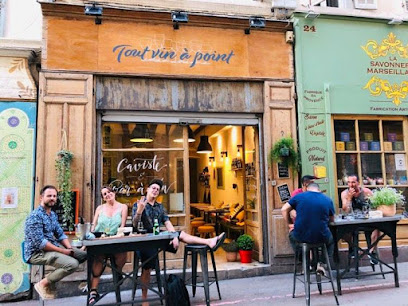
Tout vin à point
0.4 km
Experience the best of Marseille's wine culture at Tout vin à point, a cozy wine bar offering a curated selection and delicious bites.
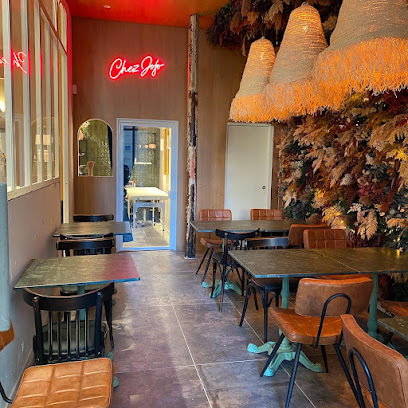
Le Comptoir d’Augustine
0.4 km
Discover the exquisite wine experience at Le Comptoir d’Augustine, a charming wine bar in the heart of Marseille, perfect for relaxation and local flavors.
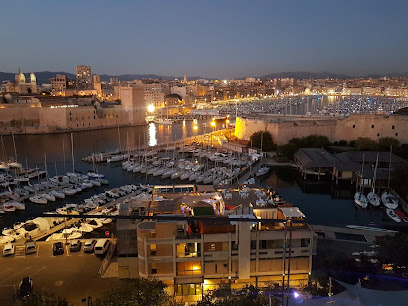
Le Dantès Skylounge
0.4 km
Discover the breathtaking views and exquisite cocktails at Le Dantès Skylounge, Marseille's premier rooftop bar overlooking the Mediterranean.
ManuFactory
0.4 km
Explore the unique blend of culinary delights at ManuFactory, a charming brasserie in Marseille offering breakfast, salads, and a cozy coworking space.
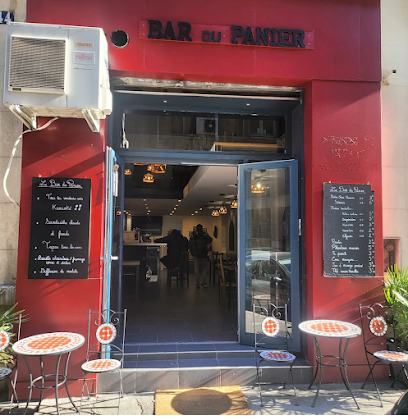
Bar du Panier
0.5 km
Experience the vibrant flavors of Marseille at Bar du Panier, a beloved brasserie offering authentic local cuisine in a welcoming atmosphere.
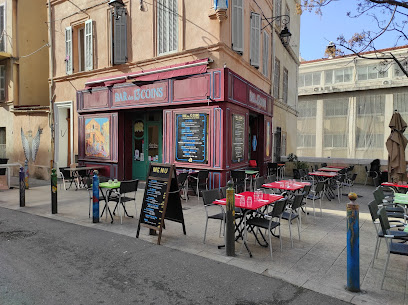
Bar des 13 Coins
0.5 km
Discover the lively Bar des 13 Coins in Marseille, where local beers meet delicious cuisine in a vibrant atmosphere perfect for tourists.
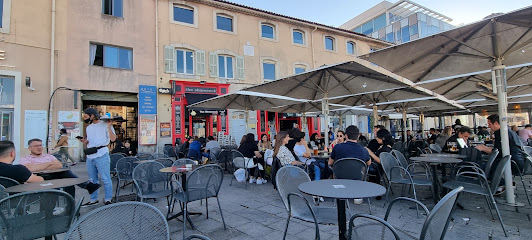
The Shamrock
0.5 km
Experience the lively spirit of Ireland at The Shamrock, an Irish pub in the heart of Marseille's Vieux Port, complete with beers, cocktails, and live music.
Bar de la Marine
0.5 km
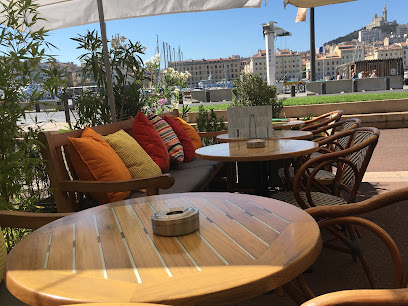
Experience the vibrant culinary scene of Marseille at Bar de la Marine, where delicious food meets stunning harbor views.
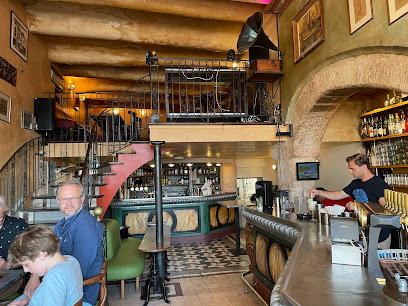
Les voutes Virgo de la Major
0.6 km
Experience the vibrant atmosphere and delicious tapas at Les Voutes Virgo de la Major, a top destination for food lovers in Marseille.
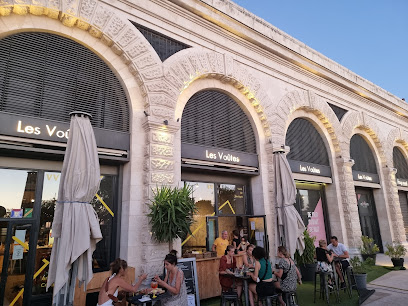
Propaganda - bar tapas Marseille
0.6 km
Experience the vibrant fusion of tapas, cocktails, and live music at Propaganda, Marseille’s favorite bar along Quai de Rive Neuve.
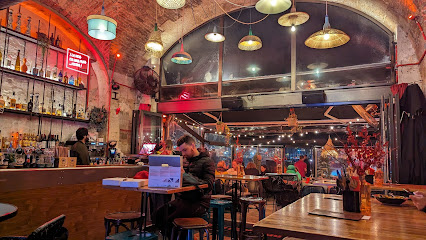
Bar the Capian
0.6 km
Discover the tranquil ambiance and stunning views at Bar the Capian, a must-visit destination in the heart of Marseille.
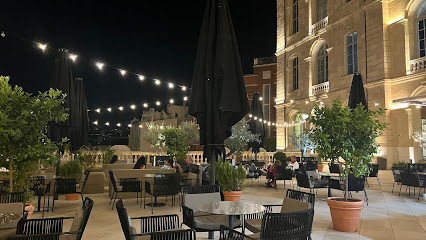
Droit Au Fut
0.6 km
Experience the vibrant nightlife of Marseille at Droit Au Fut, where craft beers and cocktails meet a lively atmosphere.
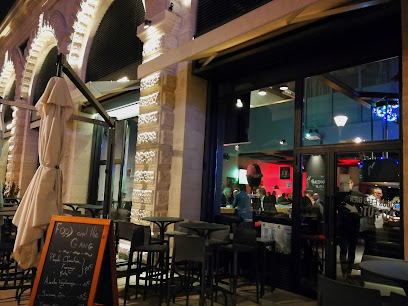
The Queen Victoria
0.6 km
Discover the vibrant atmosphere and gourmet burgers at The Queen Victoria, a culinary haven in the heart of Marseille.
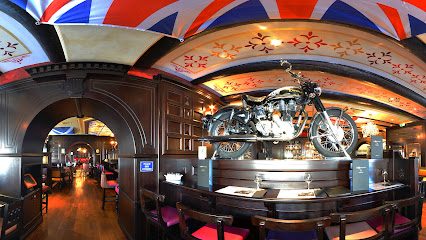
Nightclubs & after hour spots

TROLLEYBUS
0.5 km
Dive into the electrifying nightlife of Trolleybus, a renowned night club in Marseille offering unforgettable music, dancing, and an energetic atmosphere.
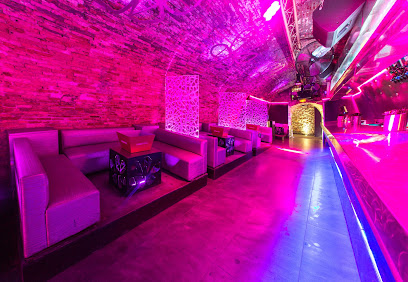
Marquise Rive-Neuve
0.5 km
Discover the pulsating nightlife of Marseille at Marquise Rive-Neuve, a premier disco club offering unforgettable dance experiences and vibrant energy.
Bounce Club
0.7 km
Unleash your nightlife spirit at Bounce Club, Marseille's premier destination for electrifying music and unforgettable dance experiences.
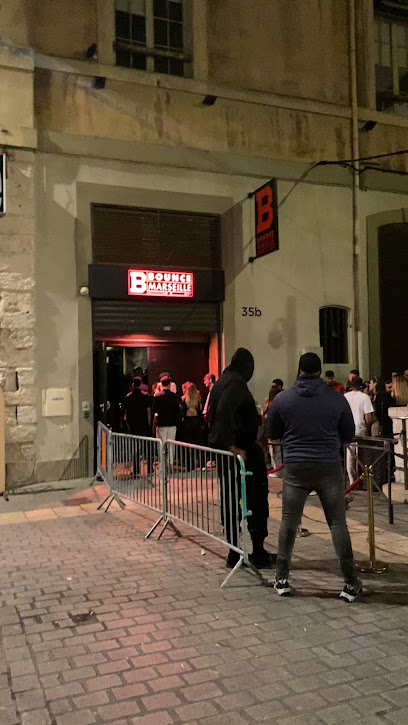
Le Vogue Club
0.7 km
Experience the best of Marseille's nightlife at Le Vogue Club, where great food meets electrifying music in a chic atmosphere.
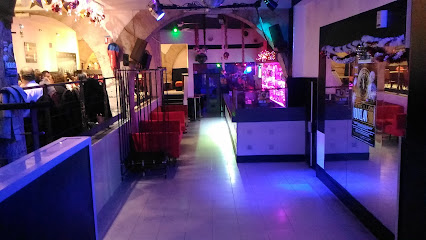
One Again Club
0.8 km
Dive into the heart of Marseille's nightlife at One Again Club, where electrifying beats and vibrant energy create unforgettable nights.

Chez Pablo - Marseille
0.8 km
Dive into the pulsating nightlife of Marseille at Chez Pablo, where vibrant music and an energetic crowd create unforgettable party experiences.
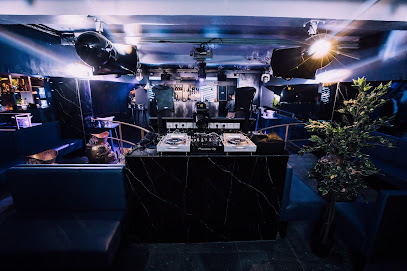
Maxi Club
0.8 km
Discover the heart of Marseille's nightlife at Maxi Club – where vibrant music and an electric atmosphere create unforgettable nights.
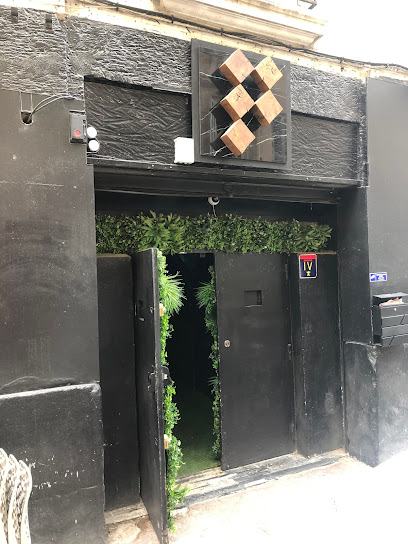
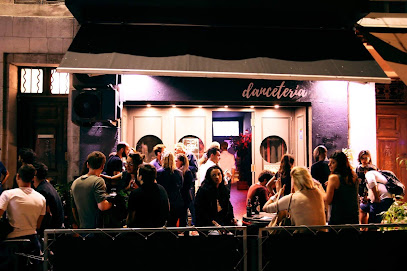
Danceteria
0.9 km
Experience the vibrant nightlife of Marseille at Danceteria, where music, dance, and good vibes unite for an unforgettable night out.
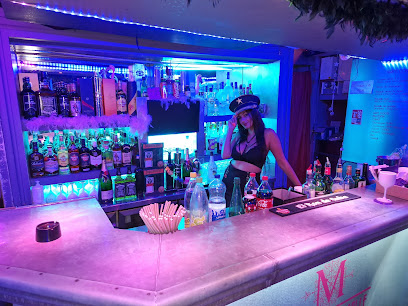
Mademoiselle
0.9 km
Discover the pulsating nightlife of Marseille at Mademoiselle, where the beats are alive and the atmosphere is electric.
Numero 5
1.0 km
Discover the vibrant nightlife of Marseille at Numero 5, where music, dancing, and unforgettable experiences await every visitor.
Yamzz Club
1.1 km
Experience the electrifying nightlife at Yamzz Club in Marseille, where music and dance come alive in a vibrant atmosphere.
R2 Le Rooftop des Terrasses
1.3 km
Discover the electrifying nightlife at R2 Le Rooftop des Terrasses, where stunning views and vibrant music create unforgettable memories in Marseille.
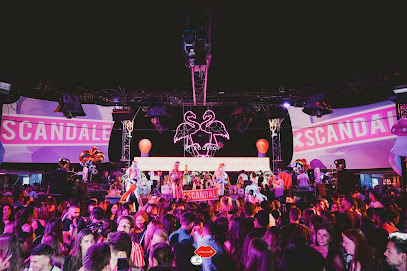
Cabaret Scénario Club
1.4 km
Discover the vibrant nightlife of Marseille at Cabaret Scénario Club, where music, dance, and unforgettable moments await.
Le Diamant Noir Club
1.4 km
Discover the nightlife of Marseille at Le Diamant Noir Club, where music, dancing, and unforgettable memories come together in a vibrant atmosphere.
Watchever Fada
1.6 km
Discover the vibrant nightlife of Marseille at Watchever Fada, where electric beats and a lively crowd create unforgettable memories.