Porte de Munster (Obertor), Alsace Wine Route Travel Guide
Step through Turckheim's Porte de Munster, a medieval gate steeped in history, from its defensive past and somber witch trial connections to its role as a pilgrimage stop.
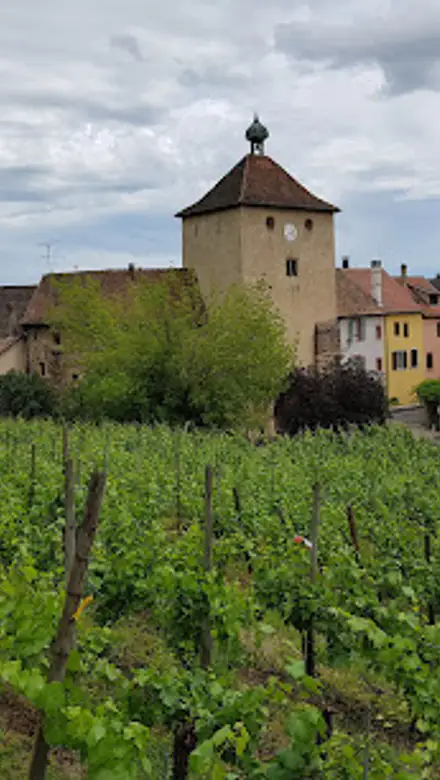
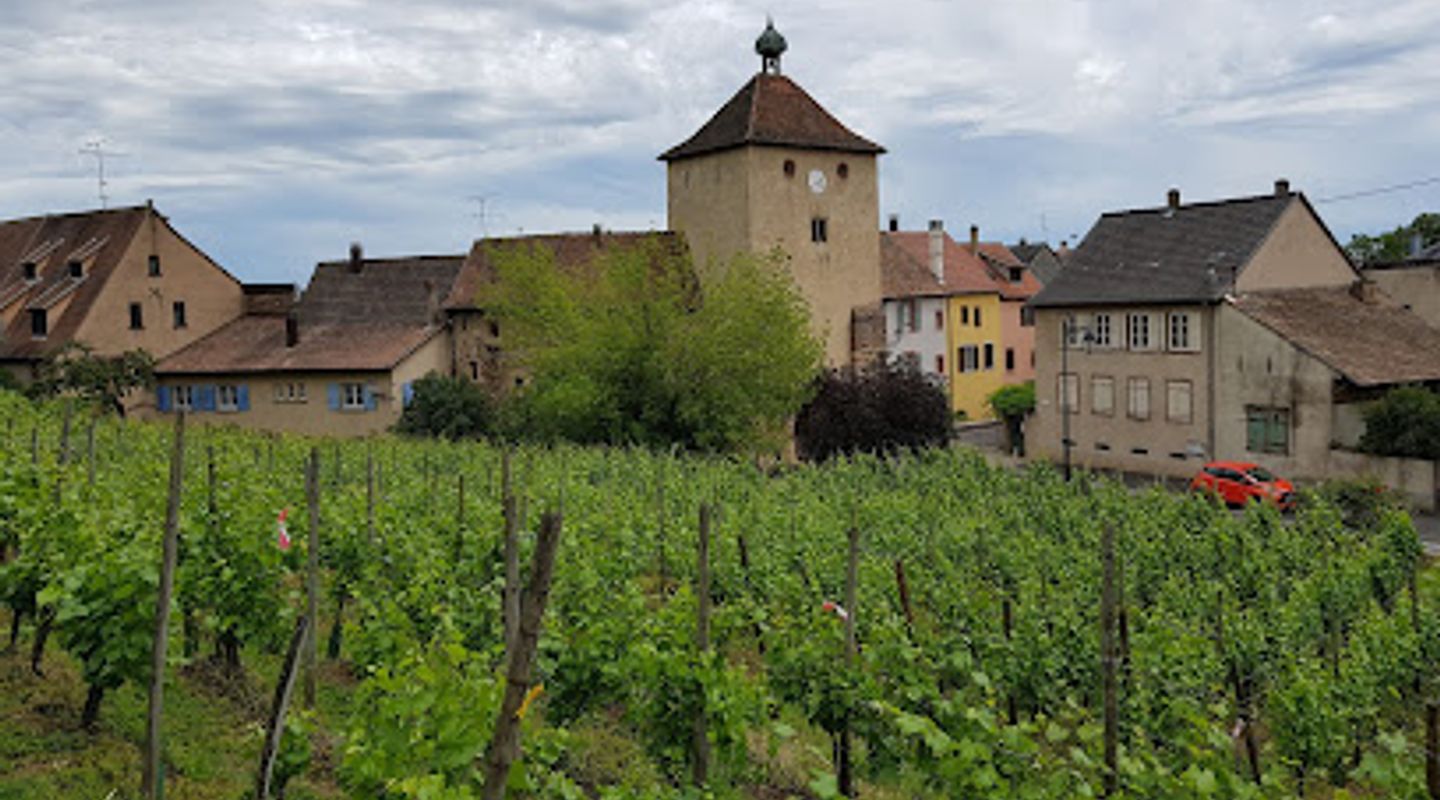
The Porte de Munster, also known as the Obertor (Upper Gate), stands as a proud testament to Turckheim's rich medieval history. Constructed in the 14th century, this imposing gate once served as a crucial defensive structure, complete with a drawbridge and portcullis. Beyond its military function, the Porte de Munster holds a darker significance, as it was the route taken by those accused of witchcraft on their way to execution. Today, the gate welcomes visitors to explore Turckheim's charming old town, offering a glimpse into a bygone era. Its sturdy architecture and historical importance make it a must-see landmark for anyone visiting this picturesque Alsatian village, inviting exploration of the town's well-preserved medieval character.
A brief summary to Porte de Munster (Obertor)
- 1 Rue des Tuileries, Turckheim, 68230, FR
- Click to display

Know before you go
Hi, I'm Eve. Here are a few practical things to know before exploring Porte de Munster (Obertor).
- Visit during the Night Watchman's rounds (May-October) for a unique historical experience.
- Look for the scallop shell decorations on the inner facade, indicating Turckheim's role as a stop on the Camino de Santiago pilgrimage route.
- Explore the nearby Grand Rue for wine tasting opportunities at local cellars.
Do you manage this location?
Take control to get all the benefits, like improved information, better appearance, and stronger visibility across AI-powered discovery. Learn more about listing your business on Evendo
Activate your presenceOther nearby places you may find interesting
The closest places of the same kind, if this one is not quite what you had in mind.


Explore Porte de Munster (Obertor) on the Map
A handpicked selection of must-see spots near Porte de Munster (Obertor), mapped for you.
Getting There
-
Walking
From the center of Turckheim (e.g., the Tourist Office at Rue Wickram), the Porte de Munster is easily reachable on foot within a few minutes. Orient yourself towards the main church, Église Sainte-Anne, and follow the signs towards the old town walls. The gate is located on Rue des Tuileries, a short walk from Place de la République. The walk is mostly flat and paved.
-
Public Transport
If arriving by bus from Colmar (Trace lines 8 or 25), disembark at the 'Turckheim' stop on Place de la République. From there, walk east towards the old town. Pass the fountain and the Corps de Garde (Tourist Office) on your left. Continue straight onto Rue des Tuileries. The Porte de Munster will be directly ahead. A single bus ticket costs around €2. Public transport is available, but walking is generally more convenient due to the short distances within Turckheim.
-
Driving
If arriving by car, parking is available outside the old town walls. Several free parking areas are located along the Route d'Ingersheim and near the train station. From these parking areas, it's a short walk (5-10 minutes) to the Porte de Munster. Be aware that parking inside the old town is restricted to residents only. Parking is generally free, but during peak season (summer and Christmas markets), it can be challenging to find a spot. Consider arriving early or using the parking area near the train station, which is slightly further but usually has more availability.
Discover more about Porte de Munster (Obertor)
More to explore near Porte de Munster (Obertor)













Your all‑in‑one travel companion app
Explore expert travel guides, compare and book tours, experiences, hotels, and more—all from the palm of your hand. Download now for seamless trip planning wherever your wanderlust takes you.


Explore More of Alsace Wine Route
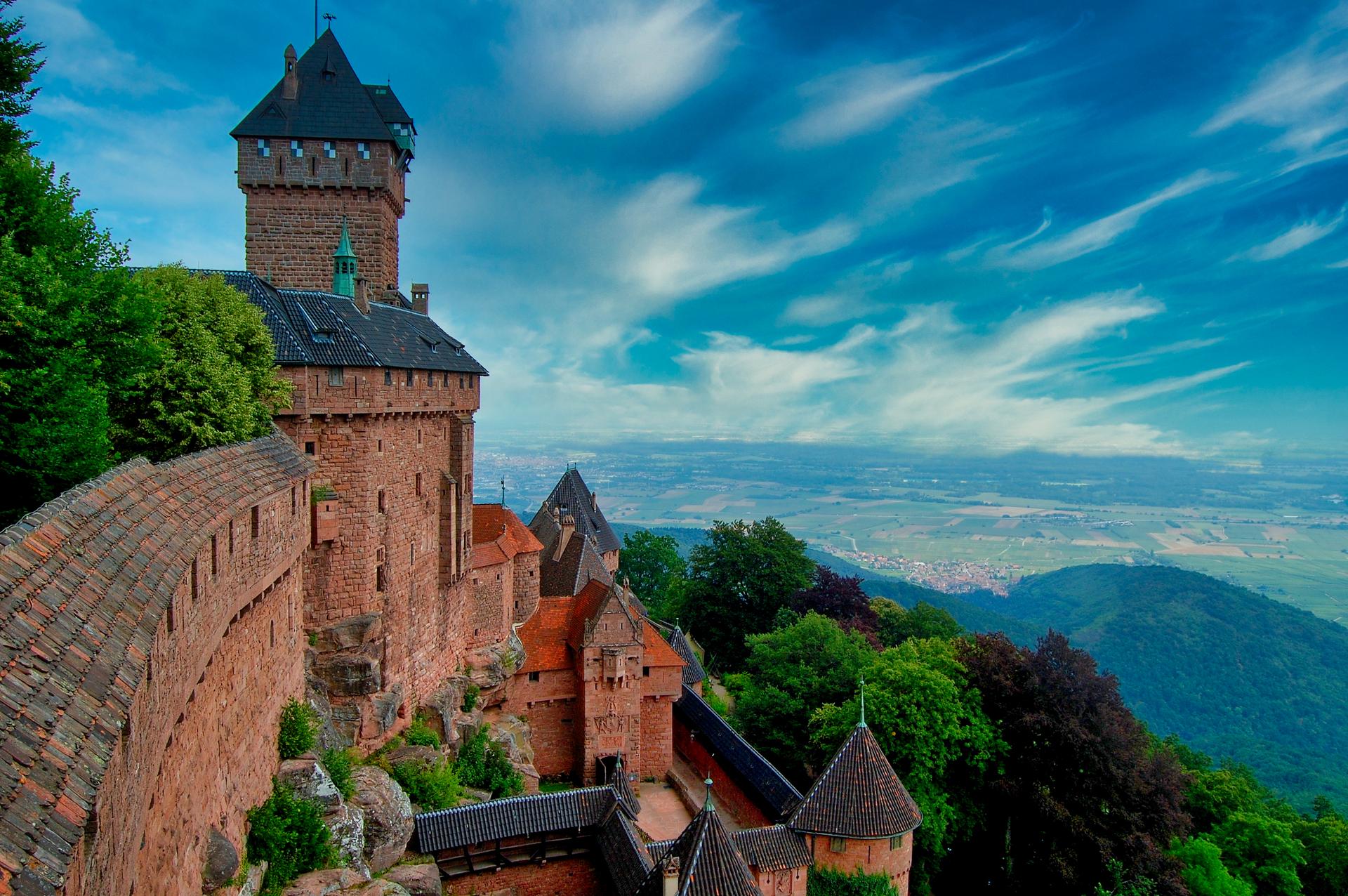
Looking beyond Porte de Munster (Obertor)? Discover Alsace Wine Route for broader travel guides, local hot-spots, and regional highlights.
Explore Alsace Wine Route
Explore Rte des Vins in Kaysersberg-Vignoble, where scenic vineyards meet rich Alsatian culture and exquisite local wines await.
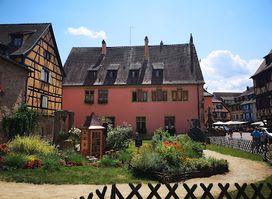
Discover the compelling story of the Colmar Pocket battles at the Musée Mémorial in Turckheim, a tribute to the liberation of Alsace and a poignant reminder of the cost of freedom.