

Barrage Vauban Travel Guide
Free Guide: Explore the historic Barrage Vauban in Strasbourg: a 17th-century dam offering panoramic views and a glimpse into the city's military past.


A brief summary of Barrage Vauban
Explore the historic Barrage Vauban in Strasbourg: a 17th-century dam offering panoramic views and a glimpse into the city's military past.
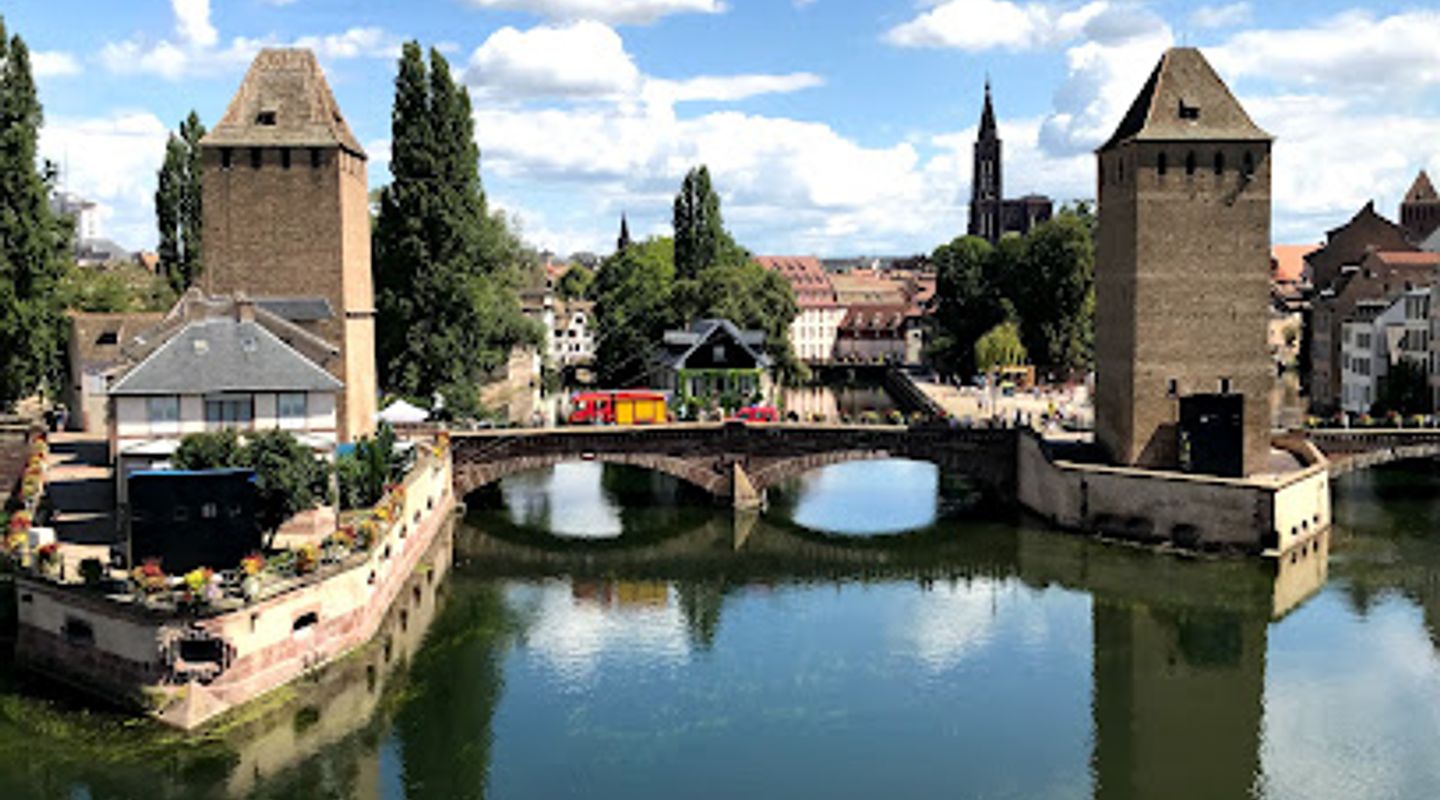
The Barrage Vauban, a 17th-century dam and bridge, stands as a testament to Strasbourg's military history. Designed by the renowned military engineer Vauban, it once served as a critical defensive structure, capable of flooding the city to repel invaders. Today, it offers stunning panoramic views and houses sculptures, making it a must-see attraction.
Opening hours
- Every day8 am–7 pm
Opening hours as listed on the venue’s Google Business Profile. Hours can change for services and special events, so check with the venue before you go.
- Address
- Pl. du Qur Blanc, 67000 Strasbourg
- Phone
- Website
Getting there
Walking
Public Transport
Taxi
Discover more about Barrage Vauban
Overview
The Barrage Vauban, also known as the Vauban Dam, is a historic bridge, weir, and defensive structure erected in the 17th century on the River Ill in Strasbourg, France. Constructed between 1686 and 1690, this impressive edifice was designed by Jacques Tarade based on the plans of Sébastien Le Prestre de Vauban, a prominent French military engineer. Originally named the Great Lock, it played a crucial role in the city's fortifications.The dam's primary function was defensive: in the event of an attack, it could be used to raise the water level of the River Ill, flooding the surrounding lands south of the city and rendering them impassable to enemies. This strategic measure was famously deployed in 1870 during the Franco-Prussian War when Strasbourg was besieged by Prussian forces, resulting in the flooding of the northern part of the Neudorf suburb.The structure itself is a marvel of 17th-century military architecture, constructed from pink Vosges sandstone. It features 13 arches and stretches 120 meters in length. Inside, a corridor connects the two banks of the river, and a lapidarium displays ancient plaster casts and copies of statues and gargoyles from Strasbourg Cathedral and the Palais Rohan. Three of the arches are raised to allow navigation, with drawbridges spanning the corridor.Today, the Barrage Vauban is a popular tourist destination, offering visitors a unique blend of history, architecture, and scenic views. The rooftop terrace, rebuilt in 1965-66, provides panoramic vistas of the Ponts Couverts (covered bridges), the Petite France quarter, and the Strasbourg Cathedral. Admission to the barrage and terrace is free, allowing everyone to appreciate this historical monument.
Evendo Review Centre
 Google
Guest reviews
Explore Barrage Vauban on the map
A handpicked selection of must-see spots near Barrage Vauban, mapped for you.
Get your free copy of our complete guide to Barrage Vauban, delivered straight to you.
Everything on this page, from opening hours and how to get there to Eve’s tips and the best time to go, in one PDF you can read offline, print or share.
Already have an account? Sign in
Your Barrage Vauban guide is ready.
We'll send it to · Not you? Sign out

Getting your guide ready…
We are putting together a fresh copy of the Barrage Vauban guide. This can take up to a minute.
This can take a few moments. If your browser asks, choose Allow so the download can start. You'll find the guide in your Downloads folder.
Nothing happened? Download it again
Sorry, the guide is taking longer than usual. Please try again in a minute, or get it by email instead.
Unlock the best of Barrage Vauban
Skip-the-line tickets, guided tours with entry, and walking tours of the area, booked in a few clicks.
 Tour with entry
Strasbourg Self-Guided Audio Experience
from $5.70 Tour with entry
Self-Guided Secrets Tour - Explore Strasbourg & Miss Nothing
from $5.86 Tour with entry
Inventors, Reformers and World War 2 tour of Strasbourg with app
from $8.55 Tour with entry
Strasbourg Walking Tour with Audioguide on Your Smartphone
from $10.65


Other nearby places you may find interesting
The closest places of the same kind, if this one is not quite what you had in mind.
-
-
-
-
-


Swipe for more places
More to explore near Barrage Vauban

 Best experiences near Barrage Vauban
 Best hotels near Barrage Vauban
 Best landmarks near Barrage Vauban
 Best attractions near Barrage Vauban
 Best shops near Barrage Vauban
 Best restaurants near Barrage Vauban
 Best bars near Barrage Vauban
Do you manage this location?
Take control to get all the benefits, like improved information, better appearance, and stronger visibility across AI-powered discovery.
Explore more

Explore more of Alsace
Discover Alsace: A scenic region of France blending French and German cultures, famed for its charming villages, world-class wines, and stunning natural landscapes.
Explore Alsace
Explore more of France
Explore France: A land of romance, history, and unparalleled beauty, from the iconic streets of Paris to the serene landscapes of Provence and the luxury of the French Riviera.
Explore France
